 English
 Español
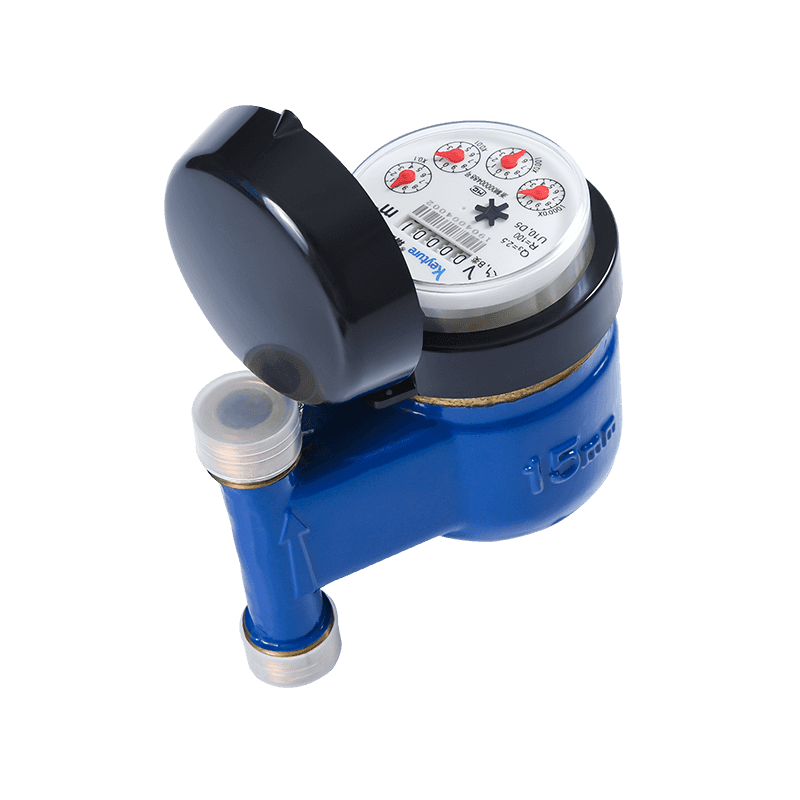
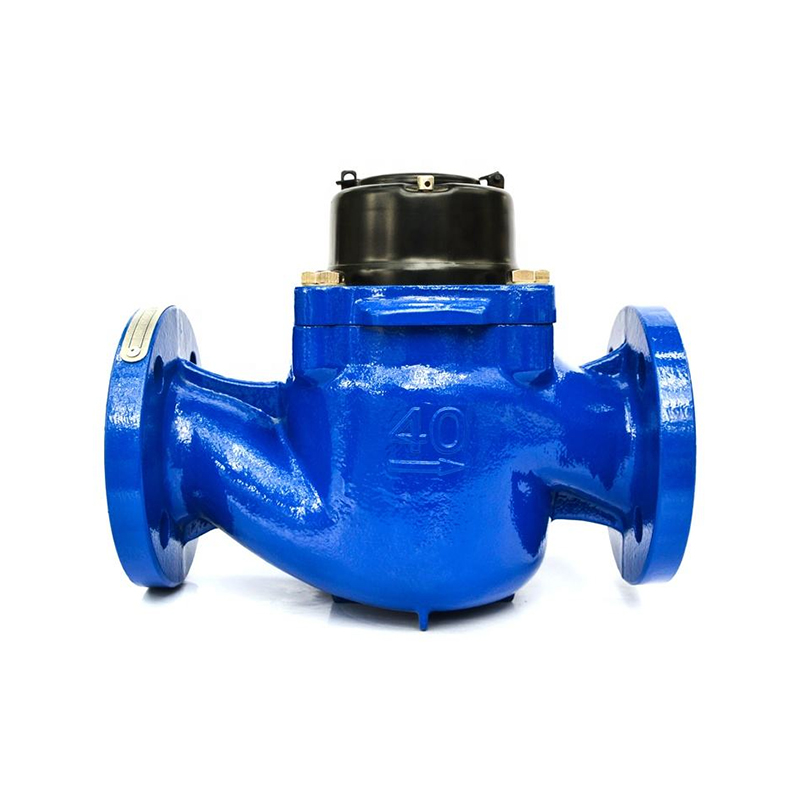
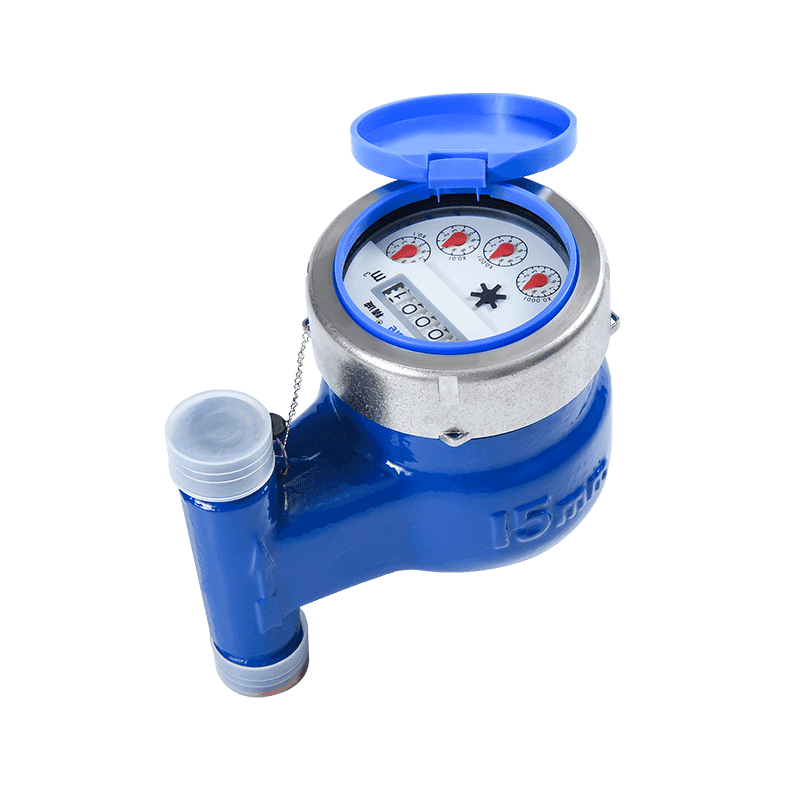
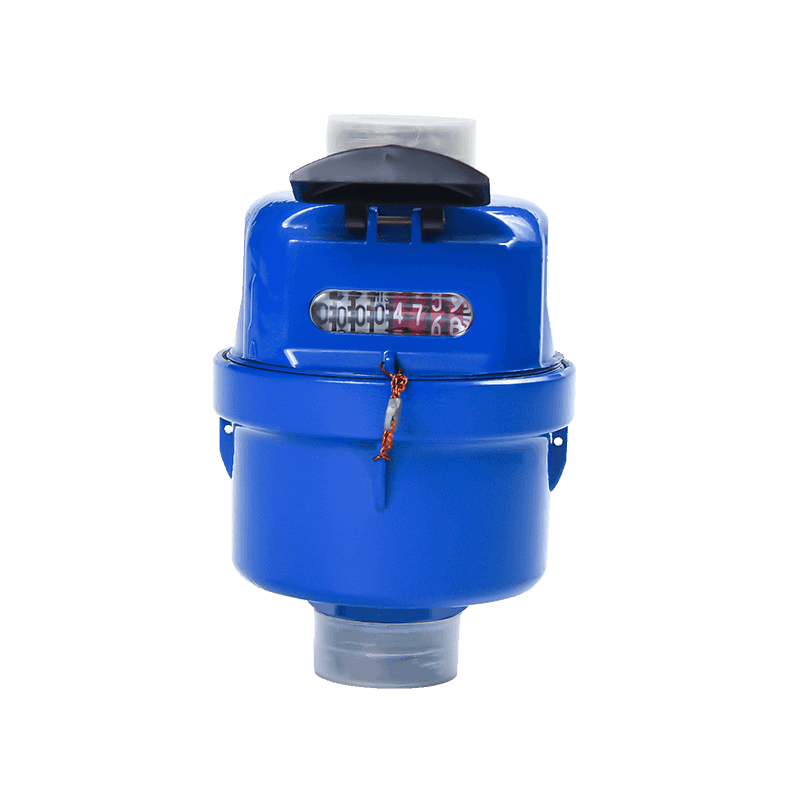
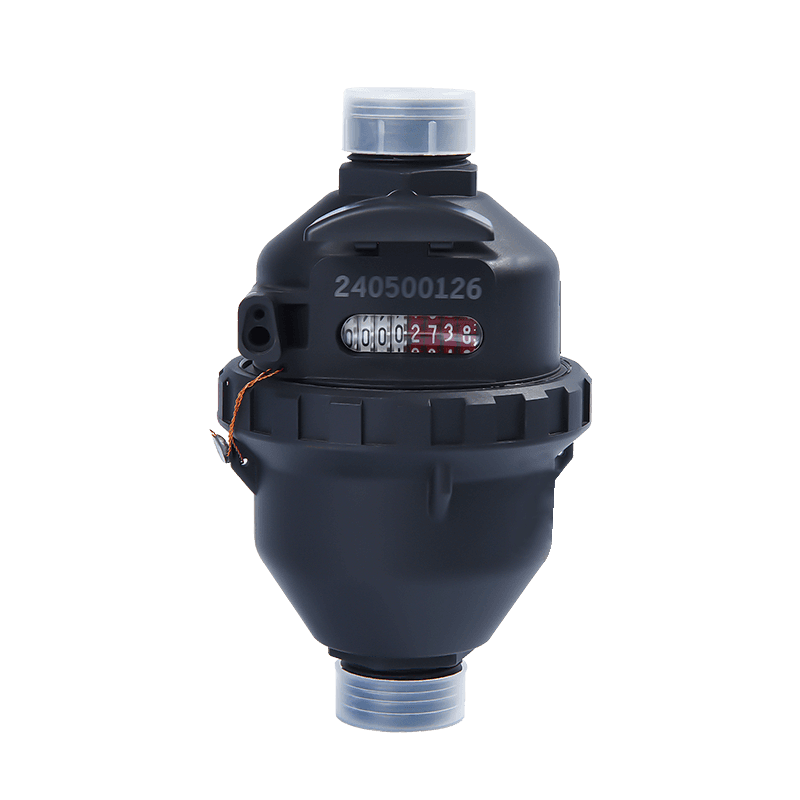
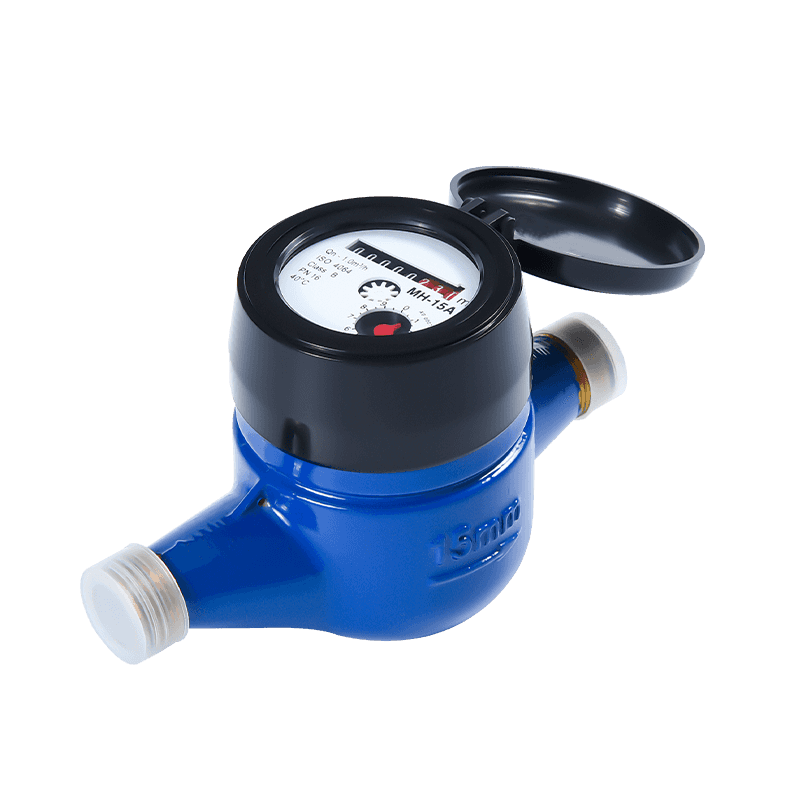
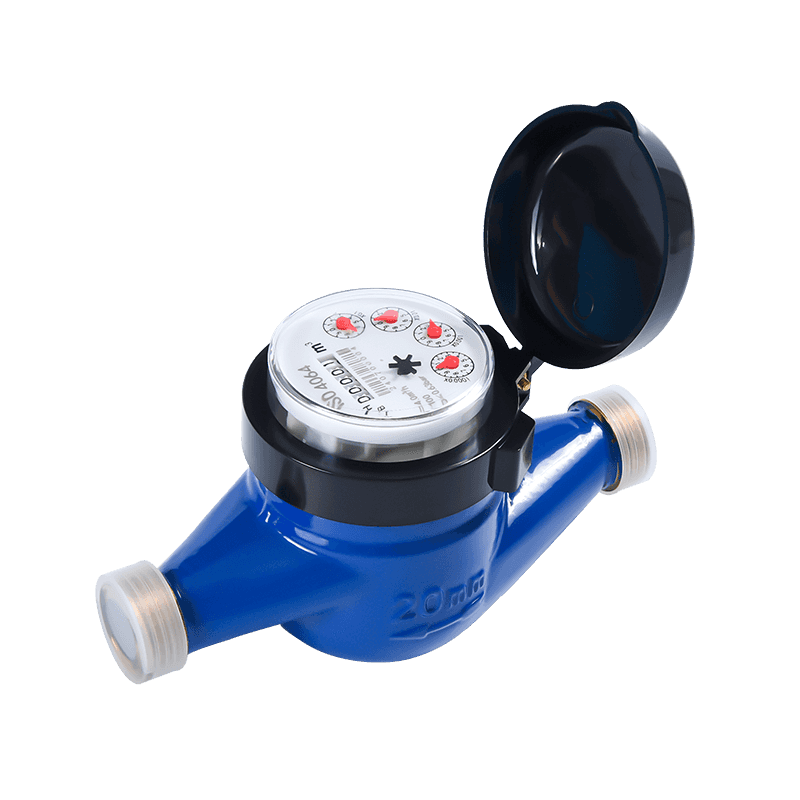
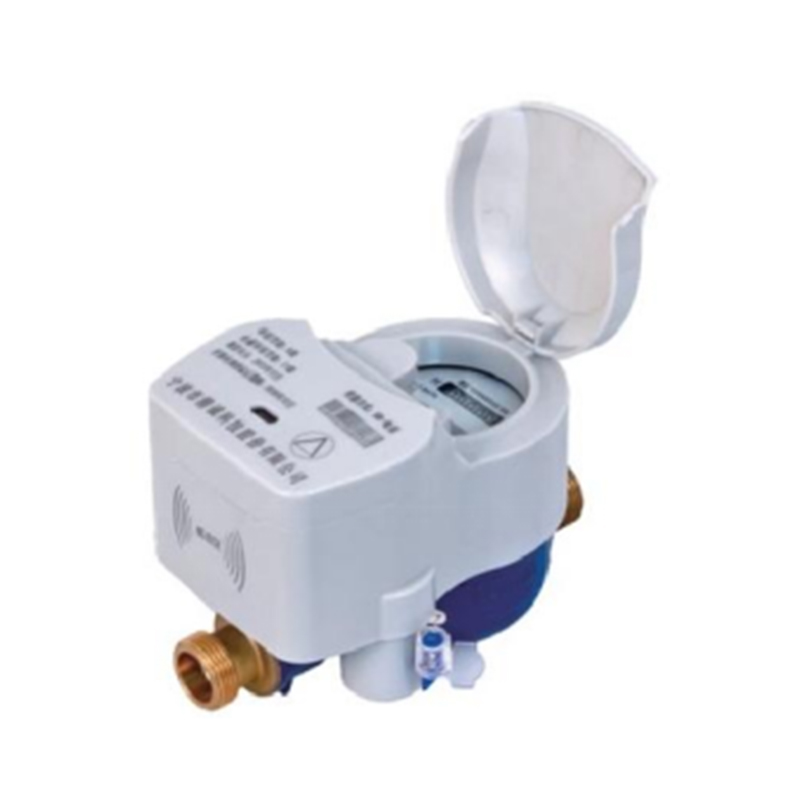
Calibrated in the V Position
Error curves are measured with the meter vertical, not extrapolated from horizontal tests. The orientation symbol V is printed on the dial, which keeps the legal metrology position consistent with the real installation.

A positive displacement piston meter designed, calibrated and approved for vertical pipes — risers, wall-mounted lines and cabinets where a horizontal meter would need re-piping.
Vertical (V) calibration · R250 · front-reading register
A vertical installation volumetric water meter is a positive displacement piston meter whose geometry, calibration and register orientation have been engineered for installation in vertical pipes, such as risers in apartment buildings, wall-mounted service lines, utility cabinets and plant-room pipework that runs up or down walls. Most volumetric meters are calibrated and approved in the horizontal position, with the register facing up. Turn the same meter on its side and the piston, the shaft and the bearing surfaces experience gravity along a different axis, the sealing film between piston and chamber changes thickness and the error curve can move noticeably at low flow. A meter intended for vertical use must be designed and verified in that position from the start.
In a vertical meter, the measuring chamber and piston are oriented so that gravity presses the piston gently against a defined seat instead of dragging it sideways across the chamber wall. The piston is lightly balanced, and the guide and shaft bearings are redesigned so that friction is symmetrical in both flow directions. The register is turned through ninety degrees so that the dial is readable from the front of a riser, not from above, and the flow direction is stated precisely: water flows upward in the standard V-position meter, which keeps the chamber full and helps air escape, while versions rated for downward flow have an additional air-vent geometry. Each configuration is calibrated in its own orientation, and the orientation symbol V is printed on the dial as the standard requires.
The value is practical. Volumetric meters excel where very low flows must be captured accurately, and apartment risers and wall-mounted service lines are precisely where small leaks and dripping fixtures go unnoticed. With a vertical-rated piston meter, a plumber can fit the meter in the existing riser without adding an offset or a horizontal spool, preserving space and avoiding the cost of re-piping. Supplied in DN15 to DN40 with Class 2 accuracy under ISO 4064 / OIML R49 and R250 range ratio, a fine strainer and an optional pulse output, the vertical installation volumetric water meter combines positive-displacement accuracy with the freedom to mount in the position the building actually offers.
Key takeaway: Gravity changes how a piston runs. A volumetric meter built and calibrated for vertical use keeps its low-flow accuracy in risers and wall-mounted lines — without bending the pipework to suit the meter.
Six advantages of a piston meter that is built for the pipe position it will actually occupy.
Error curves are measured with the meter vertical, not extrapolated from horizontal tests. The orientation symbol V is printed on the dial, which keeps the legal metrology position consistent with the real installation.
The piston and guide are balanced so that gravity along the pipe axis does not load one side of the chamber. Friction stays symmetrical, and low-flow starting performance is preserved.
The meter can be installed directly in vertical pipework without a horizontal offset or additional fittings, which saves plumbing labour and avoids creating air pockets or dead legs.
The dial is rotated to face the front of a riser, so readers see the numbers without lying on the floor or opening a ceiling hatch. Clear dial orientation also reduces misreading.
Dripping taps and leaking cisterns often occur in upper floors. A positive displacement meter in the riser captures these small flows that velocity meters fail to record.
Upward-flow geometry keeps the chamber full and carries trapped air out with the first flows. A vent-friendly chamber minimises the time an air bubble can sit in the measuring zone.
Standard configuration below. Flow direction, register position and connection can be adapted to your riser and building requirements.
| Parameter | Specification |
|---|---|
| Standard | ISO 4064 / OIML R49 |
| Meter type | Volumetric, rotary piston, positive displacement |
| Orientation | Vertical (V) — flow upward as standard; downward flow version on request |
| Nominal diameter | DN15 – DN40 (1/2" – 1½") |
| Accuracy class | Class 2, R250 standard / R315 optional |
| Starting flow | ≤ 3 L/h (DN15) |
| Register | Dry-type, magnetic drive, front-facing, 5- to 7-digit odometer |
| Water temperature | 0.1 °C – 50 °C (cold water) |
| Working pressure | MAP 16 bar |
| Pressure loss | ≤ 0.1 MPa at Q3 |
| Body material | Forged brass, lead-free options |
| Measuring chamber | Engineered polymer or stainless steel, balanced piston |
| Connection | Threaded G3/4" – G2" |
| Strainer | Fine 100-mesh stainless steel strainer, mandatory |
| Air vent | Chamber geometry designed for upward-flow air release |
| Pulse output | Optional reed or Hall head, 1 L / 10 L per pulse |
| Protection | IP65 standard; IP68 on request |
Q4 is the overload flow, Q3 the permanent flow, Q2 the transitional flow and Q1 the minimum flow, all expressed in m³/h.
| Nominal Diameter | Q4 Overload | Q3 Permanent | Q2 Transitional | Q1 Minimum | Range Ratio | Orientation |
|---|---|---|---|---|---|---|
| DN15 (1/2") | 3.125 | 2.5 | 0.016 | 0.01 | R250 | V, flow up |
| DN20 (3/4") | 5 | 4 | 0.0256 | 0.016 | R250 | V, flow up |
| DN25 (1") | 7.875 | 6.3 | 0.04032 | 0.0252 | R250 | V, flow up |
| DN32 (1¼") | 12.5 | 10 | 0.064 | 0.04 | R250 | V, flow up |
| DN40 (1½") | 20 | 16 | 0.1024 | 0.064 | R250 | V, flow up |
Values shown for R250 in the V position with upward flow. R315 versions and downward-flow variants are available — tell us the riser direction, available space and strainer access and we will confirm the correct configuration.
Orientation is part of the legal metrology of a meter, so vertical meters are tested and marked in the position where they will be used.
Class 2 limits for cold water meters. The standard requires that the orientation for which a meter is approved be marked on it, and error limits are verified in that orientation.
The V symbol and flow direction arrow are marked on the dial and body. Meters used outside the marked orientation are not covered by the approval.
Starting flow and Q1 error are tested in the vertical position, since piston drag and gravity effects are strongest at the lowest flows.
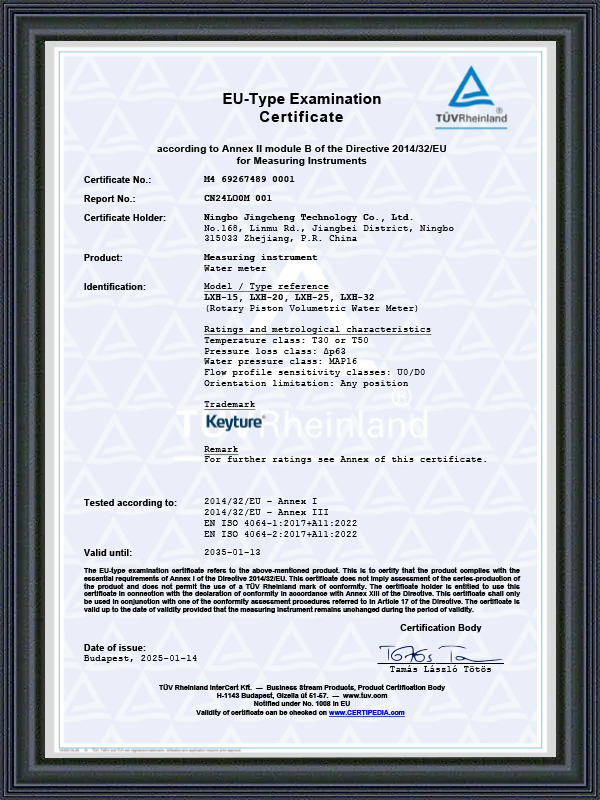
EU MID approval with the vertical orientation listed in the type examination certificate and marked on the product.
Samples run extended endurance tests in the vertical position to confirm that piston and bearing wear stays symmetrical and error drift is within limits.
Brass, polymer and seal materials in contact with drinking water can be supplied with NSF/ANSI 61, WRAS or ACS certificates.

Two engineering details define this meter: how a piston is balanced against gravity, and how a vertical chamber manages air.
In a horizontal volumetric meter, gravity acts across the piston’s axis. It presses the piston toward the bottom of the chamber and the film of water between piston and wall is thinner there. Calibration absorbs the effect. When the same meter is turned vertical, gravity now acts along the axis and tends to push the piston and its shaft toward one end stop, adding drag in one direction of travel and relieving it in the other.
The vertical design reduces this asymmetry. The piston mass is minimised, the guide and shaft bearing are reshaped so the axial support is symmetrical, and the chamber geometry sets the contact line to remain consistent through each revolution. The result is that low-flow friction is the same on every cycle and the measured volume per revolution is stable, which is the essence of volumetric accuracy.
Air is the enemy of positive displacement metering because a bubble occupies the same chamber space as water and is counted as water. In a vertical riser with upward flow, air naturally rises with the water and exits through the outlet, instead of collecting at a high point inside the chamber. The chamber and outlet geometry are shaped so that there is no trapped upper pocket, and the strainer is positioned to remain full even at low flow.
For downward-flow versions, an air-vent feature and orientation-specific chamber layout reduce the risk that an air bubble stays inside. Installation guidance still recommends bleeding air from the riser during commissioning and keeping the line pressurised. A fine strainer upstream protects the piston clearance, and a check valve downstream prevents the chamber draining if supply is cut.
Measured performance data for the vertical installation volumetric water meter. Use these charts to confirm pressure loss, accuracy in the vertical position and installation dimensions before specifying.
Figure 1 — Head loss curve (MPa vs. flow m³/h)
The chart shows pressure loss across the volumetric meter at DN15 to DN40 with the meter in the vertical position. As in any positive displacement meter, all flow passes through the chamber, and loss stays at or below 0.1 MPa at permanent flow. Check available head on upper floors of tall buildings.
Figure 2 — Accuracy error curve (Class 2, R250, V position, Q1–Q4)
The curve is measured with the meter vertical and flow upward. Compared with a horizontal calibration, the main difference is a slightly lower error at Q1 because gravity loading is balanced, and a gentle slip-related drift to negative values at high flow. All points remain inside ±5% in the lower zone and ±2% in the upper zone.
Figure 3 — Installation dimensions (L × H × B × D)
| Size | L (mm) | H (mm) | B (mm) | D (thread) |
|---|---|---|---|---|
| DN15 | 165 | 105 | 86 | G3/4" |
| DN20 | 190 | 110 | 88 | G1" |
| DN25 | 260 | 128 | 110 | G1¼" |
| DN32 | 260 | 138 | 112 | G1½" |
| DN40 | 300 | 160 | 135 | G2" |
Dimensions are for reference. In the vertical position, L is measured along the pipe axis. Confirm exact values with our engineering team before riser design.
Several meter types can be installed in vertical pipes. This table compares volumetric piston meters with common alternatives.
| Design Feature | Vertical Volumetric Piston | Multi Jet (V Version) | Ultrasonic |
|---|---|---|---|
| Low-flow accuracy | Excellent | Good | Excellent |
| Range ratio | R250 – R315 | R100 – R160 | R400 – R800 |
| Orientation sensitivity | Calibrated for V | Low | None |
| Straight pipe requirement | None | Small | U0 to U5 |
| Tolerance to dirty water | Low — needs fine strainer | Moderate | High |
| Power requirement | None | None | Battery |
| Pressure loss | Higher | Lower | Very low |
| Unit purchase cost | Moderate | Lowest | Higher |
This comparison is indicative. Actual performance depends on riser conditions, water quality and the specific product configuration. Contact our engineers for application-specific guidance.
Premium quality
since 2002
Coming From China, Marketing To The World
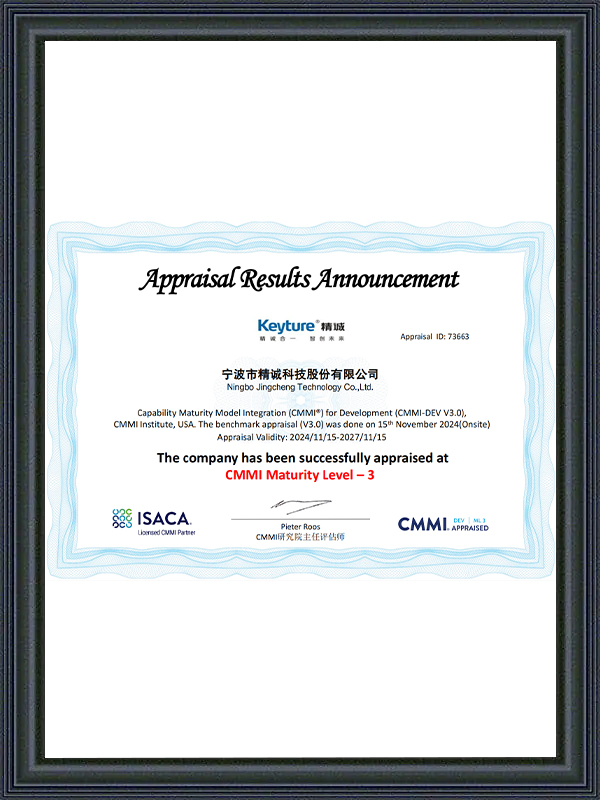
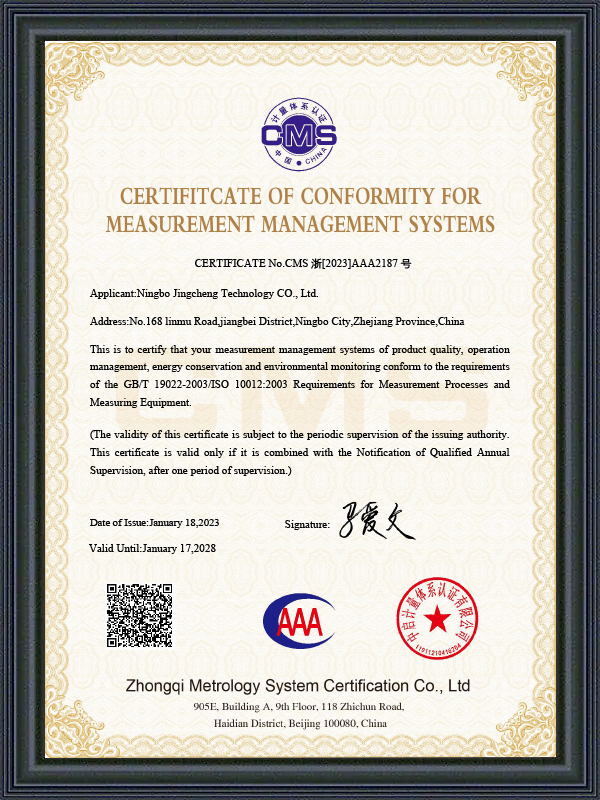
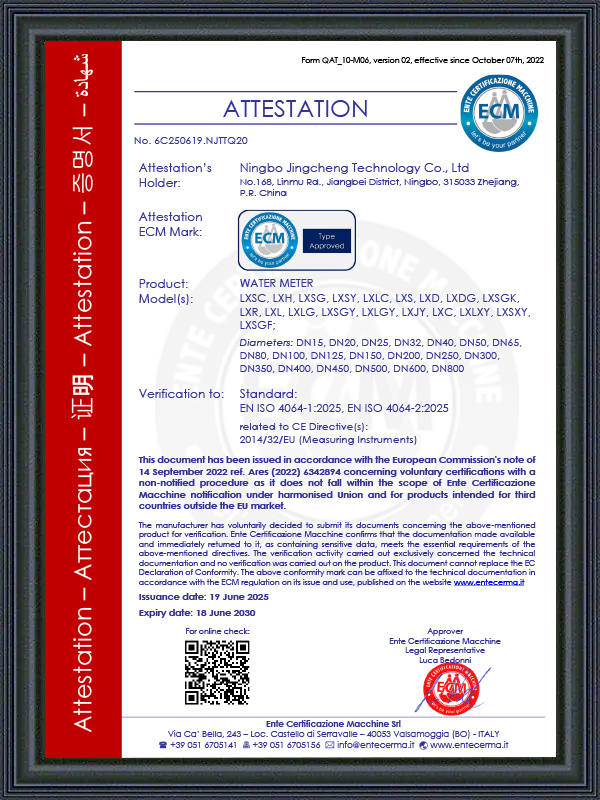
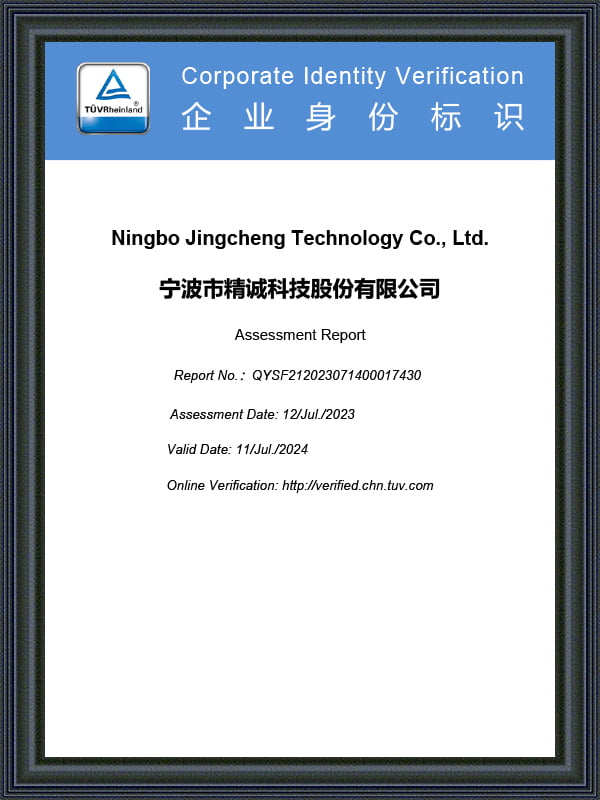
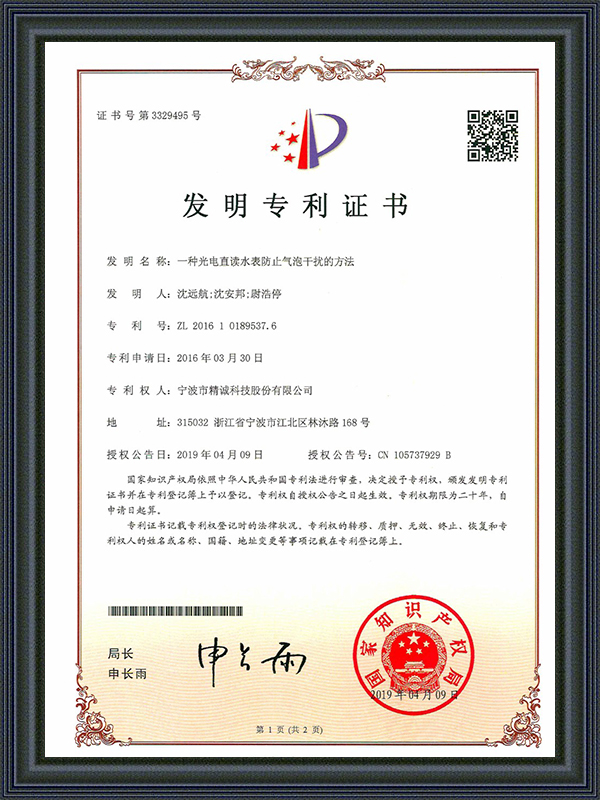
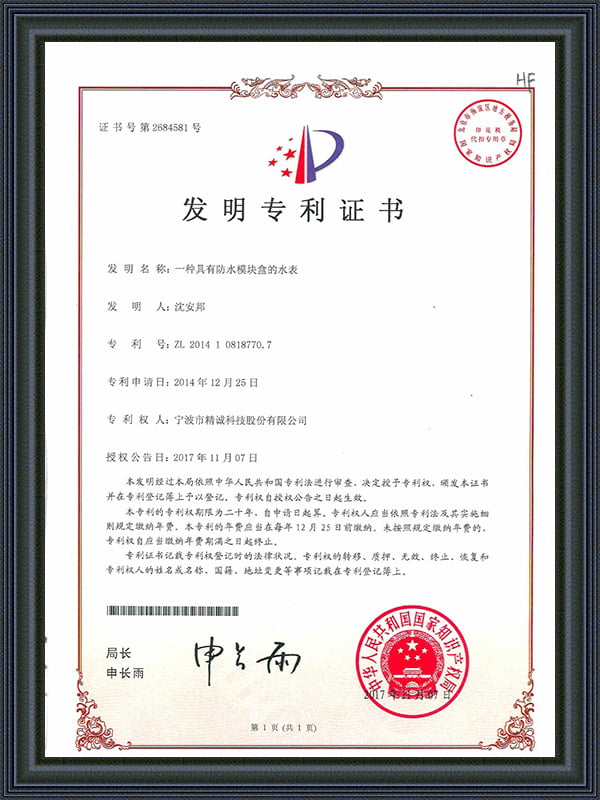
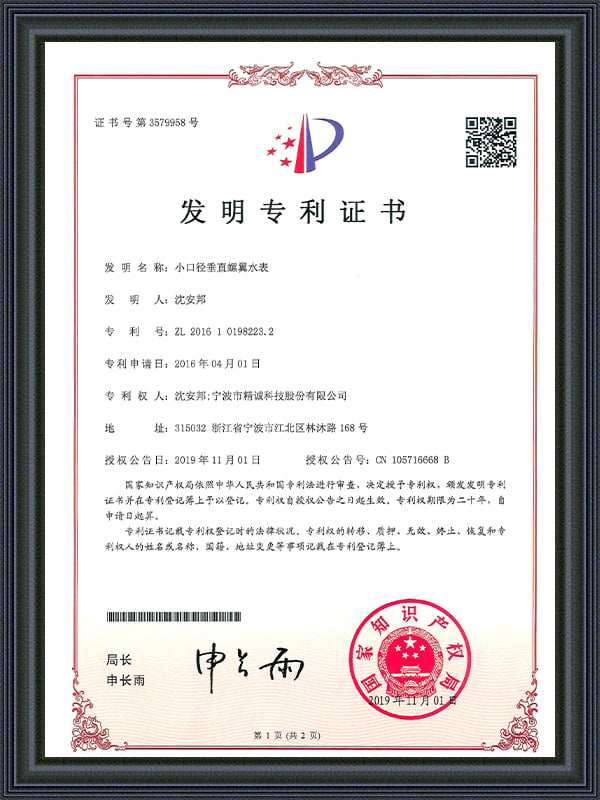
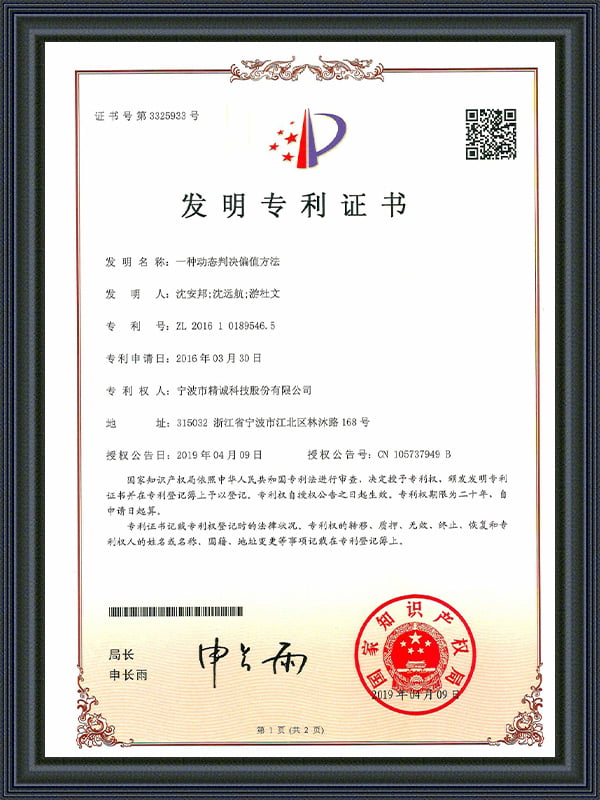
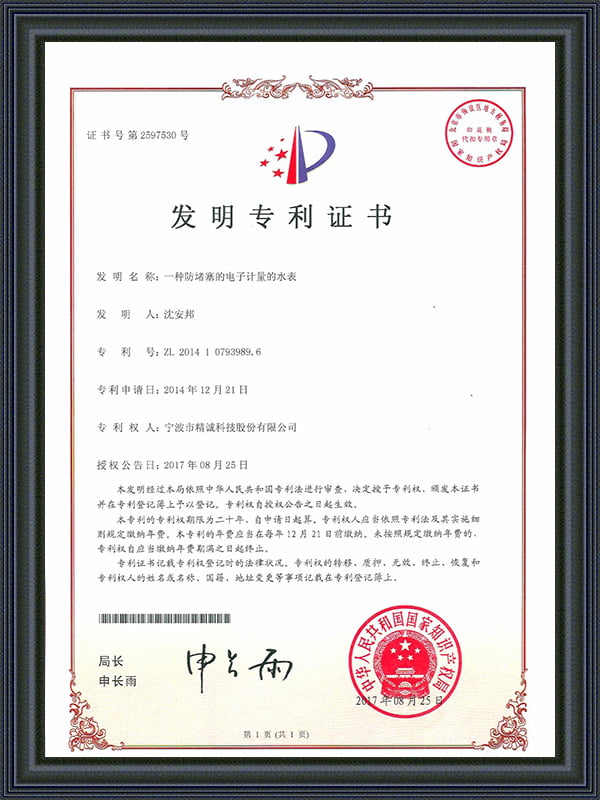
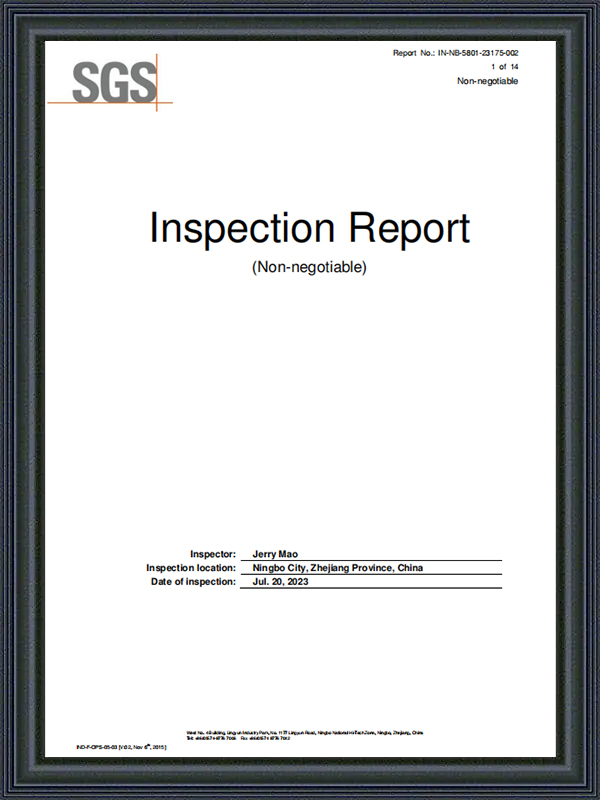
Keyture Meter is located in Picturesque Jiangbei Investment Park, NINGBO, CHINA. It is a comprehensive high-tech China Vertical Installation Volumetric Water Meter Manufacturers and Custom Vertical Installation Volumetric Water Meter Factory that integrates scientific research & development, production, sales, and service. Established in 2002 as a manufacturer and exporter of water meters for more than 22 years. The factory covers an area of 40 acres (30,000 square meters), 200 staff, 100+ types of products, product capacity of 5 million per year. Its product range covers single jet, multi-jet, volumetric piston type, Woltman type, IC card intelligent water meter, remote control water meter, optoelectrical reading direct remote control water meter...
Yearly production capacity
Production Area
Works and inspectors
Production experience
Excellent product with exquisite craftsmanship
Customization
We have a strong R&D team, and we can develop and produce products according to the drawings or samples the customers offered.
Cost
We are a professional manufacturer and also have our own processing machinery. So we can offer good prices and good products directly.
Quality
We have our own testing lab and advanced and complete inspection equipment, which can ensure the quality of the products.
Service
We focus on developing high-quality products for top-end markets. Our products are in line with international standards, and are mainly exported to Europe, America, Africa, Asia and other destinations around the world.
Capacity
Our annual production capacity is over 5 million units. We can meet the needs of different customers with different purchase quantities.
Shipment
We are about 35 kilometers away from Ningbo Port. It is very convenient and efficient to ship goods to any other countries.
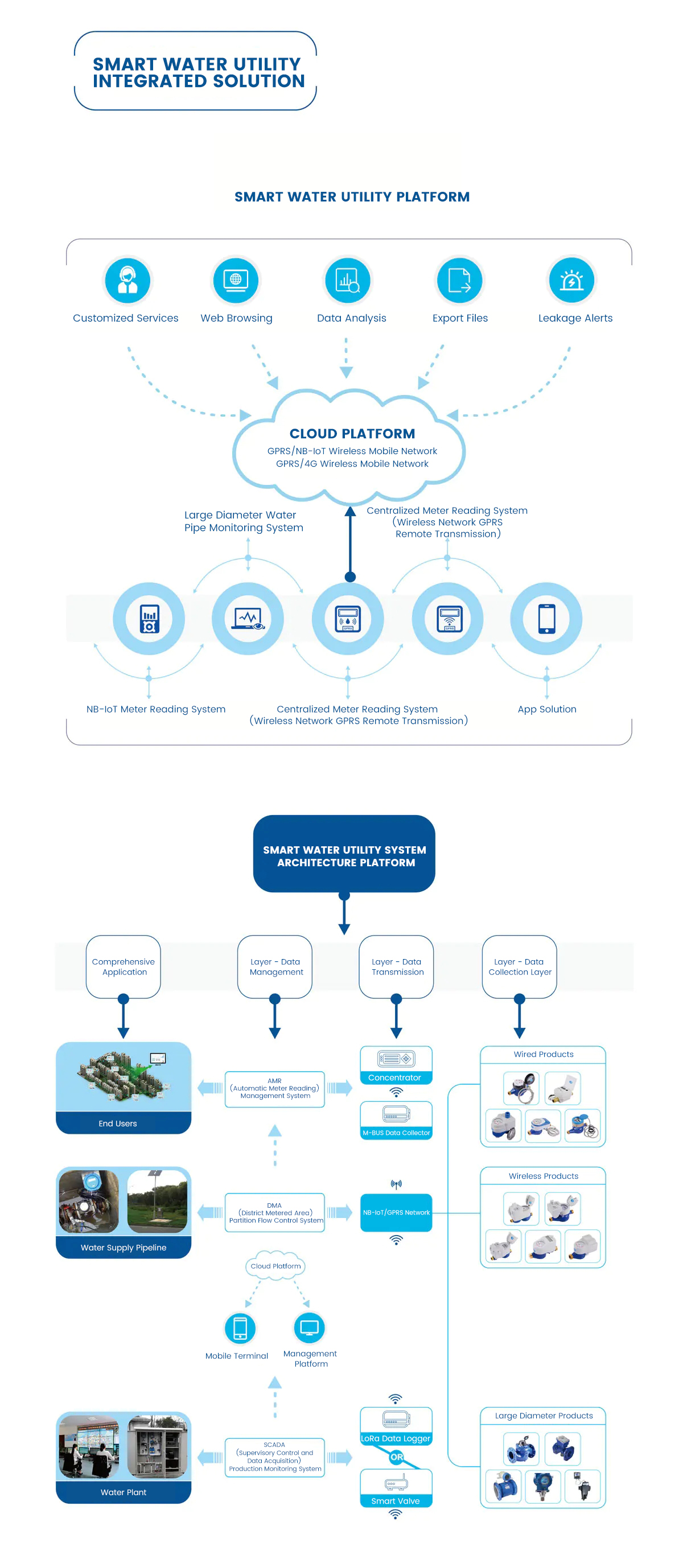
From mechanical meters to smart AMR/AMI systems — we provide end-to-end water metering solutions tailored to your project.
Chosen where small flows matter and the pipe the meter must fit is vertical.
Confirm that the meter is marked V and that the flow arrow points in the direction of water travel — upward for the standard version. Install it in a vertical pipe section without offsets, and ensure that the pipe is supported above and below so no weight falls on the meter threads.
Fit a fine strainer upstream, and flush the riser thoroughly before installing. During commissioning, open the supply valve slowly and bleed air from a high point so that no bubble remains in the chamber. A check valve downstream helps keep the meter full when supply is interrupted.
Position the meter so the front-facing dial can be read comfortably, with a service valve above and below for future replacement. Record the orientation and flow direction on the commissioning sheet and on a label near the meter.
The vertical volumetric meter has the same maintenance profile as other piston meters: the fine strainer is the main service item, and water cleanliness determines life. In vertical risers, sediment tends to settle toward the bottom of the pipe during stagnation, so a strainer at the meter inlet is especially important.
If the starting flow rises or the dial skips, check the strainer first and clean it. If problems continue, replace the measuring cartridge. The cartridge is designed for vertical use, so a spare must also be vertical-rated to preserve calibration.
In clean potable systems, 6 to 8 years of accurate service is typical. Utilities should keep strainer inspection on a regular programme and flush vertical risers after any maintenance that can introduce debris.
Gravity acts on the piston, shaft and bearing surfaces. In a vertical meter the load direction is different from a horizontal meter, which changes friction and clearance and can shift the error curve at low flow. A meter must be calibrated in its installed orientation.
V indicates that the meter is approved and calibrated for installation in a vertical pipe. It is printed on the dial alongside the flow arrow. Using the meter in another orientation is outside the approval.
Upward flow is standard because it keeps the chamber full and carries air out. Downward-flow versions are available with a special chamber layout, but installation guidance is stricter.
Not safely for legal billing. The calibration and approval apply to the marked orientation. A horizontal meter used vertically may show shifted errors, especially at low flow, and may fail an in-service inspection.
On a gravimetric test bench with the meter held vertical, at Q1, Q2, Q3 and the starting flow. The factory adjustment is made in the vertical position, so the error curve is correct for the intended installation.
Yes. A positive displacement meter measures any fluid that fills the chamber, including air bubbles, so trapped air can cause over-registration. Bleed air during commissioning and install a vent at the highest point if air is expected.
Yes. Fine particles can jam a piston. A 100-mesh strainer is fitted at the inlet, and an additional external strainer is recommended on lines with scale or sediment.
Typically 3 L/h or less on DN15, increasing with size. Starting flow is verified in the vertical position and reported in the test certificate.
Yes. A reed or Hall pulse head can be fitted on the register without disturbing the water circuit. Specify the position and cable exit when ordering so that the head suits the front-facing dial.
The piston may rotate and the chamber empties briefly, then refills when water returns. A check valve downstream helps keep the chamber full, and a slow valve opening avoids shocks when the line refills.
At permanent flow, loss is at or below 0.1 MPa. On upper floors of tall buildings, available pressure may be low, so check that the meter loss does not push pressure below fixture minimums. A DN larger than the pipe size can reduce loss.
Apartment risers, wall-mounted lines in plant rooms, tall building sub-metering and any location where the pipe is vertical and low-flow accuracy matters. For bulk risers with high flow, consider a Woltman or ultrasonic meter instead.
Send us the pipe size, flow direction, available space and quantity. Our engineers will recommend the right vertical volumetric configuration, with price and lead time.

Address: No.168,LinMu Rd.,Zone B, Jiangbei investment Park, Ningbo, Zhejiang,China
Tel: +86-0574-83090480/+86-18892665118
Fax: +86-0574-83021045
Email: [email protected]
Web: https://www.keyturemeter.com/
Quick Links
Product
Mobile terminal
 Custom Vertical Installation Volumetric Water Meter Manufacturers