 English
 Español
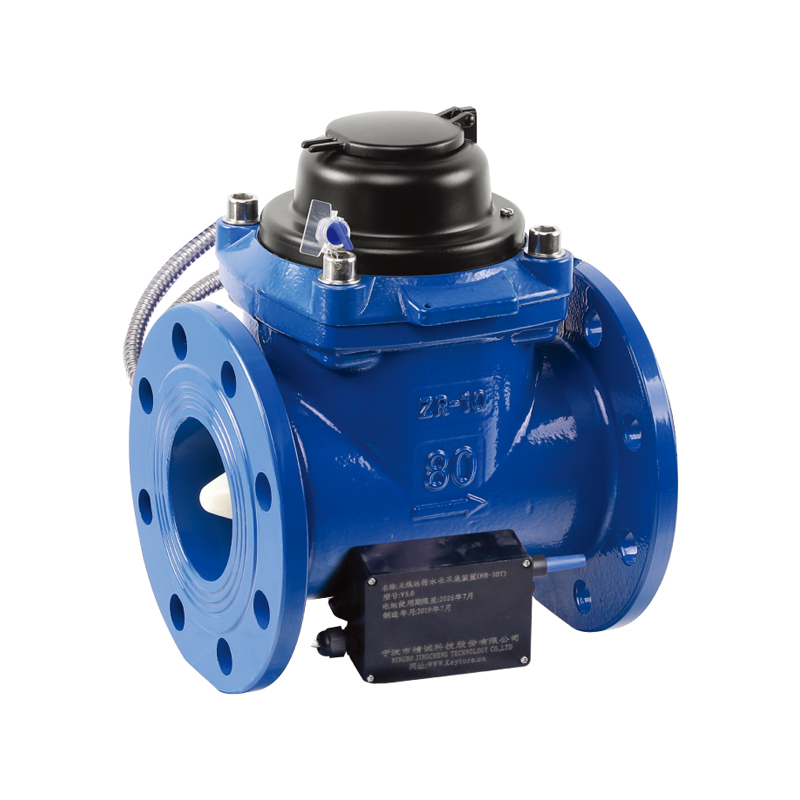
No Network to Build
Readers carry the receiver. There are no gateways to site, power or maintain, no SIM subscriptions and no coverage planning. The utility starts reading automatically as soon as meters are installed.

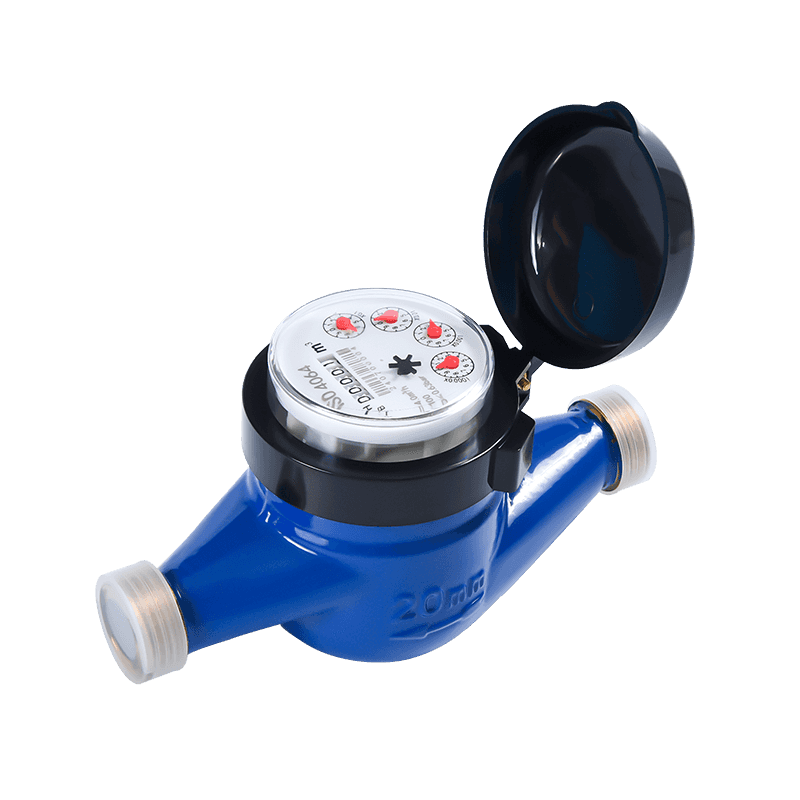
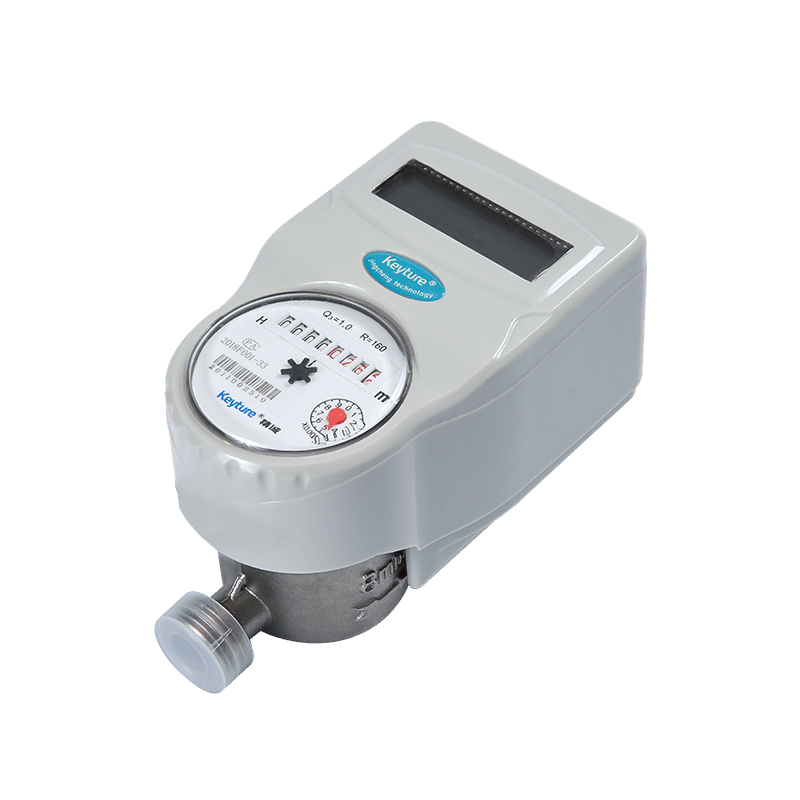
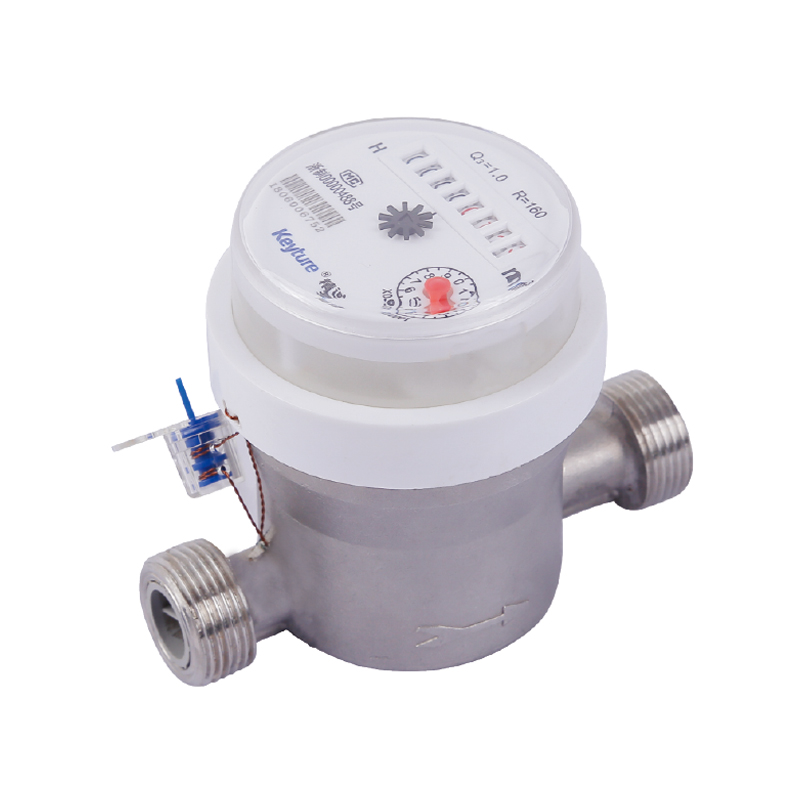
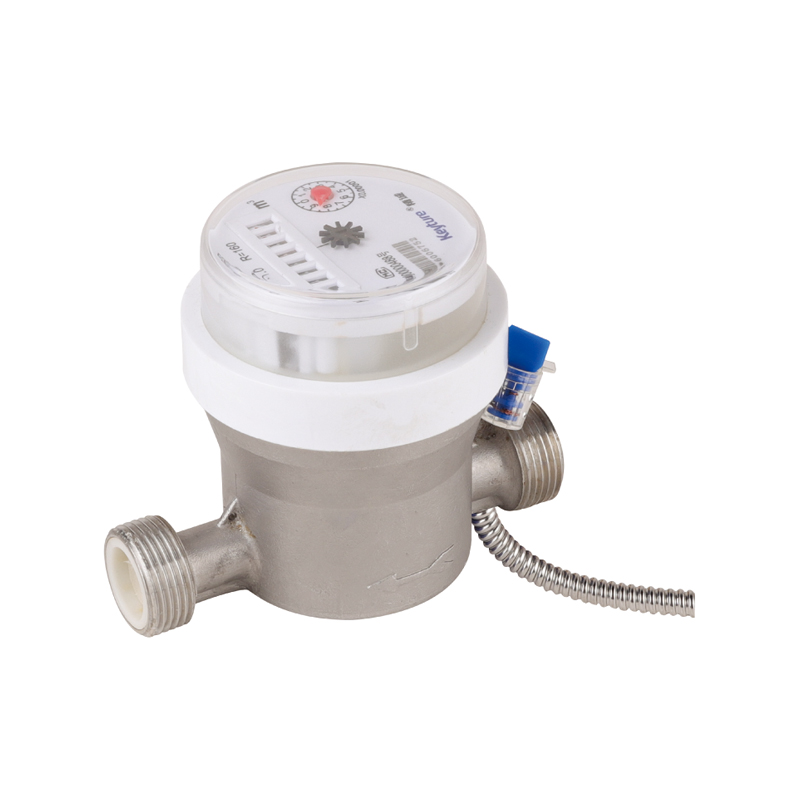
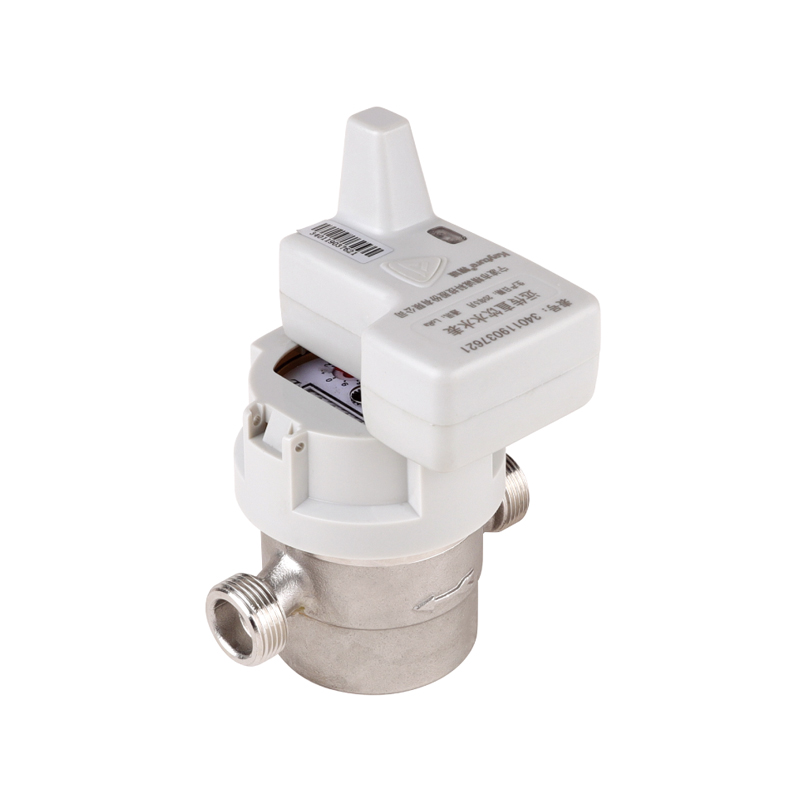
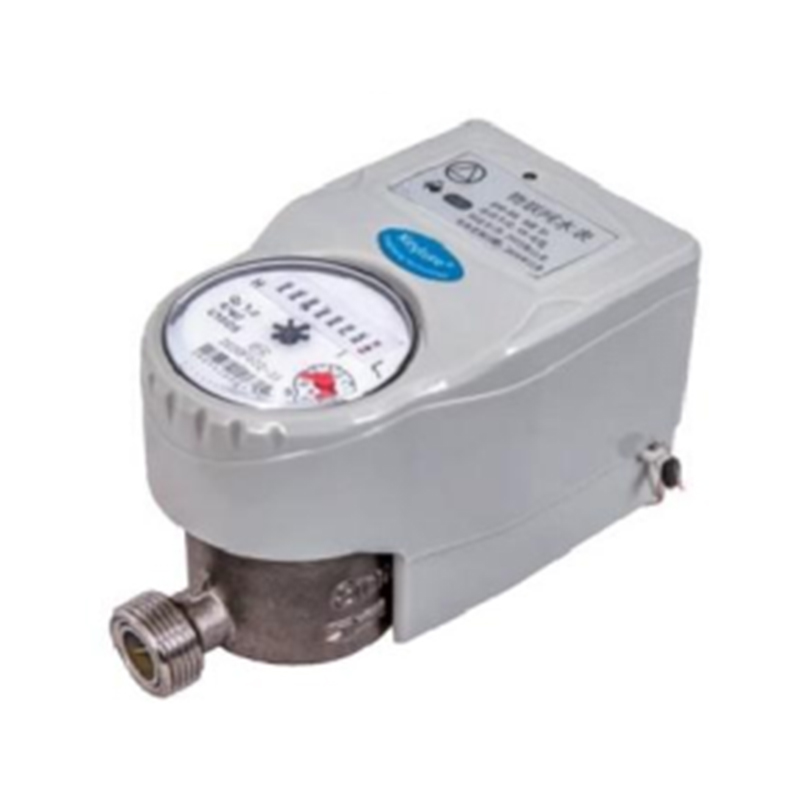
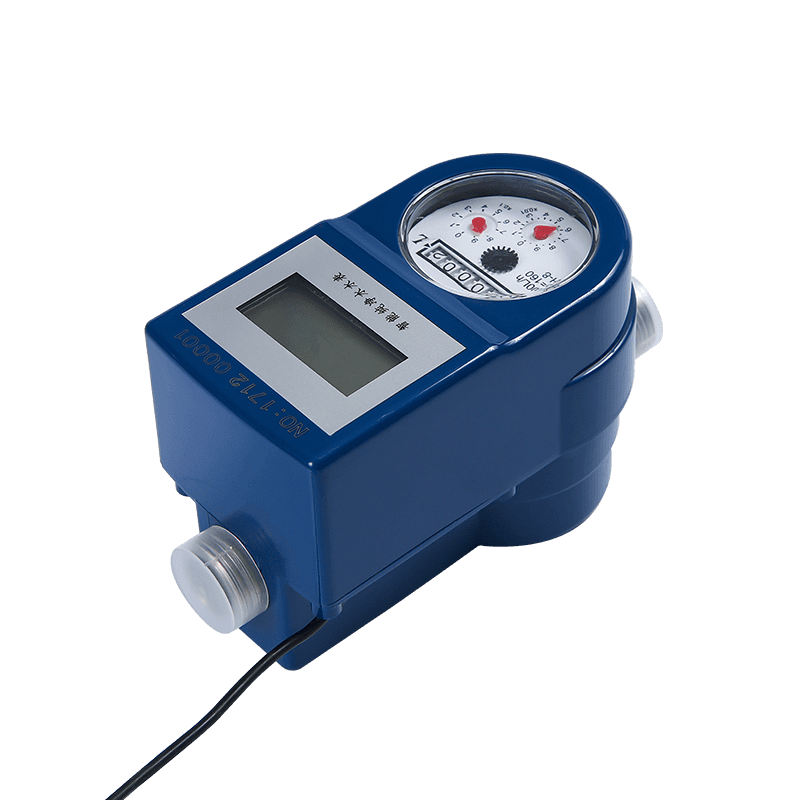
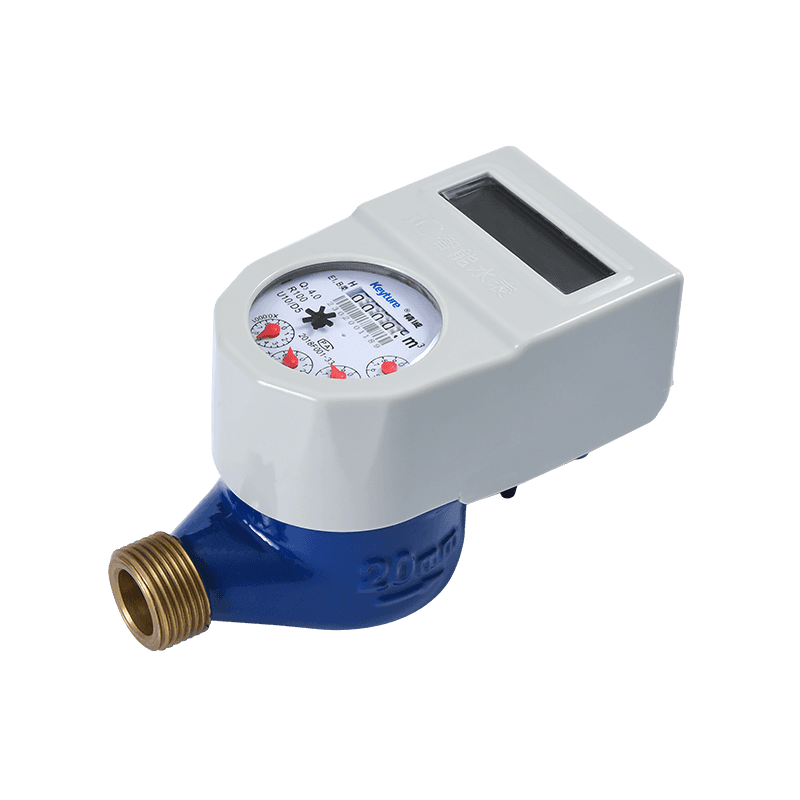
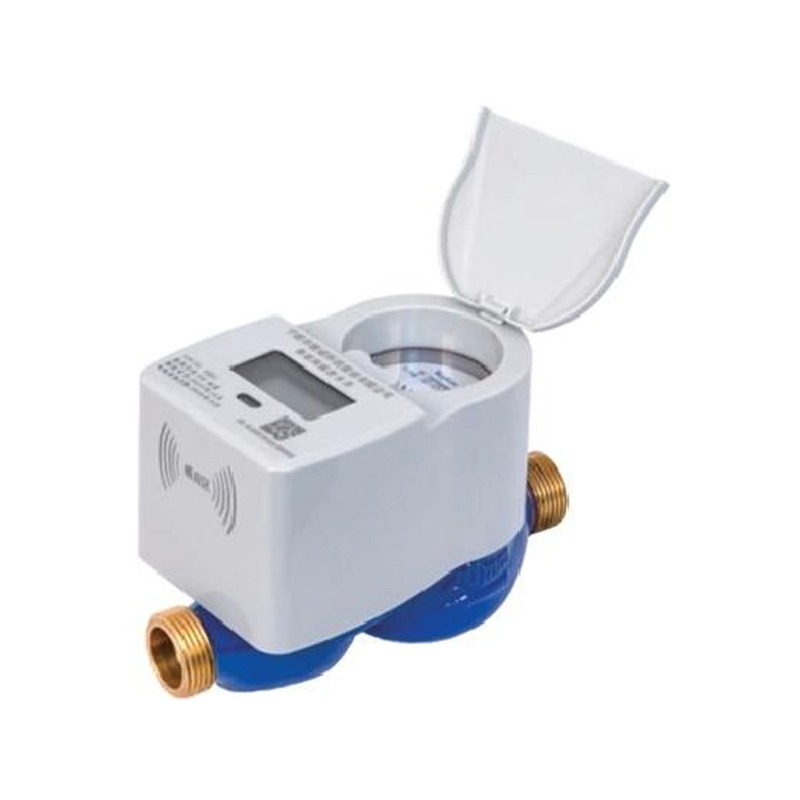
A multi jet meter with a built-in short-range radio that broadcasts its reading to a handheld or vehicle-mounted receiver — no gateways, no SIM cards and no entry to the property.
wM-Bus 868 MHz · handheld / vehicle reader · absolute encoder
An AMR automatic reading water meter is a meter that can be read without anyone opening a meter box, kneeling at a pit or knocking on a door. AMR stands for Automatic Meter Reading, and it describes a collection method rather than a single technology: the meter reads its own register electronically and broadcasts the value by short-range radio, and a meter reader collects it from a distance with a handheld terminal, a vehicle-mounted receiver or a fixed collector. The reader walks or drives a route; every meter within radio range of the receiver is read automatically and the values are stored with timestamps and meter IDs. One person with a handheld can capture hundreds of readings in the time it takes to read a few dozen by hand, and a driver can read a street without leaving the vehicle.
AMR differs from the always-connected smart meters in an important way. A fixed-network (AMI) meter reports regularly through a gateway or a cellular network, and the utility pays for the network. An AMR meter uses simple one-way or lightly two-way short-range radio, normally in the 868 MHz band using the wireless M-Bus standard EN 13757-4, and the utility supplies the receiver. There are no gateways to install, no SIM contracts to pay and no network coverage to plan. The meter transmits a short telegram containing its ID, the volume reading, status flags and sometimes the last month-end value, either at intervals of a few seconds to a few minutes or when it is woken by the reader. Because a short telegram uses very little energy, a lithium battery supports around ten years of operation.
The attraction is cost and simplicity. For utilities that bill monthly or quarterly, collect readings on defined routes and do not need hourly data or remote valve control, AMR delivers most of the benefit of smart metering — no estimated bills, no access problems, no reading errors — at a fraction of the network cost. The meter itself is a conventional Class 2 multi jet unit under ISO 4064 / OIML R49 with R100 range ratio, an absolute electronic encoder reading the register, an IP68 radio module and optional tamper and leak flags. Supplied in DN15 to DN40, the AMR automatic reading water meter is the practical first step from manual reading toward full smart metering, and it keeps the option to upgrade to fixed network collection later.
Key takeaway: AMR keeps the network simple: the meter whispers its reading, and a reader collects it from the street. Full smart-meter benefits for billing, at walk-by or drive-by cost.
Six reasons AMR remains the practical route to automatic reading for route-based utilities.
Readers carry the receiver. There are no gateways to site, power or maintain, no SIM subscriptions and no coverage planning. The utility starts reading automatically as soon as meters are installed.
A handheld collects readings from every meter in range as the reader walks, and a vehicle receiver does so while driving. Reading productivity rises several-fold compared with manual reading.
Meters in locked yards, basements and boundary pits are read from the street. Missed reads and estimated bills fall sharply, and customers need not be at home.
The radio sends the encoder’s absolute register value, not a pulse count that can drift. The value is the same as the dial and can be verified by a visual check.
Short telegrams and long sleep intervals keep average current very low. The battery typically supports ten years of operation before the meter is replaced.
The same wM-Bus radio can be received by fixed collectors later. Utilities can start with walk-by reading and add fixed collection where density justifies it.
Standard configuration below. Radio mode, telegram interval and alarm content can be adapted to your reading method and regulation.
| Parameter | Specification |
|---|---|
| Standard | ISO 4064 / OIML R49; EN 13757-4 wireless M-Bus |
| Meter type | Multi jet, dry dial, absolute encoder with AMR radio |
| Nominal diameter | DN15 – DN40 (1/2" – 1½") |
| Accuracy class | Class 2, R100 |
| Encoder | Absolute inductive or optical encoder, 8-digit reading |
| Radio band | 868 MHz SRD (EU); 433 / 915 MHz variants on request |
| Radio modes | T1 (one-way), C1, S1; configurable |
| Transmit power | Up to +14 dBm (25 mW), duty cycle < 1% |
| Telegram interval | 8 – 30 s in reading window (drive-by); 15 min – 24 h (fixed) |
| Reading range | Walk-by 50 – 100 m; drive-by up to 300 m (open air, typical) |
| Telegram content | ID, volume, status flags, leak, reverse flow, tamper, battery |
| Water temperature | 0.1 °C – 50 °C (cold water) |
| Working pressure | MAP 16 bar |
| Power supply | 3.6 V lithium battery, ≈ 10 years |
| Body material | Brass or cast iron |
| Compatible readers | Handheld terminals, vehicle receivers, fixed collectors (wM-Bus) |
| Protection | IP68 sealed radio module |
Q4 is the overload flow, Q3 the permanent flow, Q2 the transitional flow and Q1 the minimum flow, all expressed in m³/h.
| Nominal Diameter | Q4 Overload | Q3 Permanent | Q2 Transitional | Q1 Minimum | Range Ratio | Reading Resolution |
|---|---|---|---|---|---|---|
| DN15 (1/2") | 3.125 | 2.5 | 0.04 | 0.025 | R100 | 1 L |
| DN20 (3/4") | 5 | 4 | 0.064 | 0.04 | R100 | 1 L |
| DN25 (1") | 7.875 | 6.3 | 0.1008 | 0.063 | R100 | 1 L |
| DN32 (1¼") | 12.5 | 10 | 0.16 | 0.1 | R100 | 10 L |
| DN40 (1½") | 20 | 16 | 0.256 | 0.16 | R100 | 10 L |
Values shown for R100. Radio mode, telegram interval and reading window can be configured — tell us how you read routes today and what reader hardware you own and we will confirm the correct radio configuration.
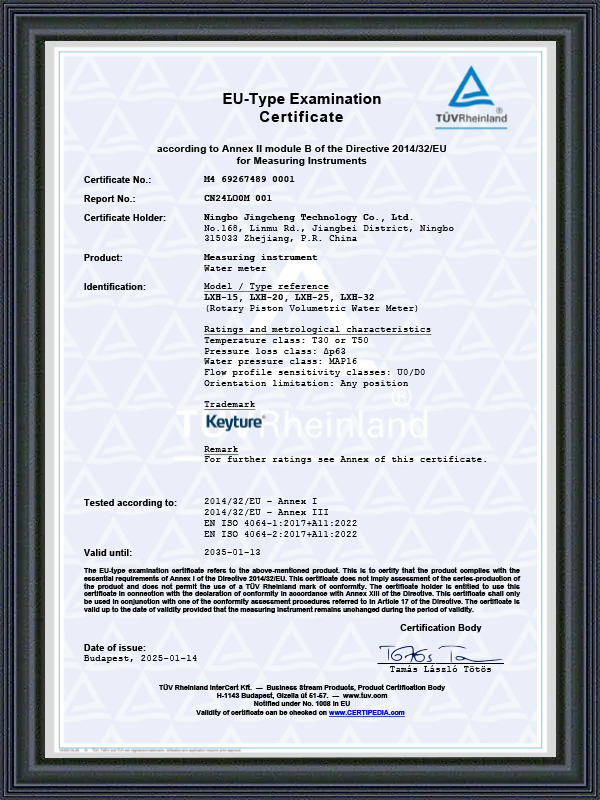
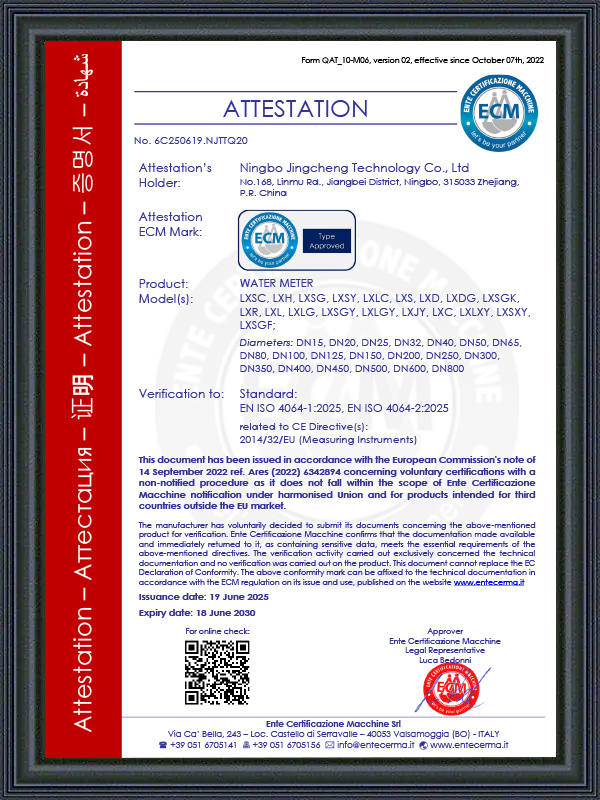
An AMR meter must satisfy the metering standard, the radio standard and the national radio regulations of the region where it is used.
Class 2 limits and test points for the measuring chamber. The encoder is verified to agree with the mechanical register at every test point.
Defines the radio modes, telegram formats and data link layer for meter reading in the 868 MHz band. Telegrams are readable by any compliant receiver.
CE RED or equivalent approval for SRD devices in the 868 MHz band, with duty cycle and power limits observed. FCC or ARIB variants for other regions.
Application layer for data records such as volume, status and date, so readers from different suppliers can decode the same telegram.
ESD, EFT, surge and radiated immunity tests ensure stable operation in the electrically noisy environments around meters.
IP68 immersion test with the radio module and antenna connected, suitable for flooded meter pits.
Two things define this meter: how the radio broadcast supports walk-by and drive-by reading, and how the encoder gives an absolute value.
In T1 mode, the meter wakes at fixed intervals — typically every 8 to 30 seconds during a reading window — and sends a short telegram in a few milliseconds. A receiver within range hears the meter’s ID and reading. Because transmissions are short and the duty cycle is below one percent, the meter respects radio regulations and uses little energy.
In C1 and S1 modes, the meter can also listen briefly for a wake-up request or an acknowledgement. This allows two-way reading, where the handheld interrogates a specific meter and gets the answer immediately. A meter reader walking a street may therefore read hundreds of meters in a few minutes, and a vehicle receiver at 30 km/h captures meters on both sides of the road.
An absolute encoder reads the register’s digit wheels electronically and reports the actual reading, not an accumulated pulse count. If the battery is replaced or the electronics reset, the encoder simply reads the wheels again and the radio broadcasts the correct number. This removes the main source of discrepancy between remote readings and visual readings.
Each telegram also carries a status byte. Leak flags show continuous flow over a set period, reverse-flow flags show backflow, tamper flags show magnetic attack or cover removal and a battery flag warns that the cell is near the end of life. A reader collecting routes thus gets both the volume for billing and a list of meters that need attention.
Measured performance data for the AMR automatic reading water meter. Use these charts to confirm pressure loss, accuracy and installation dimensions before specifying.
Figure 1 — Head loss curve (MPa vs. flow m³/h)
The chart shows pressure loss across the meter at DN15 to DN40. The radio module and encoder sit in the register, so hydraulic performance is that of the multi jet chamber, at or below 0.063 MPa at permanent flow.
Figure 2 — Accuracy error curve (Class 2, R100, Q1–Q4)
The error curve is that of the mechanical chamber. The encoder reads the register directly and adds no counting error, so the radio reading agrees with the dial. Class 2 limits are met across the range.
Figure 3 — Installation dimensions (L × H × B × D)
| Size | L (mm) | H (mm) | B (mm) | D (thread) |
|---|---|---|---|---|
| DN15 | 165 | 112 | 92 | G3/4" |
| DN20 | 190 | 117 | 94 | G1" |
| DN25 | 260 | 130 | 108 | G1¼" |
| DN32 | 260 | 138 | 110 | G1½" |
| DN40 | 300 | 164 | 138 | G2" |
Dimensions are for reference and include the radio module. Confirm exact values with our engineering team before installation design.
Automatic reading sits between manual reading and full smart metering. This table compares the three approaches.
| Design Feature | AMR (Walk-By / Drive-By) | Manual Reading | AMI (Fixed Network) |
|---|---|---|---|
| Reading cost per meter | Low | High | Lowest at scale |
| Network infrastructure | None — reader carries receiver | None | Gateways or cellular |
| Reading frequency | Monthly or quarterly per route | Monthly or quarterly | Hourly or daily |
| Access problems | Read from street | Frequent missed reads | None |
| Data resolution | Current reading and flags | Current reading | Hourly profile and alarms |
| Upfront cost | Moderate | Lowest | Highest |
| Remote valve or two-way control | Limited | None | Full |
| Best application | Route-based billing with low capital | Small or low-cost utilities | Dense urban networks |
This comparison is indicative. Actual performance depends on terrain, building density and the specific product configuration. Contact our engineers for application-specific guidance.
Premium quality
since 2002
Coming From China, Marketing To The World
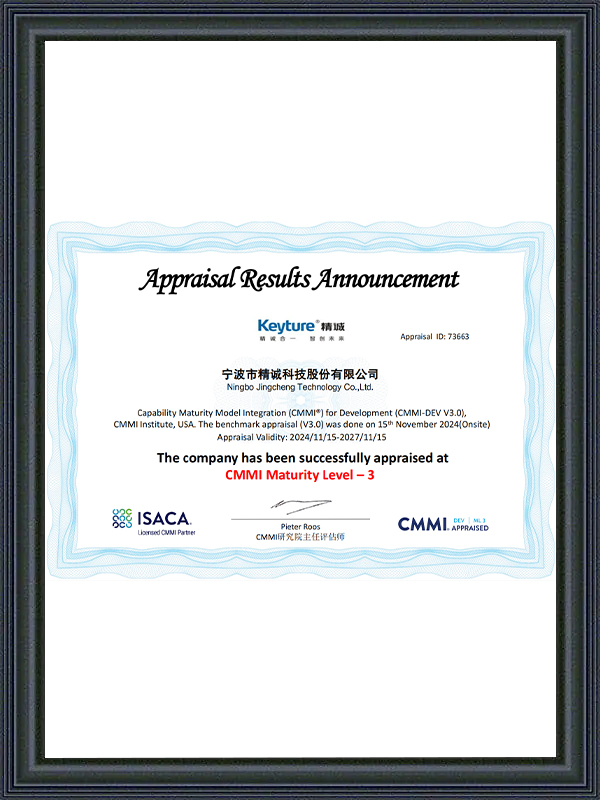
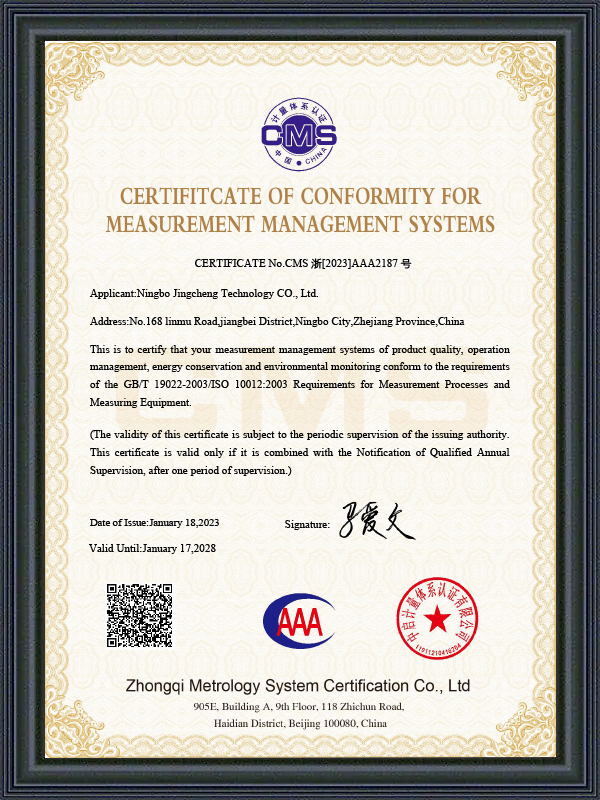
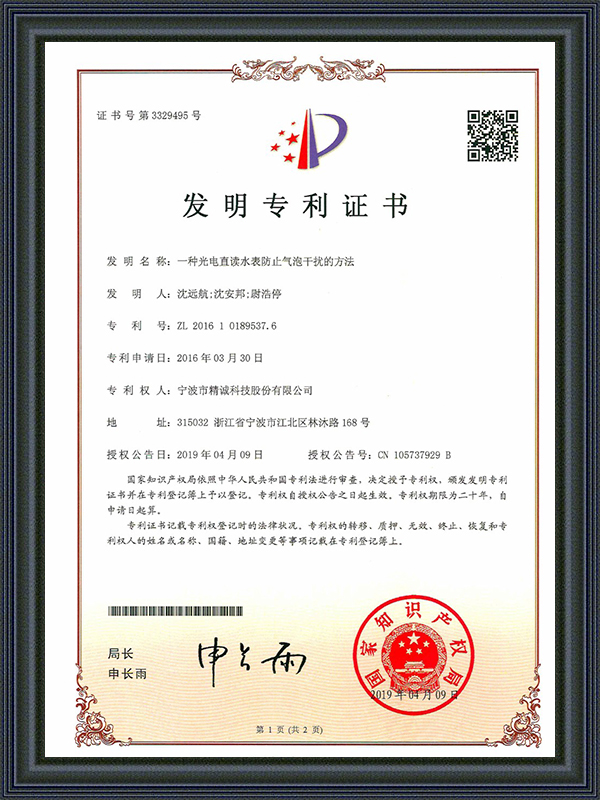
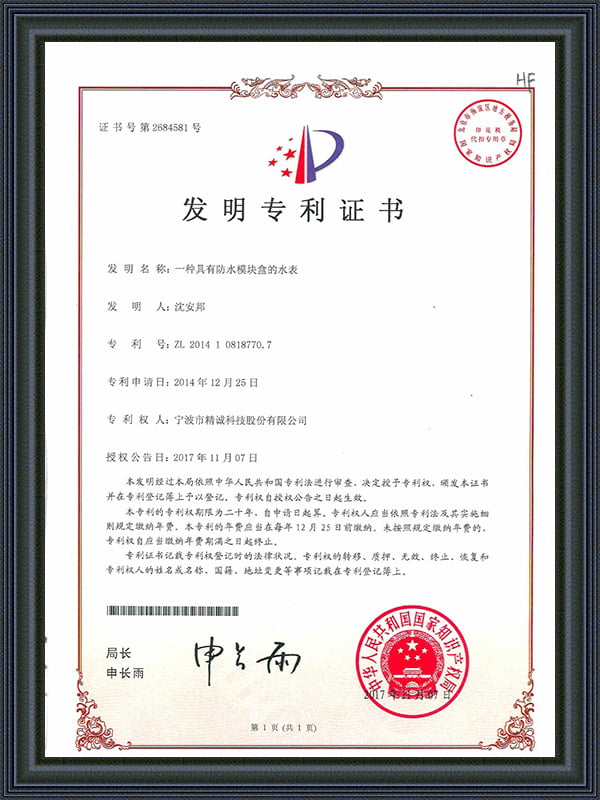
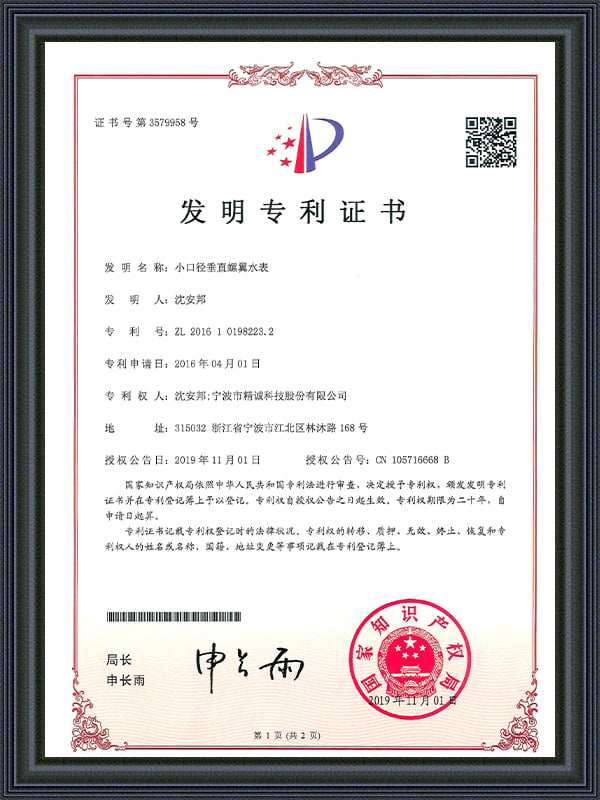
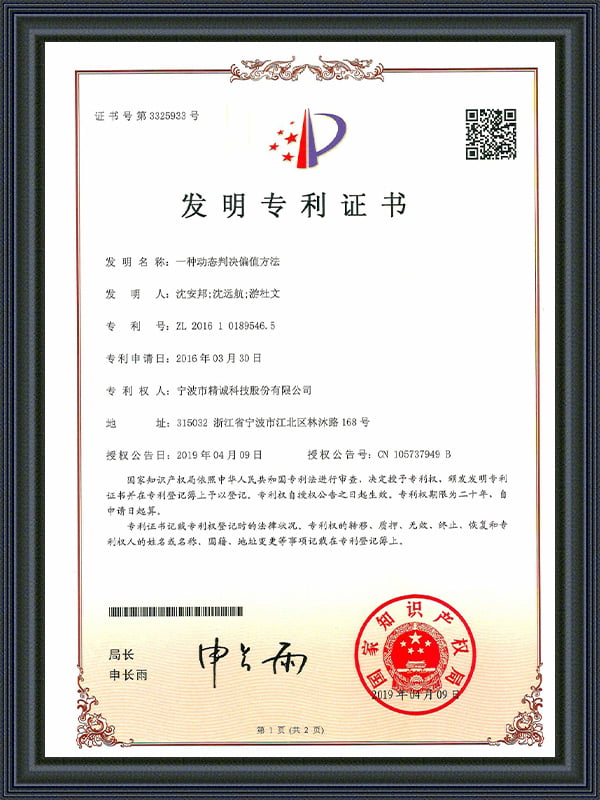
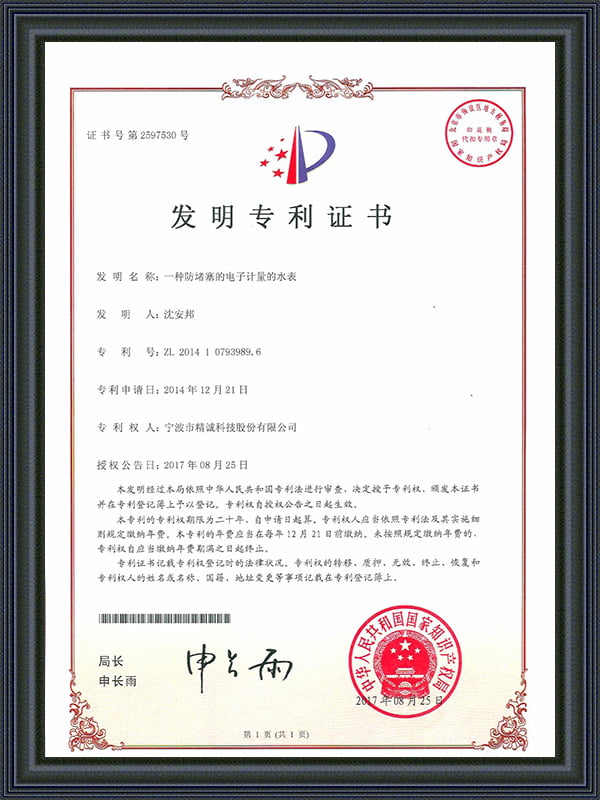
Keyture Meter is located in Picturesque Jiangbei Investment Park, NINGBO, CHINA. It is a comprehensive high-tech China AMR Automatic Reading Water Meter Manufacturers and Custom AMR Automatic Reading Water Meter Factory that integrates scientific research & development, production, sales, and service. Established in 2002 as a manufacturer and exporter of water meters for more than 22 years. The factory covers an area of 40 acres (30,000 square meters), 200 staff, 100+ types of products, product capacity of 5 million per year. Its product range covers single jet, multi-jet, volumetric piston type, Woltman type, IC card intelligent water meter, remote control water meter, optoelectrical reading direct remote control water meter...
Yearly production capacity
Production Area
Works and inspectors
Production experience
Excellent product with exquisite craftsmanship
Customization
We have a strong R&D team, and we can develop and produce products according to the drawings or samples the customers offered.
Cost
We are a professional manufacturer and also have our own processing machinery. So we can offer good prices and good products directly.
Quality
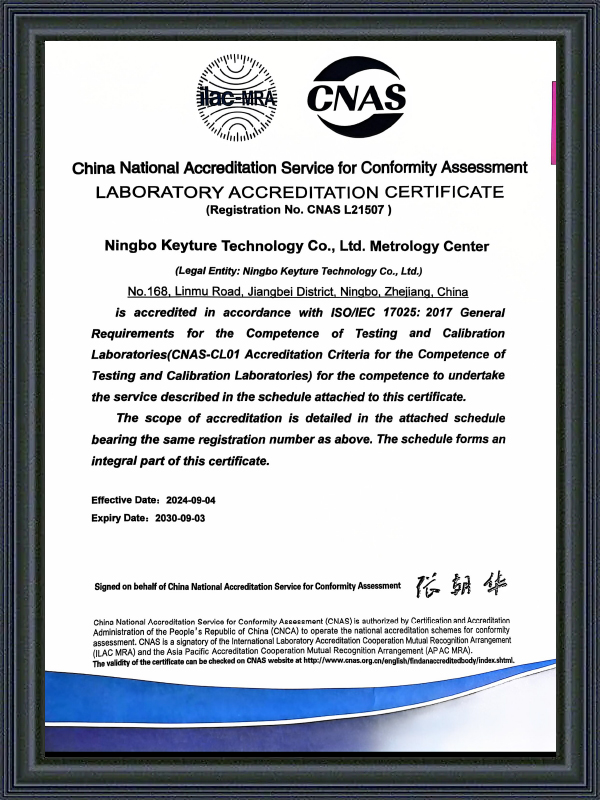
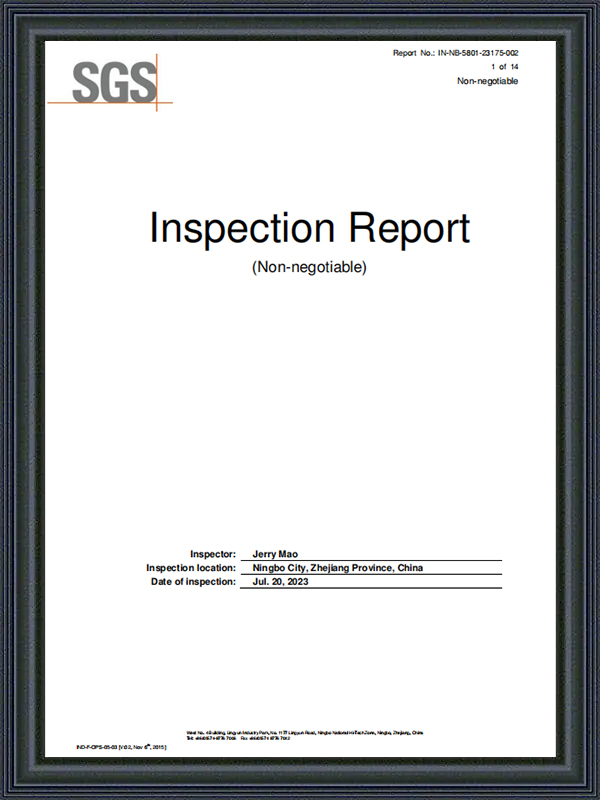
We have our own testing lab and advanced and complete inspection equipment, which can ensure the quality of the products.
Service
We focus on developing high-quality products for top-end markets. Our products are in line with international standards, and are mainly exported to Europe, America, Africa, Asia and other destinations around the world.
Capacity
Our annual production capacity is over 5 million units. We can meet the needs of different customers with different purchase quantities.
Shipment
We are about 35 kilometers away from Ningbo Port. It is very convenient and efficient to ship goods to any other countries.
From mechanical meters to smart AMR/AMI systems — we provide end-to-end water metering solutions tailored to your project.
Chosen by utilities that bill on a route cycle and want automatic reading without building a network.
Install the meter in the orientation marked on the dial and in the direction of the flow arrow. Position the meter so that the radio antenna has as clear a path to the street as possible: avoid thick metal lids, deep concrete pits without an external antenna and positions behind large metal objects.
For underground pits, use a meter box lid made of plastic or composite, or an external antenna on the lid. Test the radio range during commissioning by reading the meter with the handheld at the planned reading distance, and record the received signal strength.
Record the meter ID, serial number and location in the reading system before leaving the site. Seal the register cover with a lead wire and verify that the first radio reading matches the dial.
AMR meters need very little field maintenance. The reading system flags meters that stop responding, usually because of a depleted battery, water in the pit or a blocked antenna path. Routine checks during meter-box visits include antenna clearance, the dial and the seal.
Reading routes should be designed so every meter is within range of the reader. Over time, new buildings, fences and vegetation can change radio coverage, so route coverage should be reviewed each year and any unreadable meters investigated.
The measuring chamber follows the normal life of a multi jet meter, typically eight to ten years. The battery is sealed in the radio module and sized for the same period, so the meter is normally replaced as a unit at end of life.
AMR stands for Automatic Meter Reading. The meter transmits its reading by radio, and a reader collects it from a distance, without opening the meter box or entering the property.
AMR is route-based: a reader collects the data. AMI, or advanced metering infrastructure, uses a fixed network of gateways or cellular links so meters report automatically at regular intervals. AMR is cheaper to start with; AMI gives more data and control.
Wireless M-Bus is the radio part of the M-Bus family of standards, defined in EN 13757-4. It specifies radio modes, telegrams and the frequency bands used for meter reading in Europe.
Walk-by reading typically works at 50 to 100 m in open air, and drive-by up to 300 m with a vehicle antenna. In built-up areas range is shorter. A range test at commissioning confirms the real distance.
About ten years with the standard telegram interval. Shorter intervals, longer reading windows or very low temperatures shorten life. We can estimate battery life for your reading plan.
In T1 mode, no: the meter transmits periodically. In C1 and S1 modes, the meter can also listen for requests. The choice depends on whether two-way reading or lowest power is the priority.
Yes. A vehicle-mounted receiver with an external antenna reads meters while driving at moderate speed. Telegram interval and receiver sensitivity determine how fast the vehicle can go.
Meter ID, current volume, status flags for leak, reverse flow, tamper and battery, and optionally the last month-end value. The format follows EN 13757-3 so most readers can decode it.
Yes. The same wM-Bus radio can be received by fixed collectors. You can add collectors where density justifies it and keep walk-by reading elsewhere.
Telegrams can be encrypted with AES-128 under the wM-Bus security profile. Keys are managed in the reading system, and unauthorised receivers cannot decode the data.
The reading system lists missing meters. Common causes are blocked antennas, flooded pits or a flat battery. A technician checks the site and, if needed, reads the dial visually.
DN15 to DN40 with brass bodies as standard. Larger sizes with cast iron bodies and the same radio module can be supplied on request.
Send us your route layout, reader hardware and regulations. Our engineers will recommend the right AMR configuration and radio mode, with price and lead time.

Address: No.168,LinMu Rd.,Zone B, Jiangbei investment Park, Ningbo, Zhejiang,China
Tel: +86-0574-83090480/+86-18892665118
Fax: +86-0574-83021045
Email: [email protected]
Web: https://www.keyturemeter.com/
Quick Links
Product
Mobile terminal
 Custom AMR Automatic Reading Water Meter Manufacturers