 English
 Español
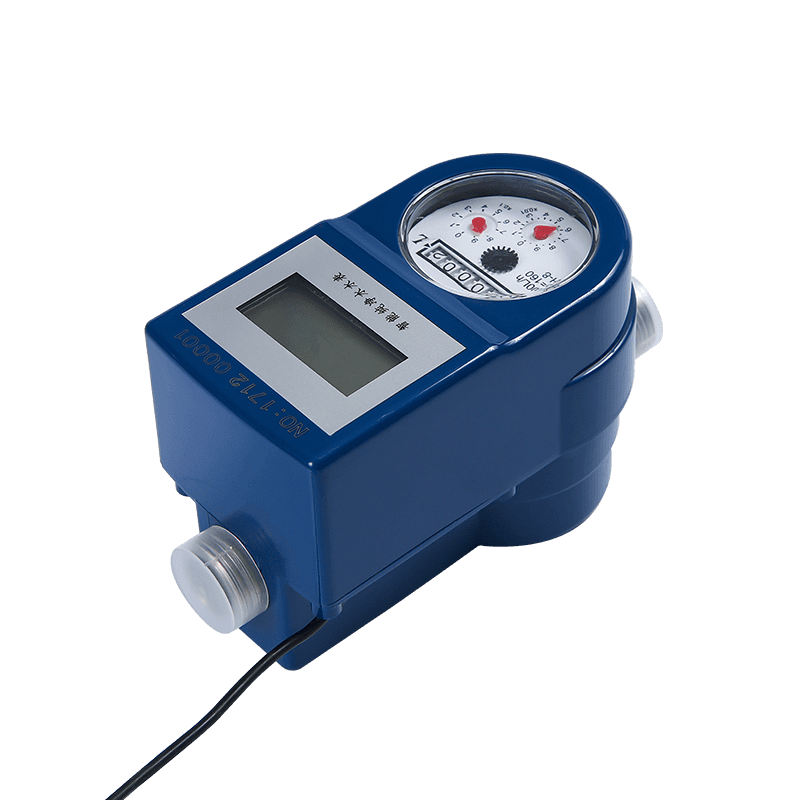
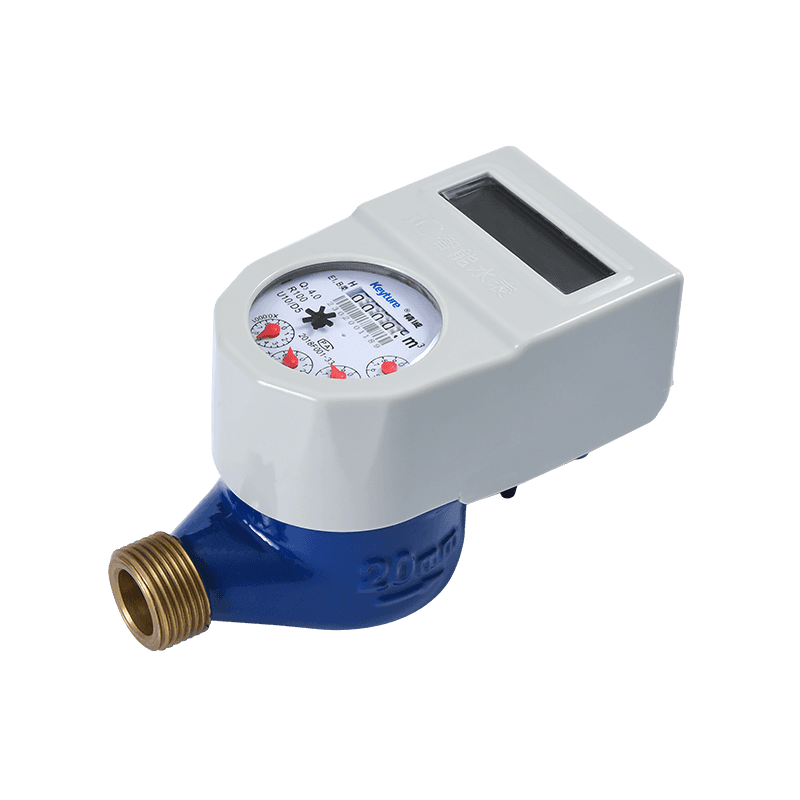
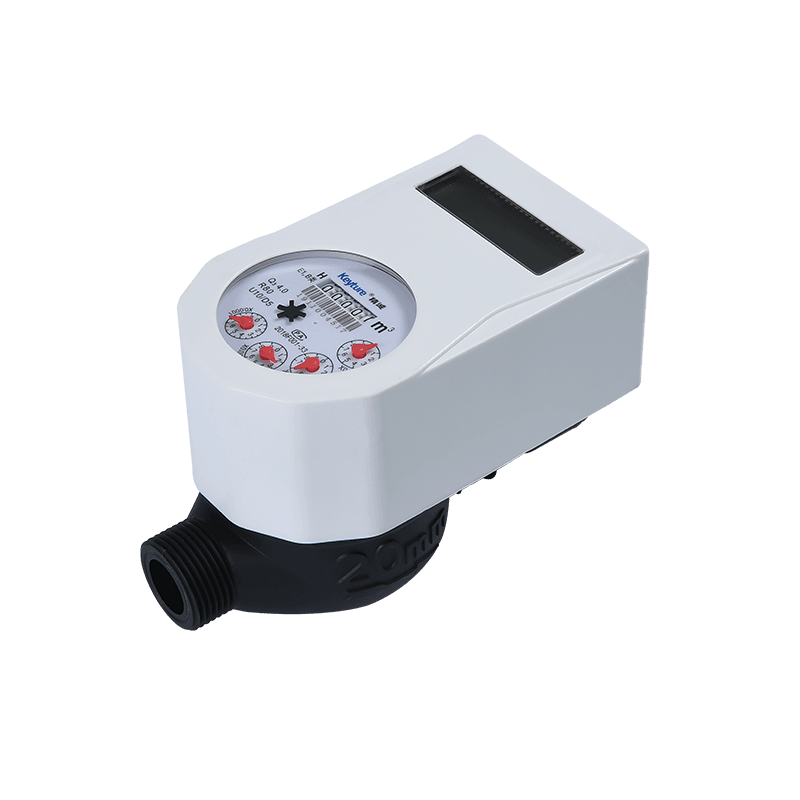
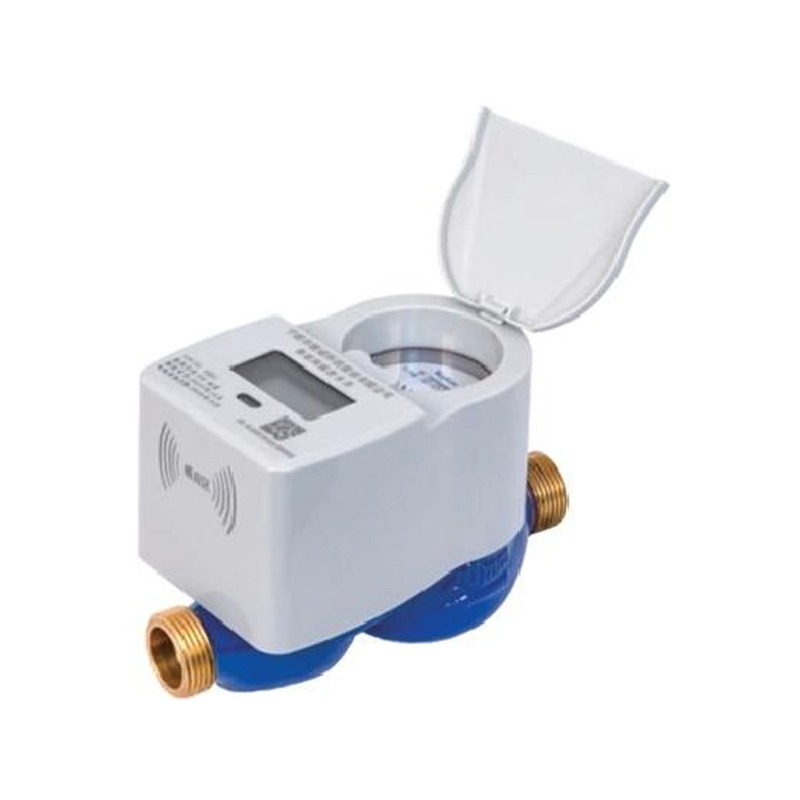
Universal Compatibility
Any PLC, data logger, BMS controller or AMR transmitter can count pulses on a digital input. No drivers, protocols or software licences are needed.

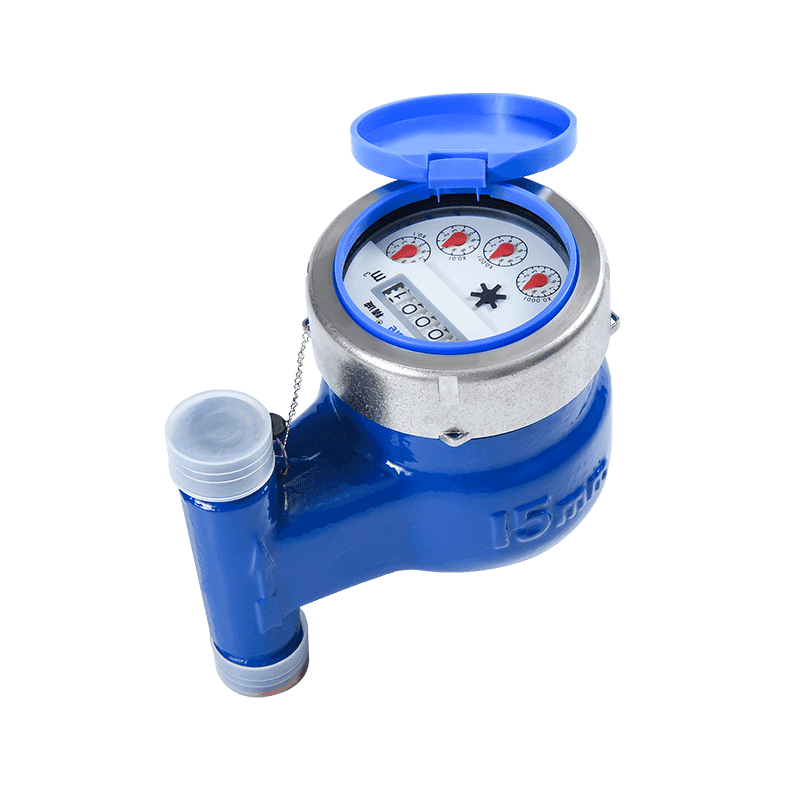
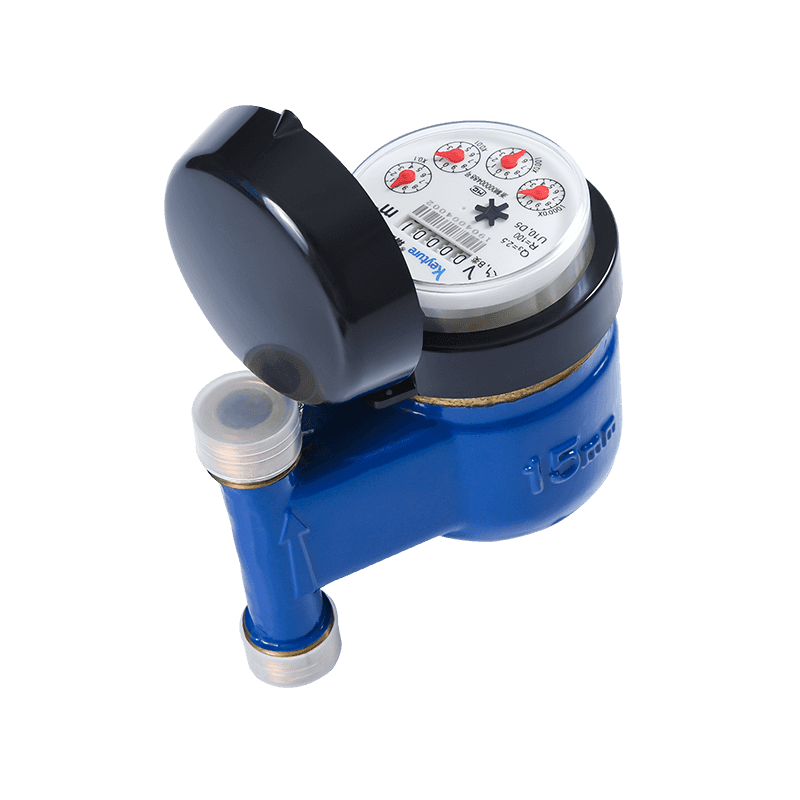
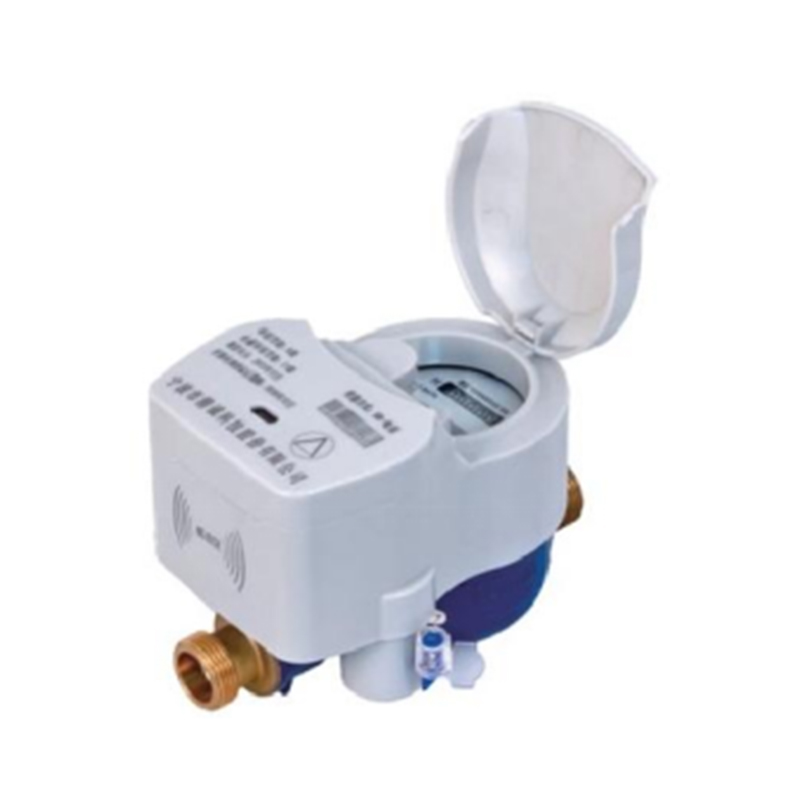
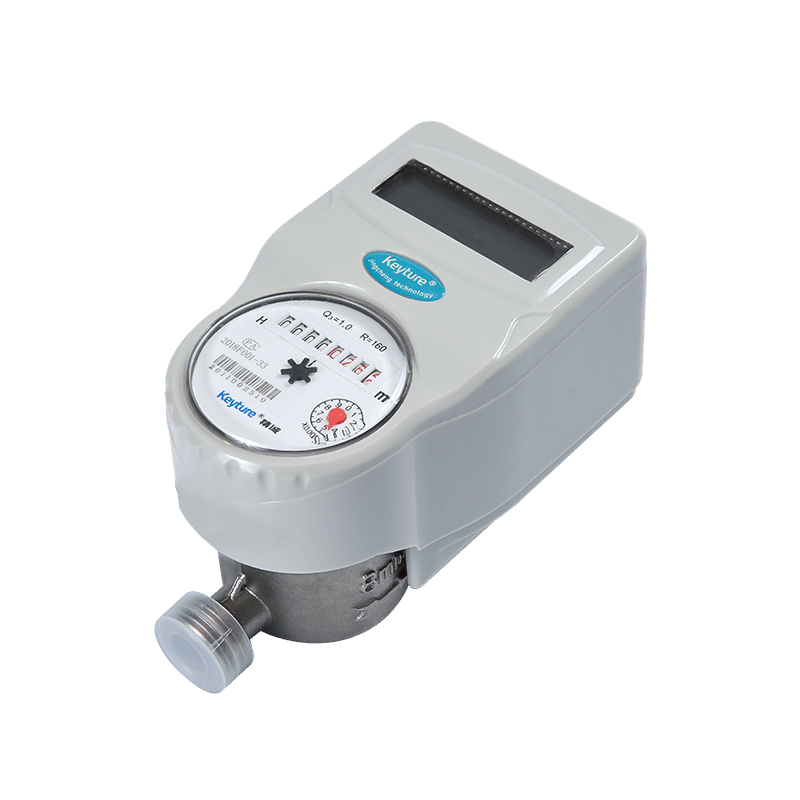
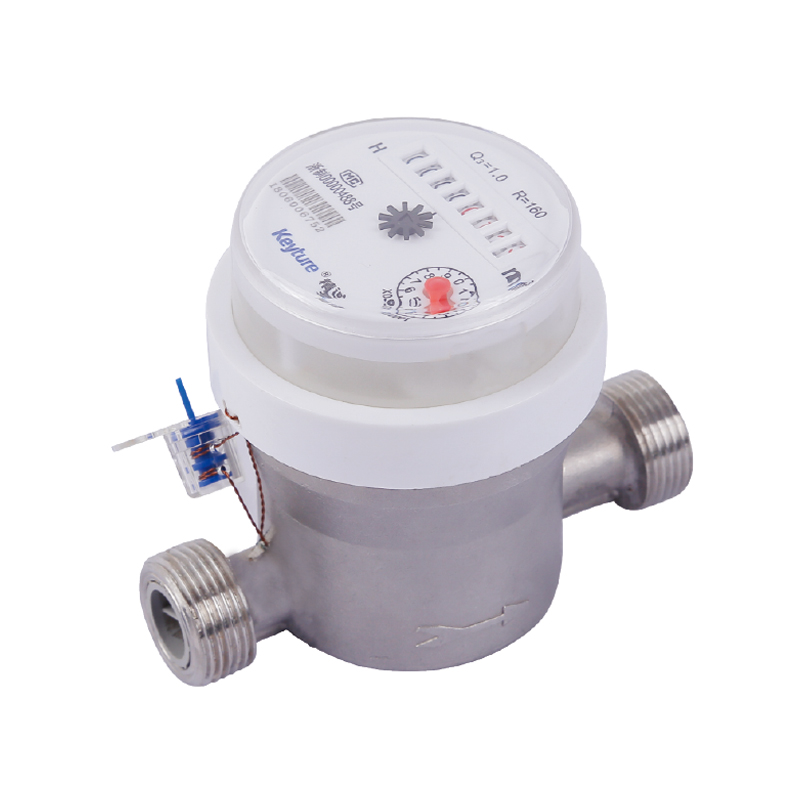
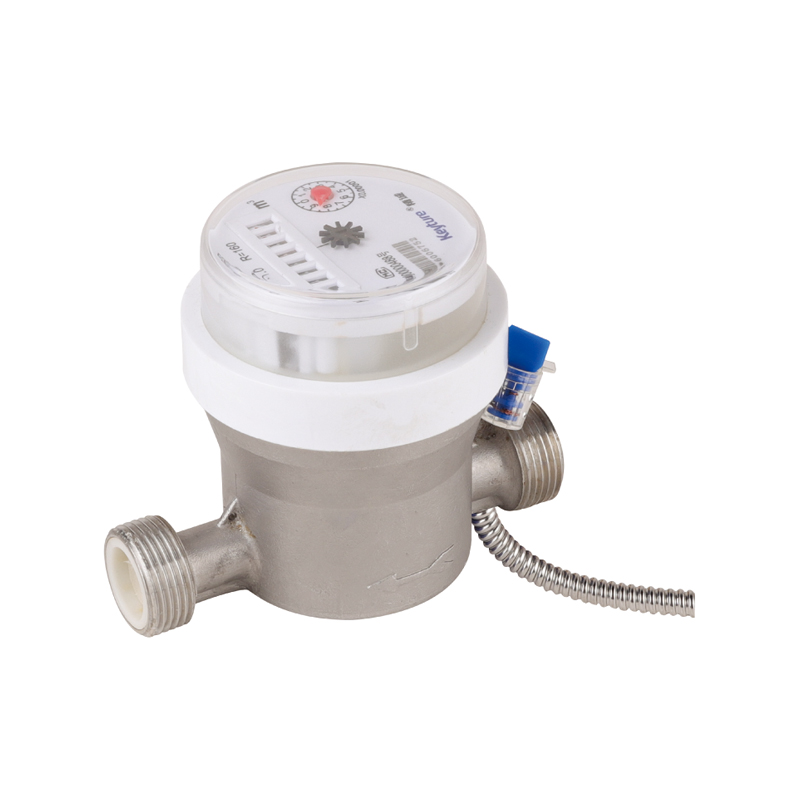
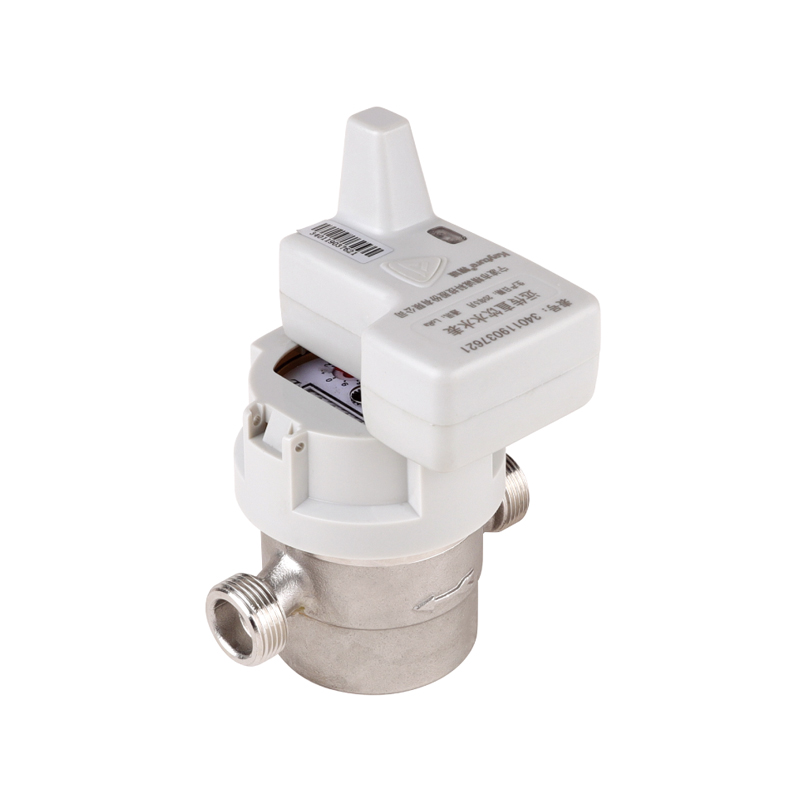
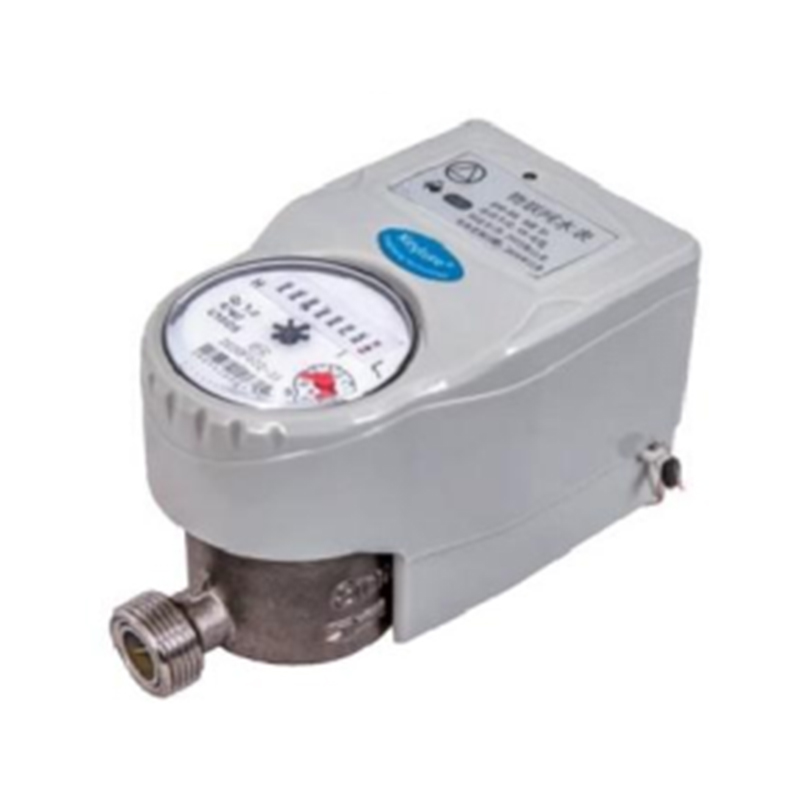
A conventional mechanical meter with a built-in pulse sensor — reed, Hall, Wiegand or optical — that sends one clean pulse per fixed volume to any counter, logger or AMR transmitter.
Reed / Hall / Wiegand / opto · 1 L – 100 L per pulse · mechanical dial retained
A pulse output mechanical water meter is a conventional mechanical meter — vane wheel, gear train and numbered dial — that also generates an electrical pulse every time a fixed volume of water has passed. The pulse is produced by a small sensor that watches the register: a reed switch closed by a magnet on a rotating wheel, a Hall-effect sensor detecting the same magnet, a Wiegand-wire sensor that creates a self-powered pulse, or an optical sensor looking at a slotted disc. The meter remains fully mechanical and fully readable by eye, so it needs no power and works as an ordinary meter even if the pulse system is unplugged. The pulse is simply an extra signal that can be counted by a data logger, a PLC, a billing concentrator or a wireless transmitter.
What makes the pulse output meter useful is its universality. A pulse is the lowest common denominator of metering: two wires, no protocol, no addressing, no firmware. Almost every piece of automation equipment has a digital input that can count pulses — PLCs, frequency counters, building management controllers, remote terminal units, dosing pumps, data loggers and AMR transmitters. A meter that gives a clean pulse therefore connects to existing systems without drivers or configuration, and the volume per pulse (the pulse weight) is fixed by design: typically 1 litre, 10 litres or 100 litres, depending on the size of the meter and the resolution wanted. Counting the pulses and multiplying by the weight gives the volume, and the pulse rate gives the flow.
Because it is simple, the pulse output has traps that need careful design. Pulse weight must match the meter size, or pulses will either be too fast for the counter or too coarse for leak detection. Contacts must handle the load of the input circuit, bounce must be filtered, cable length and shielding must be controlled, and the counter must keep its total through power cuts. Supplied in DN15 to DN50 with Class 2 accuracy under ISO 4064 / OIML R49 and an R100 range ratio, with a choice of reed, Hall, Wiegand or opto sensor and selectable pulse weights, the pulse output mechanical water meter is the low-cost bridge between traditional metering and modern data collection.
Key takeaway: Two wires, no protocol, no power. A pulse output turns a mechanical meter into an input that any PLC, logger or AMR transmitter can count.
Six practical reasons the pulse output remains the most widely used remote-reading interface.
Any PLC, data logger, BMS controller or AMR transmitter can count pulses on a digital input. No drivers, protocols or software licences are needed.
The mechanical register remains the legal and visual reading. If the pulse system fails or is disconnected, the meter keeps measuring and the dial still shows the true volume.
Reed switches need no power, Hall sensors are solid-state and fast, Wiegand pulses are self-generated and immune to magnetic bounce, and optical sensors give clean edges. The best fit depends on the system.
Pulse weights from 1 L to 100 L let integrators match the meter to counters of different speed and resolution, avoiding pulse flooding on large meters and coarse resolution on small ones.
With no protocol stack, firmware or battery, the pulse output adds very little to meter cost. It is the cheapest route from mechanical metering to remote data.
Many registers accept a clip-on or plug-in pulse head without opening the water circuit, so existing installed meters can be upgraded in the field.
Standard configuration below. Sensor type, pulse weight, cable length and contact rating can be adapted to your counter and system requirements.
| Parameter | Specification |
|---|---|
| Standard | ISO 4064 / OIML R49; IEC 60947-5 contact ratings |
| Meter type | Multi jet or single jet, dry dial, mechanical register with pulse head |
| Nominal diameter | DN15 – DN50 (1/2" – 2") |
| Accuracy class | Class 2, R100 |
| Sensor options | Reed switch / Hall effect (open collector) / Wiegand / optical |
| Pulse weight | 1 L, 10 L or 100 L per pulse (selected by meter size) |
| Output type | Dry contact (reed) or open collector NPN (Hall / opto) |
| Contact rating (reed) | Max 24 V DC, 100 mA, 3 W |
| Open collector rating | Max 30 V DC, 20 mA |
| Pulse width | ≥ 20 ms typical, bounce-free for Hall / opto |
| Max pulse frequency | Reed 50 Hz; Hall / opto 1 kHz |
| Cable | 2-wire or 3-wire shielded, 1.5 m standard; up to 100 m |
| Water temperature | 0.1 °C – 50 °C (cold water) |
| Working pressure | MAP 16 bar |
| Body material | Brass or cast iron |
| Reverse flow | Optional direction-sensing two-channel output |
| Protection | IP65 standard; IP68 sealed head on request |
Q4 is the overload flow, Q3 the permanent flow, Q2 the transitional flow and Q1 the minimum flow, all expressed in m³/h.
| Nominal Diameter | Q4 Overload | Q3 Permanent | Q2 Transitional | Q1 Minimum | Range Ratio | Standard Pulse Weight |
|---|---|---|---|---|---|---|
| DN15 (1/2") | 3.125 | 2.5 | 0.04 | 0.025 | R100 | 1 L / pulse |
| DN20 (3/4") | 5 | 4 | 0.064 | 0.04 | R100 | 1 L / pulse |
| DN25 (1") | 7.875 | 6.3 | 0.1008 | 0.063 | R100 | 10 L / pulse |
| DN32 (1¼") | 12.5 | 10 | 0.16 | 0.1 | R100 | 10 L / pulse |
| DN40 (1½") | 20 | 16 | 0.256 | 0.16 | R100 | 10 L / pulse |
| DN50 (2") | 31.25 | 25 | 0.4 | 0.25 | R100 | 100 L / pulse |
Values shown for R100. At Q4, a DN15 meter with 1 L pulses produces about 0.7 pulses per second — well within reed limits. Tell us your counter’s input speed and required resolution and we will confirm the correct sensor and pulse weight.
A pulse output is judged by its metrological link to the dial and by the electrical reliability of the contact.
Class 2 limits for the mechanical meter. The pulse head is verified so that pulse count times pulse weight equals the dial volume within the permitted error.
Over a long run, the total pulses are compared with the register reading. A tolerance of one pulse is allowed for the last fraction of a count.
Reed switches are cycled through tens of millions of operations at rated load to confirm life, and Hall and opto sensors through accelerated stress tests.
Tests for ESD, EFT and surge on the pulse cable confirm that long runs near motors and inverters do not generate false pulses.
Reed and Hall sensors are tested against external magnets to confirm that false pulses and missed pulses stay within defined limits. Wiegand versions are inherently immune.
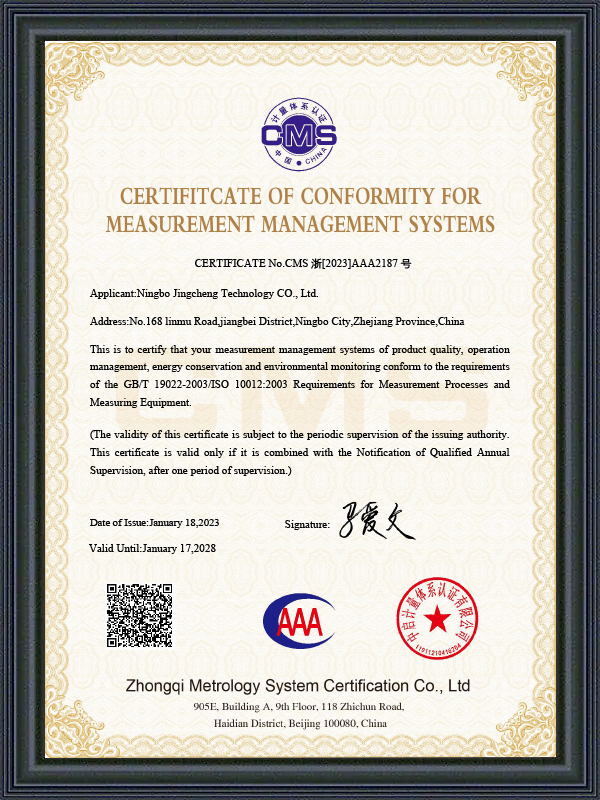
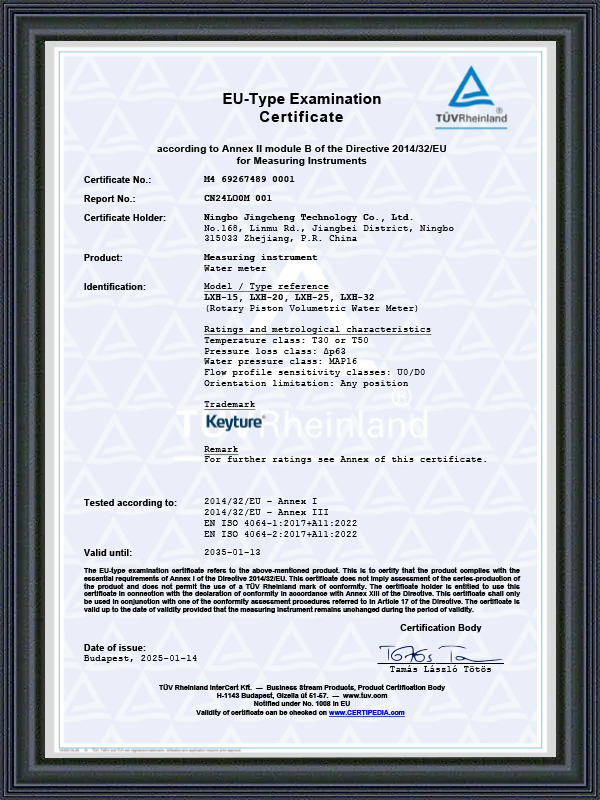
EU MID approval for the mechanical meter with the pulse output as an auxiliary interface.

Two choices define this meter: how the pulse is generated, and how the pulse signal is delivered reliably to the counter.
A reed switch is a pair of ferromagnetic contacts sealed in a glass tube. When a magnet on a register wheel passes by, the contacts close for a few milliseconds. It needs no power and is cheap, but the contact bounces and the glass can be affected by external magnets. A Hall-effect sensor is a solid-state device that outputs a clean digital level when a magnet is near. It has no mechanical contact to wear, but needs a supply voltage.
A Wiegand sensor contains a special wire that flips its magnetisation abruptly as a magnet passes, producing a sharp voltage pulse in a coil without any external power. It is immune to speed and to many forms of magnetic tampering. An optical sensor uses an infrared LED and photodiode looking at a slotted or reflective disc, giving clean edges and high resolution with no magnetic parts. The sensor type is chosen according to power availability, counter input and tamper risk.
A pulse is only as good as the path that carries it. The signal cable should be shielded twisted pair, away from power lines, and the shield grounded at the counter end only. For long runs, a Hall or optical output with open collector and a pull-up resistor at the receiver gives a stronger signal than a bare reed contact. Receivers should include input filtering to ignore contact bounce below the minimum pulse width.
The counting system matters just as much. A PLC counter or logger must retain its total through power loss, either through non-volatile memory or battery backup, and it should be periodically reconciled against the meter dial to catch missed or doubled counts. Two-channel versions provide direction-sensing output so that reverse flow is not counted as consumption, which is crucial for bulk meters and for sites with pump-induced backflow.
Measured performance data for the pulse output mechanical water meter. Use these charts to confirm pressure loss, accuracy and installation dimensions before specifying.
Figure 1 — Head loss curve (MPa vs. flow m³/h)
The chart shows pressure loss across the meter for DN15 to DN50. The pulse head is part of the register and does not intrude into the flow, so loss is that of the multi jet chamber — at or below 0.063 MPa at permanent flow.
Figure 2 — Accuracy error curve (Class 2, R100, Q1–Q4)
The error curve is that of the mechanical meter. The pulse head adds no metrological error, other than a resolution limit of one pulse weight; with 1 L pulses on a DN15 meter this equals less than 0.1 percent of a typical 1 m³ test volume.
Figure 3 — Installation dimensions (L × H × B × D)
| Size | L (mm) | H (mm) | B (mm) | D (thread) |
|---|---|---|---|---|
| DN15 | 165 | 100 | 84 | G3/4" |
| DN20 | 190 | 105 | 86 | G1" |
| DN25 | 260 | 118 | 102 | G1¼" |
| DN32 | 260 | 125 | 104 | G1½" |
| DN40 | 300 | 152 | 132 | G2" |
| DN50 | 300 | 162 | 136 | Flange |
Dimensions are for reference and include the pulse head and cable gland. Confirm exact values with our engineering team before installation design.
The sensor inside the pulse head decides power needs, tamper behaviour and signal quality. This table compares the four common choices.
| Design Feature | Reed Switch | Hall Effect | Wiegand / Optical |
|---|---|---|---|
| Power required | None | Supply needed | None (Wiegand) / supply (opto) |
| Signal quality | Bounce — needs filtering | Clean digital edges | Clean pulse / clean edges |
| Mechanical wear | Contact wear over millions of cycles | None | None |
| Magnetic tamper sensitivity | Can be held closed | Can be saturated | Immune (opto) / high immunity (Wiegand) |
| Maximum pulse rate | About 50 Hz | About 1 kHz | High |
| Unit purchase cost | Lowest | Moderate | Higher |
| Reverse-flow detection | Single channel | Two-channel option | Two-channel option |
| Best application | Basic AMR and simple counters | Industrial and high rate | Tamper-prone and high accuracy |
This comparison is indicative. Actual performance depends on counter input, cable run, tamper environment and the specific product configuration. Contact our engineers for application-specific guidance.
Premium quality
since 2002
Coming From China, Marketing To The World
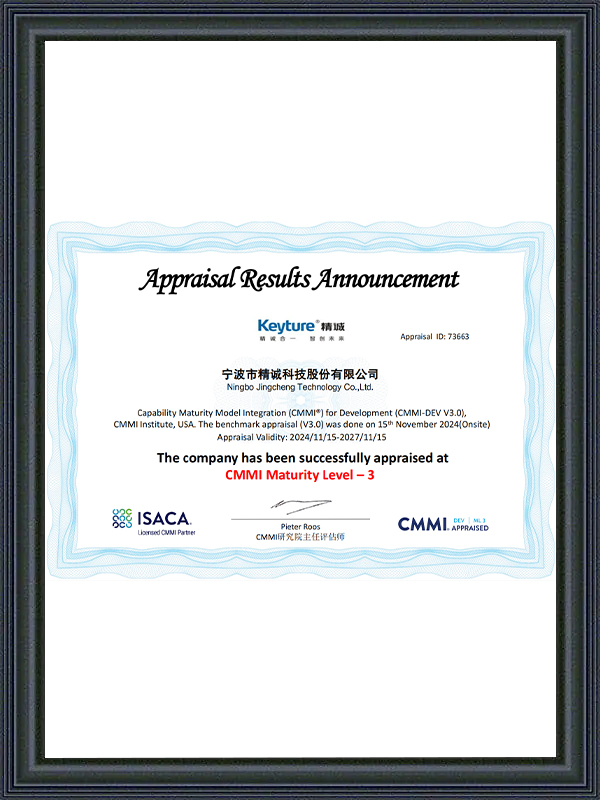
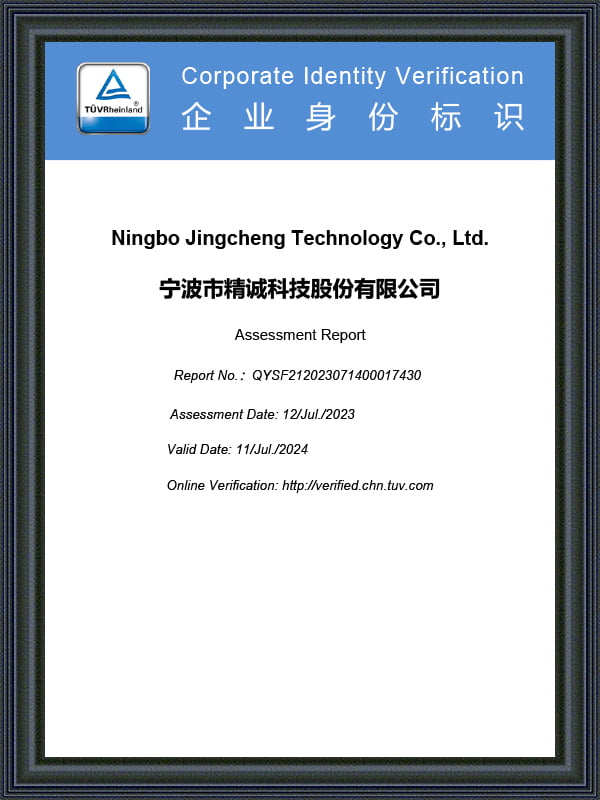
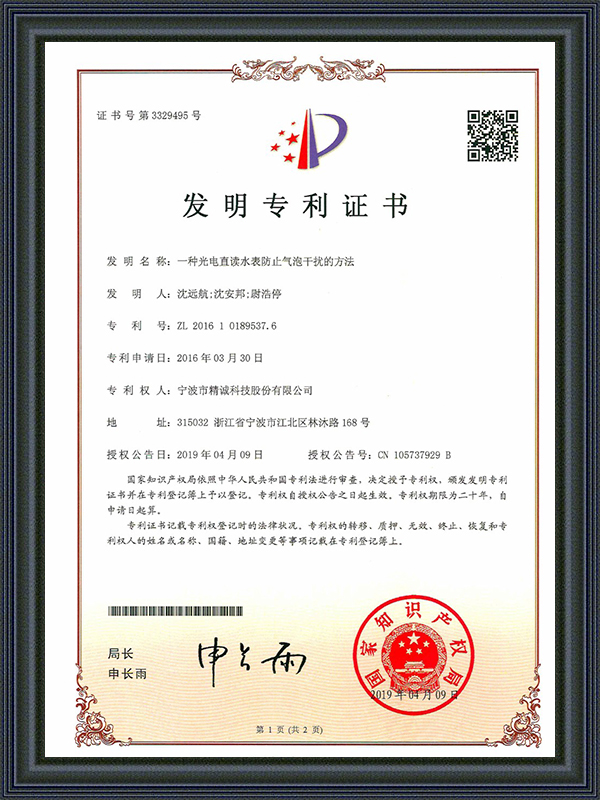
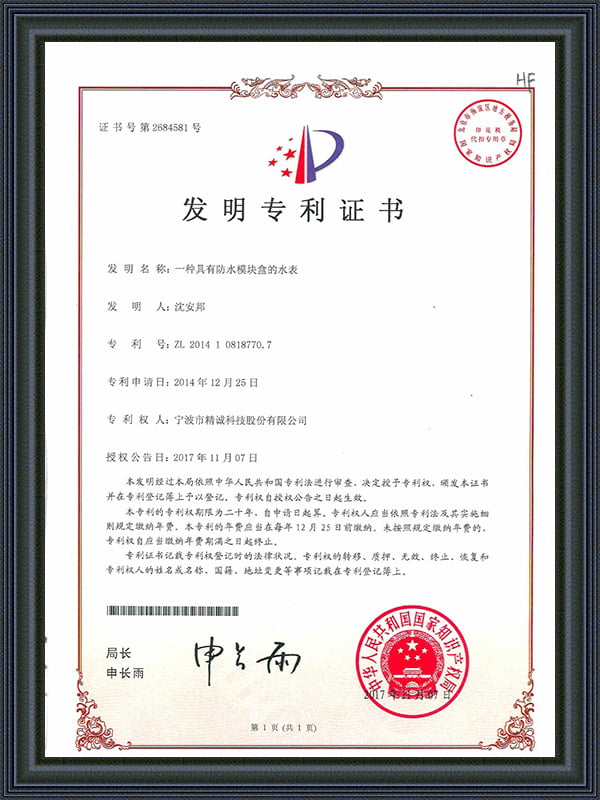
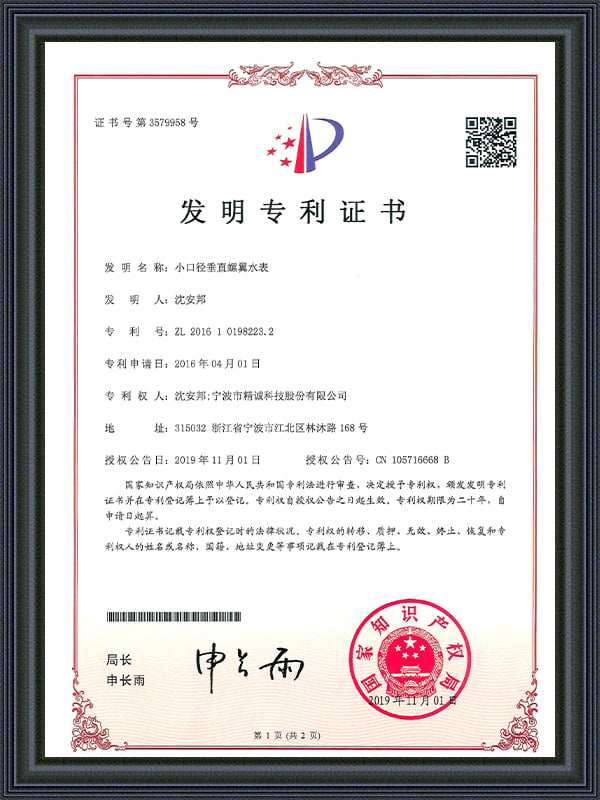
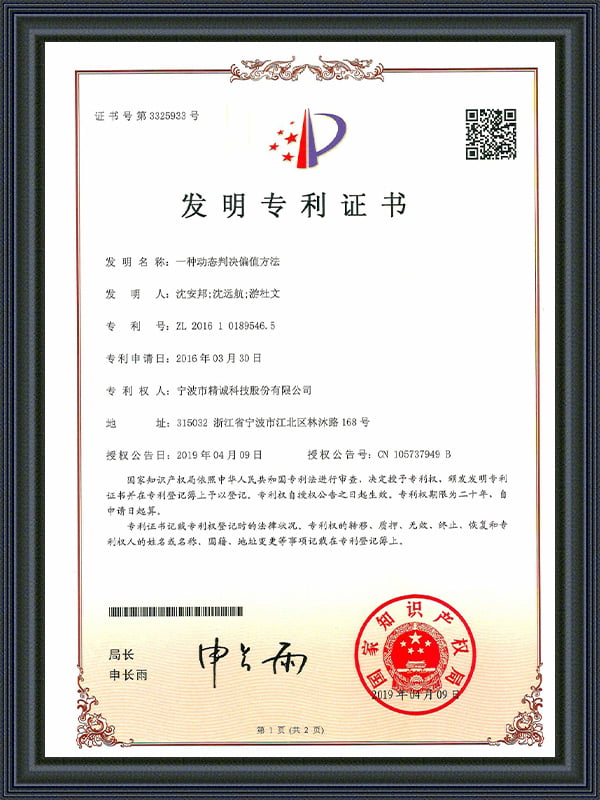
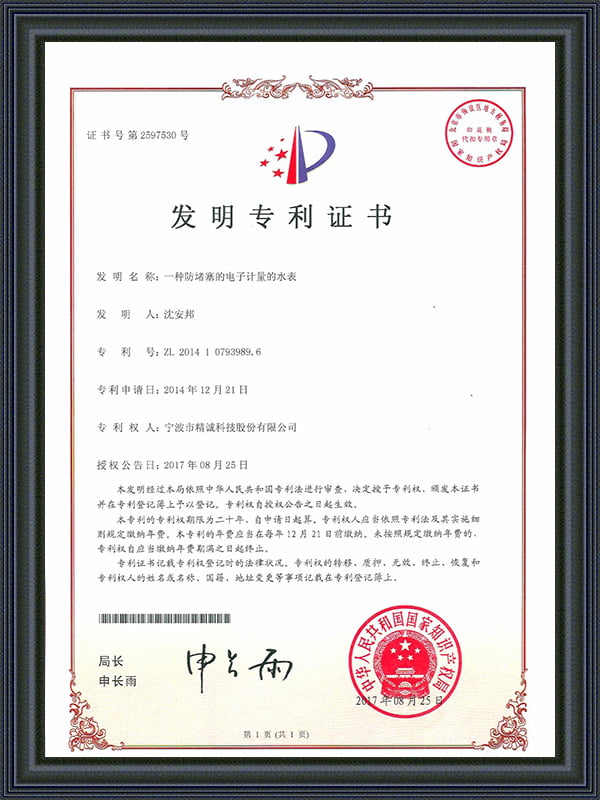
Keyture Meter is located in Picturesque Jiangbei Investment Park, NINGBO, CHINA. It is a comprehensive high-tech China Pulse Output Mechanical Water Meter Manufacturers and Custom Pulse Output Mechanical Water Meter Factory that integrates scientific research & development, production, sales, and service. Established in 2002 as a manufacturer and exporter of water meters for more than 22 years. The factory covers an area of 40 acres (30,000 square meters), 200 staff, 100+ types of products, product capacity of 5 million per year. Its product range covers single jet, multi-jet, volumetric piston type, Woltman type, IC card intelligent water meter, remote control water meter, optoelectrical reading direct remote control water meter...
Yearly production capacity
Production Area
Works and inspectors
Production experience
Excellent product with exquisite craftsmanship
Customization
We have a strong R&D team, and we can develop and produce products according to the drawings or samples the customers offered.
Cost
We are a professional manufacturer and also have our own processing machinery. So we can offer good prices and good products directly.
Quality
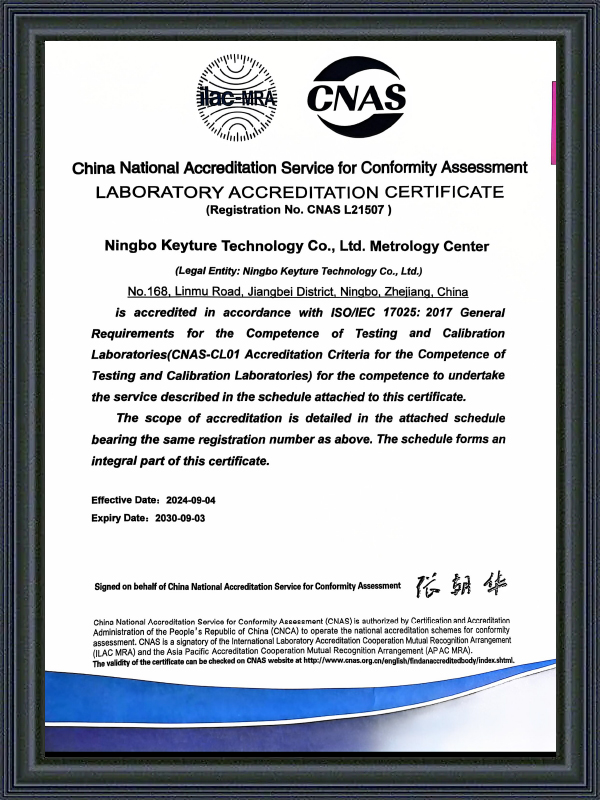
We have our own testing lab and advanced and complete inspection equipment, which can ensure the quality of the products.
Service
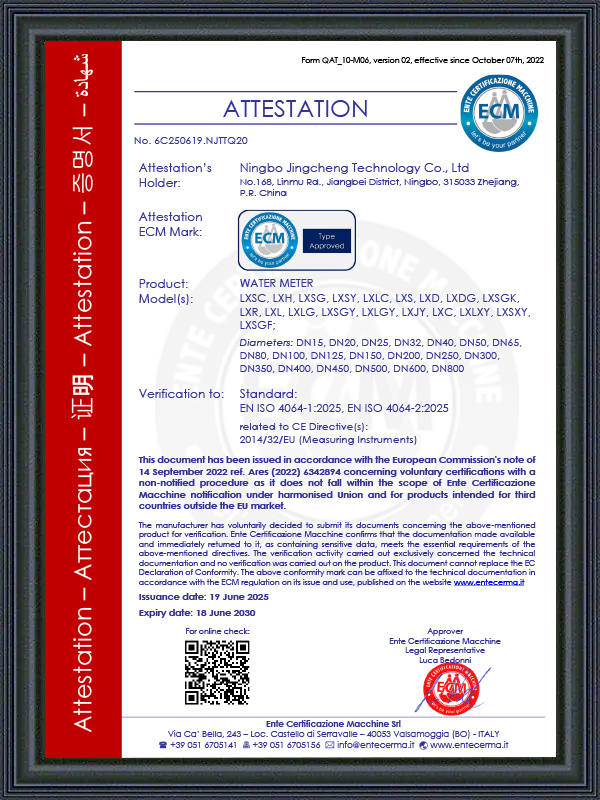
We focus on developing high-quality products for top-end markets. Our products are in line with international standards, and are mainly exported to Europe, America, Africa, Asia and other destinations around the world.
Capacity
Our annual production capacity is over 5 million units. We can meet the needs of different customers with different purchase quantities.
Shipment
We are about 35 kilometers away from Ningbo Port. It is very convenient and efficient to ship goods to any other countries.
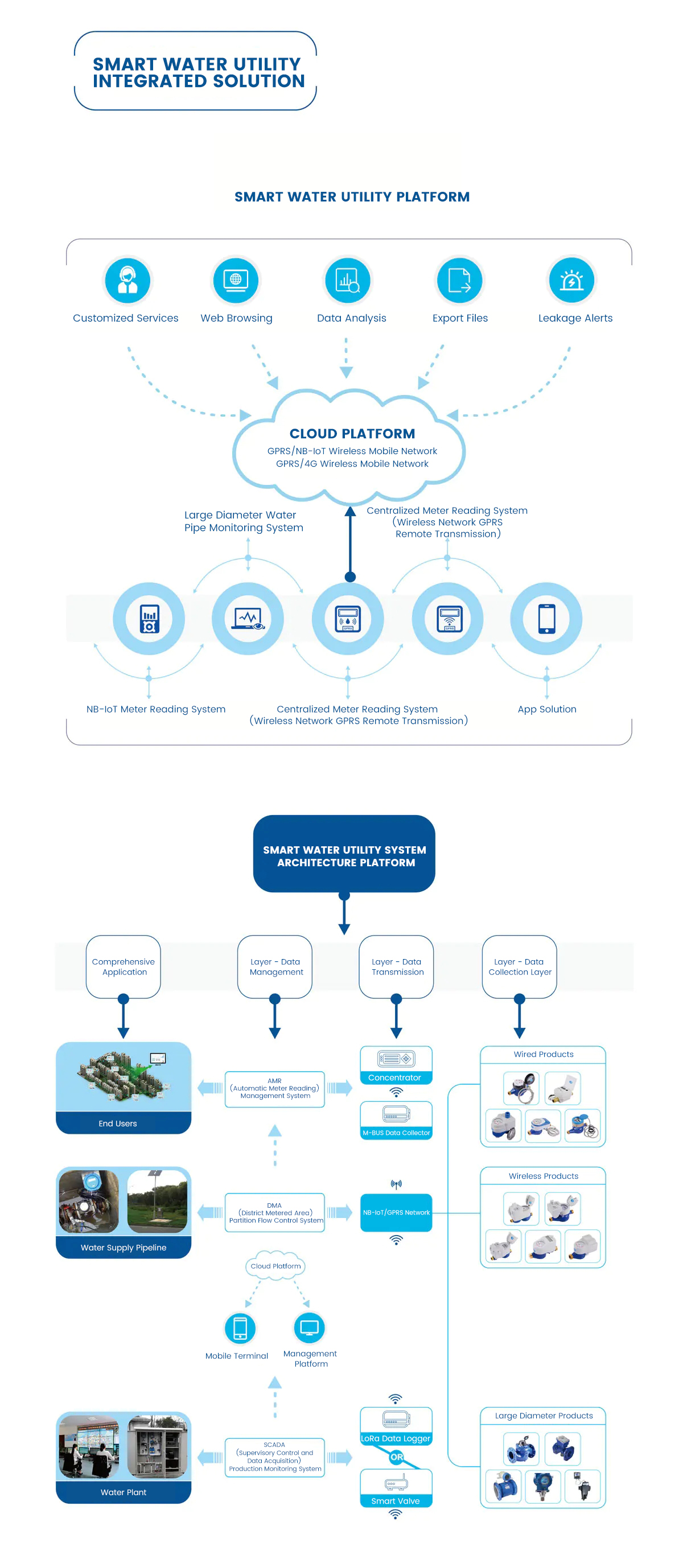
From mechanical meters to smart AMR/AMI systems — we provide end-to-end water metering solutions tailored to your project.
Chosen wherever a simple, universal digital signal is the best way to get volume into a counting system.
Install the meter in the orientation marked on the dial and in the direction of the flow arrow. Fit the pulse head or cable gland so that the cable leaves the meter downward in a drip loop, which prevents water running along the cable into the housing in outdoor and pit installations.
Use shielded twisted-pair cable and route it away from power lines, motors and inverters. Ground the shield at the counter end only. Keep cable lengths as short as practical, and for runs beyond 30 m prefer a Hall or optical output with open collector and a suitable pull-up resistor.
Set the counter’s pulse weight and unit to match the meter, and confirm the setting by running a measured volume through the meter and checking that the count matches the dial. Record the pulse weight on the commissioning sheet and on a label near the counter.
Routine maintenance consists of checking cable and gland integrity, confirming the counter total against the dial and looking for unexplained jumps or stalls in the pulse log. A common fault is water ingress into the cable connection, which shows as erratic pulses or a stuck-on signal.
Reed switches have a finite contact life, typically tens of millions of operations at rated load, which is many years for a household meter but can matter for a large industrial meter running at high pulse rates. In heavy-duty applications, solid-state Hall or optical outputs give longer life.
The mechanical meter keeps its normal life of 8 to 10 years. If the pulse head fails, it can be replaced without cutting the pipe and without disturbing the measuring chamber. Always re-verify the pulse weight and count after a replacement.
It is an electrical signal that goes on and off each time a fixed volume of water has passed through the meter. A counter connected to the output adds up the pulses and multiplies by the pulse weight to find the total volume.
Pulse weight is the volume of water represented by one pulse, such as 1 litre, 10 litres or 100 litres. It is a fixed property of the meter and pulse head and must be set correctly in the counter.
Reed switches are cheapest and need no power, Hall sensors give cleaner edges and longer life, Wiegand sensors are powerless and magnet-resistant, and optical sensors give clean edges without a magnet. Choose by your counter, power supply and tamper risk.
With a reed contact, runs up to about 30 m are normal. With a Hall or optical open-collector output and a pull-up resistor, runs up to 100 m are possible with good shielded cable. Longer distances need a repeater or a different interface.
Common causes are the wrong pulse weight, contact bounce counted as extra pulses, missed pulses during power loss or interference on the cable. Reconcile regularly and correct the setup if there are persistent differences.
The meter’s accuracy remains that of the mechanical meter. The pulse system only introduces a resolution limit of one pulse weight, so a test volume should be many pulses long for meaningful comparison.
A two-channel pulse output gives direction information so a counter can subtract reverse flow. This is useful on bulk lines and in installations where pumps can cause backflow.
If the register is designed to accept a pulse head, yes — it can be clipped or plugged on without cutting the pipe. For legal metrology, use heads supplied or approved for that meter model.
The meter itself needs no battery. Reed and Wiegand pulse outputs are passive, and Hall or optical versions need a small supply from the counter or logger. Wireless transmitters connected to the pulse output have their own battery.
Pulses that arrive while the counter is off are lost, and the electronic total will lag behind the dial. Use a counter with battery backup or non-volatile memory, and reconcile against the dial after outages.
Reed and Hall sensors can be affected by strong magnets. If magnet tampering is a risk, specify a Wiegand or optical output, or combine with an anti-magnetic register.
Class 2 with R100 range ratio in DN15 to DN50. Pulse weights are chosen by size, and R160 versions and special pulse weights can be supplied on request.
Send us the counter or logger type, cable length, resolution and tamper risk. Our engineers will recommend the right pulse output configuration and pulse weight, with price and lead time.

Address: No.168,LinMu Rd.,Zone B, Jiangbei investment Park, Ningbo, Zhejiang,China
Tel: +86-0574-83090480/+86-18892665118
Fax: +86-0574-83021045
Email: [email protected]
Web: https://www.keyturemeter.com/
Quick Links
Product
Mobile terminal
 Custom Pulse Output Mechanical Water Meter Manufacturers