 English
 Español
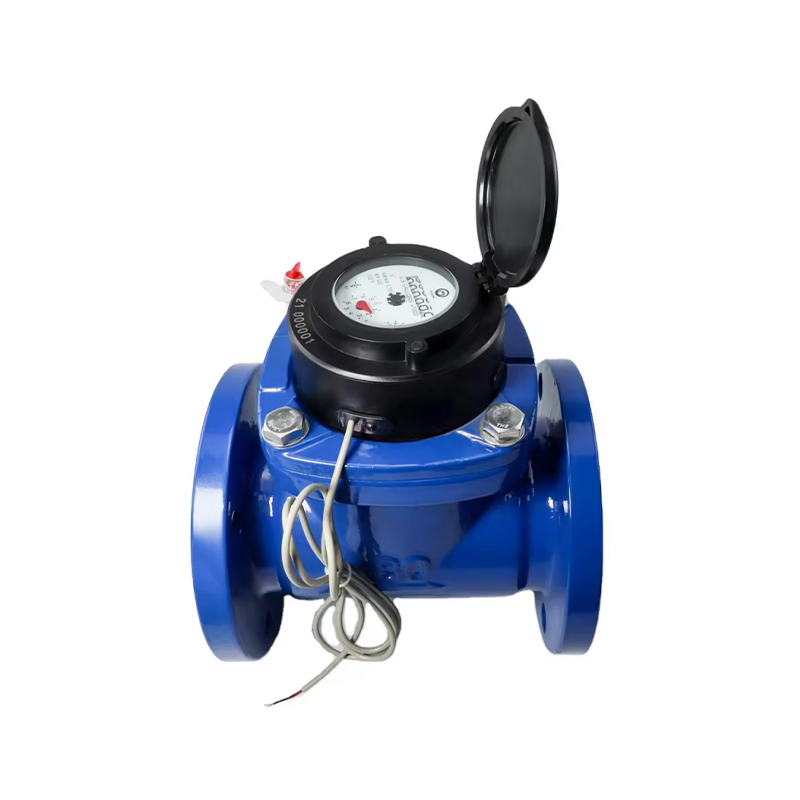
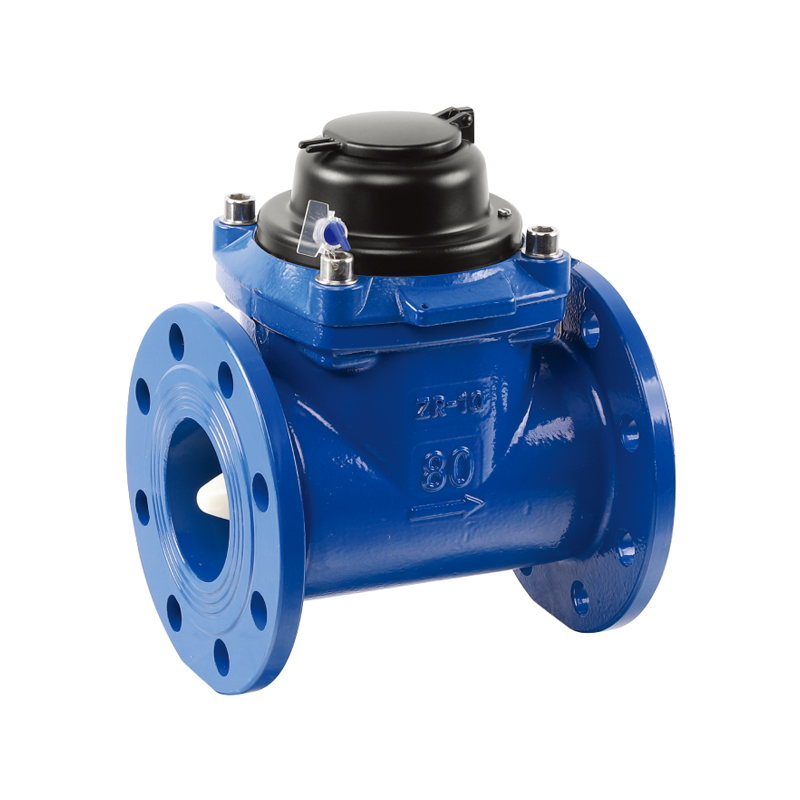
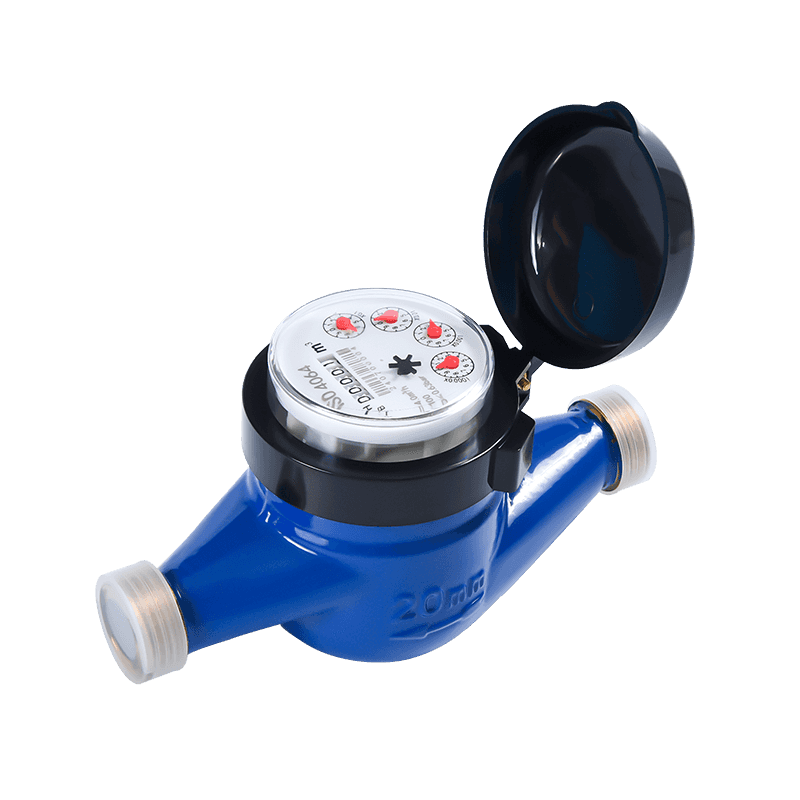
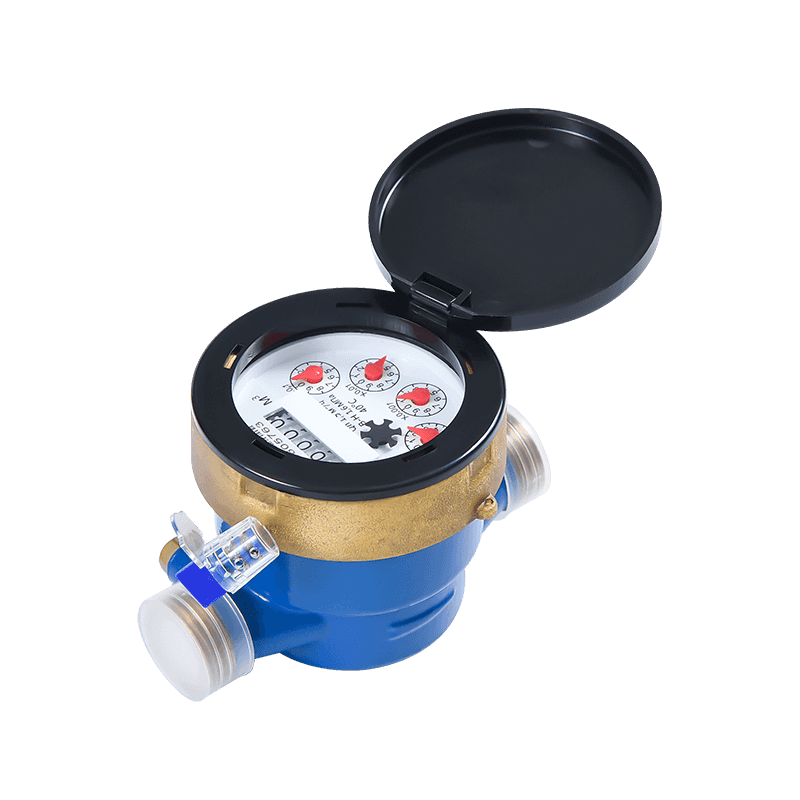
Lowest Head Loss
Straight-through axial flow loses almost nothing to turns or restrictions. Pressure drop at Q3 is a fraction of a comparable multi jet or piston design, which protects pump energy and residual pressure.

The classic horizontal helix turbine for large cold water mains — rotor axis parallel to the pipe, register on top, low head loss and proven long-term accuracy.
Woltman WP · horizontal axis · cold water · flanged
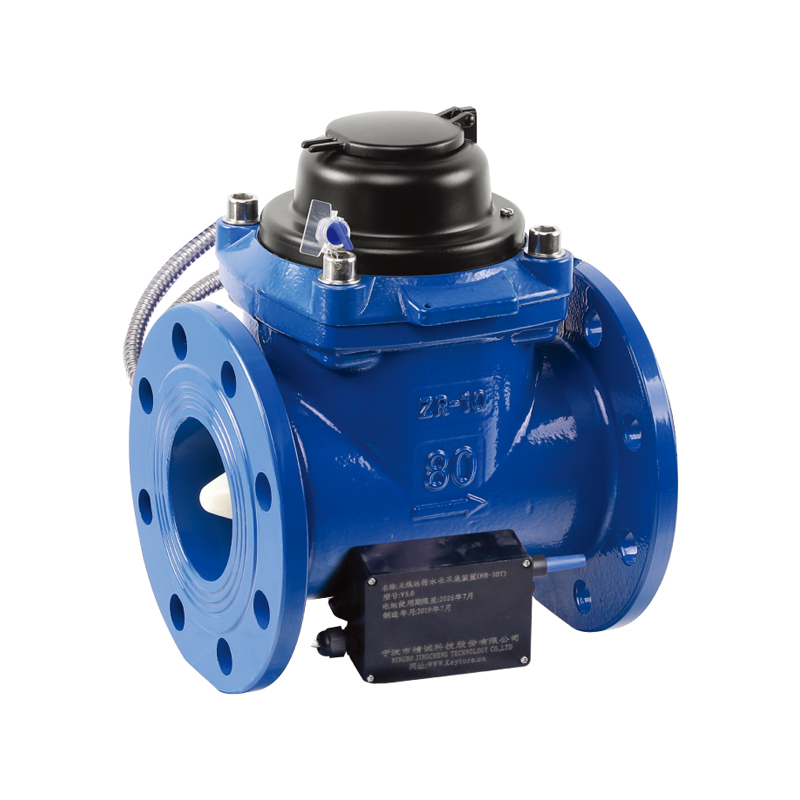
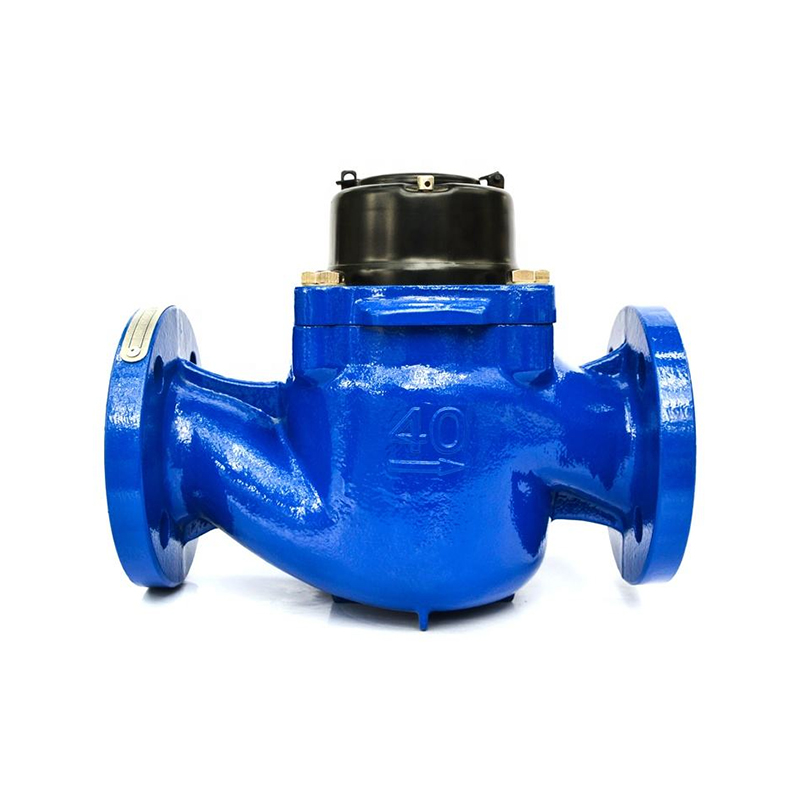
A horizontal Woltman cold water meter is the classic bulk meter configuration: a helical-vane rotor whose axis lies along the pipe centreline, with the register mounted on top of the body and driven through a magnetic coupling or a sealed gear train. In industry shorthand it is the WP type, where the P stands for parallel, meaning the rotor axis is parallel to the pipe. Water flows straight through the meter, passes a flow straightener that removes swirl, strikes the rotor blades at a shallow angle and leaves in the same direction it came from. Rotor speed is proportional to water velocity, and each revolution represents a fixed volume. Because this geometry has almost no change of direction, it passes very high flows with very low pressure loss.
The horizontal layout is not just a convention; it is what allows a Woltman meter to remain accurate and durable over decades. With the pipe horizontal and the rotor axis horizontal, gravity acts across the bearings rather than along them, so the rotor sits at a defined position on its bearings, and thrust from the flow is carried by purpose-designed thrust surfaces. The register sits above the body, readable from above in a chamber, and the dry dial is separated from the wet side so no water reaches the gear train. The full-bore flow tunnel and the straight inlet mean that debris tends to pass through rather than lodge in the meter, and the straightener ahead of the rotor reduces the sensitivity to disturbances in the upstream pipe.
Specified for cold water only, 0.1 °C to 50 °C, the horizontal Woltman meter avoids the hot-water compromises in materials and uses standard bearings, seals and register parts at lower cost. Supplied in DN40 to DN400 with flanged ends to PN10, PN16 or PN25, Class 2 accuracy under ISO 4064 / OIML R49 and R160 range ratio, with dry dials that rotate through 360 degrees and optional pulse, M-Bus or wireless heads, it is the standard meter for district metering areas, bulk supply connections, large buildings, irrigation mains and industrial water intakes. For a pipeline that is laid horizontally and carries clean cold water in large volumes, the horizontal Woltman is simple, proven and economical.
Key takeaway: Horizontal pipe, horizontal rotor, horizontal bearings. The WP configuration puts gravity where it does the least harm and gives the lowest head loss of any mechanical bulk meter.
Six reasons the horizontal WP layout is the default for large cold water pipelines.
Straight-through axial flow loses almost nothing to turns or restrictions. Pressure drop at Q3 is a fraction of a comparable multi jet or piston design, which protects pump energy and residual pressure.
With the rotor axis horizontal, gravity presses across the bearings rather than along them. Bearings wear evenly and the rotor stays centred, which keeps the error curve stable for years.
A vane straightener upstream of the rotor removes bulk rotation caused by bends and pumps. This improves repeatability and reduces the straight pipe needed upstream.
Without hot-water material compromises, standard bearings, seals and polymer rotors can be used. This keeps cost down and extends life in the clean, cool water the meter is designed for.
The register sits on top, readable from a chamber hatch, and rotates 360° so it can face the reader regardless of the pipe’s position in the pit.
The meter bolts in line between flanges with standard face-to-face lengths. It replaces a spool piece, needs no special adapters and is compatible with standard valves and strainers.
Standard configuration below. Size range, flange standard, pressure rating and communication options can be adapted to your pipeline requirements.
| Parameter | Specification |
|---|---|
| Standard | ISO 4064 / OIML R49 |
| Meter type | Woltman WP, horizontal helix rotor, axial flow, velocity type |
| Installation position | Horizontal pipe only, register facing up (H) |
| Nominal diameter | DN40 – DN400 (1½" – 16") |
| Accuracy class | Class 2, R160 standard / R200 optional |
| Water type | Clean cold potable or raw water, strainer recommended |
| Water temperature | 0.1 °C – 50 °C (cold water) |
| Working pressure | PN10 / PN16 / PN25 |
| Pressure loss | ≤ 0.02 MPa at Q3 |
| Body material | Cast iron or ductile iron, epoxy coated |
| Rotor | Engineered polymer or stainless steel helix, balanced |
| Bearings | Ceramic / tungsten carbide, water lubricated |
| Straightener | Integral vane straightener upstream of rotor |
| Register | Dry-type, magnetic coupling, 360° rotatable |
| Connection | Flanged EN 1092-2; ANSI B16.5 / JIS / AS on request |
| Straight pipe | 3 × DN upstream, 2 × DN downstream with straightener |
| Pulse output | Optional reed / Hall / Wiegand; M-Bus, LoRaWAN, NB-IoT on request |
| Protection | IP65 standard; IP68 register on request |
Q4 is the overload flow, Q3 the permanent flow, Q2 the transitional flow and Q1 the minimum flow, all expressed in m³/h.
| Nominal Diameter | Q4 Overload | Q3 Permanent | Q2 Transitional | Q1 Minimum | Range Ratio | Reading Range |
|---|---|---|---|---|---|---|
| DN40 (1½") | 31.25 | 25 | 0.25 | 0.1562 | R160 | 0.01 – 9,999,999 m³ |
| DN50 (2") | 50 | 40 | 0.4 | 0.25 | R160 | 0.01 – 9,999,999 m³ |
| DN65 (2½") | 78.75 | 63 | 0.63 | 0.3937 | R160 | 0.01 – 9,999,999 m³ |
| DN80 (3") | 125 | 100 | 1 | 0.625 | R160 | 0.01 – 9,999,999 m³ |
| DN100 (4") | 200 | 160 | 1.6 | 1 | R160 | 0.01 – 9,999,999 m³ |
| DN125 (5") | 312.5 | 250 | 2.5 | 1.562 | R160 | 0.1 – 99,999,999 m³ |
| DN150 (6") | 500 | 400 | 4 | 2.5 | R160 | 0.1 – 99,999,999 m³ |
| DN200 (8") | 787.5 | 630 | 6.3 | 3.938 | R160 | 0.1 – 99,999,999 m³ |
| DN250 (10") | 1250 | 1000 | 10 | 6.25 | R160 | 0.1 – 99,999,999 m³ |
| DN300 (12") | 2000 | 1600 | 16 | 10 | R160 | 0.1 – 99,999,999 m³ |
| DN400 (16") | 3125 | 2500 | 25 | 15.62 | R160 | 0.1 – 99,999,999 m³ |
Values shown for R160 in the horizontal WP position. R200 versions and alternative flange standards are available — tell us your night flow, peak flow and pipe size and we will confirm the correct meter size, since oversizing pushes minimum flow above actual low demand.
A bulk meter is verified on large-volume rigs and installed under defined straight-pipe conditions, so certification covers both performance and installation.
Class 2 limits and test points for cold potable water meters, including large Woltman sizes. Horizontal orientation is stated and marked.
Straight-pipe requirements are validated with disturbances such as bends, valves and reducers upstream. With the straightener, U3 / D2 is typical.
EN 1092-2 PN10 / PN16 / PN25 as standard. ANSI B16.5, JIS and AS 4087 drillings available. Face-to-face lengths follow ISO 4064.
EU MID Module B + D approval with orientation marked H and installation class stated on the dial.
Fusion-bonded epoxy internal and external coating suitable for potable water contact, with WRAS, NSF/ANSI 61 or ACS where required.
Meters up to DN400 are calibrated on weighing or master-meter test rigs, with certificates for each serial number at multiple flows.
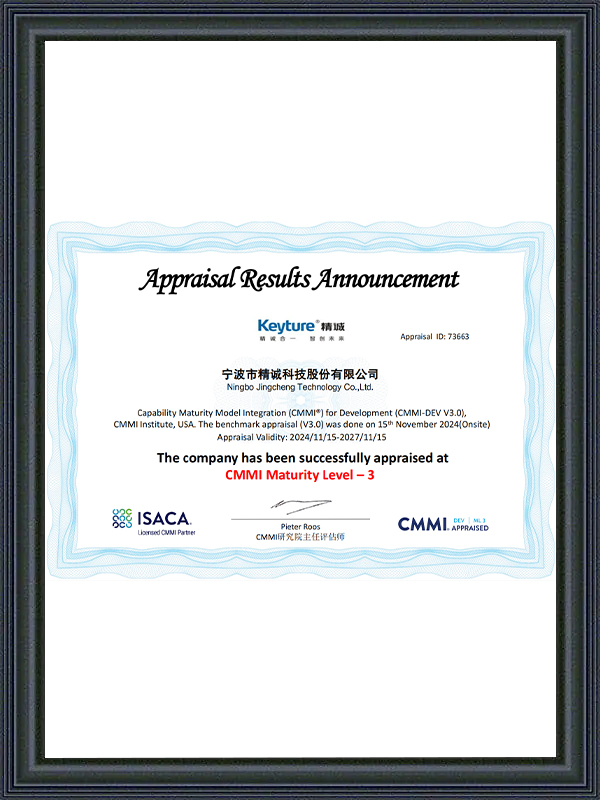
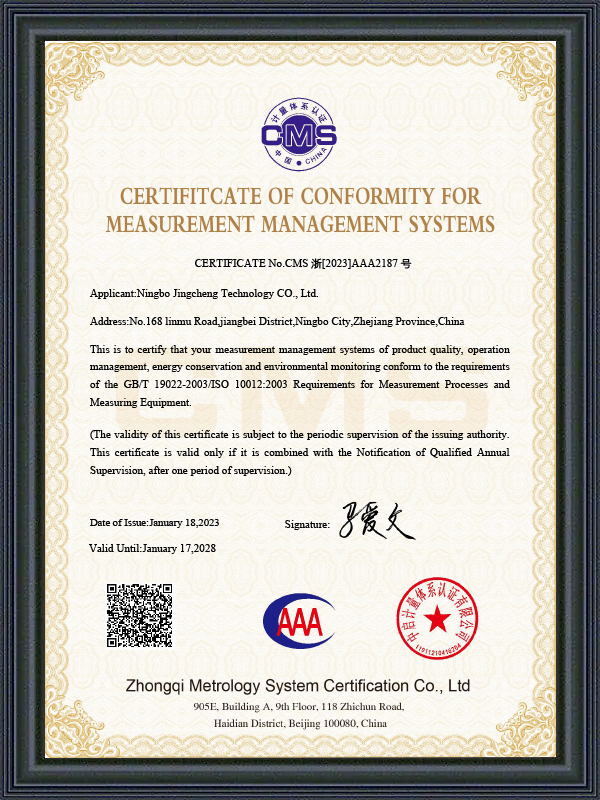
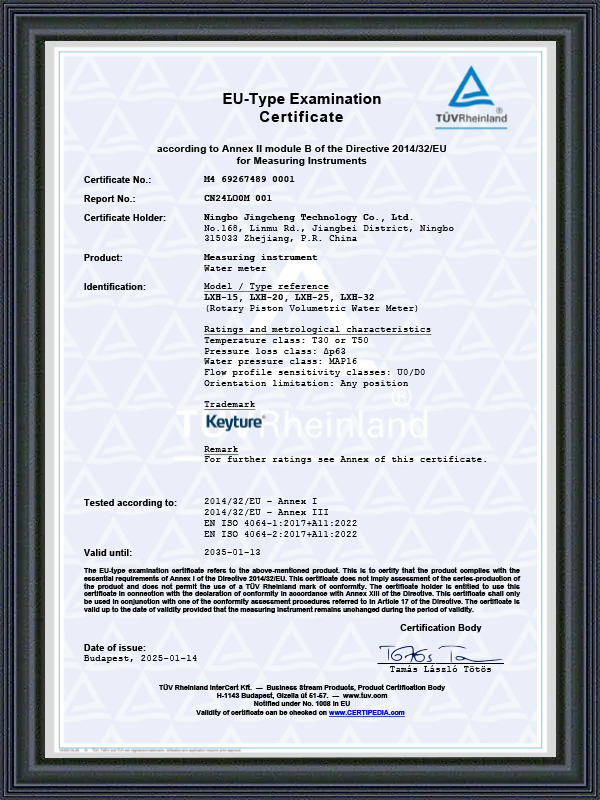
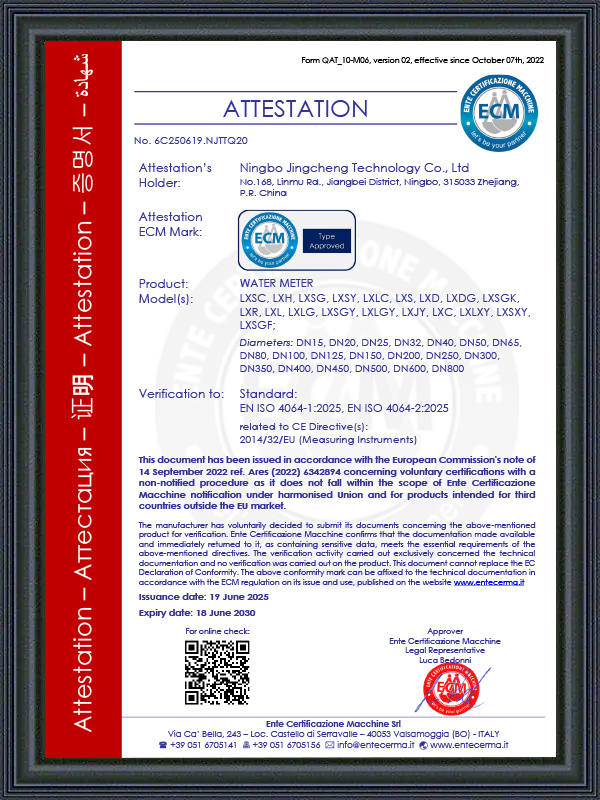
Two things define this meter: how an axial rotor and straightener convert velocity into volume, and why the horizontal layout suits bearings and register.
Water enters the meter through a flanged inlet and meets a vane straightener, a set of fixed radial plates that remove swirl by forcing the flow to travel parallel to the axis. The straightened stream then strikes the helical rotor blades. The blade angle is chosen so that the rotor spins at a speed proportional to the mean water velocity, with minimal slip.
A fine-tuned rotor profile and balanced mass reduce vibration and bearing load, which matters because a Woltman rotor can turn at hundreds of revolutions per minute. The rotor speed is transmitted to the register through a magnetic coupling or a sealed gear train, depending on size. The straight-through design means that large particles and fibres pass rather than catch, and the pressure loss remains very low even at high velocity.
With a horizontal pipe, the rotor axis is horizontal, so the rotor’s weight acts across the bearings, which are designed for radial load. The axial thrust from the flow is carried by a dedicated thrust surface. This division of loads gives long bearing life and stable alignment, which is the foundation of stable accuracy. The register sits at the top of the body, directly above the rotor, where the magnetic coupling is shortest and the dial is easiest to read.
For installation, the horizontal meter fits naturally into the typical chamber layout: pipe enters at one side, leaves at the other, and the register is visible from the hatch. The strainer, isolation valves and dismantling joint form a short line of fittings around the meter. In pump-fed mains, the low pressure loss and quiet operation of a Woltman make it a good partner for pumps and variable flow.
Measured performance data for the horizontal Woltman cold water meter. Use these charts to confirm pressure loss, accuracy and installation dimensions before specifying.
Figure 1 — Head loss curve (MPa vs. flow m³/h)
The chart shows pressure loss across the horizontal Woltman meter for DN50 to DN400. Axial flow through a straight bore keeps head loss at or below 0.02 MPa at permanent flow, which is typically one third to one half of the loss of a multi jet meter of the same size.
Figure 2 — Accuracy error curve (Class 2, R160, Q1–Q4)
The Woltman curve typically dips slightly at low flow because bearing friction is a larger fraction of the available torque on a large rotor. From Q2 upward, the curve rises to a positive plateau before easing to a small negative at overload. All points stay inside ±5% in the lower zone and ±2% in the upper zone.
Figure 3 — Installation dimensions (L × H × B × D)
| Size | L (mm) | H (mm) | B (mm) | D (flange OD) |
|---|---|---|---|---|
| DN50 | 200 | 245 | 220 | 165 |
| DN80 | 225 | 265 | 240 | 200 |
| DN100 | 250 | 285 | 260 | 220 |
| DN150 | 300 | 345 | 315 | 285 |
| DN200 | 350 | 400 | 370 | 340 |
| DN300 | 500 | 510 | 480 | 460 |
| DN400 | 600 | 650 | 610 | 580 |
Dimensions are for reference, PN16 flanges, horizontal WP type. Confirm exact values and weights with our engineering team before chamber design.
Woltman meters come in two main orientations. This table compares them and shows when each is the right choice.
| Design Feature | Horizontal WP | Vertical WS | Large Multi Jet |
|---|---|---|---|
| Pipe orientation | Horizontal | Vertical (flow up) | Horizontal |
| Rotor axis | Parallel to pipe | Perpendicular to pipe | Perpendicular to pipe |
| Pressure loss | Lowest | Low | Moderate |
| Largest practical size | DN400 and above | DN300 | DN100 |
| Straight pipe need | 3 × DN with straightener | 3 × DN | Low |
| Chamber layout | Standard in-line | Needs vertical pipe | Standard in-line |
| Unit purchase cost | Moderate | Moderate | Moderate to high |
| Best application | Horizontal mains and DMAs | Risers and vertical lines | Mid-size branch lines |
This comparison is indicative. Actual performance depends on pipe layout, water quality and the specific product configuration. Contact our engineers for application-specific guidance.
Premium quality
since 2002
Coming From China, Marketing To The World
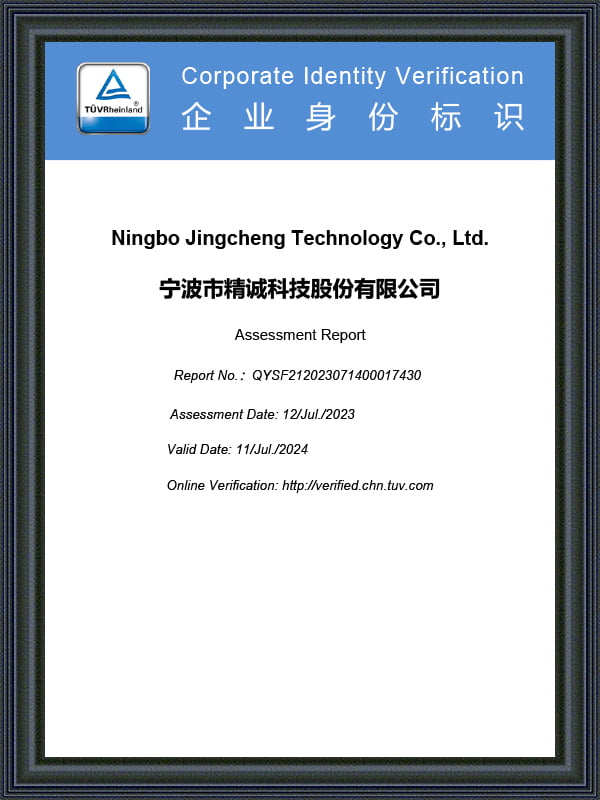
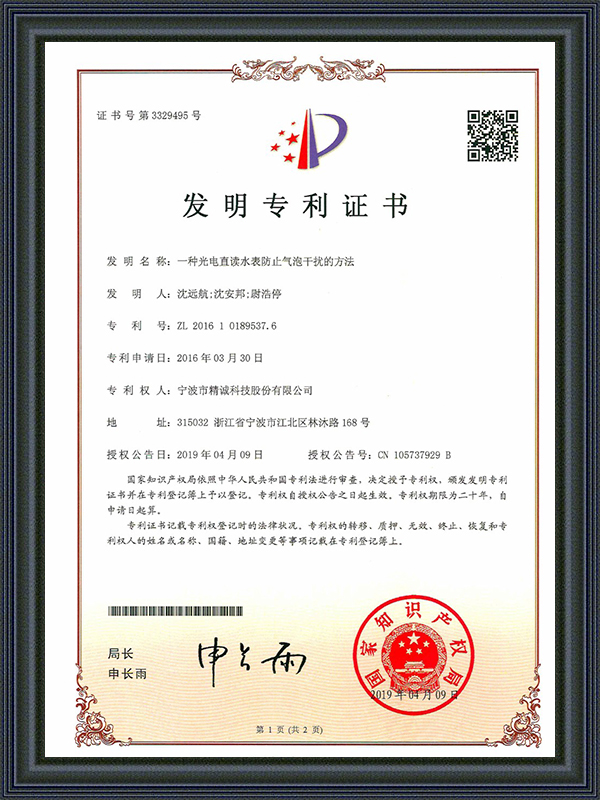
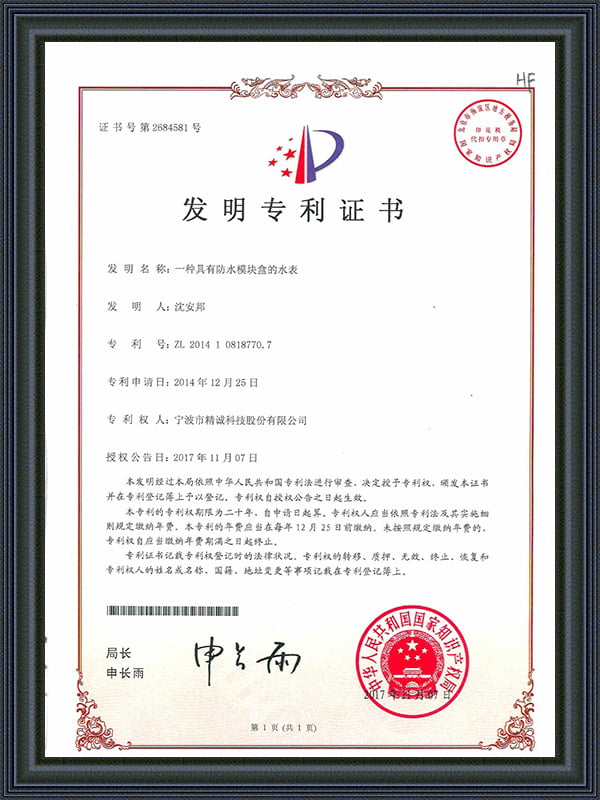
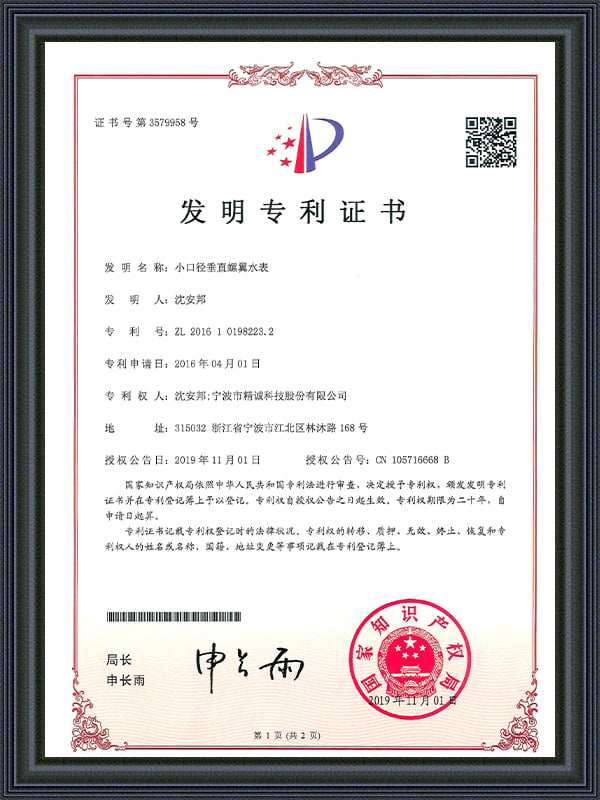
Keyture Meter is located in Picturesque Jiangbei Investment Park, NINGBO, CHINA. It is a comprehensive high-tech China Horizontal Woltman Cold Water Meter Manufacturers and Custom Horizontal Woltman Cold Water Meter Factory that integrates scientific research & development, production, sales, and service. Established in 2002 as a manufacturer and exporter of water meters for more than 22 years. The factory covers an area of 40 acres (30,000 square meters), 200 staff, 100+ types of products, product capacity of 5 million per year. Its product range covers single jet, multi-jet, volumetric piston type, Woltman type, IC card intelligent water meter, remote control water meter, optoelectrical reading direct remote control water meter...
Yearly production capacity
Production Area
Works and inspectors
Production experience
Excellent product with exquisite craftsmanship
Customization
We have a strong R&D team, and we can develop and produce products according to the drawings or samples the customers offered.
Cost
We are a professional manufacturer and also have our own processing machinery. So we can offer good prices and good products directly.
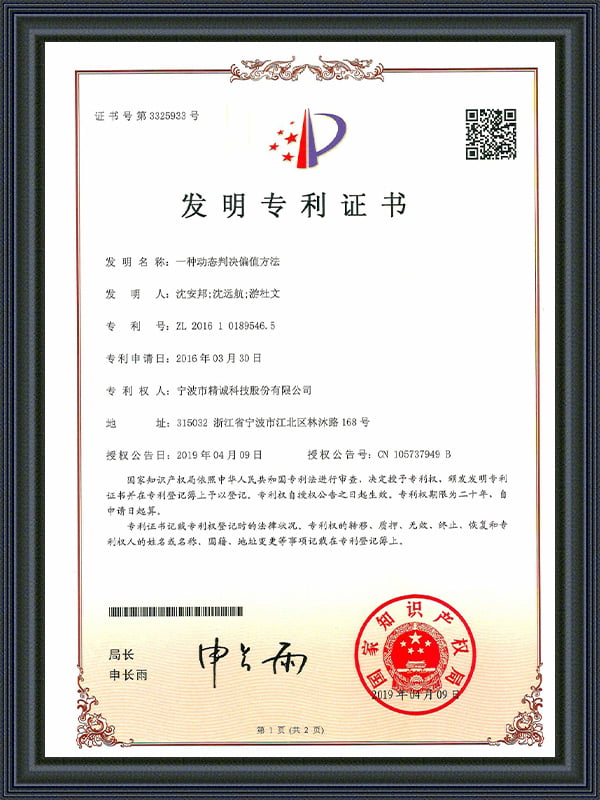
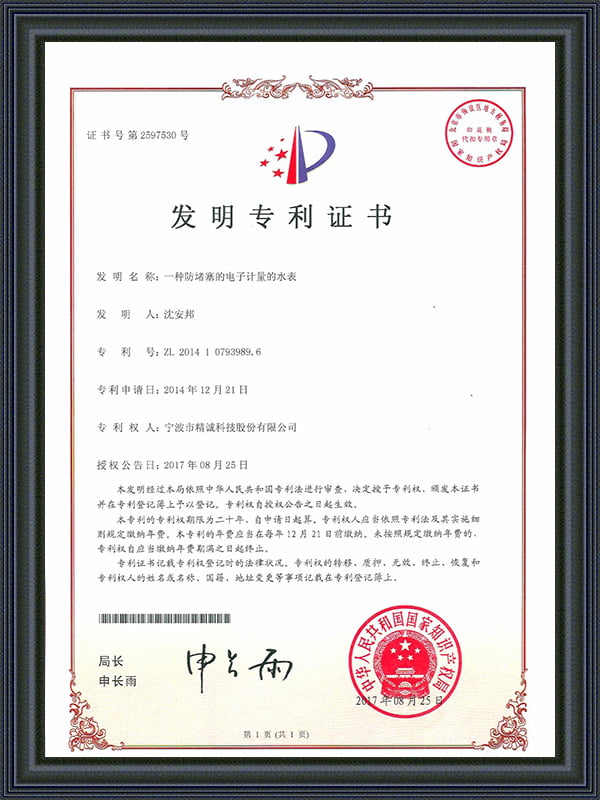
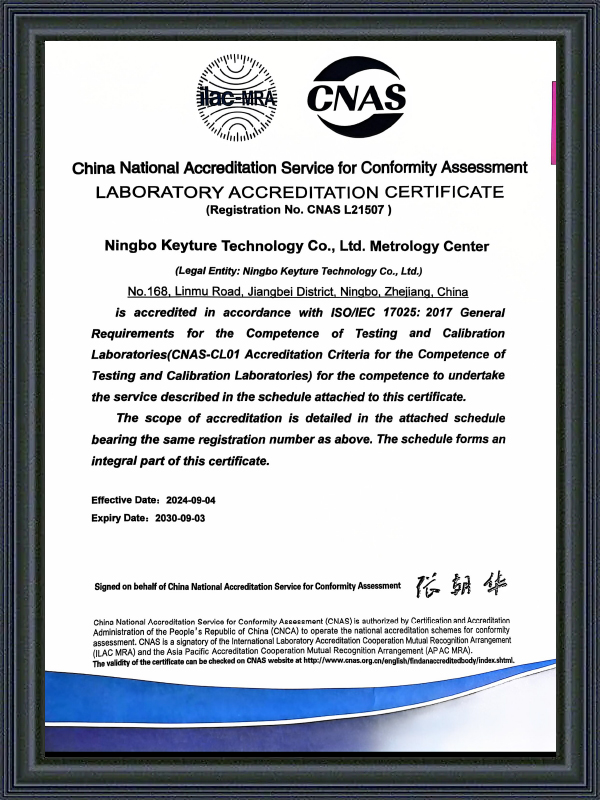
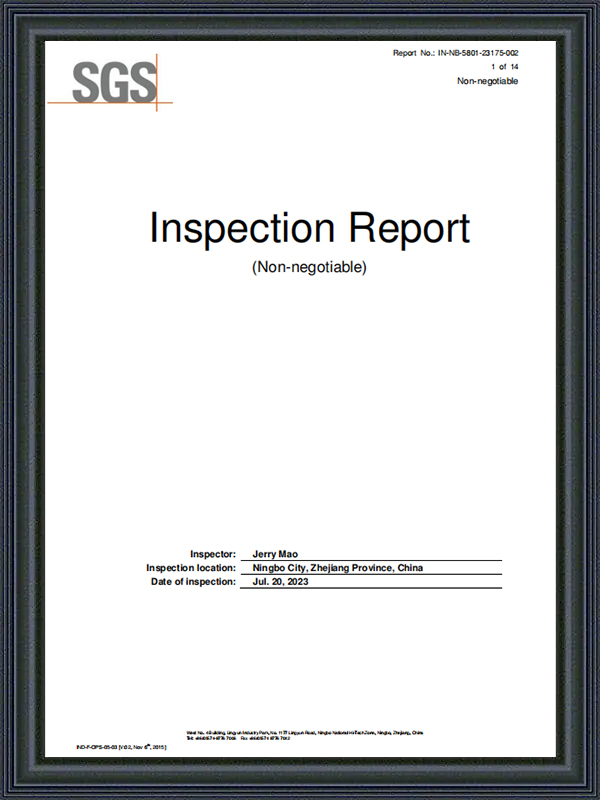
Quality
We have our own testing lab and advanced and complete inspection equipment, which can ensure the quality of the products.
Service
We focus on developing high-quality products for top-end markets. Our products are in line with international standards, and are mainly exported to Europe, America, Africa, Asia and other destinations around the world.
Capacity
Our annual production capacity is over 5 million units. We can meet the needs of different customers with different purchase quantities.
Shipment
We are about 35 kilometers away from Ningbo Port. It is very convenient and efficient to ship goods to any other countries.
From mechanical meters to smart AMR/AMI systems — we provide end-to-end water metering solutions tailored to your project.
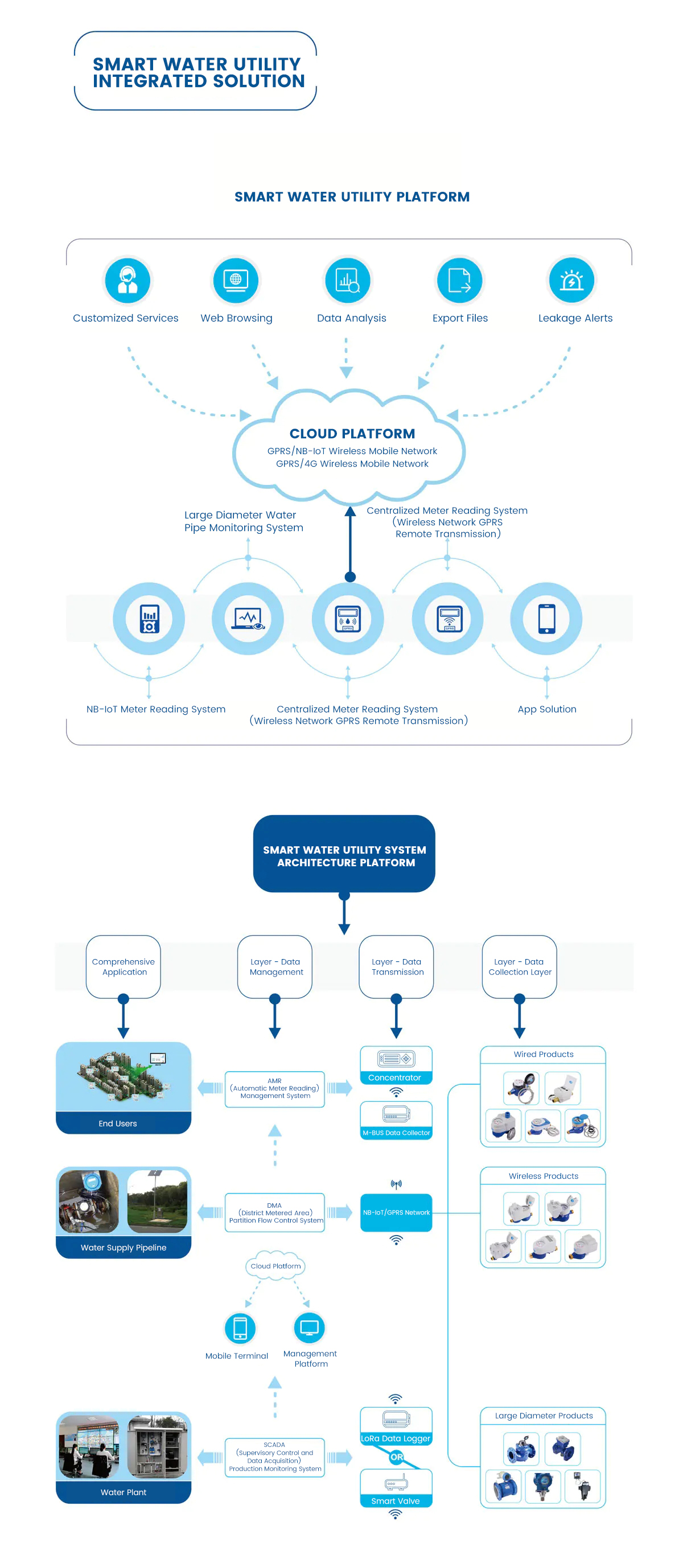
Used wherever large volumes of clean cold water move through horizontal pipe.
Install the meter in a horizontal pipe with the register facing upward and the flow arrow in line with the pipe. Provide at least 3 × DN of straight pipe upstream and 2 × DN downstream when the integral straightener is present, and more if the upstream pipe has a partially open valve, a pump or a double bend in different planes.
Keep the pipe full at all times. Avoid placing the meter at the highest point of the line, where air can collect, and avoid placing it where the pipe can drain. Use a strainer upstream on raw water or when debris is expected. Fit a dismantling joint on one side so the meter can be removed without moving the pipework.
Support the pipe on both sides, bolt the flanges evenly in a cross pattern and use gaskets rated for the pressure class. Flush the main before commissioning so welding debris does not reach the rotor. For critical points, install a bypass so the meter can be serviced without interrupting supply.
Horizontal Woltman meters need little routine attention. Inspect the flanges for leaks, check the register for fogging and verify the reading against a reference at intervals set by the utility. Many operators test bulk meters annually, because even a one percent error on a large meter equals significant volume.
If accuracy drifts or the register stops, the usual causes are bearing wear, debris on the rotor or a clogged strainer. The rotor assembly can be removed and replaced, and in sizes with an interchangeable insert the exchange is quick. Clean strainers regularly to protect the rotor.
Typical service life is 10 to 15 years for the body and 5 to 8 years before the rotor and bearings need refurbishment, depending on water quality. Cold, clean water extends life significantly.
WP stands for Woltman Parallel, meaning the rotor axis is parallel to the pipe axis. It is the horizontal configuration, with the register on top of the body. The vertical type is WS, where the rotor axis is perpendicular to the pipe.
Gravity acts across the bearings rather than along them, so bearing loads are radial and designed for. The register sits at the top, short and easy to read. This arrangement gives stable calibration and long bearing life.
No, not without losing the approval. A WP meter is calibrated in the horizontal position. For vertical pipes, use a WS meter or a meter specifically approved for vertical installation.
With the integral straightener, 3 × DN upstream and 2 × DN downstream is typical. More is recommended after pumps, partially open valves or double bends. Always check the installation class on the data sheet.
DN40 to DN400 with flanged ends to PN10, PN16 and PN25. ANSI, JIS and AS drillings are available. Larger sizes can be supplied on request.
R160 is the standard and suits most bulk meters. R200 gives a lower minimum flow for networks that need to capture night flow. Always compare Q1 and Q2 with your lowest realistic flow.
It removes swirl produced by bends, pumps and valves. A swirling flow strikes the rotor blades at the wrong angle and can bias readings. The straightener reduces this bias and reduces the straight pipe needed upstream.
With a strainer upstream and moderate suspended solids, yes. Heavy silt, fibres or weed can foul the rotor. For very dirty water, consider an electromagnetic meter.
Class 2 limits apply from Q1 (±5%) upward, but the curve typically dips slightly near Q1. Choose a size so that normal flows are well above Q2, and consider a combination meter if both very low and high flows are important.
Yes. Pulse output, M-Bus, LoRaWAN and NB-IoT heads are available on the register. Bulk meters are often the first points to be connected to SCADA or AMI because their data supports water balance.
A bypass is recommended for critical supply points. It allows the meter to be removed for testing or repair without interrupting flow, and permits in-situ comparison with a portable reference.
The cast body can last 10 to 15 years or more. The rotor and bearings typically need refurbishment after 5 to 8 years, depending on water quality and flow profile.
Send us the pipe size, flow range, pressure rating and flange standard. Our engineers will recommend the right horizontal Woltman configuration, with price and lead time.

Address: No.168,LinMu Rd.,Zone B, Jiangbei investment Park, Ningbo, Zhejiang,China
Tel: +86-0574-83090480/+86-18892665118
Fax: +86-0574-83021045
Email: [email protected]
Web: https://www.keyturemeter.com/
Quick Links
Product
Mobile terminal
 Custom Horizontal Woltman Cold Water Meter Manufacturers