 English
 Español
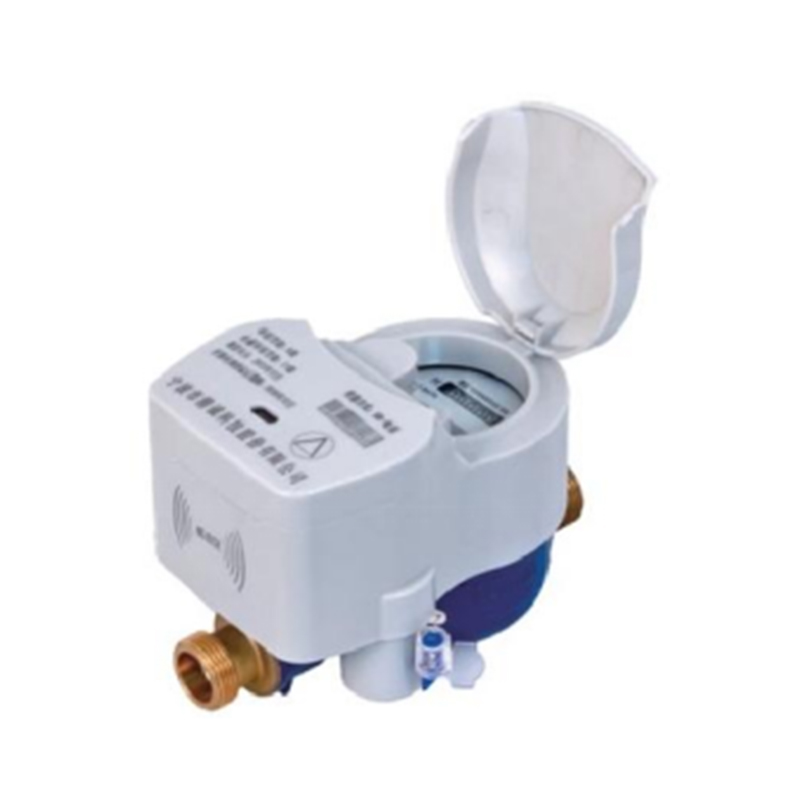
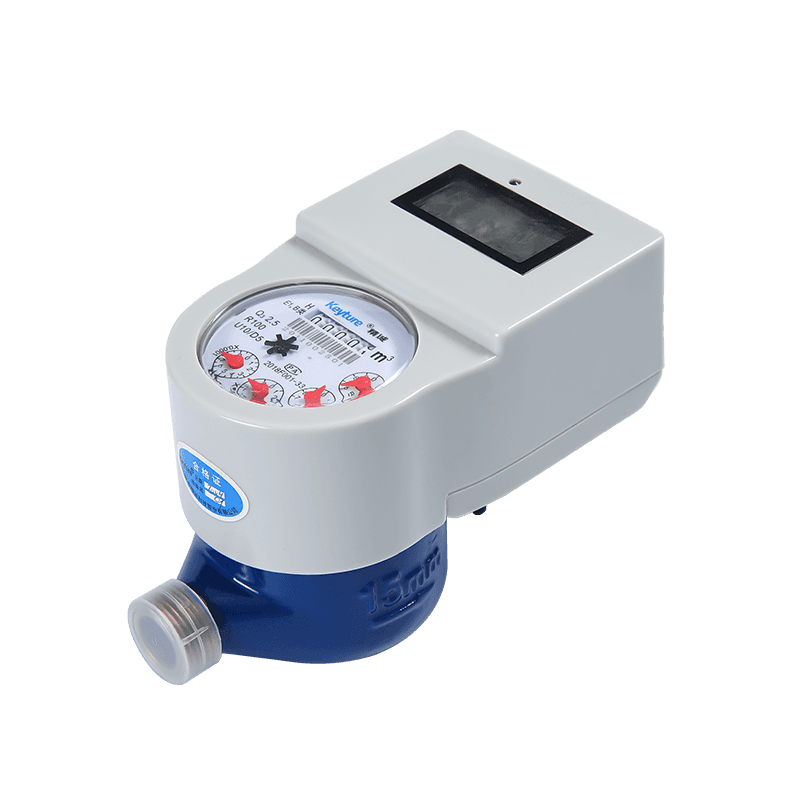
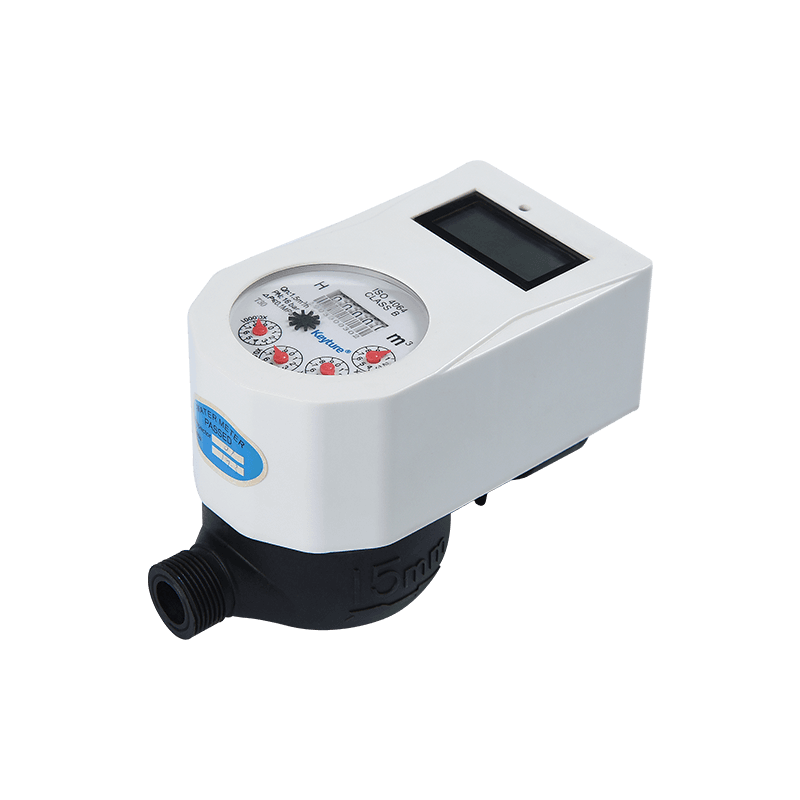
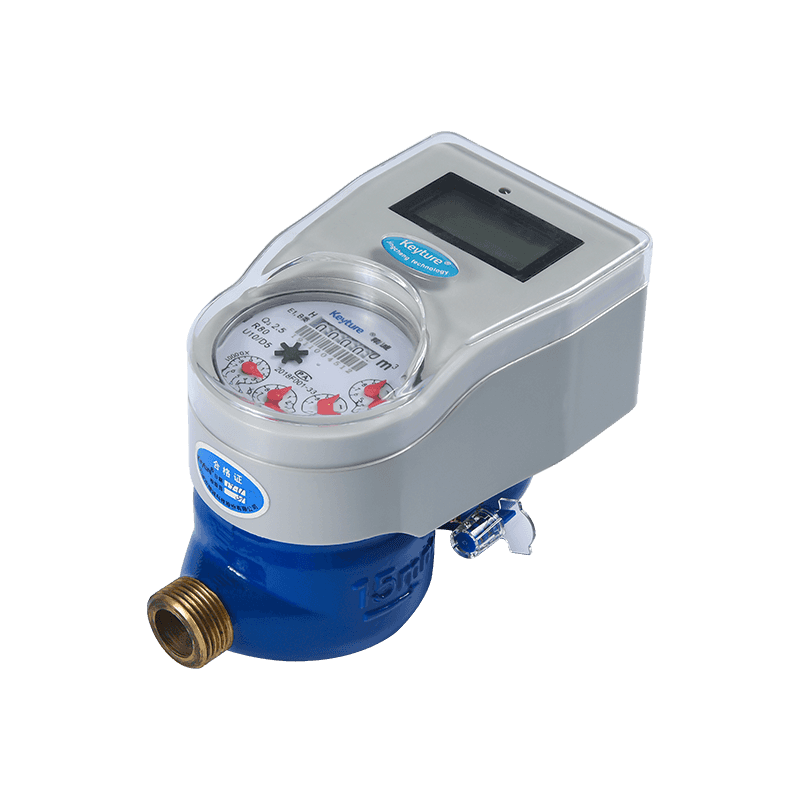
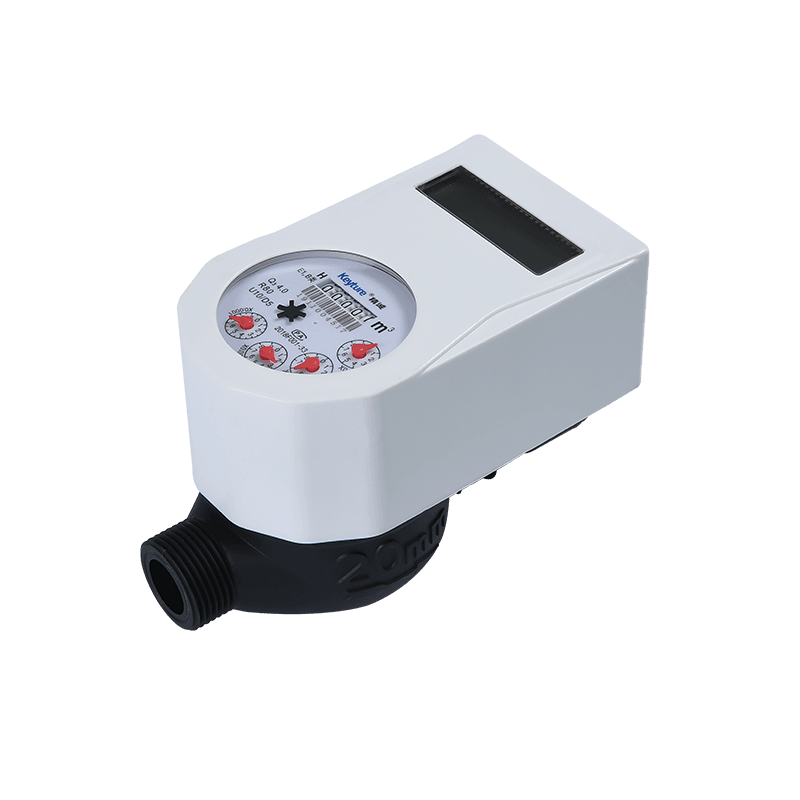
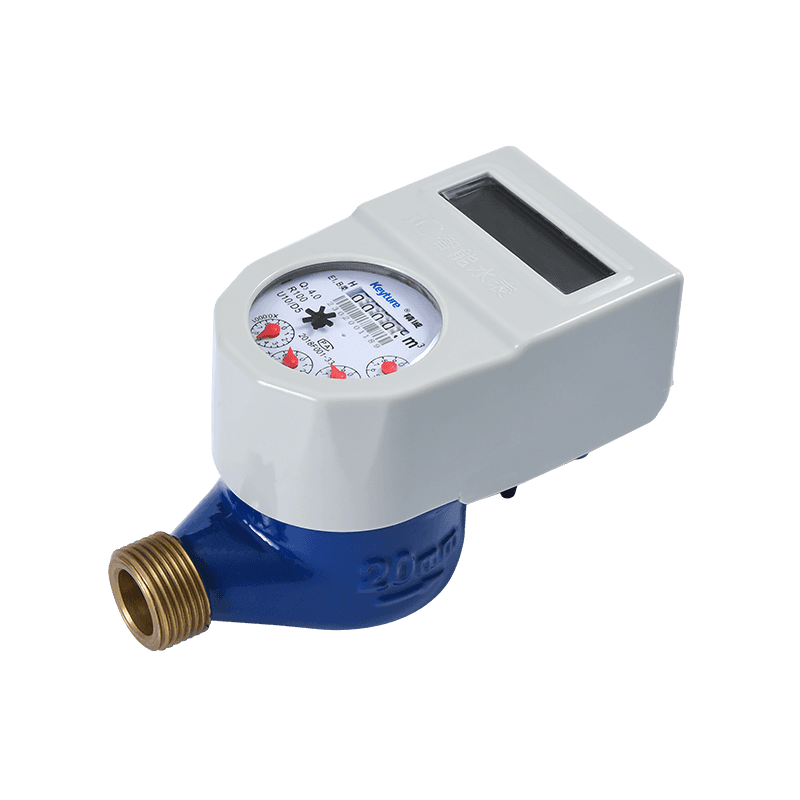
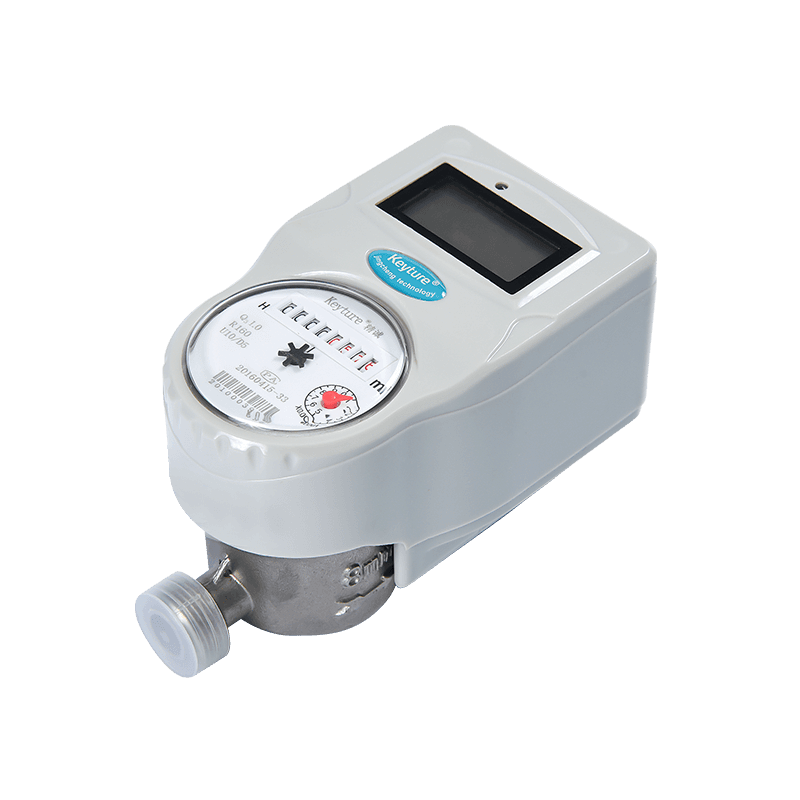
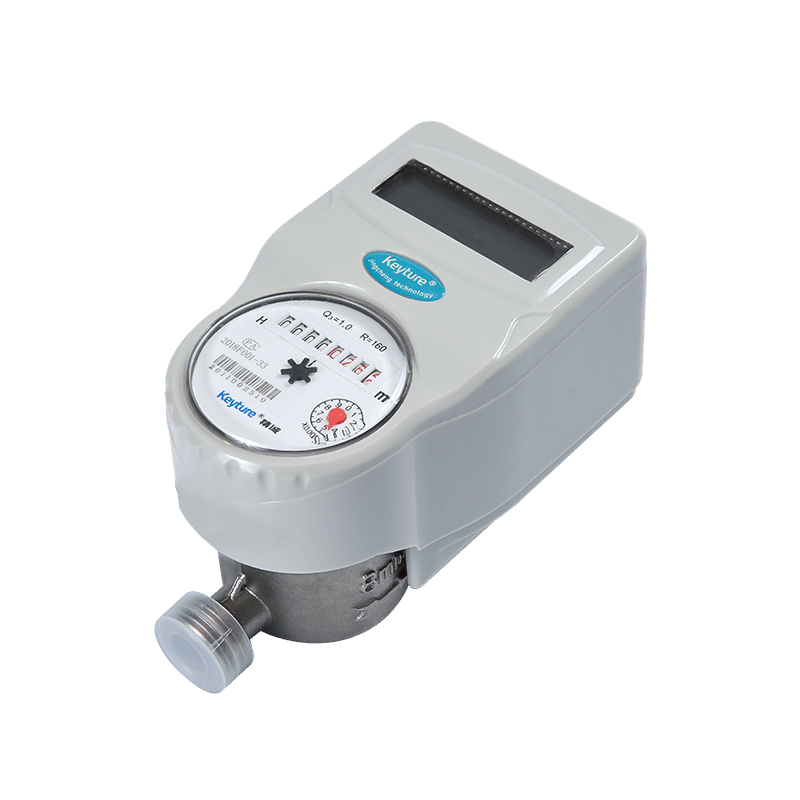
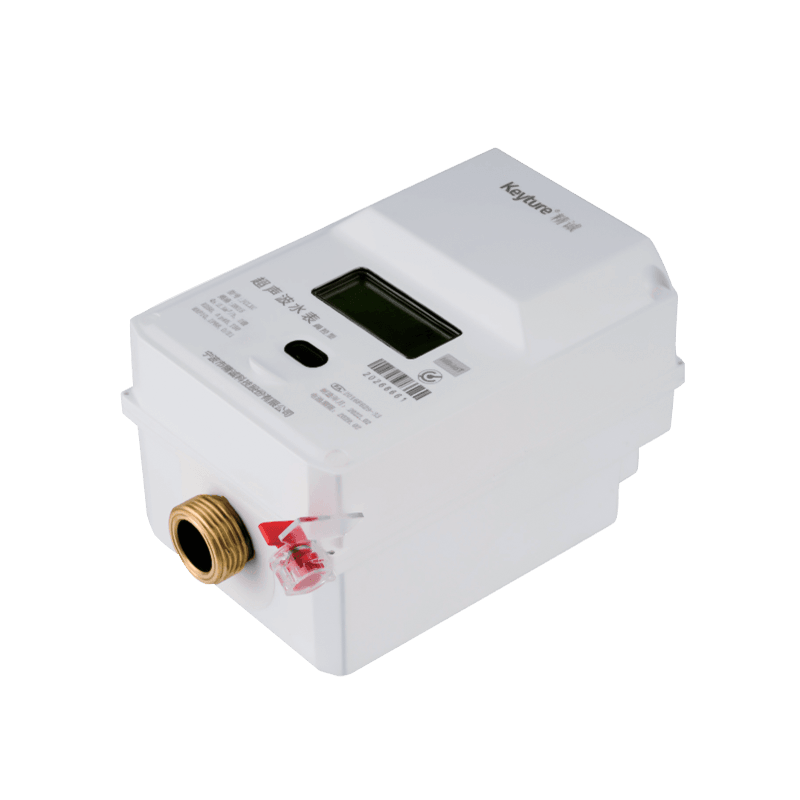
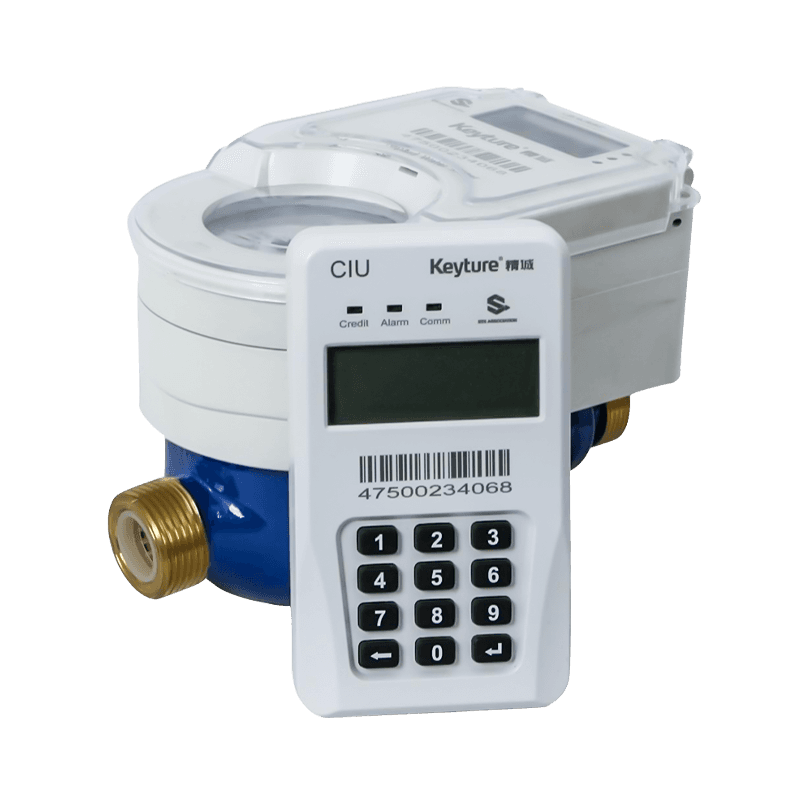
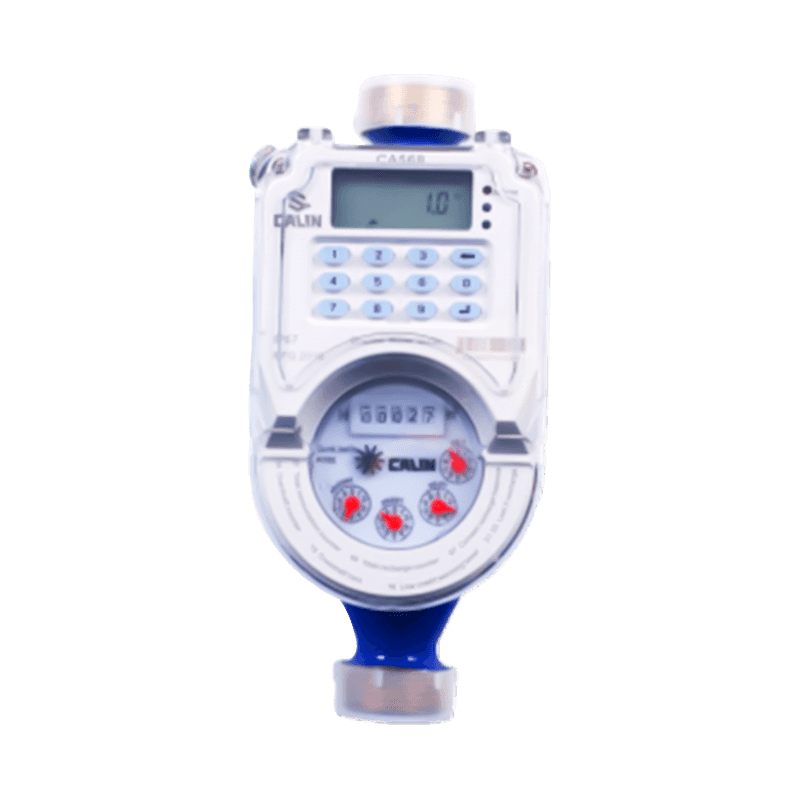
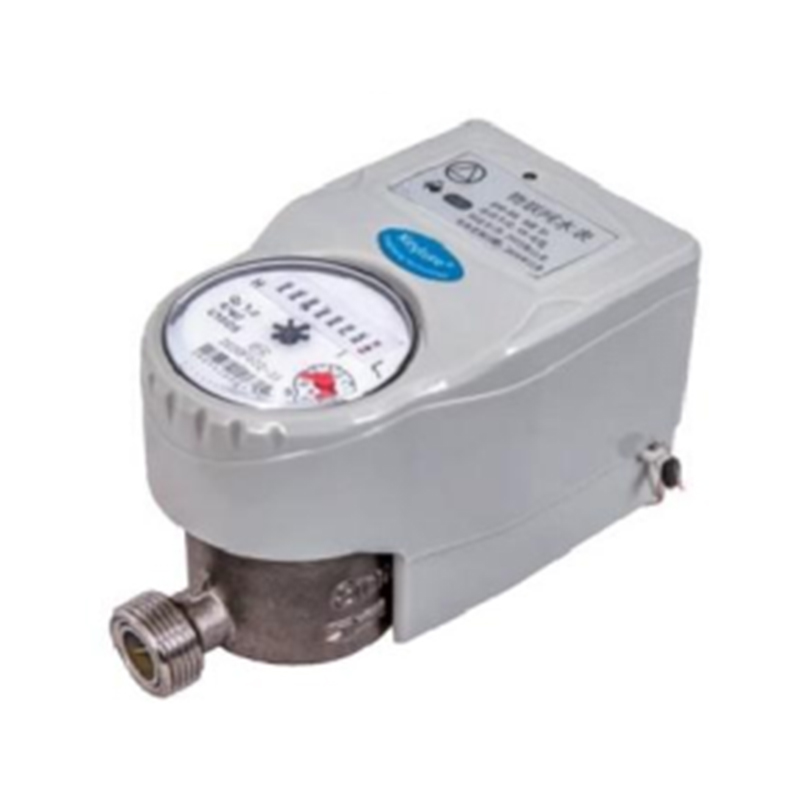
Leak-Tight Ball Valve
A full-bore ball valve with PTFE seats closes fully against 16 bar and has virtually no pressure loss when open. Closed tightness is verified on every unit before shipping.

A prepaid meter engineered around its valve: full-bore ball valve, stall sensing, soft-close profile and manual override — dependable shut-off and reopening for the life of the meter.
Ball valve · soft-close · stall sensing · manual override · 100,000-cycle rating
A valve control prepaid water meter is a prepaid meter in which the valve is the main event. The credit logic, the display and the measurement all exist to answer one question — should the water be on? — and the valve is the part that acts on the answer. When the balance reaches zero, a command arrives from the utility, a leak is detected or a tamper is sensed, a motorised valve built into the meter closes and stops the water. When credit is added or the command is lifted, the valve opens again. Everything else in the meter, from its token handling to its alarms, is organised around making this one action reliable, safe and acceptable to customers.
Valve engineering is therefore the real subject. A valve in a household water line has to operate rarely but with absolute dependability, sometimes after months of sitting open in hard water that deposits scale on its seat. It must close fully against 16 bar without leaking, open again without sticking, avoid generating a water hammer that shakes pipework and electronics, and use very little battery energy per operation. The meter uses a full-bore ball valve driven by a low-power DC gear motor with a position encoder, a stall-sensing circuit and a controlled closing profile, so that the closing time is slow enough to limit pressure surges, and quick enough to give a clean shut-off. A manual override and a defined fail-safe behaviour cover the cases where the electronics or battery cannot do the job.
Because the valve decides who has water, the meter has to be gentle as well as firm. The control logic provides low-credit warnings before closure, an emergency credit, protected hours when shut-off is delayed, and a limit on the number of valve operations per day to protect against abuse. Commands can come from tokens entered at the meter, from an IC card, or from a remote platform through an optional LoRaWAN or NB-IoT link. Supplied for DN15 to DN40 with Class 2 accuracy under ISO 4064 / OIML R49 and R100 range ratio, with a brass body, 100,000-cycle-rated valve and battery sized for the valve duty cycle, the valve control prepaid water meter is built for utilities that need a dependable shut-off as much as an accurate meter.
Key takeaway: In a prepaid meter, the valve is the product. Reliable closure, soft water hammer control and a fail-safe design decide whether prepayment is accepted or resented.
Six valve-centred advantages that make prepaid shut-off reliable and acceptable.
A full-bore ball valve with PTFE seats closes fully against 16 bar and has virtually no pressure loss when open. Closed tightness is verified on every unit before shipping.
The motor drive uses a controlled closing profile, slowing in the final part of travel. The closing time is set to keep pressure surges below a safe limit, which protects pipework and electronics.
The controller measures motor current. A rising current signals a stuck valve, scale or debris, and the meter retries with a reverse-and-forward cycle before raising a valve-fault alarm.
A position encoder confirms that the valve reached fully open or fully closed. The meter knows the valve state, reports it and never credits or debits incorrectly based on assumed position.
If the battery dies or the electronics fail, a manual override allows the valve to be opened or closed with a tool. The factory sets the fail-safe state — fail-open or fail-closed — to suit the utility.
Low-credit warnings, emergency credit, protected hours and daily operation limits stop the valve from becoming a source of complaints, while still preserving revenue.
Standard configuration below. Valve type, fail-safe state, control source and communication options can be adapted to your utility policy.
| Parameter | Specification |
|---|---|
| Standard | ISO 4064 / OIML R49 |
| Meter type | Multi jet, prepaid, electronic counting with motorised valve |
| Nominal diameter | DN15 – DN40 (1/2" – 1½") |
| Accuracy class | Class 2, R100 |
| Valve type | Full-bore ball valve, PTFE seats, brass or stainless ball |
| Valve operating time | 6 – 10 s full stroke, soft-close profile |
| Valve cycle rating | ≥ 100,000 open/close cycles |
| Closing tightness | No visible leakage at 16 bar (ISO 5208 rate A target) |
| Valve feedback | Position encoder and stall (current) sensing |
| Manual override | Service tool or key, event logged |
| Fail-safe state | Fail-open or fail-closed, factory selectable |
| Control sources | Keypad token, IC card, remote command (LoRaWAN / NB-IoT optional) |
| Power supply | 3.6 V lithium battery, sized for valve duty, ≥ 6 years |
| Water temperature | 0.1 °C – 50 °C (cold water) |
| Working pressure | MAP 16 bar |
| Pressure loss | ≤ 0.1 MPa at Q3 (valve open) |
| Alarms | Low credit, low battery, valve fault, stall, tamper, reverse flow |
| Protection | IP65 standard; IP68 on request |
Q4 is the overload flow, Q3 the permanent flow, Q2 the transitional flow and Q1 the minimum flow, all expressed in m³/h.
| Nominal Diameter | Q4 Overload | Q3 Permanent | Q2 Transitional | Q1 Minimum | Range Ratio | Valve Bore |
|---|---|---|---|---|---|---|
| DN15 (1/2") | 3.125 | 2.5 | 0.04 | 0.025 | R100 | Full bore, 15 mm |
| DN20 (3/4") | 5 | 4 | 0.064 | 0.04 | R100 | Full bore, 20 mm |
| DN25 (1") | 7.875 | 6.3 | 0.1008 | 0.063 | R100 | Full bore, 25 mm |
| DN32 (1¼") | 12.5 | 10 | 0.16 | 0.1 | R100 | Full bore, 32 mm |
| DN40 (1½") | 20 | 16 | 0.256 | 0.16 | R100 | Full bore, 40 mm |
Values shown for R100. Closing time, fail-safe state and operating limits can be configured — tell us your pipe lengths, pressure and utility shut-off policy and we will confirm the correct valve profile.
A valve in a drinking water line is tested for tightness, endurance and pressure surge, in addition to the meter’s metrological requirements.
Class 2 limits and test points for the measuring chamber, with the valve in the open position included in pressure loss and accuracy tests.
Seat leakage is tested with water at 1.5 × MAP in the closed position, and with low-pressure air to detect fine leaks, following the leakage rates in ISO 5208.
Valves are operated at least 100,000 cycles under pressure and with scale-forming water, then re-tested for tightness, closing time and current draw.
Pressure transients during closing are measured at the inlet and outlet at several flow rates, with the closing profile set to keep surges within pipe ratings.
Battery-removed and electronics-failed conditions are tested to confirm the stated fail-safe behaviour and the operation of the manual override.
Brass, PTFE and elastomer materials in contact with drinking water can be supplied with NSF/ANSI 61, WRAS or ACS certificates.
Two engineering topics define this meter: how the valve is driven and monitored, and how the control logic decides when to close it.
A low-power DC motor with a reduction gear turns the ball through a quarter turn. The controller drives the motor with a ramped voltage: it starts gently, runs at speed through the middle of travel and slows near the end of the stroke. A position encoder or end-stop switches confirm when the ball is fully open or fully closed, and the controller stops the motor and records the state.
Motor current is measured on every move. A normal move has a characteristic current profile; a rising current at the wrong point indicates a stuck ball, scale on the seat or debris in the bore. The controller responds by reversing the motor for a short cycle to free the ball and trying again, and only after several failed attempts does it raise a valve-fault alarm and stop to protect the motor and battery.
The decision to close the valve is a policy, not just a threshold. The meter warns the customer as credit falls, first with a symbol on the display and later with a flashing alert. At zero credit it can apply an emergency credit, a small amount of water that the customer must repay at the next top-up. It can also delay closure during protected hours — for example, at night or at weekends — and then close when the protected period ends.
The control logic also limits abuse. A daily cap on valve operations prevents repeated cycling that would drain the battery or wear the valve. Tamper events can be configured to close the valve or only to raise an alarm. If the meter is remote-controlled, closing commands from the utility are acknowledged and logged, and a safety rule prevents closing during a configured critical period, such as for care homes. These policies are stored in the meter and can be updated by token, card or remote command.
Measured performance data for the valve control prepaid water meter. Use these charts to confirm pressure loss, accuracy and installation dimensions before specifying.
Figure 1 — Head loss curve (MPa vs. flow m³/h)
The chart shows pressure loss across the meter with the valve fully open. A full-bore ball valve has almost the same bore as the pipe, so it adds very little to the chamber loss, and total loss at Q3 stays at or below 0.1 MPa.
Figure 2 — Accuracy error curve (Class 2, R100, Q1–Q4)
Accuracy is measured with the valve fully open and installed in the meter, since the valve changes the inlet flow profile slightly. The curve stays within ±5% in the lower zone and ±2% in the upper zone, so credit is deducted fairly at all flows.
Figure 3 — Installation dimensions (L × H × B × D)
| Size | L (mm) | H (mm) | B (mm) | D (thread) |
|---|---|---|---|---|
| DN15 | 165 | 125 | 95 | G3/4" |
| DN20 | 190 | 130 | 95 | G1" |
| DN25 | 260 | 145 | 110 | G1¼" |
| DN32 | 260 | 152 | 112 | G1½" |
| DN40 | 300 | 170 | 135 | G2" |
Dimensions are for reference and include the valve and electronics housing. Confirm exact values with our engineering team before installation design.
The valve type determines tightness, pressure loss and reliability. This table compares the ball valve used here with other common choices.
| Design Feature | Full-Bore Ball Valve | Gate / Globe Valve | Solenoid / Diaphragm Valve |
|---|---|---|---|
| Pressure loss when open | Very low | Moderate | Higher |
| Closed tightness | Excellent with PTFE seats | Good | Good |
| Scale and debris tolerance | Good — wiping action | Poor — seat fouling | Poor — orifice blockage |
| Power for state change | Low — pulse only | Low to moderate | Continuous holding power or latching |
| Water hammer control | Good with soft-close | Slow stroke | Fast closure risk |
| Stroke time | 6 – 10 s | 20 – 60 s | Under 1 s |
| Cycle life | 100,000 + | Lower | Moderate |
| Best application | Household and small commercial prepaid | Larger pipe sizes | Low-pressure small lines |
This comparison is indicative. Actual performance depends on water quality, pressure and the specific product configuration. Contact our engineers for application-specific guidance.
Premium quality
since 2002
Coming From China, Marketing To The World
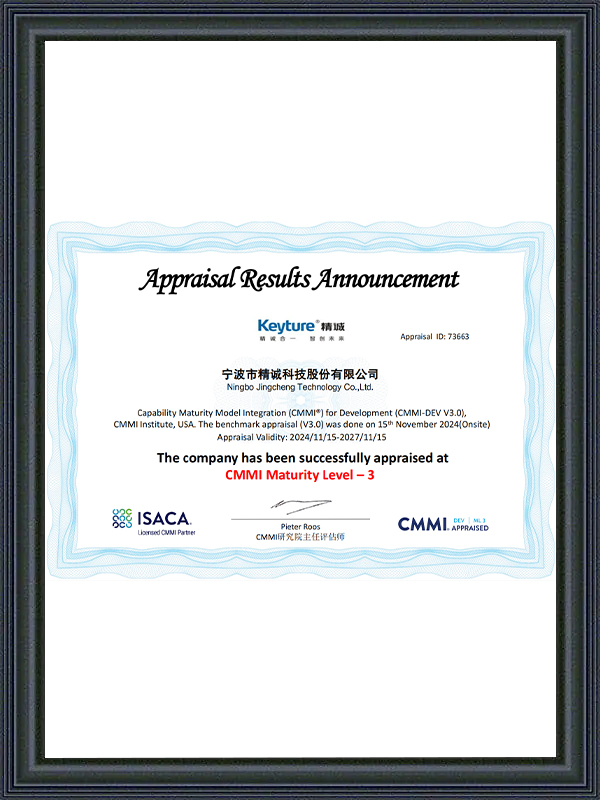
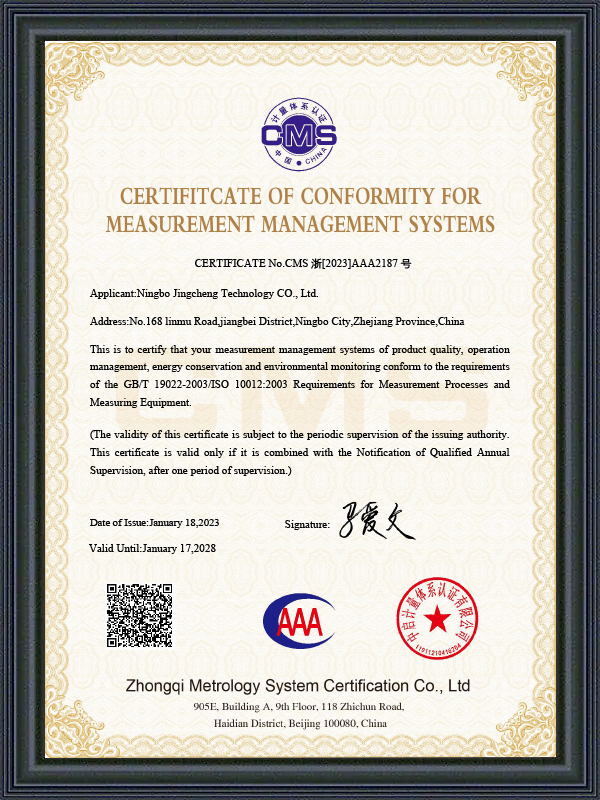
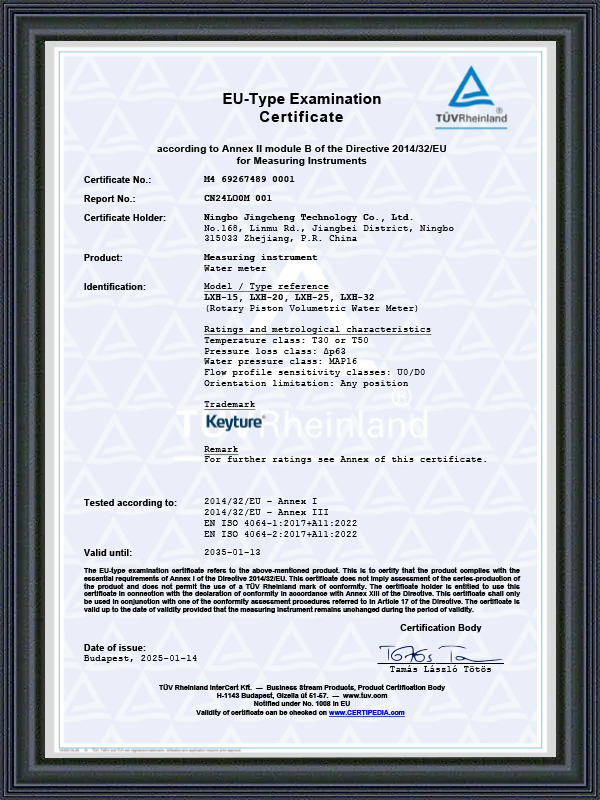
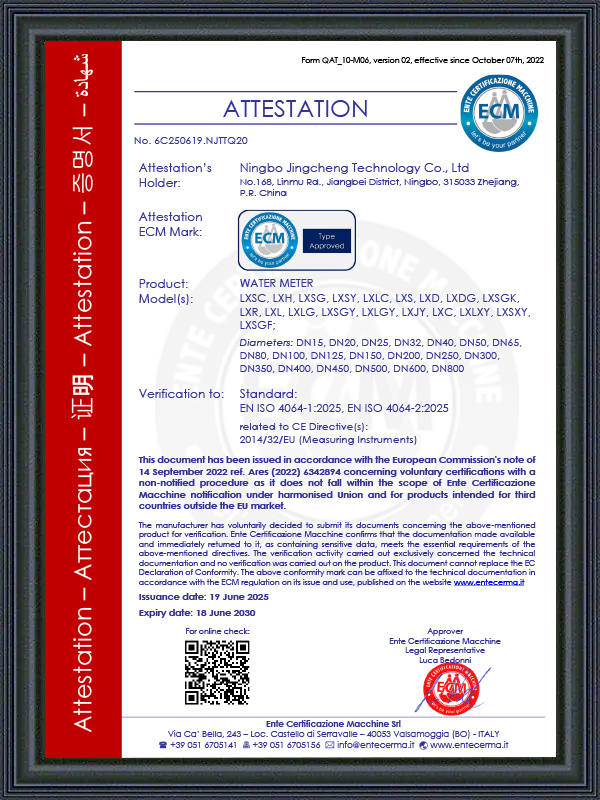
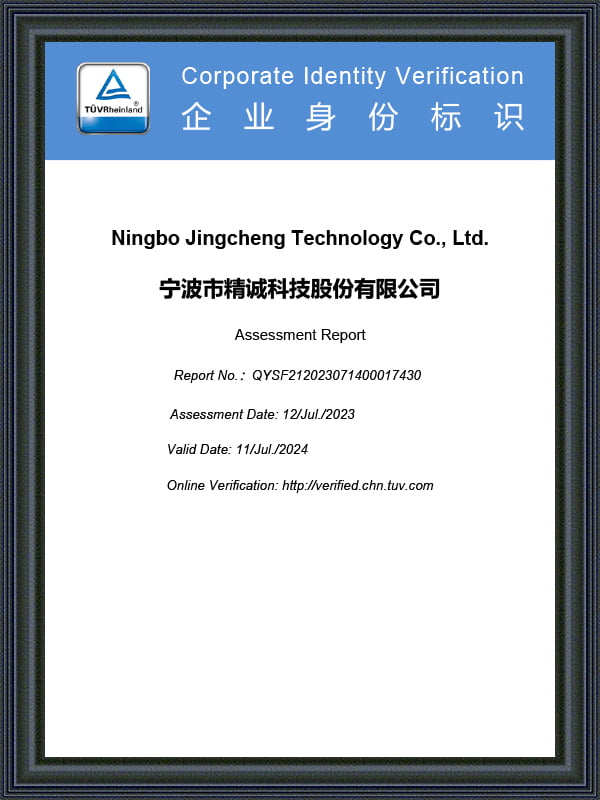
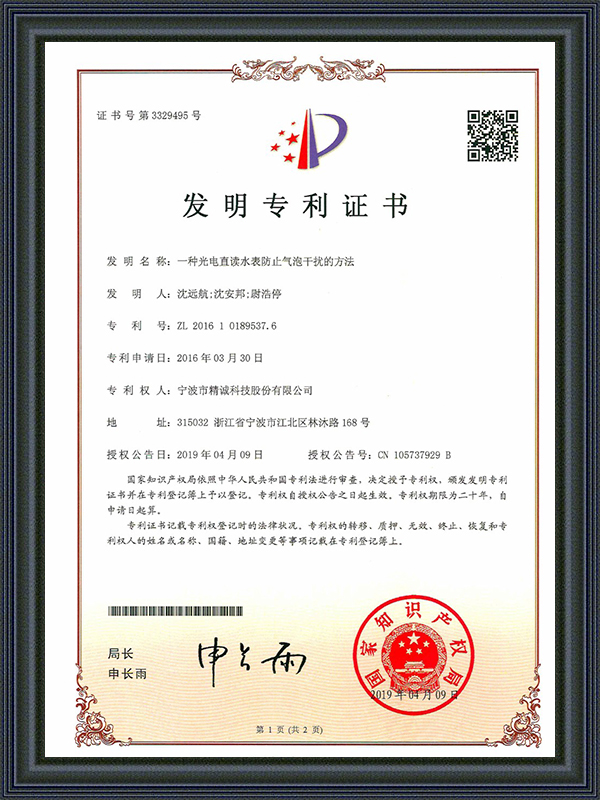
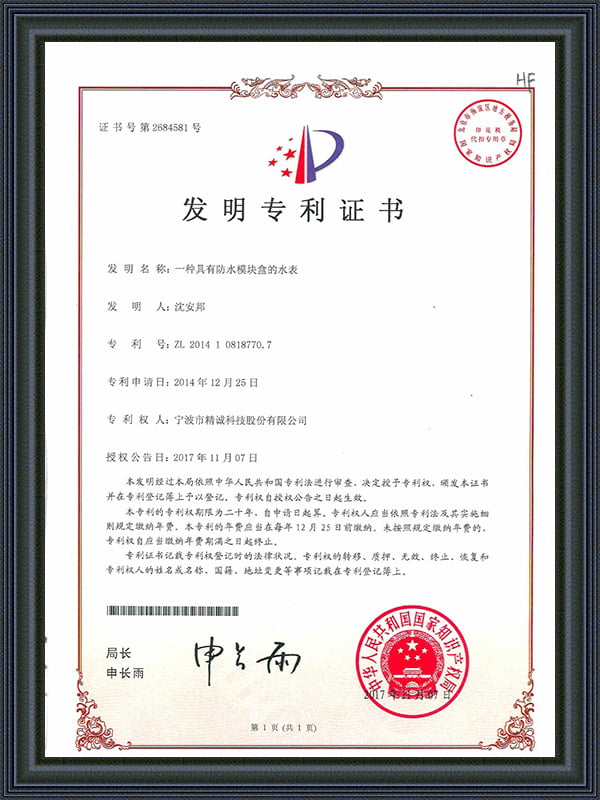
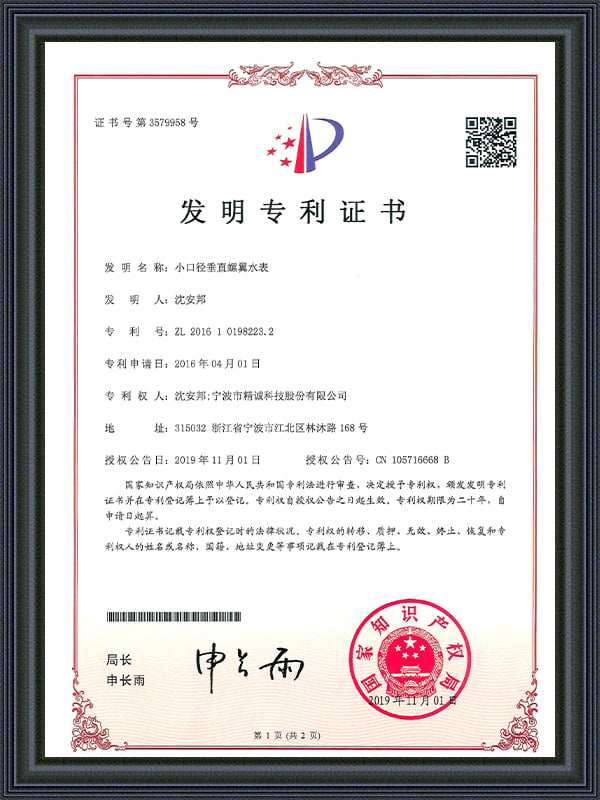
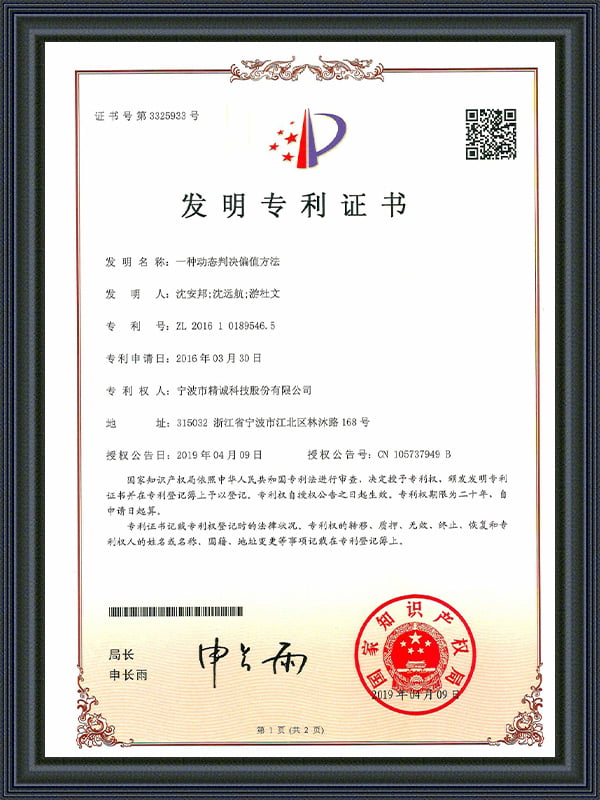
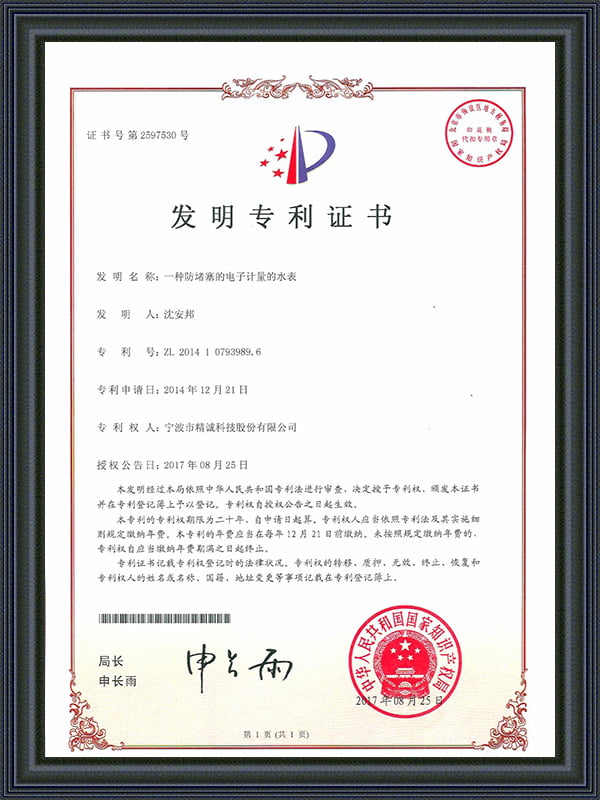
Keyture Meter is located in Picturesque Jiangbei Investment Park, NINGBO, CHINA. It is a comprehensive high-tech China Valve Control Prepaid Water Meter Manufacturers and Custom Valve Control Prepaid Water Meter Factory that integrates scientific research & development, production, sales, and service. Established in 2002 as a manufacturer and exporter of water meters for more than 22 years. The factory covers an area of 40 acres (30,000 square meters), 200 staff, 100+ types of products, product capacity of 5 million per year. Its product range covers single jet, multi-jet, volumetric piston type, Woltman type, IC card intelligent water meter, remote control water meter, optoelectrical reading direct remote control water meter...
Yearly production capacity
Production Area
Works and inspectors
Production experience
Excellent product with exquisite craftsmanship
Customization
We have a strong R&D team, and we can develop and produce products according to the drawings or samples the customers offered.
Cost
We are a professional manufacturer and also have our own processing machinery. So we can offer good prices and good products directly.
Quality
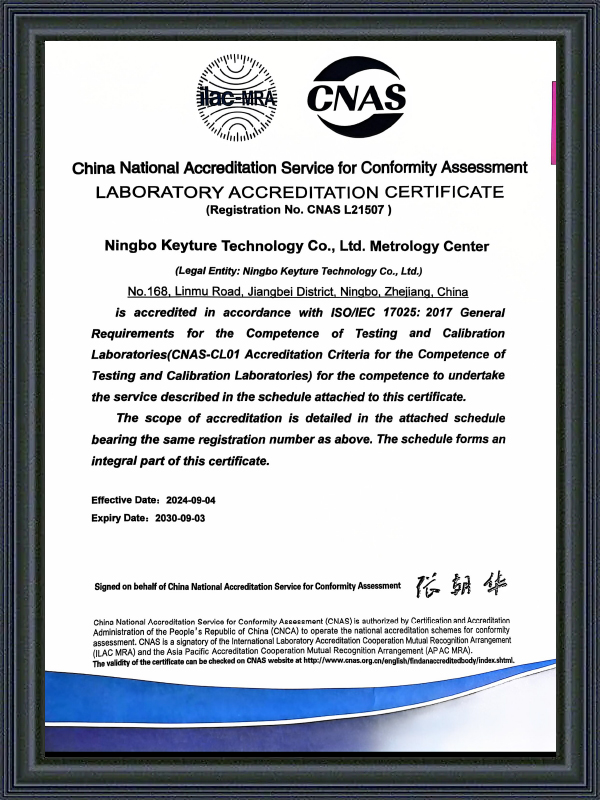
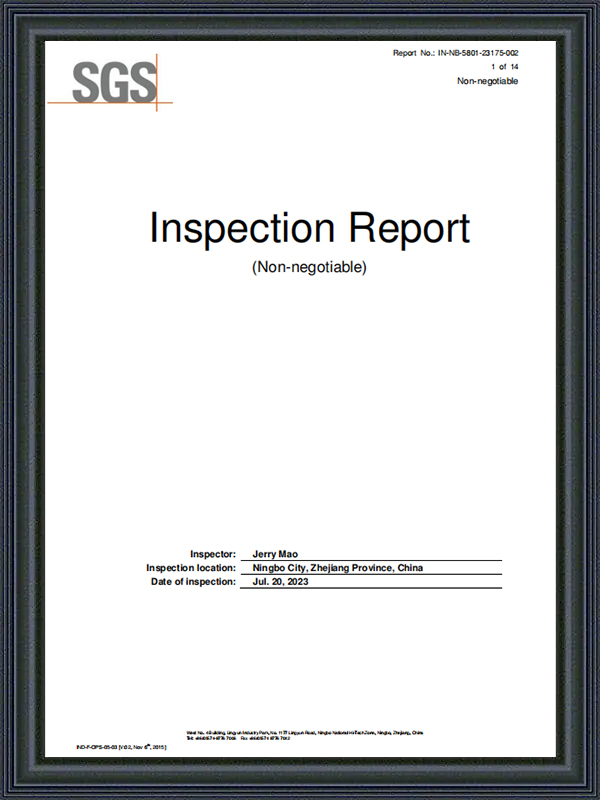
We have our own testing lab and advanced and complete inspection equipment, which can ensure the quality of the products.
Service
We focus on developing high-quality products for top-end markets. Our products are in line with international standards, and are mainly exported to Europe, America, Africa, Asia and other destinations around the world.
Capacity
Our annual production capacity is over 5 million units. We can meet the needs of different customers with different purchase quantities.
Shipment
We are about 35 kilometers away from Ningbo Port. It is very convenient and efficient to ship goods to any other countries.
From mechanical meters to smart AMR/AMI systems — we provide end-to-end water metering solutions tailored to your project.
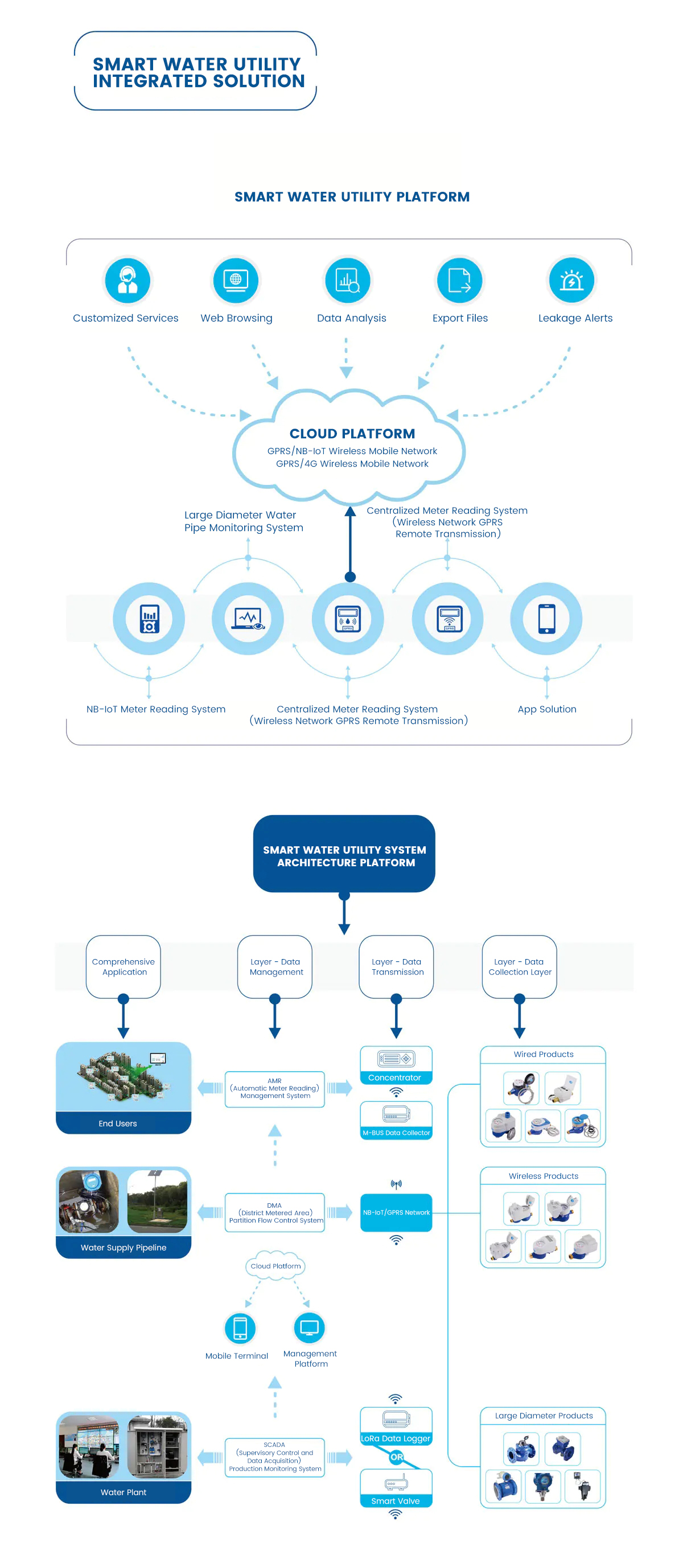
Used where shut-off is part of the service — prepayment, arrears control, leak protection and remote management.
Install the meter in the orientation marked on the dial and in the direction of the flow arrow. Fit the meter where there is access to the manual override and where the housing will not be submerged unless IP68 is specified. Install an isolating valve upstream so that the meter can be removed without draining the main.
Flush the line thoroughly before connecting the meter. Scale, solder particles and thread tape in the pipe are the most common cause of valve sticking. If the supply is hard, fit a strainer upstream and consider a scale inhibitor. Open the valve manually after installation to confirm it moves freely.
Set the closing time for the pipe length and pressure. Long pipe runs and high pressure need slower closing to limit surge. Commission with a test credit, verify the valve closes at zero and reopens after top-up, and check for any pressure surge or noise during closing.
The valve is the main service item. Technicians check that it opens and closes fully, that closed tightness holds and that the valve-fault alarm history is clear. In hard water areas, a periodic exercise cycle is configured so the valve moves at least once a month, which keeps the seat clean and avoids sticking.
Battery capacity is sized for the valve duty cycle. A valve that operates more often than designed — for example, because of an unusual protected-hours rule or a faulty command source — will drain the battery faster, which is why the daily operation cap exists. Review valve operation counts when changing policy.
Typical service life is six to eight years, with valve cycles and battery as the limiting factors. The valve assembly can be replaced as a module in some designs, and the brass body re-used after re-verification.
It is the part that actually enforces payment. If the valve fails to close, the utility loses revenue; if it fails to open or leaks, customers lose water or damage property. Reliable valve operation is the basis of prepaid acceptance.
A full-bore ball valve has very low pressure loss, uses power only while moving, tolerates scale and debris better and closes tightly. Solenoid valves close fast, which risks water hammer, and need power to hold or a latching mechanism.
The motor drives the ball with a controlled profile that slows at the end of the stroke. The closing time is typically 6 to 10 seconds and can be set longer for long pipes or high pressure.
The controller senses a rising motor current, reverses the motor briefly and tries again. If the valve still does not move after several attempts, the meter raises a valve-fault alarm and stops to protect the motor.
A low-battery warning is given months in advance. If the battery is exhausted, the valve stays in its last position or goes to the fail-safe state selected at the factory, and a manual override allows it to be opened or closed with a tool.
Yes, with a LoRaWAN or NB-IoT module, the utility can send open and close commands. Commands are acknowledged and logged, and safety rules can block closing in critical periods.
A period, such as nighttime or weekends, when the meter delays closure even if credit has run out. The valve closes when the period ends unless credit has been added. It reduces hardship and complaints.
The meter limits daily valve operations, for example to a few cycles per day. This protects the battery and valve, and prevents abuse by repeated cycling.
The closed valve is tested for no visible leakage at 1.5 × MAP and with low-pressure air to detect fine leaks. Over time, scale can cause seepage, so a periodic exercise cycle is recommended in hard water.
The valve is fully open during measurement, and accuracy is tested with the valve fitted. Its effect on the error curve is small and included in the factory calibration.
Yes, at order stage. Fail-open keeps water on if power fails, which suits households and care settings. Fail-closed protects against leaks in empty properties. The choice depends on utility policy.
DN15 to DN40 with brass bodies. Control by keypad token, IC card or remote command can be selected, and combinations are possible. Please specify when ordering.
Send us the pipe size, pressure, fail-safe preference and control method. Our engineers will recommend the right valve control prepaid configuration, with price and lead time.

Address: No.168,LinMu Rd.,Zone B, Jiangbei investment Park, Ningbo, Zhejiang,China
Tel: +86-0574-83090480/+86-18892665118
Fax: +86-0574-83021045
Email: [email protected]
Web: https://www.keyturemeter.com/
Quick Links
Product
Mobile terminal
 Custom Valve Control Prepaid Water Meter Manufacturers