 English
 Español
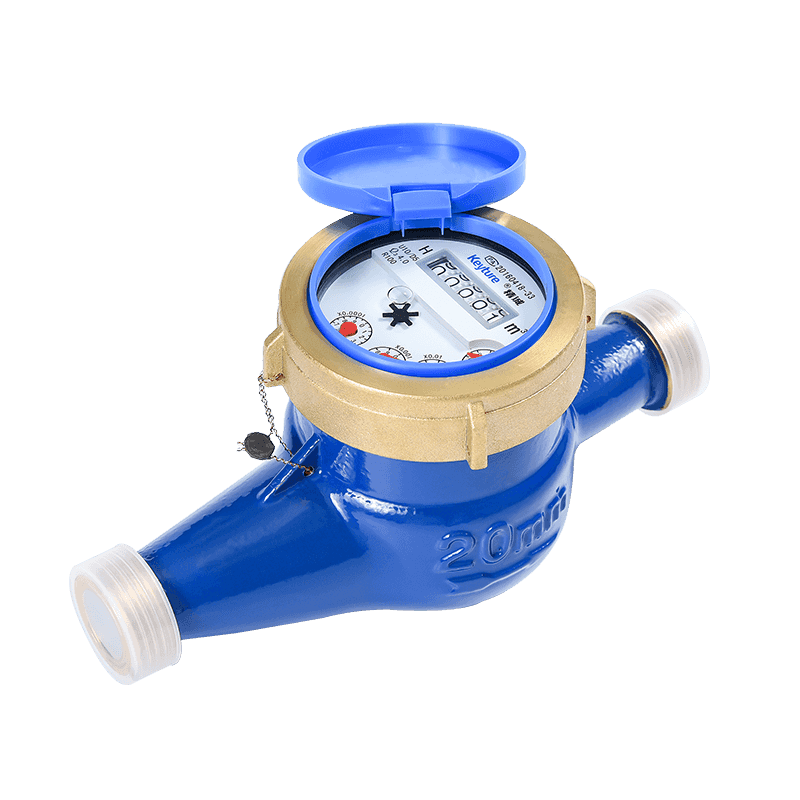
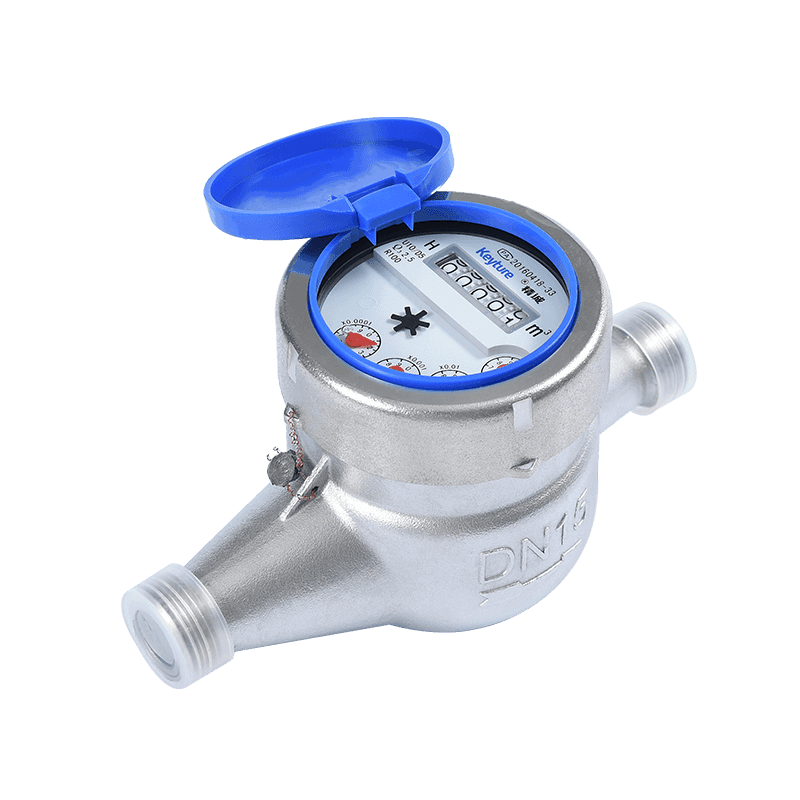
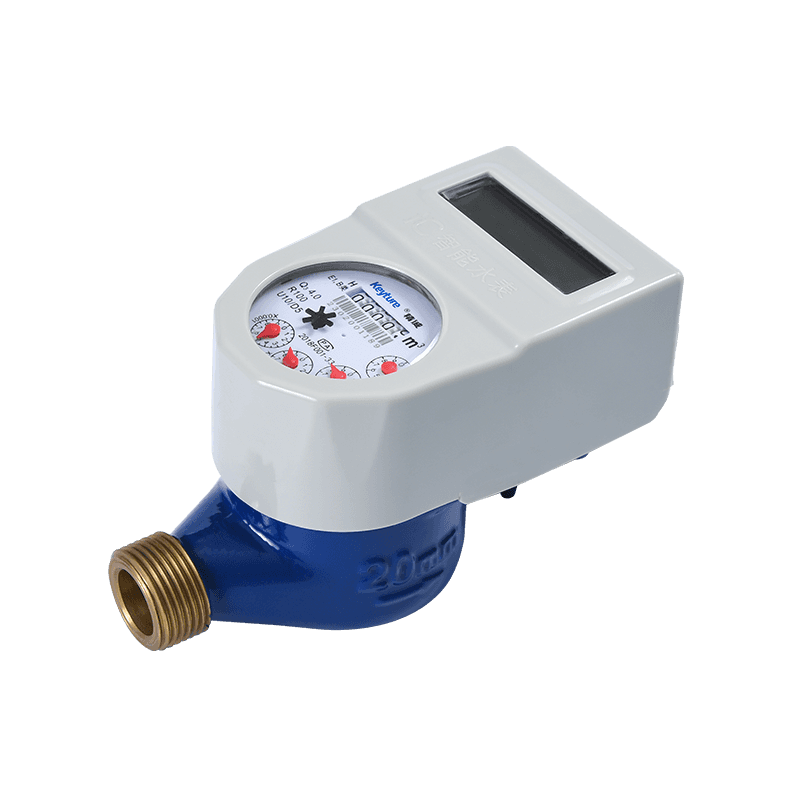
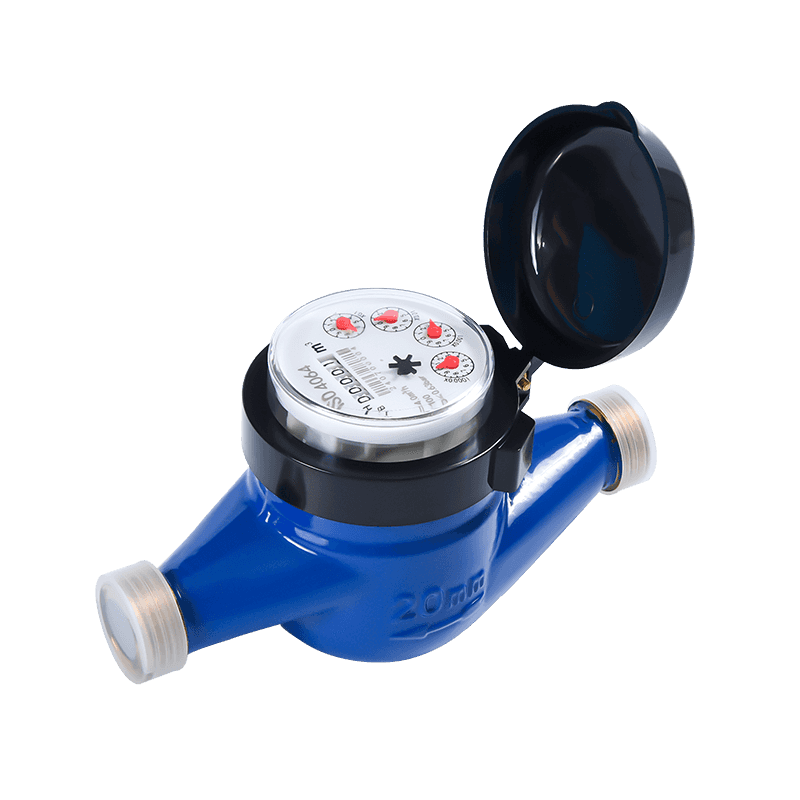
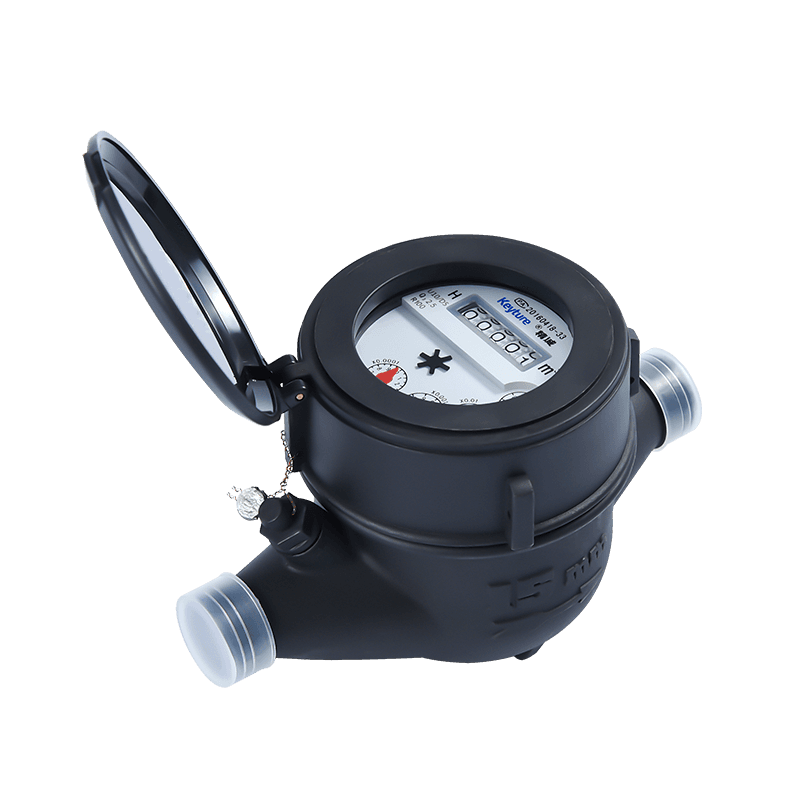
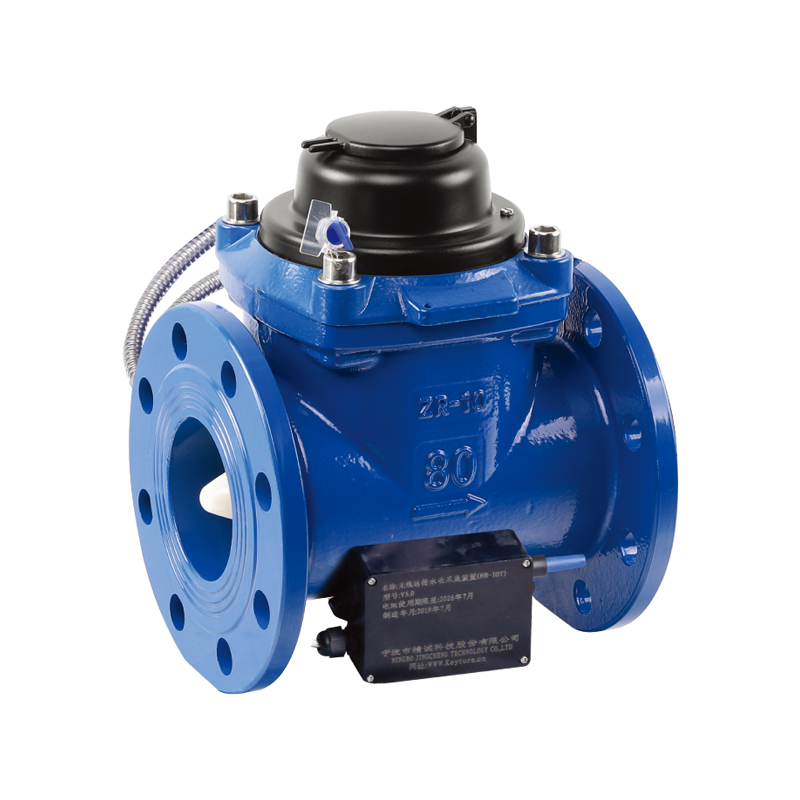
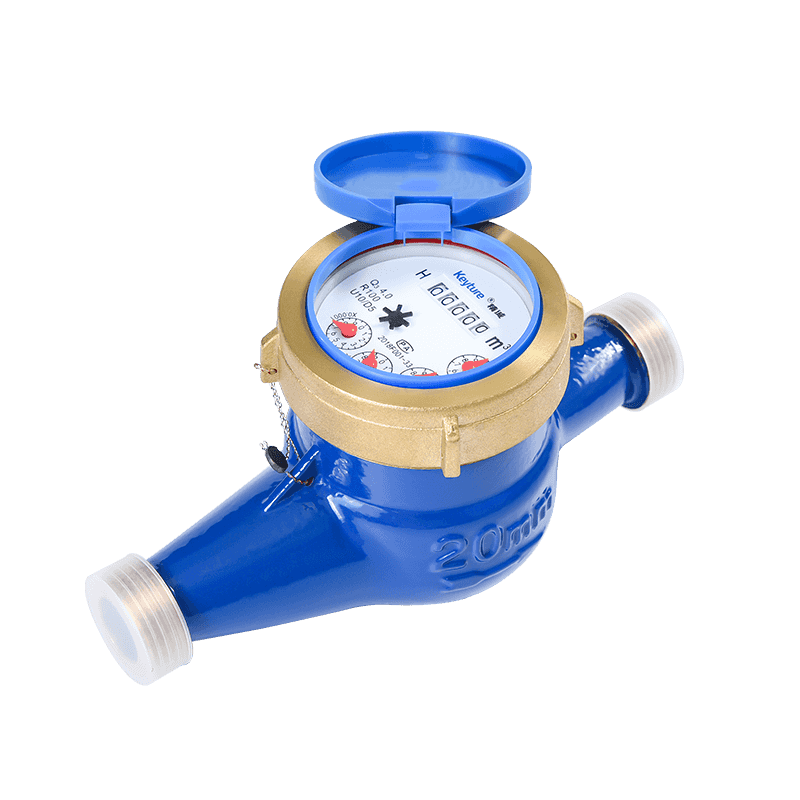
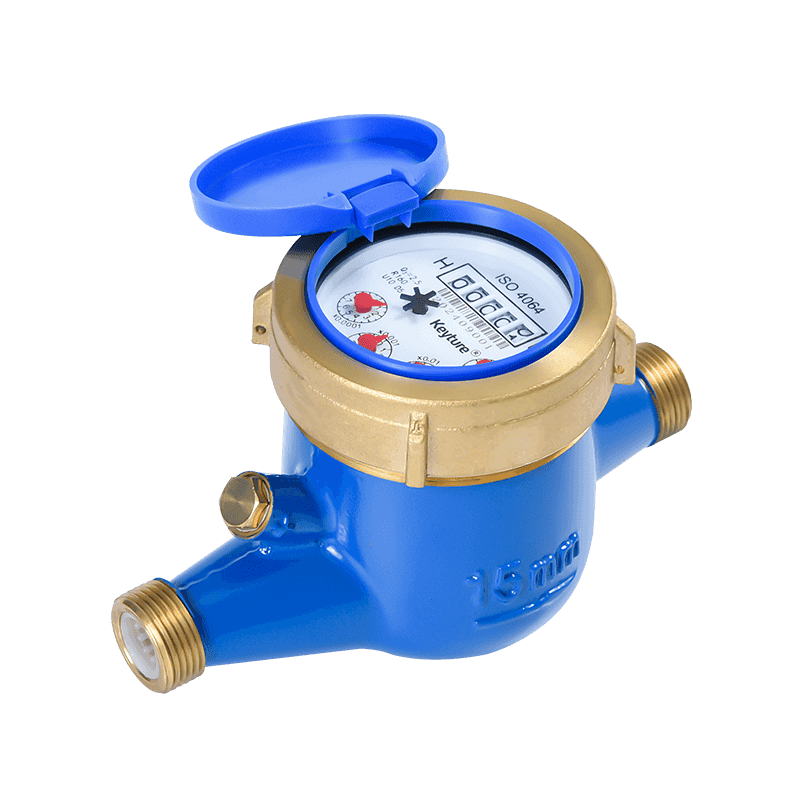
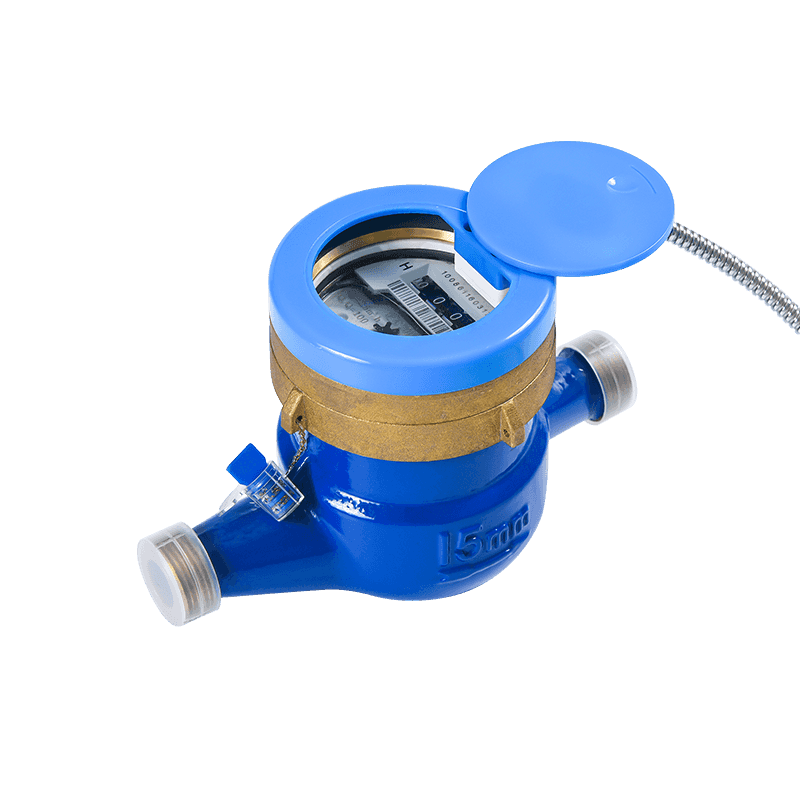
Fog-Free Register
The liquid-filled counter chamber eliminates condensation, misting and algae growth. The dial remains readable in damp pits, outdoor cabinets and temperature-swing conditions where dry registers fail.

A fog-free liquid sealed register combined with a multi jet measuring chamber — engineered for domestic and light commercial metering that has to stay accurate and readable for years, not months.
Liquid sealed register · multi jet measuring chamber · IP65
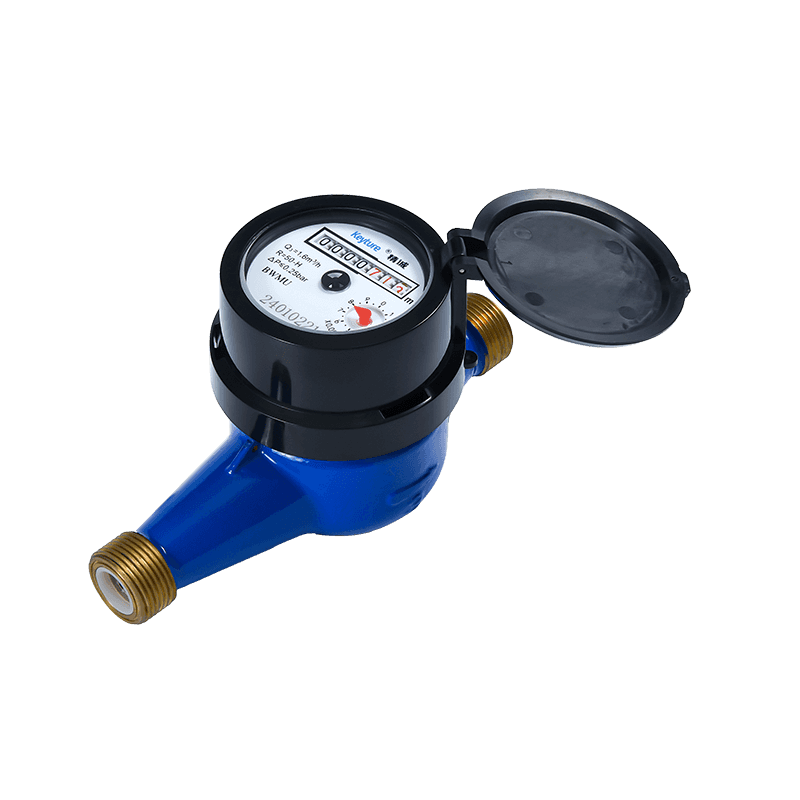
A liquid sealed multi jet water meter is a mechanical velocity-type meter that combines two proven design principles: a multi jet measuring chamber and a liquid sealed register. Together, they address the two most common failure modes of mechanical water meters in the field — accuracy drift caused by impeller wear, and an unreadable dial caused by condensation or dirt ingress. The multi jet measuring chamber distributes the incoming water flow through several tangential ports arranged around the impeller. Instead of a single jet striking the impeller from one direction, multiple jets push it simultaneously from different angles. This balanced force distribution dramatically reduces radial load on the bearing and pivot, which is the primary cause of accuracy loss over time in single jet designs. The result is a meter that maintains its calibration far longer in service, even under continuous duty and varying flow conditions.
The liquid sealed register completes the design. The counter chamber — containing the odometer rollers, reduction gearing and dial face — is completely filled with a specially formulated, treated liquid and hermetically sealed. The register is magnetically coupled to the impeller through the sealed boundary, so no mechanical shaft penetrates the housing. Because the dial is immersed in liquid, there is no air space inside the chamber. Without air, condensation cannot form, fogging is physically impossible, and dust or moisture cannot reach the dial face. In humid meter pits, outdoor cabinets and tropical installations, this makes the difference between a meter that can be read at a glance and one that requires dismantling. The liquid also lubricates the counter mechanism and dampens vibration, extending the working life of the register assembly.
The combination of these two features produces a meter with a wide range ratio, low starting flow, and stable long-term accuracy — certified to Class 2 under ISO 4064 and OIML R49, with R160 range ratio as standard and R200 available on request. The meter operates without external power, requires minimal maintenance, and is compatible with pulse output and AMR/AMI remote reading modules for utilities transitioning to smart metering infrastructure. It is supplied in sizes from DN15 to DN50 with brass, cast iron or engineered polymer bodies, and can be configured for horizontal or vertical installation. For residential sub-metering, commercial tenant billing, municipal distribution networks and industrial process lines, a liquid sealed multi jet meter delivers the combination that matters most: a reading you can trust, and a reading you can see.
Key takeaway: The liquid sealed register solves readability. The multi jet chamber solves long-term accuracy. Together they produce a meter that stays reliable where it matters — in the ground, in the cabinet, in service.
Six engineering advantages that translate directly into lower lifetime cost and fewer field problems.
The liquid-filled counter chamber eliminates condensation, misting and algae growth. The dial remains readable in damp pits, outdoor cabinets and temperature-swing conditions where dry registers fail.
Multiple jets balance the load on the impeller, reducing bearing wear that causes calibration drift in single jet meters. Accuracy stays within Class 2 limits across the full service life.
Precision impeller, jewel pivot and optimised flow channels register flows from the smallest leak. This directly improves revenue recovery by catching water that other meters miss.
R160 as standard, R200 on request. A single meter size covers a broader range of flow conditions, reducing the number of size variants you need to stock and simplifying procurement.
Magnetic shielding blocks external magnetic interference. A sealed lead-wire point and non-return mechanism protect against reverse flow and unauthorised adjustment. The register cannot be removed without evidence.
Optional pulse output or integrated M-Bus, LoRa, NB-IoT module feeds directly into automated meter reading systems. Mechanical reliability with digital connectivity — no compromise.
Standard configuration below. Materials, temperature range and communication options can be adapted to your market requirements.
| Parameter | Specification |
|---|---|
| Standard | ISO 4064 / OIML R49 |
| Meter type | Liquid sealed, multi jet, vane wheel, velocity type |
| Nominal diameter | DN15 – DN50 (1/2" – 2") |
| Accuracy class | Class 2, R160 standard / R200 optional |
| Register | Liquid sealed, hermetically enclosed, fog-free dial |
| Water temperature | 0.1 °C – 30 °C (cold water); up to 90 °C on request |
| Working pressure | MAP 16 bar (10 bar version available) |
| Pressure loss | ≤ 0.063 MPa at Q3 |
| Body material | Brass / cast iron / engineered polymer |
| Impeller | Engineered polymer with jewel bearing |
| Connection | Threaded G3/4" – G2"; flanged option for DN50 |
| Installation | Horizontal (H) standard; vertical (V) on request |
| Pulse output | Optional reed switch, 1 L / 10 L / 100 L per pulse |
| Remote reading | Optional M-Bus / LoRa / NB-IoT module |
| Protection | IP65 standard; IP68 on request |
| Ambient temperature | 5 °C – 55 °C |
Q4 is the overload flow, Q3 the permanent flow, Q2 the transitional flow and Q1 the minimum flow, all expressed in m³/h.
| Nominal Diameter | Q4 Overload | Q3 Permanent | Q2 Transitional | Q1 Minimum | Range Ratio | Reading Range |
|---|---|---|---|---|---|---|
| DN15 (1/2") | 3.125 | 2.5 | 0.025 | 0.0156 | R160 | 0.00005 – 99,999 m³ |
| DN20 (3/4") | 5.0 | 4.0 | 0.040 | 0.025 | R160 | 0.00005 – 99,999 m³ |
| DN25 (1") | 7.875 | 6.3 | 0.063 | 0.0394 | R160 | 0.00005 – 999,999 m³ |
| DN32 (1¼") | 12.5 | 10 | 0.100 | 0.0625 | R160 | 0.00005 – 999,999 m³ |
| DN40 (1½") | 20 | 16 | 0.160 | 0.100 | R160 | 0.0005 – 999,999 m³ |
| DN50 (2") | 31.25 | 25 | 0.250 | 0.156 | R160 | 0.0005 – 999,999 m³ |
Values shown for R160. R200 accuracy, alternative thread standards, flange connections and hot water versions are available — tell us your target market and we will confirm the correct configuration.
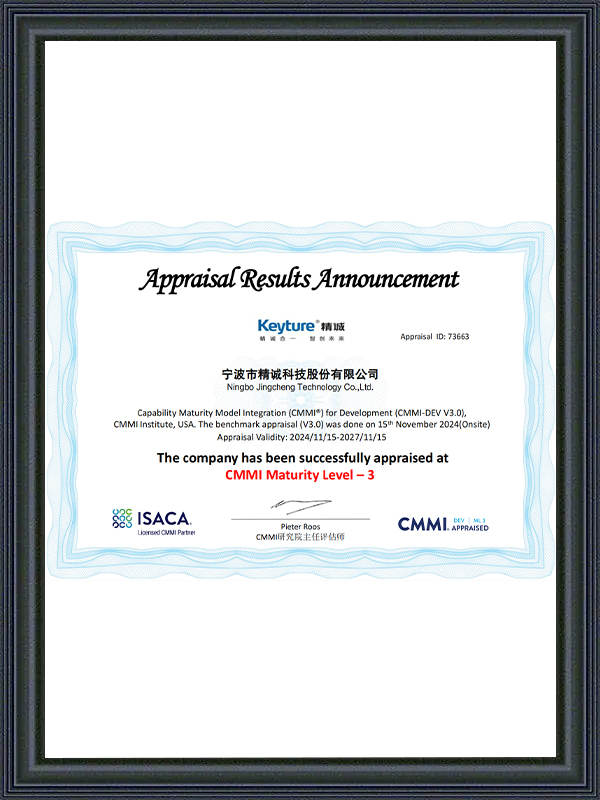
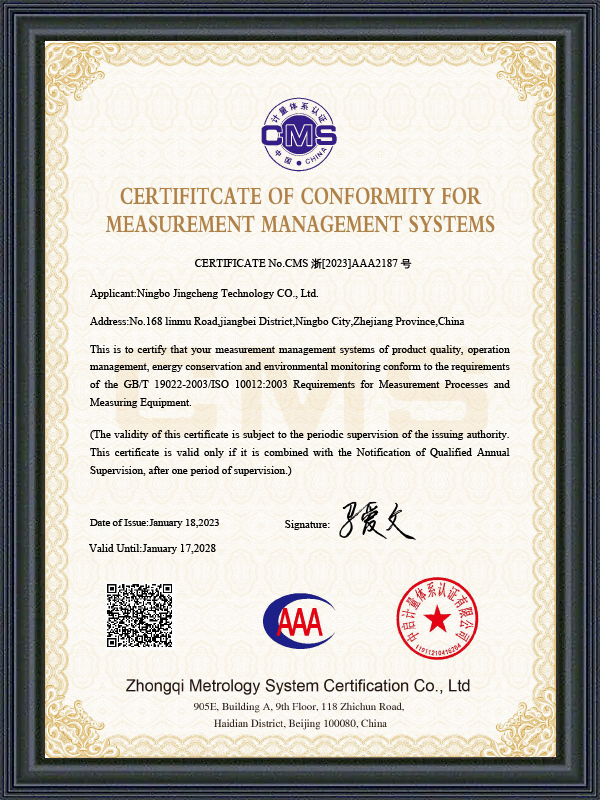
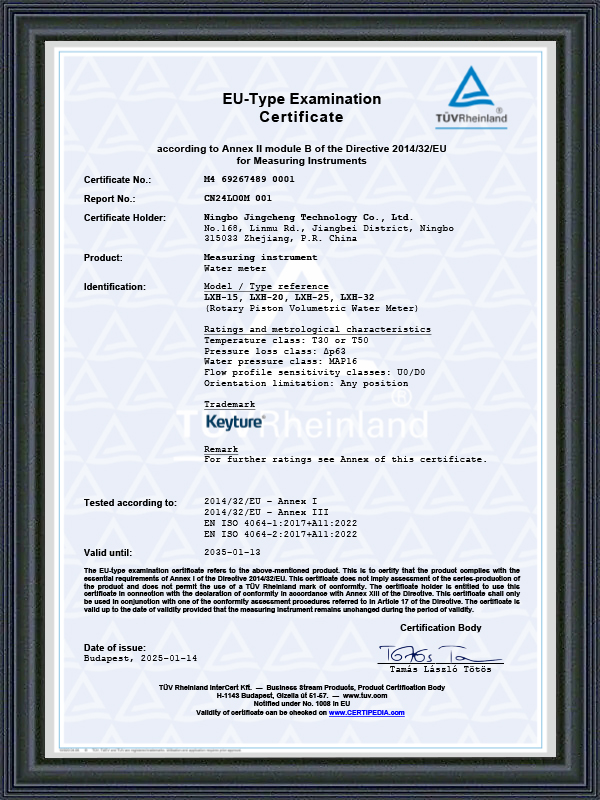
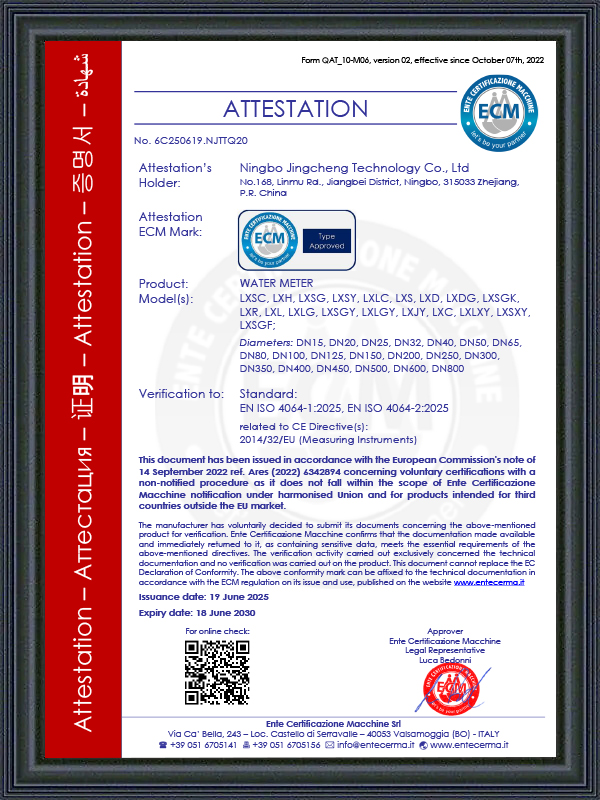
The meter is designed, manufactured and tested to meet the regulatory requirements of the markets we serve.
International standard for water meters intended for the metering of cold potable water. Covers metrological requirements, test methods and marking. Class 2 accuracy confirmed across the flow range.
International Organization of Legal Metrology recommendation for water meters. Defines the test procedures for pattern approval, including accuracy, pressure loss and endurance testing.
EU Measuring Instruments Directive compliance available on request for European market access. Full type examination and product verification can be arranged for volume projects.
Wetted components are manufactured from materials suitable for potable water contact. NSF/ANSI 61 or WRAS certification can be provided depending on the destination market.
Every meter is individually tested on a gravimetric calibration rig before shipment. Test certificates with flow rate and error data are available on request.
Class 2 meters are typically certified for a defined accuracy period. Our meters are designed to remain within tolerance well beyond the mandatory verification interval.
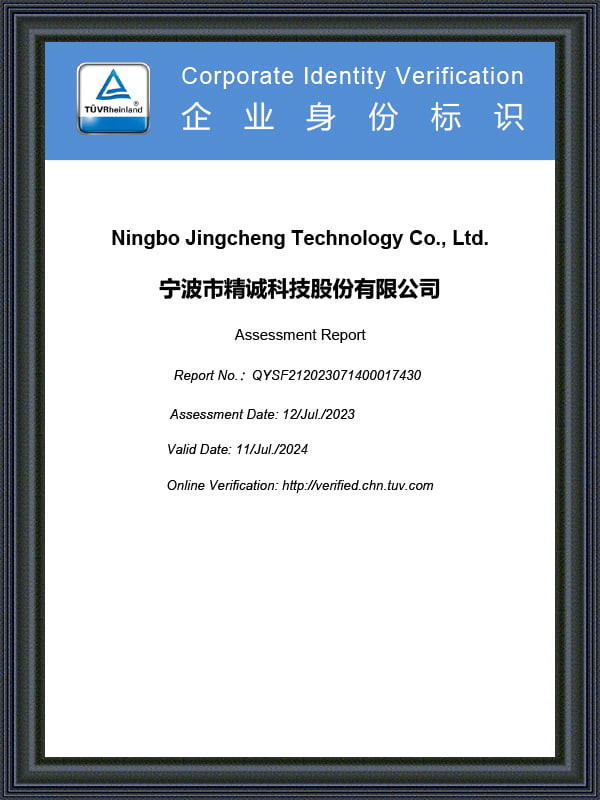
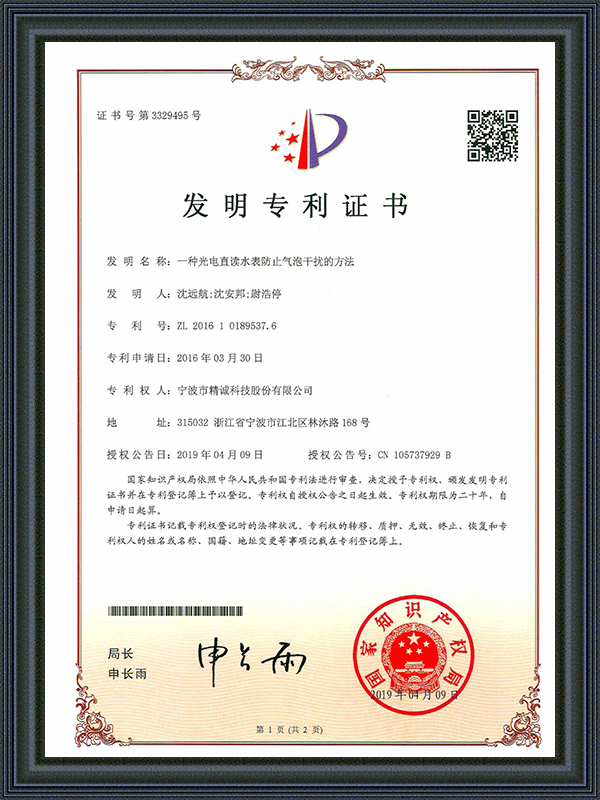
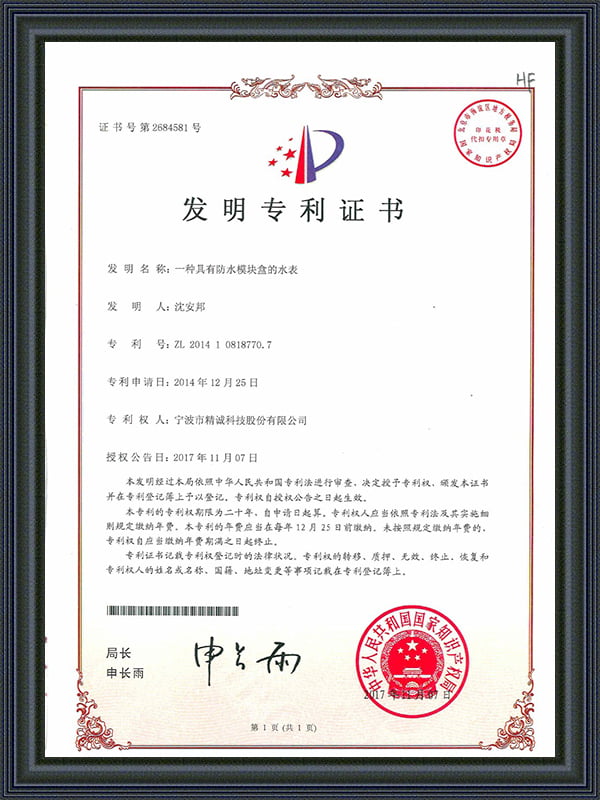
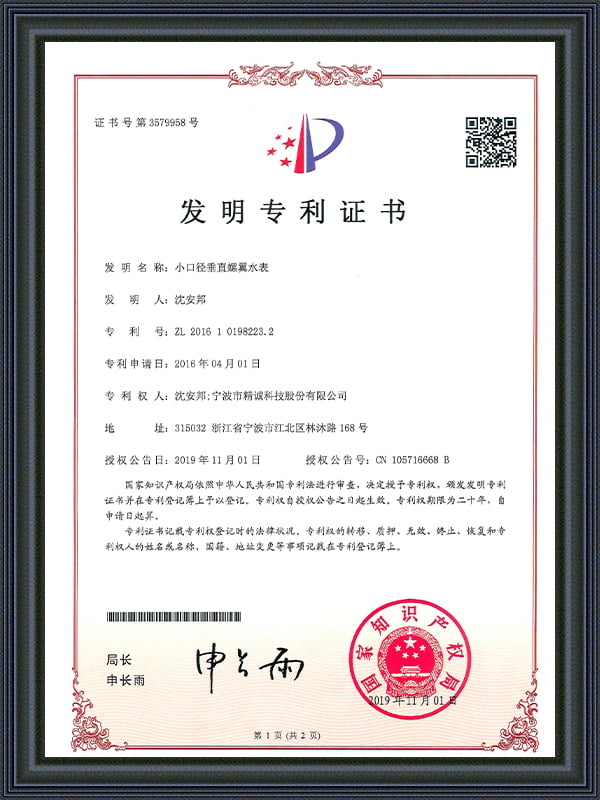
Two engineering decisions define this meter: how the water drives the impeller, and how the register stays readable.
Water enters the meter through an inlet strainer that catches debris before it can reach the measuring element. It then passes into a distribution chamber with multiple tangential ports arranged radially around the impeller. Each port directs a jet of water at the impeller vanes from a different angle, so the impeller is driven at several points simultaneously rather than from a single direction.
This matters because a single jet creates an unbalanced radial load on the impeller shaft. Over thousands of operating hours, that load wears the bearing and pivot unevenly, changing the meter's calibration. With multiple jets, the forces largely cancel out. Bearing wear is distributed evenly, the impeller runs truer for longer, and accuracy remains stable across the full flow range — from the smallest drip to peak demand.
The register — the part you read — is a self-contained, hermetically sealed assembly. Inside, the odometer rollers, reduction gearing and dial face are fully immersed in a treated liquid. There is no air space. The impeller outside drives a magnet, which transmits rotation through the sealed wall to a driven magnet inside the register. No shaft passes through the housing, so there is no dynamic seal to wear or leak.
The practical effect is simple: the dial never fogs. In cold climates where a dry register can mist over when the sun hits a cold meter, and in humid pits where condensation forms inside the lens, a liquid sealed register stays crystal clear. The liquid also prevents green algae growth on the dial face, which is a common problem in wet dial registers exposed to sunlight. Reading the meter is a five-second task, not a five-minute one.
Measured performance curves for the liquid sealed multi jet water meter. Use these charts to confirm pressure loss, metrological accuracy and installation dimensions before specifying.
Figure 1 — Head loss curve (MPa vs. flow m³/h)
The chart shows pressure loss across the meter at different flow rates for DN15, DN20, DN25, DN32 and DN40. At permanent flow Q3, pressure loss stays ≤ 0.063 MPa, keeping head loss low in domestic and light commercial systems.
Figure 2 — Accuracy error curve (Class 2, Q1–Q4)
The error curve confirms Class 2 metrological performance under ISO 4064 / OIML R49. Maximum permissible error is ±5% in the lower zone (Q1–Q2) and ±2% in the upper zone (Q2–Q4). The measured curve stays well inside these limits across the full flow range.
Figure 3 — Installation dimensions (L × H × B × D)
| Size | L (mm) | H (mm) | B (mm) | D (thread) |
|---|---|---|---|---|
| DN15 | 165 | — | — | G3/4" |
| DN20 | 190 | — | — | G1" |
| DN25 | 225 | — | — | G1¼" |
| DN32 | 260 | — | — | G1½" |
| DN40 | 300 | — | — | G2" |
Dimensions are for reference. Confirm exact values with our engineering team before installation design.
Understanding where the liquid sealed multi jet design sits relative to single jet, dry dial and volumetric meters helps you specify the right technology for each application.
| Design Feature | Liquid Sealed Multi Jet | Dry Dial Single Jet | Volumetric Piston |
|---|---|---|---|
| Register readability in humidity | Always clear — no fogging | Can fog in cold or humid conditions | Depends on register type |
| Accuracy stability over time | High — balanced jet forces reduce wear | Moderate — single jet load on bearing | High — positive displacement, but wear on seals |
| Low flow sensitivity | Very good — R160 / R200 | Good — typically R80 to R160 | Excellent — often R160 to R400 |
| Susceptibility to debris | Low — strainer + multi-port design | Moderate — single jet port can clog | High — tight clearances block easily |
| Pressure loss | Low — ≤ 0.063 MPa at Q3 | Moderate | Higher — inherent to displacement design |
| Maintenance requirement | Low — no external power, sealed register | Low | Moderate — seals and piston wear |
| Suitable for semi-dirty water | Yes — with strainer | Limited | No — requires clean water |
| Remote reading compatibility | Pulse, M-Bus, LoRa, NB-IoT | Pulse optional | Pulse optional |
This comparison is indicative. Actual performance depends on water quality, installation conditions and the specific product configuration. Contact our engineers for application-specific guidance.
Premium quality
since 2002
Coming From China, Marketing To The World
Keyture Meter is located in Picturesque Jiangbei Investment Park, NINGBO, CHINA. It is a comprehensive high-tech China Liquid Sealed Multi Jet Water Meter Manufacturers and Custom Liquid Sealed Multi Jet Water Meter Factory that integrates scientific research & development, production, sales, and service. Established in 2002 as a manufacturer and exporter of water meters for more than 22 years. The factory covers an area of 40 acres (30,000 square meters), 200 staff, 100+ types of products, product capacity of 5 million per year. Its product range covers single jet, multi-jet, volumetric piston type, Woltman type, IC card intelligent water meter, remote control water meter, optoelectrical reading direct remote control water meter...
Yearly production capacity
Production Area
Works and inspectors
Production experience
Excellent product with exquisite craftsmanship
Customization
We have a strong R&D team, and we can develop and produce products according to the drawings or samples the customers offered.
Cost
We are a professional manufacturer and also have our own processing machinery. So we can offer good prices and good products directly.
Quality
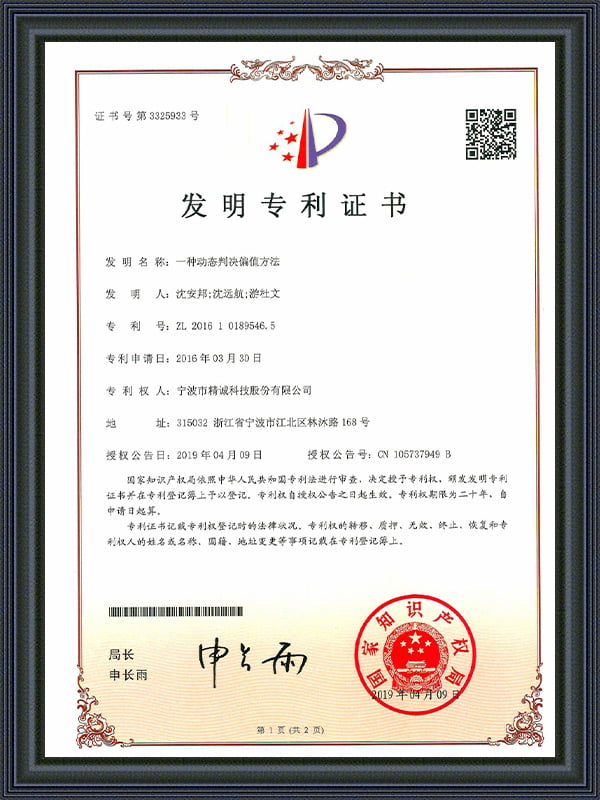
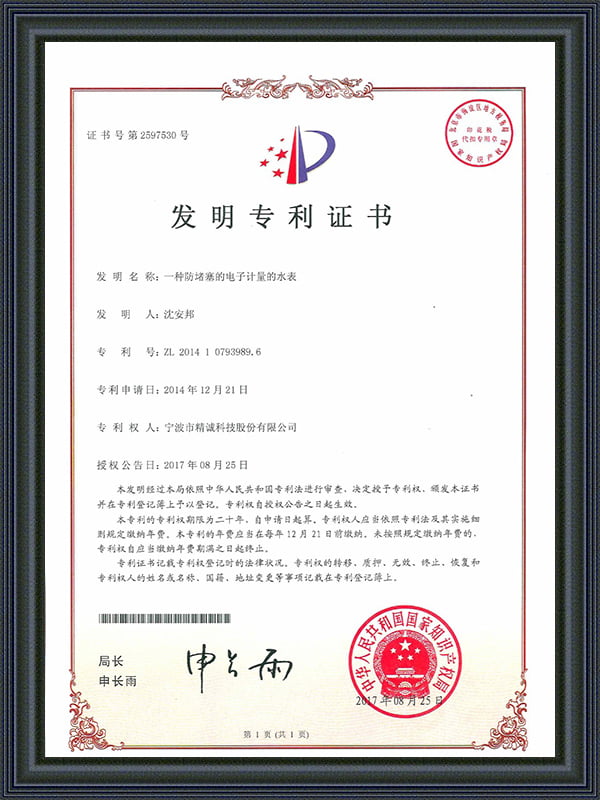
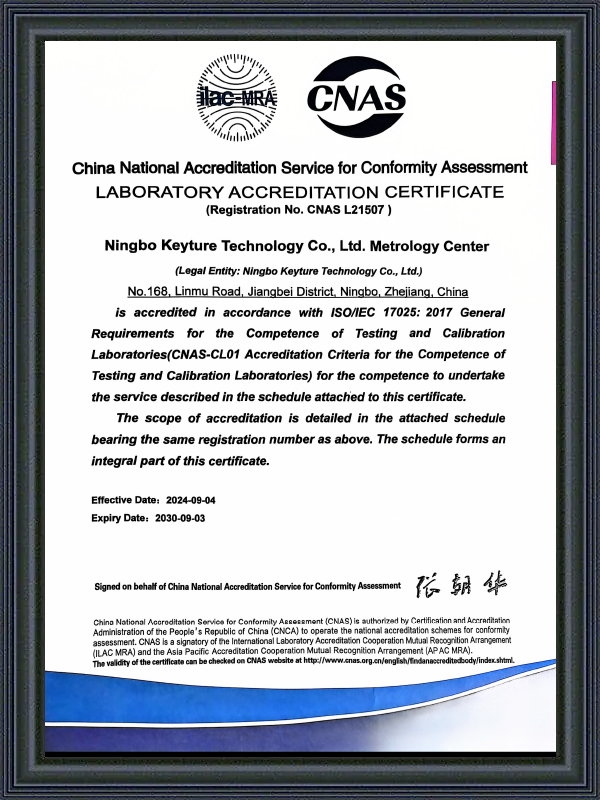
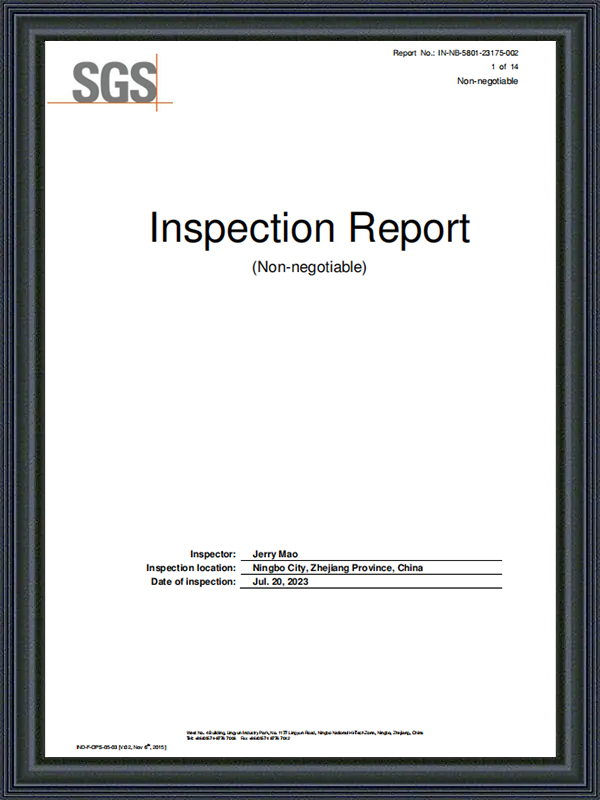
We have our own testing lab and advanced and complete inspection equipment, which can ensure the quality of the products.
Service
We focus on developing high-quality products for top-end markets. Our products are in line with international standards, and are mainly exported to Europe, America, Africa, Asia and other destinations around the world.
Capacity
Our annual production capacity is over 5 million units. We can meet the needs of different customers with different purchase quantities.
Shipment
We are about 35 kilometers away from Ningbo Port. It is very convenient and efficient to ship goods to any other countries.
From mechanical meters to smart AMR/AMI systems — we provide end-to-end water metering solutions tailored to your project.
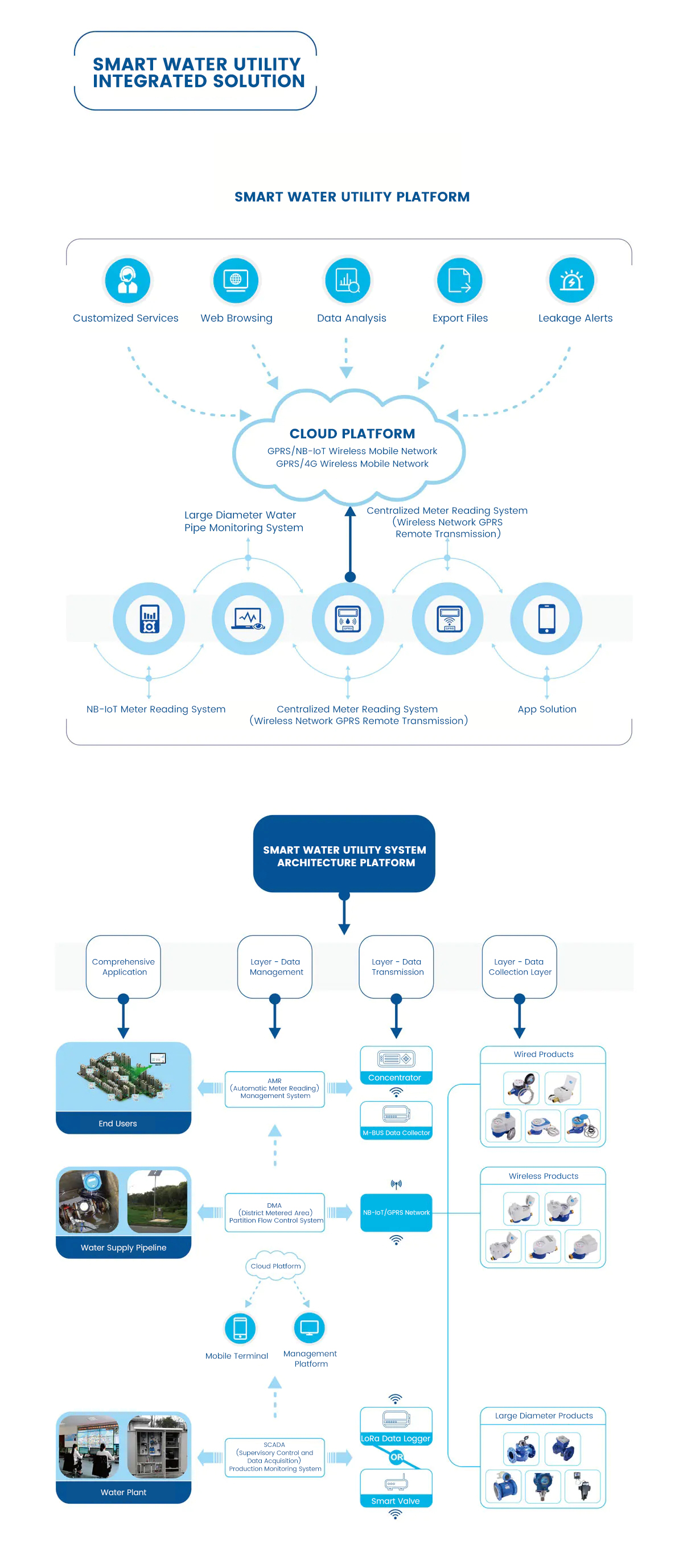
Suited to any metering point where reliable reading and stable accuracy matter more than the lowest possible unit cost.
Correct installation is the single biggest factor in metering accuracy and service life. The meter should be installed in the direction of flow, as indicated by the arrow on the body. For best accuracy, horizontal installation with the register facing upward is recommended; vertical installation is available on request and should be specified at order stage.
The meter must remain completely filled with water during measurement. Installing at the lowest point of a pipe run or where air can accumulate will cause reading errors and may damage the impeller. A strainer should be fitted upstream if the water supply is known to carry debris, and the pipework should be flushed before the meter is connected.
Do not over-tighten threaded connections. Excessive torque can distort the meter body and affect the measuring chamber clearances. Use only the specified gaskets and ensure the meter is supported so that pipe stress is not transferred to the body.
A liquid sealed multi jet meter has no wearing parts exposed to the water outside the measuring chamber, and the register is hermetically sealed. There is no battery to replace, no electronics to fail, and no external power requirement. Routine maintenance is minimal: periodic visual inspection of the register for clarity, checking the body and connections for leaks, and confirming that the meter is still full of water.
In normal potable water service, the meter is designed to maintain Class 2 accuracy for the full verification period and typically well beyond it. Utilities that operate scheduled testing programmes can sample meters at the end of their nominal service life to confirm continued accuracy before deciding whether to extend service or replace.
If the measuring chamber or register ever needs attention, the cartridge design allows the measuring element to be removed without cutting the meter out of the pipeline. This reduces downtime and service cost compared with meters that require full replacement.
In a liquid sealed meter the register chamber is filled with a treated liquid, so the dial is completely immersed. Fogging, condensation and dust cannot reach the dial face, which keeps the reading clear in humid meter pits and through seasonal temperature changes. A dry dial meter leaves the register filled with air, which is lighter and cheaper but more prone to fogging over time. The practical consequence is that liquid sealed meters are easier to read and maintain their dial legibility far longer in challenging environments.
A single jet meter directs water through one port at the impeller, creating an unbalanced radial load on the bearing. A multi jet meter uses multiple tangential ports arranged around the impeller, so the forces largely cancel out. This reduces bearing wear, keeps accuracy stable over a wider flow range, and extends the meter's service life. Multi jet meters are generally preferred for domestic and light commercial applications where long-term accuracy matters.
Yes. A reed switch pulse output (1 L, 10 L or 100 L per pulse) can be fitted, and an integrated M-Bus, LoRa or NB-IoT communication module is available for automatic meter reading. The pulse output is a cost-effective retrofit for existing AMR systems, while the integrated module is the preferred choice for new AMI deployments. Please specify the protocol your platform uses when ordering.
The range covers DN15 to DN50, with threaded connections from G3/4" to G2". A flanged option is available for DN50, and non-standard threads can be produced to suit the destination market. For applications requiring larger diameters, we can advise on alternative meter technologies from our range.
The standard configuration is Class 2 accuracy with an R160 range ratio (Q3/Q1). R200 is available on request for applications where a wider range or lower minimum flow is required. Class 2 under ISO 4064 means a maximum permissible error of ±2% in the upper flow zone and ±5% in the lower flow zone.
Yes. Body material (brass, cast iron or engineered polymer), dial colour, unit of measurement, logo and packaging can all be customised. OEM and ODM projects are welcome — send us your drawings or sample and we will confirm feasibility. Customisation typically requires a minimum order quantity, which we can confirm based on the specific changes requested.
The standard configuration is optimised for horizontal installation with the register facing upward. Vertical installation is available on request and should be specified at order stage, as the internal flow channel and impeller may be adjusted for vertical orientation. Installing a horizontal-optimised meter vertically can affect accuracy, particularly at low flow rates.
The standard cold water version operates from 0.1 °C to 30 °C with a maximum admissible pressure (MAP) of 16 bar. A 10 bar version is also available. For hot water applications up to 90 °C, a dedicated high-temperature version can be supplied. Pressure loss at permanent flow Q3 is ≤ 0.063 MPa, which minimises head loss in the system.
R200 gives a wider range ratio and a lower minimum flow, which is useful where small leaks need to be detected or where billing accuracy at low flow matters. R160 is the standard and covers most domestic metering requirements. Our team can advise once we know the flow profile of the installation, including typical minimum night flow and peak demand.
Yes. The meter can be supplied with a pulse output for connection to existing AMR systems, or with an integrated communication module for direct AMI connectivity. Supported protocols include M-Bus (wired), LoRaWAN and NB-IoT. The mechanical measuring element is independent of the communication module, so the meter continues to measure accurately even if the communication link is interrupted.
Very little. There is no battery, no external power and no wearing parts exposed outside the measuring chamber. Routine checks include verifying that the meter remains full of water, inspecting for leaks at connections, and confirming the register is clear and readable. In normal potable water service, the meter is designed to maintain accuracy for the full verification period without intervention.
In normal potable water service, a liquid sealed multi jet meter is expected to maintain Class 2 accuracy well beyond the mandatory verification interval. Many utilities operate on a 6-year or longer replacement cycle. For utilities with scheduled testing programmes, sampling meters at the end of the nominal service life is the recommended approach to determine whether replacement is necessary. Water quality, flow profile and installation conditions all influence actual service life.
Send us the size, accuracy class, body material and remote reading option you need. Our engineers will come back with a matching configuration, price and lead time.

Address: No.168,LinMu Rd.,Zone B, Jiangbei investment Park, Ningbo, Zhejiang,China
Tel: +86-0574-83090480/+86-18892665118
Fax: +86-0574-83021045
Email: [email protected]
Web: https://www.keyturemeter.com/
Quick Links
Product
Mobile terminal
 Custom Liquid Sealed Multi Jet Water Meter Manufacturers