 English
 Español
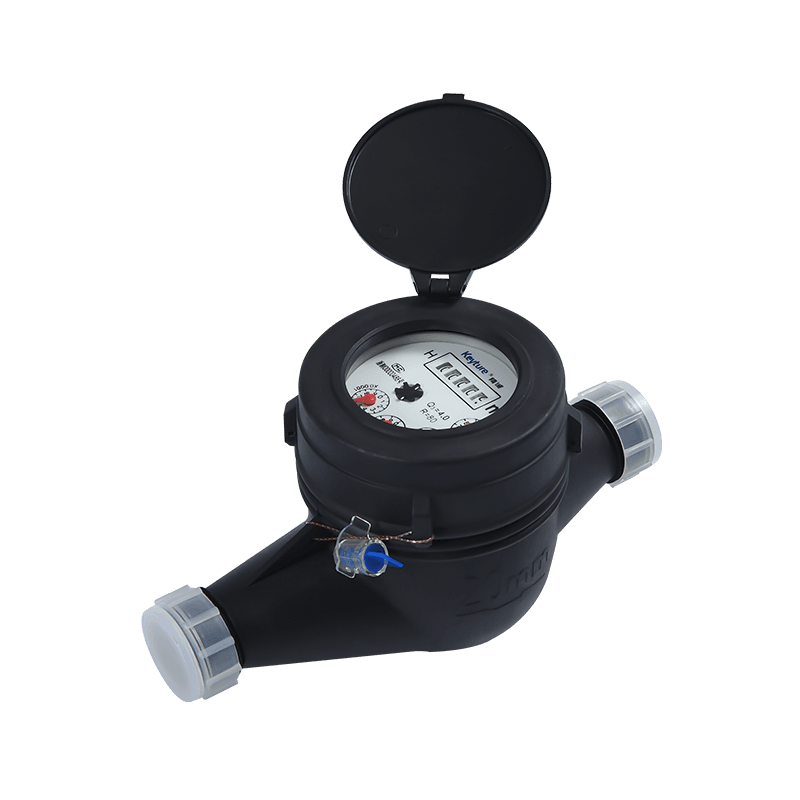
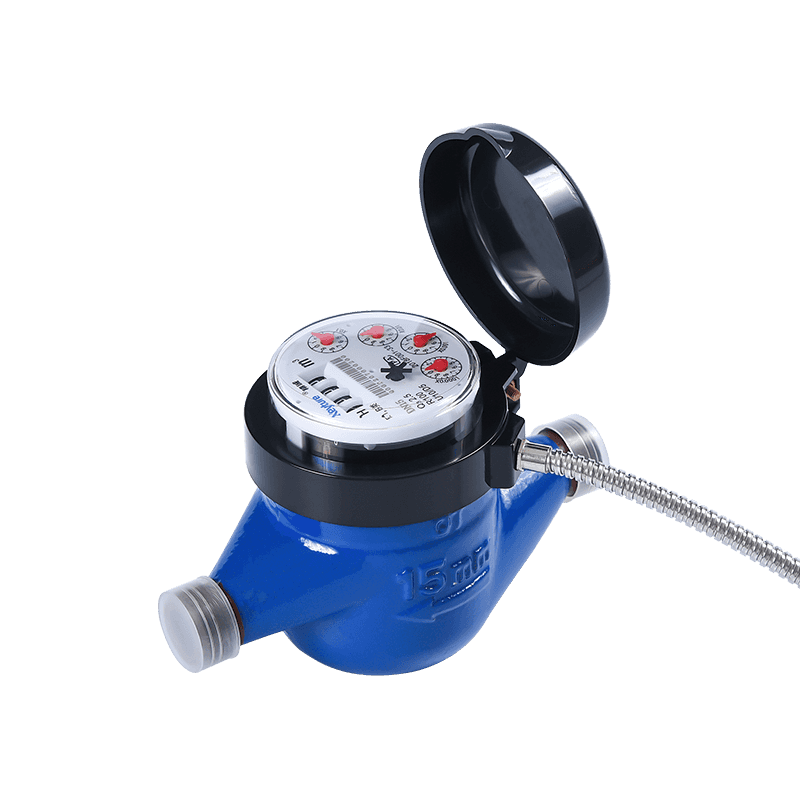
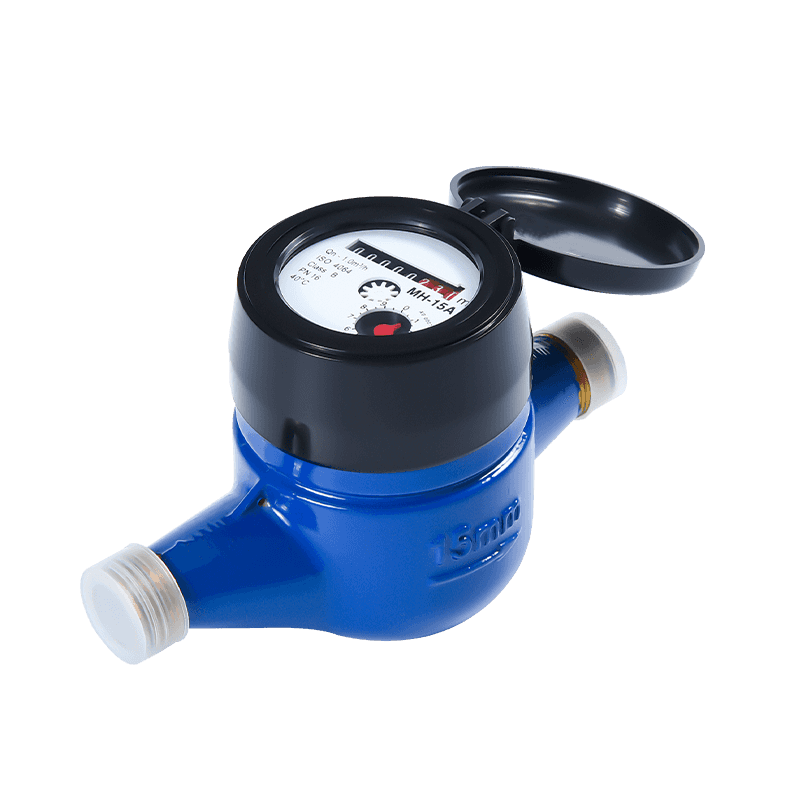
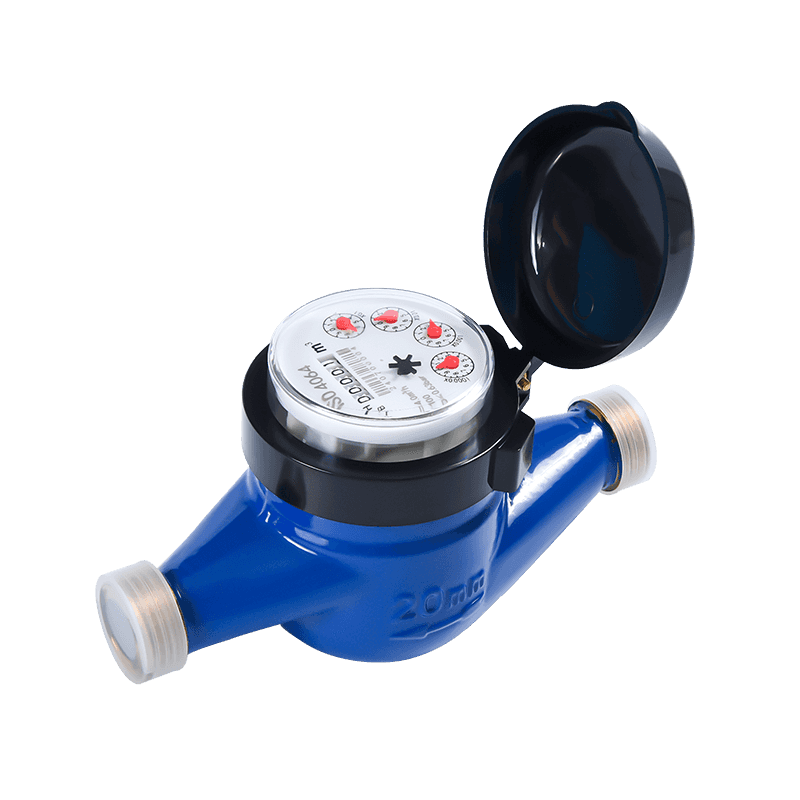
Multi-Pole Closed-Field Coupling
A ring magnet with many small poles keeps field lines short and contained. An external magnet finds no single large pole to grip, which sharply reduces its influence on the follower.

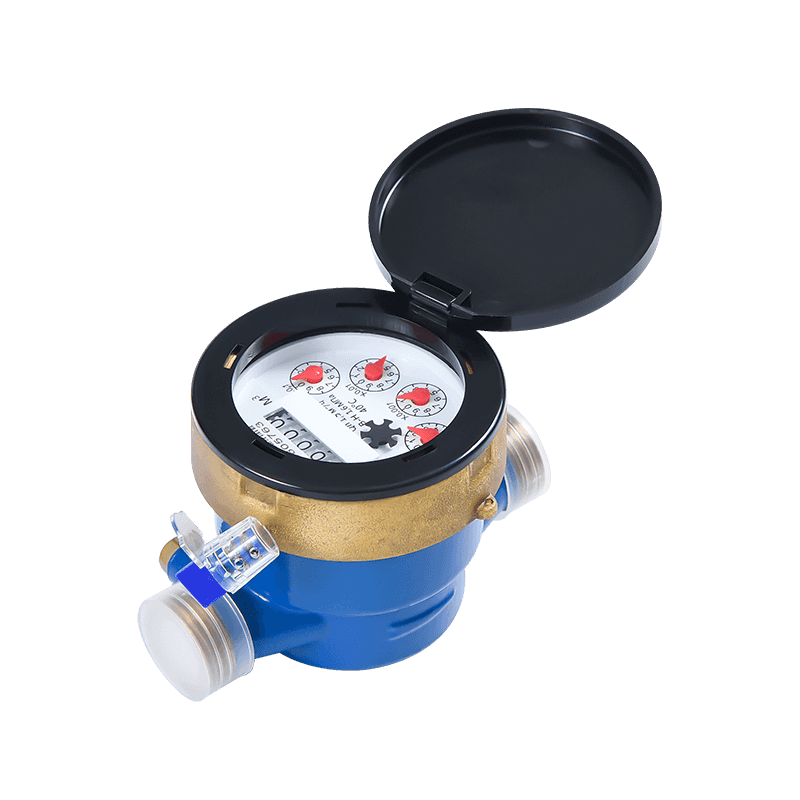
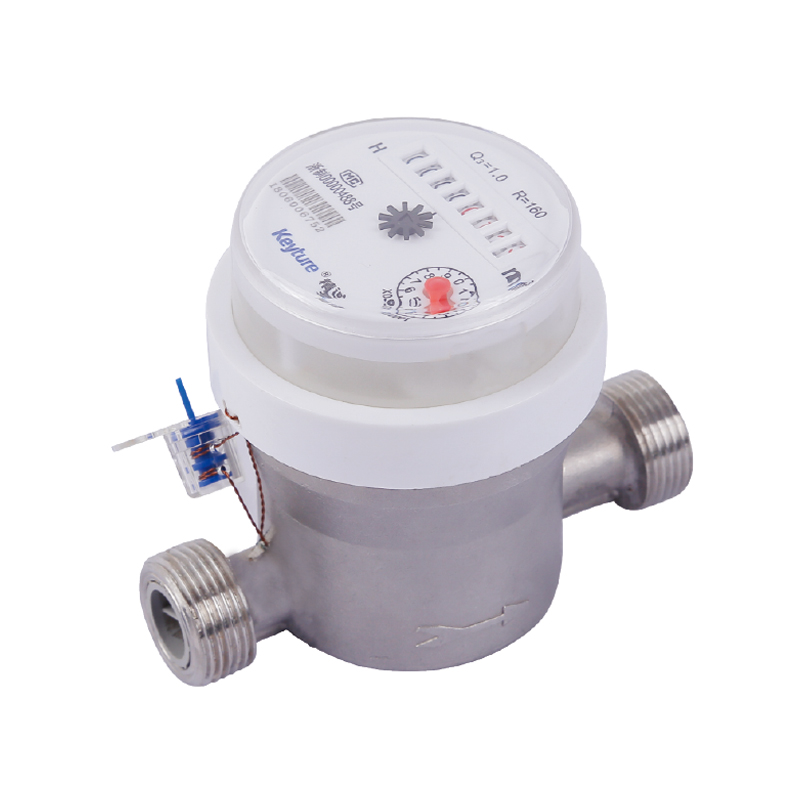
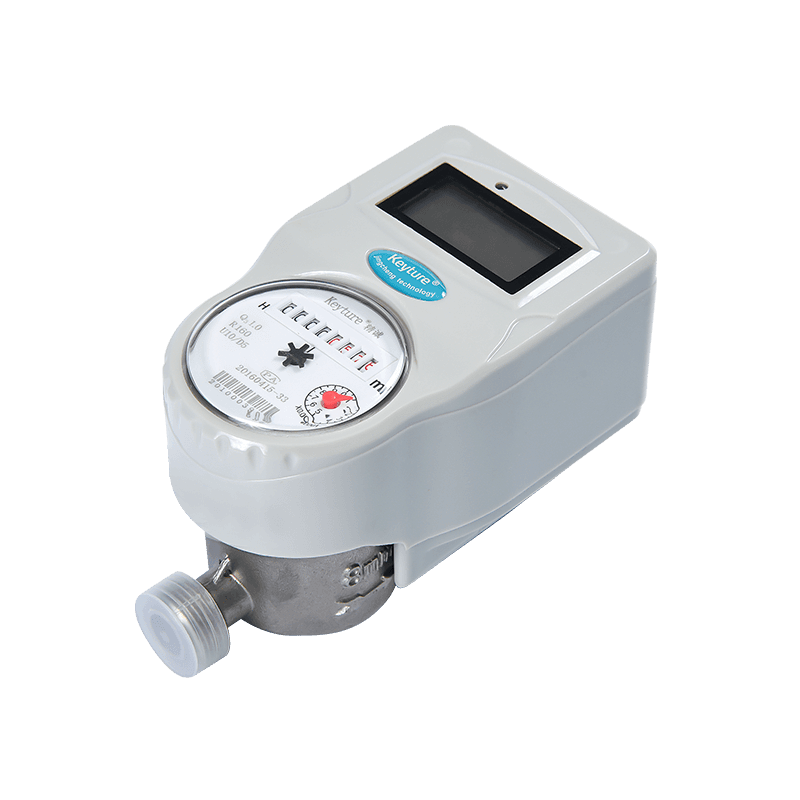
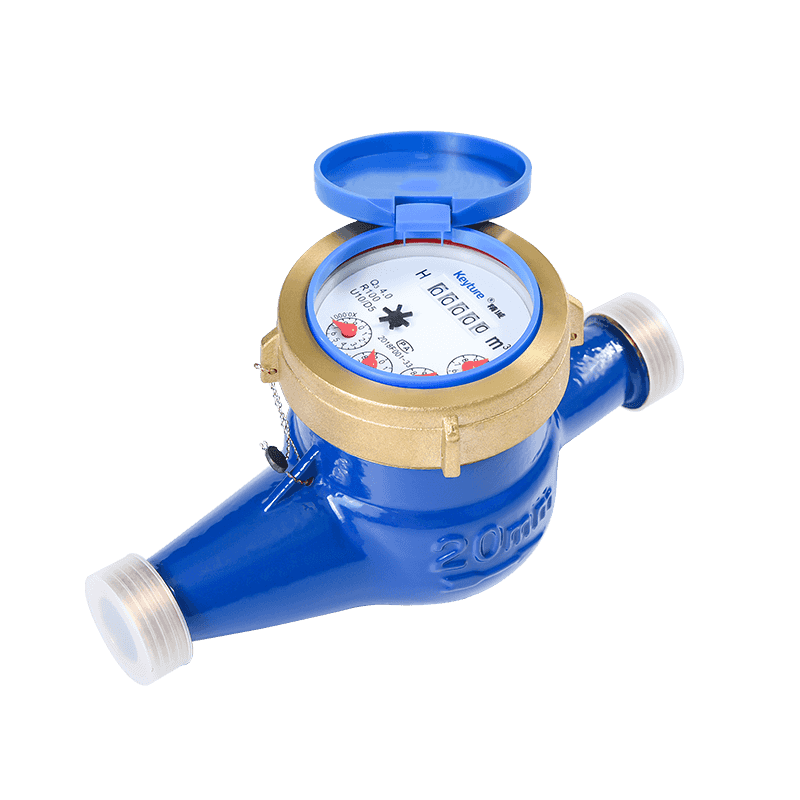
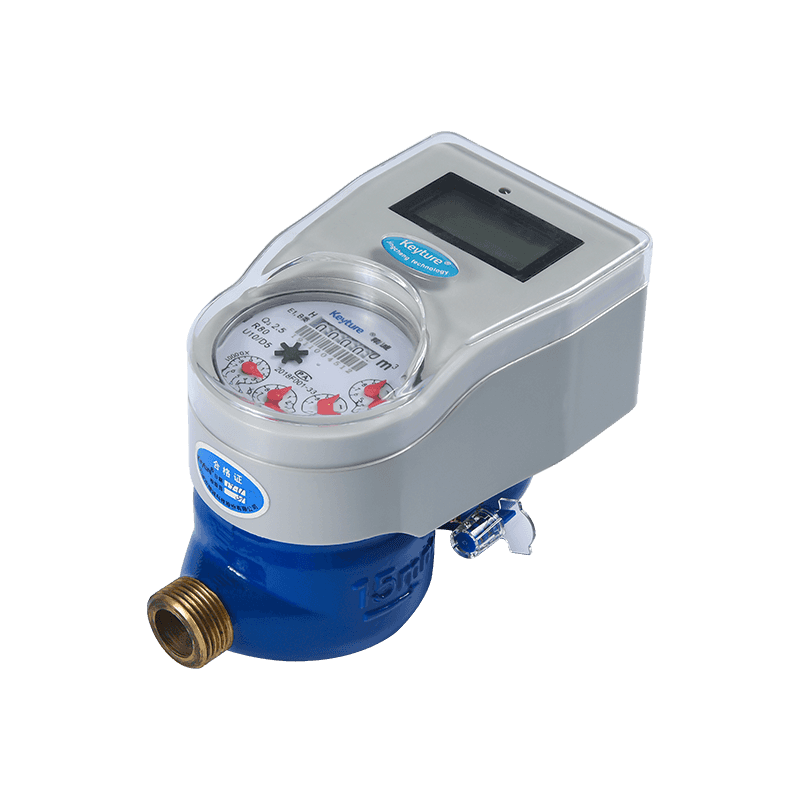
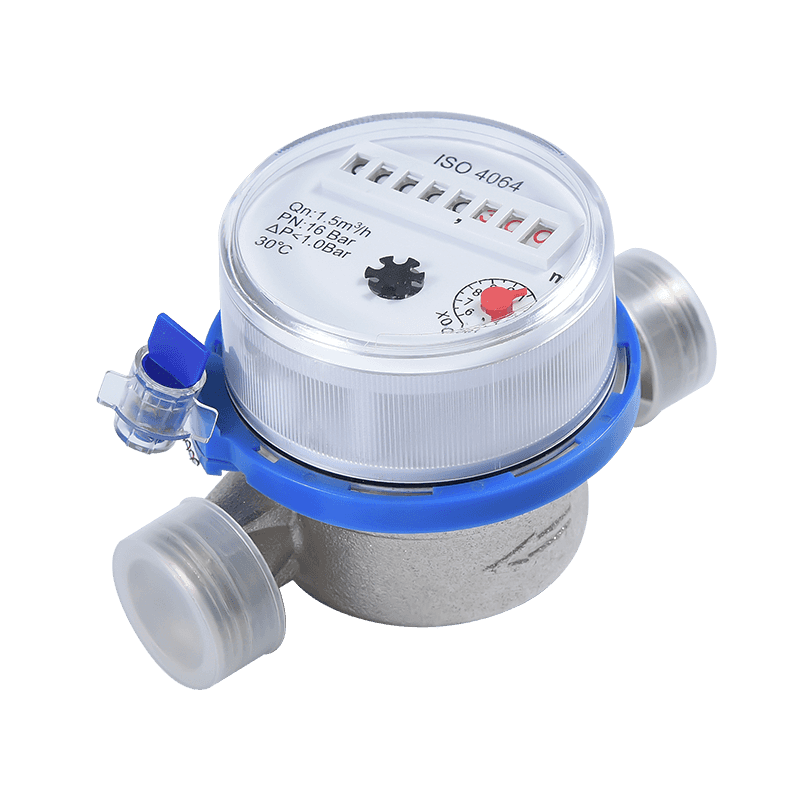
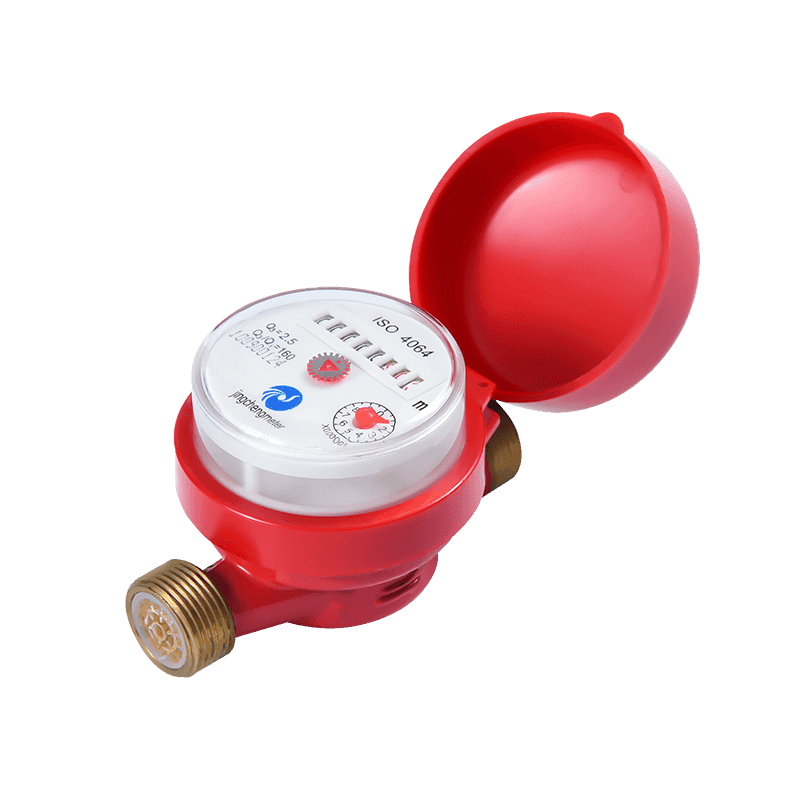
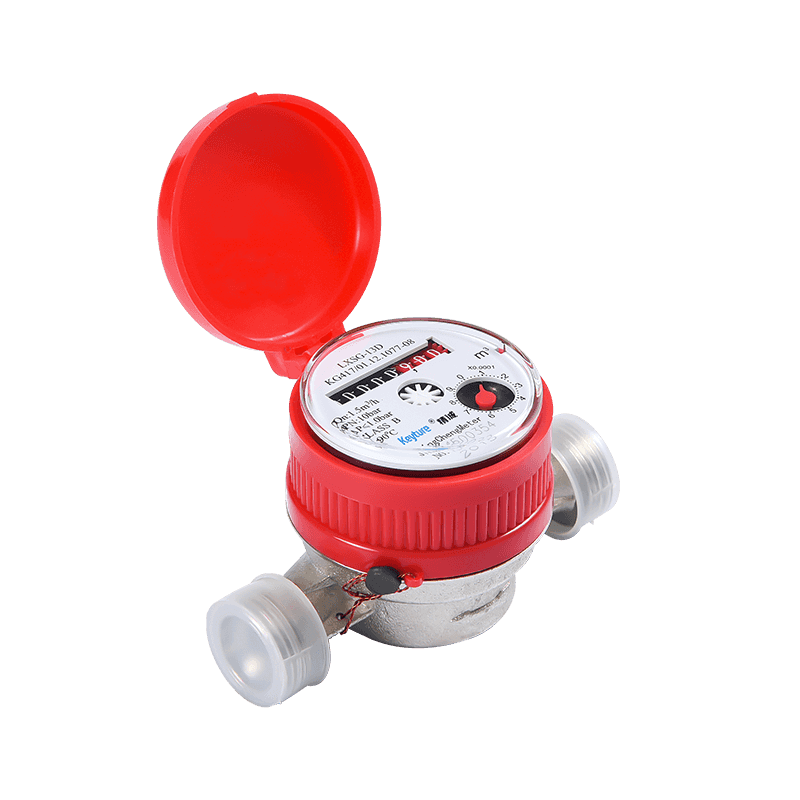
A dry dial multi jet meter hardened against magnet tampering — multi-pole coupling, soft-iron shielding and a tamper-evidence indicator, tested with neodymium magnets on every face.
Multi-pole coupling · soft-iron shield · tamper indicator
An anti-magnetic dry dial water meter is a mechanical meter engineered specifically to resist one of the oldest and most common forms of meter fraud: holding a strong permanent magnet against the housing to slow, stop or reverse the register. Most dry dial meters transmit the impeller’s rotation to the register through a pair of coupling magnets. A strong external magnet can pull on the follower magnet, drag the coupling out of step and cause the dial to under-record, sometimes by more than 50 percent. In districts with high non-revenue water, utilities can lose significant income to this single trick, because it costs almost nothing, leaves no visible damage and is hard to prove after the fact.
The anti-magnetic design attacks the problem on three fronts. First, the coupling itself is redesigned: instead of one pair of large poles, a multi-pole ring magnet is used, so field lines are short and closed within the coupling and an external magnet cannot get a strong grip on any single pole. Second, a shield made of high-permeability soft iron or mu-metal surrounds the register and diverts external field lines around the coupling instead of through it. Third, a sensing element — in some versions a mechanical magnetic indicator and in others a Hall sensor — records that a strong field was applied, leaving evidence even if the dial recovers. Together, the layers push the field strength needed for interference far above what handheld magnets can deliver.
The meter is supplied with the dry-dial register, which keeps the dial in air for clear reading and low cost, and a multi jet chamber for stable accuracy. It is supplied in DN15 to DN50 with Class 2 accuracy under ISO 4064 / OIML R49, R100 range ratio and a documented magnetic immunity test report: the meter is tested with N52 neodymium magnets of defined sizes placed on every face, and the error must stay within Class 2 limits. For utilities in regions with high rates of tampering, sub-metering for landlords and any project where the integrity of the reading is as important as its accuracy, an anti-magnetic dry dial meter hardens the register against the cheapest attack available.
Key takeaway: A dry dial meter is cheap to build and easy to read — but only if a magnet cannot stop it. Anti-magnetic design closes the cheapest route to meter fraud and leaves evidence of attempts.
Six layers of defence that make magnet attacks impractical.
A ring magnet with many small poles keeps field lines short and contained. An external magnet finds no single large pole to grip, which sharply reduces its influence on the follower.
High-permeability plates around the register give external field lines an easier path than the coupling. The field is diverted around the sensitive parts, like water around a stone.
A magnetic indicator flips or a Hall sensor logs when a field above threshold is applied. Even if the dial recovers, the utility has proof that an attempt was made.
Each design is tested with specified N52 magnets on all faces at several distances. The report states the field strength at which error stays inside Class 2 limits.
The anti-magnetic features are added to a dry dial register, so the meter keeps the clear dial and low price of the dry design without relying on liquid fill.
Pulse, encoder and M-Bus heads fit on the shielded register. Sensors read the follower beyond the shield, so remote reading and anti-magnetic protection coexist.
Standard configuration below. Shielding level, indicator type and communication head can be adapted to your market and tamper risk.
| Parameter | Specification |
|---|---|
| Standard | ISO 4064 / OIML R49 |
| Meter type | Multi jet, dry dial, anti-magnetic register |
| Nominal diameter | DN15 – DN50 (1/2" – 2") |
| Accuracy class | Class 2, R100 |
| Coupling | Multi-pole ring magnets, closed-field design |
| Shield | High-permeability soft iron / mu-metal, enclosing the register |
| Magnetic immunity | Error within Class 2 under N52 magnets, all six faces, contact distance |
| Tamper indicator | Mechanical flag or Hall-sensor log (selectable) |
| Water temperature | 0.1 °C – 50 °C (cold water) |
| Working pressure | MAP 16 bar |
| Pressure loss | ≤ 0.063 MPa at Q3 |
| Body material | Brass or cast iron |
| Register lens | Tempered glass with anti-condensation coating |
| Connection | Threaded G3/4" – G2"; flanged option DN40 – DN50 |
| Seal | Lead-seal boss and tamper-evident cover |
| Pulse output | Optional reed, Hall or Wiegand head |
| Protection | IP65 standard; IP68 on request |
Q4 is the overload flow, Q3 the permanent flow, Q2 the transitional flow and Q1 the minimum flow, all expressed in m³/h.
| Nominal Diameter | Q4 Overload | Q3 Permanent | Q2 Transitional | Q1 Minimum | Range Ratio | Magnet Test |
|---|---|---|---|---|---|---|
| DN15 (1/2") | 3.125 | 2.5 | 0.04 | 0.025 | R100 | N52, 6 faces |
| DN20 (3/4") | 5 | 4 | 0.064 | 0.04 | R100 | N52, 6 faces |
| DN25 (1") | 7.875 | 6.3 | 0.1008 | 0.063 | R100 | N52, 6 faces |
| DN32 (1¼") | 12.5 | 10 | 0.16 | 0.1 | R100 | N52, 6 faces |
| DN40 (1½") | 20 | 16 | 0.256 | 0.16 | R100 | N52, 6 faces |
| DN50 (2") | 31.25 | 25 | 0.4 | 0.25 | R100 | N52, 6 faces |
Values shown for R100. Shielding level and tamper-indicator type can be selected — tell us the tamper methods seen in your area and we will confirm the correct configuration and test report.
An anti-magnetic meter is evaluated for ordinary accuracy and also for how it behaves under deliberate magnetic attack.
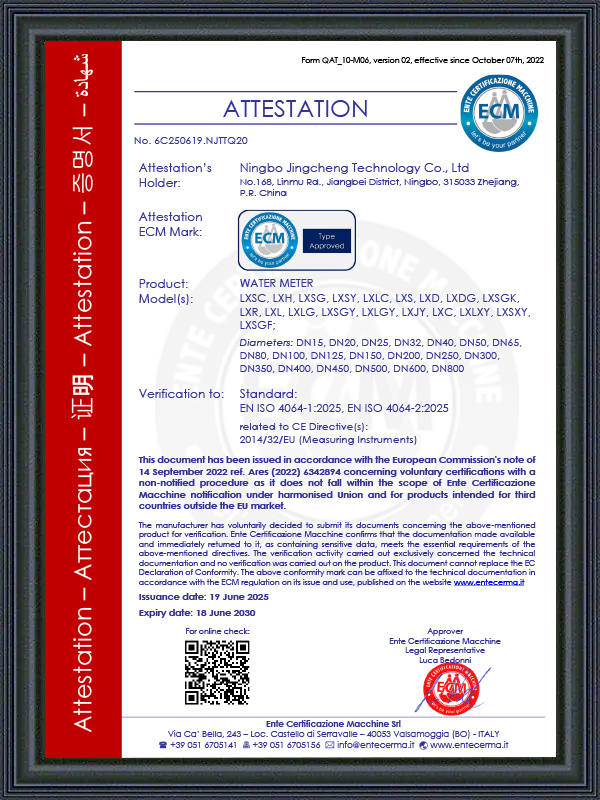
Class 2 limits and test points for cold potable water meters, including the standard’s test for effect of a static magnetic field on the meter.
Beyond the standard, the meter is tested with N52 neodymium magnets of several sizes placed on all six faces at contact, with error measured over several flow points.
The report states the surface field strength of the test magnets and the maximum error observed, so tender evaluators can compare designs objectively.
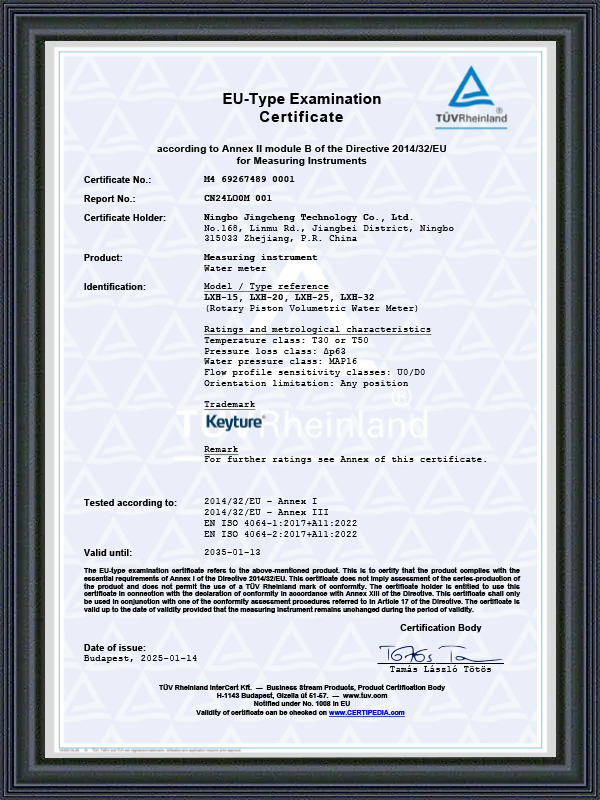
EU MID approval, which includes tests for magnetic disturbance on static and mechanical meters.
Mechanical or Hall-based indicators are tested for repeatability, with a defined activation threshold and a resettable or non-resettable log.
Temperature cycling and humidity tests confirm that shielding materials remain intact and do not corrode or lose permeability over time.

Two protective ideas define this meter: how coupling geometry reduces magnet pull, and how shielding and evidence capture complete the defence.
A conventional coupling uses one disc magnet on the impeller and one on the register follower, each with a north and a south pole. The field spreads wide, so an external magnet placed nearby can couple strongly to the follower and drag it. In an anti-magnetic design, the ring magnet has many small alternating poles around its circumference. Field lines loop from one pole to the next across a short distance and then close, instead of spreading outward.
A small external magnet therefore sees a field that changes polarity every few millimetres. It cannot hold a single pole, and the net force on the follower averages almost to zero. The coupling torque between the internal magnets remains strong because they are very close together and aligned. The result is a coupling that is firm against its partner but largely deaf to everything else.
Around the register, plates or a cup of soft iron or mu-metal provide a low-reluctance path for magnetic flux. When an external magnet is applied, field lines prefer the shield material and travel along it rather than crossing into the coupling. Shield thickness and overlap are tuned so that saturation is avoided even under strong magnets, and joints are designed without air gaps that would leak field.
Shielding raises the bar but does not eliminate every attack, so the meter also records attempts. A mechanical indicator uses a small magnet-sensitive flag that stays in the tripped position until reset, while a Hall sensor stores events with a count and timestamp. Both give the utility evidence that supports inspection and, where permitted, penalty procedures. Combined with lead seals, the dry dial stays easy to read and difficult to cheat.
Measured performance data for the anti-magnetic dry dial water meter. Use these charts to confirm pressure loss, accuracy under magnetic attack and installation dimensions before specifying.
Figure 1 — Head loss curve (MPa vs. flow m³/h)
The chart shows pressure loss across the meter for DN15 to DN50. The shield and magnet changes are all in the register, so the hydraulics are identical to a standard multi jet meter, with loss at or below 0.063 MPa at permanent flow.
Figure 2 — Accuracy error curve (Class 2, R100, with N52 magnet applied)
This curve is measured with an N52 neodymium magnet held against the register face, the worst case in testing. The error stays inside the Class 2 envelope across the range, matching the no-magnet baseline within a few tenths of a percent, so the dial continues to record true consumption under attack.
Figure 3 — Installation dimensions (L × H × B × D)
| Size | L (mm) | H (mm) | B (mm) | D (thread) |
|---|---|---|---|---|
| DN15 | 165 | 100 | 84 | G3/4" |
| DN20 | 190 | 105 | 86 | G1" |
| DN25 | 260 | 118 | 102 | G1¼" |
| DN32 | 260 | 125 | 104 | G1½" |
| DN40 | 300 | 152 | 132 | G2" |
| DN50 | 300 | 162 | 136 | Flange |
Dimensions are for reference and include the shield cup. Confirm exact values with our engineering team before installation design.
There are several ways to protect a mechanical meter from magnets. This table compares them.
| Design Feature | Multi-Pole + Shield + Indicator | Shield Only | Unprotected Dry Dial |
|---|---|---|---|
| Resistance to N52 magnet | Error within Class 2 | Moderate — saturates | Dial can slow or stop |
| Evidence of attempt | Recorded by flag or Hall sensor | None | None |
| Effect on coupling torque | Strong internal torque kept | Strong | Strong |
| Hydraulic performance | Unchanged | Unchanged | Unchanged |
| Weight and size | Slightly larger | Slightly larger | Smallest |
| Unit purchase cost | Higher | Moderate | Lowest |
| AMR head compatibility | Yes | Yes | Yes |
| Best application | High-tamper regions and sub-metering | Moderate risk | Low-risk, low-cost |
This comparison is indicative. Actual performance depends on local tamper methods and the specific product configuration. Contact our engineers for application-specific guidance.
Premium quality
since 2002
Coming From China, Marketing To The World
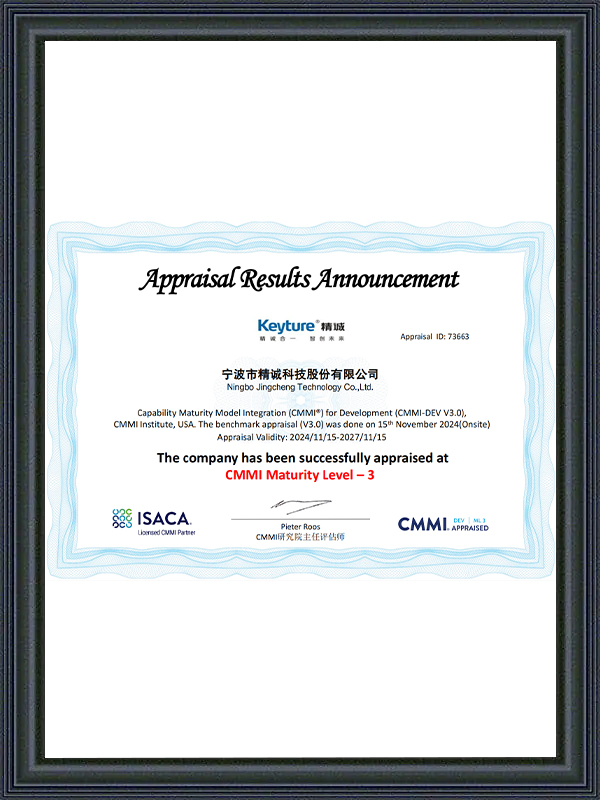
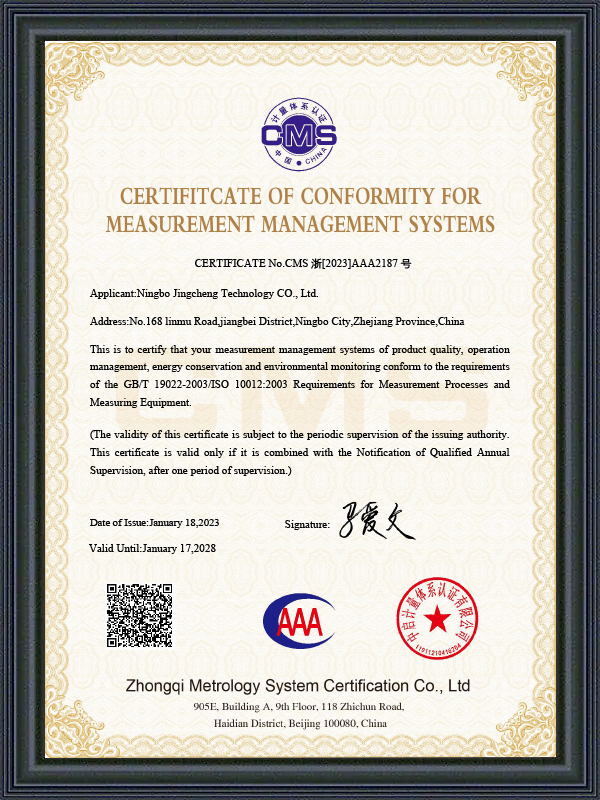
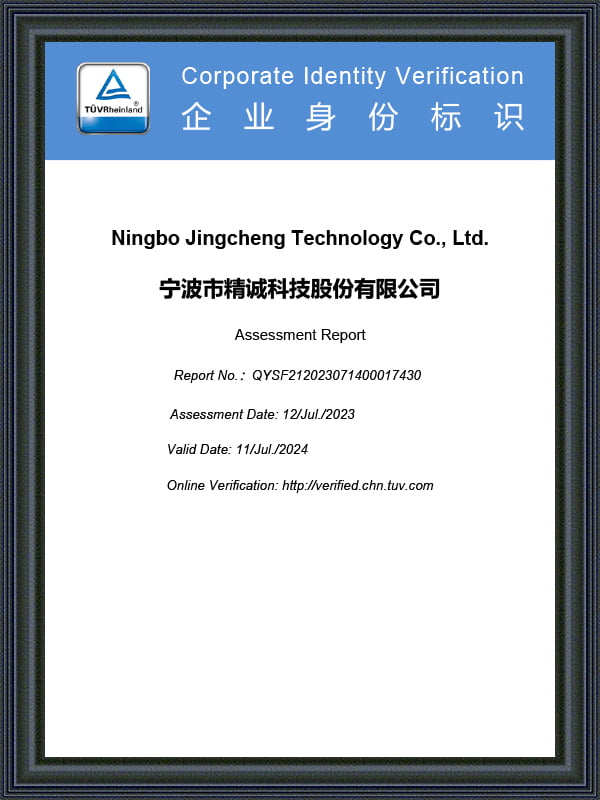
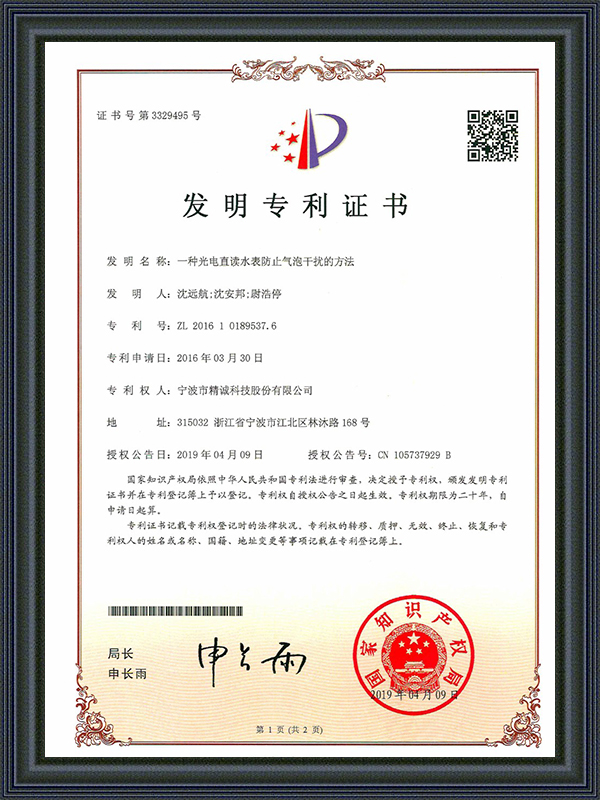
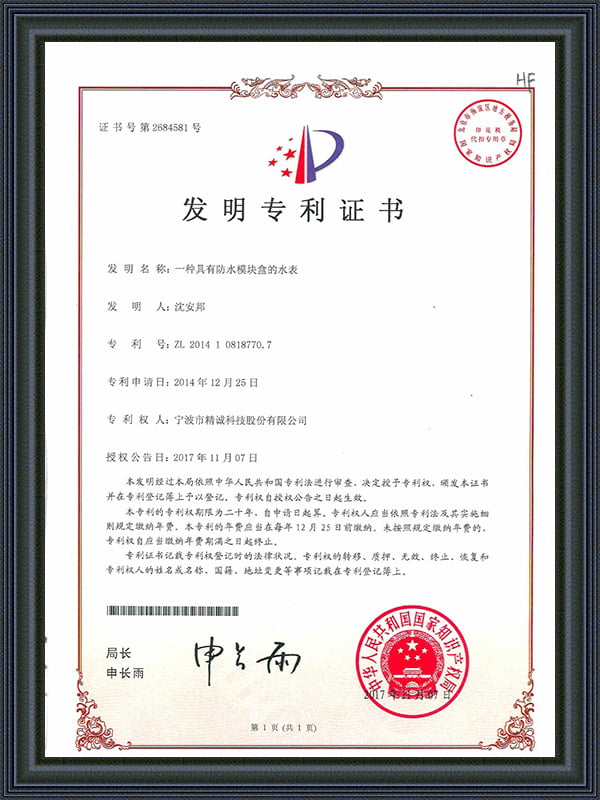
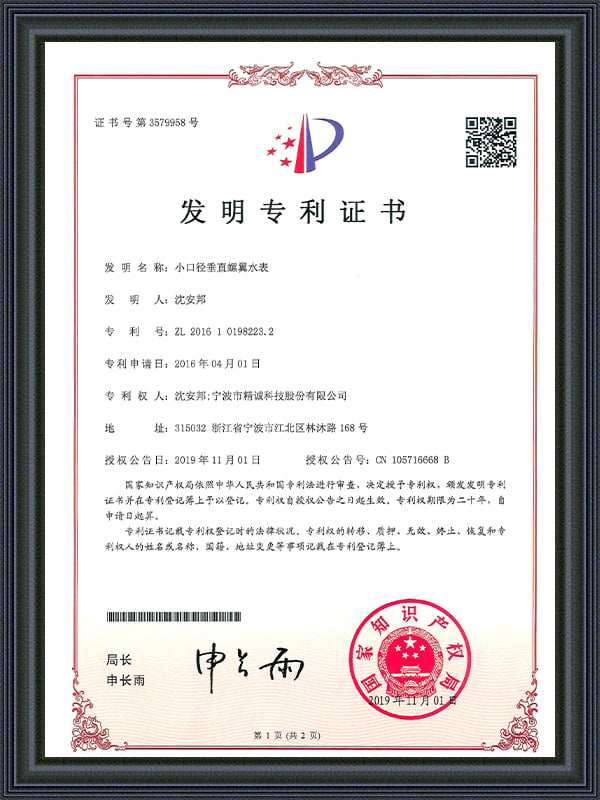
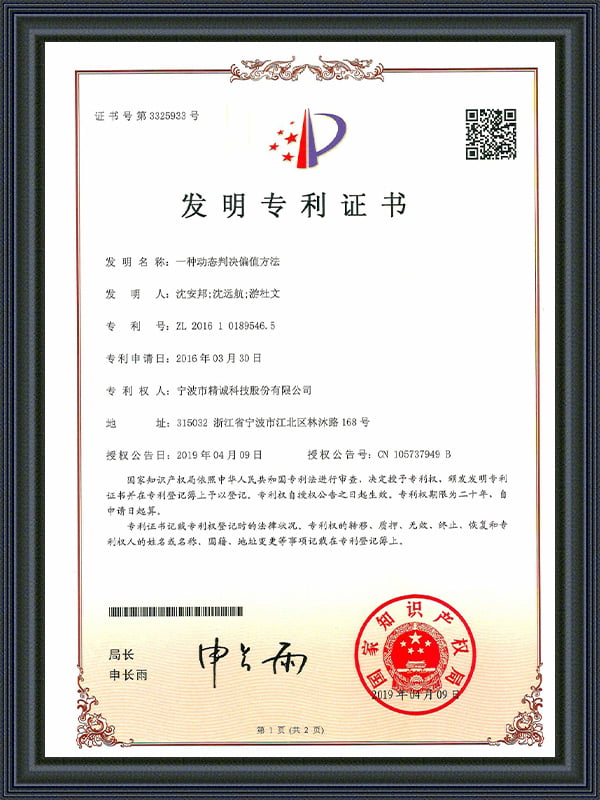
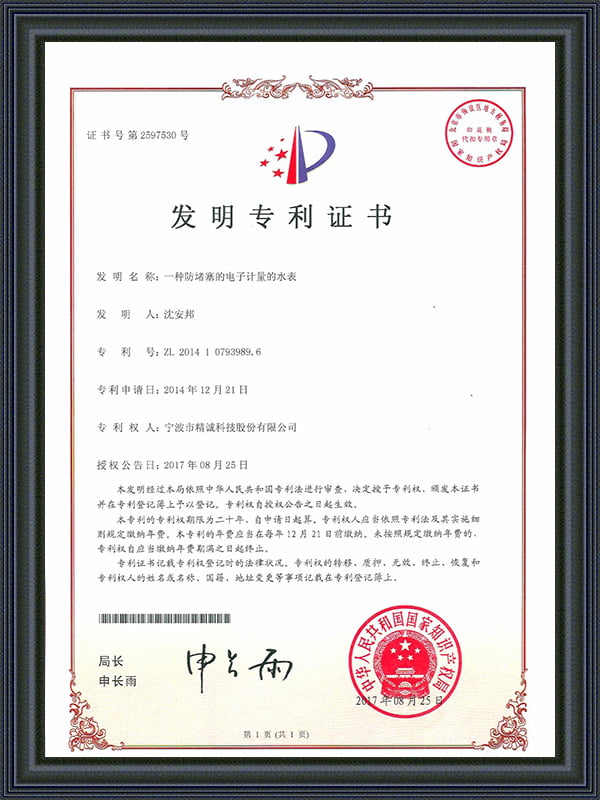
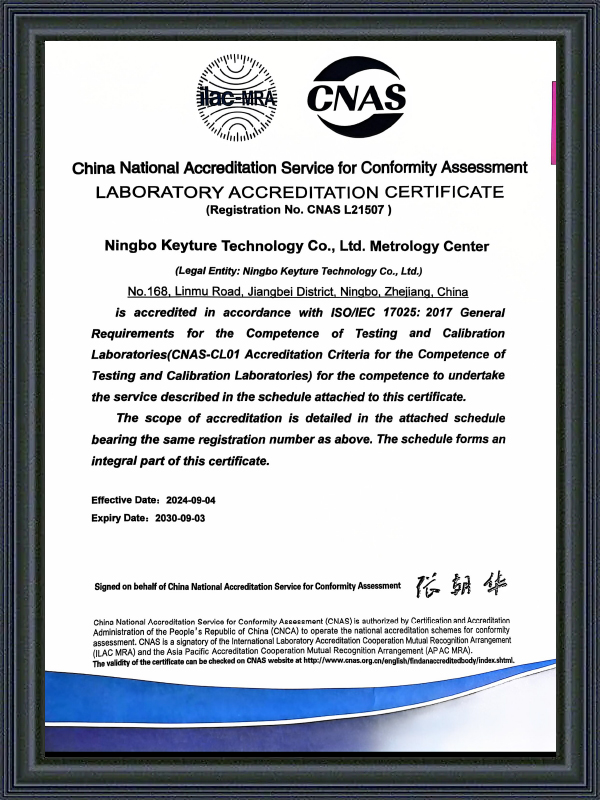
Keyture Meter is located in Picturesque Jiangbei Investment Park, NINGBO, CHINA. It is a comprehensive high-tech China Anti-Magnetic Dry Dial Water Meter Manufacturers and Custom Anti-Magnetic Dry Dial Water Meter Factory that integrates scientific research & development, production, sales, and service. Established in 2002 as a manufacturer and exporter of water meters for more than 22 years. The factory covers an area of 40 acres (30,000 square meters), 200 staff, 100+ types of products, product capacity of 5 million per year. Its product range covers single jet, multi-jet, volumetric piston type, Woltman type, IC card intelligent water meter, remote control water meter, optoelectrical reading direct remote control water meter...
Yearly production capacity
Production Area
Works and inspectors
Production experience
Excellent product with exquisite craftsmanship
Customization
We have a strong R&D team, and we can develop and produce products according to the drawings or samples the customers offered.
Cost
We are a professional manufacturer and also have our own processing machinery. So we can offer good prices and good products directly.
Quality
We have our own testing lab and advanced and complete inspection equipment, which can ensure the quality of the products.
Service
We focus on developing high-quality products for top-end markets. Our products are in line with international standards, and are mainly exported to Europe, America, Africa, Asia and other destinations around the world.
Capacity
Our annual production capacity is over 5 million units. We can meet the needs of different customers with different purchase quantities.
Shipment
We are about 35 kilometers away from Ningbo Port. It is very convenient and efficient to ship goods to any other countries.
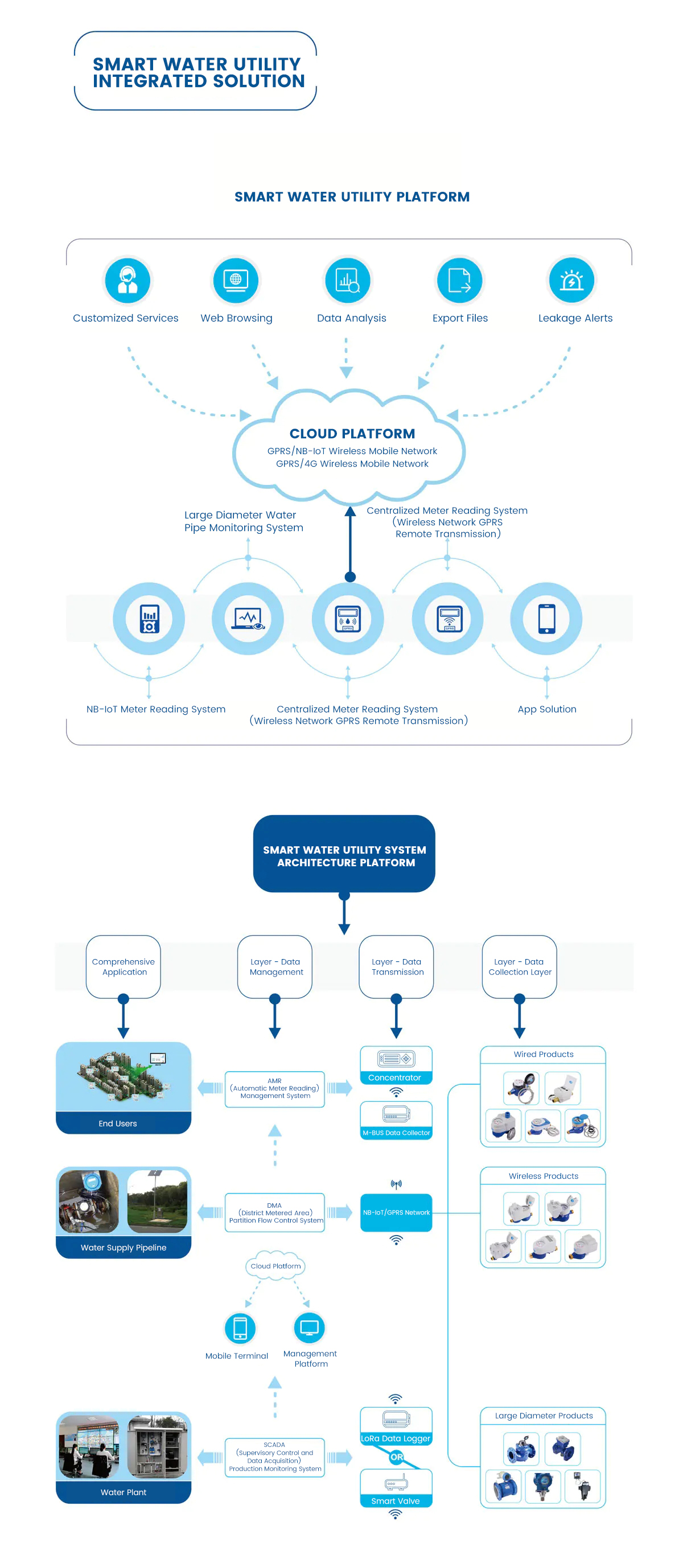
From mechanical meters to smart AMR/AMI systems — we provide end-to-end water metering solutions tailored to your project.
Used where meter integrity is as important as accuracy, and where magnet fraud has been observed.
Install the meter in the orientation marked on the dial, with the register facing upward and the flow arrow in line with the pipe. Place it where the cover and seal are visible to inspectors but not exposed to casual contact, for example behind a lockable meter box lid.
Do not install the meter against steel plates or beside large magnets or transformers, since permanent proximity to strong fields can reduce shielding margin. Use a non-magnetic meter box lid if possible, and avoid storing magnetic tools on top of the meter.
After commissioning, record the status of the tamper indicator and apply the lead seal. Note the serial number and the indicator state in the asset register, and train meter readers to check the indicator on every visit.
The anti-magnetic meter needs the same simple care as any dry dial meter, plus an indicator check at every reading visit. If the mechanical flag is tripped or the Hall log shows an event, the reader photographs the meter, notes the time and flags the account for inspection.
If tampering is confirmed, the meter can be tested on a bench to determine the extent of under-recording, and the registered volume can be corrected for billing purposes where regulations allow. Tripped mechanical indicators are reset by authorised staff with a service tool.
Typical service life is 8 to 10 years in potable water. Shielding materials do not wear, so protection lasts throughout the meter’s life, provided the housing is not physically damaged.
Most dry dial meters transmit rotation through a magnetic coupling. A strong external magnet pulls on the follower magnet inside the register, drags it out of step with the impeller and makes the dial slow down, stop or even reverse. The meter then records less water than flows.
It uses a multi-pole coupling whose field closes within itself, a soft-iron shield that diverts external fields around the coupling and an indicator that records attempts. Together, they greatly increase the field needed to interfere.
Any magnetic protection has a limit. Very large industrial magnets placed very close may still have some effect. That is why we state the tested magnet type and strength, and why the meter also includes tamper evidence.
N52 neodymium magnets of several sizes are placed on all six faces of the meter at contact and at several distances while flow is running. The error must stay within Class 2 limits, and the test report records the magnet sizes and field strengths.
Either a mechanical flag that flips and stays flipped when a strong field is applied, or an electronic Hall sensor that logs events with a count and timestamp. The utility chooses the type depending on cost and need for electronic records.
No. Pulse and encoder heads are designed to sense the follower magnet or a register component inside the shield. Communication and anti-magnetic protection coexist on the same meter.
Yes, modestly. The multi-pole coupling, shielding and indicator add material and testing cost. Utilities usually recover this quickly by reducing apparent losses in tamper-prone areas.
Yes. Only the register changes. The multi jet measuring chamber is identical to a standard meter, so pressure loss, starting flow and accuracy are unchanged.
Only if the register and body design are compatible. In legal metrology, a registered or approved configuration should be used, so a factory-built meter is normally recommended over retrofits.
Photograph the meter and indicator, record the time and meter number and report it for inspection. The utility can then test the meter, check the account history and decide on action in accordance with local rules.
Yes. Magnets are only one method. Physical tampering, bypass pipes, reverse installation and seal breaking also occur. Combine the meter with seals, reverse-flow protection and regular field inspection.
DN15 to DN50 with brass bodies, and cast iron for larger sizes. Flanged versions are available for DN40 and DN50. Please specify the connection standard and required tamper indicator type.
Send us the tampering methods you see, meter sizes and quantity. Our engineers will recommend the right anti-magnetic dry dial configuration and test report, with price and lead time.

Address: No.168,LinMu Rd.,Zone B, Jiangbei investment Park, Ningbo, Zhejiang,China
Tel: +86-0574-83090480/+86-18892665118
Fax: +86-0574-83021045
Email: [email protected]
Web: https://www.keyturemeter.com/
Quick Links
Product
Mobile terminal
 Custom Anti-Magnetic Dry Dial Water Meter Manufacturers