 English
 Español
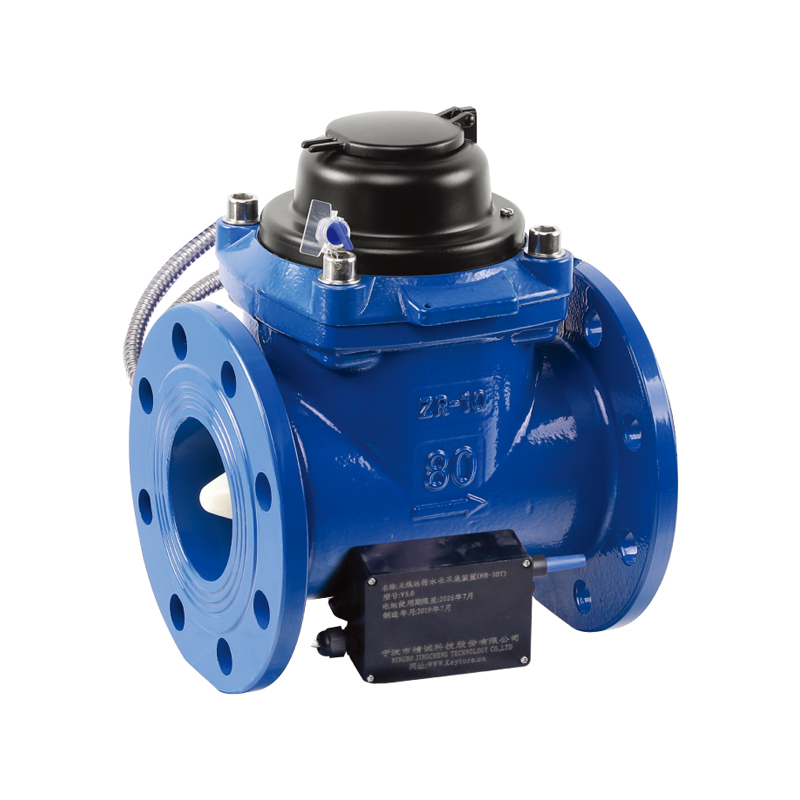
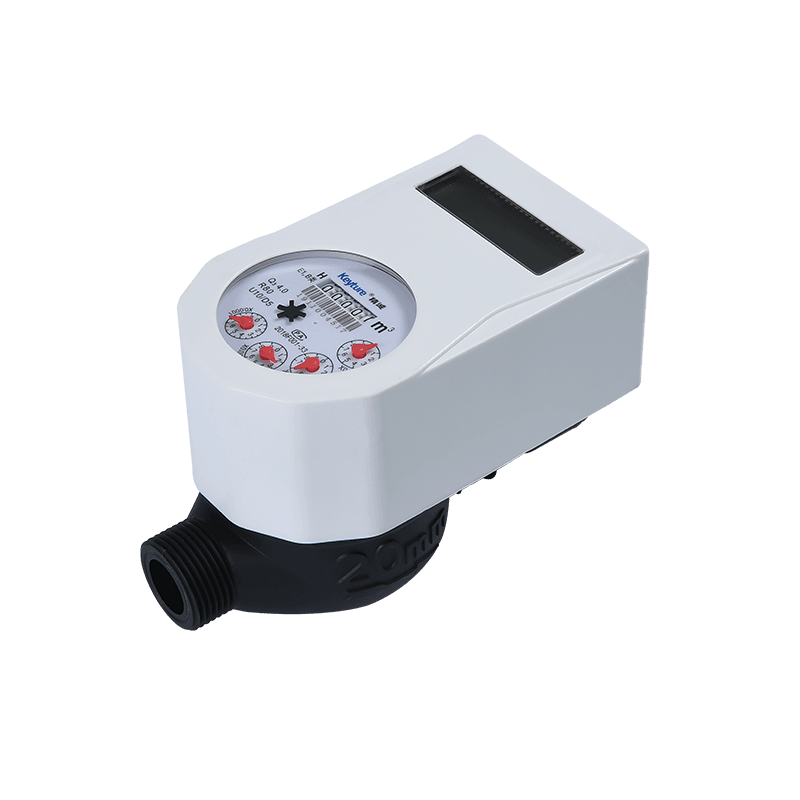
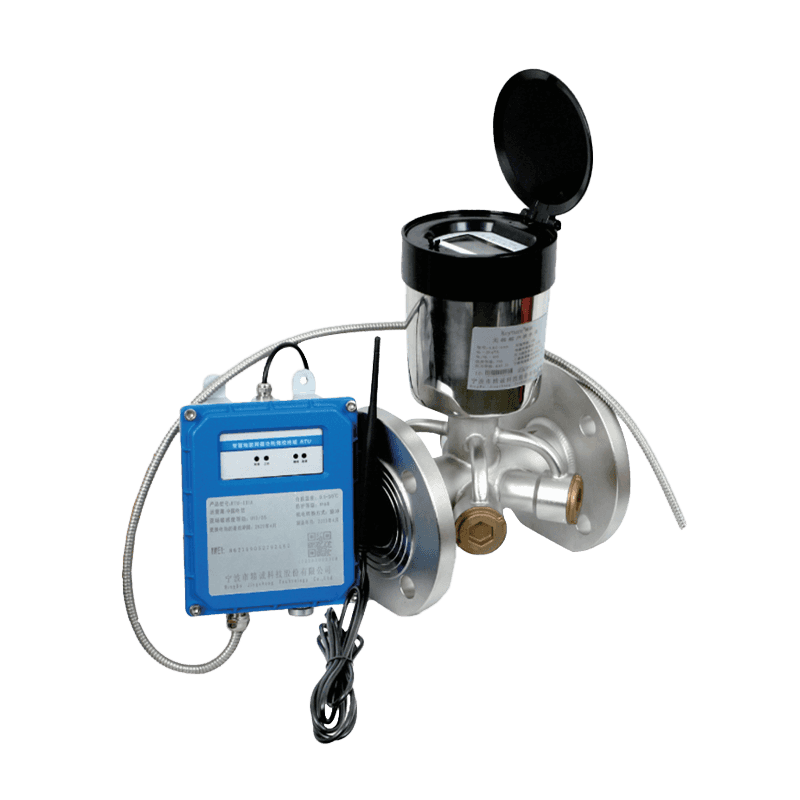
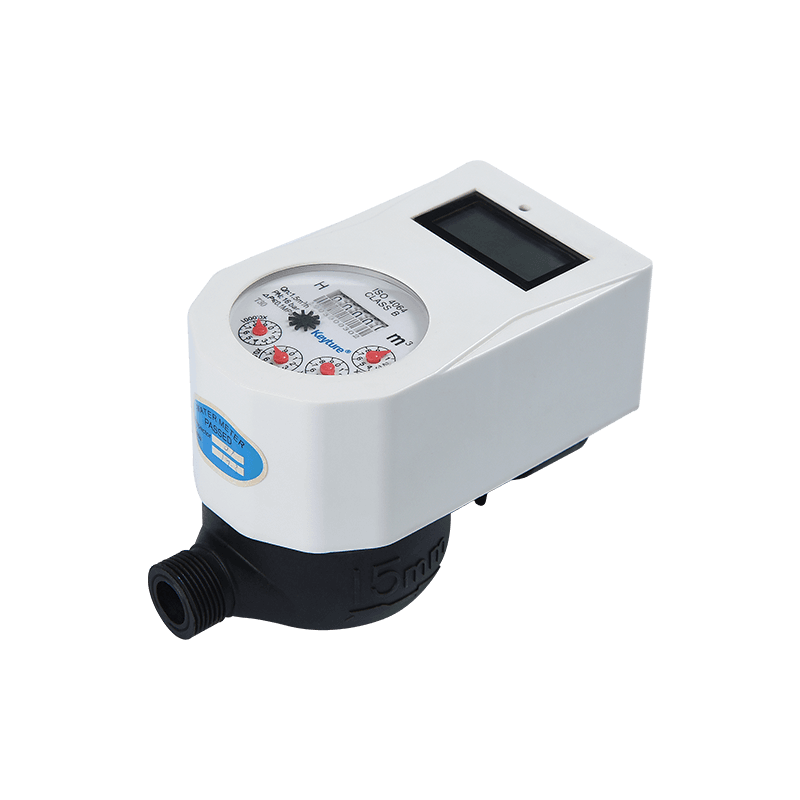
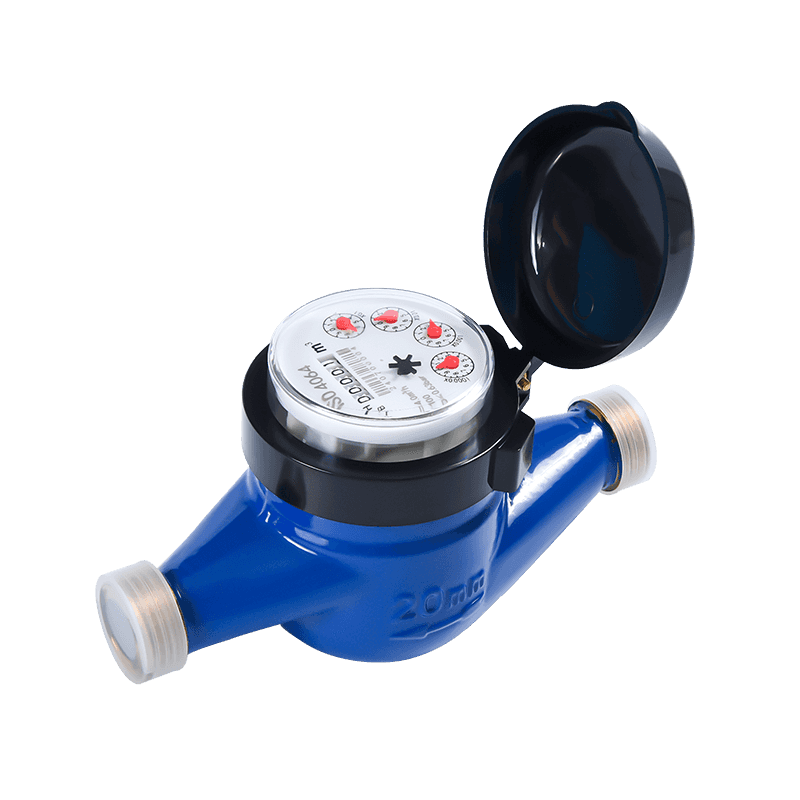
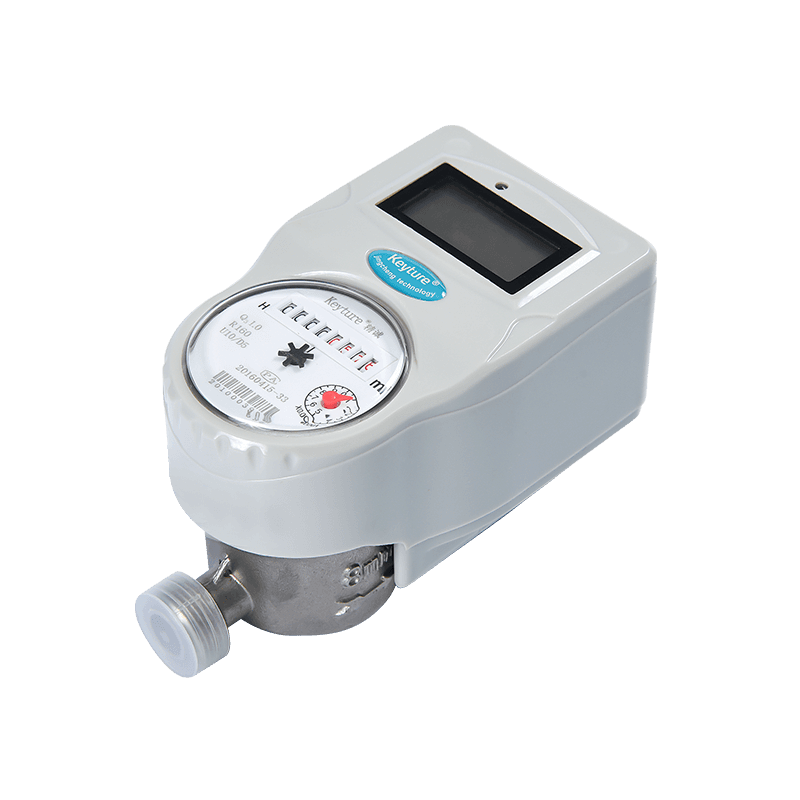
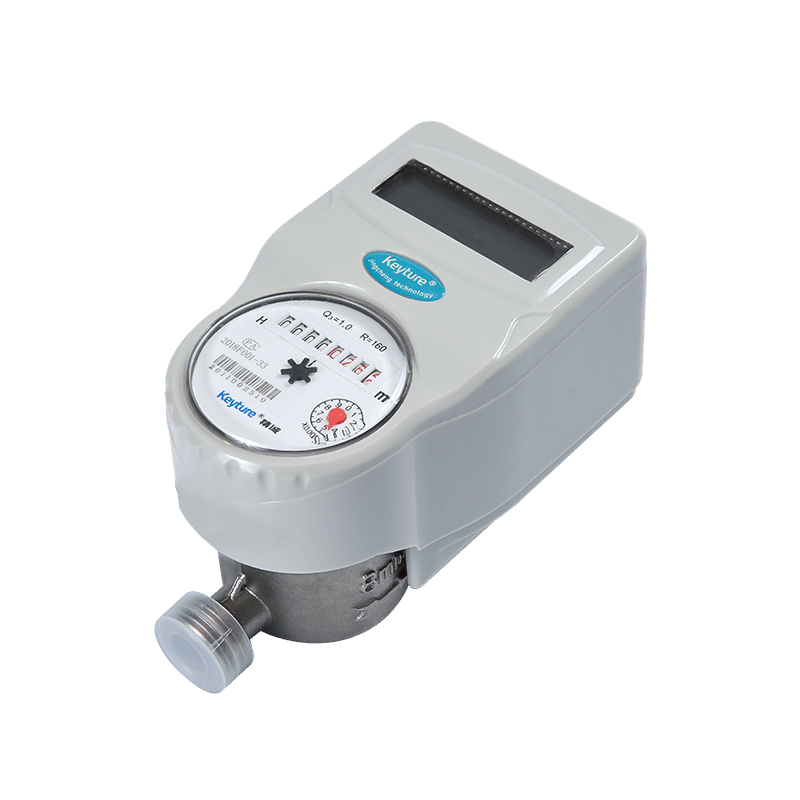
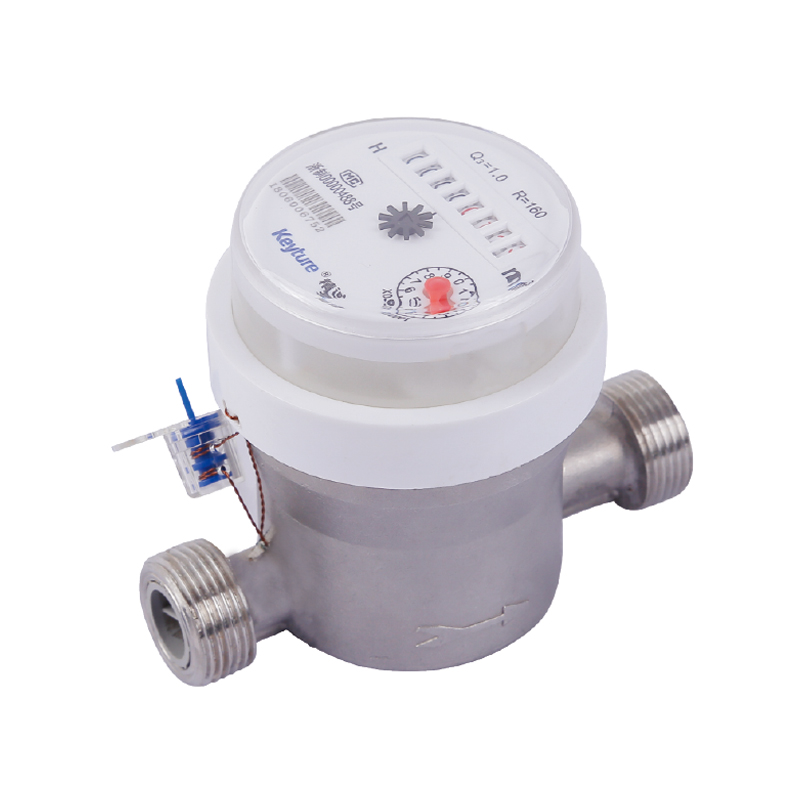
Works with Standard Registers
The image sensor reads normal printed digit wheels. No coded wheels, magnets or special registers are needed, so ordinary mechanical meters can be converted with an optical head.

A miniature image sensor reads the digits on an ordinary mechanical dial and sends them over NB-IoT or LoRaWAN — direct, absolute readings with built-in plausibility checks and a pulse cross-check.
Image sensor · on-device digit recognition · NB-IoT / LoRaWAN
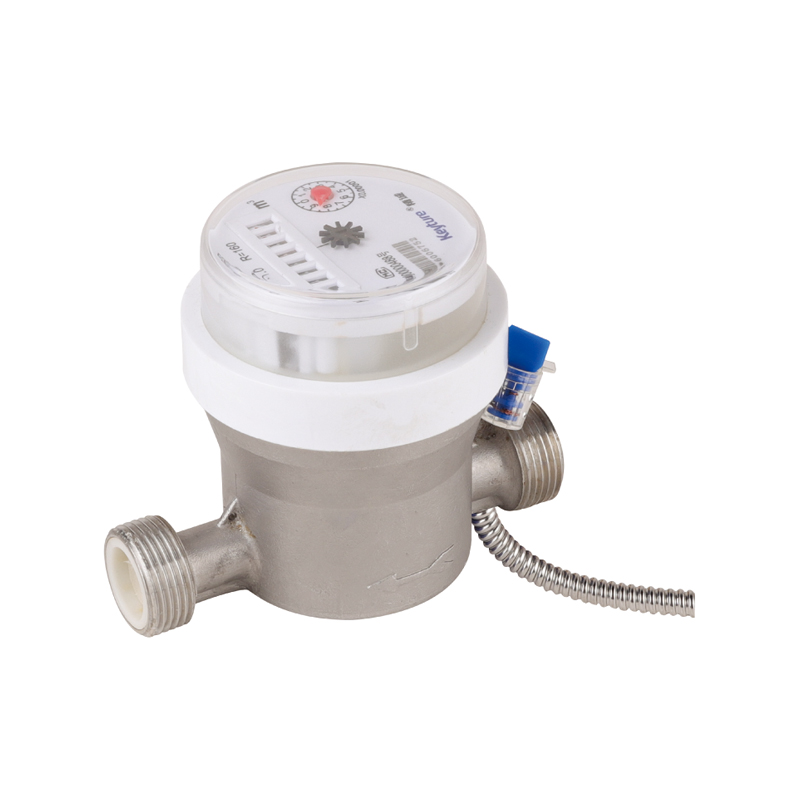
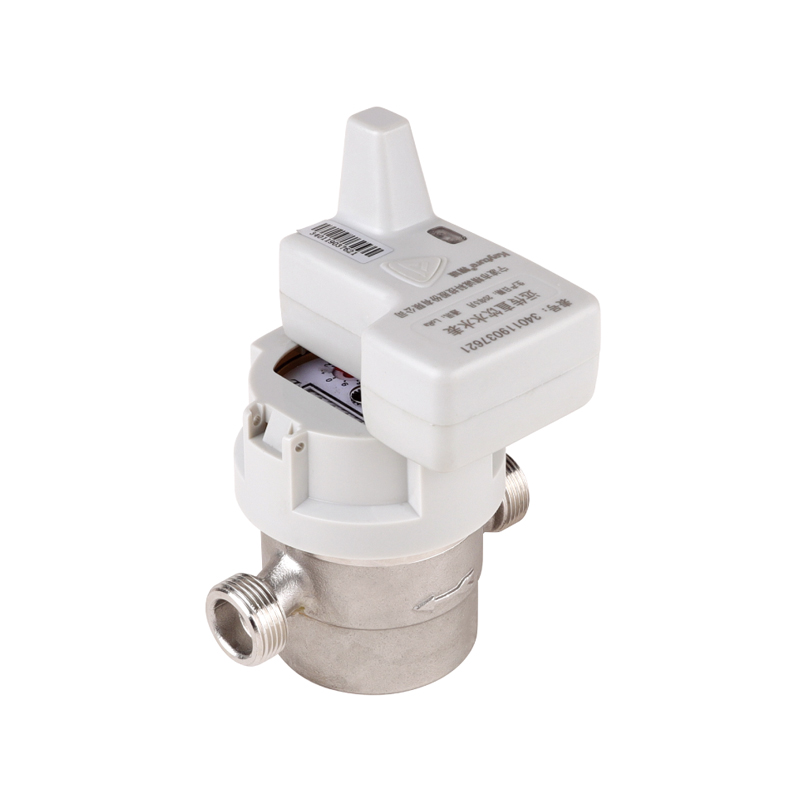
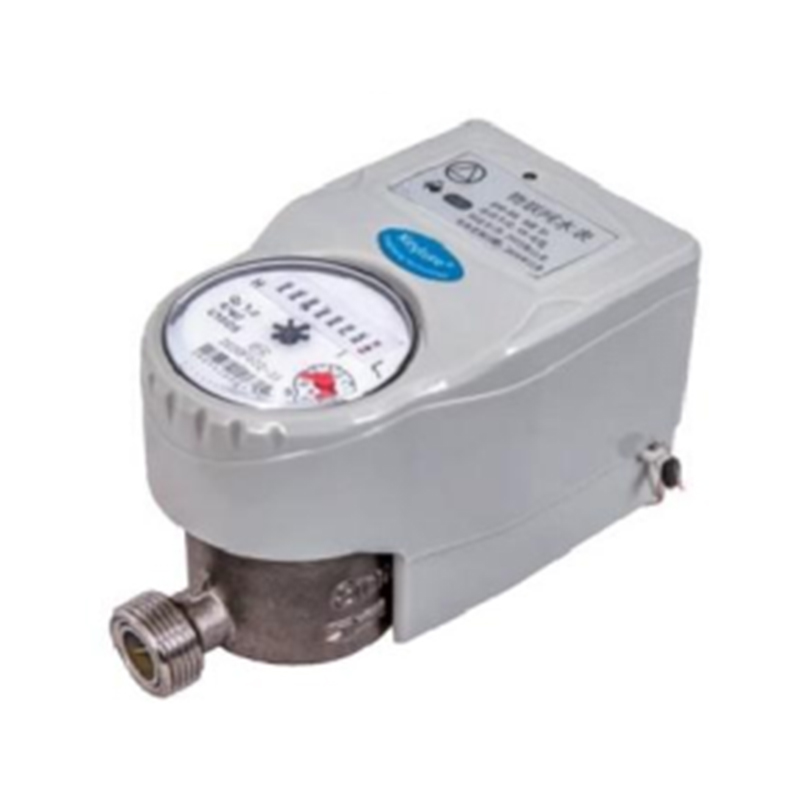
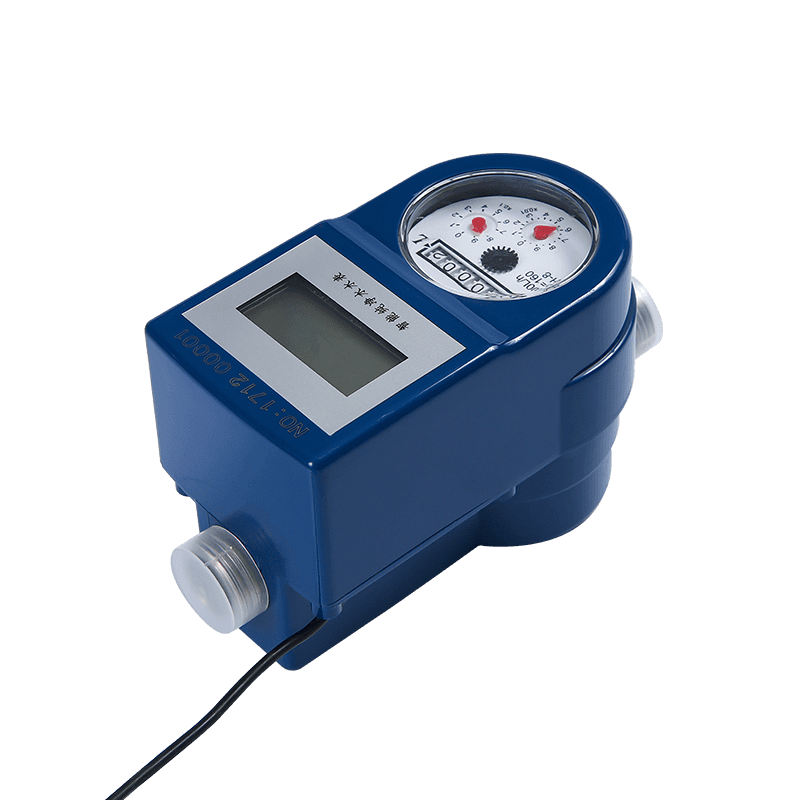
A photoelectric direct reading smart water meter turns an ordinary mechanical meter into a smart one by looking at its dial. A miniature image sensor behind the register window photographs the numbered odometer wheels, and a small processor recognises the digits in the picture — the same way a camera reads a licence plate. The recognised number is the volume the dial is showing, and it is sent through an NB-IoT or LoRaWAN radio to the utility. Because the electronics read what is printed on the wheels, the wheels do not need special codes, magnets or sensors. A standard mechanical register with a standard printed dial can be converted into a smart reader, and the mechanical dial remains the legal reading.
This image-based approach gives the meter two valuable properties. First, it is a true direct reader: the value it reports is the one the customer sees, not a separately accumulated count. If the battery is replaced, the radio fails or the electronics are reset, the next picture simply recovers the correct reading. Second, it is compatible with the huge installed base of ordinary mechanical meters, because the image sensor can be mounted over an existing register face without altering the register or the meter body. Utilities can thus smarten up a fleet gradually, adding the optical head to meters already in the ground, rather than replacing them with entirely new electronic meters.
The ‘smart’ part is how the reading is checked and used. The processor does not trust a single image. It captures several frames under controlled infrared illumination, runs digit recognition and compares the result with a plausibility check — the reading must be greater than or equal to the previous one and must not jump by more than the maximum possible flow since the last picture. Where available, a pulse count from the impeller coupling is used as an independent cross-check, so a recognition error is caught immediately. Readings, daily profiles, leak alarms and tamper events are sent over NB-IoT or LoRaWAN, with battery life of up to ten years. Supplied for DN15 to DN50 with a multi jet chamber, Class 2 accuracy under ISO 4064 / OIML R49 and R100 range ratio, the photoelectric direct reading smart meter brings remote reading to mechanical meters without trusting a counter that can drift.
Key takeaway: The camera reads what the customer reads. Image-based direct reading keeps the mechanical dial as the truth, cross-checks it electronically and sends it over the air — no special wheels, no drift.
Six advantages of reading the dial with a camera instead of counting pulses.
The image sensor reads normal printed digit wheels. No coded wheels, magnets or special registers are needed, so ordinary mechanical meters can be converted with an optical head.
The reported value is the dial value, not an accumulated count. After a battery change, reset or radio fault, the next image restores the correct reading instantly.
Digit recognition is cross-checked against a pulse count from the impeller and against plausibility rules. A recognition error or a stuck wheel is flagged, not reported as consumption.
The measurement does not depend on magnetic sensors, so external magnets cannot create or hide pulses in the electronic reading. The mechanical coupling can still be shielded as needed.
Utilities can add optical smart heads to meters already installed, sharing the same mechanical base. This spreads investment over many years instead of one full replacement.
Daily and hourly profiles, leak alarms, reverse-flow and tamper events are sent over a low-power wide-area network, supporting district analysis and customer alerts.
Standard configuration below. Radio type, reporting schedule and recognition resolution can be adapted to your network and platform requirements.
| Parameter | Specification |
|---|---|
| Standard | ISO 4064 / OIML R49 |
| Meter type | Multi jet, dry dial, image-based direct reading with smart communication |
| Nominal diameter | DN15 – DN50 (1/2" – 2") |
| Accuracy class | Class 2, R100 |
| Sensing method | CMOS image sensor with infrared LED illumination |
| Digits recognised | 6 – 8 odometer wheels, plus pointer wheel for sub-digit resolution |
| Recognition method | On-device digit classification, multi-frame voting |
| Cross-check | Pulse count from impeller coupling; plausibility rules |
| Image capture time | < 200 ms per reading, infrared pulsed illumination |
| Communication | NB-IoT (B1/B3/B5/B8/B20/B28) or LoRaWAN 1.0.3 |
| Reporting interval | 1 h – 24 h, configurable by downlink |
| Power supply | 3.6 V lithium battery, up to 10 years at daily uplink |
| Water temperature | 0.1 °C – 50 °C (cold water) |
| Working pressure | MAP 16 bar |
| Pressure loss | ≤ 0.063 MPa at Q3 |
| Alarms | Leak, burst, reverse flow, tamper, recognition fault, low battery |
| Protection | IP68 sealed head |
Q4 is the overload flow, Q3 the permanent flow, Q2 the transitional flow and Q1 the minimum flow, all expressed in m³/h.
| Nominal Diameter | Q4 Overload | Q3 Permanent | Q2 Transitional | Q1 Minimum | Range Ratio | Digits Recognised |
|---|---|---|---|---|---|---|
| DN15 (1/2") | 3.125 | 2.5 | 0.04 | 0.025 | R100 | 6 wheels + pointer |
| DN20 (3/4") | 5 | 4 | 0.064 | 0.04 | R100 | 6 wheels + pointer |
| DN25 (1") | 7.875 | 6.3 | 0.1008 | 0.063 | R100 | 7 wheels + pointer |
| DN32 (1¼") | 12.5 | 10 | 0.16 | 0.1 | R100 | 7 wheels |
| DN40 (1½") | 20 | 16 | 0.256 | 0.16 | R100 | 8 wheels |
| DN50 (2") | 31.25 | 25 | 0.4 | 0.25 | R100 | 8 wheels |
Values shown for R100. Reporting schedule, radio type and recognition resolution can be configured — tell us your network, reporting frequency and whether you need to convert existing meters and we will confirm the correct configuration.
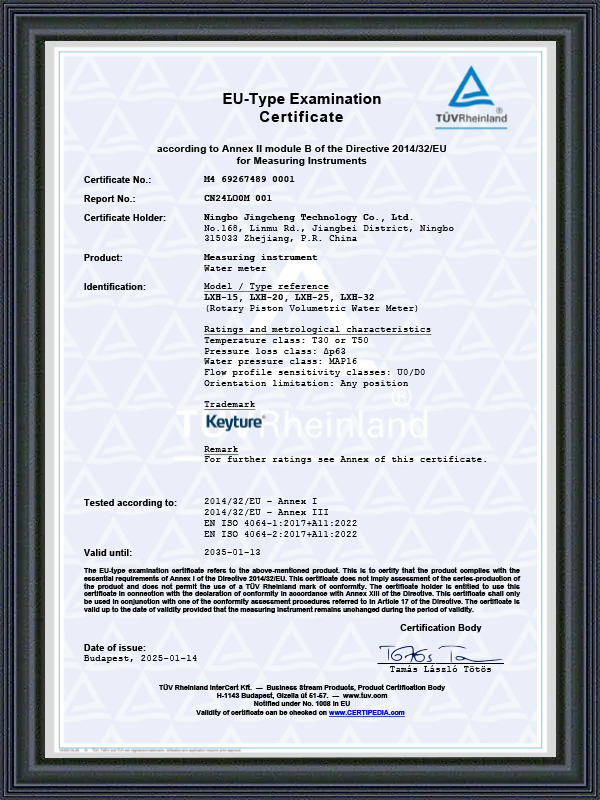
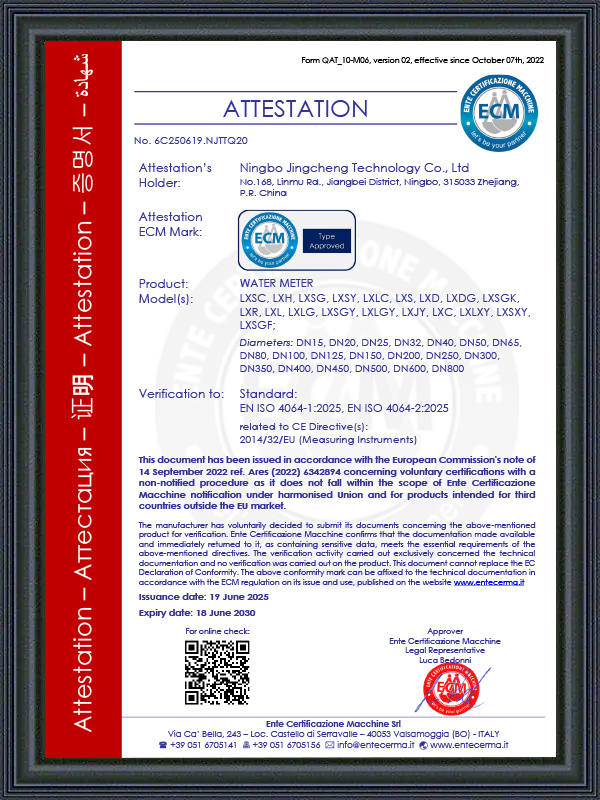
An image-based meter has to prove that the optical reading is as trustworthy as the dial, so certification covers metrology, recognition accuracy and communications.
Class 2 limits and test points for the mechanical measuring chamber and register, with the optical head regarded as an auxiliary indicating device.
Millions of images across all digit positions, carry transitions, lighting and temperature conditions confirm that recognition errors are detected or corrected.
3GPP NB-IoT or LoRaWAN conformance, with CE RED, FCC / PTCRB or regional type approval depending on the market.
Infrared LED illumination is classified exempt under IEC 62471 and used in short pulses, with no hazard to users or installers.
ESD, EFT, surge and radiated immunity tests confirm stable image capture and recognition in electrically noisy environments.
IP68 immersion test with the sealed optical head connected. Lens clarity and sealing are checked after temperature cycling.


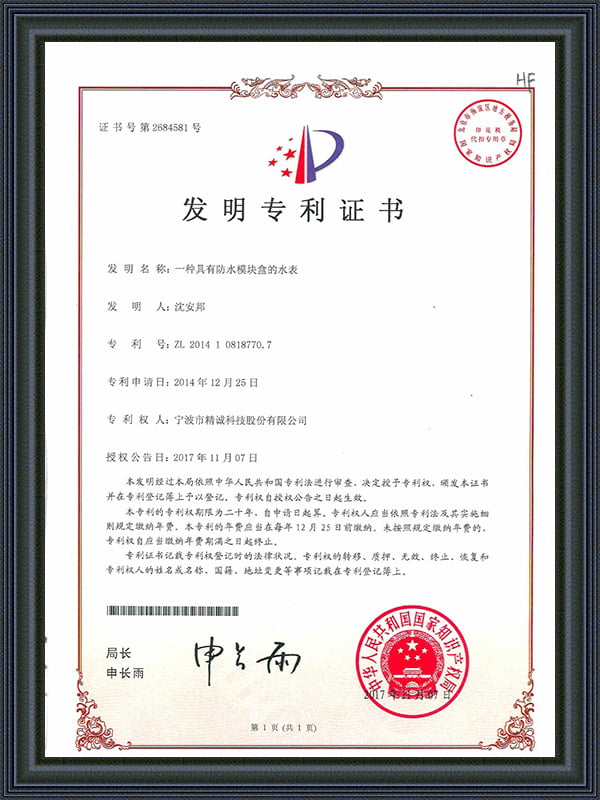
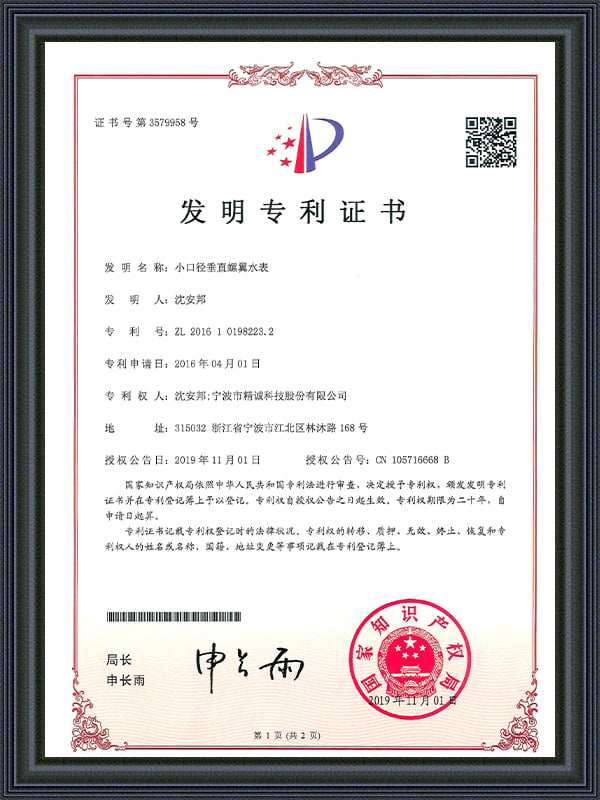
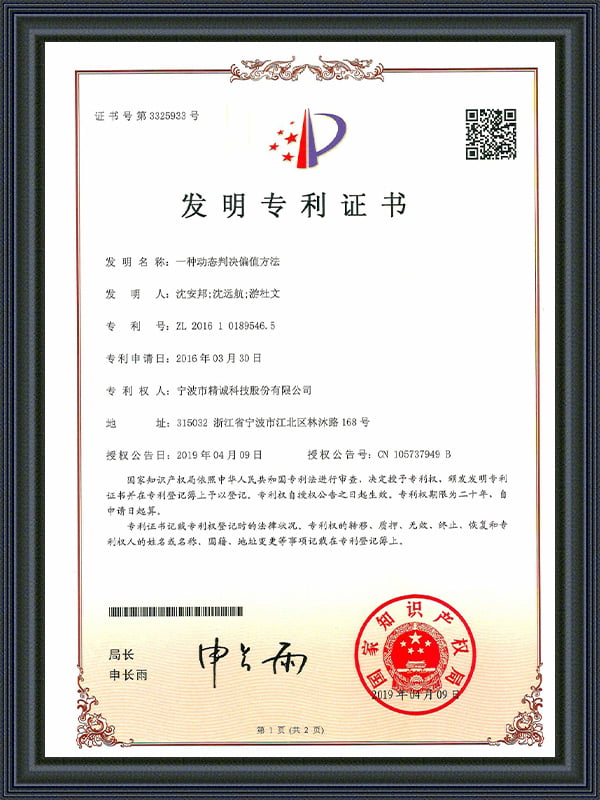
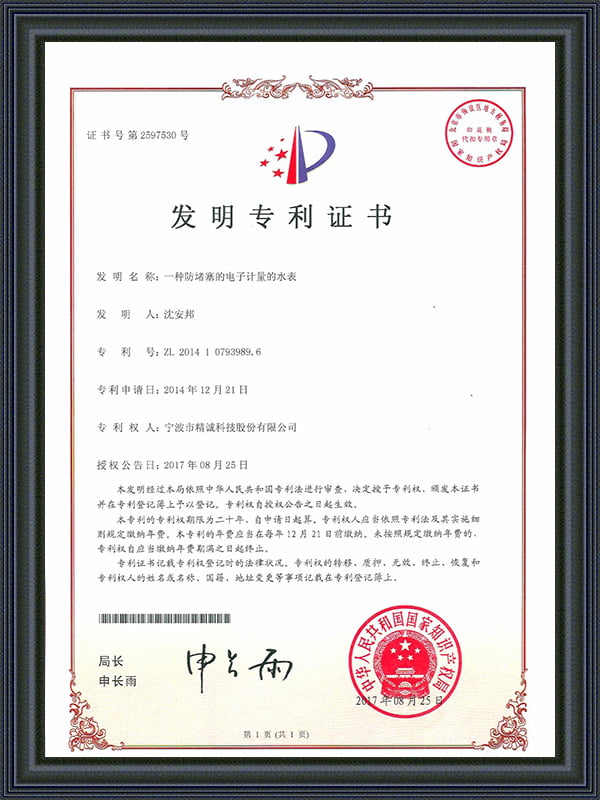


Two technologies define this meter: how images become numbers, and how those numbers are verified before they are sent.
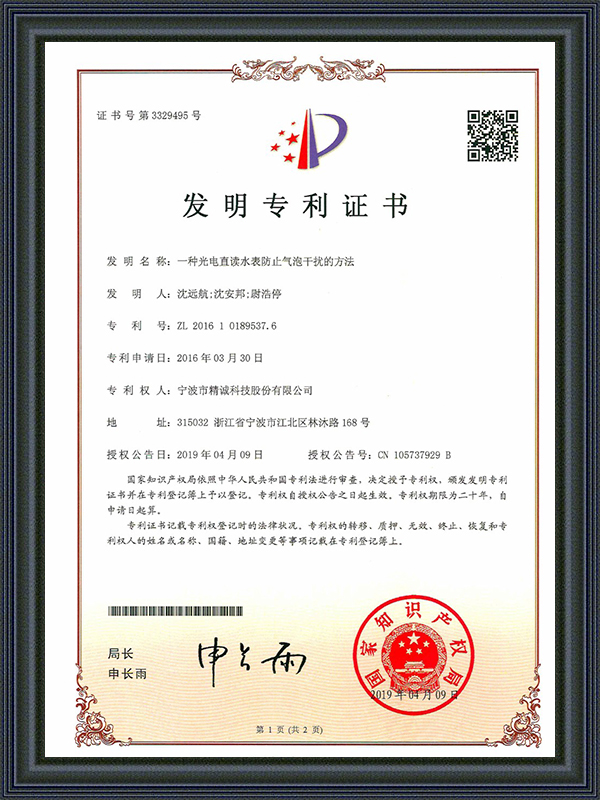
A small CMOS image sensor and a lens a few millimetres across look at the odometer window. Pulsed infrared LEDs illuminate the wheels, which makes the image independent of room light and avoids visible flashing. The sensor takes several frames in a fraction of a second, and the processor isolates each digit position using a calibrated mask, since the digit windows are always in the same place on a given register.
Each digit is classified by a compact recognition model that runs on the microcontroller. Digits that are half-way between values, which happen when a wheel is moving, are handled by combining the images with the position of the neighbouring wheels. Multi-frame voting suppresses noise from reflections or condensation, and an uncertain digit triggers another capture rather than a guess.
Reading a picture could go wrong if a lens fogs or a wheel is between numbers, so the meter checks its own result. A plausibility rule requires the new reading to be at least as large as the last one and no larger than the volume that could have flowed at maximum flow since then. A readout that fails is retaken, and if it still fails, a recognition-fault flag is sent instead of a wrong value.
A second, independent source of truth is the pulse count from the impeller coupling. The meter compares the volume change given by the recognised digits with the volume change given by the pulse count. If they agree within tolerance, the reading is accepted; if not, the meter raises a fault and sends both values. This dual verification catches fogging, stuck wheels and tamper attempts that affect only one channel.
Measured performance data for the photoelectric direct reading smart water meter. Use these charts to confirm pressure loss, accuracy and installation dimensions before specifying.
Figure 1 — Head loss curve (MPa vs. flow m³/h)
The chart shows pressure loss across the meter for DN15 to DN50. The optical head is on the register, outside the flow path, so loss is that of the multi jet chamber and remains at or below 0.063 MPa at permanent flow.
Figure 2 — Accuracy error curve (Class 2, R100, Q1–Q4)
The error curve is that of the mechanical chamber and register, since the image reading adds no counting error: it reports what the dial shows. The resolution of the reading is one unit of the last digit, or finer where the pointer wheel is decoded, and the curve stays within ±5% and ±2% limits.
Figure 3 — Installation dimensions (L × H × B × D)
| Size | L (mm) | H (mm) | B (mm) | D (thread) |
|---|---|---|---|---|
| DN15 | 165 | 115 | 92 | G3/4" |
| DN20 | 190 | 120 | 94 | G1" |
| DN25 | 260 | 132 | 108 | G1¼" |
| DN32 | 260 | 140 | 110 | G1½" |
| DN40 | 300 | 166 | 138 | G2" |
| DN50 | 300 | 176 | 142 | Flange |
Dimensions are for reference and include the optical head and antenna. Confirm exact values with our engineering team before installation design.
Several methods can turn a mechanical meter into a remote-reading meter. This table compares image-based direct reading with the main alternatives.
| Design Feature | Image-Based Direct Reading | Coded-Wheel Optical | Pulse Counting |
|---|---|---|---|
| Works with standard printed wheels | Yes | Needs special coded wheels | Yes |
| Absolute reading | Yes | Yes | No — accumulated count |
| Drift after reset | None | None | Possible |
| Independent cross-check | Pulse plus plausibility | Plausibility | None |
| Retrofit to installed meters | Possible | Factory only | Possible |
| Sensor complexity | Higher — image and processing | Moderate | Lowest |
| Power consumption | Low — brief IR pulse | Low | Lowest |
| Best application | Fleet conversion and verification | New smart meters | Basic AMR |
This comparison is indicative. Actual performance depends on register type, lighting, condensation and the specific product configuration. Contact our engineers for application-specific guidance.
Premium quality
since 2002
Coming From China, Marketing To The World
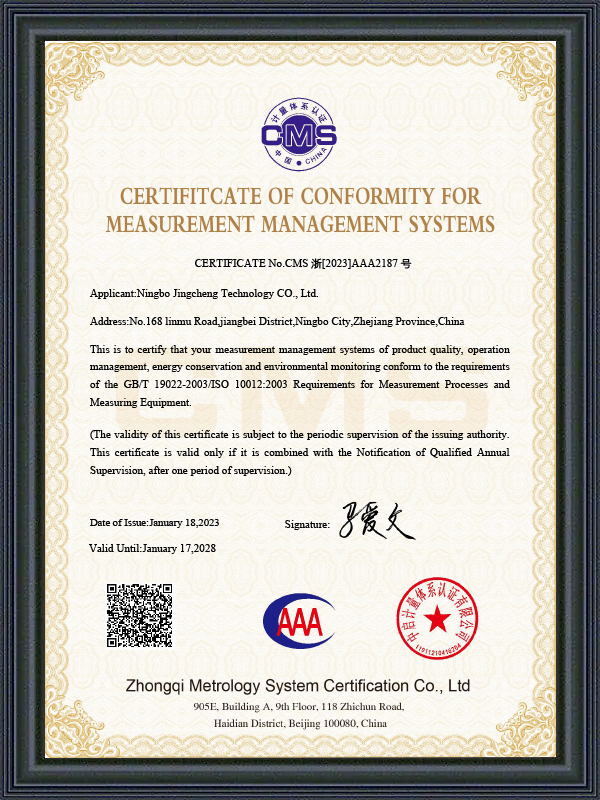
Keyture Meter is located in Picturesque Jiangbei Investment Park, NINGBO, CHINA. It is a comprehensive high-tech China Photoelectric Direct Reading Smart Water Meter Manufacturers and Custom Photoelectric Direct Reading Smart Water Meter Factory that integrates scientific research & development, production, sales, and service. Established in 2002 as a manufacturer and exporter of water meters for more than 22 years. The factory covers an area of 40 acres (30,000 square meters), 200 staff, 100+ types of products, product capacity of 5 million per year. Its product range covers single jet, multi-jet, volumetric piston type, Woltman type, IC card intelligent water meter, remote control water meter, optoelectrical reading direct remote control water meter...
Yearly production capacity
Production Area
Works and inspectors
Production experience
Excellent product with exquisite craftsmanship
Customization
We have a strong R&D team, and we can develop and produce products according to the drawings or samples the customers offered.
Cost
We are a professional manufacturer and also have our own processing machinery. So we can offer good prices and good products directly.
Quality
We have our own testing lab and advanced and complete inspection equipment, which can ensure the quality of the products.
Service
We focus on developing high-quality products for top-end markets. Our products are in line with international standards, and are mainly exported to Europe, America, Africa, Asia and other destinations around the world.
Capacity
Our annual production capacity is over 5 million units. We can meet the needs of different customers with different purchase quantities.
Shipment
We are about 35 kilometers away from Ningbo Port. It is very convenient and efficient to ship goods to any other countries.
From mechanical meters to smart AMR/AMI systems — we provide end-to-end water metering solutions tailored to your project.
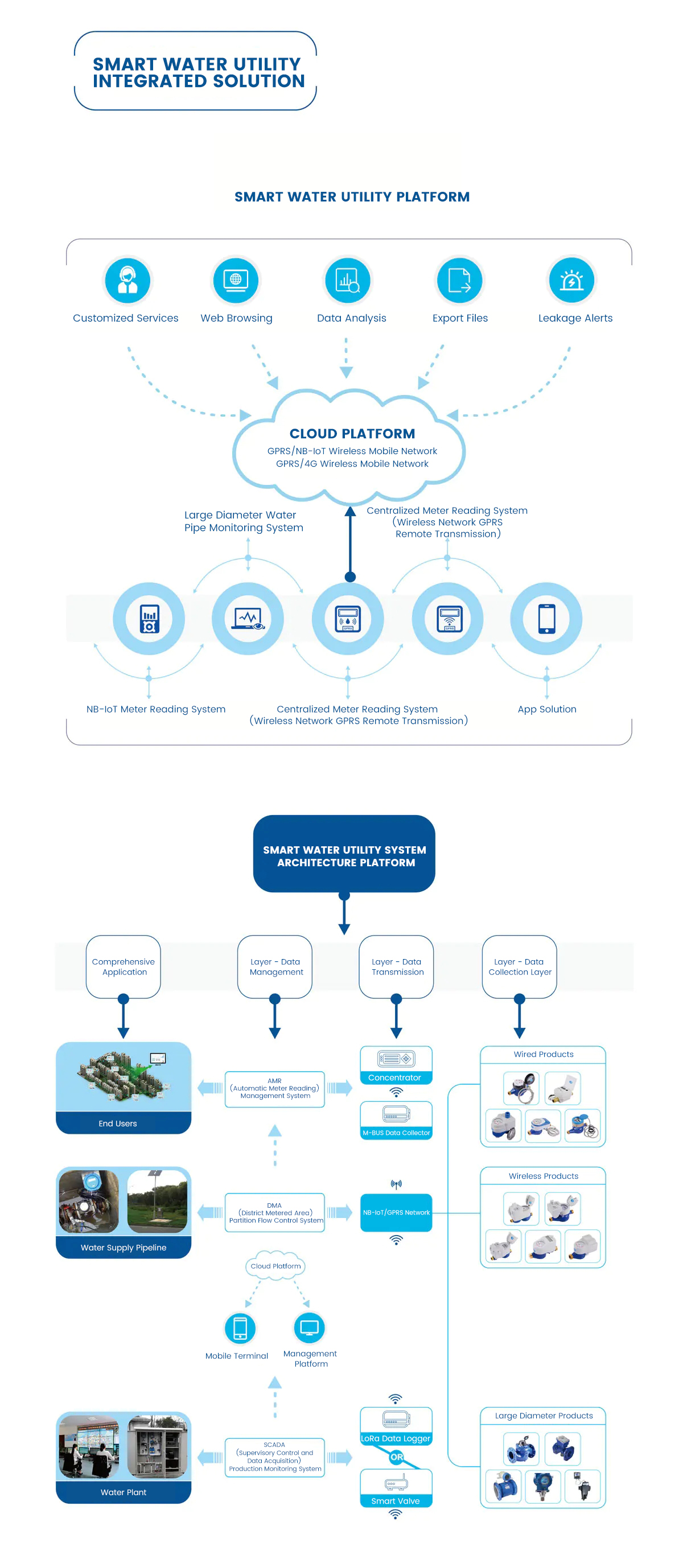
Best where a utility wants a trustworthy remote reading from mechanical meters, whether new or already installed.
Install the meter in the orientation marked on the dial, with the register facing upward and the antenna with a clear path to the sky or an external antenna in pits. Keep the register window clean and unobstructed. A clean, dry lens is important for image quality, so avoid installation positions where condensation is likely.
After fitting, trigger a test reading and compare the remote value with the visible dial. They must match exactly. Check the radio signal strength on the platform, and for NB-IoT confirm that the SIM is active and the first report is received.
If converting an installed meter, follow the retrofit instructions so that the optical head is aligned with the register window using the supplied mask. Record the serial numbers of meter and head, and apply a tamper seal on the head to prevent unauthorised removal.
The optical head is sealed and needs no routine service, but the register window should be kept clear. If condensation or scratches affect image quality, the meter flags a recognition fault. Utilities can then send a technician to clean or replace the window, rather than relying on routine visits.
The head and the meter are replaceable independently. If the optical head fails, a new one is fitted and reads the dial immediately with no re-initialisation. The measuring chamber follows the normal life of a multi jet meter, eight to ten years.
Battery life is up to ten years at daily reporting. More frequent reports, poor radio coverage or extreme cold shortens life, and the battery estimate is available on the platform. At end of life the head or whole meter is replaced.
A tiny image sensor looks at the numbered wheels while infrared LEDs illuminate them. A processor recognises each digit from the image, just like text recognition in a scanner, and builds the reading from the digits.
No. The image sensor reads ordinary printed odometer wheels. It uses a calibrated mask for each register type, and supported register types are listed for each meter model.
The meter detects poor image quality, retakes the image and, if recognition remains uncertain, sends a recognition-fault flag with the last good reading. The utility can then arrange cleaning or replacement.
Plausibility rules check that the reading never decreases and does not jump beyond maximum flow. An independent pulse count from the impeller coupling cross-checks the volume. Both channels must agree, or a fault is raised.
It is absolute. The meter reports the number on the dial. If the meter is reset or the battery is changed, the next image gives the correct reading again.
No. The LEDs are infrared, invisible to the eye and operate in very short pulses. They are classified as exempt under IEC 62471.
NB-IoT and LoRaWAN are standard options. Other protocols can be supported on request. The reporting schedule and alarms can be configured by downlink.
Up to ten years with daily reporting. Image capture is brief and the processor sleeps between readings, so most energy goes to the radio. More frequent reporting, weak signal or low temperature shortens life.
In many cases, yes. A retrofit optical head fits over compatible registers and is sealed to the register. Legal and approval requirements should be checked locally, and a factory-built meter may be preferred for new billing points.
The optical reading is not magnetic, so external magnets do not create or hide counts in the electronic reading. The mechanical coupling can still be shielded, and the pulse cross-check detects any mismatch.
Coded-wheel readers need special wheels with printed codes and are normally factory-fitted. Image-based reading works with standard printed wheels and can be retrofitted. Coded wheels are simpler electronics; image-based reading is more flexible.
The last digit of the odometer, typically 1 litre. If the pointer wheel is decoded, resolution can be 0.1 litre or finer, which helps leak detection.
Send us the register types, communication network and whether you want new meters or retrofit heads. Our engineers will recommend the right photoelectric direct reading configuration, with price and lead time.

Address: No.168,LinMu Rd.,Zone B, Jiangbei investment Park, Ningbo, Zhejiang,China
Tel: +86-0574-83090480/+86-18892665118
Fax: +86-0574-83021045
Email: [email protected]
Web: https://www.keyturemeter.com/
Quick Links
Product
Mobile terminal
 Custom Photoelectric Direct Reading Smart Water Meter Manufacturers