 English
 Español
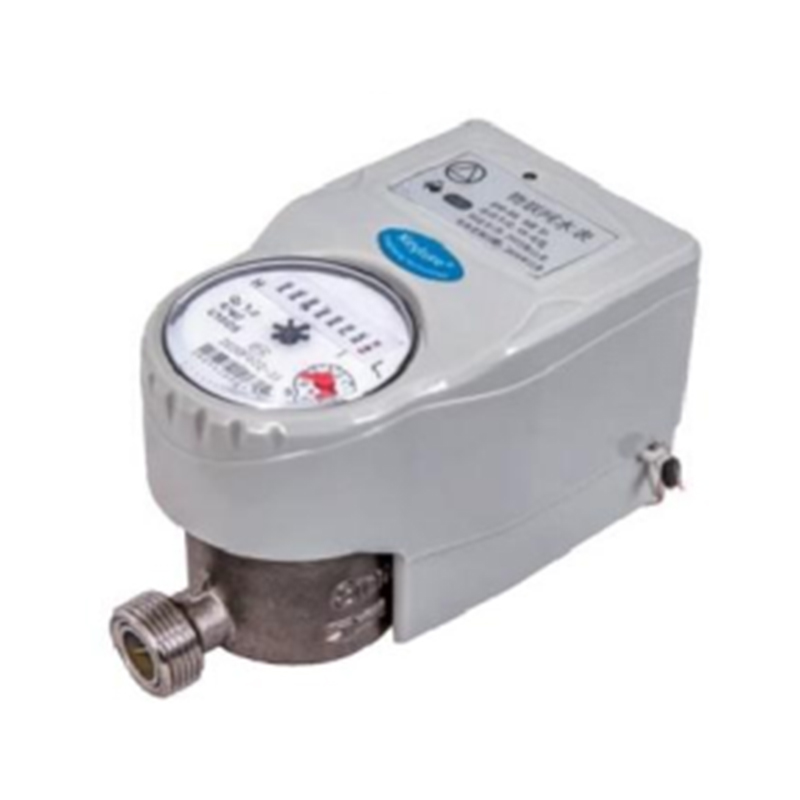
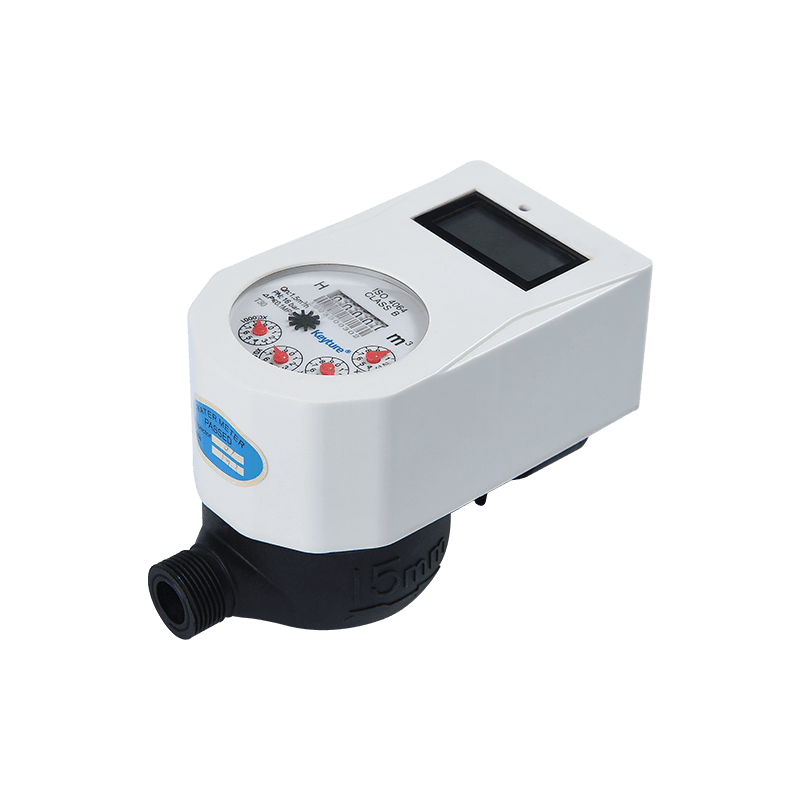
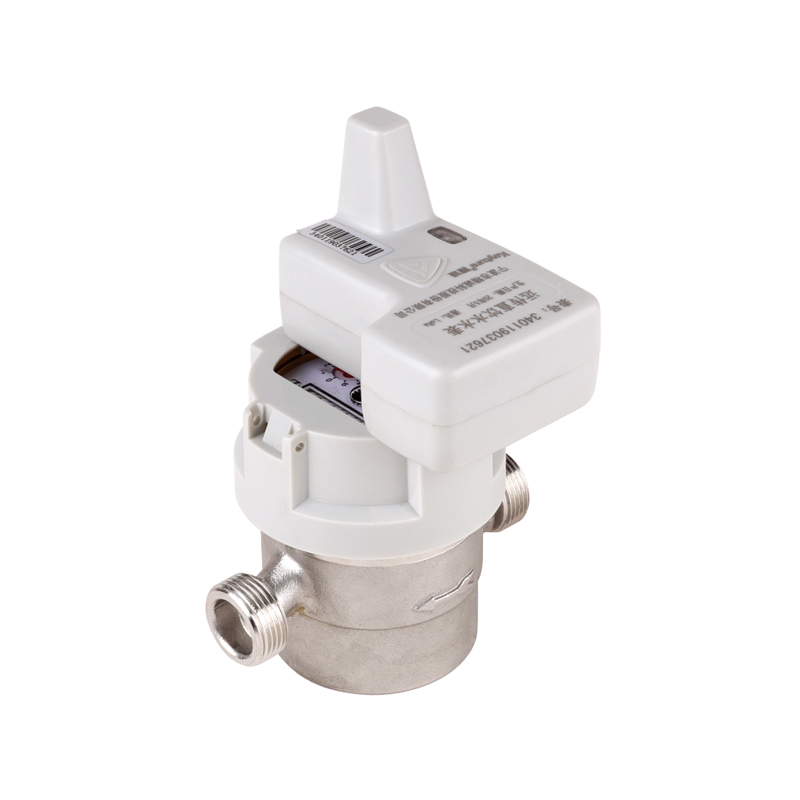
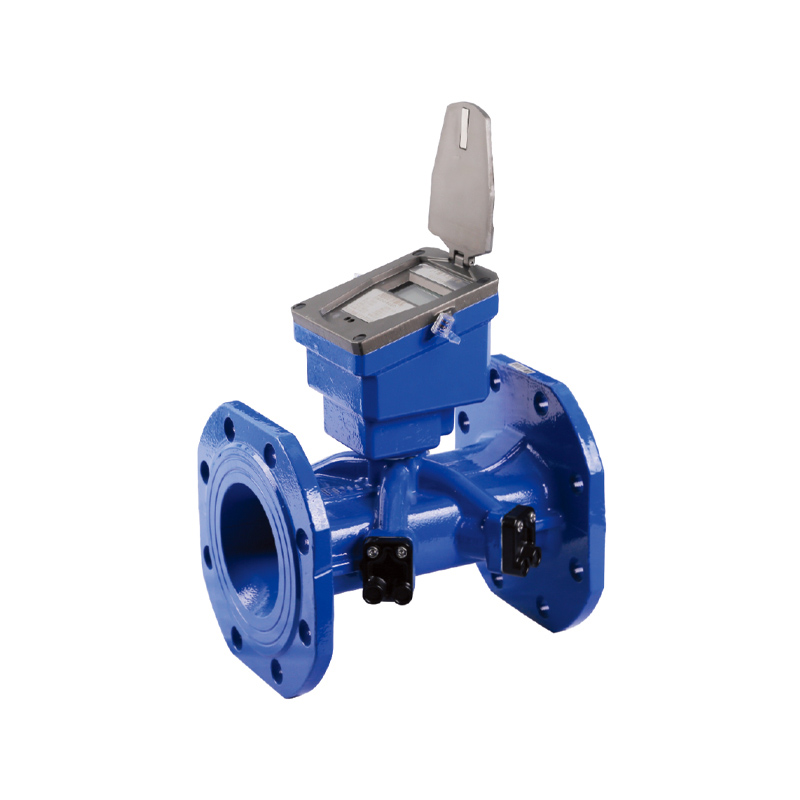
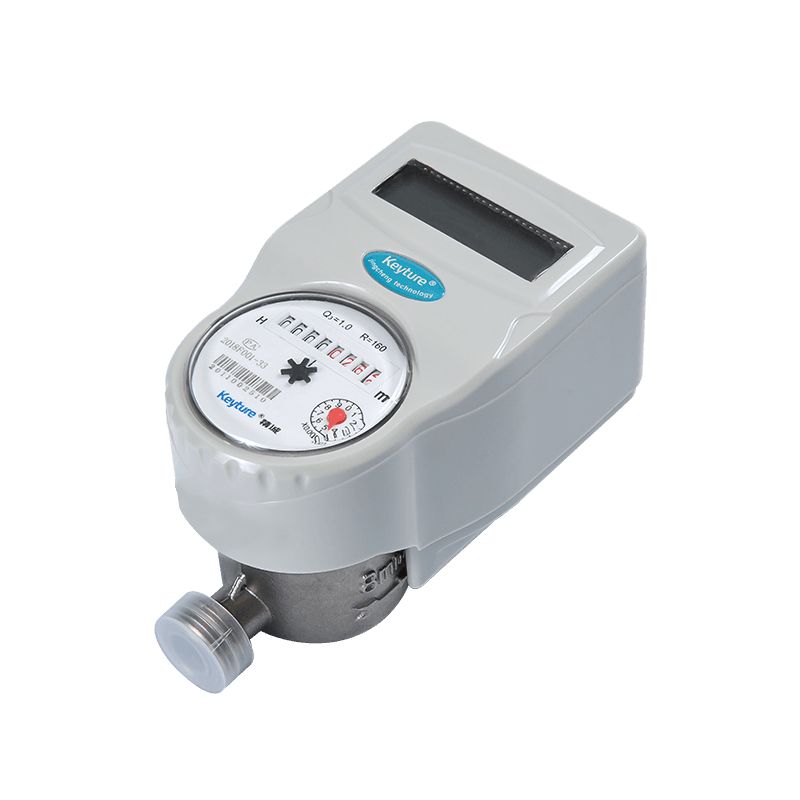
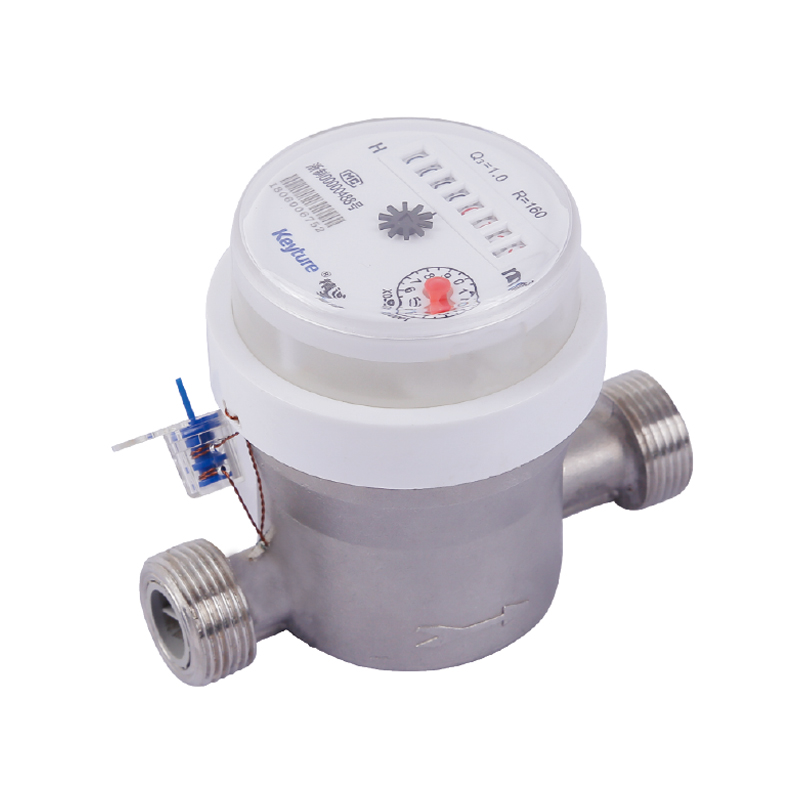
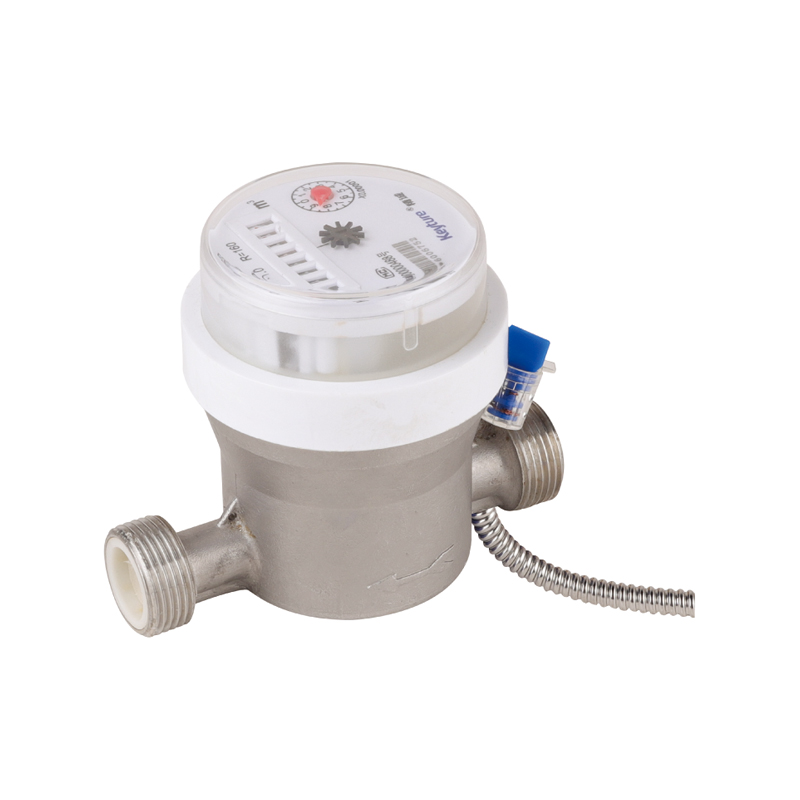
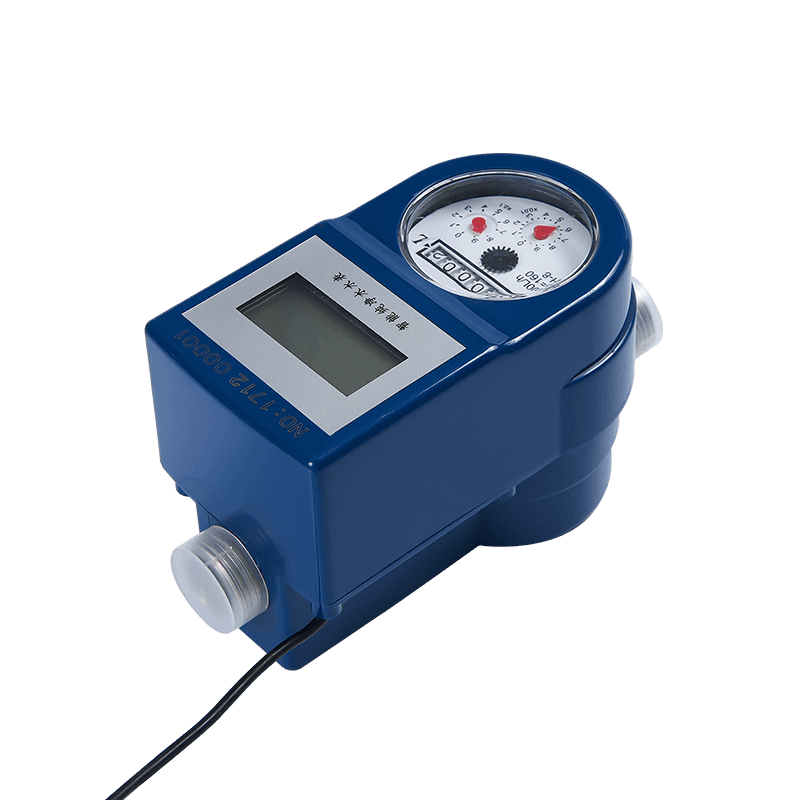
No Gateway Infrastructure
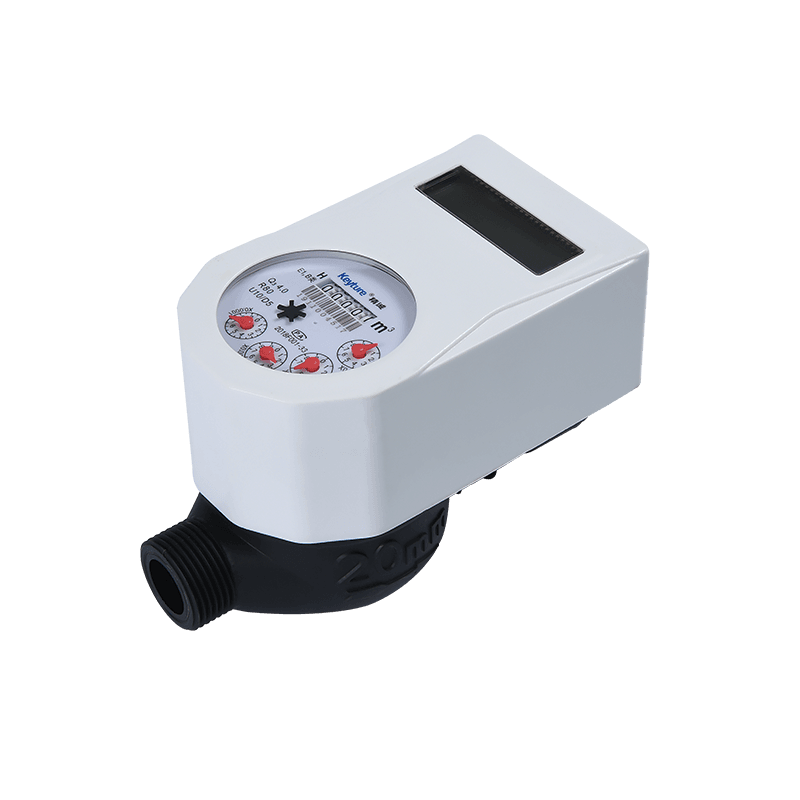
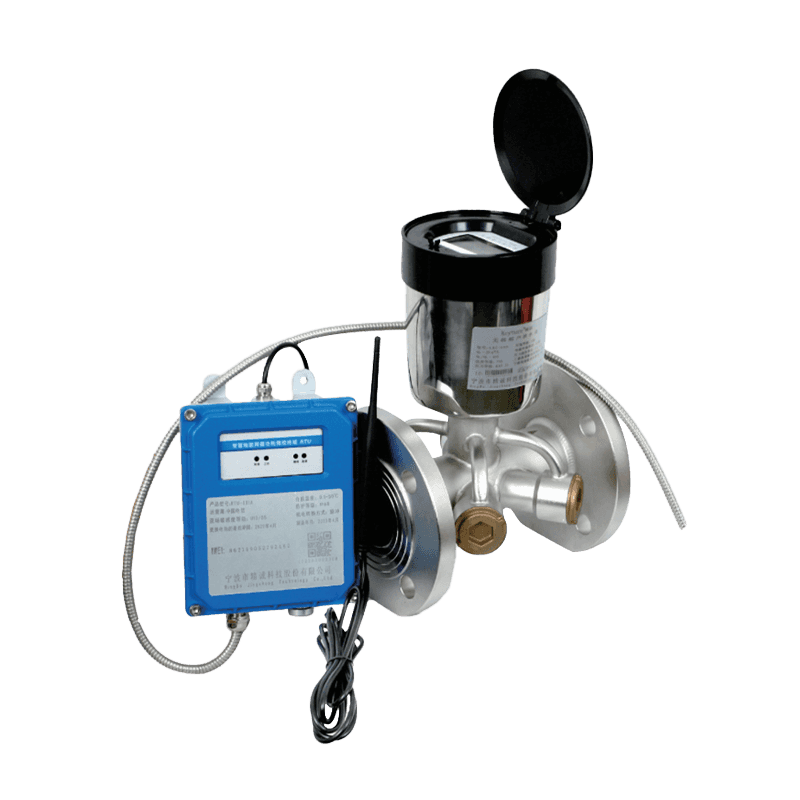
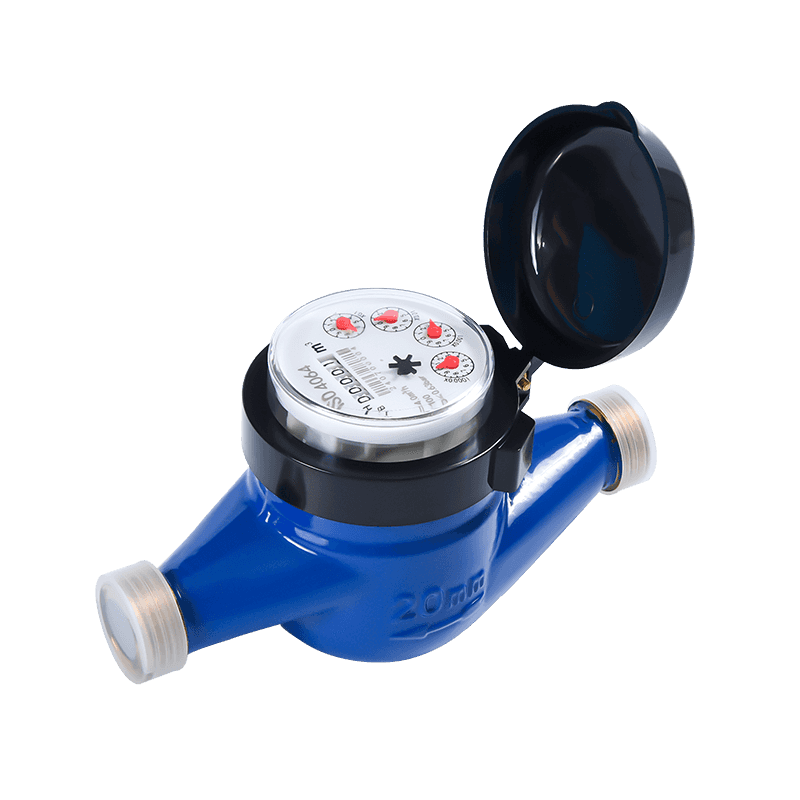
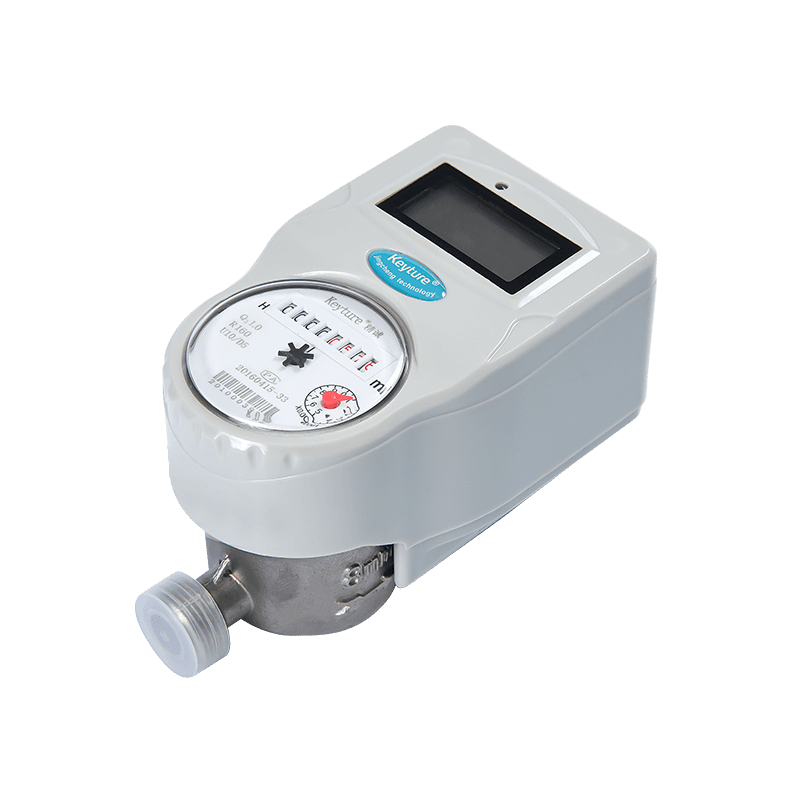
Meters connect directly to existing mobile base stations. Utilities avoid gateway site surveys, power supply, backhaul and maintenance, which shortens project timelines from months to weeks.

A cellular IoT water meter that reports directly through the mobile network — deep indoor coverage, two-way commands, firmware updates over the air and no gateways to deploy.
NB-IoT · SIM / eSIM · PSM + eDRX · FOTA ready
An NB-IoT wireless smart water meter is a battery-powered water meter that connects directly to a mobile operator’s Narrowband Internet of Things network. NB-IoT is a 3GPP cellular standard (Release 13 and later) designed for devices that send little data, need to run for years on a battery and are installed in places where ordinary cellular signals struggle to penetrate — basements, meter pits and utility rooms. It uses a narrow 180 kHz channel inside licensed spectrum, repetition coding and a maximum coupling loss of around 164 dB, giving deep in-building coverage that is typically about 20 dB better than standard GSM. The meter therefore reports through the operator’s existing base stations without the utility having to build or maintain any radio infrastructure.
Inside the meter, a multi jet or ultrasonic measuring element feeds a low-power microcontroller that accumulates volume, detects events and schedules transmissions. An NB-IoT modem with a SIM or eSIM wakes at the configured interval, attaches to the network and sends a UDP, CoAP, LwM2M or MQTT message to the utility’s cloud platform or the operator’s IoT platform. Power-saving mode (PSM) and extended discontinuous reception (eDRX) allow the modem to stay almost completely asleep between reports, so a single lithium battery can run the meter for six to eight years. Because the modem registers with the network, it also supports reliable acknowledgement, firmware-over-the-air updates and two-way commands that are not limited to short receive windows.
This architecture shifts responsibility from the utility to the operator. There are no gateways to plan, mount, power or maintain — coverage, redundancy and security are part of the mobile network service. In return, utilities pay a modest connectivity fee per device per year and depend on the operator’s coverage and long-term support for NB-IoT. The meter supports the common NB-IoT bands (B1, B3, B5, B8, B20, B28 and others on request), provides Class 2 accuracy per ISO 4064 / OIML R49, R160 range ratio, IP68 protection and sizes from DN15 to DN50. For utilities in countries with strong NB-IoT coverage, it delivers a fast, low-effort route to city-scale smart metering, with an integrated valve option for remote shut-off and prepaid operation.
Key takeaway: NB-IoT turns the mobile operator’s network into your meter network. No gateways to build, deep indoor coverage and two-way control — in exchange for a small annual connectivity fee.
Six operational advantages that make NB-IoT the fastest route to large-scale smart metering where operator coverage exists.
Meters connect directly to existing mobile base stations. Utilities avoid gateway site surveys, power supply, backhaul and maintenance, which shortens project timelines from months to weeks.
A coupling loss budget of about 164 dB and repetition coding allow messages to reach base stations from basements, pits and utility rooms where ordinary mobile signals fail.
Because the device registers with the network, downlink commands, valve control and configuration changes can be delivered in a controlled session rather than relying on short receive windows.
Remote firmware updates through FOTA let utilities fix bugs, change tariffs, add features and adapt to new regulations without sending technicians to thousands of sites.
SIM-based authentication, 3GPP encryption and optional application-layer security protect data end to end. Operator private APNs can isolate meter traffic from the public internet.
Supports CoAP, UDP, MQTT and LwM2M over IP. Data can flow to the operator’s IoT platform, a utility cloud or a third-party application with simple payload decoders.
Standard configuration below. Bands, protocol stack, reporting schedule and platform format can be adapted to your operator and platform requirements.
| Parameter | Specification |
|---|---|
| Standard | ISO 4064 / OIML R49; 3GPP Release 13 / 14 NB-IoT |
| Meter type | Multi jet with electronic counter, NB-IoT remote reading |
| Nominal diameter | DN15 – DN50 (1/2" – 2") |
| Accuracy class | Class 2, R160 |
| Cellular bands | B1, B3, B5, B8, B20, B28 (others on request) |
| Modem power class | Class 3 (23 dBm) |
| Maximum coupling loss | Approximately 164 dB |
| Protocols | UDP, CoAP, LwM2M, MQTT over NB-IoT |
| SIM | Nano SIM or MFF2 eSIM, industrial grade |
| Power saving | PSM and eDRX, configured by network |
| Reporting interval | 1 h to 24 h, configurable remotely |
| Power supply | 3.6 V lithium battery (ER26500 or 2 × ER14505), up to 8 years |
| Firmware update | FOTA via platform |
| Water temperature | 0.1 °C – 50 °C (cold water) |
| Working pressure | MAP 16 bar |
| Alarms | Leak, burst, reverse flow, tamper, magnetic attack, low battery |
| Protection | IP68 sealed electronics |
Q4 is the overload flow, Q3 the permanent flow, Q2 the transitional flow and Q1 the minimum flow, all expressed in m³/h.
| Nominal Diameter | Q4 Overload | Q3 Permanent | Q2 Transitional | Q1 Minimum | Range Ratio | Daily Data Volume |
|---|---|---|---|---|---|---|
| DN15 (1/2") | 3.125 | 2.5 | 0.025 | 0.01562 | R160 | ≈ 100 bytes / day |
| DN20 (3/4") | 5 | 4 | 0.04 | 0.025 | R160 | ≈ 100 bytes / day |
| DN25 (1") | 7.875 | 6.3 | 0.063 | 0.03938 | R160 | ≈ 100 bytes / day |
| DN32 (1¼") | 12.5 | 10 | 0.1 | 0.0625 | R160 | ≈ 100 bytes / day |
| DN40 (1½") | 20 | 16 | 0.16 | 0.1 | R160 | ≈ 100 bytes / day |
| DN50 (2") | 31.25 | 25 | 0.25 | 0.1562 | R160 | ≈ 100 bytes / day |
Values shown for R160. Data volume per day depends on the reporting interval and payload; a typical daily report is small enough to fit most NB-IoT annual data plans. Tell us your operator and platform and we will confirm the correct modem band and firmware.
An NB-IoT meter must satisfy metrology, cellular type approval and operator acceptance, so certification covers all three layers.
Class 2 accuracy limits apply to the measuring chamber and electronic counter. Accuracy is verified with the modem active and in sleep mode.
Conformance to 3GPP Release 13 / 14 for NB-IoT, including power-saving modes PSM and eDRX. Protocol behaviour is tested against operator test networks.
CE RED, FCC / PTCRB, GCF and regional approvals are applied depending on the market. Operator-specific approval can be arranged for some networks.
ESD, EFT, surge and radiated immunity tests confirm that the modem and measurement electronics survive electrically noisy environments.
IP68 immersion tests verify that the potted electronics survive flooded meter pits. SIM and antenna interfaces are inspected after testing.
Lithium batteries conform to IEC 60086-4 and UN 38.3. Battery-life models include modem attach and retry current profiles.

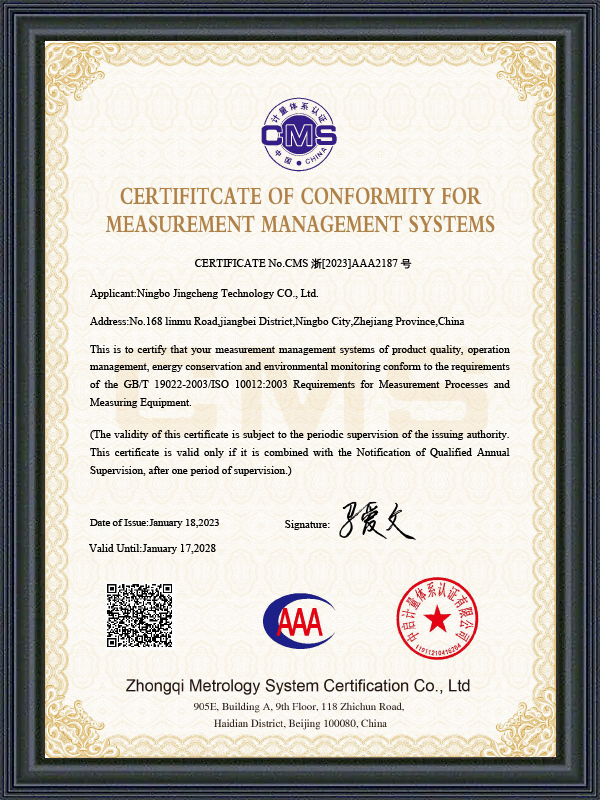
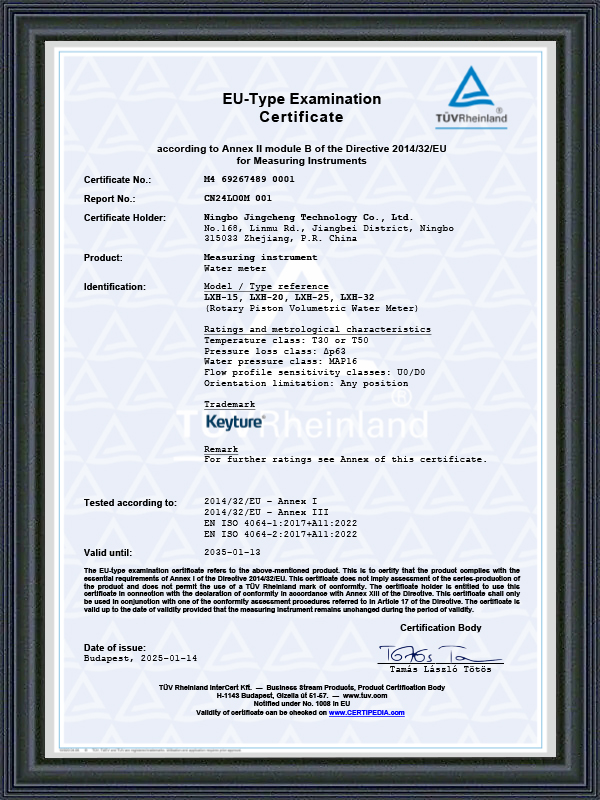
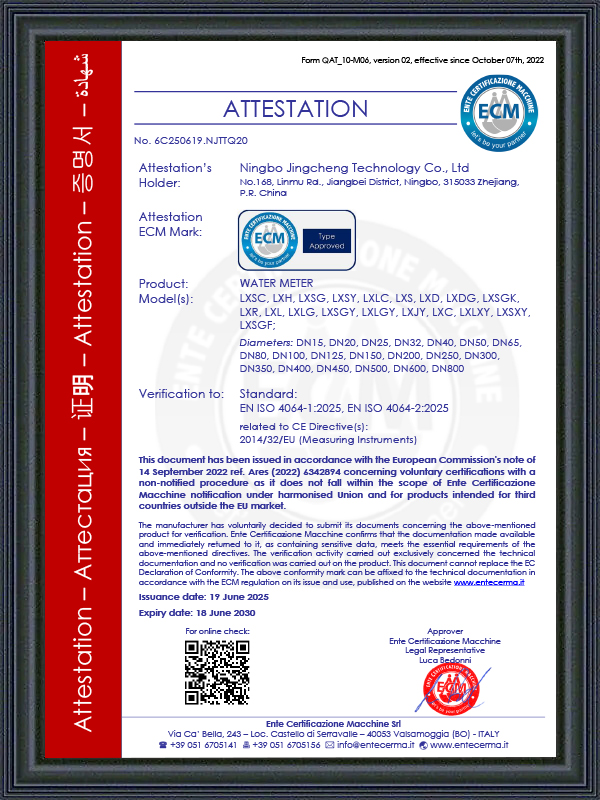
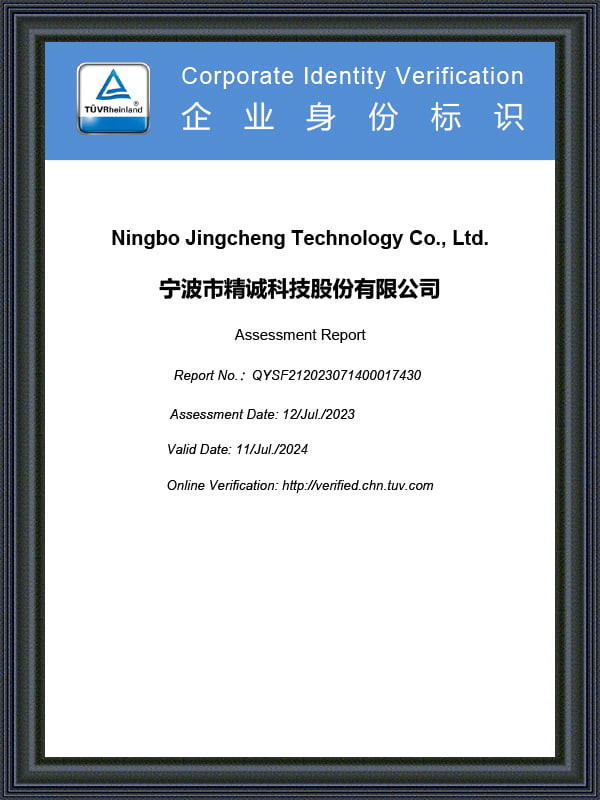
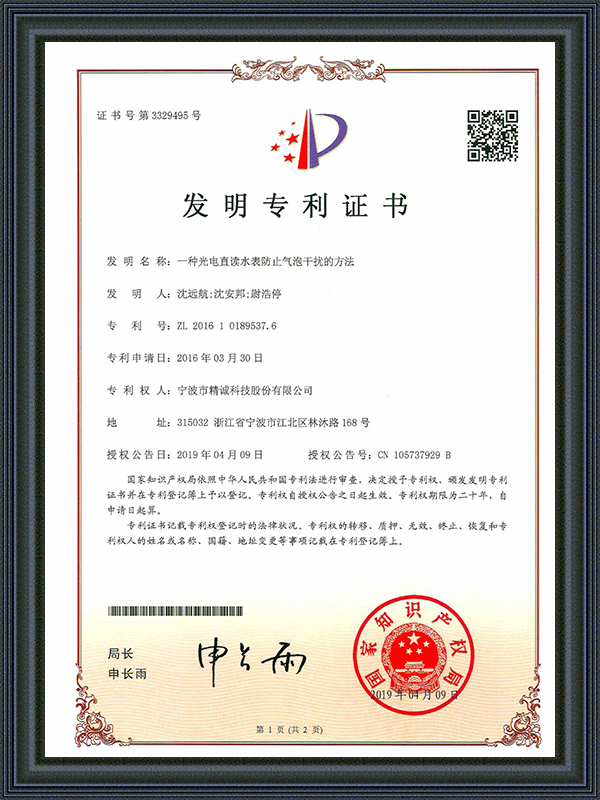
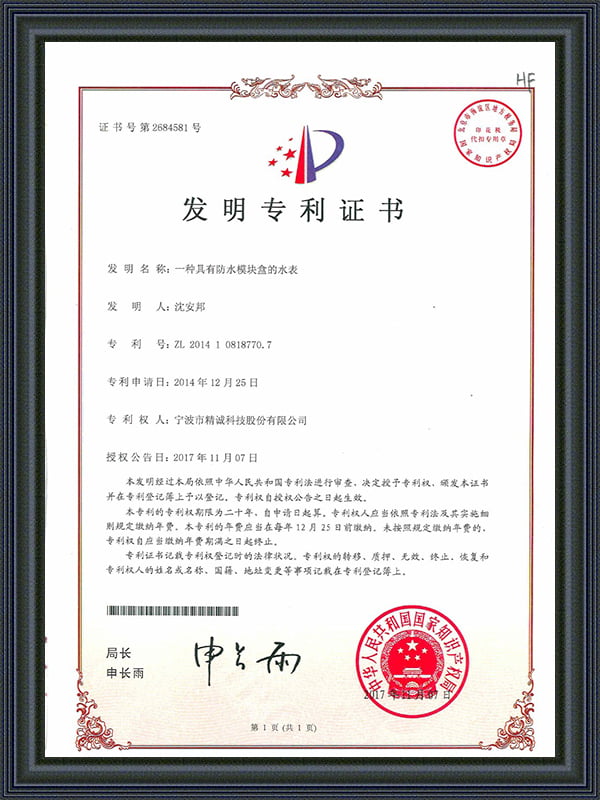
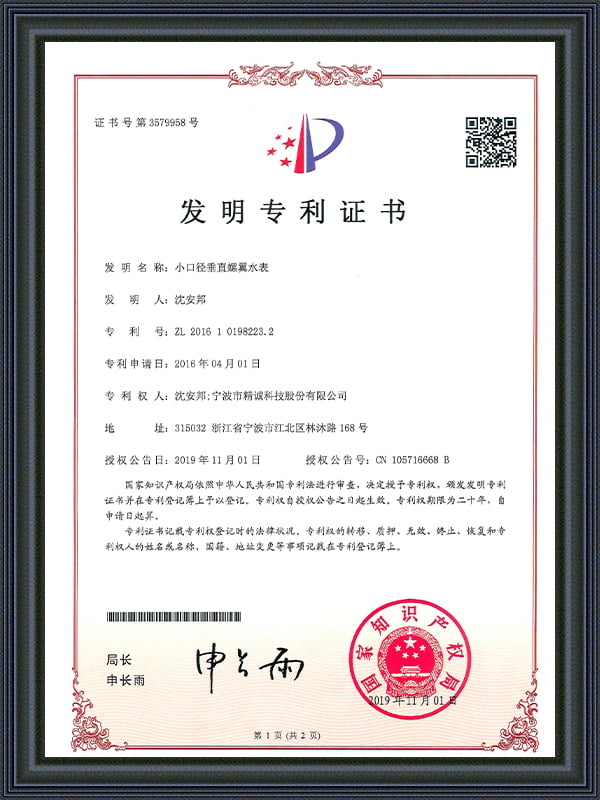
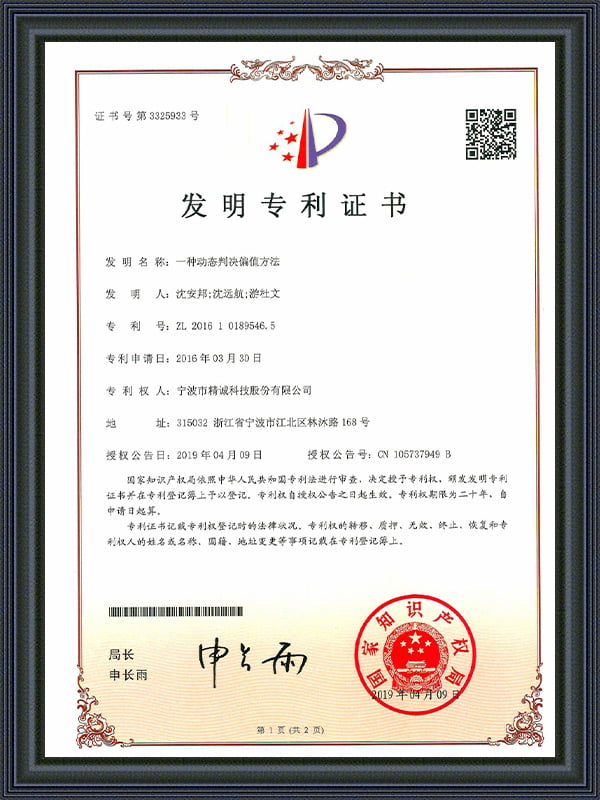

Two technologies define this meter: the NB-IoT cellular link, and the power management that lets a battery last for years.
NB-IoT uses a 180 kHz carrier within licensed LTE spectrum, so it benefits from the operator’s interference management and quality-of-service guarantees. Repetition coding lets a message be transmitted many times at low power so that the receiver can combine copies and decode a signal that would be undecodable in one attempt. This is what gives NB-IoT a maximum coupling loss around 164 dB and deep indoor coverage.
The meter’s modem attaches to the operator’s network, receives an IP address and communicates with the utility platform through CoAP, UDP, LwM2M or MQTT. Unlike an unconnected radio, the modem can receive downlink commands during a scheduled session, and the network can push firmware updates, configuration changes and valve commands. SIM-based authentication and encryption protect the connection.
The modem uses two power-saving features. Power Saving Mode (PSM) lets the device go into deep sleep for hours or days while remaining registered in the network, waking only when it has data to send. Extended DRX (eDRX) allows long sleep intervals between paging windows when downlink access is needed. Together they bring average modem current to microamps.
The measuring electronics are similarly frugal: the microcontroller sleeps between pulse counts and wakes briefly to update totals. Battery life depends on reporting interval, signal conditions and how often the modem has to retry. With daily reporting under good coverage, the meter can run for up to eight years on a single lithium battery. Poor coverage increases repetitions and shortens life, so network surveys before deployment are important.
Measured performance data for the NB-IoT wireless smart water meter. Use these charts to confirm pressure loss, accuracy and installation dimensions before specifying.
Figure 1 — Head loss curve (MPa vs. flow m³/h)
The chart shows pressure loss across the meter for DN15 to DN50. The cellular electronics sit outside the water path, so the head loss is that of the multi jet chamber — at or below 0.063 MPa at permanent flow — and does not change with the communication option.
Figure 2 — Accuracy error curve (Class 2, R160, Q1–Q4)
Measurement is independent of the cellular modem, but we verify it with the modem active to ensure that transmission bursts do not disturb the counter. The curve is flat and well inside ±5% in the lower zone and ±2% in the upper zone.
Figure 3 — Installation dimensions (L × H × B × D)
| Size | L (mm) | H (mm) | B (mm) | D (thread) |
|---|---|---|---|---|
| DN15 | 165 | 115 | 95 | G3/4" |
| DN20 | 190 | 120 | 95 | G1" |
| DN25 | 260 | 132 | 110 | G1¼" |
| DN32 | 260 | 140 | 112 | G1½" |
| DN40 | 300 | 168 | 140 | G2" |
| DN50 | 300 | 178 | 145 | Flange |
Dimensions are for reference and include the electronics housing and antenna. Confirm exact values with our engineering team before installation design.
NB-IoT is one of several ways to connect water meters. This table compares it with LoRaWAN and GPRS-based approaches.
| Design Feature | NB-IoT | LoRaWAN | GPRS / 2G |
|---|---|---|---|
| Infrastructure to build | None — uses operator network | Gateways needed | None |
| Spectrum | Licensed | Licence-free | Licensed |
| Indoor / underground coverage | Excellent — ~164 dB | Good with gateway placement | Limited |
| Two-way communication | Reliable sessions and FOTA | Limited by Class A windows | Reliable |
| Battery life | Up to 8 years | Up to 10 years | 3 to 5 years |
| Recurring connectivity cost | Annual SIM or data fee | None for private network | Higher monthly fee |
| Long-term network support | Growing — 5G LPWA | Stable | Declining — sunset in many regions |
| Best application | Mass roll-outs where operator coverage exists | Utility-owned networks | Legacy only |
This comparison is indicative. Actual performance depends on operator coverage, local regulations and the specific product configuration. Contact our engineers for application-specific guidance.
Premium quality
since 2002
Coming From China, Marketing To The World
Keyture Meter is located in Picturesque Jiangbei Investment Park, NINGBO, CHINA. It is a comprehensive high-tech China NB-IoT Wireless Smart Water Meter Manufacturers and Custom NB-IoT Wireless Smart Water Meter Factory that integrates scientific research & development, production, sales, and service. Established in 2002 as a manufacturer and exporter of water meters for more than 22 years. The factory covers an area of 40 acres (30,000 square meters), 200 staff, 100+ types of products, product capacity of 5 million per year. Its product range covers single jet, multi-jet, volumetric piston type, Woltman type, IC card intelligent water meter, remote control water meter, optoelectrical reading direct remote control water meter...
Yearly production capacity
Production Area
Works and inspectors
Production experience
Excellent product with exquisite craftsmanship
Customization
We have a strong R&D team, and we can develop and produce products according to the drawings or samples the customers offered.
Cost
We are a professional manufacturer and also have our own processing machinery. So we can offer good prices and good products directly.
Quality
We have our own testing lab and advanced and complete inspection equipment, which can ensure the quality of the products.
Service
We focus on developing high-quality products for top-end markets. Our products are in line with international standards, and are mainly exported to Europe, America, Africa, Asia and other destinations around the world.
Capacity
Our annual production capacity is over 5 million units. We can meet the needs of different customers with different purchase quantities.
Shipment
We are about 35 kilometers away from Ningbo Port. It is very convenient and efficient to ship goods to any other countries.
From mechanical meters to smart AMR/AMI systems — we provide end-to-end water metering solutions tailored to your project.
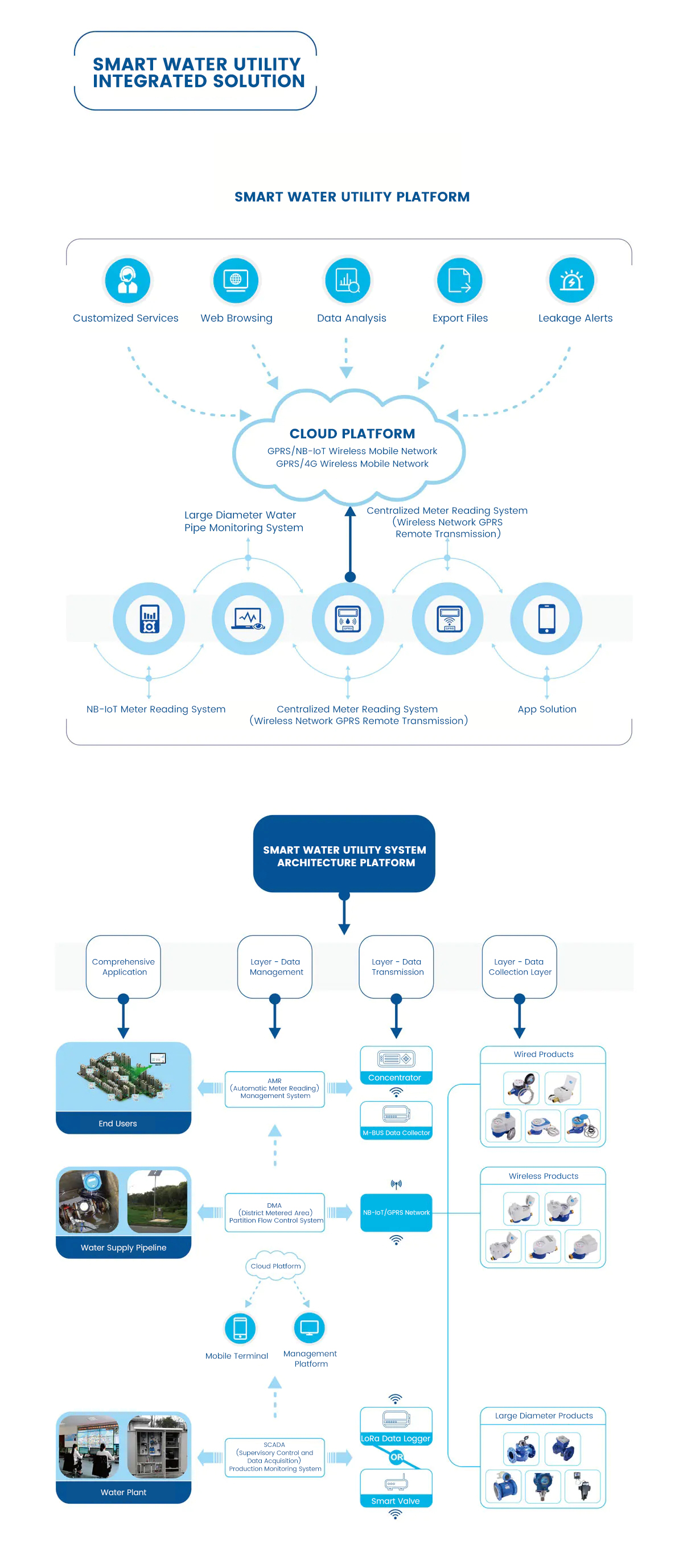
Best where a utility wants fast deployment, operator-grade coverage and remote management without building its own radio network.
Before large deployments, run a coverage survey with a test meter or an NB-IoT signal tester in representative locations, especially basements and meter pits. Record RSRP and SNR values and check that the operator’s coverage maps match reality. Install an external antenna where signal levels are marginal.
Install the meter in the direction of flow with the register facing upward, with 10 × DN of straight pipe upstream for best accuracy. Insert the SIM before sealing the housing, or use a pre-provisioned eSIM. Activate the meter on the platform and confirm that the first report is received before leaving the site.
Keep a record of IMEI, ICCID and installation address in the asset system. Avoid placing the meter against metal walls that shield the antenna, and make sure the meter pit lid is not a sealed metal plate unless an external antenna is used.
NB-IoT meters are managed from the platform. Dashboards show last report time, signal quality, battery estimate and alarm history for every meter, so technicians only visit when a problem is flagged. Meters that miss several reports are the main trigger for investigation, and often the cause is a coverage change rather than a meter fault.
Firmware over the air allows utilities to update parameters or fix bugs remotely, which lowers the lifetime cost of the programme. Updates should be staged — first to a small group, then to the whole fleet — to avoid wide-scale failure from a faulty image.
Typical service life is eight to ten years for the chamber, with battery life of up to eight years at daily reporting. Utilities should plan SIM contract length and operator network sunset policies at the start of the programme.
NB-IoT, or Narrowband Internet of Things, is a 3GPP cellular standard for low-power wide-area devices. It uses licensed spectrum and a narrow 180 kHz channel to deliver long battery life, deep coverage and low cost for devices that send small amounts of data, such as water meters.
NB-IoT uses the mobile operator’s network and licensed spectrum, with SIM authentication and reliable two-way sessions. LoRaWAN uses licence-free spectrum and utility-owned gateways. NB-IoT avoids infrastructure investment but has per-device fees; LoRaWAN needs gateways but has no recurring connectivity cost.
No. The meter connects directly to the operator’s base stations. You need a SIM plan or eSIM profile and a platform to receive data, but no gateways, towers or backhaul.
NB-IoT has a maximum coupling loss of about 164 dB, roughly 20 dB better than GSM. This allows reliable connection from basements, meter rooms and pits. Very deep underground installations may still need an external antenna.
Power Saving Mode (PSM) allows the device to sleep for long periods while remaining registered in the network. Extended DRX (eDRX) lets the device listen for downlink messages at long intervals. Together they reduce average current to microamps and extend battery life.
With daily reporting and good coverage, the meter can operate for up to eight years on a 3.6 V lithium battery. Poor coverage, frequent retries, short reporting intervals or very low temperatures shorten life. We can estimate battery life for your reporting profile.
The meter supports UDP, CoAP, LwM2M and MQTT over NB-IoT. It works with operator IoT platforms and with custom cloud platforms. Payload specifications and decoders are provided to simplify integration.
Yes. Firmware-over-the-air (FOTA) updates can be delivered through the platform. We recommend staged roll-outs to a small group before updating the whole fleet.
Yes. An optional motorised valve allows remote shut-off, reconnect and prepaid operation. Valve commands are delivered over the NB-IoT session, and the meter reports valve state and faults.
NB-IoT is expected to be supported for many years and is part of the 5G LPWA roadmap. Operators typically give long notice of any sunset. Choose an operator with a long-term NB-IoT commitment and check contract terms before large deployments.
The meter authenticates with the network through its SIM or eSIM and uses 3GPP encryption. Operators can provide private APNs, and the application layer can add its own encryption or signing for additional protection.
Yes. The electronics are potted to IP68 and the antenna connection is sealed. For underground installation, use an external antenna and ensure the cable gland is rated for immersion.
Send us your operator, region, reporting schedule and meter sizes. Our engineers will recommend the right NB-IoT configuration, band and protocol, with price and lead time.

Address: No.168,LinMu Rd.,Zone B, Jiangbei investment Park, Ningbo, Zhejiang,China
Tel: +86-0574-83090480/+86-18892665118
Fax: +86-0574-83021045
Email: [email protected]
Web: https://www.keyturemeter.com/
Quick Links
Product
Mobile terminal
 Custom NB-IoT Wireless Smart Water Meter Manufacturers