 English
 Español
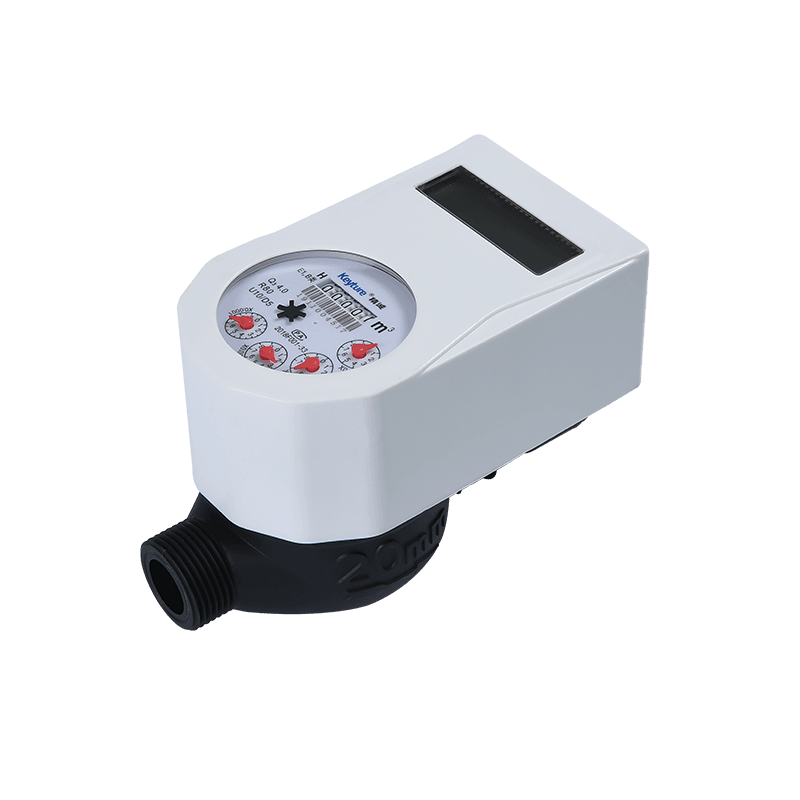
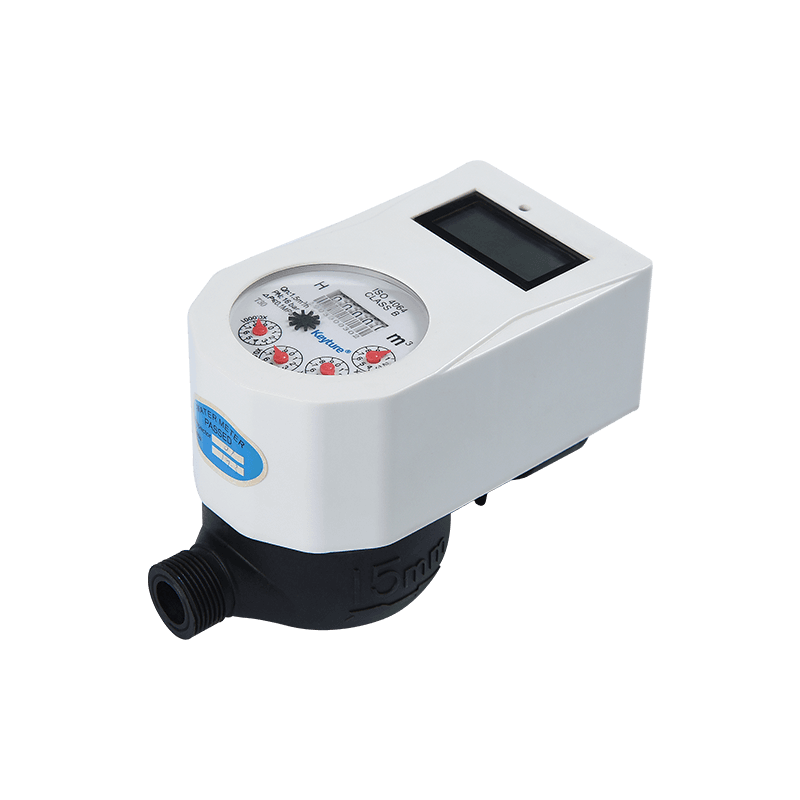
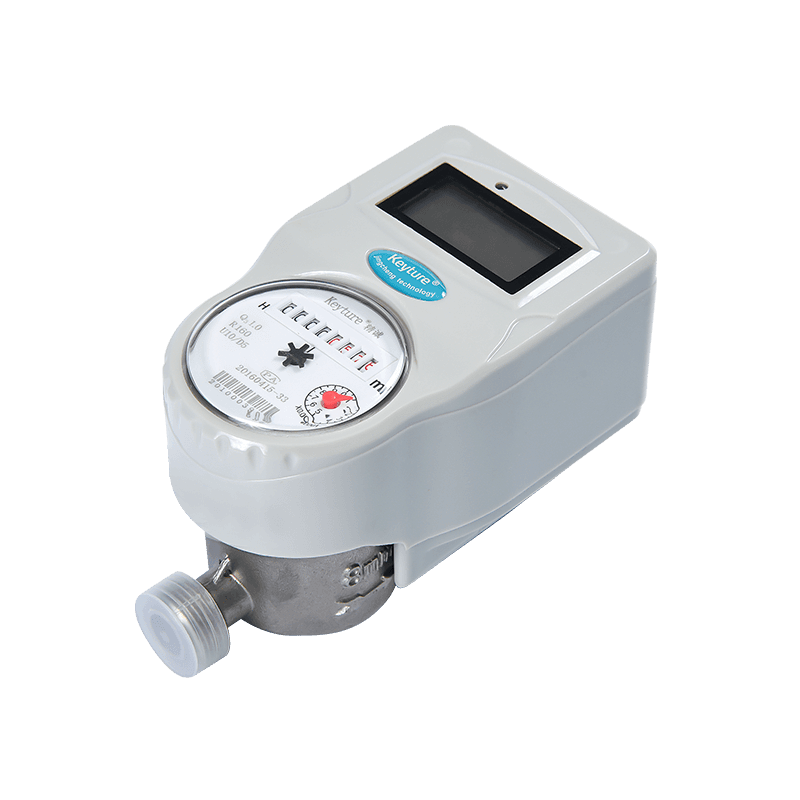
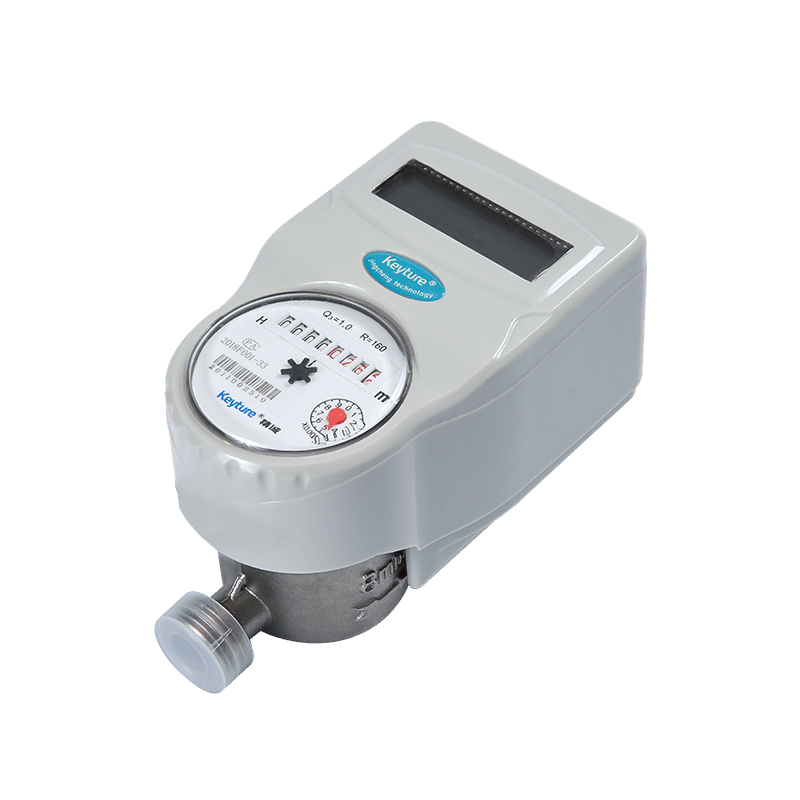
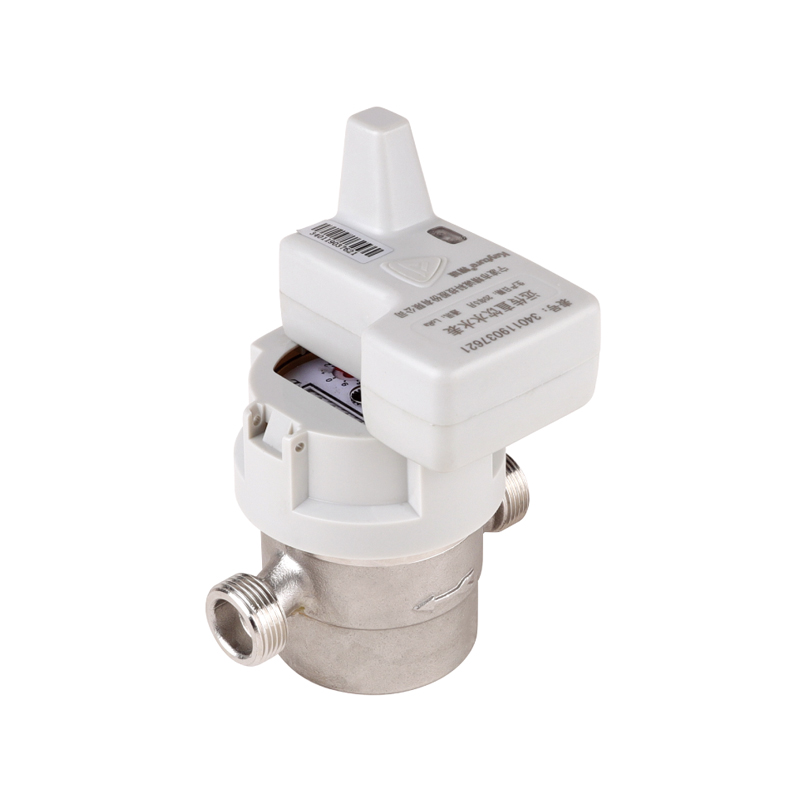
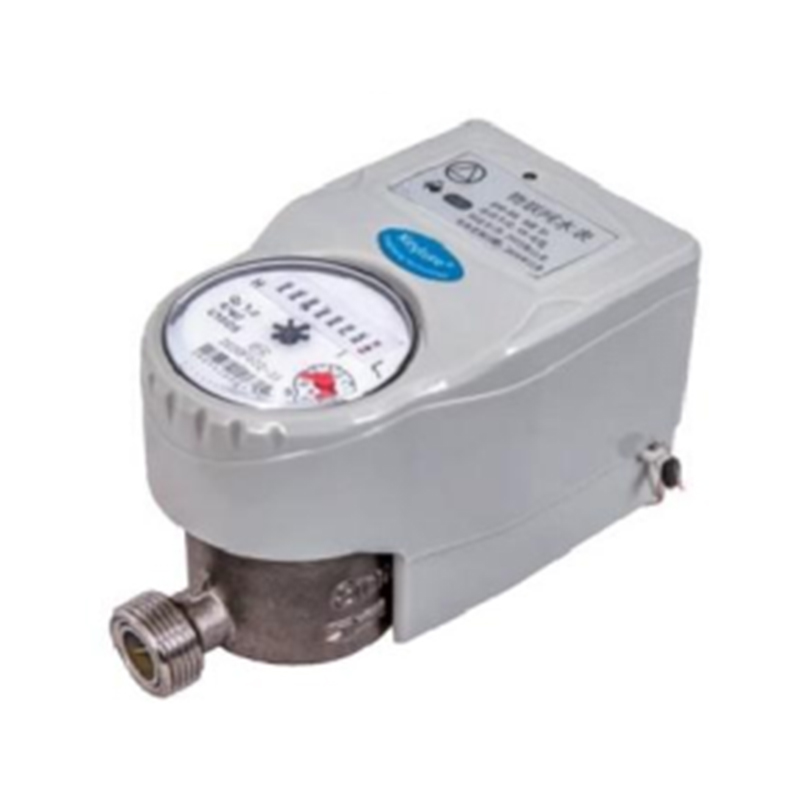
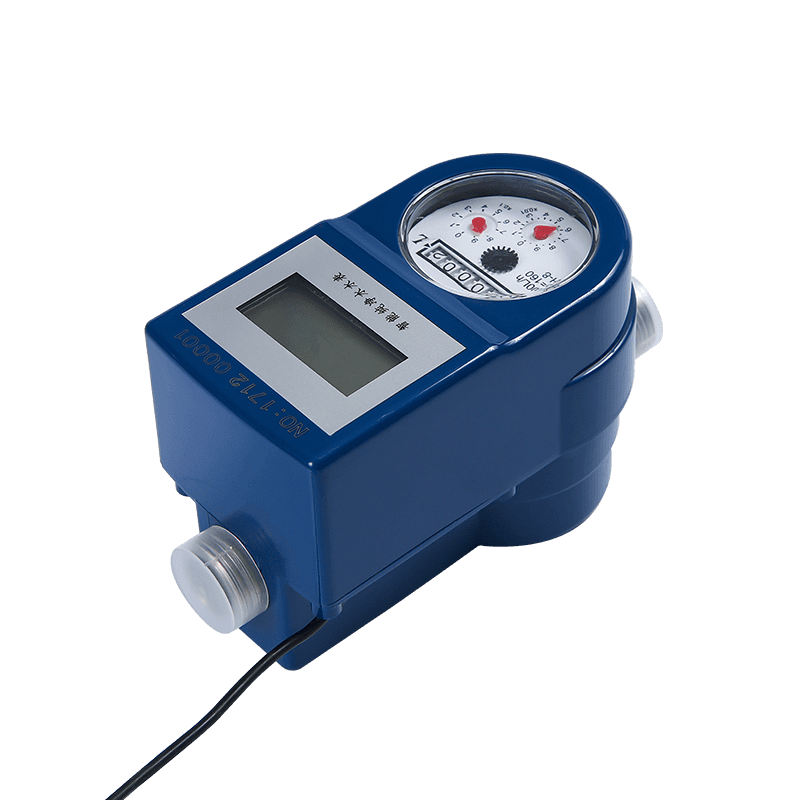
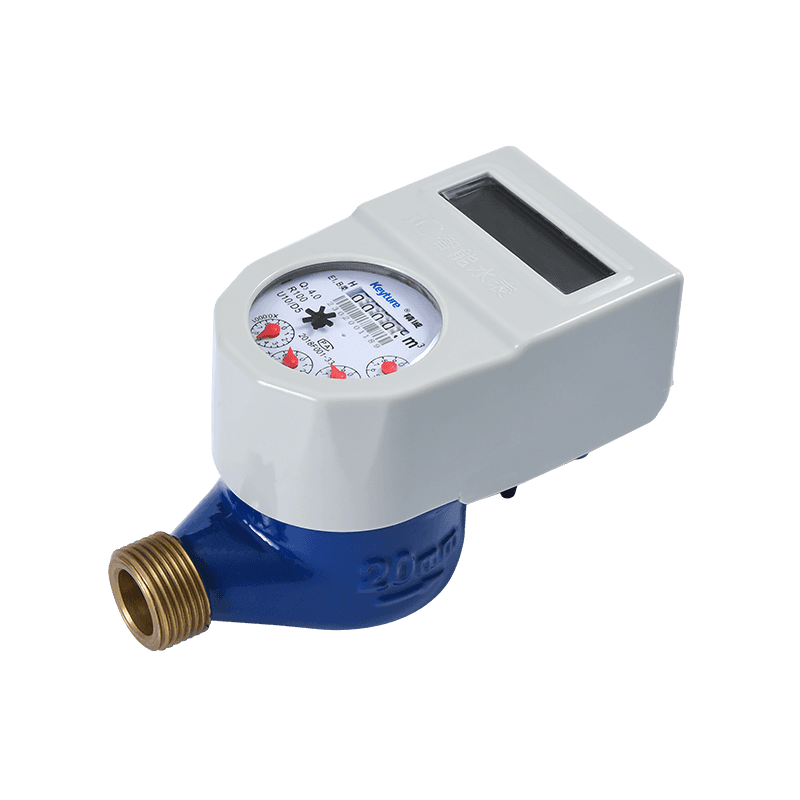
Multiple Screens, More Information
Volume, flow rate, daily consumption, peak flow, temperature and alarm status can all be shown, on a timer or a button press. The customer sees more than a single number.

An LCD-only water meter with an electronic counter: multi-screen display of volume, flow and alarms, non-volatile storage that survives power loss and a battery that lasts 8 – 10 years.
LCD register · multi-screen · power-fail safe memory
A digital display smart water meter replaces the familiar rotating numbered drums and pointers with a liquid-crystal display driven by an electronic counter. Behind the glass there is no mechanical register at all: a non-contact sensor detects each turn of the impeller or each ultrasonic measurement, a microcontroller accumulates the volume in non-volatile memory and the LCD shows the result as bright, sharp digits. The display is not an add-on; it is the meter’s only register, and it is designed as carefully as the measuring chamber. It shows the cumulative volume with a fixed number of decimals, the instantaneous flow, the direction of flow, battery status, alarm icons and, on request, temperature, last month’s reading and the date.
Going digital changes what a meter can show and how it can be read. A mechanical dial has one display mode: a number. An LCD can cycle through several screens on a timer or a button press — total volume, flow rate, daily consumption, peak flow, alarm status — and each screen can be labelled with units and symbols. A large, high-contrast display with a wide viewing angle is easier to read at arm’s length in a dim cupboard, and the digits cannot be misread at the point where the drums roll over. Because there are no mechanical drums, there is also no mechanical register to jam, no gear train to wear and no dial glass to fog; and the meter’s reading is held in memory that survives power loss.
A digital display also demands attention to what happens when the electronics fail. Our meters store the cumulative volume in non-volatile memory every few cubic metres of flow and again at power loss, with redundant copies and checksums so the reading can be recovered. A low-battery warning appears on the display long before the battery reaches the end of its life, and a backup capacitor completes the last write. The LCD is a wide-temperature FSTN type with a transmissive or transflective polariser for readability in sunlight and in a dark meter box. Supplied in DN15 to DN50 with a multi jet or ultrasonic measuring element, Class 2 accuracy under ISO 4064 / OIML R49, optional M-Bus, LoRaWAN or NB-IoT, and a typical battery life of 8 to 10 years, the digital display smart water meter is a clear, modern face for connected metering.
Key takeaway: The display is the meter’s only register, so it is designed as a primary instrument: clear, multi-screen, power-fail safe and readable from a distance.
Six advantages that come from replacing the mechanical register with a designed display.
Volume, flow rate, daily consumption, peak flow, temperature and alarm status can all be shown, on a timer or a button press. The customer sees more than a single number.
A wide-viewing-angle LCD with large digits is easier to read in dim meter boxes and from awkward angles. Digits are not caught between positions the way mechanical drums are.
There are no gears, drums or pointers to jam, wear or fog. The only moving part is in the measuring chamber, and many designs have none at all.
The volume is written to non-volatile memory at set intervals and at power loss, with redundant copies and checksums. The reading survives battery change and brownouts.
Leak, reverse-flow, low-battery and tamper icons appear on the LCD as soon as they are detected. Customers and readers see problems without a platform or an app.
The electronic counter feeds M-Bus, LoRaWAN or NB-IoT directly. There is no encoder to add, and the displayed value is exactly the transmitted value.
Standard configuration below. Display content, units, communication and measuring principle can be adapted to your market requirements.
| Parameter | Specification |
|---|---|
| Standard | ISO 4064 / OIML R49 |
| Meter type | Electronic register with LCD; multi jet (or ultrasonic) measuring element |
| Nominal diameter | DN15 – DN50 (1/2" – 2") |
| Accuracy class | Class 2, R100 standard (Class 1 with ultrasonic element) |
| Display | FSTN LCD, 8 digits, 7.5 mm character height, 3 decimals (m³) |
| Display icons | Flow direction, flow rate, battery, leak, reverse flow, tamper, communication |
| Display modes | Auto-scroll or button / magnetic wake, 4 – 10 screens |
| Resolution | 0.001 m³ (1 L); 0.0001 m³ on request |
| Maximum reading | 99,999.999 m³ |
| Viewing angle | Wide, 12 o’clock or 6 o’clock selectable |
| LCD operating temperature | -30 °C – 70 °C |
| Memory | Dual FRAM / EEPROM with checksums; writes every 0.1 m³ and at power fail |
| Power supply | 3.6 V lithium battery, 8 – 10 years |
| Water temperature | 0.1 °C – 50 °C (cold water) |
| Working pressure | MAP 16 bar |
| Communication | M-Bus, LoRaWAN, NB-IoT, pulse (optional) |
| Protection | IP68 sealed electronics |
Q4 is the overload flow, Q3 the permanent flow, Q2 the transitional flow and Q1 the minimum flow, all expressed in m³/h.
| Nominal Diameter | Q4 Overload | Q3 Permanent | Q2 Transitional | Q1 Minimum | Range Ratio | Display Resolution |
|---|---|---|---|---|---|---|
| DN15 (1/2") | 3.125 | 2.5 | 0.04 | 0.025 | R100 | 0.001 m³ |
| DN20 (3/4") | 5 | 4 | 0.064 | 0.04 | R100 | 0.001 m³ |
| DN25 (1") | 7.875 | 6.3 | 0.1008 | 0.063 | R100 | 0.001 m³ |
| DN32 (1¼") | 12.5 | 10 | 0.16 | 0.1 | R100 | 0.001 m³ |
| DN40 (1½") | 20 | 16 | 0.256 | 0.16 | R100 | 0.01 m³ |
| DN50 (2") | 31.25 | 25 | 0.4 | 0.25 | R100 | 0.01 m³ |
Values shown for R100. Display content, resolution and units can be configured — tell us your language, units and what you want customers to see, and we will confirm the screen sequence and labels.
An electronic register has to satisfy the metering standard and the electronic-device requirements that mechanical dials never faced.
Class 2 limits and test points for electronic water meters. Display resolution and the relationship between displayed and stored value are verified.
Character height, contrast ratio and viewing angle are tested under defined illumination, and the display is checked at temperature extremes.
Metrological firmware is protected by checksums and sealing. Legally relevant parameters, such as the volume register, cannot be altered without breaking a seal.
Supply is interrupted at random times during operation. After restoration, the displayed volume must agree with the true volume within the stated limit.
ESD, EFT, surge and radiated immunity tests confirm that the display and counter stay accurate in electrically noisy environments.
IP68 immersion test with the LCD window and electronics sealed. Window seal and polariser are inspected after temperature cycling.
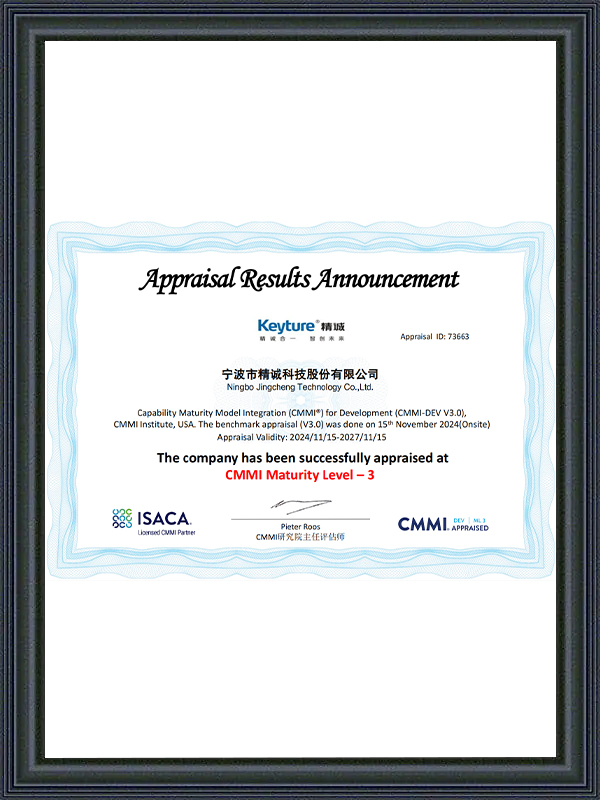
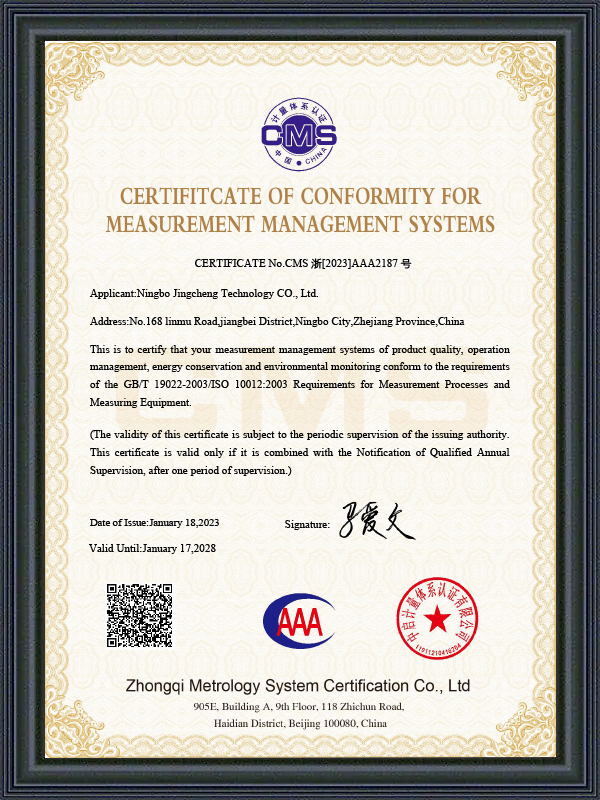
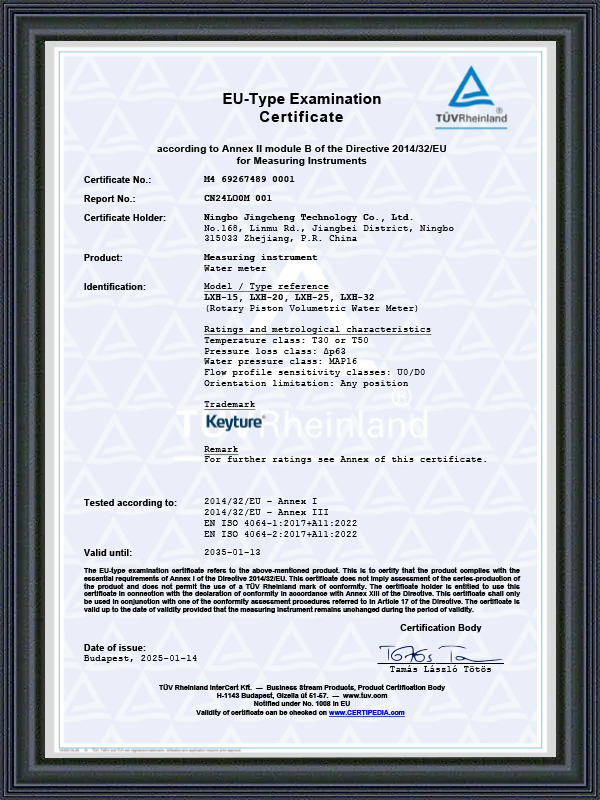
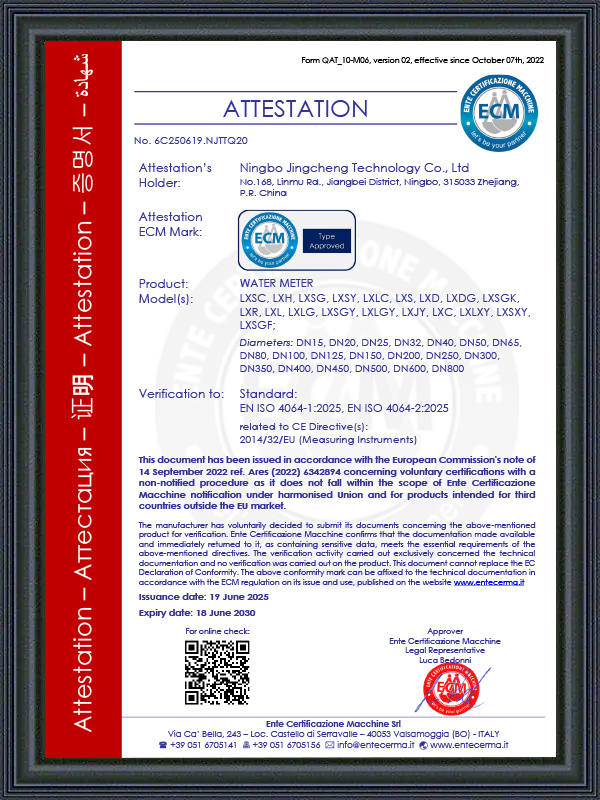
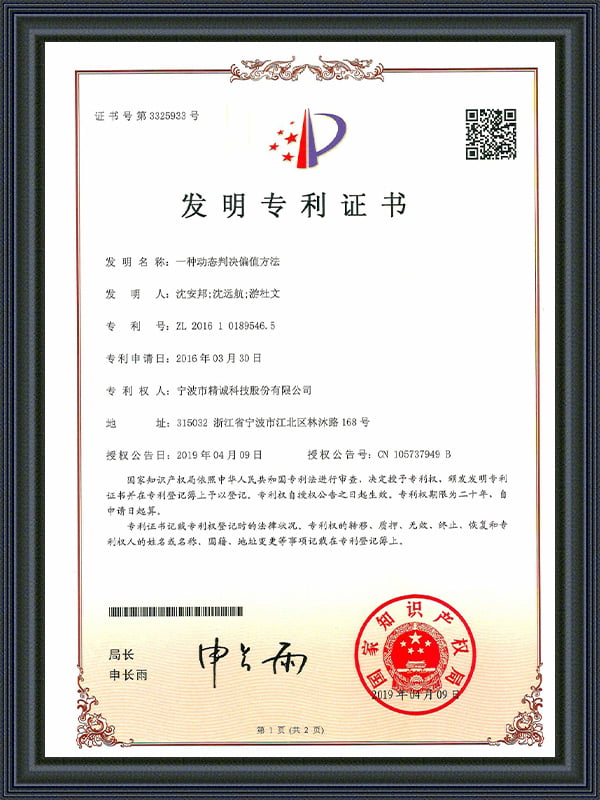
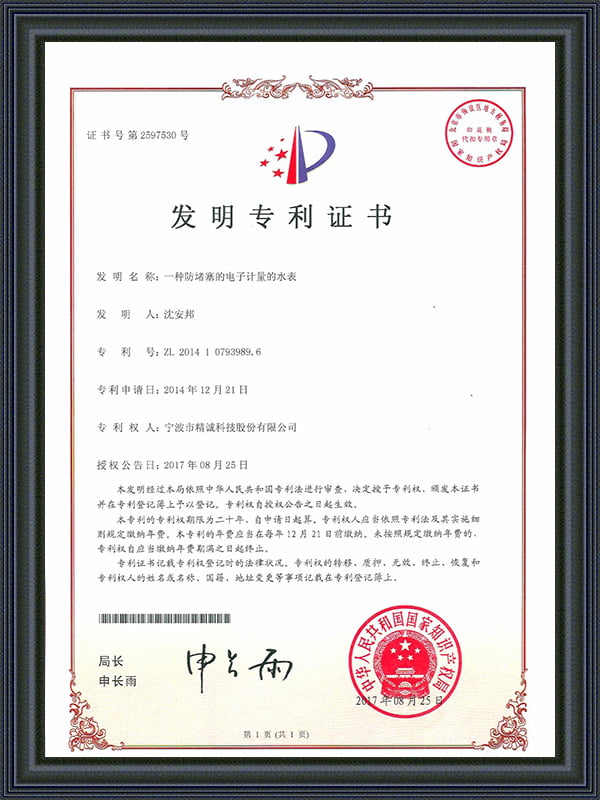
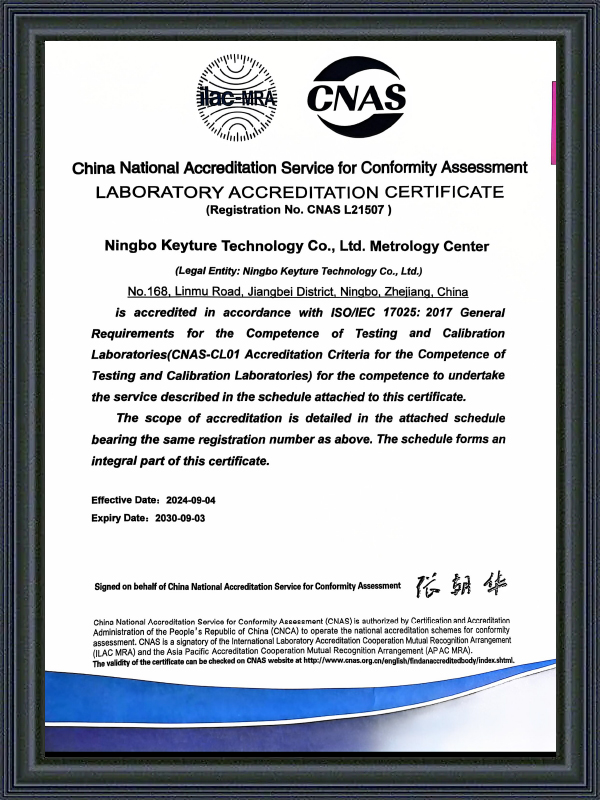
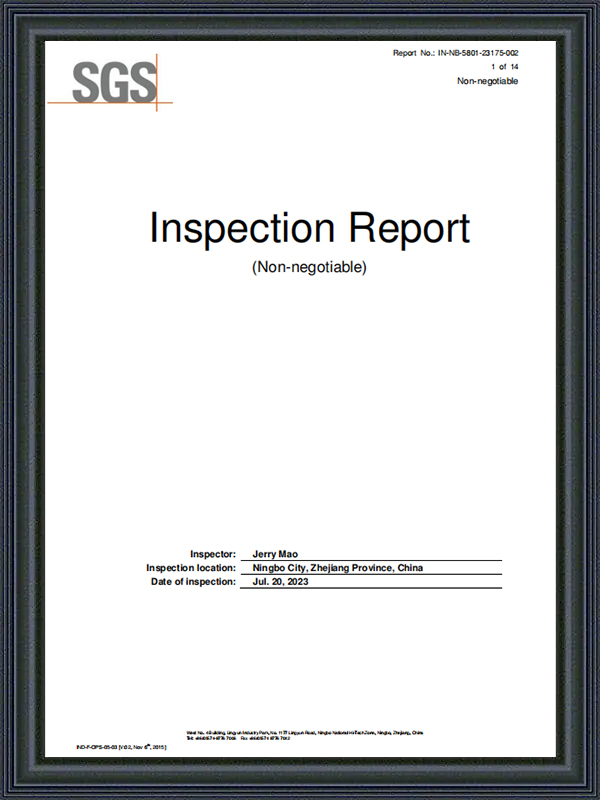
Two things define a digital display meter: how the LCD is designed to be read, and how the reading is protected against power loss.
The display is a segment LCD with a fixed layout, not a general-purpose screen. The glass is made specifically for the meter, with digits, decimal point, units, flow arrow and icons placed where they should be, and a backplane and driver chosen for ultra-low power. FSTN (film-compensated super-twisted nematic) technology gives high contrast and a wide viewing angle, and the polariser is chosen for the lighting in the meter box.
Screen content is designed around the way people read meters. The main screen always shows total volume in large digits. Other screens appear for a few seconds each on a timer, or when a button is pressed or a magnet touches the wake sensor: flow rate, last month’s reading, daily use, peak flow and alarms. All screens use clear labels and fixed positions so a reader can recognise them at a glance.
Because the electronic counter is the only register, its value must never be lost. The meter writes the cumulative volume to non-volatile memory, either FRAM or EEPROM, at fixed intervals of volume, such as every 0.1 m³, and again when a brown-out circuit detects a falling supply. A small backup capacitor holds enough energy to complete the last write.
Two memory copies are kept, each with a checksum and a sequence number. At start-up, the meter reads both, discards any copy whose checksum fails and uses the most recent valid one. The maximum possible loss after a power failure is less than the write interval, and it is within the metrological error limits. The display itself shows a battery icon long before the cell reaches the end of its life.
Measured performance data for the digital display smart water meter. Use these charts to confirm pressure loss, accuracy and installation dimensions before specifying.
Figure 1 — Head loss curve (MPa vs. flow m³/h)
The chart shows pressure loss across the meter for DN15 to DN50. The electronic register is outside the flow path, so loss is that of the multi jet measuring chamber, at or below 0.063 MPa at permanent flow.
Figure 2 — Accuracy error curve (Class 2, R100, Q1–Q4)
The error curve is that of the measuring chamber and electronic counter. The displayed volume equals the stored volume to the resolution of the display, so test volumes can be read directly from the LCD. Class 2 limits are met across the range.
Figure 3 — Installation dimensions (L × H × B × D)
| Size | L (mm) | H (mm) | B (mm) | D (thread) |
|---|---|---|---|---|
| DN15 | 165 | 105 | 92 | G3/4" |
| DN20 | 190 | 110 | 94 | G1" |
| DN25 | 260 | 122 | 108 | G1¼" |
| DN32 | 260 | 130 | 110 | G1½" |
| DN40 | 300 | 156 | 138 | G2" |
| DN50 | 300 | 166 | 142 | Flange |
Dimensions are for reference and include the LCD housing. Confirm exact values with our engineering team before installation design.
Registers can be mechanical, electronic or a hybrid of both. This table compares them.
| Design Feature | Digital LCD Register | Mechanical Dial | Mechanical + Encoder |
|---|---|---|---|
| Information displayed | Volume, flow, alarms, history | Volume only | Volume only |
| Readable without power | Needs battery to display | Always | Always |
| Moving parts in register | None | Gears and drums | Gears and drums |
| Risk of fogging | None | Possible in dry types | Possible in dry types |
| Reading after power loss | From non-volatile memory | Mechanical | Mechanical |
| Alarm indication on meter | Icons on LCD | None | None |
| Unit purchase cost | Moderate to higher | Lowest | Moderate |
| Best application | Smart metering, clear information | Basic low-cost metering | AMR with a mechanical backup |
This comparison is indicative. Actual performance depends on battery state, environment and the specific product configuration. Contact our engineers for application-specific guidance.
Premium quality
since 2002
Coming From China, Marketing To The World
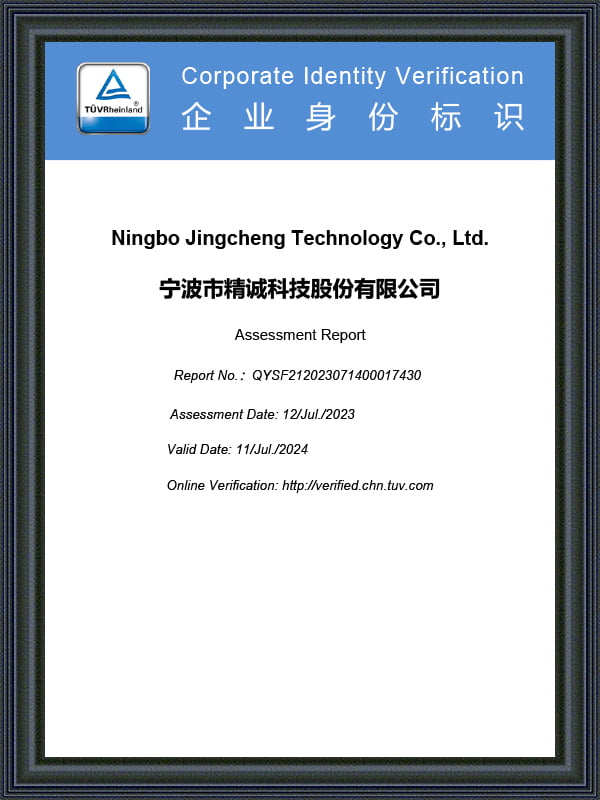
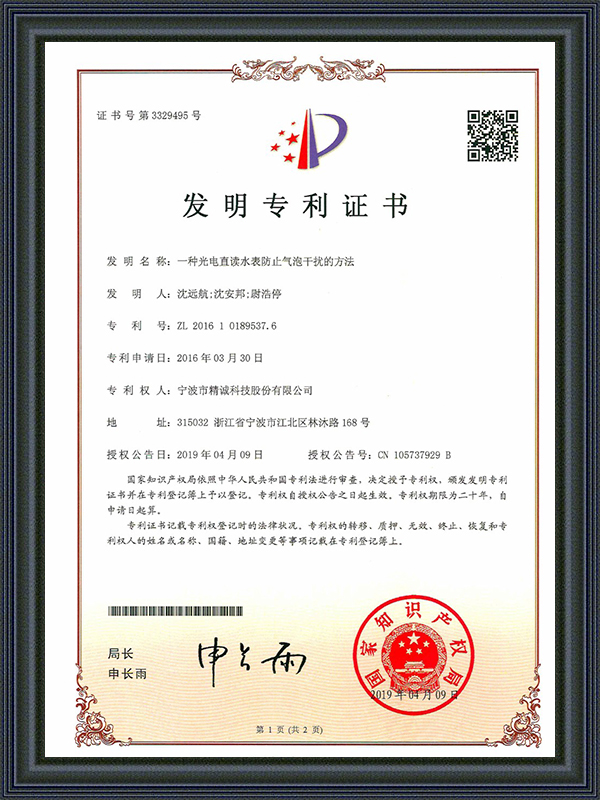
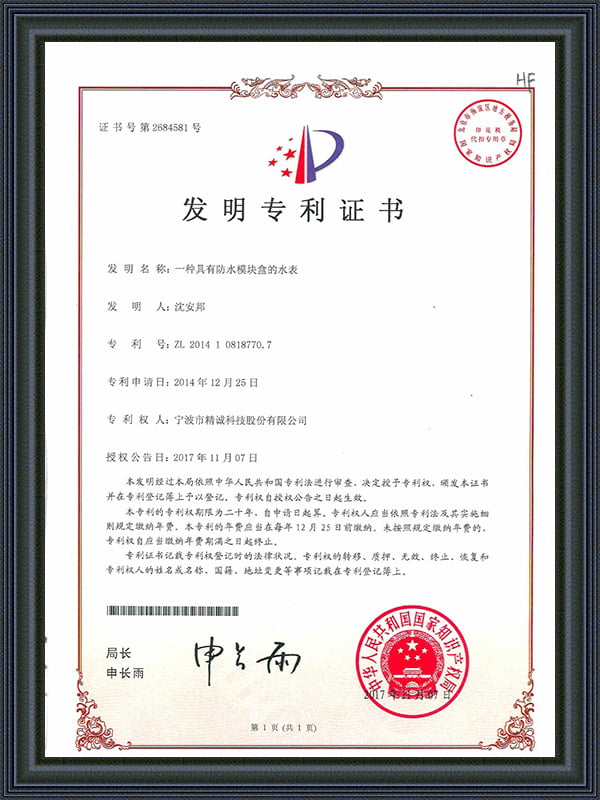
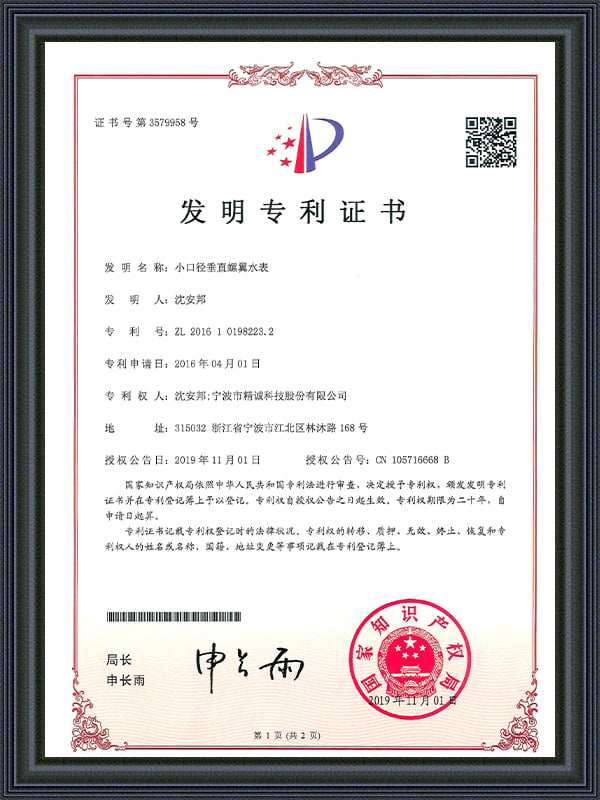
Keyture Meter is located in Picturesque Jiangbei Investment Park, NINGBO, CHINA. It is a comprehensive high-tech China Digital Display Smart Water Meter Manufacturers and Custom Digital Display Smart Water Meter Factory that integrates scientific research & development, production, sales, and service. Established in 2002 as a manufacturer and exporter of water meters for more than 22 years. The factory covers an area of 40 acres (30,000 square meters), 200 staff, 100+ types of products, product capacity of 5 million per year. Its product range covers single jet, multi-jet, volumetric piston type, Woltman type, IC card intelligent water meter, remote control water meter, optoelectrical reading direct remote control water meter...
Yearly production capacity
Production Area
Works and inspectors
Production experience
Excellent product with exquisite craftsmanship
Customization
We have a strong R&D team, and we can develop and produce products according to the drawings or samples the customers offered.
Cost
We are a professional manufacturer and also have our own processing machinery. So we can offer good prices and good products directly.
Quality
We have our own testing lab and advanced and complete inspection equipment, which can ensure the quality of the products.
Service
We focus on developing high-quality products for top-end markets. Our products are in line with international standards, and are mainly exported to Europe, America, Africa, Asia and other destinations around the world.
Capacity
Our annual production capacity is over 5 million units. We can meet the needs of different customers with different purchase quantities.
Shipment
We are about 35 kilometers away from Ningbo Port. It is very convenient and efficient to ship goods to any other countries.
From mechanical meters to smart AMR/AMI systems — we provide end-to-end water metering solutions tailored to your project.
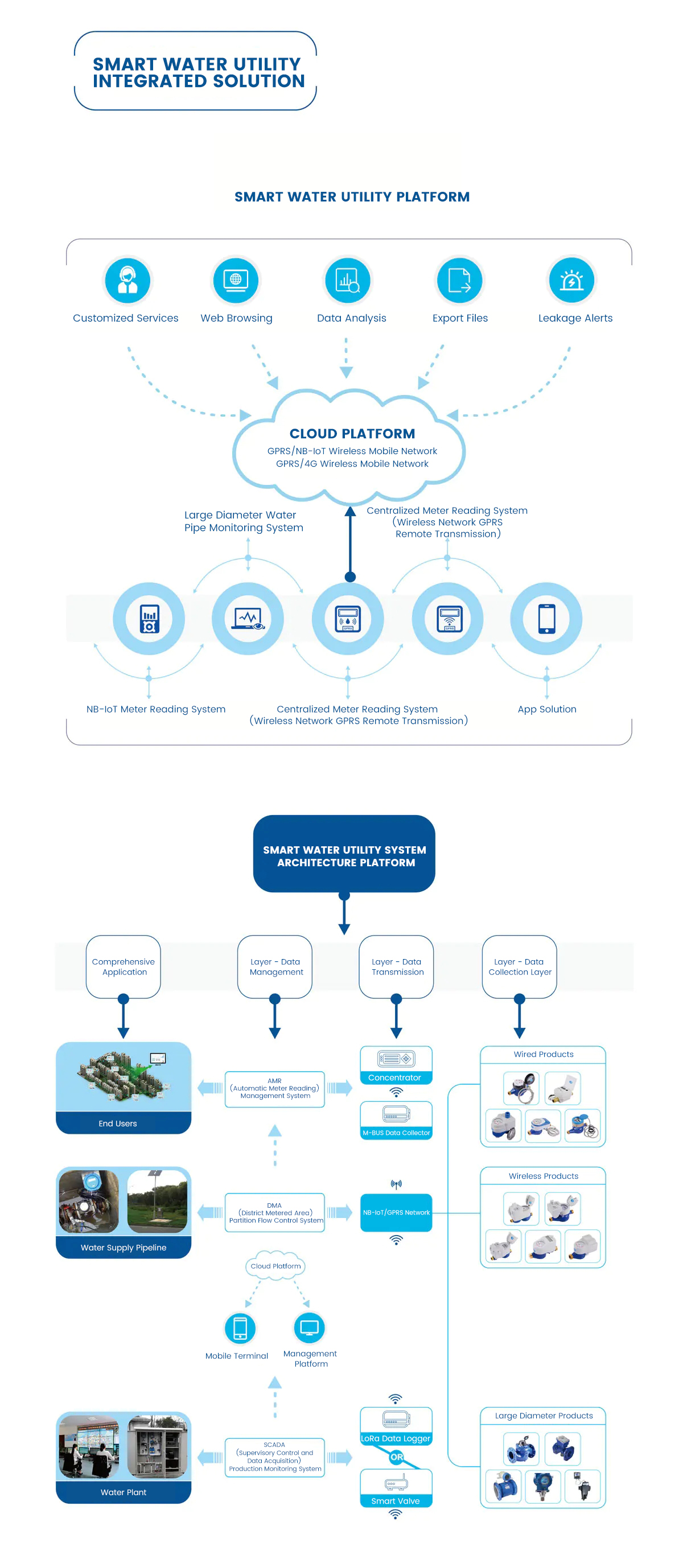
Chosen where clear information, remote connectivity and modern appearance matter.
Install the meter in the orientation marked on the dial and in the direction of the flow arrow. Choose a position where the LCD can be read easily: facing outward in the meter box, with good light and without obstruction from the lid. If the meter is mounted upside down, the display can be rotated 180 degrees through a configuration setting.
Avoid positions with extreme heat or direct sunlight, which can darken the LCD polariser. Very low temperatures slow the display response but do not damage it, and the meter keeps counting even if the display is slow.
After installation, wake the display with the button or magnet and check that it shows the volume, flow arrow and no alarm icons. Record the first reading and the date, and seal the cover with a lead wire.
A digital display meter has no mechanical register to maintain. During visits, read the LCD, check the battery icon and look for alarm icons. If the display is blank, wake it with the button or magnet; if still blank, the battery may be exhausted, and the meter should be replaced or the battery module changed.
The battery gives an early low-battery warning on the display and over the communication link. After the warning appears, there is typically at least a year before the display stops, and the memory remains valid throughout.
Typical service life is 8 to 10 years, determined by battery and the measuring chamber. The LCD itself lasts much longer, and the display is rated for tens of thousands of hours.
It is a meter whose register is an LCD driven by an electronic counter, instead of a mechanical dial with rotating drums and pointers. There is no mechanical register behind the glass.
Cumulative volume is always shown. Other screens can show flow rate, flow direction, daily consumption, peak flow, last month’s reading, temperature, battery status and alarms. The sequence and labels can be configured.
The volume is stored in non-volatile memory, so the reading is preserved. The display goes blank, but when a new battery or module is fitted, the meter resumes with the stored volume.
The meter writes to dual FRAM or EEPROM with checksums and sequence numbers at set volume intervals and at power fail. A backup capacitor completes the last write, and the maximum loss is less than the write interval.
The LCD has high contrast and a wide viewing angle, and many versions offer a backlight on button press. The display is more readable than a mechanical dial in poor light.
Yes. FSTN LCDs operate down to -30 °C, although the response slows in the cold. The counter keeps working independently of the display.
Yes. A setting rotates the display 180 degrees for meters installed upside down or in positions where the standard orientation is awkward.
By a button, a magnetic wake sensor or automatically at intervals. Magnetic wake allows readers to wake the display without opening the cover.
In legal metrology, the electronic register is the indicating device, and the standard requires that it be tested like any other. The displayed value must agree with the stored value, and firmware must be protected and sealed.
Yes. M-Bus, LoRaWAN and NB-IoT modules read the same electronic counter that drives the display. There is no encoder to add, and the transmitted volume equals the displayed volume.
Typically 8 to 10 years. It depends on how often the display is awake and how often communication modules transmit. A low-battery warning appears on the LCD in advance.
The LCD is protected by a glass or polycarbonate window and sealed to IP68. It resists vibration and normal knocks, but direct impact should be avoided. A damaged window can be replaced without changing the meter in many designs.
Send us your language, units, screen preferences and communication plans. Our engineers will recommend the right digital display configuration, with price and lead time.

Address: No.168,LinMu Rd.,Zone B, Jiangbei investment Park, Ningbo, Zhejiang,China
Tel: +86-0574-83090480/+86-18892665118
Fax: +86-0574-83021045
Email: [email protected]
Web: https://www.keyturemeter.com/
Quick Links
Product
Mobile terminal
 Custom Digital Display Smart Water Meter Manufacturers