 English
 Español
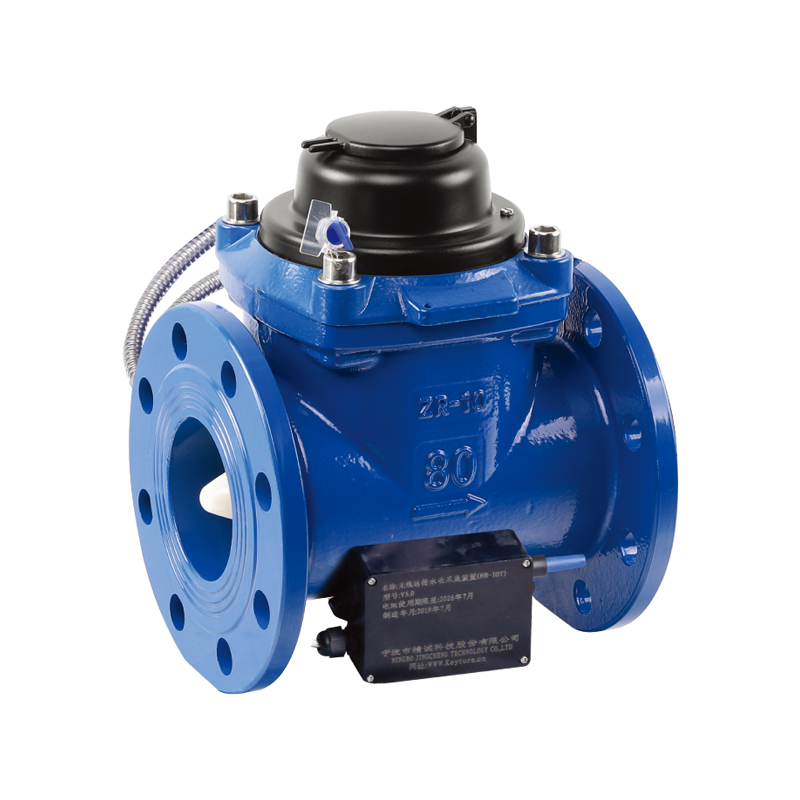
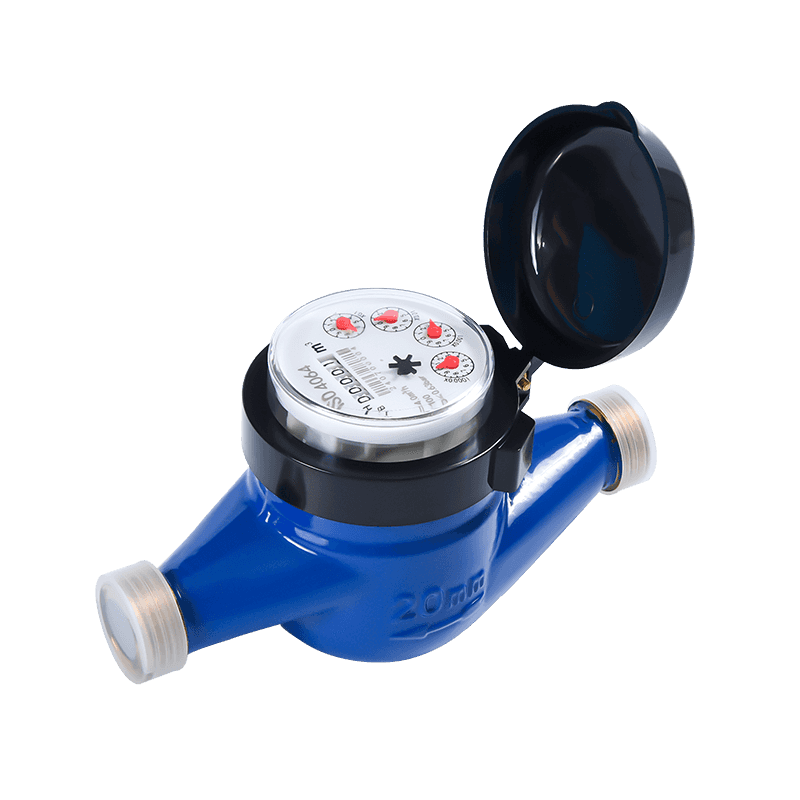
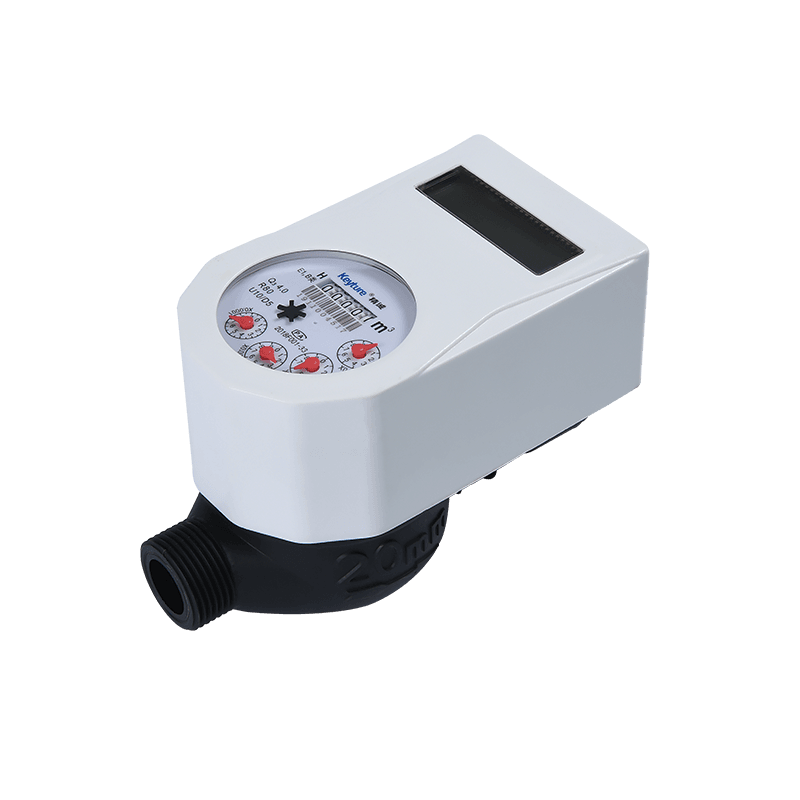
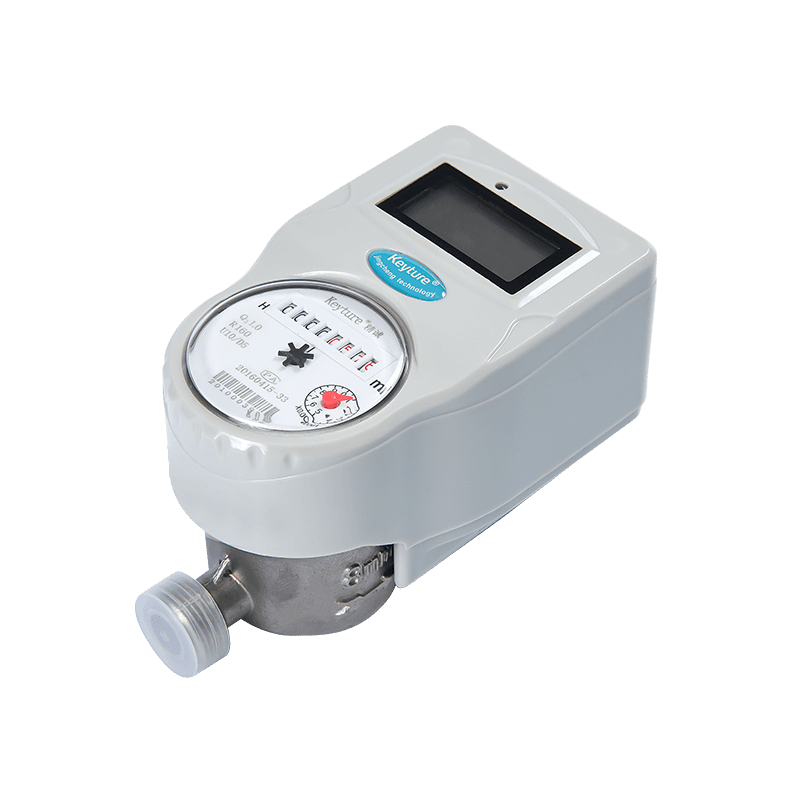
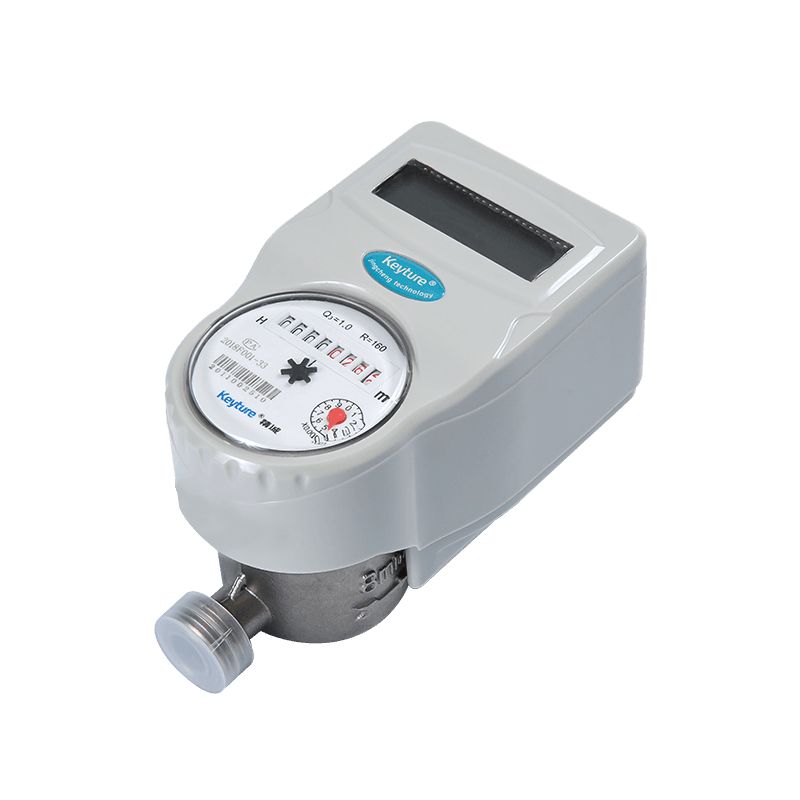
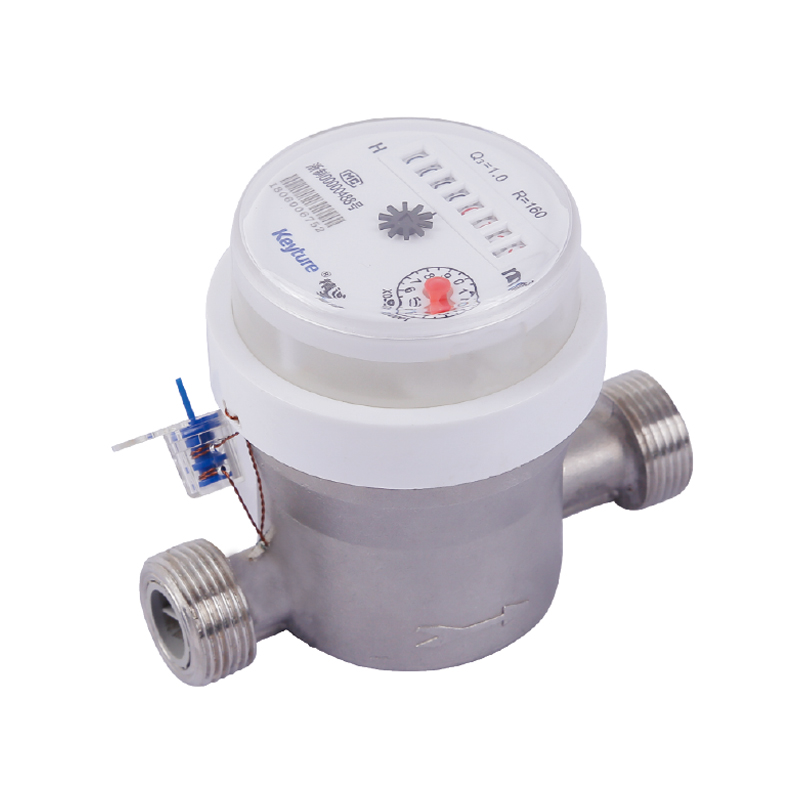
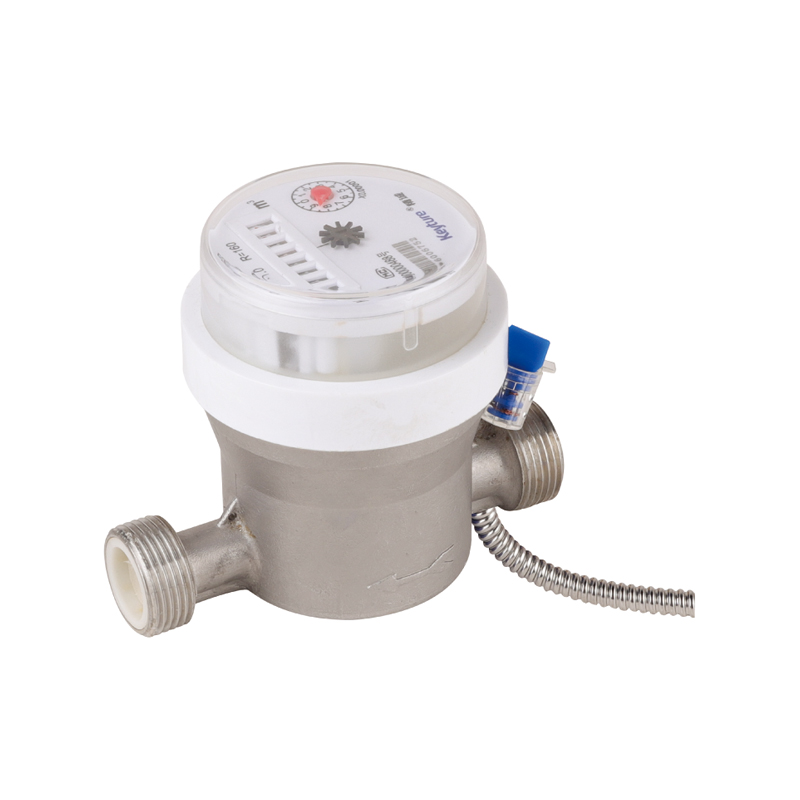
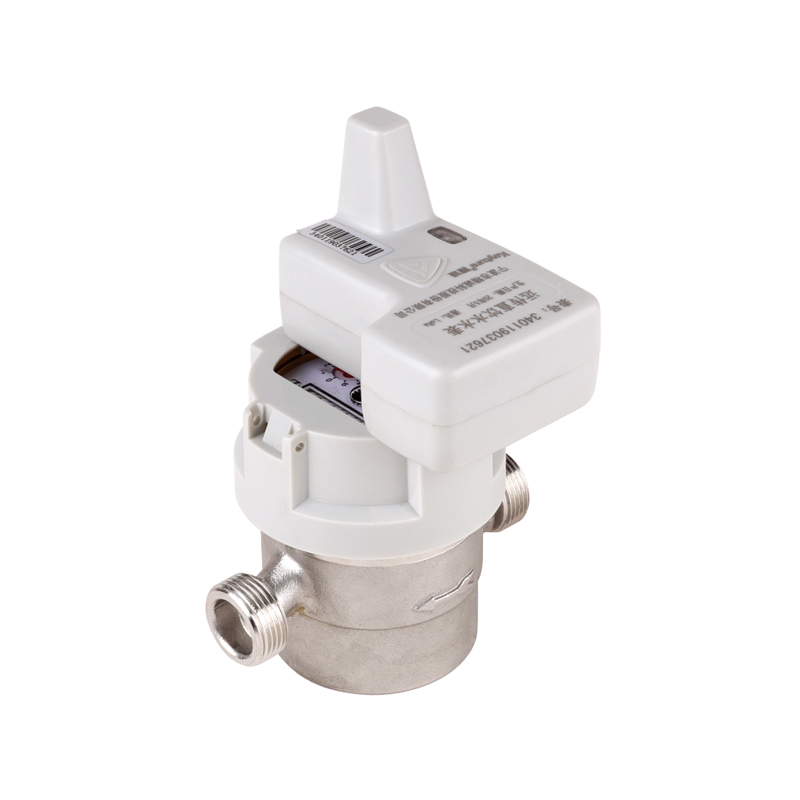
Absolute Reading, No Drift
The decoder reads the displayed digits, so the electronic value is the dial value. There is no cumulative counter that can fall out of step with the register after a fault.

A mechanical meter with an optical decoder that reads the digit wheels themselves — absolute readings that survive power loss, resets and magnetic interference.
Optical digit-wheel decoder · absolute reading · mechanical dial retained
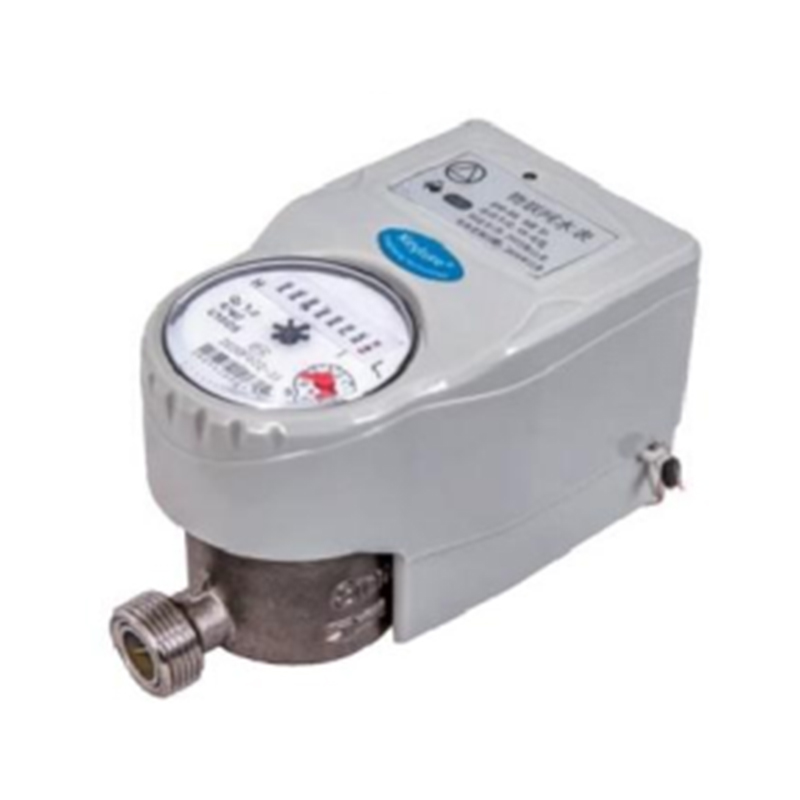
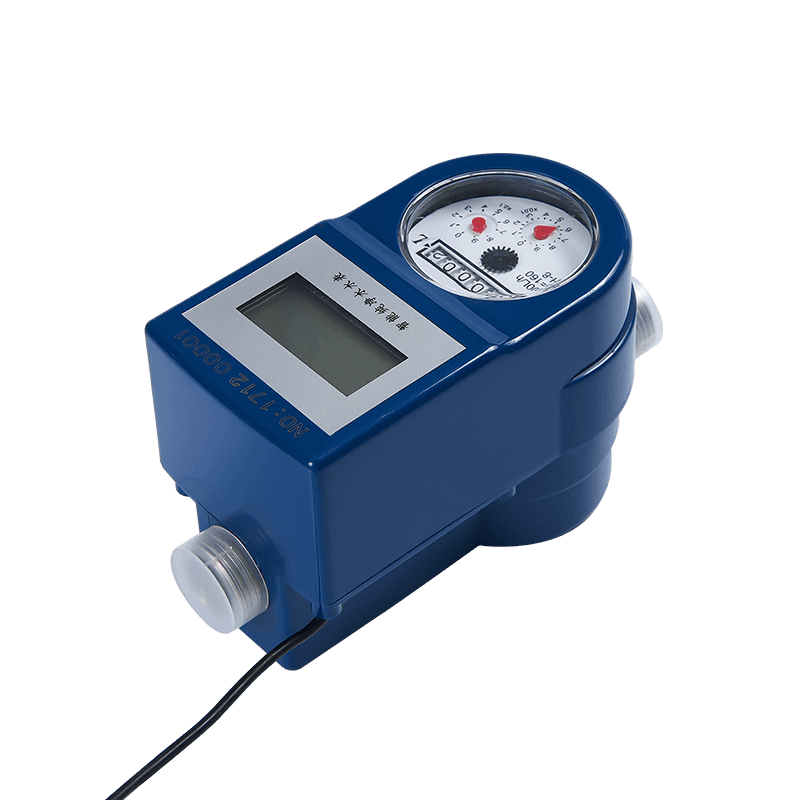
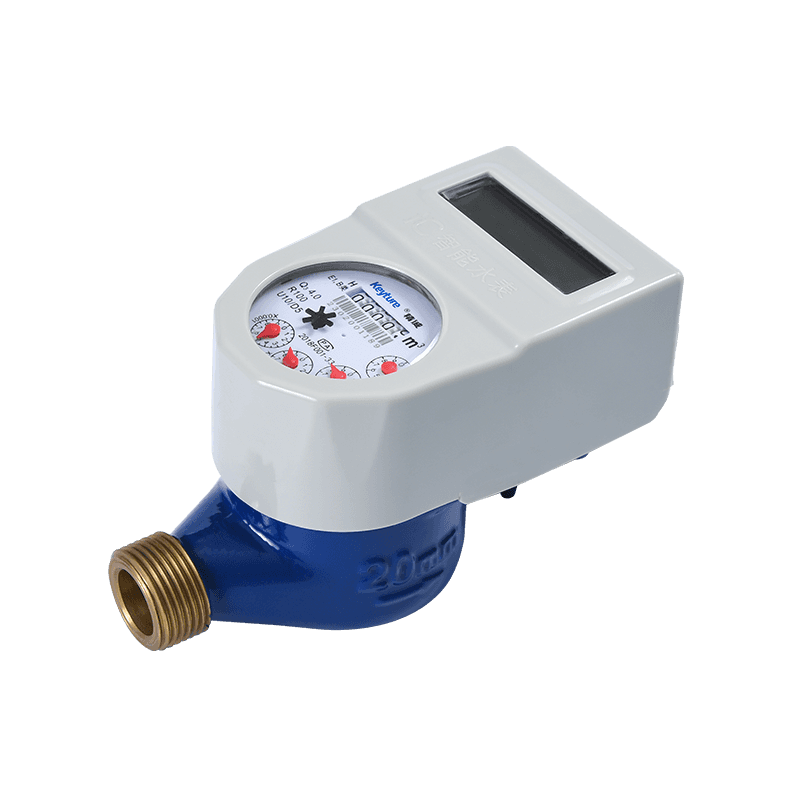
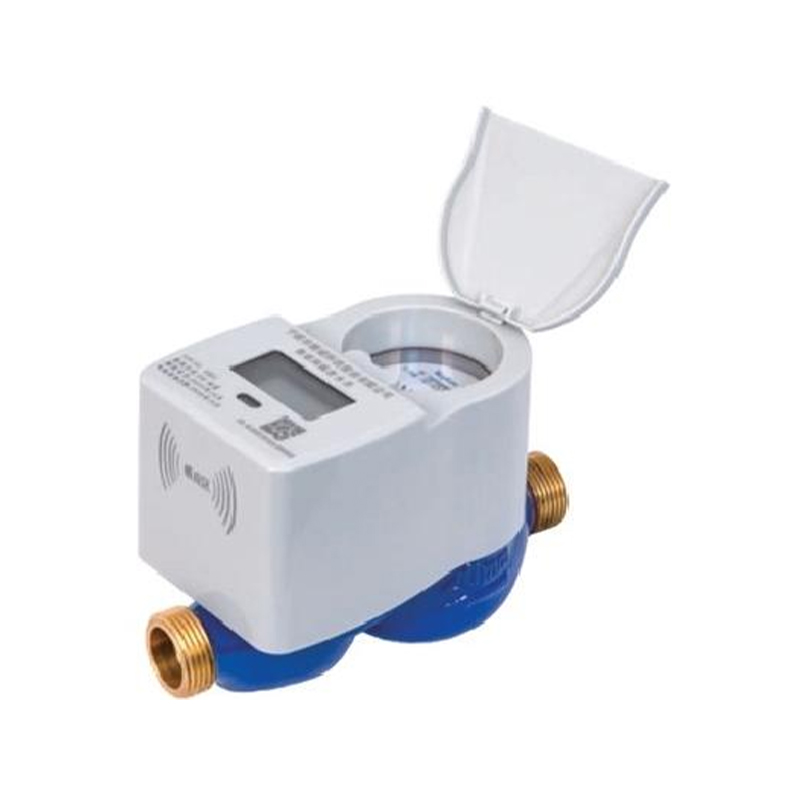
An optoelectrical direct reading water meter is a mechanical water meter whose register is read by light. Instead of counting pulses from the impeller, optical sensors inside the register look directly at the character wheels of the odometer, and a microprocessor decodes the digit that is showing on each wheel. The result is an absolute reading — the full cumulative volume as displayed on the dial — rather than a count that has to be added to a starting value. Whether the meter is powered, unpowered, rebooted, disconnected from the network or struck by lightning, the reading is always the one printed on the wheels, because the wheels themselves are the memory.
This is the key difference from pulse-counting remote meters. A pulse meter stores a number in electronic memory and increments it every time a Hall sensor or reed switch fires. If the battery is replaced carelessly, the memory is corrupted, a pulse is missed during a surge or a magnetic field disturbs the sensor, the electronic total drifts away from the dial. A direct reading meter has no such risk. Each digit wheel carries an optical code — a coded pattern or a set of reflective and absorbing segments — that is read by an array of infrared emitters and photodiodes. The decoder reconstructs the displayed number, and the mechanical register remains the legal and visual record. Remote reading is an interface to the dial, not a replacement for it.
The sensor reads while the register is in motion, so the meter can report both the absolute reading and a high-resolution fractional value from the faster wheels. Communication is via M-Bus, RS485, LoRaWAN or NB-IoT, with the optical decoder powered from the bus or from a long-life lithium cell that is only awake for a few milliseconds per reading. The meter is supplied in DN15 to DN50 with a multi jet chamber, Class 2 accuracy under ISO 4064 / OIML R49 and R100 range ratio, and it can be dropped into existing tenders that demand mechanical-dial-equivalent legal readings. For utilities that distrust pure pulse counting, need to reconcile billing disputes against the visible dial or want to remove drift from their AMR data, optoelectrical direct reading is the safest technology.
Key takeaway: A pulse meter counts. A direct reading meter looks. Because the optical sensor reads the real dial, the electronic reading can never disagree with the mechanical one.
Six reasons utilities use direct reading to eliminate drift between the dial and the data.
The decoder reads the displayed digits, so the electronic value is the dial value. There is no cumulative counter that can fall out of step with the register after a fault.
The odometer wheels hold the reading mechanically. When power returns or the battery is replaced, the meter reads the wheels again and reports the correct value instantly.
Optical sensing is unaffected by magnets that can disturb reed switches or Hall sensors. The decoder reads exactly what is on the wheels, regardless of external fields.
A customer can always compare the remote reading with the dial in front of them. If the figures match — as they always do — billing disputes over remote data disappear.
In legal metrology, the mechanical register is the primary indication. The optical interface adds remote reading without changing what the meter is, easing type approval.
Fast wheels are read with sub-digit precision, so the meter can report 0.1 L or finer resolution for leak detection, even when the dial shows only whole litres.
Standard configuration below. Communication, decoder resolution and power supply can be adapted to your market requirements.
| Parameter | Specification |
|---|---|
| Standard | ISO 4064 / OIML R49 |
| Meter type | Multi jet, dry-dial, optoelectrical direct reading |
| Nominal diameter | DN15 – DN50 (1/2" – 2") |
| Accuracy class | Class 2, R100 |
| Sensing method | Infrared emitter / photodiode array on coded digit wheels |
| Reading type | Absolute, decoded from displayed digits |
| Digit wheels read | 6 – 8 odometer wheels plus optional pointer |
| Resolution | 1 L standard; 0.1 L with pointer decoding |
| Decoder wake time | < 20 ms per reading |
| Communication | M-Bus, RS485 Modbus, LoRaWAN, NB-IoT |
| Power supply | Bus-powered (M-Bus) / 12 – 24 V DC / 3.6 V lithium battery up to 10 years |
| Water temperature | 0.1 °C – 50 °C (cold water) |
| Working pressure | MAP 16 bar |
| Body material | Brass or cast iron |
| Pressure loss | ≤ 0.063 MPa at Q3 |
| Alarms | Wheel-read error, low battery, reverse flow, tamper |
| Protection | IP68 sealed decoder module |
Q4 is the overload flow, Q3 the permanent flow, Q2 the transitional flow and Q1 the minimum flow, all expressed in m³/h.
| Nominal Diameter | Q4 Overload | Q3 Permanent | Q2 Transitional | Q1 Minimum | Range Ratio | Wheels Decoded |
|---|---|---|---|---|---|---|
| DN15 (1/2") | 3.125 | 2.5 | 0.04 | 0.025 | R100 | 6 wheels + pointer |
| DN20 (3/4") | 5 | 4 | 0.064 | 0.04 | R100 | 6 wheels + pointer |
| DN25 (1") | 7.875 | 6.3 | 0.1008 | 0.063 | R100 | 7 wheels + pointer |
| DN32 (1¼") | 12.5 | 10 | 0.16 | 0.1 | R100 | 7 wheels |
| DN40 (1½") | 20 | 16 | 0.256 | 0.16 | R100 | 8 wheels |
| DN50 (2") | 31.25 | 25 | 0.4 | 0.25 | R100 | 8 wheels |
Values shown for R100. Wheel count and decoding resolution depend on size and chosen interface — tell us your required reading resolution and communication protocol and we will confirm the correct configuration.
Direct reading combines the legal standing of a mechanical register with electronic data, so certification covers both.
Class 2 limits apply to the measuring chamber and register. The mechanical register remains the legal indication, and the optical decoder is validated as an auxiliary reading device.
The optical reading is compared with the visual dial across millions of wheel positions and transitions, including carry between wheels, to confirm zero decoding errors.
Tests for ESD, EFT, surge and static magnetic fields confirm that decoding is unaffected by external disturbances that influence pulse sensors.
Infrared emitters operate at low power and are exempt group under IEC 62471, with no hazard to users or installers.
EU MID approval for the mechanical meter with the optional reading interface, including software and sealing requirements.
Brass, polymer and seal materials in contact with drinking water can be supplied with NSF/ANSI 61, WRAS or ACS certificates.

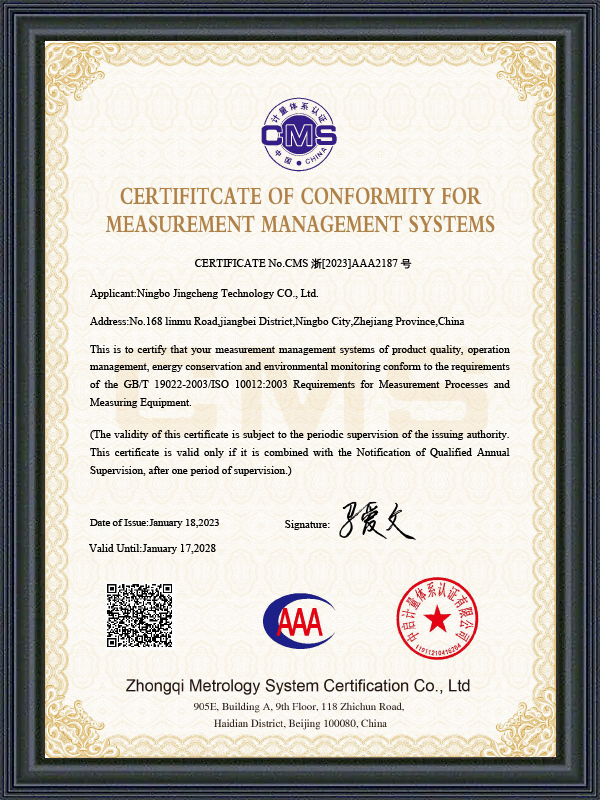
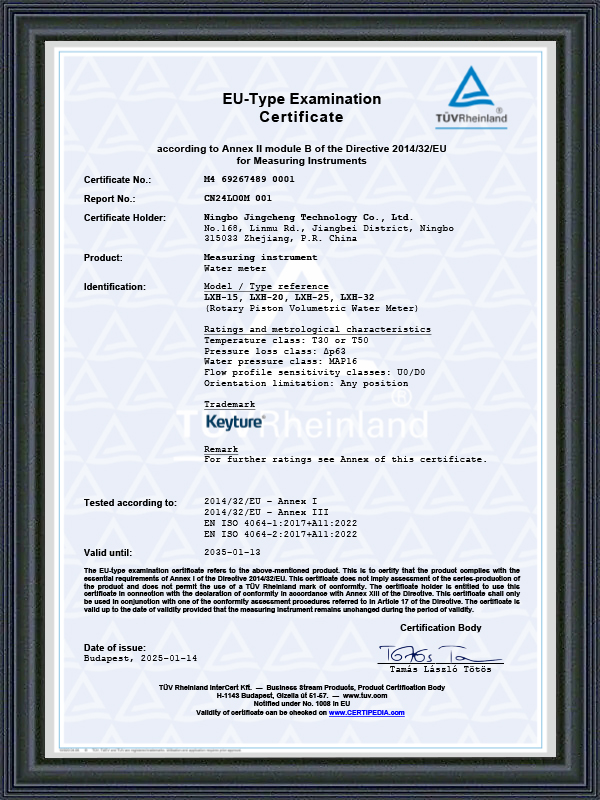
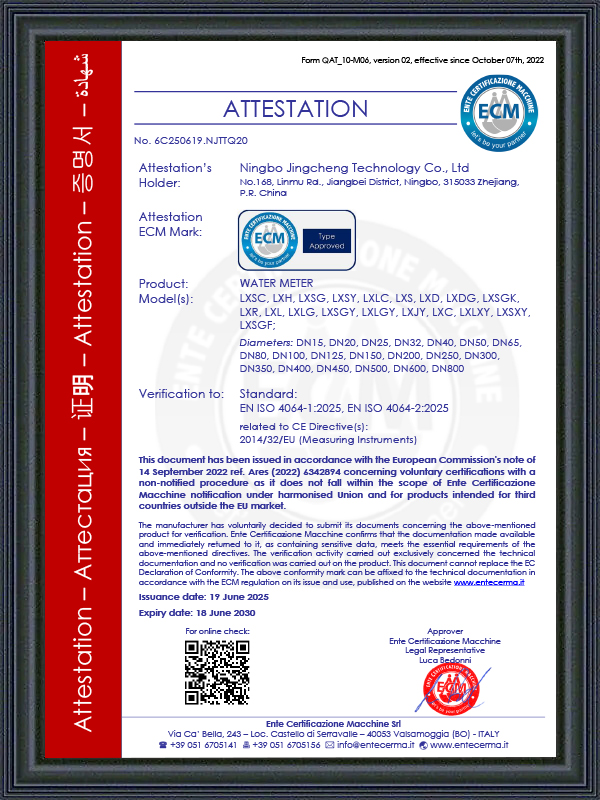
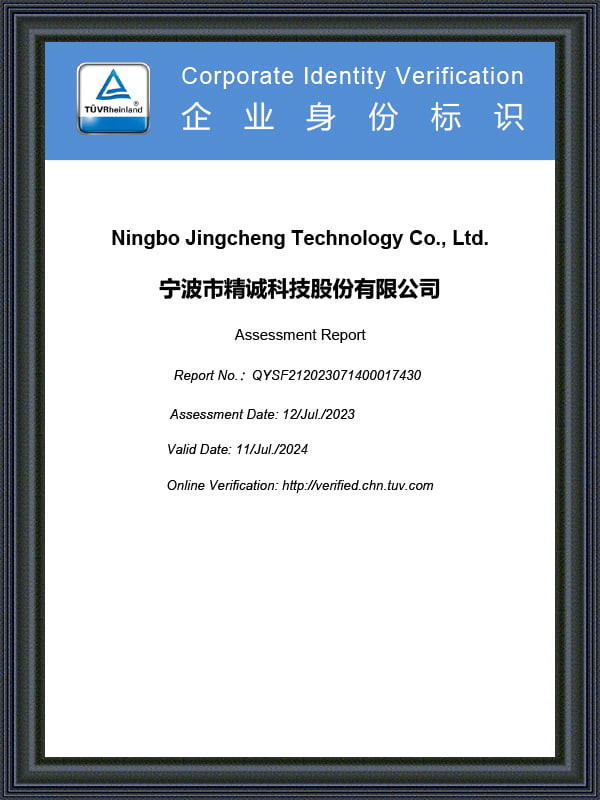
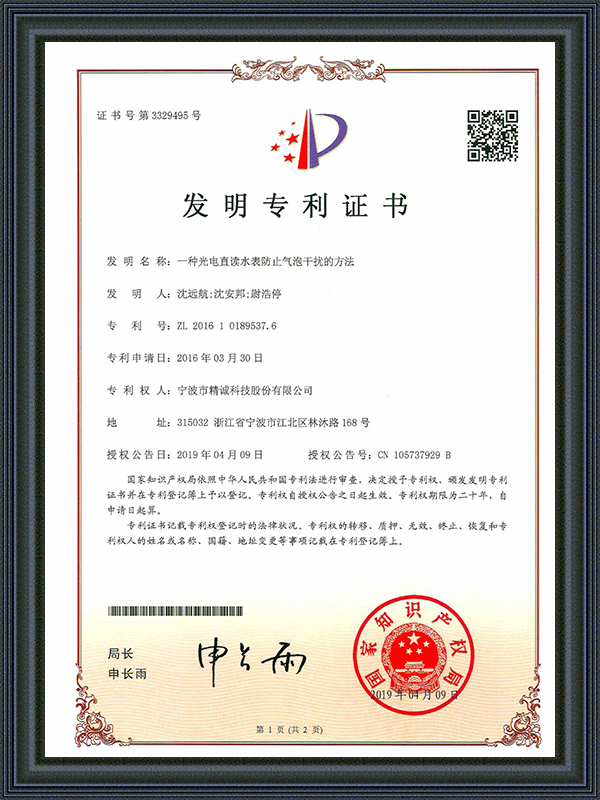
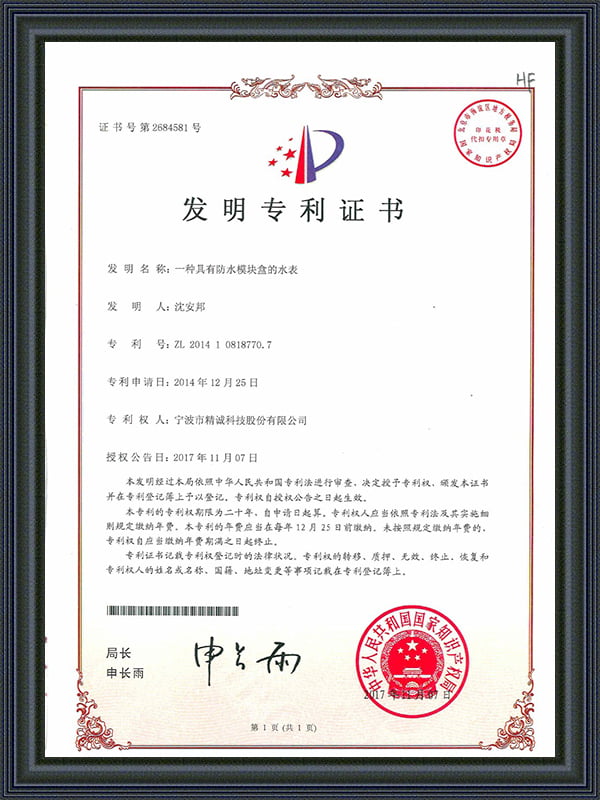
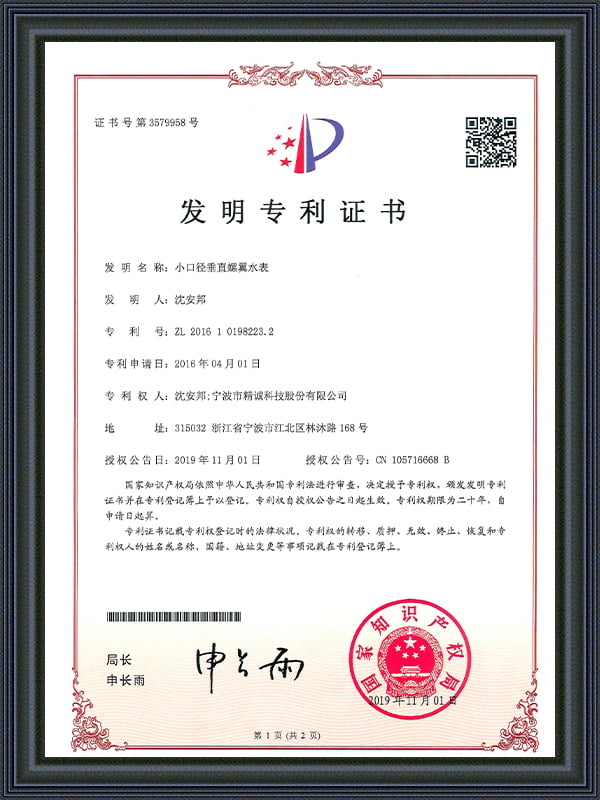
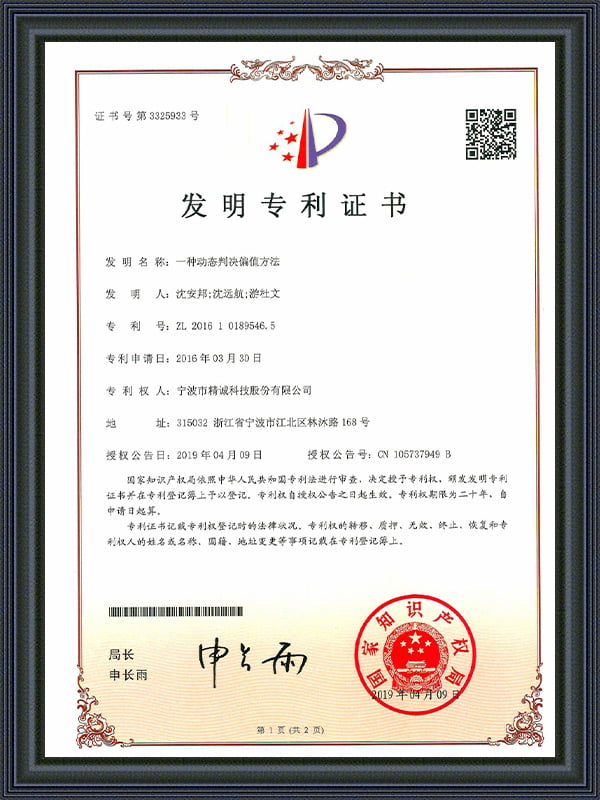

Two techniques define this meter: how light reads a mechanical digit, and how the system handles carry and in-motion wheels.
Each odometer wheel carries a coded pattern on its inner edge — typically a binary or Gray-coded ring of reflective and absorbing segments. A small array of infrared LEDs and photodiodes sits above the wheel and detects which segments are reflective. The pattern of high and low signals uniquely identifies the digit from 0 to 9. A microcontroller reads all wheels in a few milliseconds and assembles the digits into a decimal number.
The principle is analogous to an absolute rotary encoder. Unlike an incremental encoder, which counts steps from a start point, an absolute encoder outputs the position directly, so the reading survives power loss. Gray coding ensures that only one bit changes between adjacent digits, preventing false readings when a wheel is between positions. The optical system is sealed and protected from dust and condensation by the register cover.
On a mechanical odometer, the units wheel turns fastest and each higher wheel advances once for every ten steps of the wheel below. When the units wheel passes from 9 to 0, the tens wheel begins to advance, but it may still be between digits at the moment of reading. The decoder uses the lower wheel’s position to resolve the higher wheel’s ambiguity, applying standard carry logic so the reported value is always consistent.
The fastest wheel or pointer is also decoded with sub-digit resolution, so the meter can report fractional litres even though the odometer shows whole numbers. This provides high-resolution flow measurement for leak detection and for estimating instantaneous flow by differentiating successive readings. All processing runs in a low-power microcontroller that wakes on a timer or on request from the bus.
Measured performance data for the optoelectrical direct reading water meter. Use these charts to confirm pressure loss, accuracy and installation dimensions before specifying.
Figure 1 — Head loss curve (MPa vs. flow m³/h)
The chart shows pressure loss across the meter for DN15 to DN50. The optical decoder is in the register, outside the water path, so head loss is that of the multi jet chamber and remains at or below 0.063 MPa at Q3.
Figure 2 — Accuracy error curve (Class 2, R100, Q1–Q4)
The error curve is that of the mechanical measuring chamber, since the optical decoder adds no counting error. Class 2 limits are met across the range, and the remote reading equals the visible dial reading in every verification run.
Figure 3 — Installation dimensions (L × H × B × D)
| Size | L (mm) | H (mm) | B (mm) | D (thread) |
|---|---|---|---|---|
| DN15 | 165 | 112 | 92 | G3/4" |
| DN20 | 190 | 117 | 94 | G1" |
| DN25 | 260 | 130 | 108 | G1¼" |
| DN32 | 260 | 138 | 110 | G1½" |
| DN40 | 300 | 164 | 138 | G2" |
| DN50 | 300 | 174 | 142 | Flange |
Dimensions are for reference and include the optical decoder module. Confirm exact values with our engineering team before installation design.
There are several ways to get a remote reading from a mechanical meter. This table compares direct optical reading with common alternatives.
| Design Feature | Optoelectrical Direct Reading | Reed / Hall Pulse | Electronic Counter |
|---|---|---|---|
| Reading type | Absolute — reads the dial | Incremental count | Cumulative electronic count |
| Drift against the dial | None | Possible after missed pulses | Possible after reset |
| Effect of power loss | No loss of reading | Count may be lost | Count held in memory |
| Magnetic interference | Immune | Reed and Hall can be affected | Sensor-dependent |
| Billing dispute resolution | Dial equals data | Reconciliation needed | Reconciliation needed |
| Unit purchase cost | Higher | Lowest | Moderate |
| Power consumption | Low — few ms per reading | Passive (reed) | Low |
| Best application | Legal billing and retrofits | Basic AMR | Smart meters without mechanical dial |
This comparison is indicative. Actual performance depends on communication system, tamper environment and the specific product configuration. Contact our engineers for application-specific guidance.
Premium quality
since 2002
Coming From China, Marketing To The World
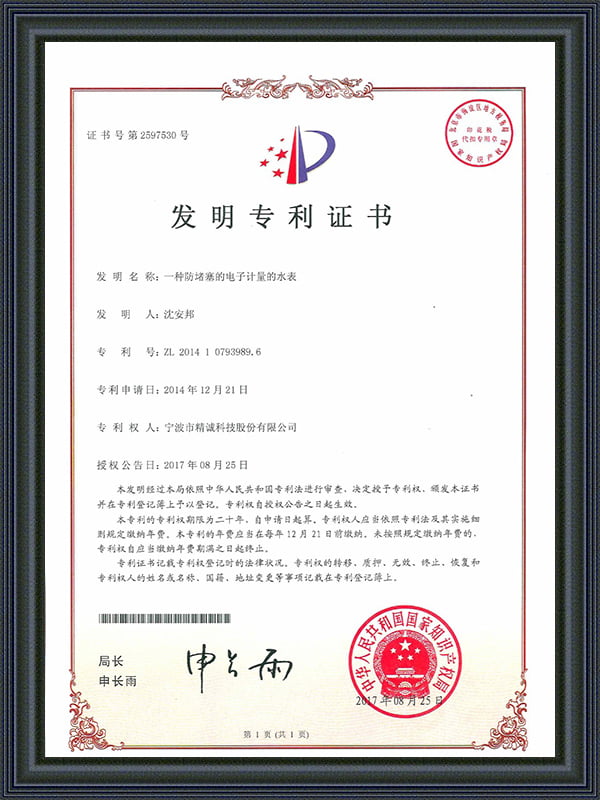
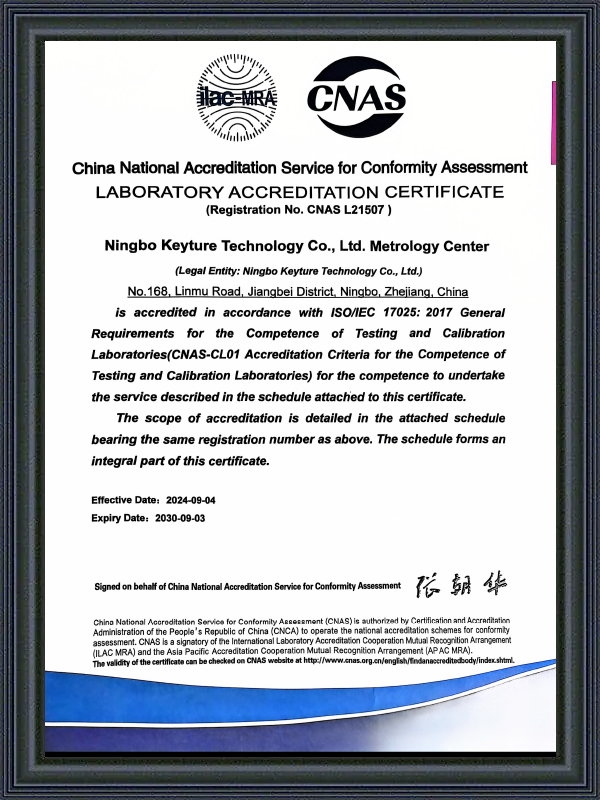
Keyture Meter is located in Picturesque Jiangbei Investment Park, NINGBO, CHINA. It is a comprehensive high-tech China Optoelectrical Direct Reading Water Meter Manufacturers and Custom Optoelectrical Direct Reading Water Meter Factory that integrates scientific research & development, production, sales, and service. Established in 2002 as a manufacturer and exporter of water meters for more than 22 years. The factory covers an area of 40 acres (30,000 square meters), 200 staff, 100+ types of products, product capacity of 5 million per year. Its product range covers single jet, multi-jet, volumetric piston type, Woltman type, IC card intelligent water meter, remote control water meter, optoelectrical reading direct remote control water meter...
Yearly production capacity
Production Area
Works and inspectors
Production experience
Excellent product with exquisite craftsmanship
Customization
We have a strong R&D team, and we can develop and produce products according to the drawings or samples the customers offered.
Cost
We are a professional manufacturer and also have our own processing machinery. So we can offer good prices and good products directly.
Quality
We have our own testing lab and advanced and complete inspection equipment, which can ensure the quality of the products.
Service
We focus on developing high-quality products for top-end markets. Our products are in line with international standards, and are mainly exported to Europe, America, Africa, Asia and other destinations around the world.
Capacity
Our annual production capacity is over 5 million units. We can meet the needs of different customers with different purchase quantities.
Shipment
We are about 35 kilometers away from Ningbo Port. It is very convenient and efficient to ship goods to any other countries.
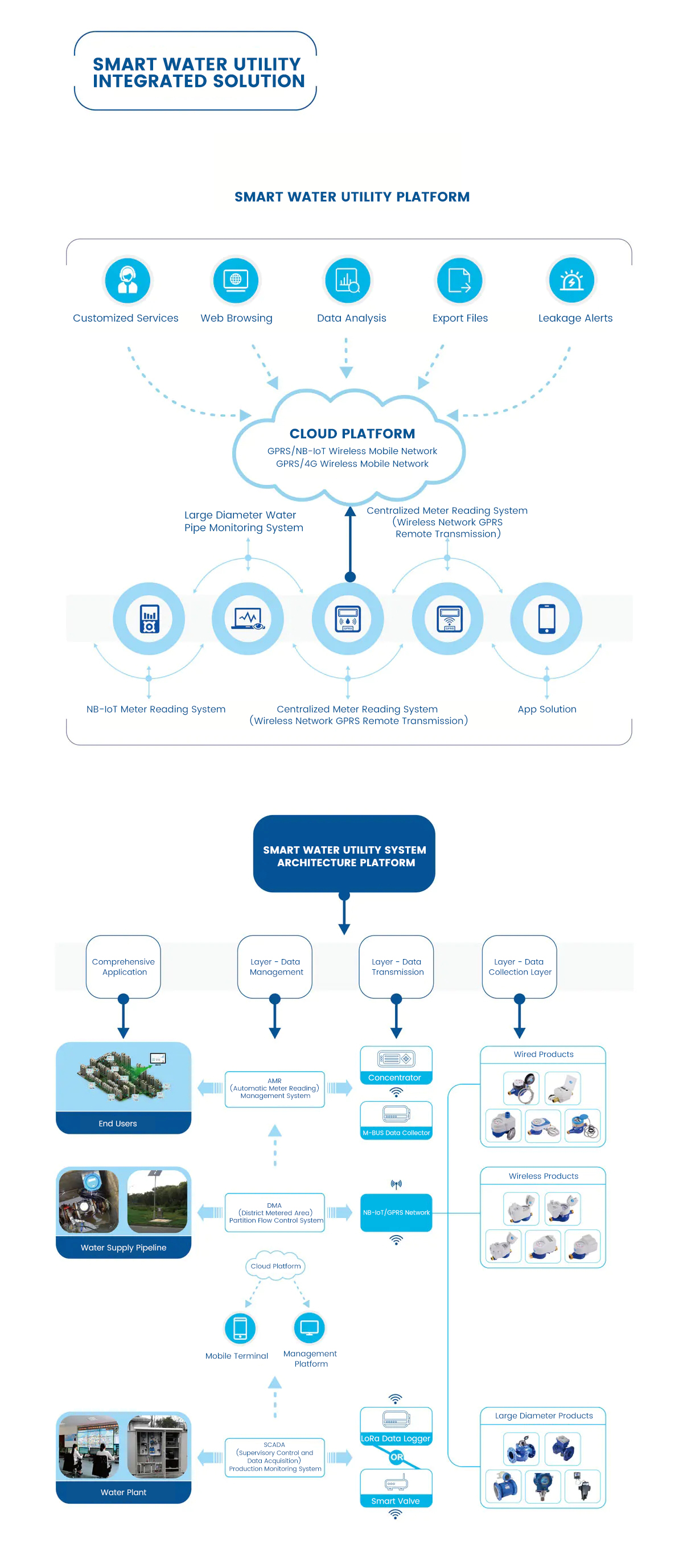
From mechanical meters to smart AMR/AMI systems — we provide end-to-end water metering solutions tailored to your project.
Chosen where electronic data must always agree with the mechanical dial and where drift or disputes are costly.
Install the meter horizontally with the register facing upward and in the direction of the flow arrow. Keep the register cover clean and unobstructed so that the dial remains visible for manual checks, since the mechanical register stays the primary indication.
Connect the communication cable or fit the battery module before sealing the meter. For M-Bus or RS485 versions, follow the wiring guidance for bus topology, termination and shield grounding. For wireless versions, check signal strength at the installation point and use an external antenna in pits.
After commissioning, compare the remote reading with the visible dial. They should match exactly. Record the meter serial number and first reading in the asset system, and seal the register cover with a lead wire.
Maintenance is minimal. The optical decoder has no moving parts, and the infrared emitters have a very long life when operated for only a few milliseconds per reading. Inspect the register cover for condensation or scratches, since these can obscure the optical path, and replace the cover if damaged.
If the communication module or battery fails, it can be replaced without affecting the mechanical register or the water circuit. The new module reads the dial immediately and reports the correct value with no re-initialisation needed, which is a strong advantage over pulse-counting designs.
The measuring chamber has the typical life of a multi jet meter, eight to ten years. Because the optical module has no count memory to lose, field replacement is simpler and less error-prone than for pulse modules.
A direct reading meter decodes the digits displayed on the register wheels and reports that absolute value remotely. It does not count pulses, so the remote reading is always the same as the dial.
Each wheel has a coded pattern on its edge. Infrared LEDs illuminate the code and photodiodes detect reflected light. The pattern identifies the digit, and the microcontroller combines all wheels into a number.
Nothing is lost. The odometer wheels keep the reading mechanically. When power is restored, the decoder reads the wheels and reports the correct value immediately.
Pulse counting can drift if pulses are missed, if the battery is replaced or if external magnets interfere. A direct reading meter cannot drift because it reads the dial itself.
No. The optical decoder is not magnetic, so external magnets do not influence it. The mechanical register is still protected by the meter’s magnetic coupling shielding.
Standard resolution is 1 L, the last digit on the odometer. With pointer or fast-wheel decoding, resolution of 0.1 L or finer is available for leak detection.
M-Bus, RS485 Modbus, LoRaWAN and NB-IoT modules are available. Wired versions can be powered from the bus, and wireless versions use a lithium battery.
With daily reporting, the battery can last up to ten years because the decoder wakes for only a few milliseconds. More frequent reporting reduces life, and we can estimate it for your reporting plan.
Yes. The mechanical register is unchanged and remains the legal indication. The optical decoder is an add-on that reads the dial.
The meter reports a wheel-read error and continues to operate mechanically. The module can be replaced without touching the water circuit, and the new module reads the correct value immediately.
Condensation on the register cover can obscure the optical path. The dry register uses an anti-condensation coating and gasket design. If condensation persists, the cover can be replaced without changing the meter.
Some designs allow a retrofit of the optical module onto compatible registers. For legal metrology, it is usually better to install a factory-built meter so that sealing and approval are complete.
Send us the size, communication protocol, resolution and quantity you need. Our engineers will recommend the right optoelectrical direct reading configuration, with price and lead time.

Address: No.168,LinMu Rd.,Zone B, Jiangbei investment Park, Ningbo, Zhejiang,China
Tel: +86-0574-83090480/+86-18892665118
Fax: +86-0574-83021045
Email: [email protected]
Web: https://www.keyturemeter.com/
Quick Links
Product
Mobile terminal
 Custom Optoelectrical Direct Reading Water Meter Manufacturers