 English
 Español
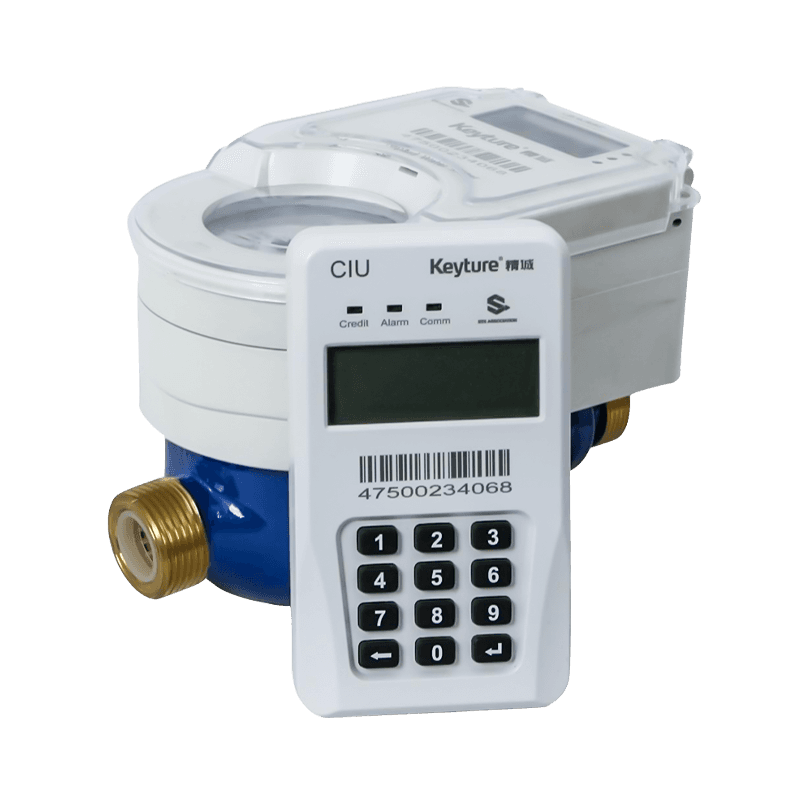
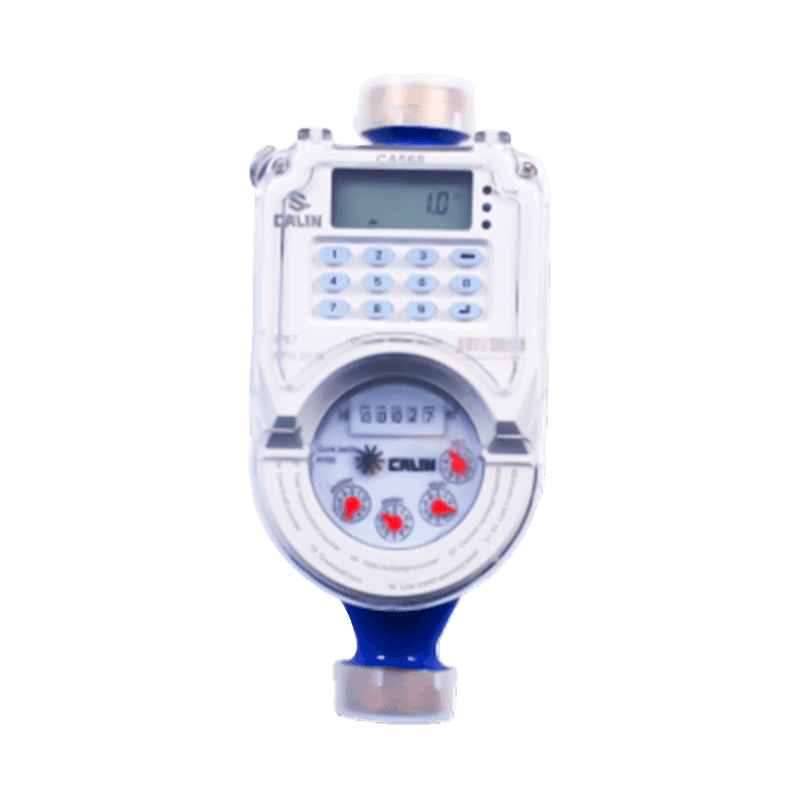
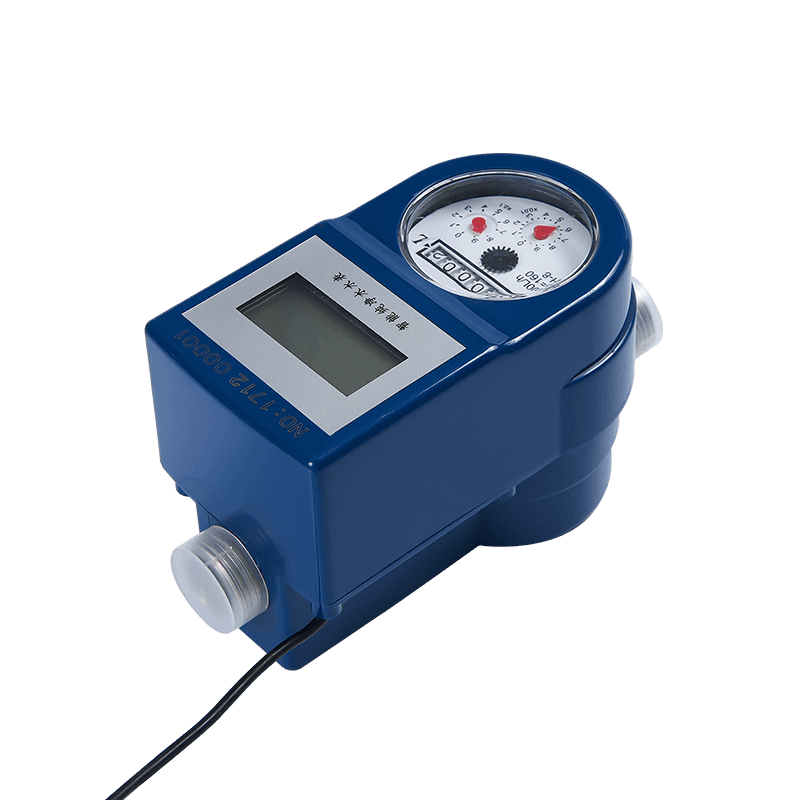
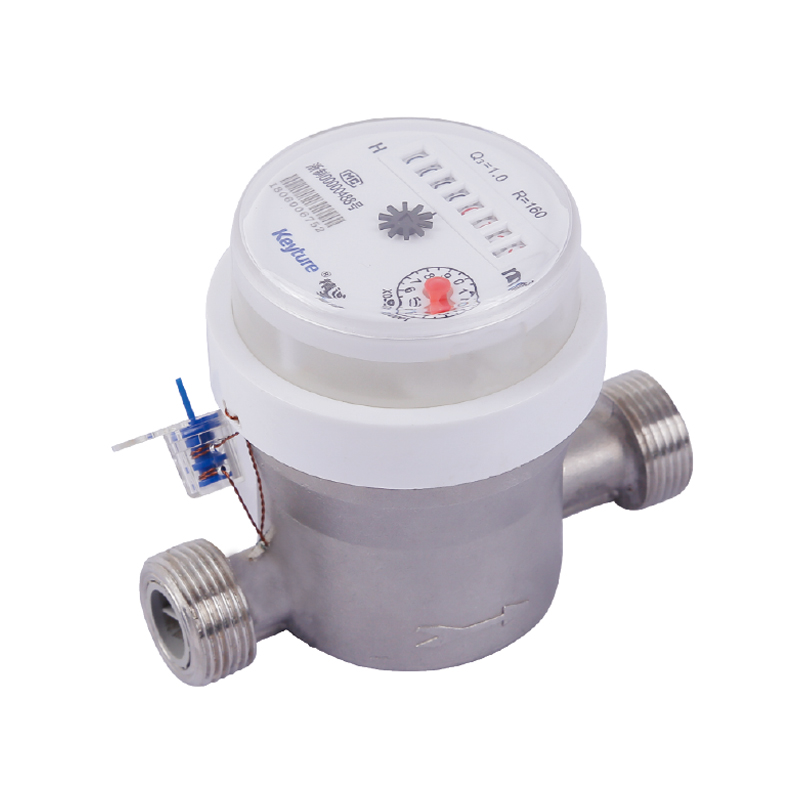
Guaranteed Revenue Collection
Water is paid for before it is consumed. Arrears, bad debt and disconnection notices fall away, and utilities see cash flow improve from the first week of operation.

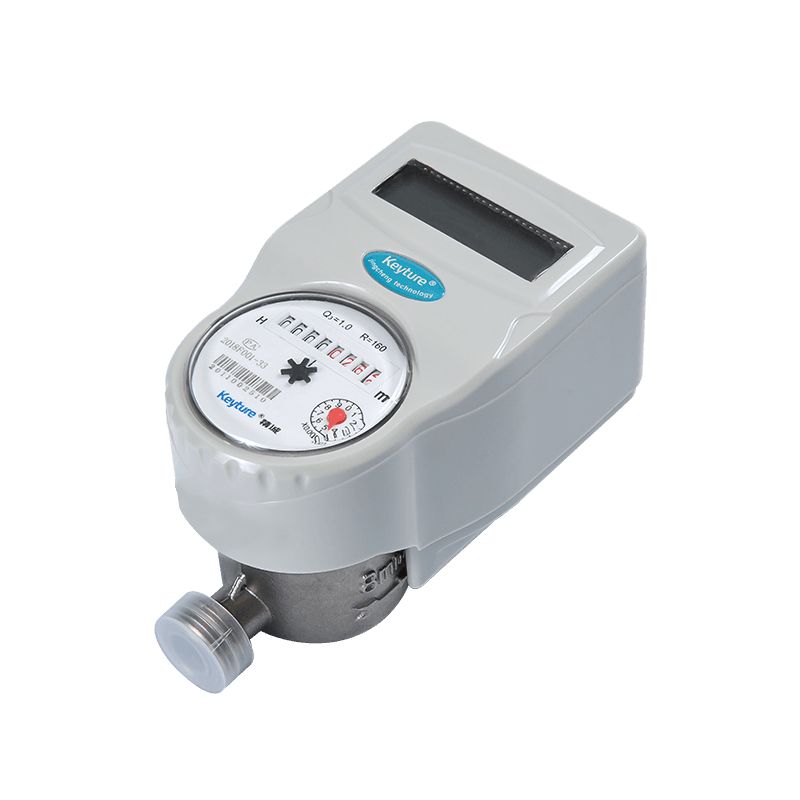
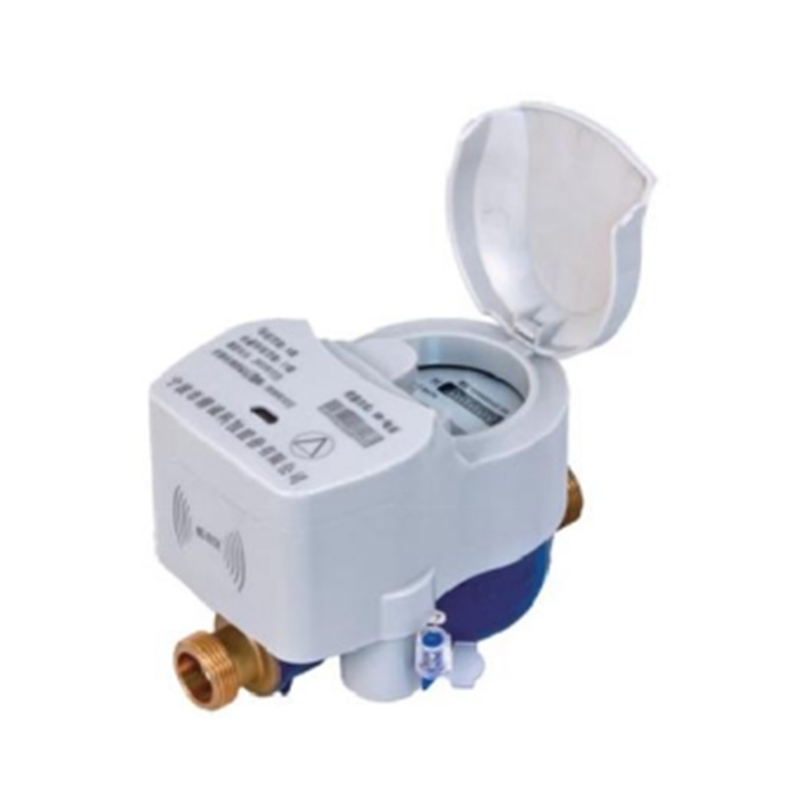
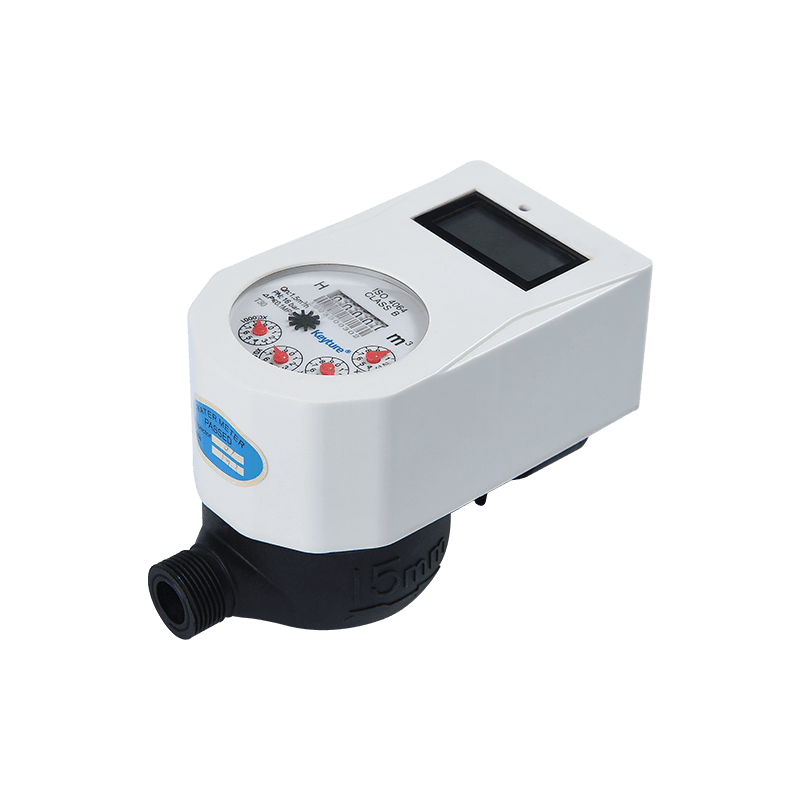
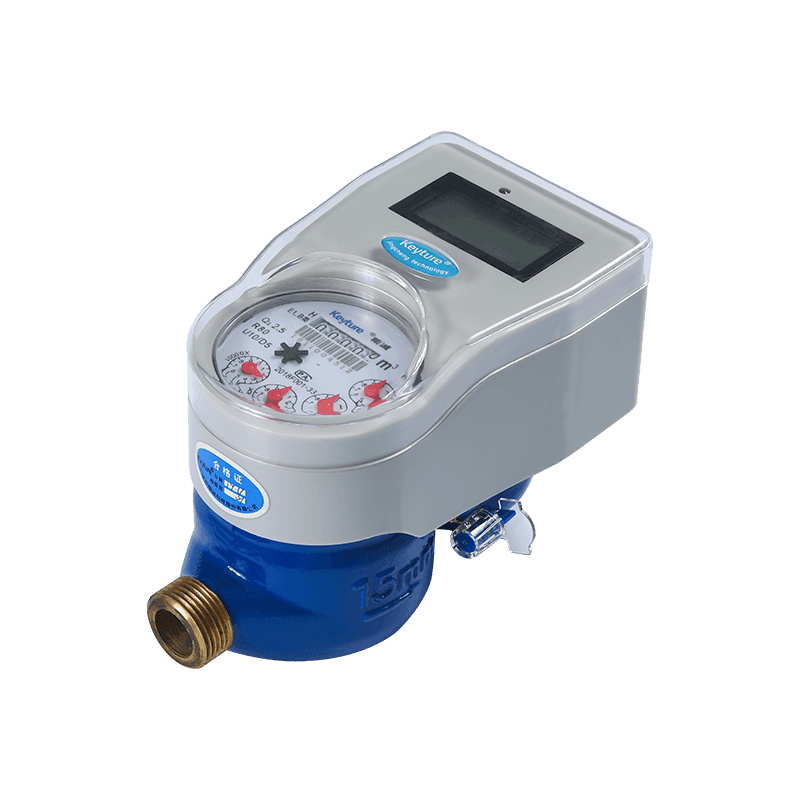
A card-operated prepaid meter with a motorised shut-off valve — designed for utilities that want guaranteed payment, no billing disputes and no wireless infrastructure.
IC card interface · motorised ball valve · LCD credit display
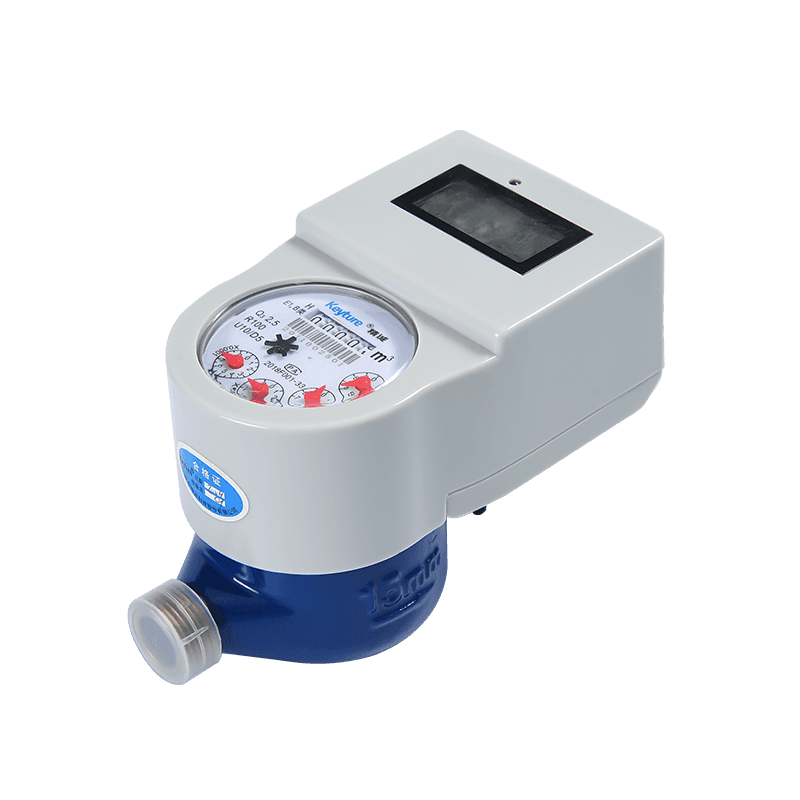
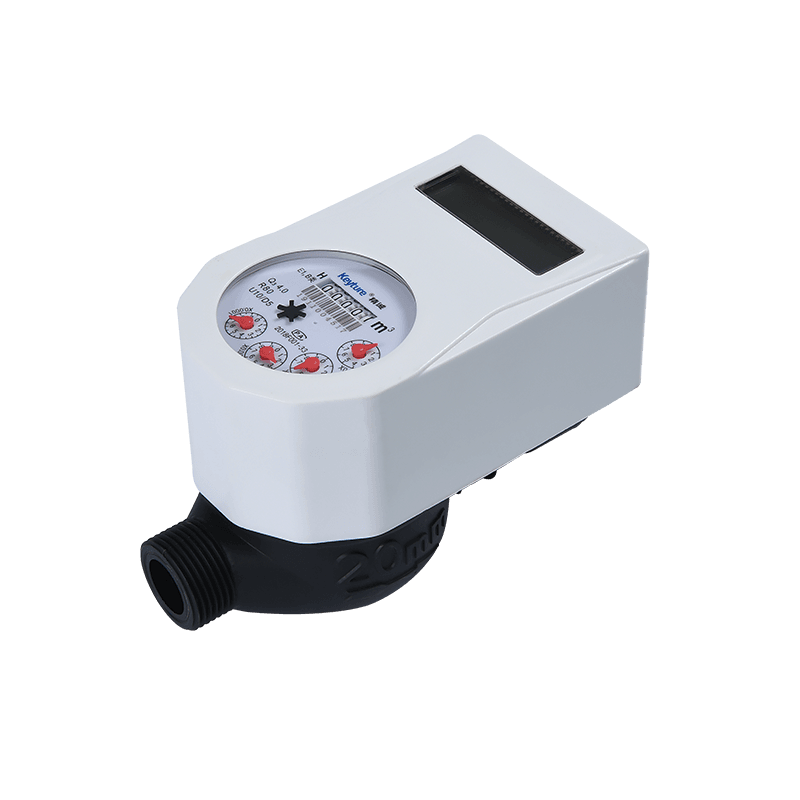
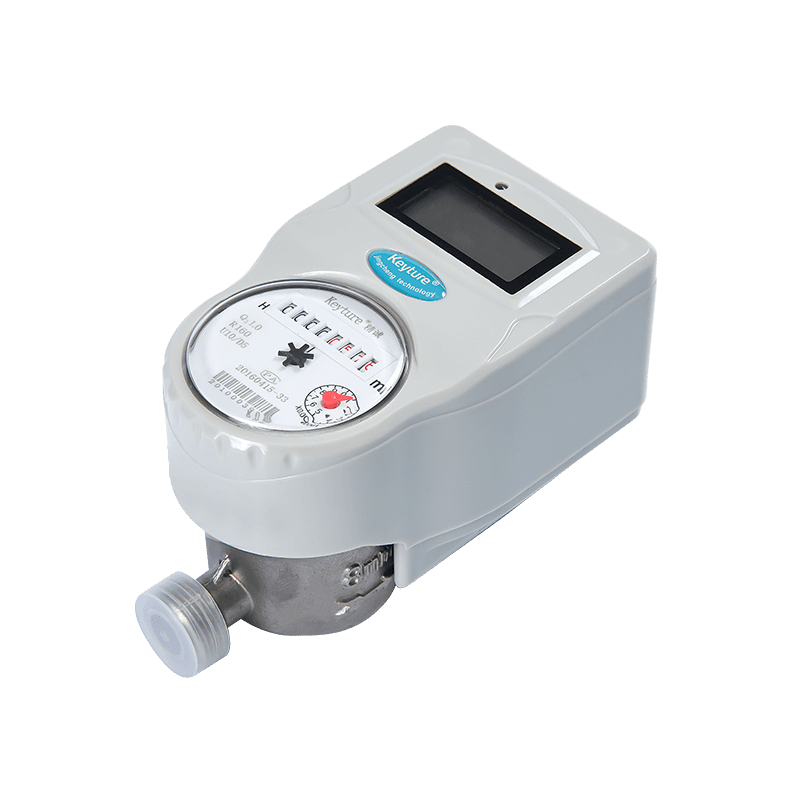
A smart IC card prepaid water meter is a water meter that sells water before it is used. The consumer buys credit at a utility counter, vending kiosk or authorised agent, the purchase is written onto an IC card, and the card is inserted into the meter — or tapped against it — to transfer the credit. The meter then measures consumption with a mechanical or electronic sensor, deducts every litre from the stored balance and automatically closes an integral motorised valve when the balance reaches zero. Billing, meter reading, collection and disconnection are merged into one transaction, which removes the cost of meter-reading rounds and the risk of unpaid bills.
What defines this meter is the IC card ecosystem around it. Each card holds an encrypted data record: the purchased volume or amount, the tariff applicable to the customer, the meter and user identity, and a transaction counter that prevents the same top-up from being used twice. When the card is read by the meter, it also writes back the cumulative consumption, valve status, low-battery flags and tamper events. The next time the card is returned to the utility software, this feedback is uploaded, giving the utility a complete picture of consumption and meter health without any wireless network. This offline architecture is the reason IC card prepaid meters thrive in regions where mobile coverage is weak, where utilities want tight control over cash handling, or where customers prefer a physical receipt over a mobile app.
The meter is built on a Class 2 multi jet measuring chamber that complies with ISO 4064 / OIML R49, with R100 range ratio standard. A low-power microcontroller powered by a 3.6 V lithium battery manages the card reader, display, valve motor and alarm logic, with battery life of six years or more under normal use. Sizes cover DN15 to DN40 with brass bodies, and an LCD shows remaining credit, accumulated volume and valve status. Low-credit warnings, emergency credit, anti-tamper detection and a manual valve override complete a package that suits residential estates, public housing, rural schemes and any utility moving from arrears-prone postpaid billing to a cash-in-advance model.
Key takeaway: The IC card is the bank, the cashier and the meter reader in one. A smart IC card prepaid meter delivers guaranteed revenue and zero reading routes, without requiring any communication network.
Six operational advantages that make IC card prepayment a proven revenue-assurance tool for utilities.
Water is paid for before it is consumed. Arrears, bad debt and disconnection notices fall away, and utilities see cash flow improve from the first week of operation.
The card is the data carrier. The system works in remote villages, underground meter rooms and regions without cellular or LoRa coverage, and avoids recurring SIM or gateway fees.
Credit records are protected by card-level and application-level encryption, with a transaction counter and meter ID binding. Copied or replayed cards are rejected by the meter.
A motorised ball valve closes at zero balance and reopens when credit is added. Low-credit warning, emergency credit and optional night-time grace flow prevent hardship from sudden cut-off.
The LCD shows remaining credit, last top-up and total volume. Customers see their water use in real time and tend to reduce consumption, which supports conservation targets.
Magnetic, reverse-flow, card-abuse and valve-fault alarms are logged and uploaded with the next card transaction, giving utilities evidence for investigation without sending field staff.
Standard configuration below. Card type, valve type, display language and tariff firmware can be adapted to your market requirements.
| Parameter | Specification |
|---|---|
| Standard | ISO 4064 / OIML R49 (measurement); ISO 7816 (contact card) |
| Meter type | Multi jet, vane wheel, prepaid with motorised valve |
| Nominal diameter | DN15 – DN40 (1/2" – 1½") |
| Accuracy class | Class 2, R100 |
| Card interface | Contact IC card (ISO 7816); RF card (ISO 14443A) on request |
| Card security | Dual-key authentication, encrypted data, anti-replay counter |
| Valve | Motorised full-bore ball valve, 6 – 10 s open/close |
| Power supply | 3.6 V lithium battery, ≥ 6 years at typical use |
| Display | LCD, 8 digits: balance, volume, valve and alarm icons |
| Water temperature | 0.1 °C – 50 °C (cold water) |
| Working pressure | MAP 16 bar |
| Body material | Forged brass |
| Pressure loss | ≤ 0.1 MPa at Q3 (including valve) |
| Data retention | Non-volatile memory, ≥ 10 years without power |
| Alarms | Low credit, low battery, magnetic, reverse flow, valve fault, card error |
| Protection | IP65 standard; IP68 on request |
| Ambient temperature | -10 °C – 55 °C |
Q4 is the overload flow, Q3 the permanent flow, Q2 the transitional flow and Q1 the minimum flow, all expressed in m³/h.
| Nominal Diameter | Q4 Overload | Q3 Permanent | Q2 Transitional | Q1 Minimum | Range Ratio | Max Balance Display |
|---|---|---|---|---|---|---|
| DN15 (1/2") | 3.125 | 2.5 | 0.04 | 0.025 | R100 | 9,999.999 m³ |
| DN20 (3/4") | 5 | 4 | 0.064 | 0.04 | R100 | 9,999.999 m³ |
| DN25 (1") | 7.875 | 6.3 | 0.1008 | 0.063 | R100 | 99,999.99 m³ |
| DN32 (1¼") | 12.5 | 10 | 0.16 | 0.1 | R100 | 99,999.99 m³ |
| DN40 (1½") | 20 | 16 | 0.256 | 0.16 | R100 | 99,999.99 m³ |
Values shown for R100. Card format, tariff structure, valve type and language of the LCD can be configured — tell us your billing model and we will confirm the correct firmware and card format.
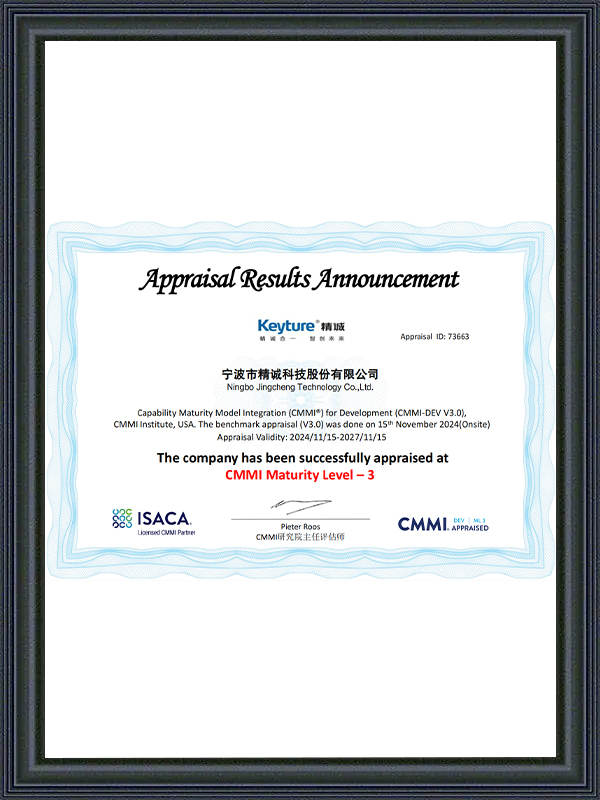
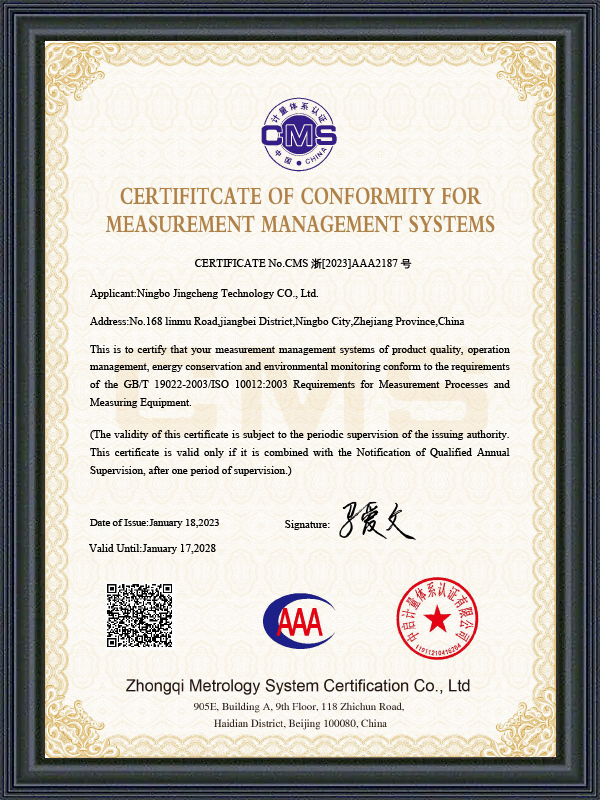
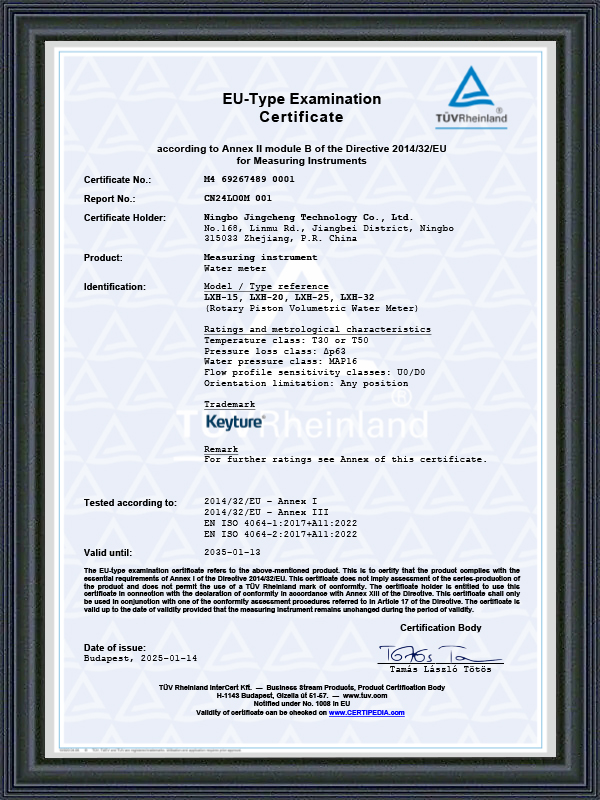
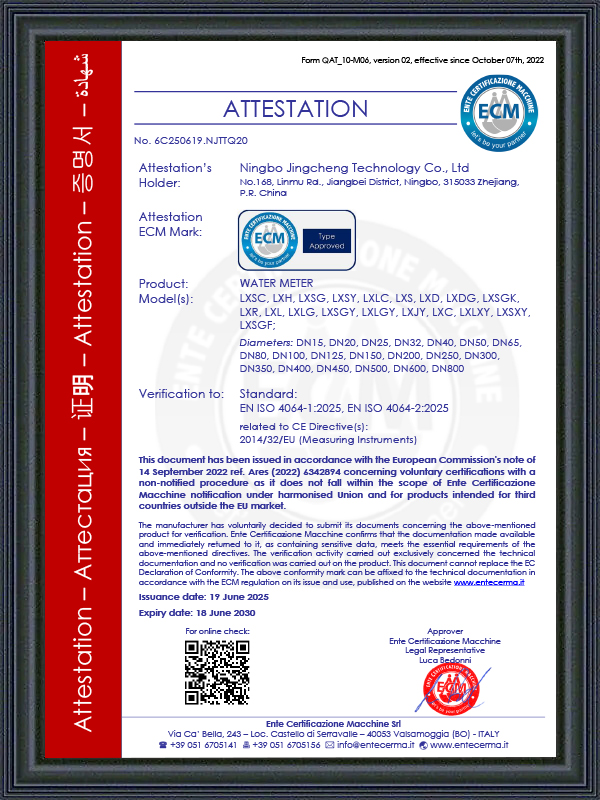
A prepaid meter is both a measuring instrument and a payment device, so certification covers metrology, electronics and card security.
Metrological Class 2 limits apply to the measuring chamber. Accuracy is verified with the valve in place so that its pressure loss is included.
Contact IC card physical, electrical and protocol specifications. Card contact quality and insertion endurance are tested to over 10,000 cycles.
Mutual authentication, encrypted payloads and a per-meter key hierarchy. Key management procedures and card personalisation can be audited by utilities.
Electromagnetic compatibility tests (ESD, EFT, radiated immunity) confirm that the card reader, display and valve controller stay stable in electrically noisy environments.
Lithium thionyl chloride batteries comply with IEC 60086-4 and UN 38.3 for transport. Battery-life estimates are based on measured current consumption.
Brass, valve seals and polymer parts that touch drinking water can be supplied with NSF/ANSI 61, WRAS or ACS certificates.
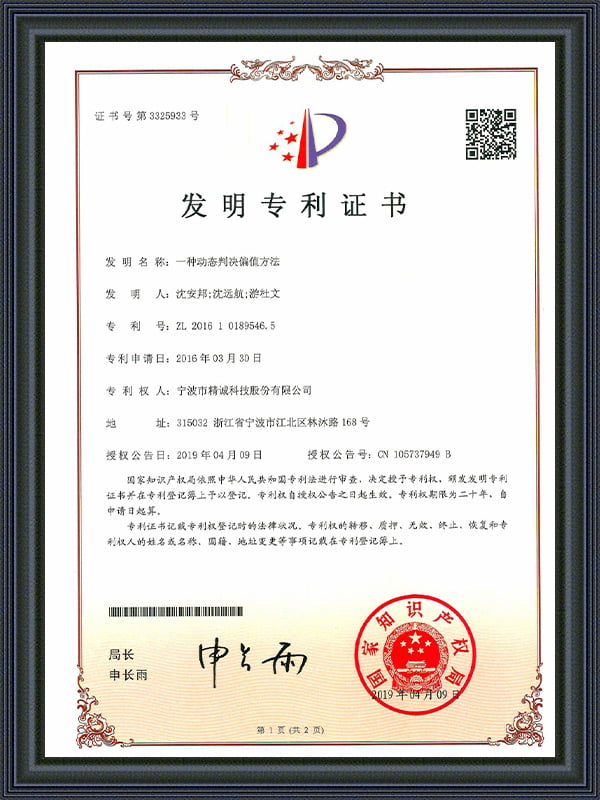
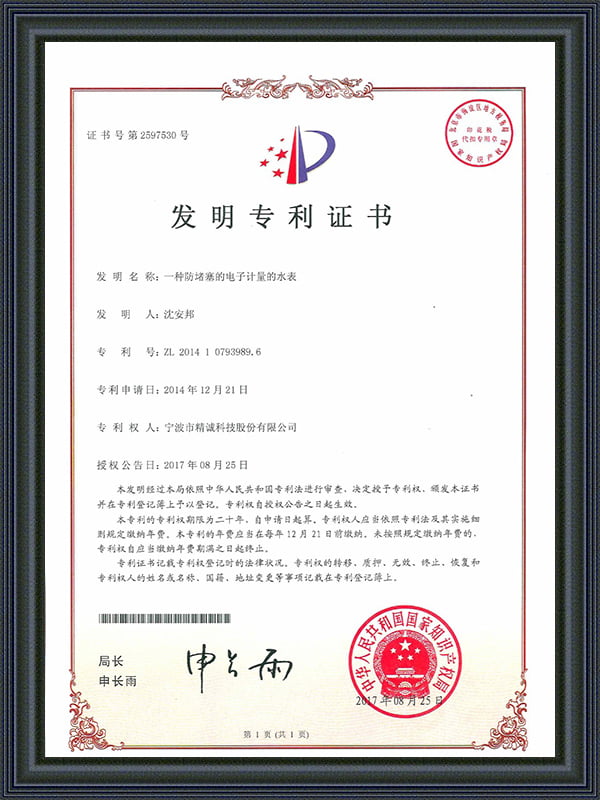
Two engineering systems define this meter: the card-based credit transaction, and the valve that enforces it.
When a customer pays, the vending software writes an encrypted credit record to the card. The record contains the top-up amount, a transaction number, the meter’s unique ID and the applicable tariff. When the card is inserted, the meter verifies the card’s authenticity, checks that the transaction number is new and the meter ID matches, then adds the credit to its internal balance. The card is then updated with the meter’s status and consumption, which will be uploaded the next time the customer visits a payment point.
This offline cycle means the meter never needs to contact a server. It also gives utilities a robust audit trail: every card carries a serial number, every top-up has a unique counter and every meter keeps a log of events. Tariffs can be stepped — for example, a lower price for the first 10 m³ per month — and can be updated through cards when the utility changes rates.
A compact DC gear motor drives a full-bore ball valve integrated into the brass body. The meter’s microcontroller closes the valve when the balance reaches zero and reopens it when new credit is loaded, completing each operation in about six to ten seconds. Position sensing confirms that the valve has fully opened or closed, and a stall detector protects against debris or ice in the valve seat.
The whole electronic system is designed for ultra-low power. The controller sleeps most of the time and wakes to count pulses from the measuring sensor, update the display and check the card slot. A single 3.6 V lithium battery can last six years or more, with a low-battery warning that gives customers and utilities months of notice before the end of life.
Measured performance data for the smart IC card prepaid water meter. Use these charts to confirm pressure loss, metrological accuracy and installation dimensions before specifying.
Figure 1 — Head loss curve (MPa vs. flow m³/h)
The chart shows pressure loss across the prepaid meter at DN15 to DN40, measured with the valve fully open. The full-bore ball valve adds only a small increment to the loss of the multi jet chamber, and total loss at Q3 remains at or below 0.1 MPa.
Figure 2 — Accuracy error curve (Class 2, R100, Q1–Q4)
The error curve is measured on the complete assembly — chamber, valve and sensor — to ensure that the prepaid deduction matches the true volume. Errors stay within ±5% in the lower zone and ±2% in the upper zone, so customers are billed fairly at every flow rate.
Figure 3 — Installation dimensions (L × H × B × D)
| Size | L (mm) | H (mm) | B (mm) | D (thread) |
|---|---|---|---|---|
| DN15 | 165 | 125 | 95 | G3/4" |
| DN20 | 190 | 130 | 95 | G1" |
| DN25 | 260 | 145 | 110 | G1¼" |
| DN32 | 260 | 152 | 112 | G1½" |
| DN40 | 300 | 170 | 135 | G2" |
Dimensions are for reference and include the valve and electronics housing. Confirm exact values with our engineering team before installation design.
Different utilities need different billing models. This table compares IC card prepayment with traditional postpaid and with network-based remote reading.
| Design Feature | Smart IC Card Prepaid | Mechanical Postpaid | Remote Reading (LoRa / NB-IoT) |
|---|---|---|---|
| Revenue assurance | Pay before use | Arrears risk | Depends on billing process |
| Meter reading cost | None — card carries data | High — manual routes | None — remote |
| Network infrastructure | Not required | Not required | Gateways or SIM subscriptions |
| Disconnection of non-payers | Automatic valve closure | Manual field visit | Remote valve option |
| Customer awareness of use | Balance on LCD | Only after bill | App or web portal |
| Unit purchase cost | Higher — valve and electronics | Lowest | Higher — radio module |
| Payment channel | Counter, kiosk or agent | Bank or counter after bill | Any channel |
| Best application | Cash-based and offline regions | Stable, low-risk customers | Large urban networks |
This comparison is indicative. Actual performance depends on customer behaviour, payment infrastructure and the specific product configuration. Contact our engineers for application-specific guidance.
Premium quality
since 2002
Coming From China, Marketing To The World
Keyture Meter is located in Picturesque Jiangbei Investment Park, NINGBO, CHINA. It is a comprehensive high-tech China Smart IC Card Prepaid Water Meter Manufacturers and Custom Smart IC Card Prepaid Water Meter Factory that integrates scientific research & development, production, sales, and service. Established in 2002 as a manufacturer and exporter of water meters for more than 22 years. The factory covers an area of 40 acres (30,000 square meters), 200 staff, 100+ types of products, product capacity of 5 million per year. Its product range covers single jet, multi-jet, volumetric piston type, Woltman type, IC card intelligent water meter, remote control water meter, optoelectrical reading direct remote control water meter...
Yearly production capacity
Production Area
Works and inspectors
Production experience
Excellent product with exquisite craftsmanship
Customization
We have a strong R&D team, and we can develop and produce products according to the drawings or samples the customers offered.
Cost
We are a professional manufacturer and also have our own processing machinery. So we can offer good prices and good products directly.
Quality
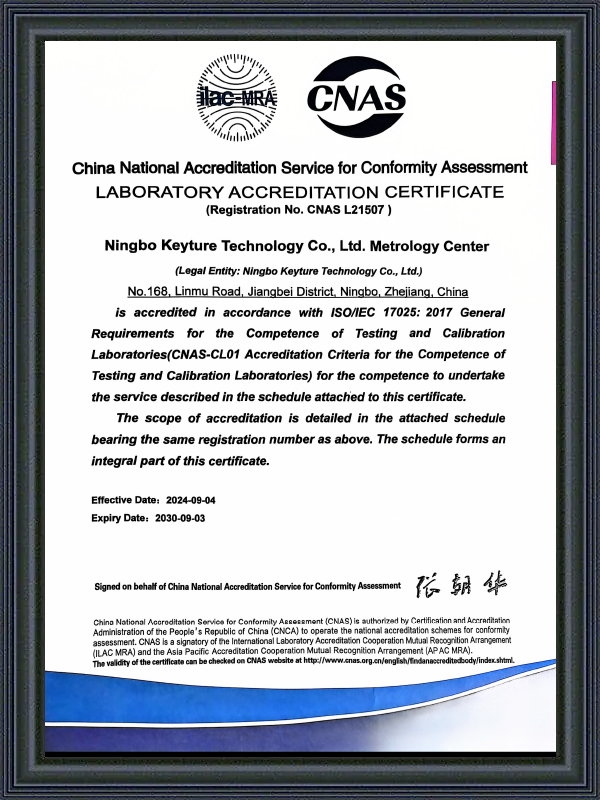
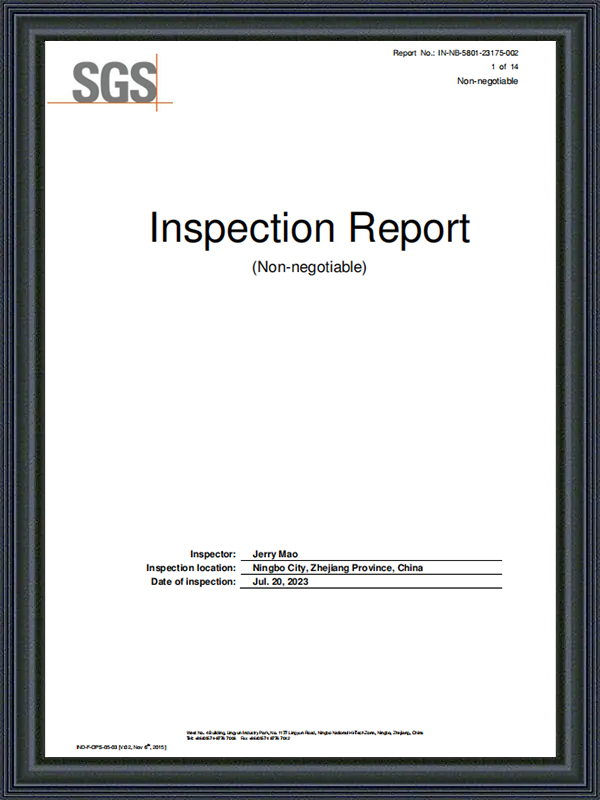
We have our own testing lab and advanced and complete inspection equipment, which can ensure the quality of the products.
Service
We focus on developing high-quality products for top-end markets. Our products are in line with international standards, and are mainly exported to Europe, America, Africa, Asia and other destinations around the world.
Capacity
Our annual production capacity is over 5 million units. We can meet the needs of different customers with different purchase quantities.
Shipment
We are about 35 kilometers away from Ningbo Port. It is very convenient and efficient to ship goods to any other countries.
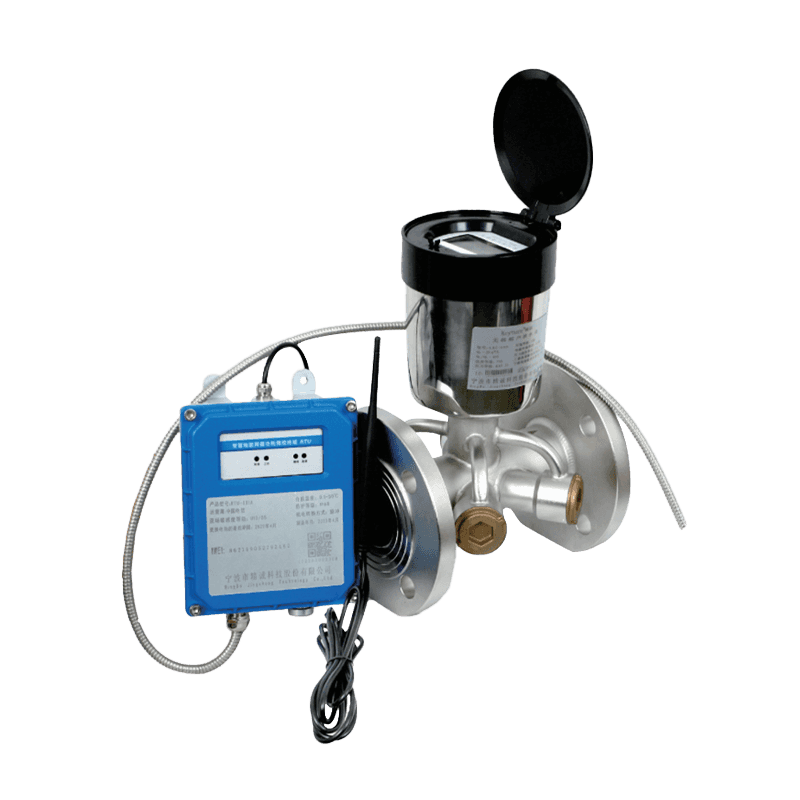
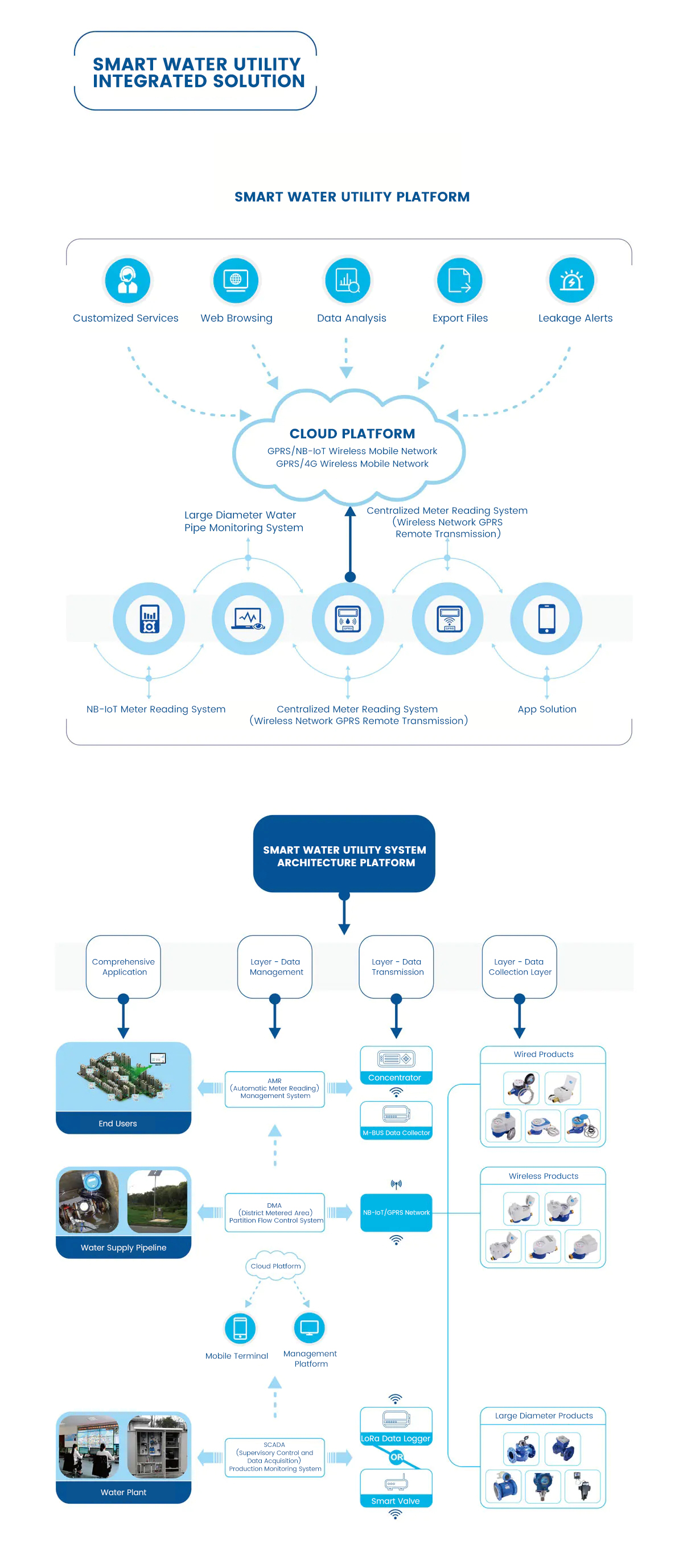
From mechanical meters to smart AMR/AMI systems — we provide end-to-end water metering solutions tailored to your project.
Particularly valuable where cash collection is costly, arrears are high or network coverage cannot be guaranteed.
Install the meter horizontally or in the orientation marked on the dial, with the card slot and display accessible to the customer. A weatherproof cover or wall box is recommended for outdoor installations to protect the card slot from rain and dust.
Flush the pipeline before connecting the meter to prevent debris from reaching the valve seat. Open the valve manually at least once after installation to confirm it moves freely. Use the supplied tailpieces and gaskets, and tighten fittings without over-torquing the brass body.
Commission the meter by inserting a test card with a small amount of credit, verifying the display, valve operation and alarm functions. Record the meter serial number, card number and customer account in the vending software before handing the meter over to the customer.
Routine maintenance is simple. Technicians check the card slot for dirt, verify the LCD is legible and confirm the valve still opens and closes. The low-battery warning alerts the customer and utility months before the battery fails. Battery replacement is possible in the workshop if the housing is designed for it, otherwise the electronic head is replaced as a module.
Utilities should keep the vending software, card production and key management systems under regular backup and security review. Card-reader contacts wear with use, so a spare card programme should be available. Lost cards can be blacklisted in the system and new cards issued without replacing the meter.
Typical service life is six to eight years, driven by battery capacity and valve cycles. At end of life, the valve and electronics can be refurbished and the meter returned to service after re-verification.
The customer buys water credit and the vending system writes it to an IC card. When the card is inserted into the meter, the credit is transferred and the meter starts deducting consumption from the balance. When the balance reaches zero the integrated valve closes, and it reopens when more credit is loaded. The card also carries consumption and status data back to the utility.
No. All data moves on the card between the meter and the vending system. This makes the meter ideal for regions without cellular or LoRa coverage and removes network subscription costs.
The meter first shows a low-credit warning and can be configured to give emergency credit. When the balance reaches zero, the valve closes. The customer then loads a new card and the valve reopens. Night-time grace periods and emergency credit settings can be configured to avoid hardship.
The card data is encrypted and bound to the meter ID, and every top-up carries a transaction counter. A copied card is rejected because its counter has already been used, and a card from another meter is rejected because its ID does not match.
The standard version uses contact IC cards compliant with ISO 7816. RF cards (ISO 14443A) are available on request for customers who prefer tap-to-pay convenience. Card format and key management can be customised for each utility.
Under typical residential use, a 3.6 V lithium battery lasts six years or more. A low-battery warning is displayed months before the end of life, and the battery or electronic head can be replaced in the workshop.
Yes. A manual override allows the valve to be opened using a service tool or key, and the event is logged. Utilities can restrict who has the override tool to prevent abuse.
Magnetic sensors, reverse-flow detection, card-error counters and valve-fault logs detect common attacks. Events are shown on the display and stored for upload through the next card transaction.
Yes. Step tariffs and price updates can be loaded through special tariff cards or through firmware updates in the vending system. This lets utilities adjust prices without replacing the meters.
The measuring chamber is a multi jet design with Class 2 accuracy and R100 range ratio. Low-flow performance is verified with the valve fitted, so small leaks are measured and deducted correctly.
The range covers DN15 to DN40 with brass bodies and threaded connections from G3/4" to G2". Larger sizes can be supplied with external valve actuators for commercial customers.
The meter itself is card-based, but the vending software can accept payments from mobile money, bank cards and cash at agents. The payment is converted into card credit at a vending point. For direct remote top-up, consider a network-enabled prepaid meter.
Send us your tariff structure, card preference, meter size and quantity. Our engineers will recommend the right smart IC card prepaid configuration and vending software integration, with price and lead time.

Address: No.168,LinMu Rd.,Zone B, Jiangbei investment Park, Ningbo, Zhejiang,China
Tel: +86-0574-83090480/+86-18892665118
Fax: +86-0574-83021045
Email: [email protected]
Web: https://www.keyturemeter.com/
Quick Links
Product
Mobile terminal
 Custom Smart IC Card Prepaid Water Meter Manufacturers