 English
 Español
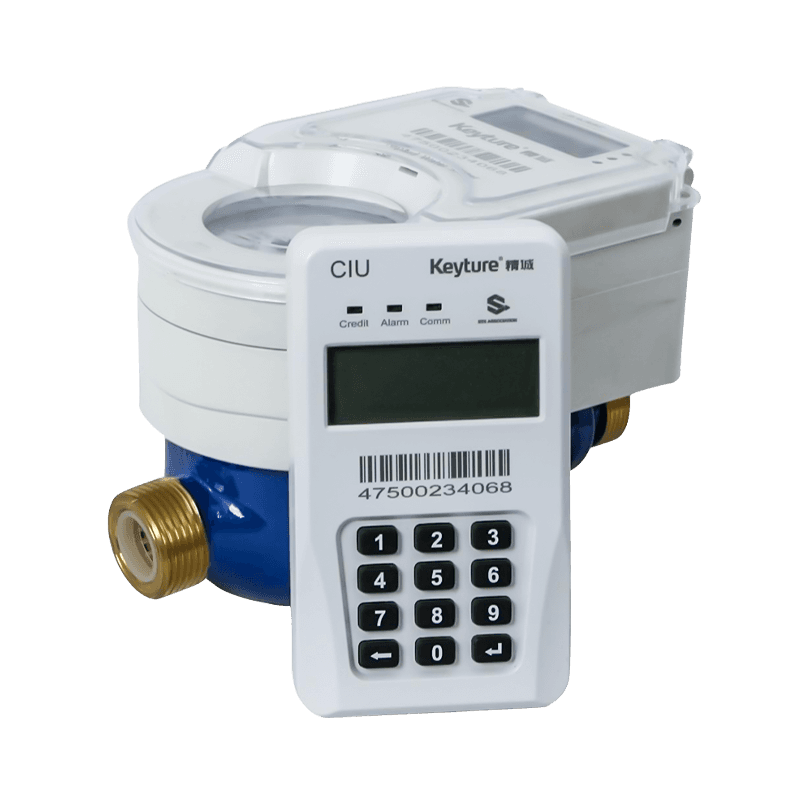
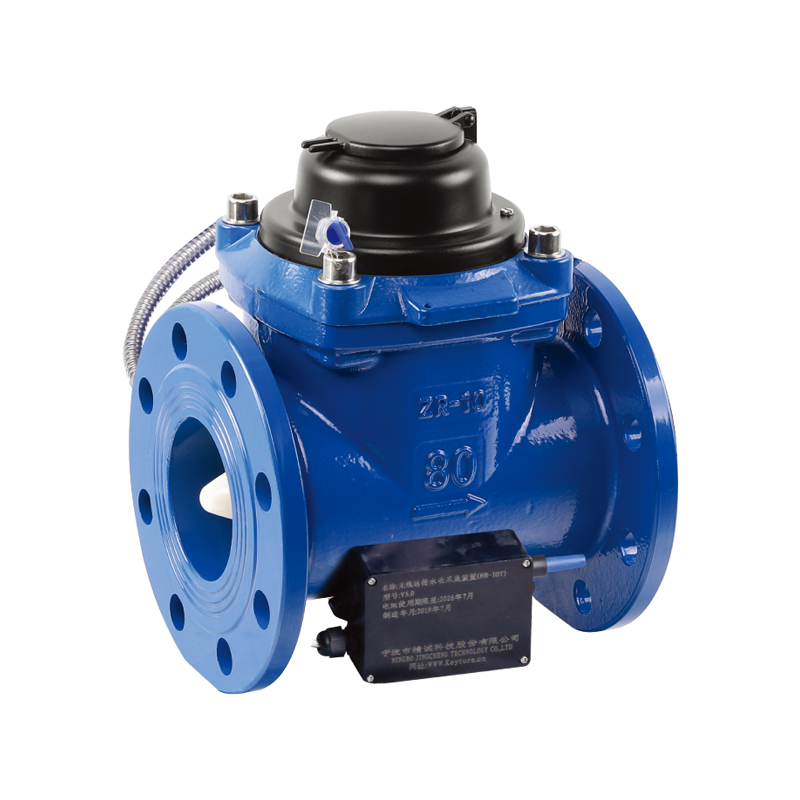
Long-Range Coverage
Typical range is 1 to 3 km in dense urban areas and 5 to 15 km in open terrain. A few gateways on elevated sites can cover an entire town, keeping infrastructure costs low.

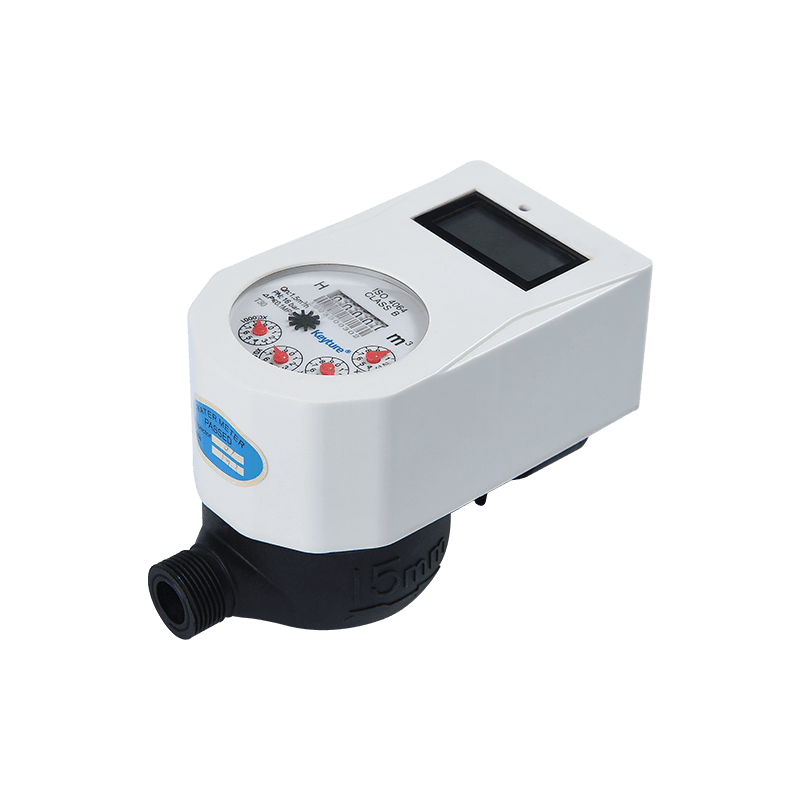
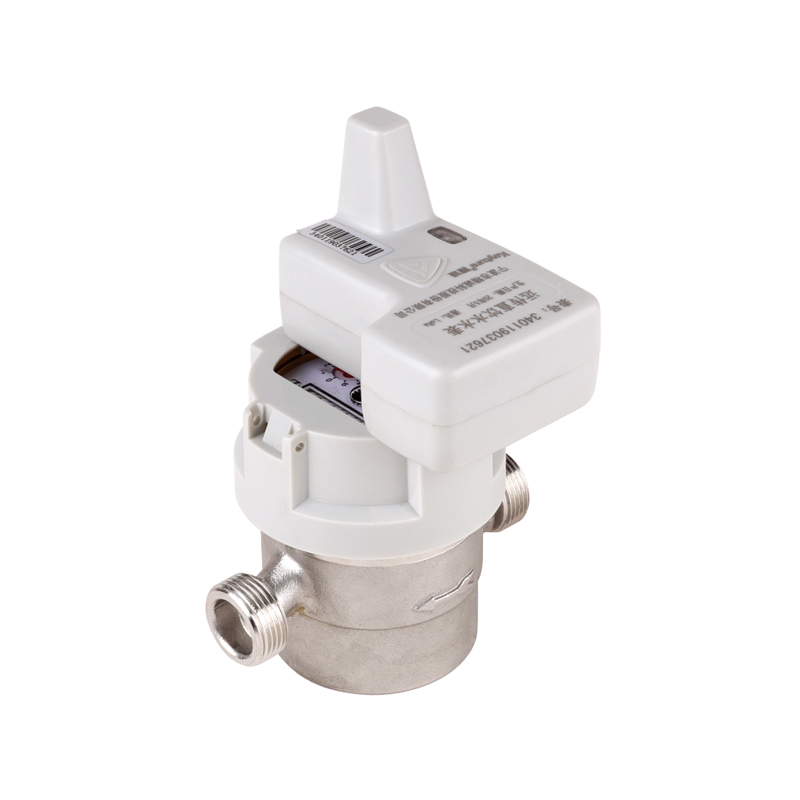
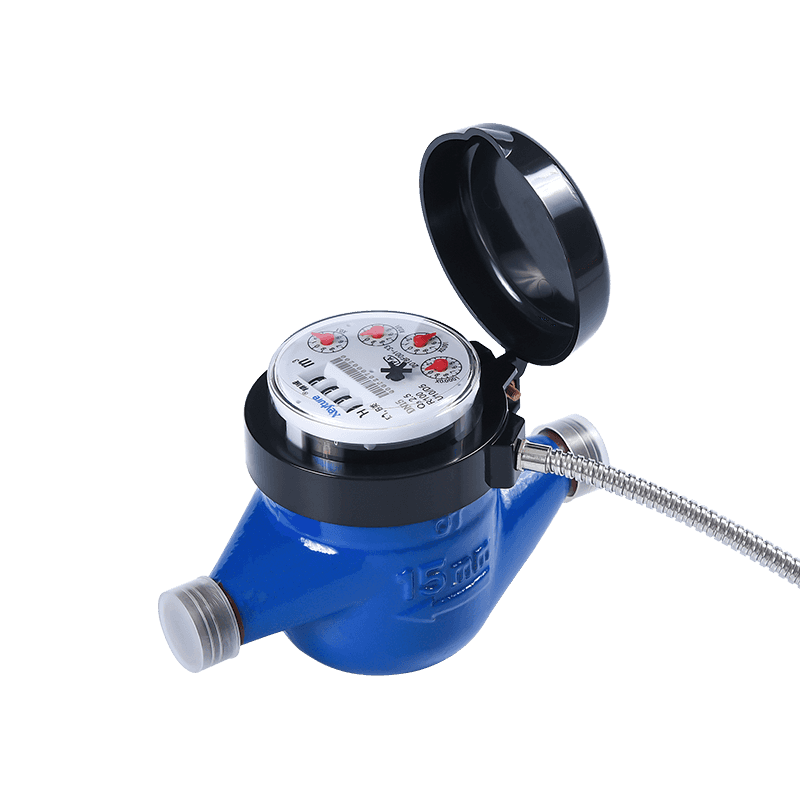
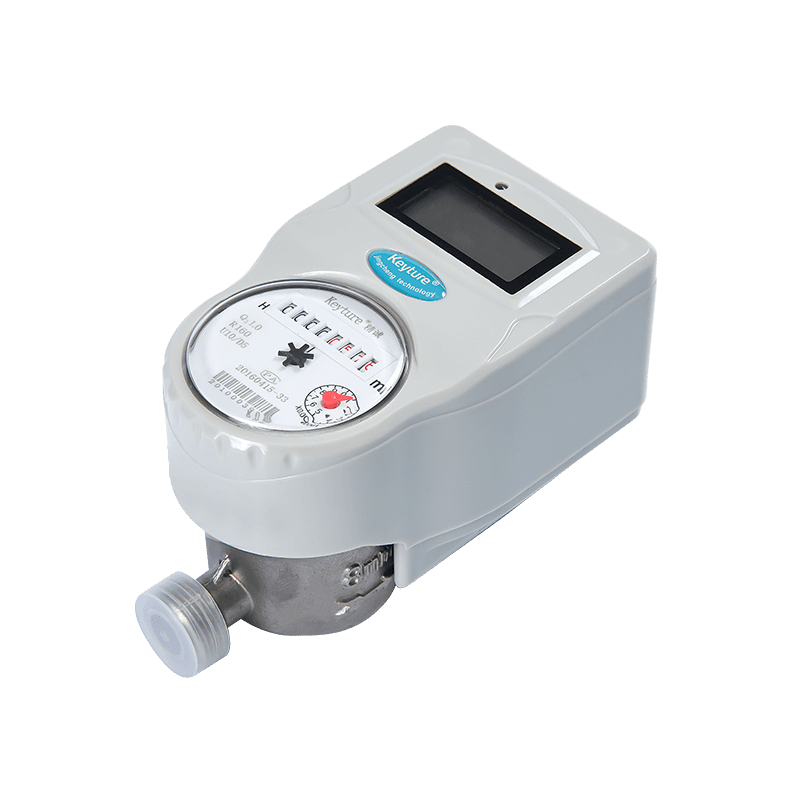
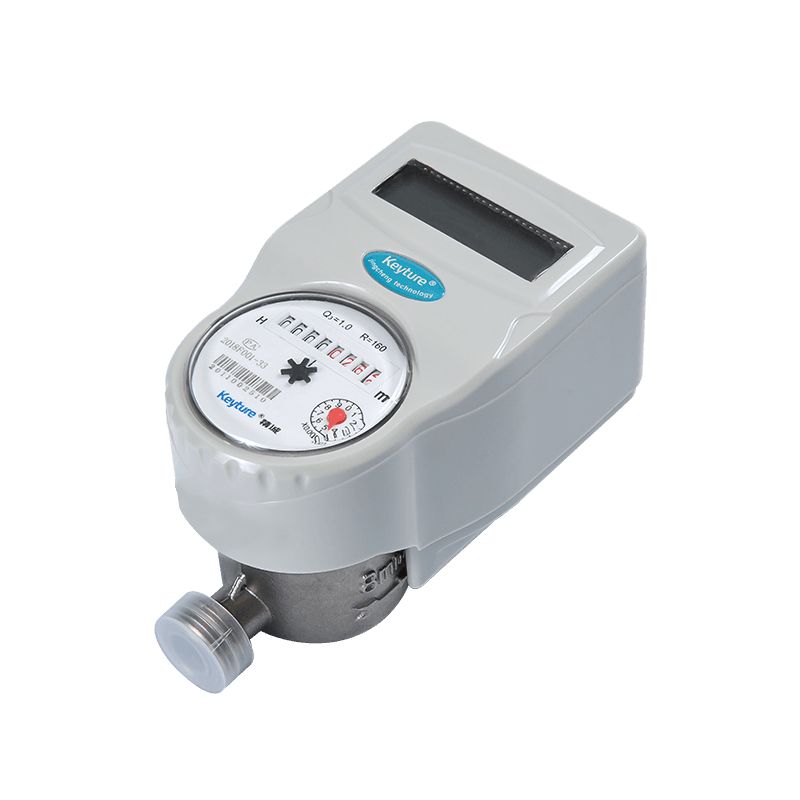
A battery-powered water meter with built-in LoRaWAN radio — designed for city-wide smart metering over private or public gateways, with leak alarms, tamper detection and up to ten years of battery life.
LoRaWAN Class A · multi jet chamber · IP68 · 10-year battery
A LoRaWAN wireless remote water meter is a battery-powered water meter with a built-in long-range radio that sends readings and alarms to a LoRaWAN network without any cables, SIM cards or operator contracts. LoRa is a spread-spectrum modulation technique that trades data rate for range and sensitivity: a small packet of a few dozen bytes can travel several kilometres in cities and more than ten kilometres in open country, while the transmitter draws only a few tens of milliamps for a fraction of a second. LoRaWAN is the network protocol layered on top, defining how end devices join the network, how their messages are encrypted and how gateways forward data to a central network server. Together, they allow thousands of meters to report through a handful of gateways with a battery that can last close to a decade.
The meter itself combines a proven multi jet measuring chamber with a non-contact electronic counter. Instead of a mechanical dial driving pointers, magnetic or inductive sensors count impeller rotations and a low-power microcontroller accumulates volume. The same electronics handle the radio, a backup mechanical-style LCD, internal clock and event detection. Every few hours the meter wakes, forms an uplink message containing the current reading, a daily consumption profile, flow and alarm flags, and transmits it using adaptive data rate so that each device uses the minimum power necessary to reach a gateway. Downlink commands allow the utility to change the reporting interval, synchronise the clock, set the valve state if fitted or request an immediate reading.
For utilities, the strength of LoRaWAN is infrastructure ownership. A utility can deploy its own gateways on towers, reservoirs and substations, keep all data on its own network server and pay no per-device connectivity fee after the initial investment. Gateways are inexpensive, the radio spectrum is licence-free in most countries, and coverage can be extended gradually. The meter supports the common regional bands — EU868, US915, AS923, AU915, CN470 and IN865 — and works with major network servers through standard payload decoders. With Class 2 accuracy per ISO 4064 / OIML R49, R160 range ratio, IP68 protection and sizes from DN15 to DN50, it is suited to district-wide smart metering programmes that want automatic reading, leak alarms and consumption analytics without the recurring cost of cellular connectivity.
Key takeaway: LoRaWAN gives utilities their own wireless network: long range, low power and no per-meter subscription. If you want to own the infrastructure and the data, LoRaWAN is the natural choice.
Six network-level advantages that make LoRaWAN a leading choice for utility-owned smart metering.
Typical range is 1 to 3 km in dense urban areas and 5 to 15 km in open terrain. A few gateways on elevated sites can cover an entire town, keeping infrastructure costs low.
Ultra-low-power electronics and an adaptive data rate algorithm allow a single 3.6 V lithium battery to run the meter for up to ten years with daily reporting.
Because LoRaWAN uses licence-free spectrum and utility-owned gateways, there are no per-device SIM charges. Total cost of ownership falls as the meter fleet grows.
AES-128 encryption protects the payload between meter and application server, and separate network and application session keys secure the radio link. OTAA join prevents unauthorised devices.
The meter reports leaks, burst flow, reverse flow, tamper, magnetic attack, empty pipe and low battery, alongside daily consumption profiles for district analysis.
Works with open and commercial network servers through standard payload decoders. Utilities can mix meters, gateways and applications from different vendors without lock-in.
Standard configuration below. Frequency plan, reporting profile and payload format can be adapted to your network and platform requirements.
| Parameter | Specification |
|---|---|
| Standard | ISO 4064 / OIML R49; LoRaWAN 1.0.3 (LoRa Alliance) |
| Meter type | Multi jet with non-contact electronic counter, LoRaWAN remote reading |
| Nominal diameter | DN15 – DN50 (1/2" – 2") |
| Accuracy class | Class 2, R160 |
| Radio | LoRa, Class A end device, OTAA / ABP |
| Frequency bands | EU868, US915, AS923, AU915, CN470, IN865, KR920 |
| Transmit power | Up to +14 dBm (EU868) / +20 dBm (US915) |
| Receiver sensitivity | Down to -137 dBm at SF12 / 125 kHz |
| Uplink interval | 15 min to 24 h, configurable by downlink |
| Data logging | Hourly and daily volumes stored for 24 months |
| Power supply | 3.6 V ER26500 lithium battery, up to 10 years at daily uplink |
| Water temperature | 0.1 °C – 50 °C (cold water) |
| Working pressure | MAP 16 bar |
| Body material | Brass or cast iron |
| Display | LCD with volume, flow, alarms and signal icons |
| Alarms | Leak, burst, reverse flow, tamper, magnetic attack, empty pipe, low battery |
| Protection | IP68 sealed electronics, 1 m for 30 days |
Q4 is the overload flow, Q3 the permanent flow, Q2 the transitional flow and Q1 the minimum flow, all expressed in m³/h.
| Nominal Diameter | Q4 Overload | Q3 Permanent | Q2 Transitional | Q1 Minimum | Range Ratio | Uplink Payload |
|---|---|---|---|---|---|---|
| DN15 (1/2") | 3.125 | 2.5 | 0.025 | 0.01562 | R160 | 12 bytes, 32-bit volume |
| DN20 (3/4") | 5 | 4 | 0.04 | 0.025 | R160 | 12 bytes, 32-bit volume |
| DN25 (1") | 7.875 | 6.3 | 0.063 | 0.03938 | R160 | 12 bytes, 32-bit volume |
| DN32 (1¼") | 12.5 | 10 | 0.1 | 0.0625 | R160 | 12 bytes, 32-bit volume |
| DN40 (1½") | 20 | 16 | 0.16 | 0.1 | R160 | 12 bytes, 32-bit volume |
| DN50 (2") | 31.25 | 25 | 0.25 | 0.1562 | R160 | 12 bytes, 32-bit volume |
Values shown for R160. Payload structure, frequency plan and uplink schedule can be customised — tell us your network server and region and we will confirm the correct firmware and decoder.
A LoRaWAN meter must satisfy both metrology and radio regulations, so certification covers measurement accuracy and the wireless link.
Class 2 accuracy limits and test points apply to the measuring chamber and counter. Electronic counting is verified against the mechanical register on a reference rig.
Conformance to LoRaWAN 1.0.3 regional parameters ensures interoperability with certified gateways and network servers. Join procedures and MAC commands are tested for compliance.
CE RED, FCC Part 15, ARIB or local approvals are applied for each frequency band. Transmit power and duty cycle are set in accordance with regional limits.
Tests for ESD, EFT, surge and radiated immunity confirm that the electronics survive field conditions such as lightning-induced surges and nearby radio transmitters.
IP68 test with continuous immersion verifies that the sealed electronics survive flooded meter pits. Potting and connector design are inspected after test.
Lithium thionyl chloride batteries conform to IEC 60086-4 and UN 38.3. Battery-life models are validated with measured current profiles.
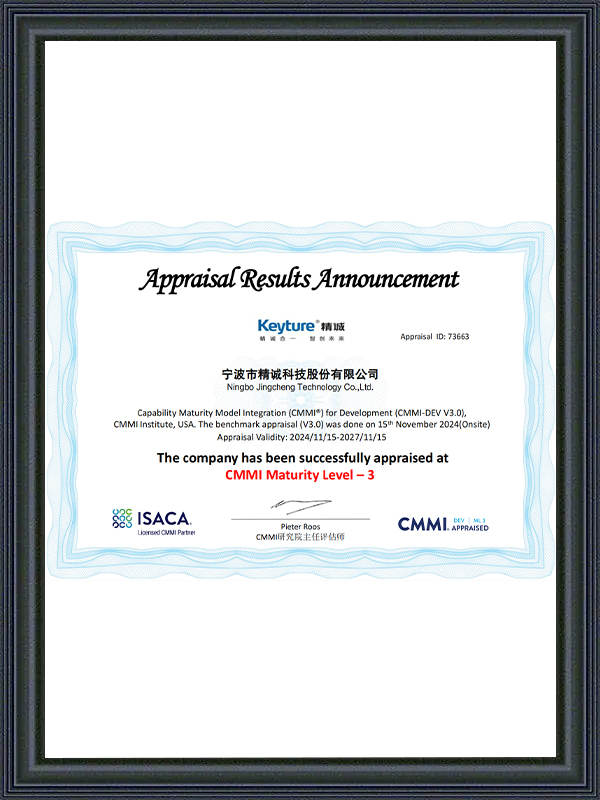
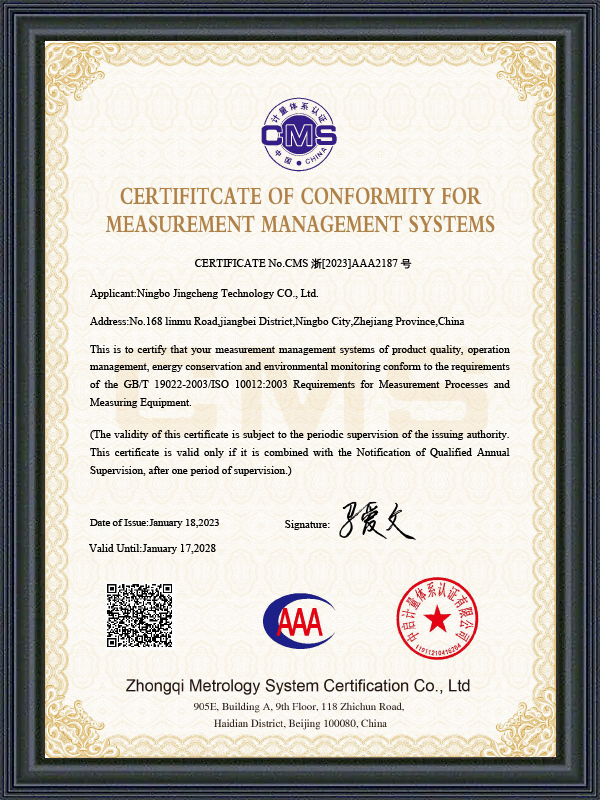
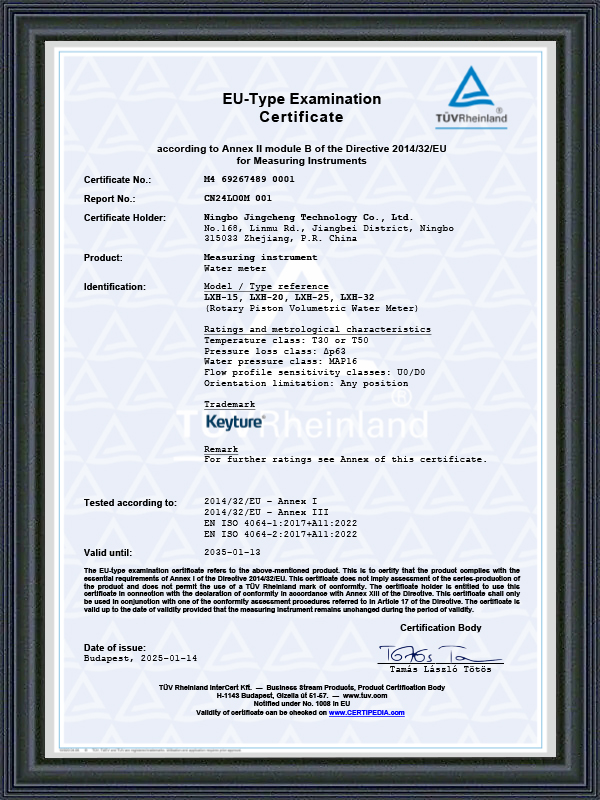
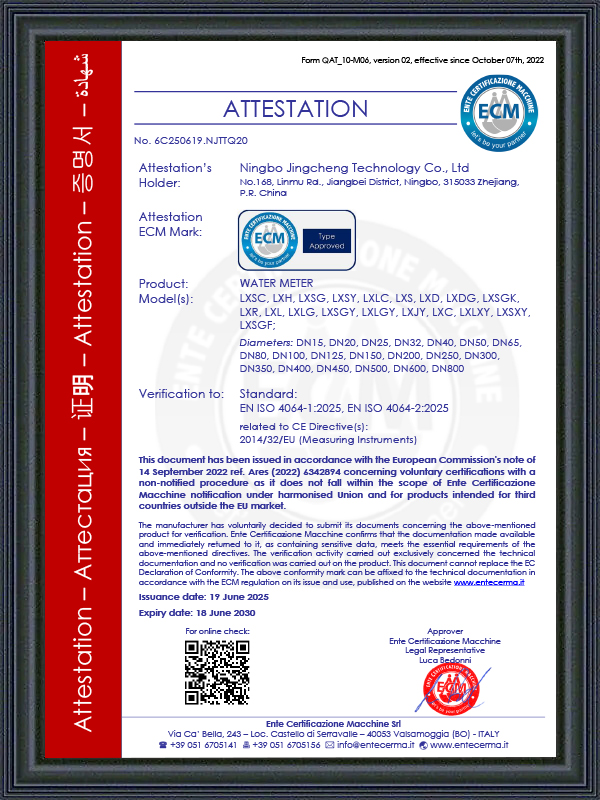
Two technologies define this meter: the LoRaWAN radio link, and the low-power electronic counting that feeds it.
LoRa modulation spreads each bit across a wide frequency chirp, allowing the receiver to recover signals far below the noise floor. Spreading factors from SF7 to SF12 trade data rate against range: a meter close to a gateway uses SF7 for a short, low-energy burst, while a distant meter uses SF12 to be heard at long range. Adaptive data rate lets the network server pick the best setting for each meter automatically.
The meter is a Class A device. It transmits whenever it has data and then opens two short receive windows to listen for downlink commands. This keeps radio power to a minimum. Join is by OTAA, with unique keys per meter, and every message includes a frame counter to block replays. Gateways listen on multiple channels and spreading factors at the same time, so thousands of meters can share a handful of base stations.
Instead of reading a mechanical odometer, the meter uses magnetic or inductive sensors to detect impeller rotation without any physical contact. The microcontroller counts every pulse, converts it to volume and stores hourly and daily totals in non-volatile memory. A mechanical or LCD register remains visible for on-site reading even if the radio is out of range.
The same processor analyses the flow pattern to detect events: continuous flow for 24 hours suggests a leak, a sudden high flow suggests a burst, reverse flow indicates a backflow or tampering and a strong external magnetic field indicates an attack. Each event is stored with a timestamp and sent in the next uplink. For critical alarms, the meter can send an immediate uplink outside the regular schedule.
Measured performance data for the LoRaWAN wireless remote water meter. Use these charts to confirm pressure loss, accuracy and installation dimensions before specifying.
Figure 1 — Head loss curve (MPa vs. flow m³/h)
The chart shows pressure loss across the meter for DN15 to DN50. The electronics add no restriction to the water path, so head loss follows the underlying multi jet design and stays at or below 0.063 MPa at permanent flow.
Figure 2 — Accuracy error curve (Class 2, R160, Q1–Q4)
The R160 chamber and electronic counter give an especially flat error curve. At Q1 the error is already inside ±2%, and in the upper zone the line stays within ±0.5%, leaving plenty of margin below the ±2% limit and providing accurate data for district water balance.
Figure 3 — Installation dimensions (L × H × B × D)
| Size | L (mm) | H (mm) | B (mm) | D (thread) |
|---|---|---|---|---|
| DN15 | 165 | 112 | 95 | G3/4" |
| DN20 | 190 | 118 | 95 | G1" |
| DN25 | 260 | 130 | 110 | G1¼" |
| DN32 | 260 | 138 | 112 | G1½" |
| DN40 | 300 | 165 | 140 | G2" |
| DN50 | 300 | 175 | 145 | Flange |
Dimensions are for reference and include the electronics housing and antenna. Confirm exact values with our engineering team before installation design.
No wireless technology is best everywhere. This table shows how LoRaWAN compares with NB-IoT and wired M-Bus for water meter networks.
| Design Feature | LoRaWAN | NB-IoT | M-Bus (Wired) |
|---|---|---|---|
| Network ownership | Utility-owned gateways | Mobile operator | Utility-owned bus |
| Connectivity fees | None after deployment | Per-device SIM or data plan | None |
| Coverage | Several km per gateway | Operator-wide | Limited by cable run |
| Battery life | Up to 10 years | Up to 8 years | Counter battery only |
| Underground performance | Good with elevated gateway | Excellent deep coverage | Cable — no radio |
| Installation effort | Low — wireless | Low — wireless | High — cabling |
| Downlink capacity | Limited, Class A windows | Moderate | High, continuous |
| Best application | Utility-owned city networks | Operator-covered mass roll-outs | Buildings and plant rooms |
This comparison is indicative. Actual performance depends on topography, gateway placement, local regulations and the specific product configuration. Contact our engineers for application-specific guidance.
Premium quality
since 2002
Coming From China, Marketing To The World
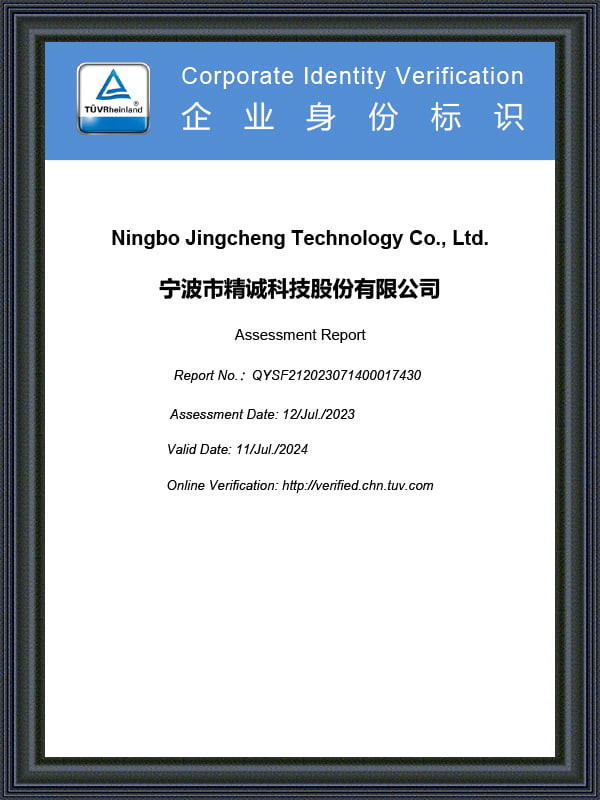
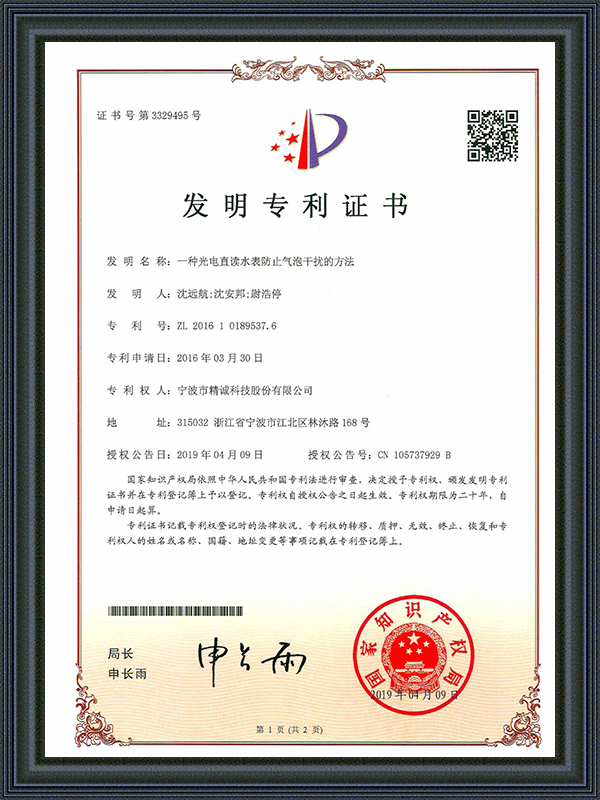
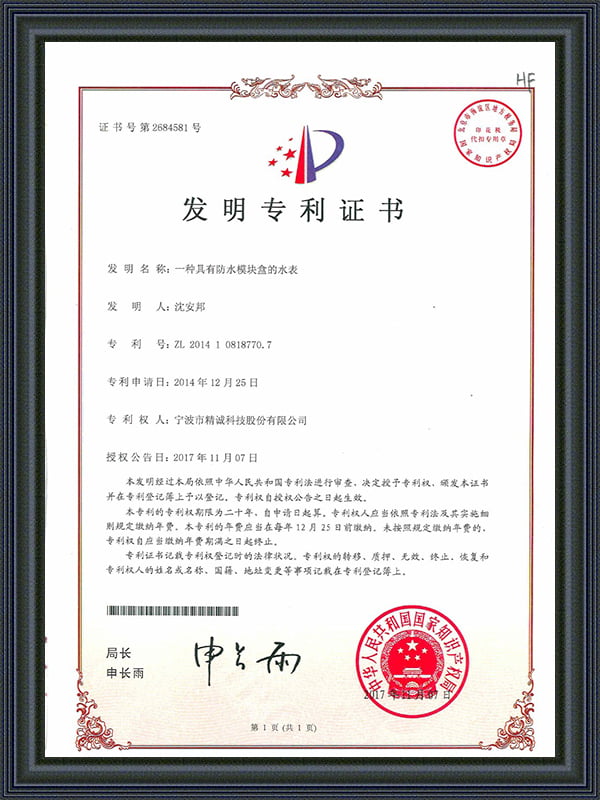
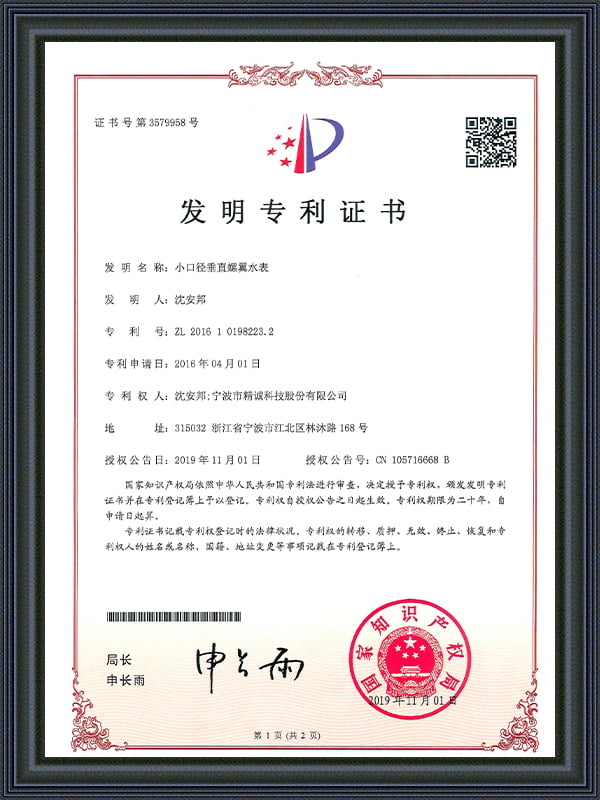
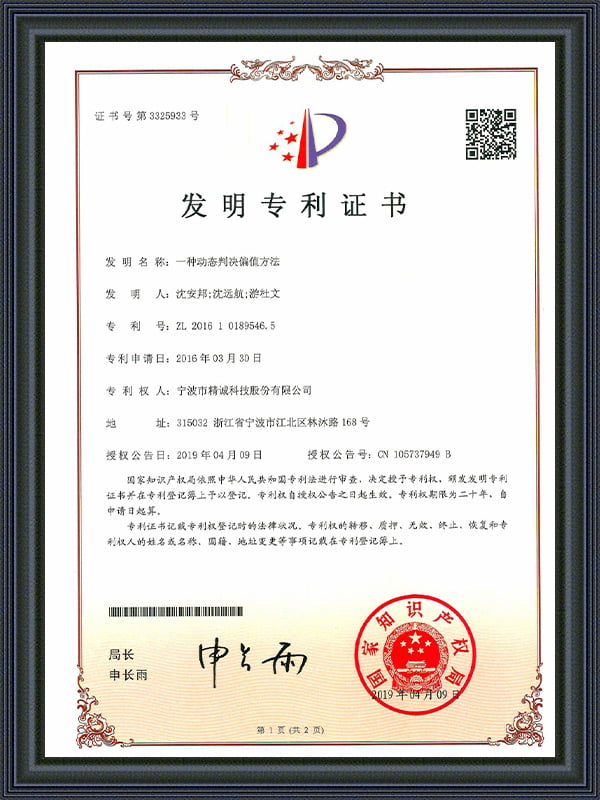
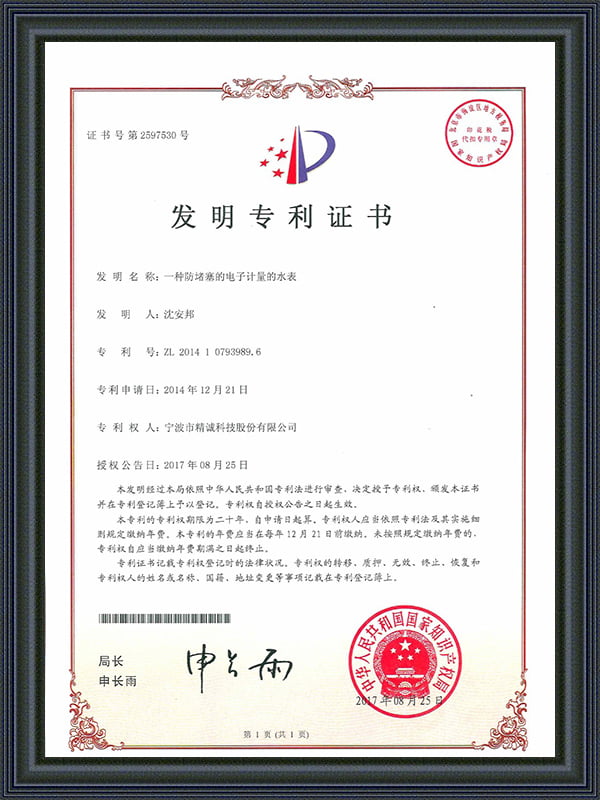
Keyture Meter is located in Picturesque Jiangbei Investment Park, NINGBO, CHINA. It is a comprehensive high-tech China LoRaWAN Wireless Remote Water Meter Manufacturers and Custom LoRaWAN Wireless Remote Water Meter Factory that integrates scientific research & development, production, sales, and service. Established in 2002 as a manufacturer and exporter of water meters for more than 22 years. The factory covers an area of 40 acres (30,000 square meters), 200 staff, 100+ types of products, product capacity of 5 million per year. Its product range covers single jet, multi-jet, volumetric piston type, Woltman type, IC card intelligent water meter, remote control water meter, optoelectrical reading direct remote control water meter...
Yearly production capacity
Production Area
Works and inspectors
Production experience
Excellent product with exquisite craftsmanship
Customization
We have a strong R&D team, and we can develop and produce products according to the drawings or samples the customers offered.
Cost
We are a professional manufacturer and also have our own processing machinery. So we can offer good prices and good products directly.
Quality
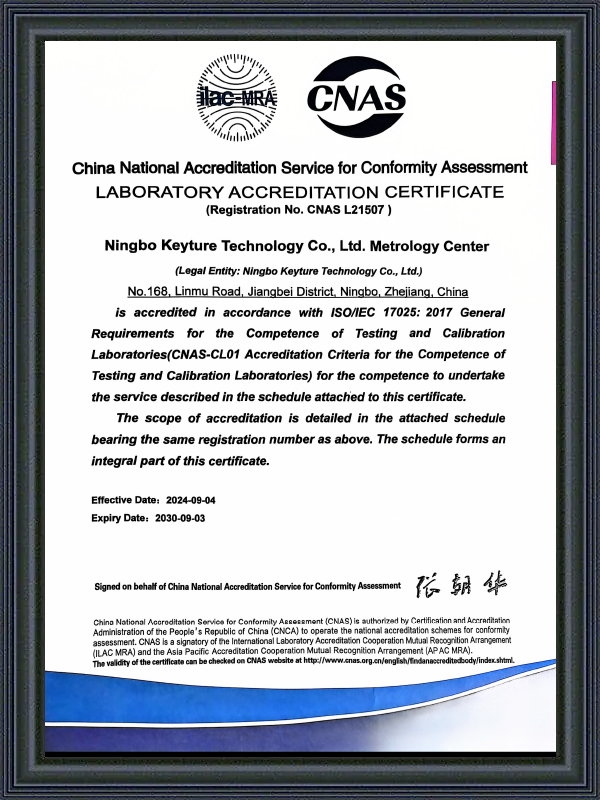
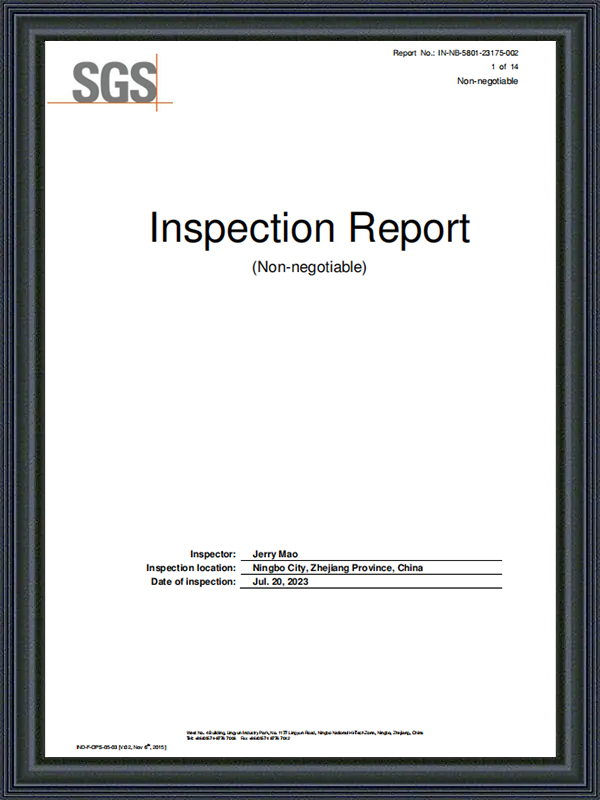
We have our own testing lab and advanced and complete inspection equipment, which can ensure the quality of the products.
Service
We focus on developing high-quality products for top-end markets. Our products are in line with international standards, and are mainly exported to Europe, America, Africa, Asia and other destinations around the world.
Capacity
Our annual production capacity is over 5 million units. We can meet the needs of different customers with different purchase quantities.
Shipment
We are about 35 kilometers away from Ningbo Port. It is very convenient and efficient to ship goods to any other countries.
From mechanical meters to smart AMR/AMI systems — we provide end-to-end water metering solutions tailored to your project.
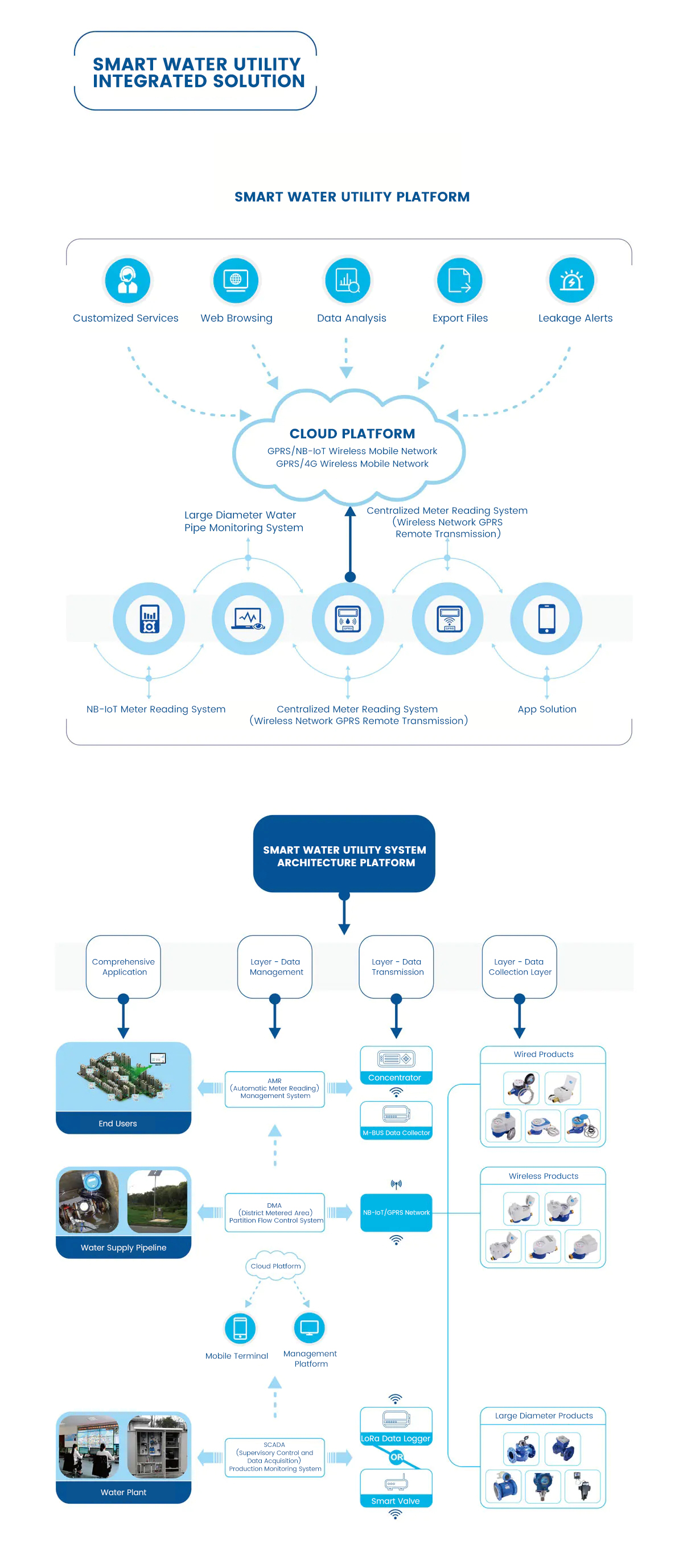
Best where a utility wants to own its radio network, keep data in-house and avoid recurring connectivity fees.
Radio performance depends on antenna placement. Install the meter in a position where the antenna has as clear a path to the sky as possible — avoid sealed metal boxes and deep concrete pits without an external antenna. For underground chambers, use a remote antenna cable with the antenna on a non-metallic lid or a short pole.
Install the meter in the direction of flow with the register facing upward, with at least 10 × DN of straight pipe upstream for best accuracy. Activate the meter by joining it to the network before final installation, and check signal strength and spreading factor reported by the gateway.
Record the meter’s DevEUI, AppKey and installation location in your asset management system. Plan gateway positions with a radio survey before large deployments, and add gateways progressively as coverage maps show gaps.
LoRaWAN meters need very little attention in the field. The network server provides battery status, signal quality and alarm history for every meter, so technicians visit only when a fault is flagged. Silent meters — those that have missed several uplinks — are the main trigger for site visits.
The battery is designed for up to ten years at daily reporting. Reporting more often, using higher spreading factors or operating at very low temperatures will shorten battery life. Utilities should plan battery capacity based on the reporting schedule and local climate.
The measuring chamber follows the normal service life of a multi jet meter, typically 8 to 10 years. At the end of the verification period, meters can be sampled and tested; the electronics are typically replaced with the meter as a sealed unit.
LoRaWAN is a low-power wide-area network protocol built on LoRa radio modulation. It allows battery-powered devices to send small messages over long distances using licence-free spectrum. Water meters send tiny data packets, require long battery life and are often installed in hard-to-reach places, so LoRaWAN is a natural fit.
In dense urban areas, 1 to 3 km is typical. In open or rural terrain, 5 to 15 km can be achieved with a good gateway placement. Underground meters need an external antenna or a nearby gateway. Actual range depends on spreading factor, antenna, building density and gateway height.
No. LoRaWAN uses licence-free frequency bands, and you deploy your own gateways. There are no per-meter SIM or data fees. You can also use a public LoRaWAN network operator if available, which may involve a subscription.
EU868, US915, AS923, AU915, CN470, IN865 and KR920 are available. Please specify the target region when ordering so the correct radio firmware and certification are applied.
With a 3.6 V ER26500 lithium battery and a daily uplink, the meter can operate for up to ten years. Shorter reporting intervals, higher spreading factors and low temperatures reduce battery life. We can provide a battery estimate for your reporting profile.
Each uplink contains the cumulative volume, timestamp, battery status and alarm flags. Optionally, it also includes hourly or daily consumption profiles, flow rate, temperature and signal quality. Payload formats and decoders are provided for integration.
Yes. Downlink commands can change the reporting interval, synchronise the clock, reset alarms, set volume thresholds and open or close an optional valve. Downlinks are delivered in the receive windows after an uplink, so commands may take until the next uplink to arrive.
LoRaWAN uses AES-128 encryption with separate network and application session keys. Each meter has unique keys, joins the network by OTAA and includes a frame counter to prevent replay. Payload data can be additionally encrypted if needed.
The meter continues to count and store hourly and daily data for up to 24 months. When coverage is restored, stored data can be retrieved with the next uplinks or with a handheld reader. The LCD still shows the reading on site.
Yes. Continuous flow for a defined period without a zero-flow interval triggers a leak alarm. Sudden high flow triggers a burst alarm. These thresholds can be adjusted by downlink and are reported in the next uplink.
The meter follows the LoRaWAN specification and works with major network servers such as ChirpStack, The Things Stack and commercial platforms. We provide payload decoders in common formats for easy integration.
The electronics are sealed and potted to IP68, allowing continuous immersion in flooded meter pits. For underground installation, use an external antenna and a sealed cable gland rated for immersion.
Send us your region, network server, reporting schedule and meter sizes. Our engineers will recommend the right LoRaWAN configuration and payload format, with price and lead time.

Address: No.168,LinMu Rd.,Zone B, Jiangbei investment Park, Ningbo, Zhejiang,China
Tel: +86-0574-83090480/+86-18892665118
Fax: +86-0574-83021045
Email: [email protected]
Web: https://www.keyturemeter.com/
Quick Links
Product
Mobile terminal
 Custom LoRaWAN Wireless Remote Water Meter Manufacturers