 English
 Español
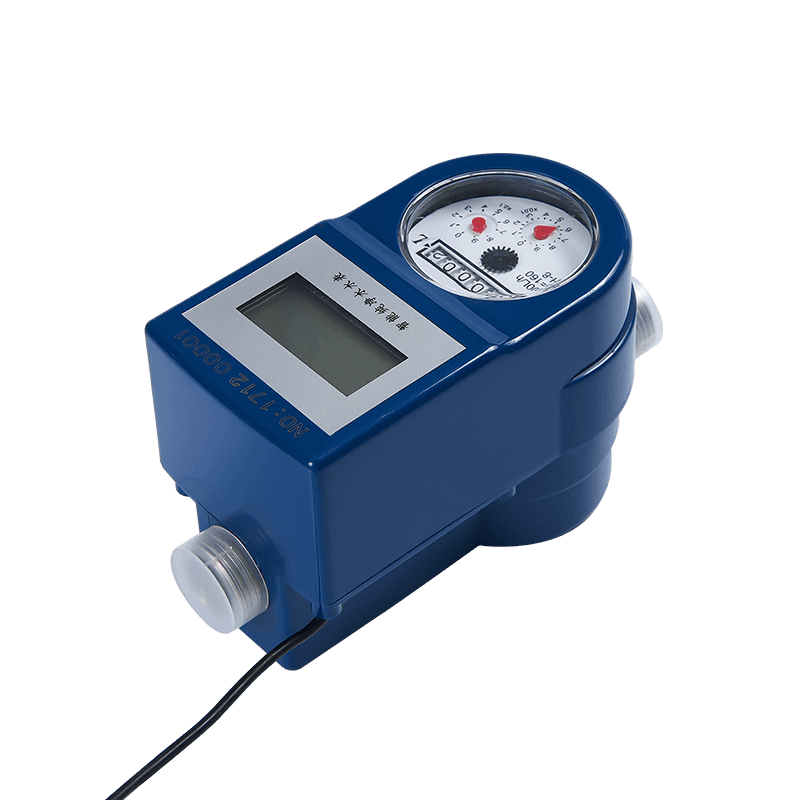
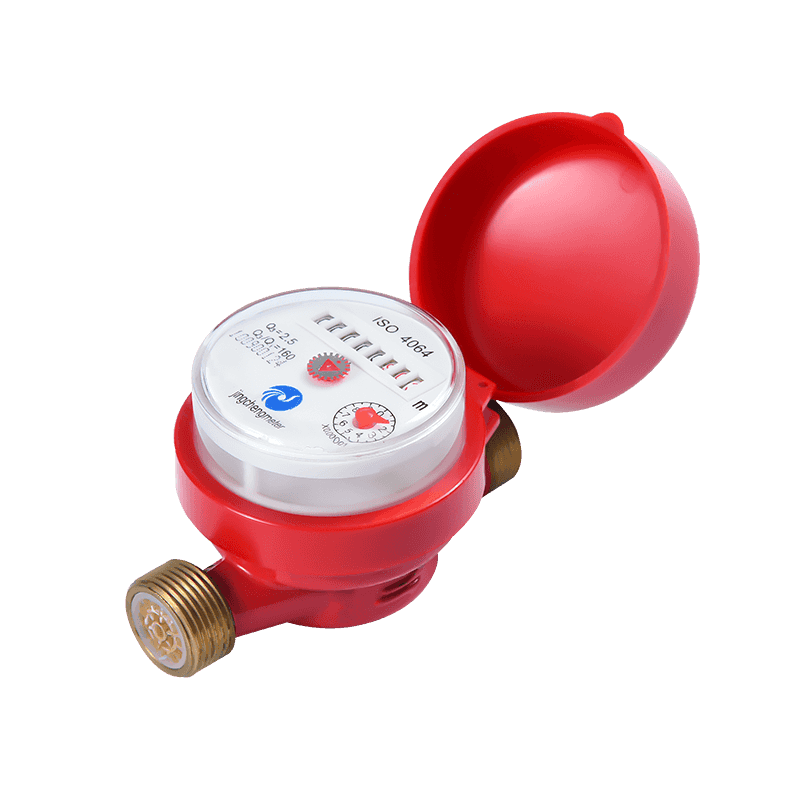
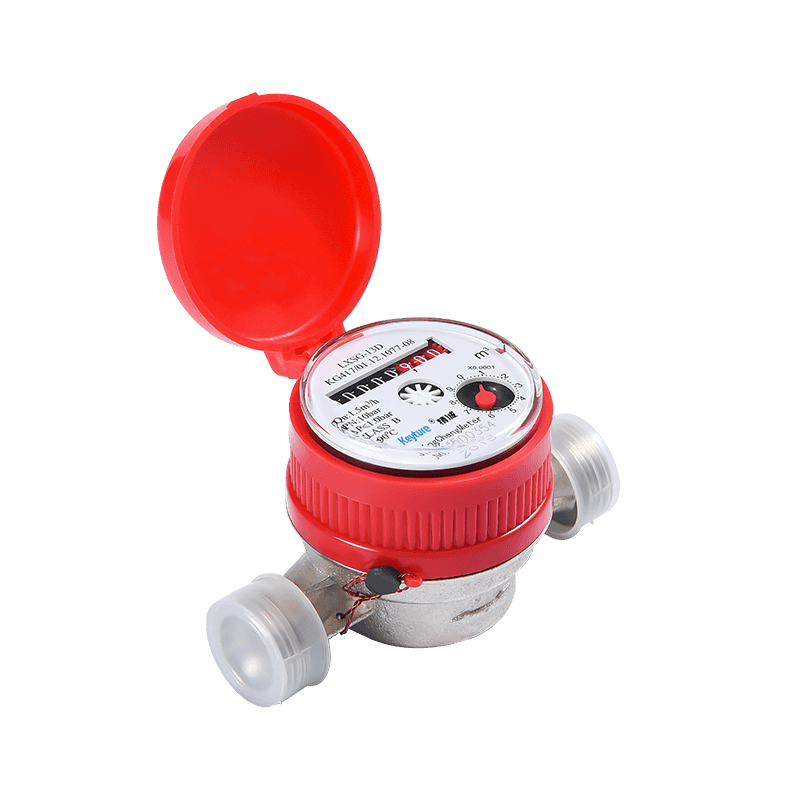
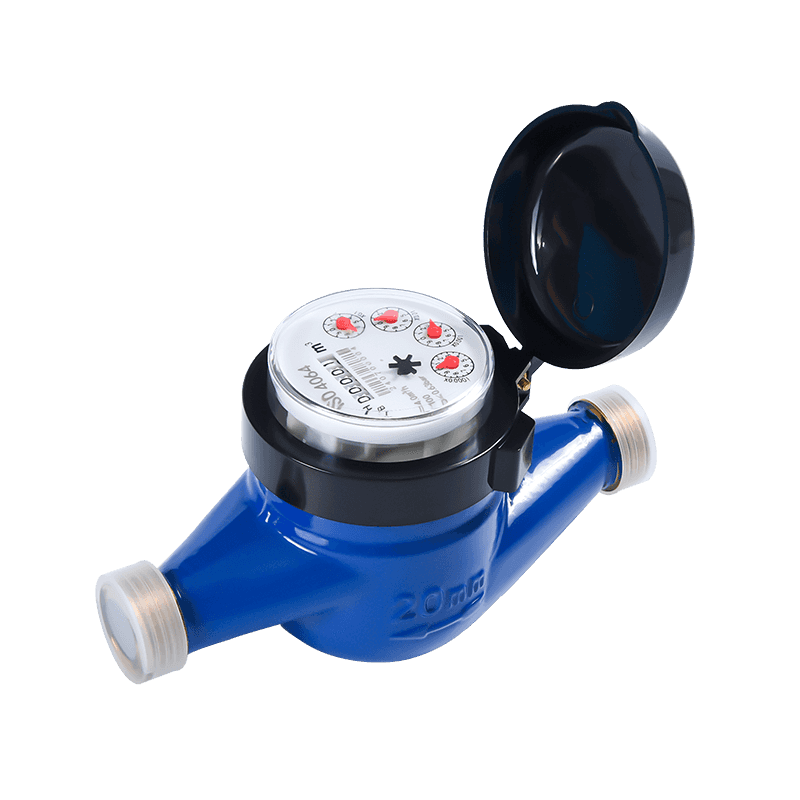
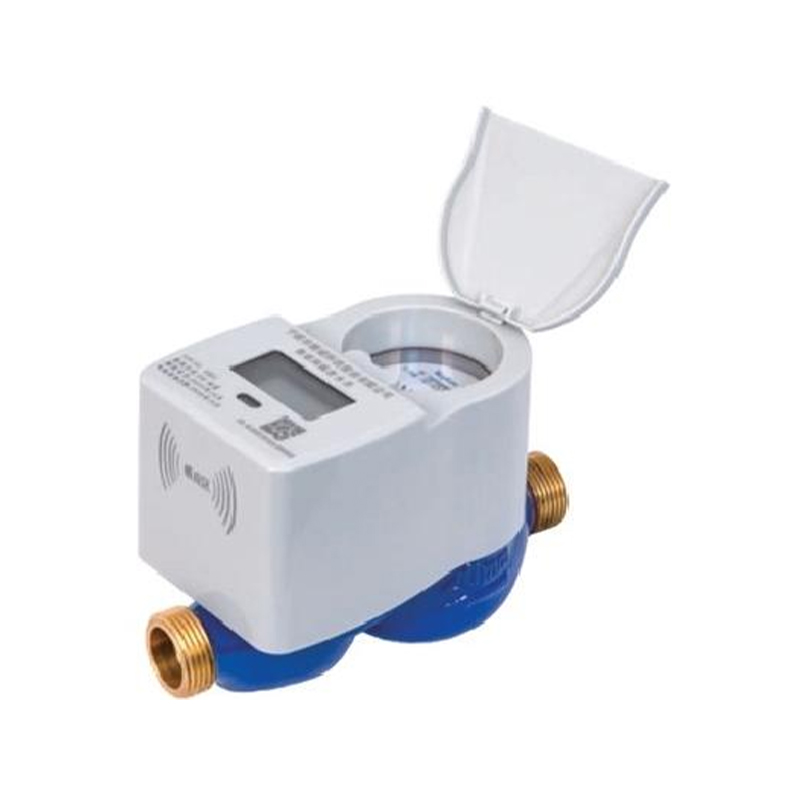
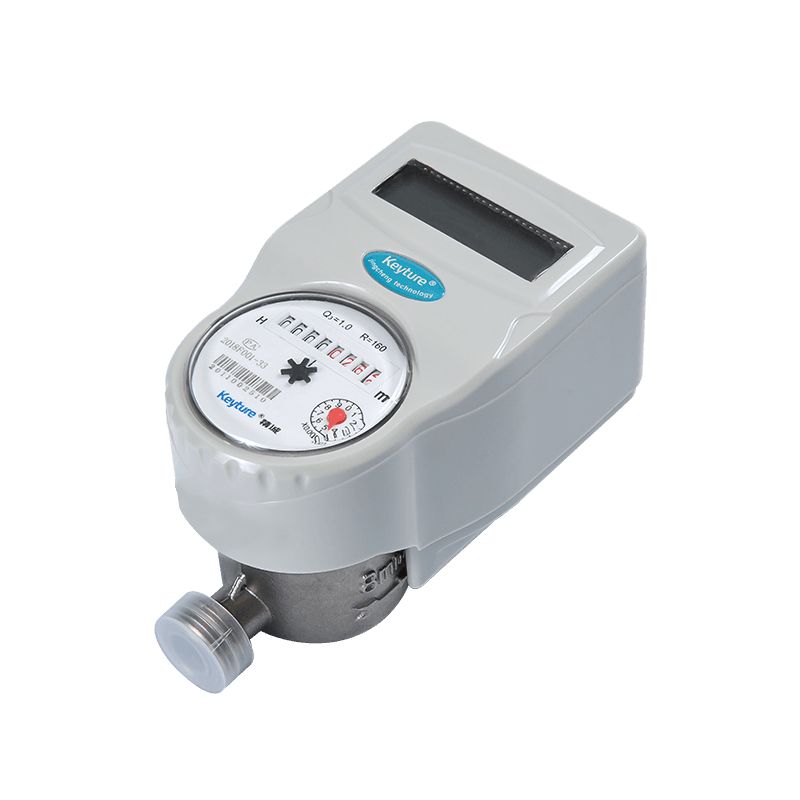
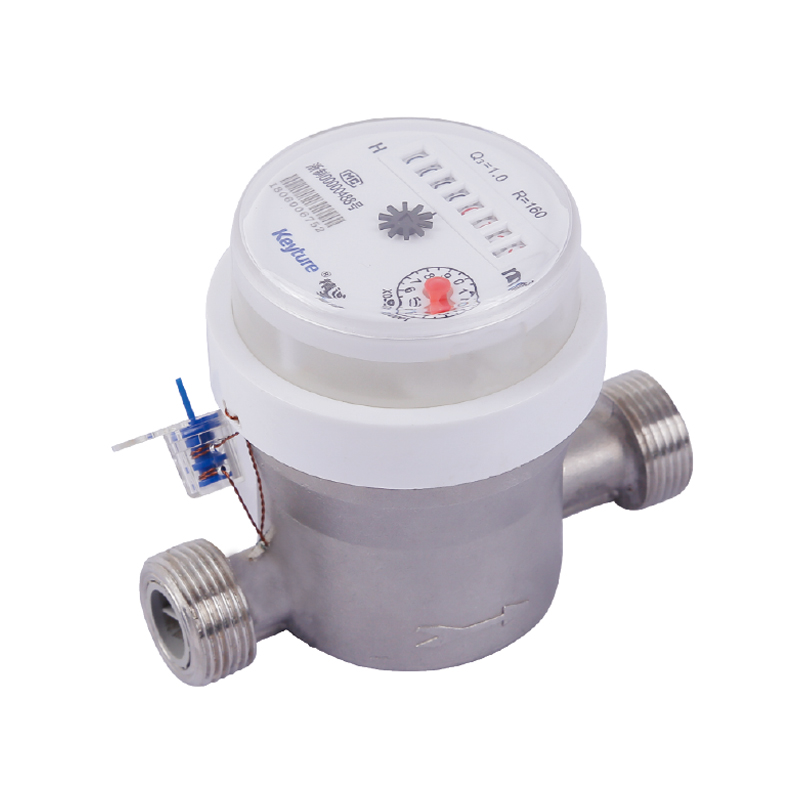
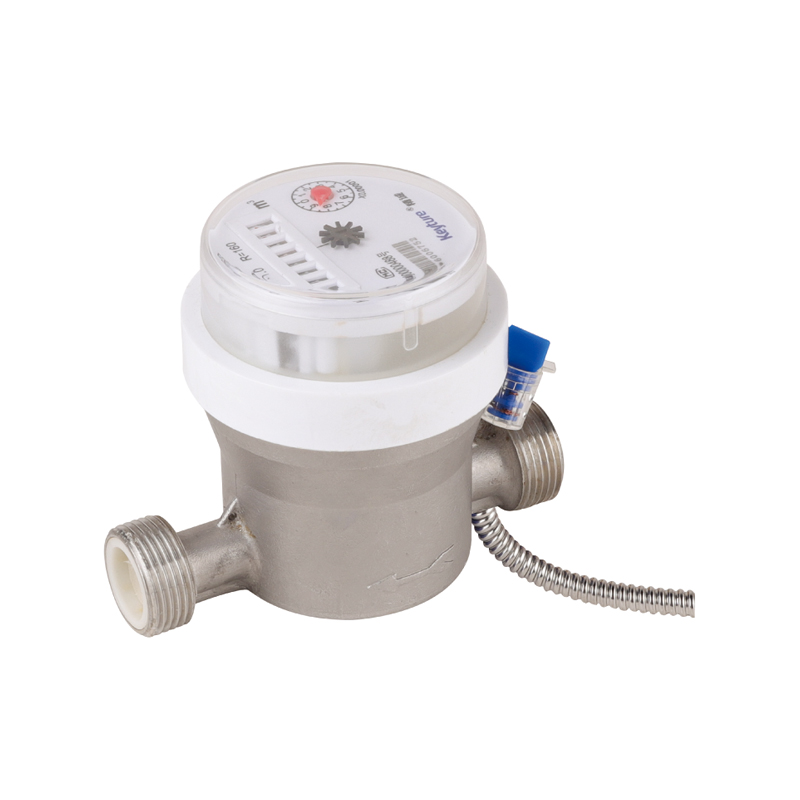
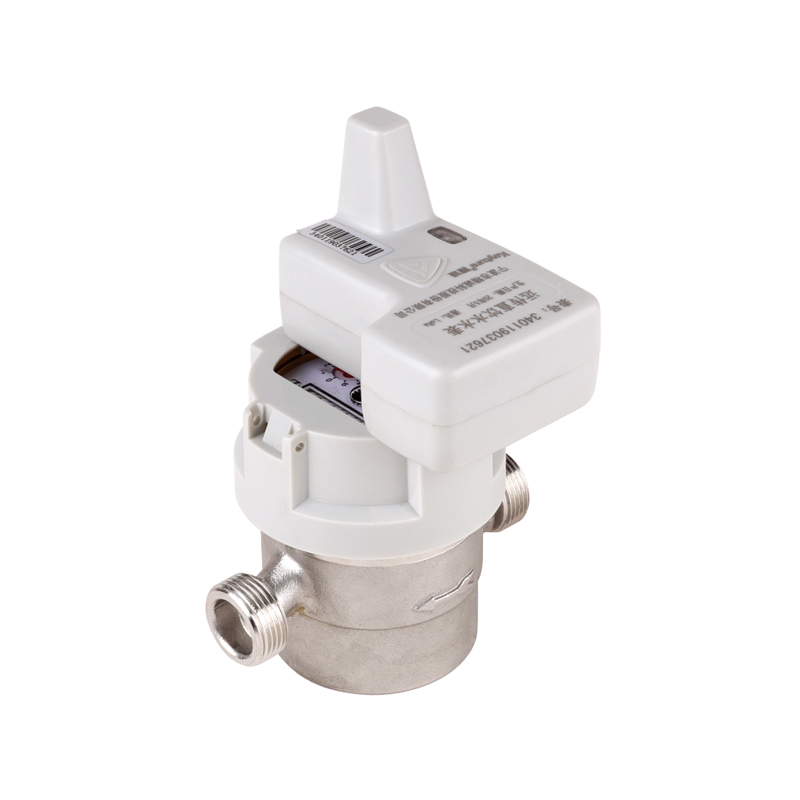
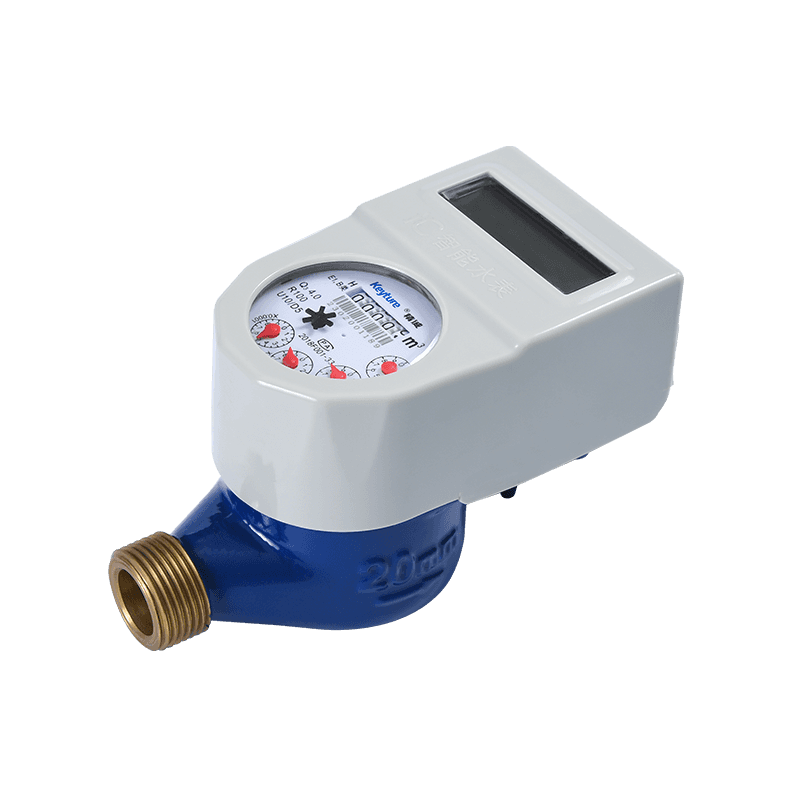
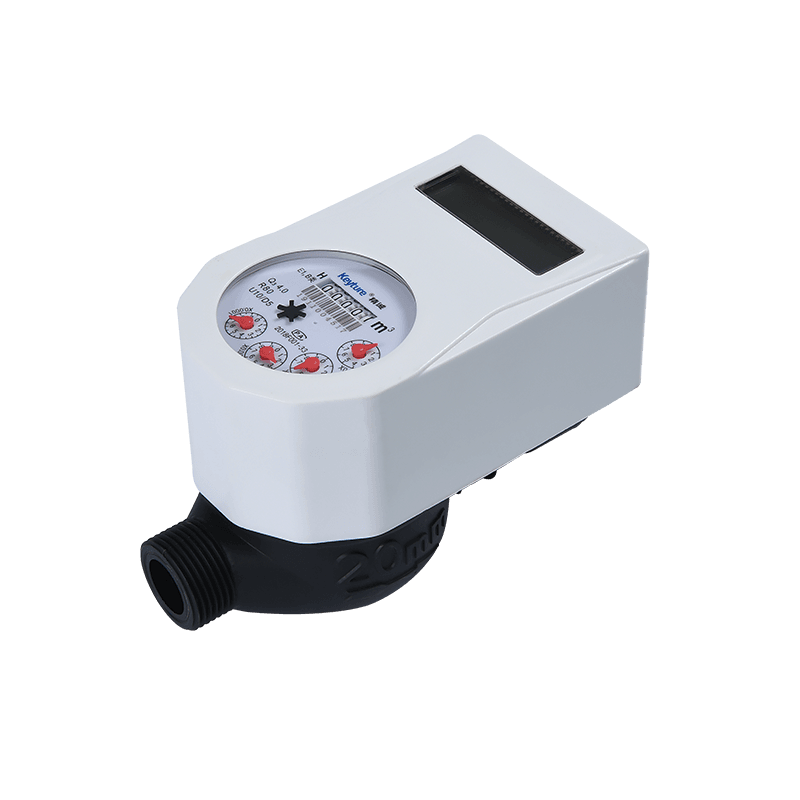
Heat-Stable Measuring Parts
PPS, PPSU or PEEK impellers keep their shape and weight at 90 to 130 °C. Cold water polymers swell, warp or become brittle at these temperatures, which destroys accuracy.

A heat-rated mechanical meter for domestic hot water, heating circuits and process lines — built with heat-stable impellers, ceramic bearings and a thermal break to protect the register.
T30/90 and T30/130 · heat-stable materials · thermal break neck
A high temperature hot water meter is a mechanical velocity meter engineered to measure water that is too hot for ordinary cold water meters: domestic hot water circulation at 60 to 90 °C, boiler feed and heating loops, process hot water and, in the high-temperature version, circuits up to 130 °C and 150 °C under pressure. Measurement uses the familiar multi jet or single jet vane wheel, but almost everything around it is redesigned for heat. Every material expands, softens, oxidises and ages faster as temperature rises, and a hot water meter must keep its accuracy, its seals and its register legible through thousands of thermal cycles between cold start-up and full operating temperature.
The design starts with materials. The impeller is moulded from heat-stable polymers such as PPS, PPSU or PEEK, or machined from metal, so it does not warp or swell. Bearings are ceramic or hard stone instead of plain polymer. Gaskets and O-rings are EPDM, PTFE or FKM instead of nitrile, selected for the temperature and for the water treatment chemicals in the circuit. The body is forged brass or bronze, with a thicker wall and tested at higher pressure, because the strength of metals declines with temperature. Between the hot chamber and the register, a thermal break — a stand-off neck with an air gap — keeps heat from reaching the dial, the gear train and the pulse sensor, which otherwise fog, craze or fail.
Hot water also changes the physics of metering. Water is less viscous and less dense at 90 °C than at 20 °C, so the same volume flows faster, and the meter’s error curve shifts. Calibration is therefore performed at elevated temperature, and the standard classification under ISO 4064 distinguishes hot water meters with a T30/90 or T30/130 temperature class. Limescale precipitates from hard water as it heats, and a robust meter tolerates thin scale and keeps its bearings free. Supplied in DN15 to DN50 with Class 2 accuracy, an R100 range ratio, PN16 or PN25 rating and optional pulse or M-Bus output, the high temperature hot water meter is the dependable mechanical choice for sub-metering hot water in buildings and for heating-system volume measurement.
Key takeaway: Heat is the enemy of meters. A true hot water meter uses heat-stable impellers, ceramic bearings, high-temperature seals and a thermal break so accuracy survives years of hot cycling.
Six heat-driven design choices that separate a true hot water meter from a cold water meter used outside its rating.
PPS, PPSU or PEEK impellers keep their shape and weight at 90 to 130 °C. Cold water polymers swell, warp or become brittle at these temperatures, which destroys accuracy.
Ceramic spindles and sapphire bearings handle thermal cycling and hot-water chemistry without wear. Friction stays low and constant, so the meter starts at low flow even after years.
A stand-off neck and air gap keep the dial, gear train and pulse sensor close to ambient temperature. This prevents fogging, discolouration and premature electronics failure.
EPDM, PTFE or FKM gaskets and O-rings are chosen for the circuit’s temperature and chemistry. Seals retain elasticity and do not harden, which prevents leaks after cycling.
Hot water has different density and viscosity. Each meter is calibrated at elevated temperature, so the error curve is correct where the meter will actually work.
Hard water leaves limescale when heated. Robust bearings, open flow paths and descalable strainers let the meter tolerate thin scale and be cleaned without replacement.
Standard configuration below. Temperature class, pressure rating, seal material and communication can be adapted to your system requirements.
| Parameter | Specification |
|---|---|
| Standard | ISO 4064 / OIML R49 hot water classes |
| Meter type | Multi jet or single jet vane wheel, hot water, dry register with thermal break |
| Nominal diameter | DN15 – DN50 (1/2" – 2") |
| Accuracy class | Class 2, R100 standard / R160 optional |
| Temperature class | T30/90 standard; T30/130 and T30/150 on request |
| Water temperature | 30 °C – 90 °C continuous; 130 °C or 150 °C for high-temperature version |
| Working pressure | PN16 standard / PN25 on request |
| Pressure loss | ≤ 0.063 MPa at Q3 |
| Body material | Forged brass or bronze, DZR alloy for potable hot water |
| Impeller | PPS / PPSU / PEEK, heat-stable |
| Bearings | Ceramic spindle with sapphire / ruby bearing |
| Seals | EPDM (to 110 °C) / PTFE or FKM (to 150 °C) |
| Register | Dry-type, thermal-break neck, anti-fog lens |
| Connection | Threaded G3/4" – G2"; flanged on DN40 – DN50 |
| Installation | Horizontal and vertical according to version |
| Pulse output | Optional heat-resistant reed or Hall head; M-Bus on request |
| Protection | IP65 standard; IP68 on request |
Q4 is the overload flow, Q3 the permanent flow, Q2 the transitional flow and Q1 the minimum flow, all expressed in m³/h.
| Nominal Diameter | Q4 Overload | Q3 Permanent | Q2 Transitional | Q1 Minimum | Range Ratio | Temperature Class |
|---|---|---|---|---|---|---|
| DN15 (1/2") | 3.125 | 2.5 | 0.04 | 0.025 | R100 | T30/90 or T30/130 |
| DN20 (3/4") | 5 | 4 | 0.064 | 0.04 | R100 | T30/90 or T30/130 |
| DN25 (1") | 7.875 | 6.3 | 0.1008 | 0.063 | R100 | T30/90 or T30/130 |
| DN32 (1¼") | 12.5 | 10 | 0.16 | 0.1 | R100 | T30/90 or T30/130 |
| DN40 (1½") | 20 | 16 | 0.256 | 0.16 | R100 | T30/90 or T30/130 |
| DN50 (2") | 31.25 | 25 | 0.4 | 0.25 | R100 | T30/90 or T30/130 |
Values shown for R100, calibrated at elevated temperature. R160 versions, PN25 bodies and T30/150 models are available — tell us your maximum temperature, pressure and water treatment chemicals and we will confirm the correct materials and seals.
Hot water meters must pass the same metrological tests as cold meters, plus temperature endurance tests that cold water meters are not required to pass.
Defines temperature classes T30/90 and T30/130 with error limits and endurance tests at elevated temperature. Accuracy is verified at the upper temperature limit.
Samples are cycled between cold and the rated maximum for thousands of cycles at working pressure, then re-tested for accuracy, leaks and register clarity.
Bodies are hydrostatically tested at 1.5 × PN at ambient temperature, and pressure-temperature derating is stated for each material and class.
EPDM and PTFE seals approved for potable hot water where required, with chemical compatibility data for common boiler water treatments.
EU MID approval for hot water meters with the T30/90 and T30/130 classes marked on the dial and product.
Brass, bronze and polymer parts in contact with hot potable water can be supplied with NSF/ANSI 61, WRAS or ACS certificates.
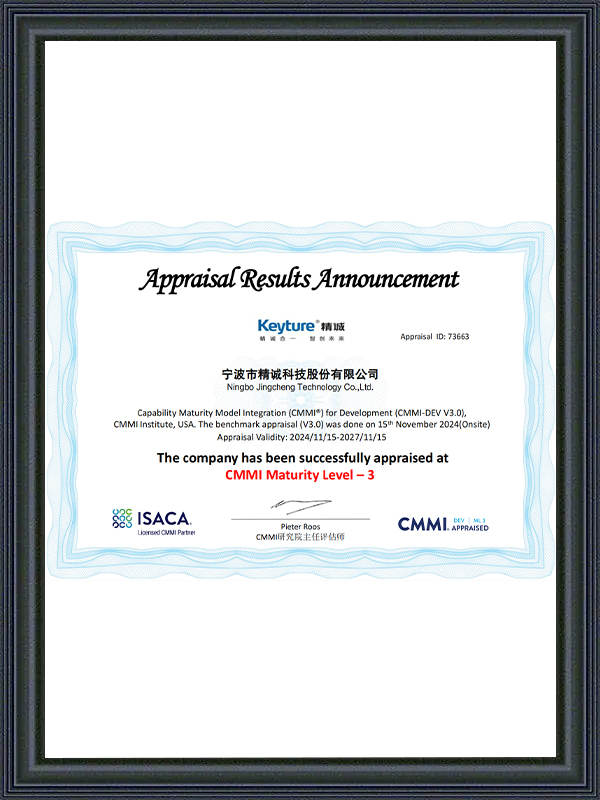
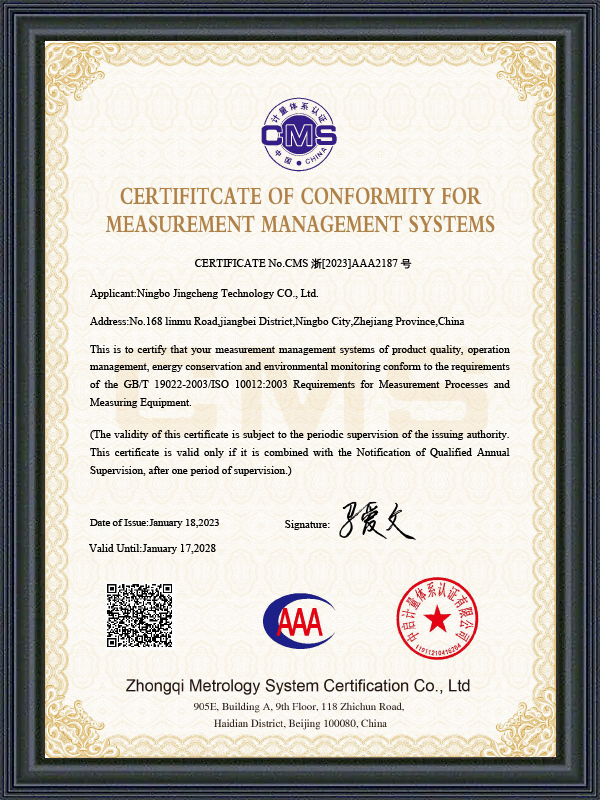
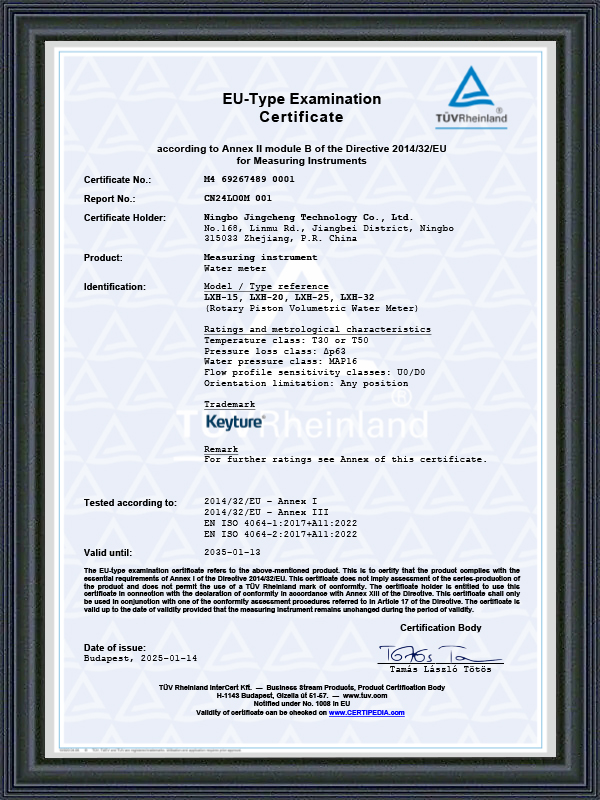
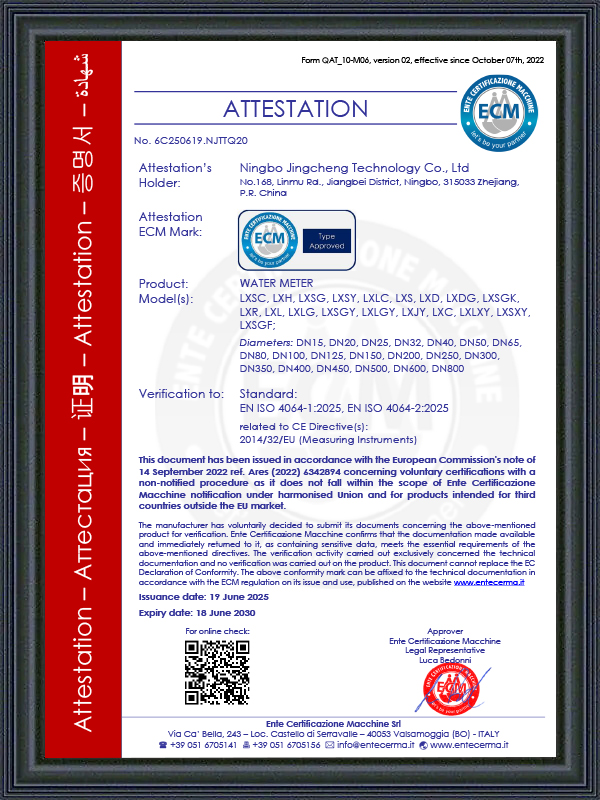
Two engineering ideas define this meter: heat-stable measuring parts, and a thermal break that keeps heat away from the register.
At 90 °C, ordinary cold water polymers such as polypropylene and acetal swell, creep and lose strength. A hot water impeller is moulded from PPS, PPSU or PEEK, high-performance thermoplastics that keep their stiffness and dimensions across the full temperature range. The chamber and distributor are made from the same family or from metal, and the spindle and bearing are ceramic to resist both wear and thermal shock.
The flow dynamics also change with temperature. Hot water is less dense and less viscous, so for the same volumetric flow the impeller sees slightly different momentum and drag. Calibration is performed with hot water so that the factory adjustment offsets these effects, and sampling tests at both 20 °C and the rated temperature verify that the error curve stays within Class 2 limits in both conditions.
The register of a mechanical meter contains gears, a dial and often a pulse sensor, none of which like heat. Above 60 °C, plastic dial faces warp, lenses fog from internal condensation and reed switches or Hall sensors drift. The hot water meter therefore places the register on a stand-off neck with an air gap and a low-conductivity coupling, so that the dial stays well below the water temperature. The magnetic coupling transmits torque through the gap without any contact.
Every seal in the meter is chosen for temperature and chemistry. EPDM suits hot potable water up to around 110 °C but is attacked by oils; PTFE and FKM extend the range to 150 °C and tolerate more chemical treatments. Flange and thread seals are designed to retain compression through thermal cycles, which prevents the slow leakage that develops when ordinary rubber hardens and shrinks after hot service.
Measured performance data for the high temperature hot water meter. Use these charts to confirm pressure loss, accuracy and installation dimensions before specifying.
Figure 1 — Head loss curve (MPa vs. flow m³/h)
The chart shows pressure loss across the hot water meter for DN15 to DN50, measured at 70 °C. Lower viscosity at high temperature slightly reduces friction losses, and loss at permanent flow stays at or below 0.063 MPa, which is helpful in pumped hot water circulation systems.
Figure 2 — Accuracy error curve (Class 2, R100, 70 °C, Q1–Q4)
The curve is measured with 70 °C water, representing typical domestic hot water. A small shift in the low-flow region compared with cold water is expected because of changes in viscosity and thermal expansion, and it is compensated at the factory. Error stays inside ±5% in the lower zone and ±2% in the upper zone.
Figure 3 — Installation dimensions (L × H × B × D)
| Size | L (mm) | H (mm) | B (mm) | D (thread) |
|---|---|---|---|---|
| DN15 | 165 | 115 | 82 | G3/4" |
| DN20 | 190 | 120 | 84 | G1" |
| DN25 | 260 | 132 | 100 | G1¼" |
| DN32 | 260 | 140 | 102 | G1½" |
| DN40 | 300 | 168 | 130 | G2" |
| DN50 | 300 | 176 | 132 | Flange |
Dimensions are for reference and include the thermal-break neck. Confirm exact values with our engineering team before installation design.
Cold water meters are sometimes installed on warm lines to save cost. This table shows why that is risky, and how a true hot water meter differs.
| Design Feature | High Temperature Hot Water Meter | Standard Cold Water Meter | Ultrasonic Hot Water Meter |
|---|---|---|---|
| Rated temperature | 90 °C / 130 °C / 150 °C | 30–50 °C | 90 °C, 130 °C optional |
| Impeller material | PPS / PPSU / PEEK | Standard polymer | None — no impeller |
| Register protection | Thermal-break neck | Not protected | Electronics neck |
| Seal materials | EPDM, PTFE or FKM | Nitrile or standard EPDM | EPDM or PTFE |
| Risk of accuracy loss | Low | High — swelling and warping | Low |
| Limescale tolerance | Moderate | Poor | Good |
| Unit purchase cost | Moderate | Lowest | Higher |
| Best application | Hot water sub-metering | Cold water only | High-accuracy hot water |
This comparison is indicative. Actual performance depends on temperature profile, water hardness and the specific product configuration. Contact our engineers for application-specific guidance.
Premium quality
since 2002
Coming From China, Marketing To The World
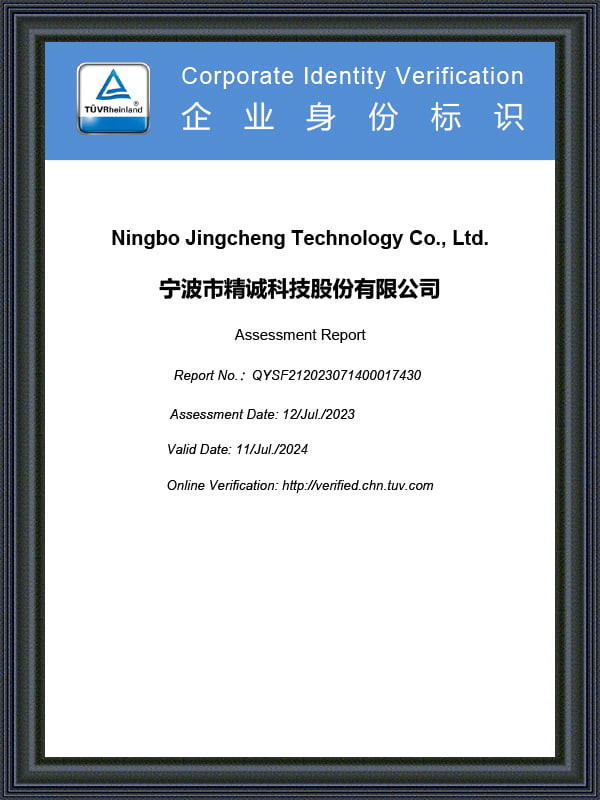
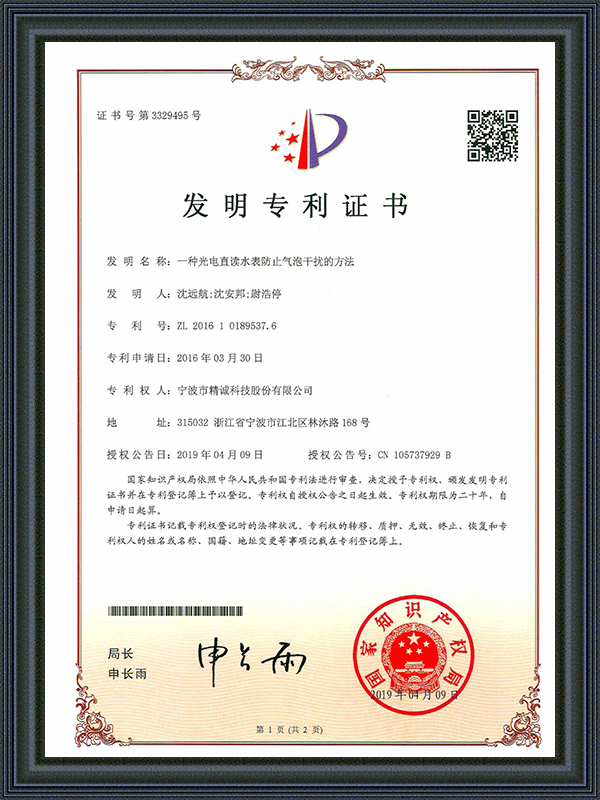
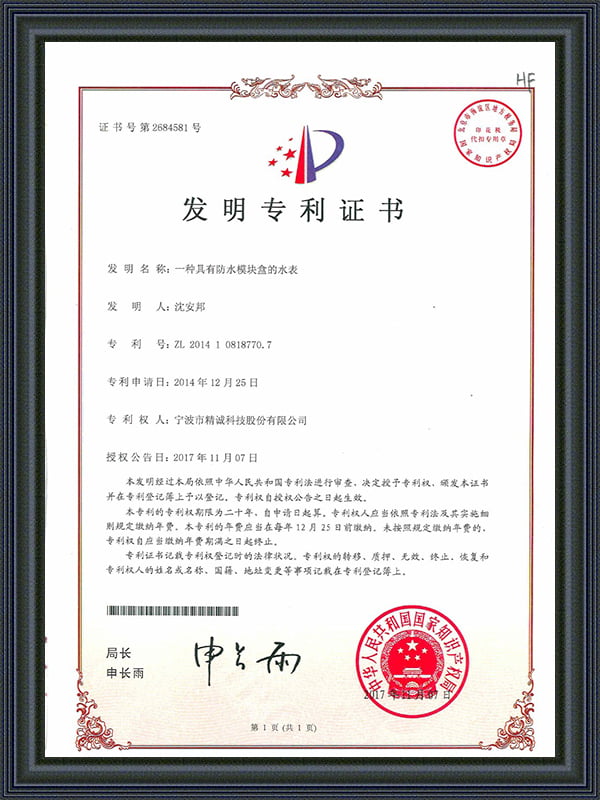
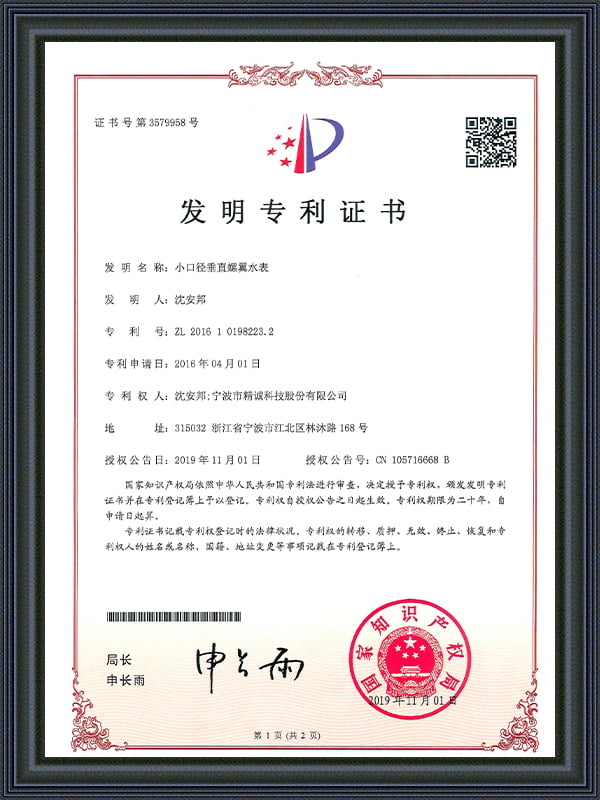
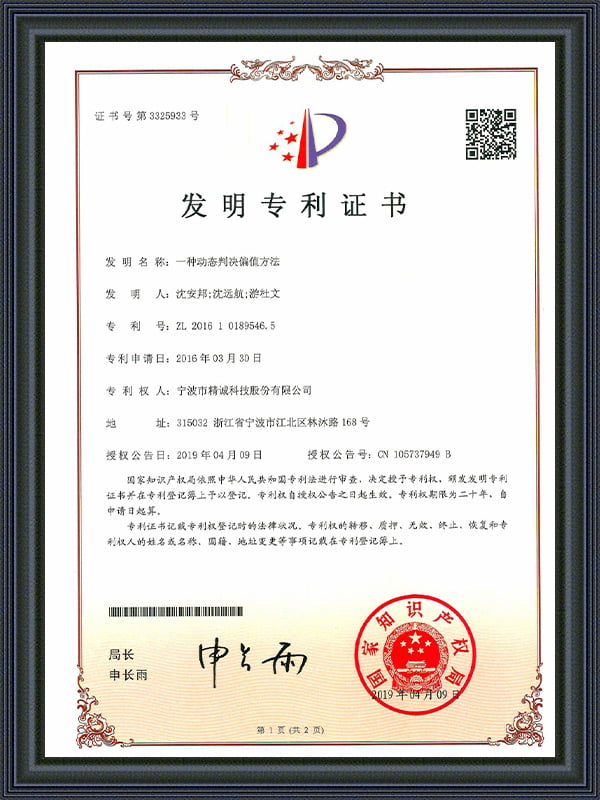
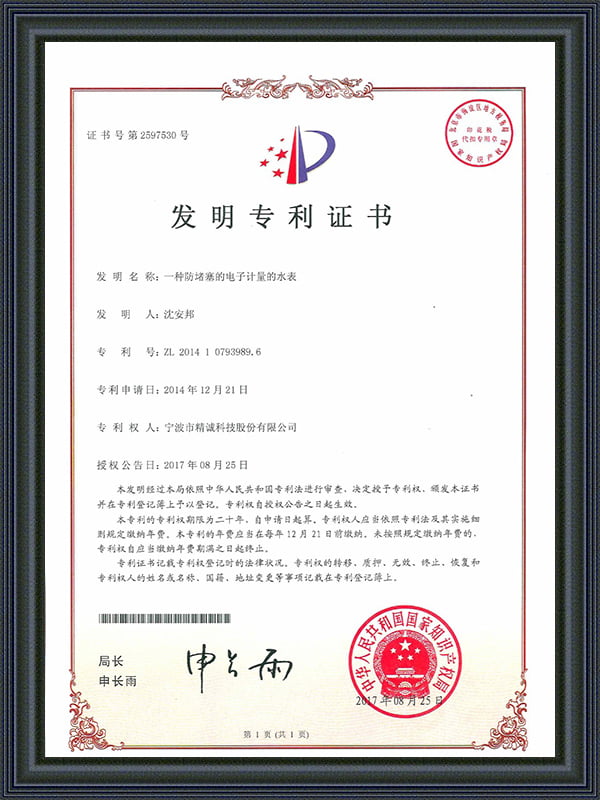
Keyture Meter is located in Picturesque Jiangbei Investment Park, NINGBO, CHINA. It is a comprehensive high-tech China High Temperature Hot Water Meter Manufacturers and Custom High Temperature Hot Water Meter Factory that integrates scientific research & development, production, sales, and service. Established in 2002 as a manufacturer and exporter of water meters for more than 22 years. The factory covers an area of 40 acres (30,000 square meters), 200 staff, 100+ types of products, product capacity of 5 million per year. Its product range covers single jet, multi-jet, volumetric piston type, Woltman type, IC card intelligent water meter, remote control water meter, optoelectrical reading direct remote control water meter...
Yearly production capacity
Production Area
Works and inspectors
Production experience
Excellent product with exquisite craftsmanship
Customization
We have a strong R&D team, and we can develop and produce products according to the drawings or samples the customers offered.
Cost
We are a professional manufacturer and also have our own processing machinery. So we can offer good prices and good products directly.
Quality
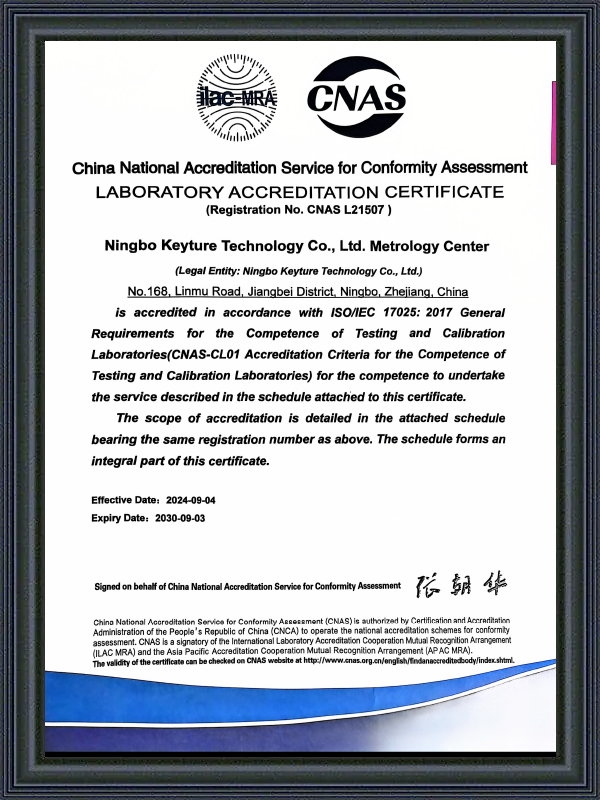
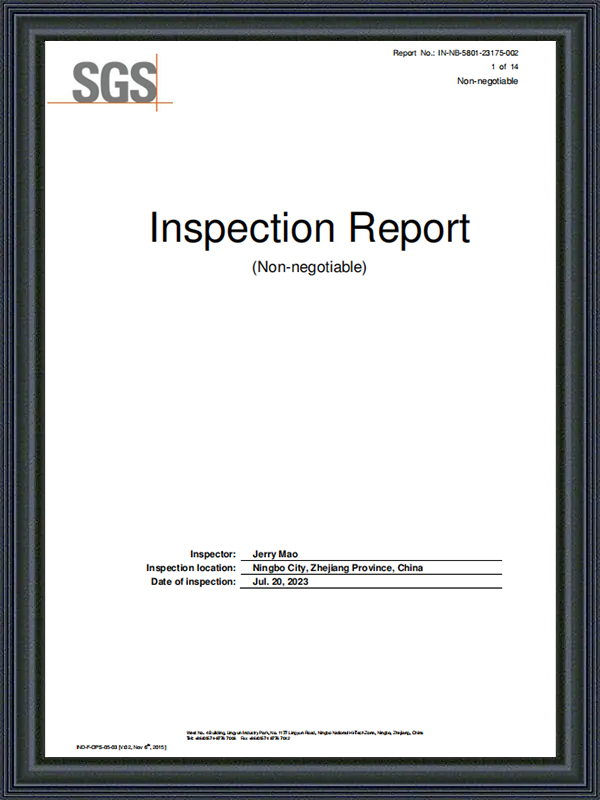
We have our own testing lab and advanced and complete inspection equipment, which can ensure the quality of the products.
Service
We focus on developing high-quality products for top-end markets. Our products are in line with international standards, and are mainly exported to Europe, America, Africa, Asia and other destinations around the world.
Capacity
Our annual production capacity is over 5 million units. We can meet the needs of different customers with different purchase quantities.
Shipment
We are about 35 kilometers away from Ningbo Port. It is very convenient and efficient to ship goods to any other countries.
From mechanical meters to smart AMR/AMI systems — we provide end-to-end water metering solutions tailored to your project.
Used wherever heated water must be measured reliably, from individual flats to heating plants.
Install the meter in the orientation marked on the dial and in the direction of the flow arrow. Fit isolating valves on both sides to enable service, and install the meter in the cooler return line when the heating circuit allows, which reduces thermal stress on the register and seals.
Do not insulate the thermal-break neck or the register. Insulate the pipe and the meter body only, leaving the neck exposed so heat can dissipate. Allow room for pipe expansion, and support the pipework so thermal movement does not load the meter threads or flanges.
Fill and vent the system slowly to avoid air hammer and thermal shock. Flush the line to remove welding debris and scale, and fit a strainer upstream if the circuit has not been chemically cleaned. After commissioning, check for leaks at operating temperature and re-tighten flange bolts once the system has reached temperature.
Hot water meters need little maintenance, but hot service ages everything faster. Inspect the dial for fogging and the seals for weeping at each reading round. If the system uses chemical treatment or inhibitors, confirm compatibility with the seal material, and flush after descaling operations so aggressive chemicals do not stay in contact with the meter.
In hard water regions, scale builds on bearings and strainers. Clean the strainer regularly and, if necessary, replace the measuring cartridge. Many hot water meters have a replaceable measuring unit that allows a second service life after re-calibration at temperature.
Typical service life is 6 to 8 years for T30/90 meters in domestic hot water, and 5 to 7 years in higher-temperature heating circuits. Hot cycling is the main ageing factor, so replacement should follow verification sampling results.
Cold water meters use polymers, bearings and seals rated for around 30 to 50 °C. At higher temperatures the impeller can swell or warp, seals harden and the register fogs, causing inaccurate readings and early failure. A hot water meter is designed and tested for the higher temperature.
They are temperature classes in ISO 4064. T30/90 means the meter is rated for water temperatures from 30 to 90 °C. T30/130 extends the upper limit to 130 °C. The class is marked on the dial.
Heat-stable high-performance polymers such as PPS, PPSU or PEEK, which keep stiffness and dimensions at high temperature. In some designs, metal impellers are used for the highest temperatures.
The neck is a thermal break that keeps heat from reaching the dial and electronics. It prevents fogging, discolouration and sensor drift, and extends the life of the register.
EPDM is suitable for hot potable water up to around 110 °C. PTFE and FKM are used up to 150 °C and where chemical compatibility is a concern. Tell us about boiler treatment chemicals so we can choose the right seal.
Yes. Calibration and verification are performed at elevated temperature because water density and viscosity change with temperature. This ensures the error curve is correct in actual operating conditions.
Yes, for volume measurement in heating circuits within the meter’s temperature and pressure class. For heat energy billing, a heat meter with temperature sensors is needed, such as our ultrasonic heater water meter with energy calculation.
Scale can build up on bearings and strainers and gradually increase starting flow. Robust ceramic bearings and open flow paths help, and regular strainer cleaning prevents blockage. Water treatment upstream improves meter life.
PN16 is standard, with PN25 available on request. Pressure rating is stated at ambient temperature, and a derating curve applies at high temperature. Please specify operating pressure and temperature together.
Yes. A hot water meter works across the temperature range, and its cold water accuracy is normally within class. However, it costs more than a cold water meter, so it is only used for cold lines if a single model is needed.
Yes. Heat-resistant reed or Hall pulse heads are available, and M-Bus modules can be fitted on the neck. The thermal break keeps the electronics within their operating temperature.
Six to eight years is typical at 55 to 65 °C. Higher temperatures, frequent cycling and hard water shorten life. Verification sampling can help decide whether to extend or shorten replacement intervals.
Send us the maximum temperature, pressure, water hardness and pipe size. Our engineers will recommend the right high temperature hot water configuration, with price and lead time.

Address: No.168,LinMu Rd.,Zone B, Jiangbei investment Park, Ningbo, Zhejiang,China
Tel: +86-0574-83090480/+86-18892665118
Fax: +86-0574-83021045
Email: [email protected]
Web: https://www.keyturemeter.com/
Quick Links
Product
Mobile terminal
 Custom High Temperature Hot Water Meter Manufacturers