 English
 Español
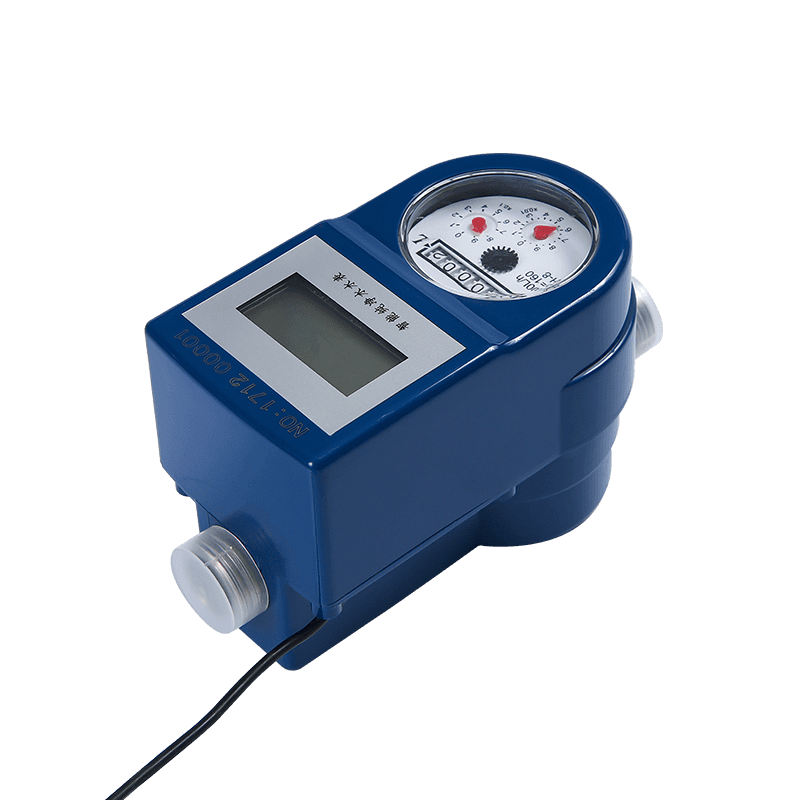
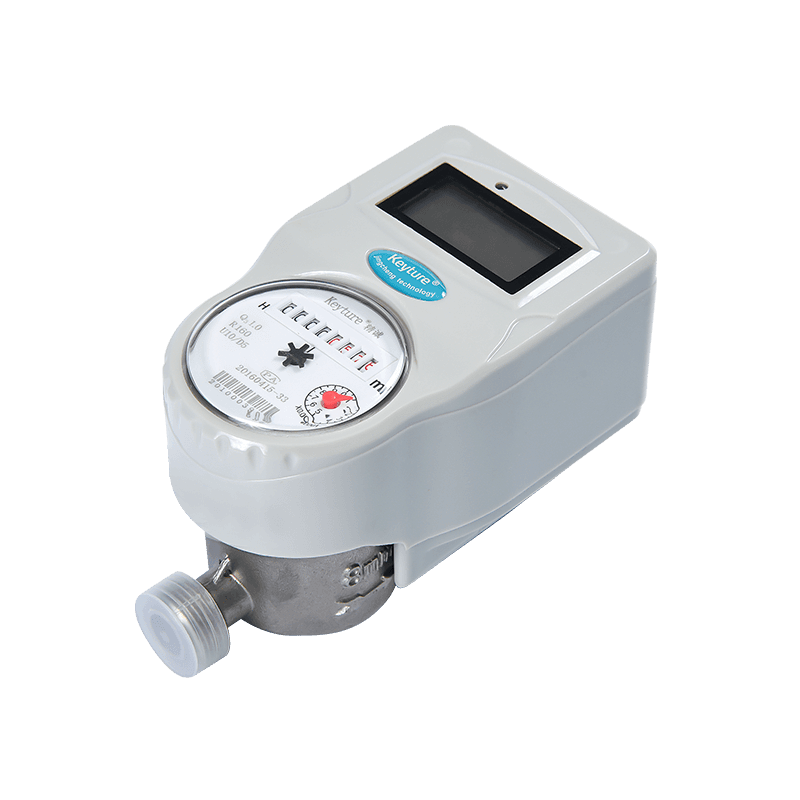
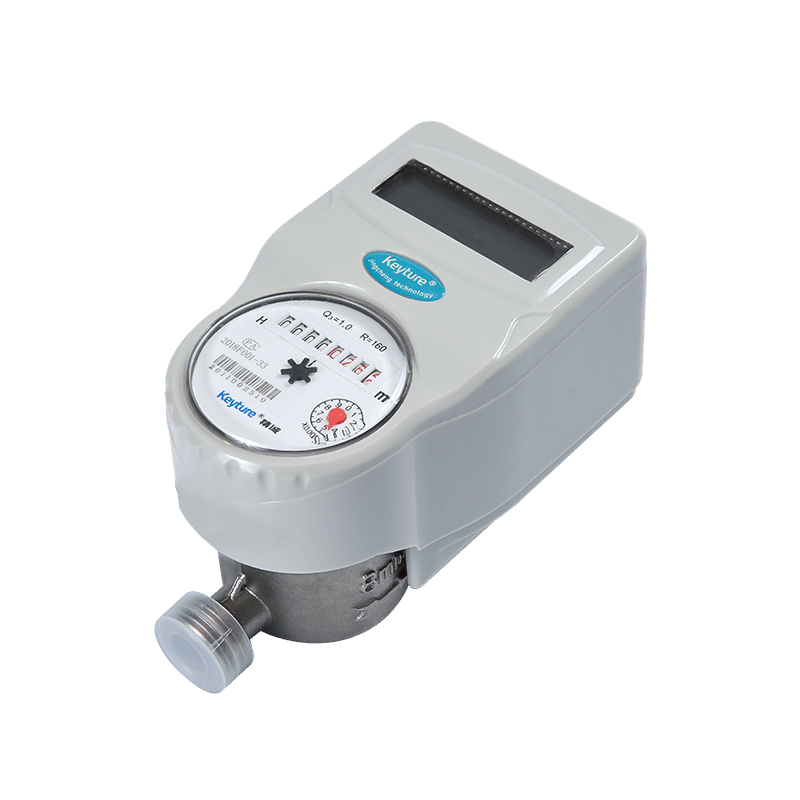
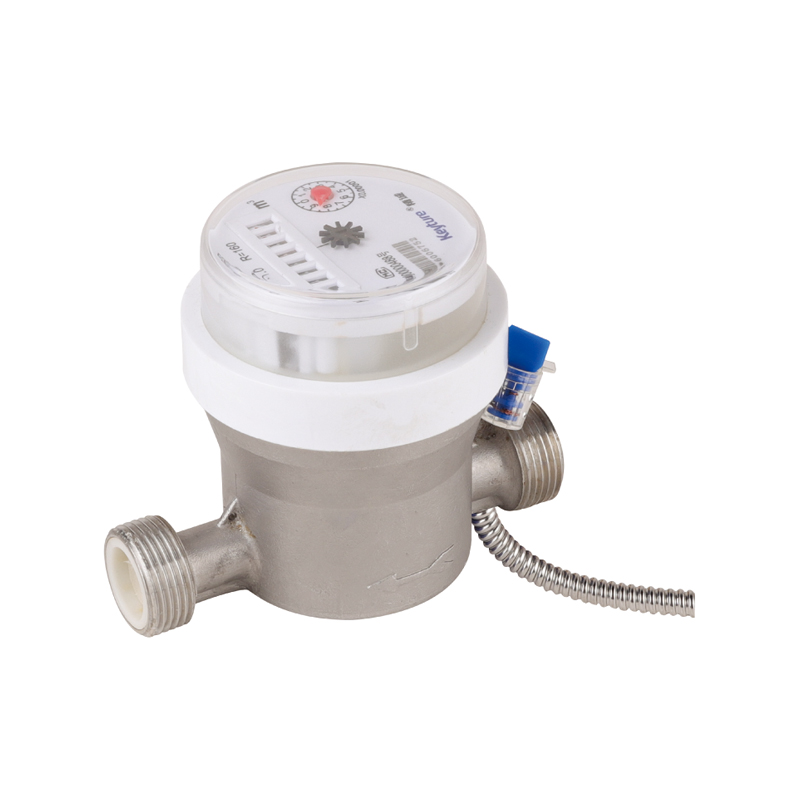
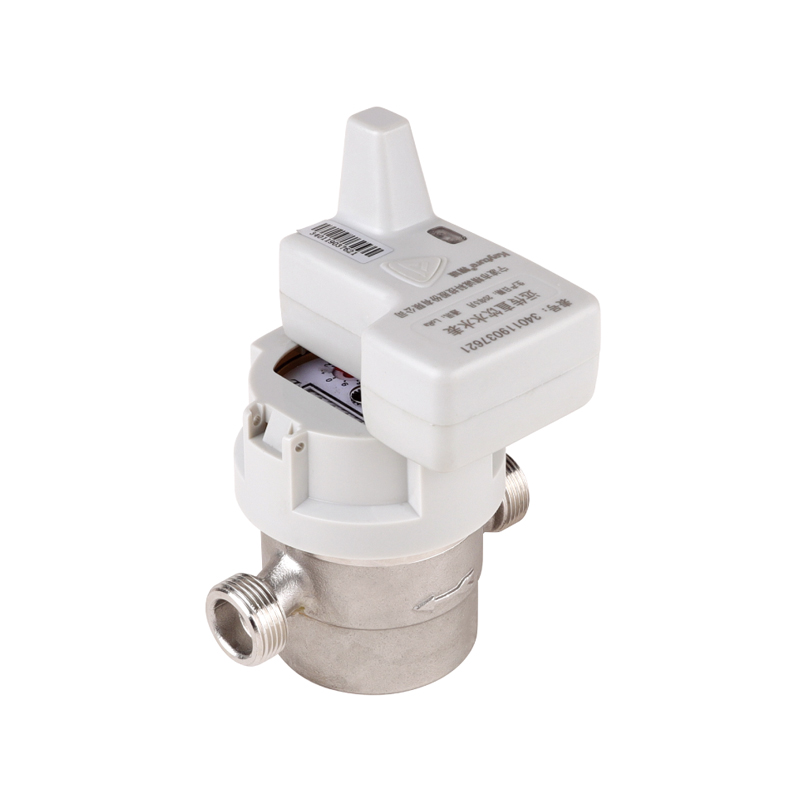
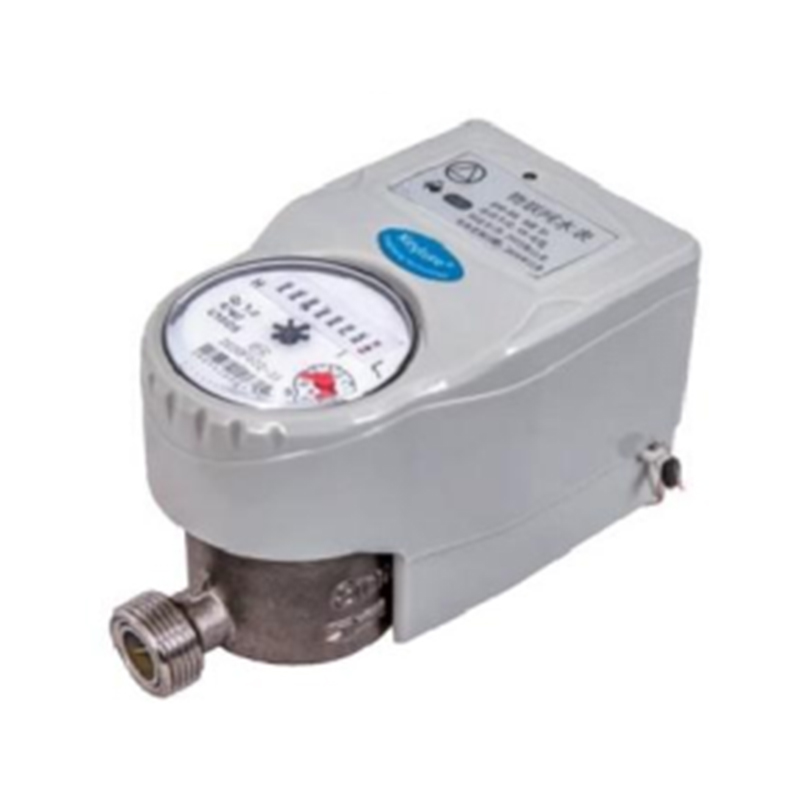
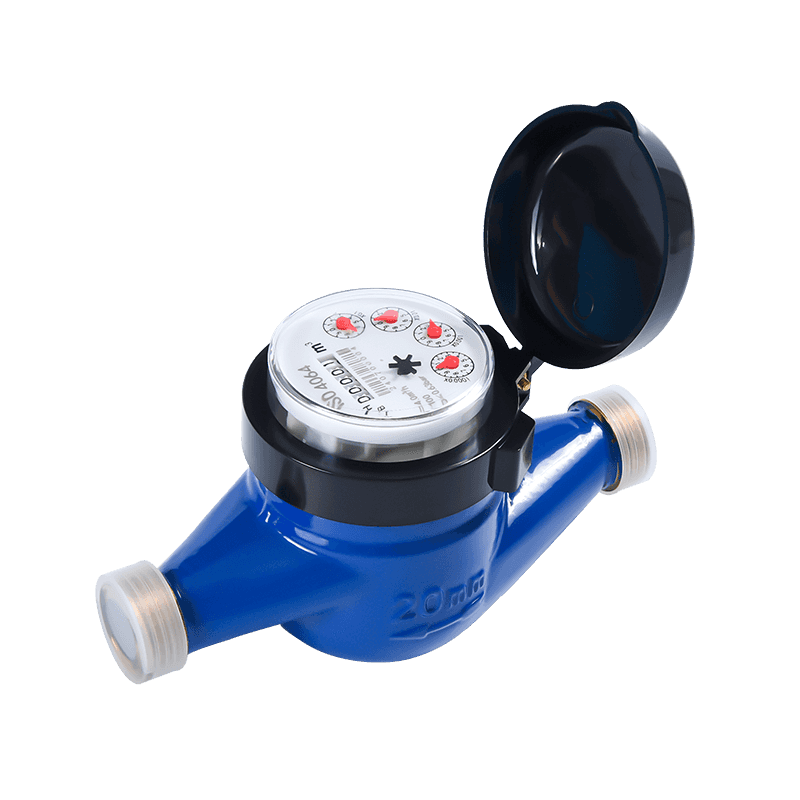
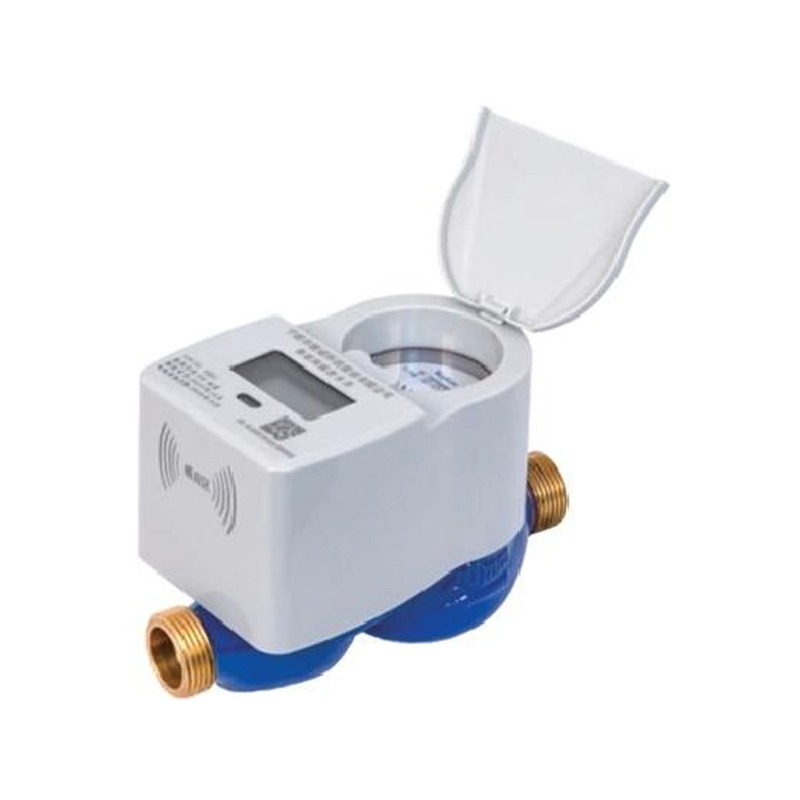
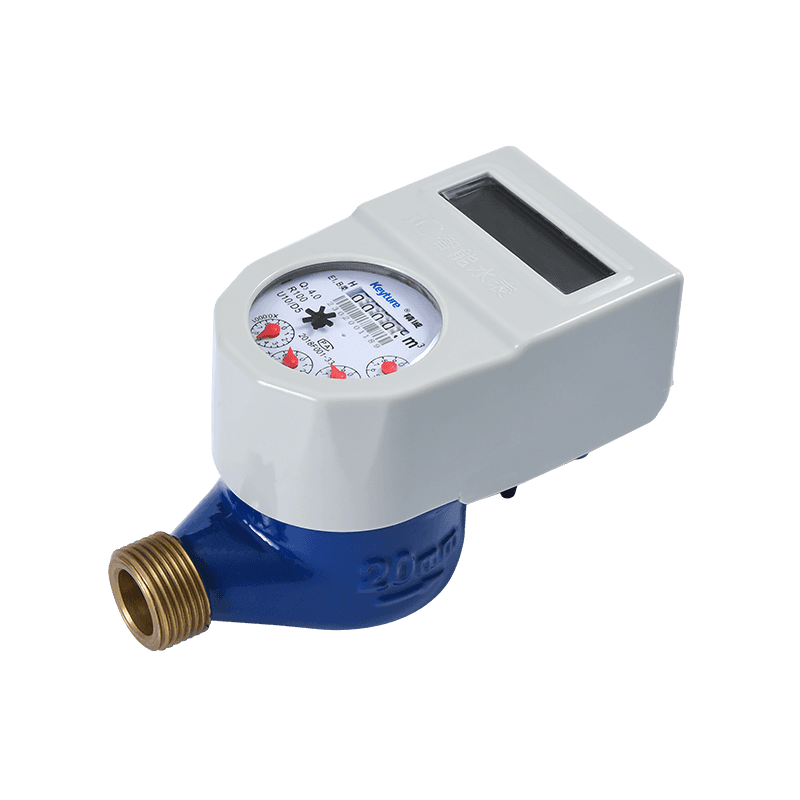
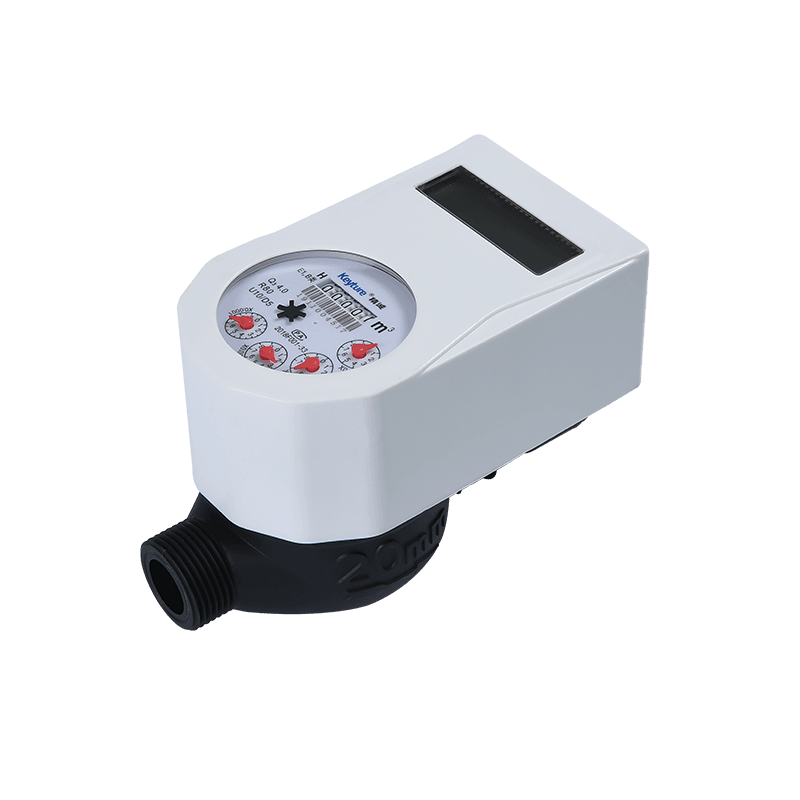
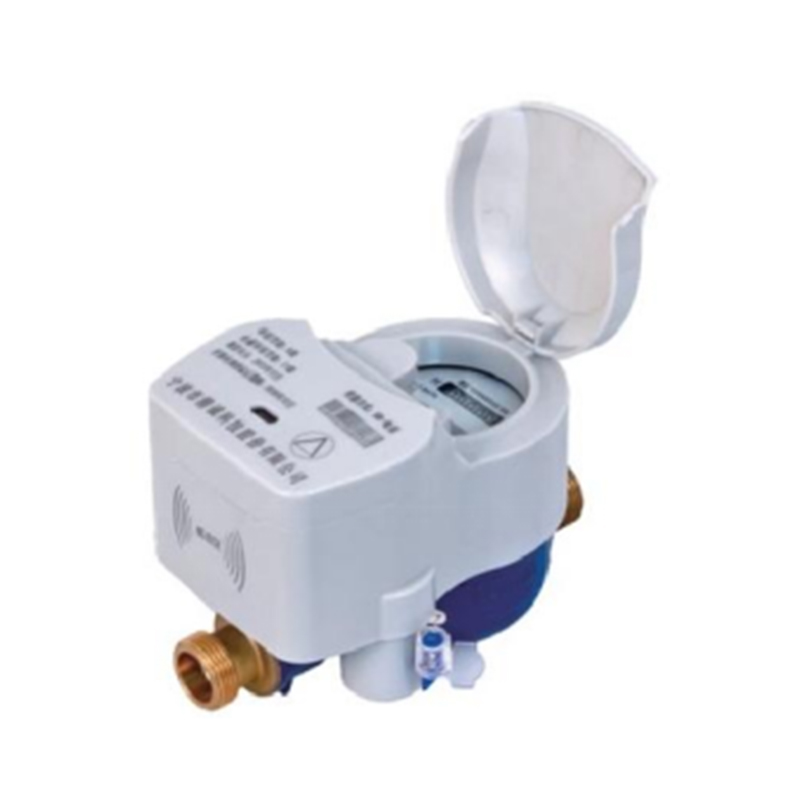
R200 Low-Flow Capture
Minimum flow is one two-hundredth of permanent flow. Drips, leaks and slow fills that a R80 or R100 meter skips are measured and billed, closing a large share of apparent losses.

A multi jet meter engineered for accurate low-flow billing and complete potable-water compliance — low-lead or lead-free alloys, certified polymers and hygiene-controlled production.
R200 · potable-water approved materials · individually adjusted
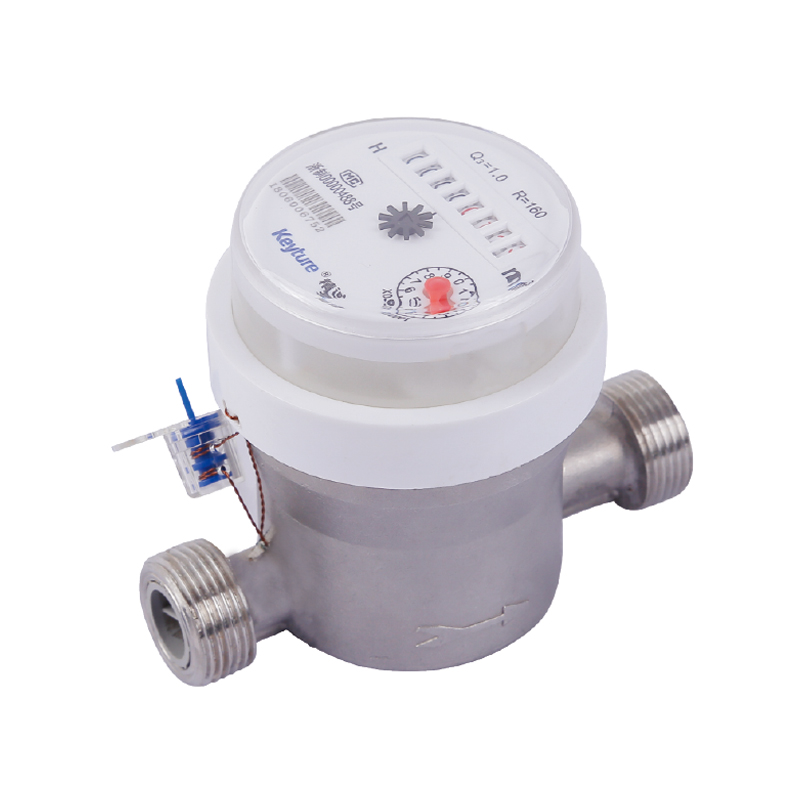
A high precision drinkable water meter is a multi jet water meter designed around two requirements that are usually treated separately: very accurate measurement of low and high flows, and complete suitability for contact with drinking water. Every material the water touches — the housing, strainer, distributor, impeller, bearings, seals and lubricant-free internal surfaces — is selected from potable-water-approved families, and the measuring chamber is produced to tighter tolerances than a standard residential meter. The result is a meter that can sit on a household or commercial supply line for ten years without altering the taste, odour or chemistry of the water, and without letting its calibration drift away from the true consumption.
Precision begins with the range ratio. The meter is supplied at R200 as standard, meaning the minimum flow Q1 is only one two-hundredth of the permanent flow Q3, and each unit is individually adjusted on a gravimetric bench at Q1, Q2 and Q3 rather than adjusted by batch. The distributor ring is machined for balanced jets, the impeller is trimmed for a centred, low-friction run on a sapphire pivot, and the register uses a high-torque magnetic coupling so that drag at very low flow is minimal. In service this means that the dripping tap, the leaking cistern and the slow-filling storage tank are billed at close to their true volume, which is where mechanical meters usually lose the most revenue.
The drinking water side of the specification is equally strict. The body is forged from dezincification-resistant, low-lead brass with a certified lead release below regulatory limits, or from lead-free alloys, and internal surfaces are smooth, burr-free and passivated to discourage biofilm adhesion. Elastomers are potable-grade EPDM, polymers carry NSF/ANSI 61, WRAS, KTW or ACS approval, and the meter is cleaned, flushed and packed in sealed bags to prevent contamination before installation. Supplied in DN15 to DN40 with Class 2 accuracy under ISO 4064 / OIML R49, PN16 pressure rating and optional pulse or M-Bus output, the high precision drinkable water meter suits utilities, commercial buildings and water suppliers who must demonstrate both fair billing and verified water-contact safety.
Key takeaway: Two promises in one meter: it measures drinking water closer to the truth than a standard meter, and it keeps that water exactly as safe as it left the treatment plant.
Six advantages that combine fair billing with verified drinking water safety.
Minimum flow is one two-hundredth of permanent flow. Drips, leaks and slow fills that a R80 or R100 meter skips are measured and billed, closing a large share of apparent losses.
Each meter is tuned on a gravimetric bench at three flow points before release. Calibration is a property of the individual unit, not an average of the batch.
Alloys, polymers and elastomers are selected from approved families, with traceable certificates, so the water-contact path can be defended in front of any health regulator.
DZR brass with controlled lead, or lead-free alloys, keep lead release far below regulatory limits even after stagnation. Surface finishing reduces metal leaching during the first weeks of service.
Burr-free, passivated internal surfaces and avoidance of dead legs reduce places where biofilm can attach, helping maintain water quality at the connection.
Meters are flushed with treated water, dried, capped and sealed in bags to prevent contamination between factory and pipe, which is important for new-build and hospital installations.
Standard configuration below. Alloy grade, certification set and communication options can be adapted to your regulatory market.
| Parameter | Specification |
|---|---|
| Standard | ISO 4064 / OIML R49 |
| Meter type | Multi jet, vane wheel, dry-dial, potable-water construction |
| Nominal diameter | DN15 – DN40 (1/2" – 1½") |
| Accuracy class | Class 2, R200 standard / R160 optional |
| Starting flow | ≤ 3 L/h (DN15) |
| Body material | Forged DZR brass (CW602N) or lead-free alloy |
| Lead release | Below regulatory limits per NSF/ANSI 372 / local rules |
| Water temperature | 0.1 °C – 50 °C (cold water) |
| Working pressure | MAP 16 bar |
| Pressure loss | ≤ 0.063 MPa at Q3 |
| Impeller | Potable-grade polymer with sapphire pivot |
| Seals | EPDM, WRAS / KTW / ACS approved |
| Register | Dry-dial, high-torque magnetic coupling, anti-fog lens |
| Connection | Threaded G3/4" – G2" |
| Strainer | Integral stainless steel mesh |
| Pulse output | Optional reed switch, 1 L / 10 L per pulse |
| Packaging | Flushed, capped and sealed in hygiene bag |
| Protection | IP65 standard; IP68 on request |
Q4 is the overload flow, Q3 the permanent flow, Q2 the transitional flow and Q1 the minimum flow, all expressed in m³/h.
| Nominal Diameter | Q4 Overload | Q3 Permanent | Q2 Transitional | Q1 Minimum | Range Ratio | Starting Flow |
|---|---|---|---|---|---|---|
| DN15 (1/2") | 3.125 | 2.5 | 0.02 | 0.0125 | R200 | ≤ 3 L/h |
| DN20 (3/4") | 5 | 4 | 0.032 | 0.02 | R200 | ≤ 4 L/h |
| DN25 (1") | 7.875 | 6.3 | 0.0504 | 0.0315 | R200 | ≤ 6 L/h |
| DN32 (1¼") | 12.5 | 10 | 0.08 | 0.05 | R200 | ≤ 8 L/h |
| DN40 (1½") | 20 | 16 | 0.128 | 0.08 | R200 | ≤ 12 L/h |
Values shown for R200. Starting flow values are typical. R160 versions and alternative certifications are available — tell us your destination regulations and we will confirm the correct alloy and approval set.
A drinking water meter is judged twice: once as a measuring instrument and once as a component in contact with the public water supply.
Class 2 limits and test points for cold potable water meters. Our R200 range is verified at Q1, Q2, Q3 and Q4 with individual error reports available.
Health effects and lead content requirements for components in contact with drinking water. Test reports cover extraction and lead release after conditioning.
UK, German and French approvals for materials and products in contact with drinking water, each requiring specific compound and elastomer approvals.
DZR brass is tested to ISO 6509 to confirm that zinc is not selectively leached in aggressive waters, protecting both strength and water quality.
Production follows controlled-cleanliness procedures: potable-quality rinsing, no mineral oils or release agents in wetted areas, sealed packing.
EU MID approval for the complete meter, supporting use in legal billing in European markets.
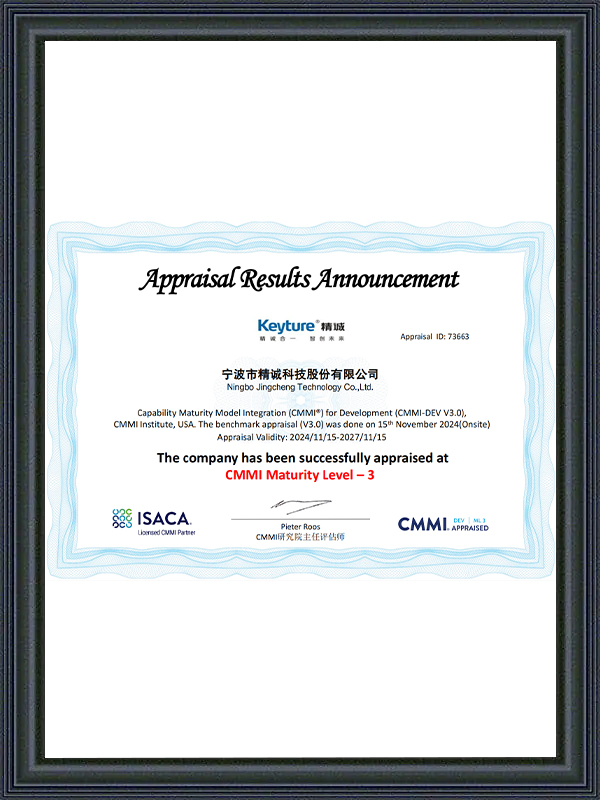
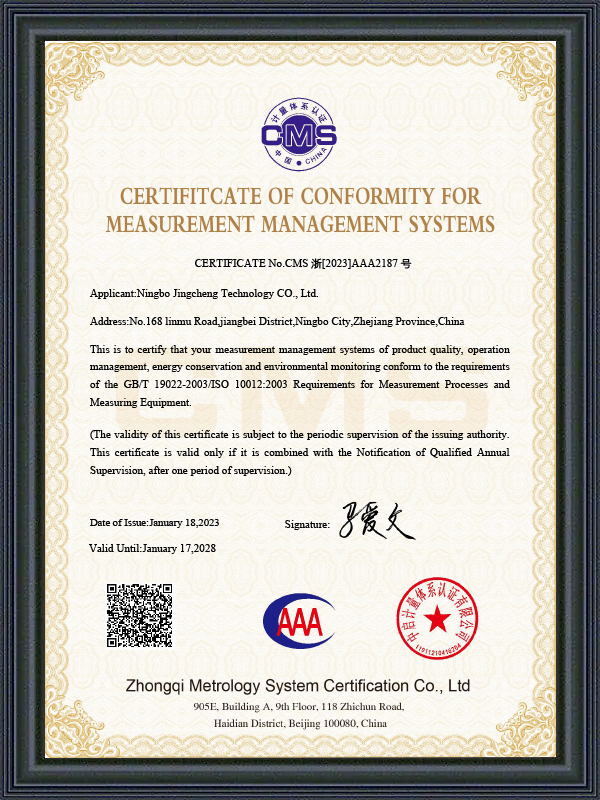
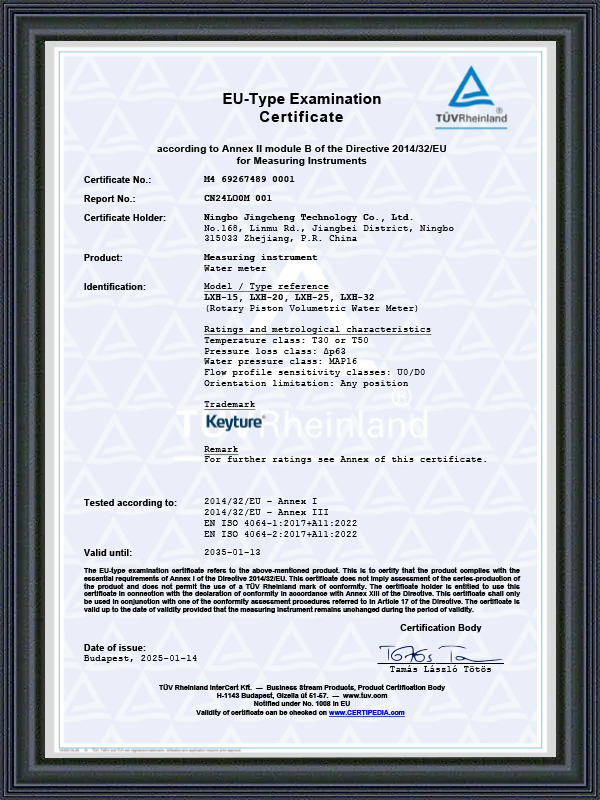
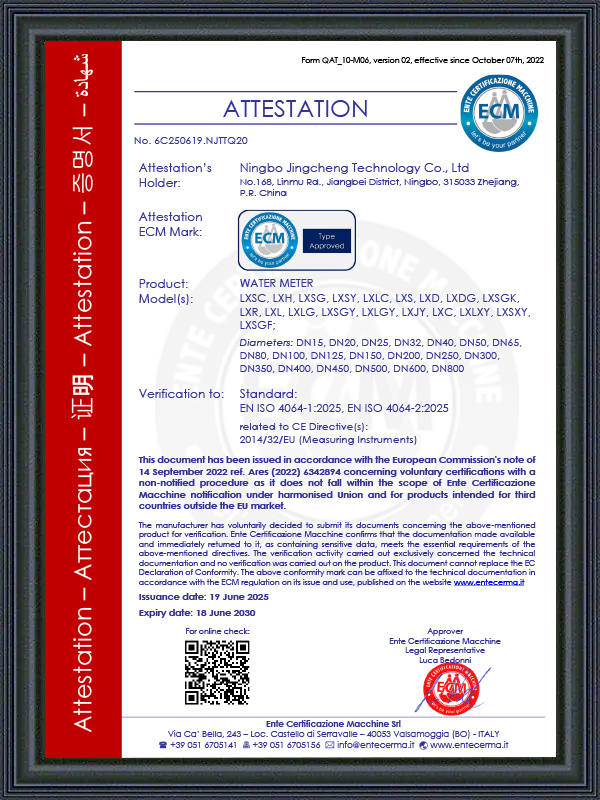
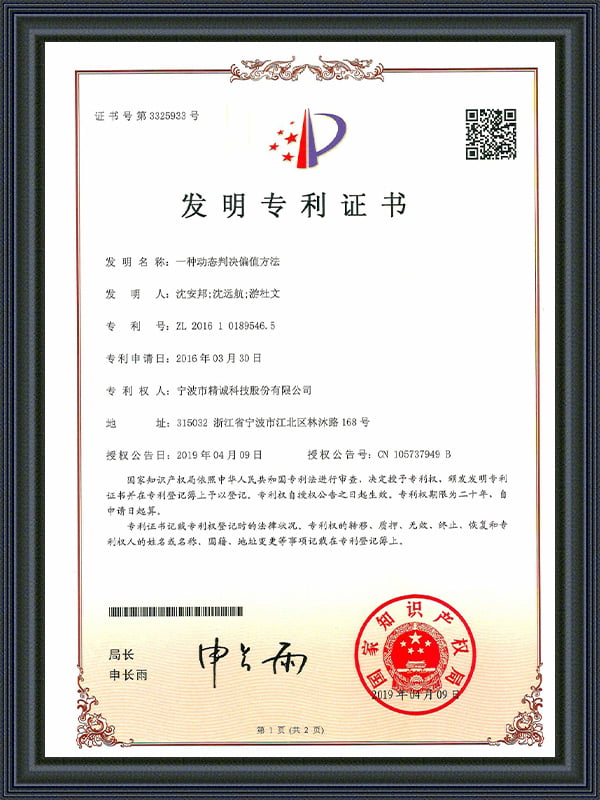
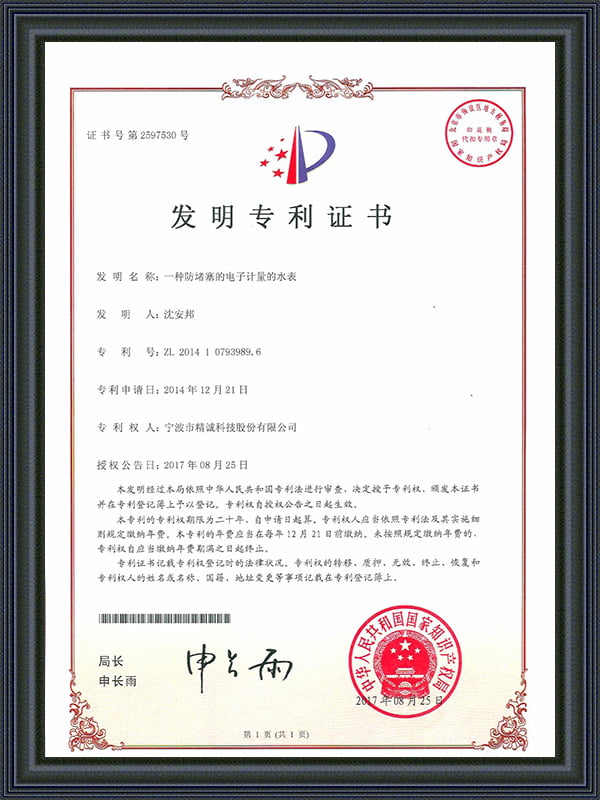
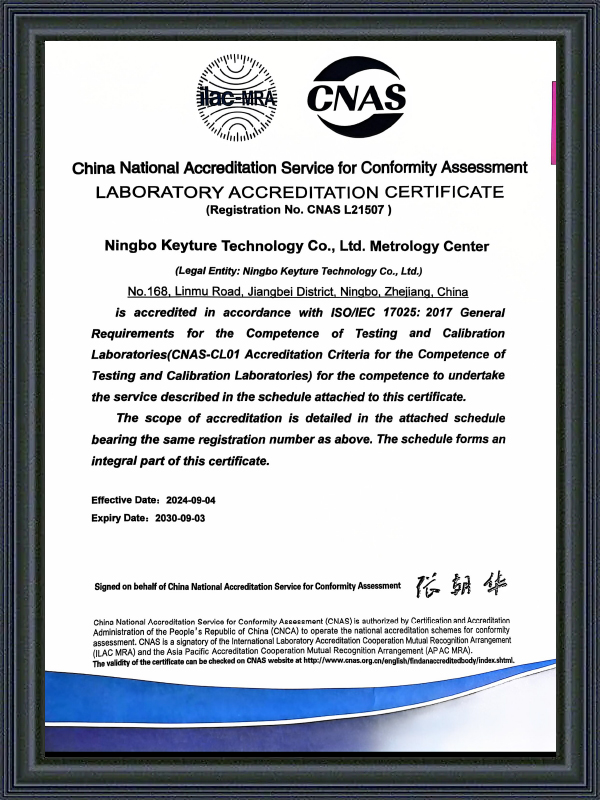
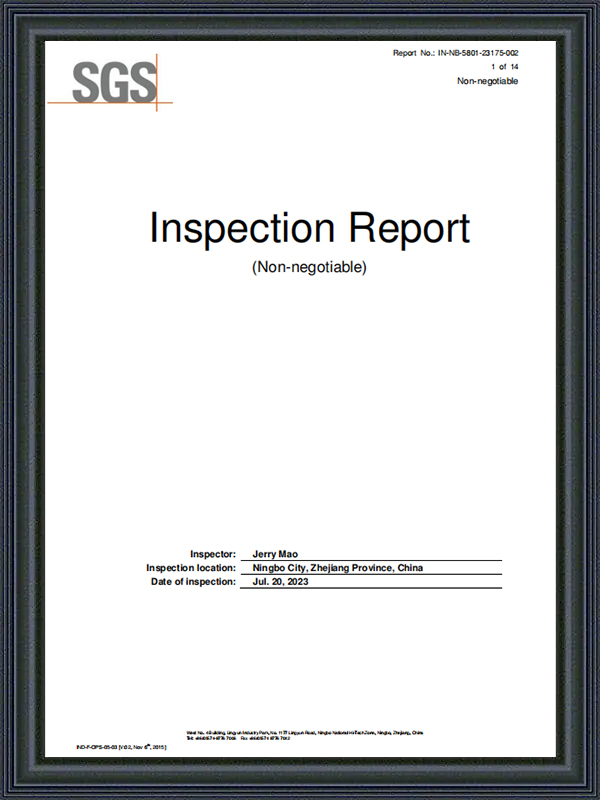
Two things define this meter: how tight tolerances deliver R200 precision, and how material selection and surface control protect drinking water.
A multi jet meter divides the incoming flow into several streams that strike the impeller from different angles. For R200 performance, the distributor slots, impeller blades and chamber walls are produced to micron-level tolerances so that the jets are identical and the impeller runs centred. A sapphire pivot with a polished tip reduces friction, and the impeller mass is minimised so it responds even to the smallest flow.
The coupling between impeller and register is another source of low-flow drag. The magnetic coupling uses high-energy magnets arranged for strong torque with minimal drag, so the register does not slow the impeller at trickle flows. After assembly, each meter is run on a bench at Q1, Q2 and Q3, and an adjustment vane in the flow path is trimmed until the error is centred inside the Class 2 band.
Every wetted component is chosen from approved families. The body is forged DZR brass or a lead-free alloy, finished with a controlled pickling and passivation step that removes surface zinc and lead and leaves a stable, smooth layer. Polymers for the impeller and distributor are approved compounds without plasticisers or antioxidants that migrate into water. Seals use potable EPDM with low extractables.
Design also avoids dead legs, sharp corners and crevices where stagnant water or biofilm can collect. After assembly, meters are flushed with treated water and dried with filtered air. They are capped and sealed in bags, and documentation lists lot numbers for each approved material so that a utility can trace any component back to its certificate.
Measured performance data for the high precision drinkable water meter. Use these charts to confirm pressure loss, accuracy and installation dimensions before specifying.
Figure 1 — Head loss curve (MPa vs. flow m³/h)
The chart shows pressure loss across the meter at DN15 to DN40. The smooth, burr-free internal surfaces and balanced multi jet distribution keep losses at or below 0.063 MPa at permanent flow, which preserves residual pressure on the customer side.
Figure 2 — Accuracy error curve (Class 2, R200, Q1–Q4)
Because each meter is individually adjusted, the error curve is tightly centred. Even at Q1 — one two-hundredth of Q3 — the error is below ±2%, and between Q2 and Q4 the curve stays within about ±0.5%, leaving a large margin for in-service drift under the ±2% limit.
Figure 3 — Installation dimensions (L × H × B × D)
| Size | L (mm) | H (mm) | B (mm) | D (thread) |
|---|---|---|---|---|
| DN15 | 165 | 98 | 82 | G3/4" |
| DN20 | 190 | 103 | 84 | G1" |
| DN25 | 260 | 115 | 100 | G1¼" |
| DN32 | 260 | 122 | 102 | G1½" |
| DN40 | 300 | 150 | 130 | G2" |
Dimensions are for reference. Confirm exact values with our engineering team before installation design.
A standard meter and a high precision drinkable meter look similar. This table shows where they differ.
| Design Feature | High Precision Drinkable | Standard R80 Residential | Standard R100 Multi Jet |
|---|---|---|---|
| Range ratio | R200 | R80 | R100 |
| Starting flow, DN15 | ≤ 3 L/h | About 8 L/h | About 5 L/h |
| Calibration method | Individual three-point adjustment | Batch adjustment | Batch or sampled |
| Brass alloy | DZR or lead-free | Standard CW617N | Standard or DZR |
| Potable-water approvals | Full set with traceability | Optional | Optional |
| Hygiene packaging | Flushed and sealed | Bulk packed | Bulk packed |
| Unit purchase cost | Higher | Lowest | Moderate |
| Best application | Revenue-critical and regulated supply | Budget residential | General residential |
This comparison is indicative. Actual performance depends on water quality, installation conditions and the specific product configuration. Contact our engineers for application-specific guidance.
Premium quality
since 2002
Coming From China, Marketing To The World
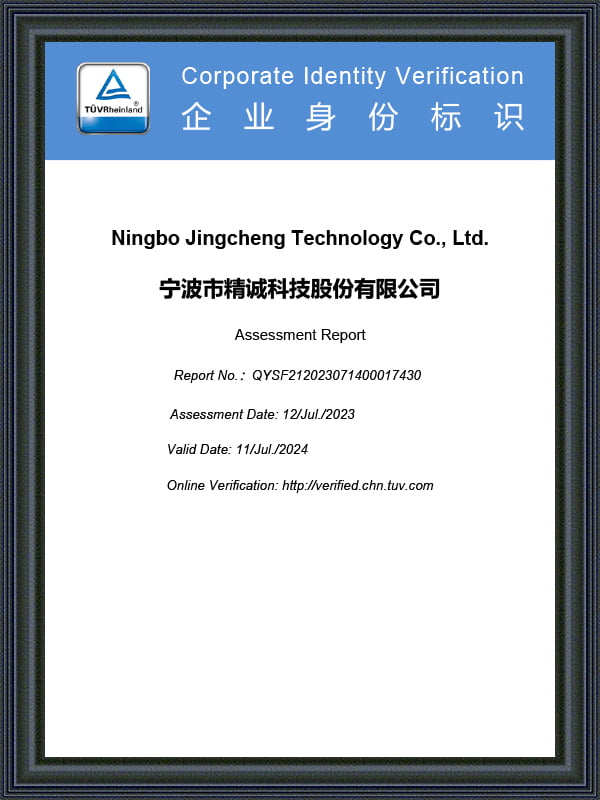
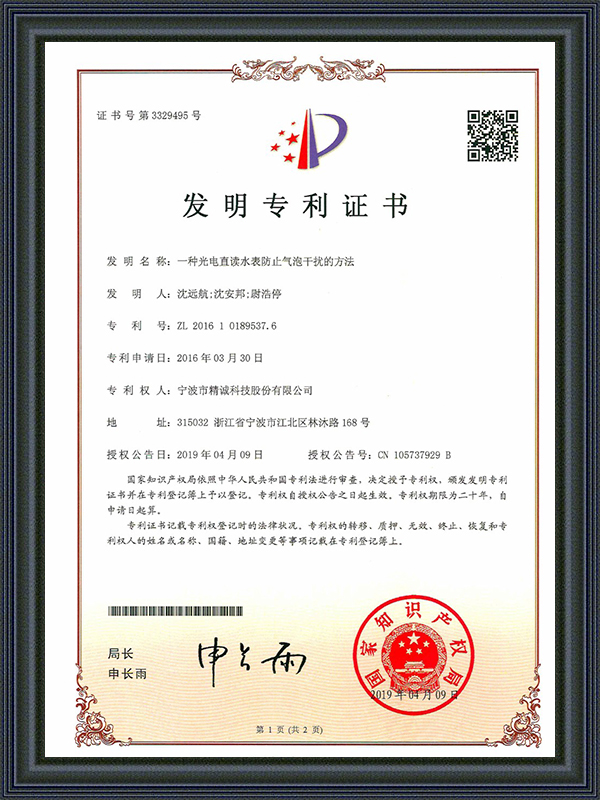
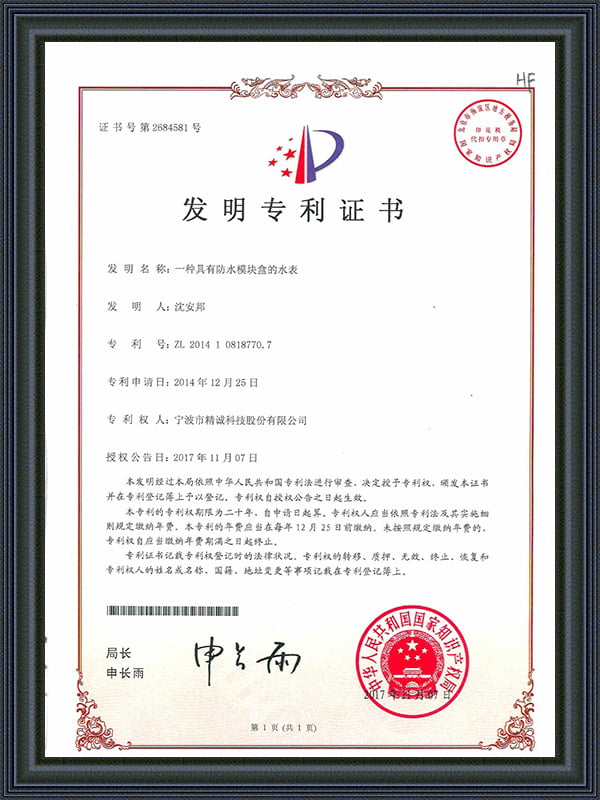
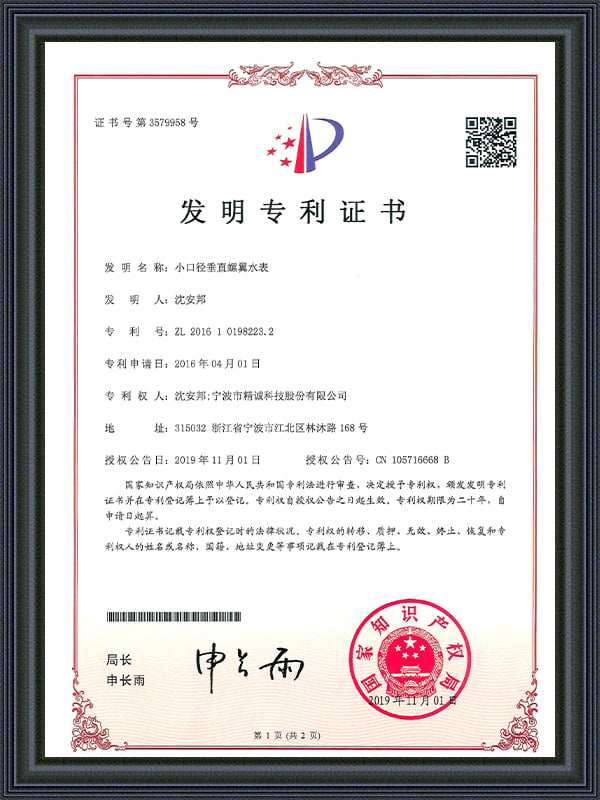
Keyture Meter is located in Picturesque Jiangbei Investment Park, NINGBO, CHINA. It is a comprehensive high-tech China High Precision Drinkable Water Meter Manufacturers and Custom High Precision Drinkable Water Meter Factory that integrates scientific research & development, production, sales, and service. Established in 2002 as a manufacturer and exporter of water meters for more than 22 years. The factory covers an area of 40 acres (30,000 square meters), 200 staff, 100+ types of products, product capacity of 5 million per year. Its product range covers single jet, multi-jet, volumetric piston type, Woltman type, IC card intelligent water meter, remote control water meter, optoelectrical reading direct remote control water meter...
Yearly production capacity
Production Area
Works and inspectors
Production experience
Excellent product with exquisite craftsmanship
Customization
We have a strong R&D team, and we can develop and produce products according to the drawings or samples the customers offered.
Cost
We are a professional manufacturer and also have our own processing machinery. So we can offer good prices and good products directly.
Quality
We have our own testing lab and advanced and complete inspection equipment, which can ensure the quality of the products.
Service
We focus on developing high-quality products for top-end markets. Our products are in line with international standards, and are mainly exported to Europe, America, Africa, Asia and other destinations around the world.
Capacity
Our annual production capacity is over 5 million units. We can meet the needs of different customers with different purchase quantities.
Shipment
We are about 35 kilometers away from Ningbo Port. It is very convenient and efficient to ship goods to any other countries.
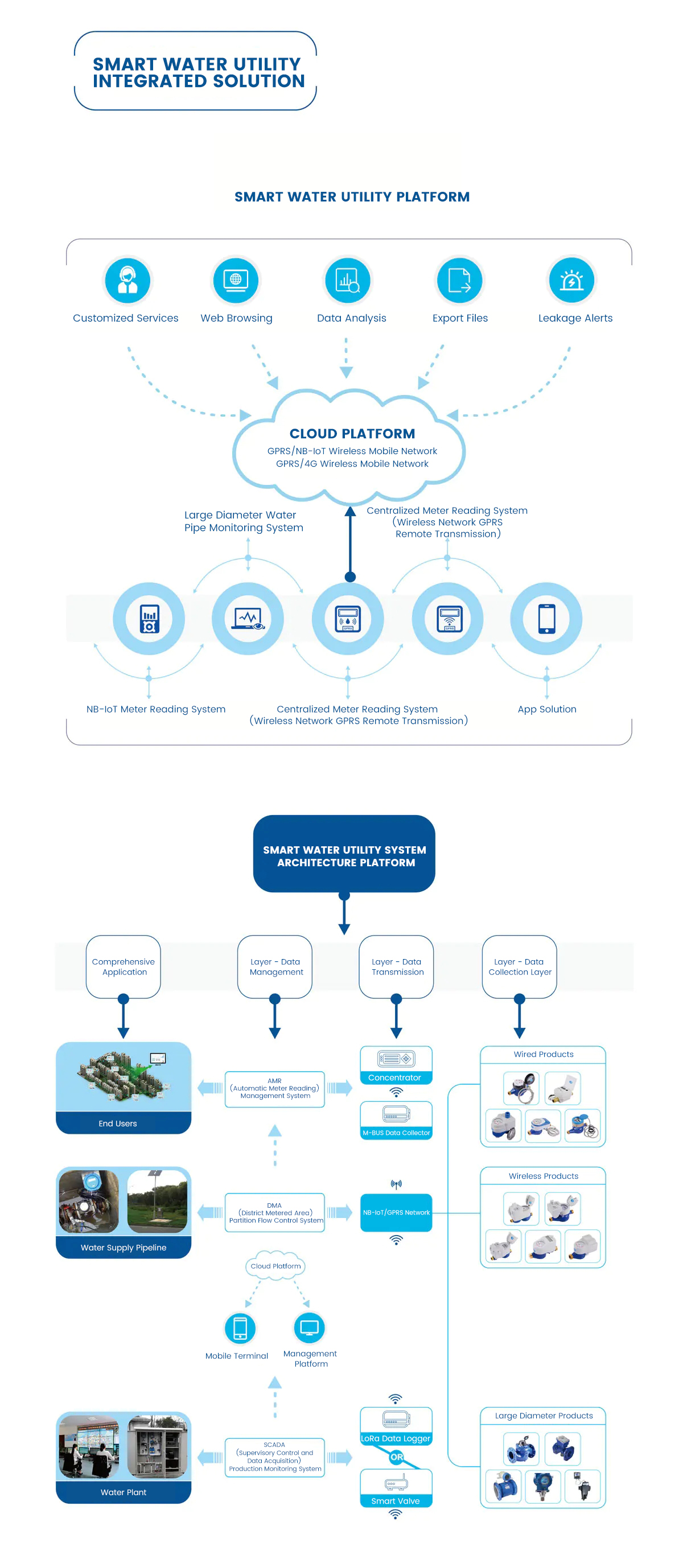
From mechanical meters to smart AMR/AMI systems — we provide end-to-end water metering solutions tailored to your project.
Chosen where billing precision and verified water-contact safety are both required.
Keep the meter sealed in its bag until the moment of installation, and fit it with clean hands and clean tools. For hospital and food-grade projects, flush the line with disinfected water before installation and avoid contact between the meter ends and soil, dust or tools used on non-potable lines.
Install the meter in the orientation marked on the dial, in the direction of the arrow, with 10 × DN of straight pipe upstream where possible. Use the supplied potable-grade gaskets and avoid jointing compounds that are not approved for drinking water. Tighten with a quarter turn after hand-tight.
After installation, flush the line to remove any air or debris, then check for leaks. Record the lot number and certificates for traceability, and seal the register with a lead wire.
The meter requires very little maintenance. During reading rounds, check the dial for fogging, the unions for weeping and the seal for integrity. The inlet strainer should be cleaned when the supply carries sediment, and a clogged strainer is the most common cause of reduced low-flow performance.
For regulated supplies, sample testing at the end of the verification period provides evidence for extending or ending service. R200 meters keep a low minimum flow longer than conventional meters, because balanced jets and sapphire pivots wear slowly.
Typical service life is 8 to 10 years in potable water. At end of life, the brass can be recycled and the polymers separated. Keep certificate records for every lot to support audits during the meter’s life.
The measuring principle is the same, but every wetted material is approved for drinking water, lead release is controlled, internal surfaces are smooth and the meter is produced and packed under hygiene control. Documentation traces each material to its certificate.
R200 means the minimum flow Q1 is one two-hundredth of permanent flow Q3. The meter measures much smaller flows accurately, so small leaks and slow fills are billed. This reduces apparent losses compared with R80 or R100 meters.
The standard body is DZR brass with controlled, low lead content and passivated surfaces, with lead release below regulatory limits. Fully lead-free alloys are available if your market requires them. Please state the required regulation.
NSF/ANSI 61 and 372, WRAS, KTW and ACS are available, depending on the alloy, polymer and seal set chosen. Each approval requires specific materials, so please specify the target approval at order.
On a gravimetric bench at Q1, Q2 and Q3, with an adjustment vane trimmed until the error is centred. Results are recorded by serial number, and reports are available for tender documentation.
All mechanical meters drift as bearings and impellers wear, but balanced jets and sapphire pivots minimise this. Sampling tests at the end of the verification period confirm whether accuracy remains within limits.
Keep them sealed in their bags, in a clean, dry place away from sunlight and extreme temperatures. Do not remove end caps until installation, which protects the interior from dust and contamination.
Yes. Smooth internal surfaces, approved materials and hygiene packaging support water safety plans. Combine with regular flushing and temperature control in line with local Legionella guidance.
The standard version is for cold water, 0.1 °C to 50 °C. A hot water version is available but uses different materials and is not part of the drinkable cold-water specification.
Yes. A reed-switch pulse module or a compatible M-Bus or wireless head can be added to the dry register without opening the water circuit. Specify the interface at order stage.
No. Approved materials with low extractables and clean production methods are used so that the meter does not alter taste, odour or colour. Extraction testing is part of the approval process.
For regulated potable supply, high-value accounts and sites with audit requirements, yes. The better low-flow capture and the avoided compliance risk usually outweigh the price premium over a basic meter.
Send us your destination market, required approvals, size and quantity. Our engineers will recommend the right high precision drinkable water meter configuration, with price and lead time.

Address: No.168,LinMu Rd.,Zone B, Jiangbei investment Park, Ningbo, Zhejiang,China
Tel: +86-0574-83090480/+86-18892665118
Fax: +86-0574-83021045
Email: [email protected]
Web: https://www.keyturemeter.com/
Quick Links
Product
Mobile terminal
 Custom High Precision Drinkable Water Meter Manufacturers