 English
 Español
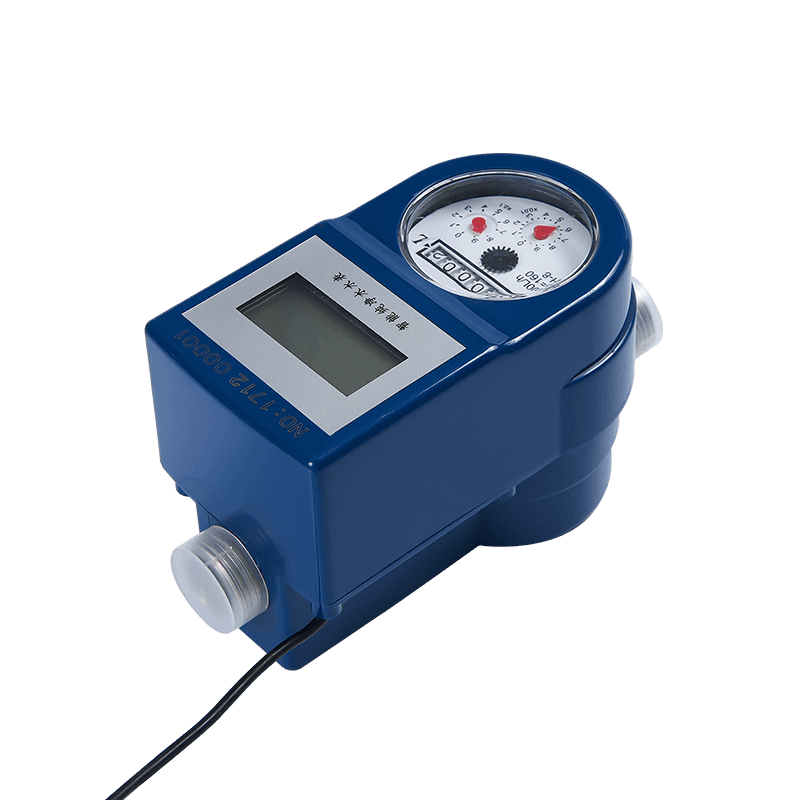
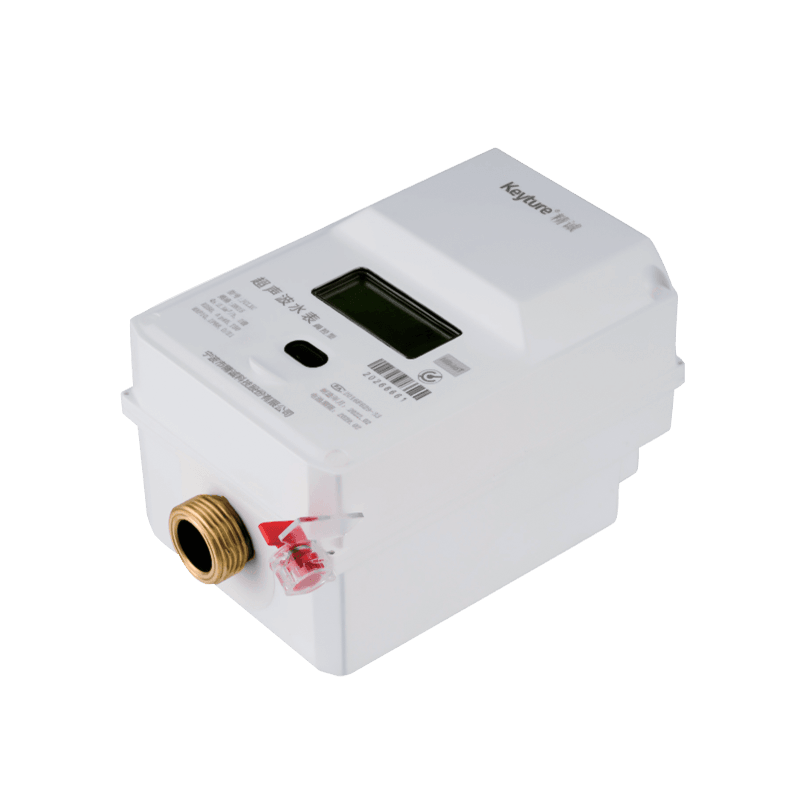
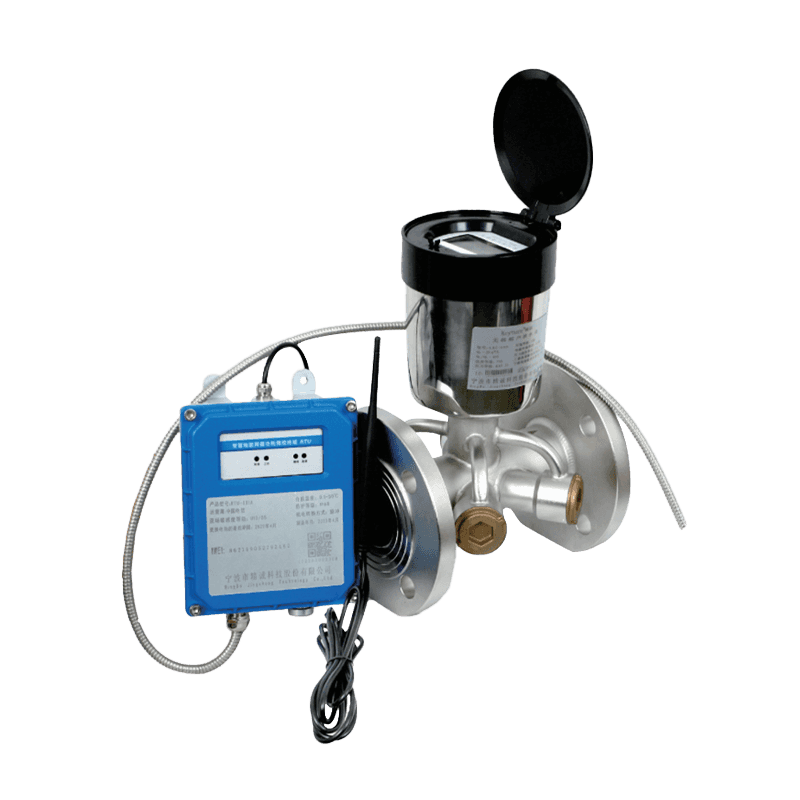
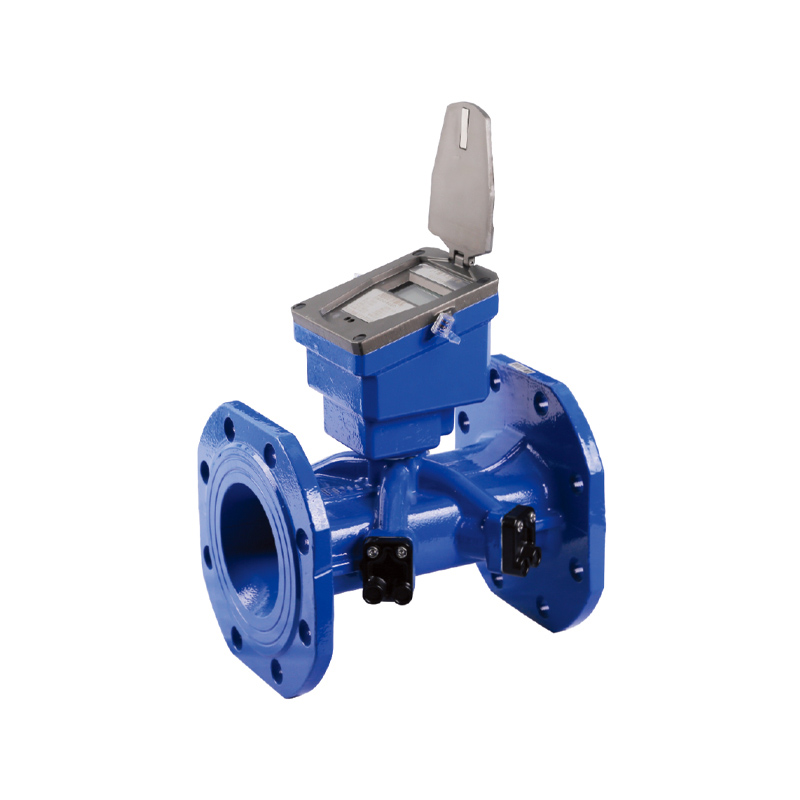
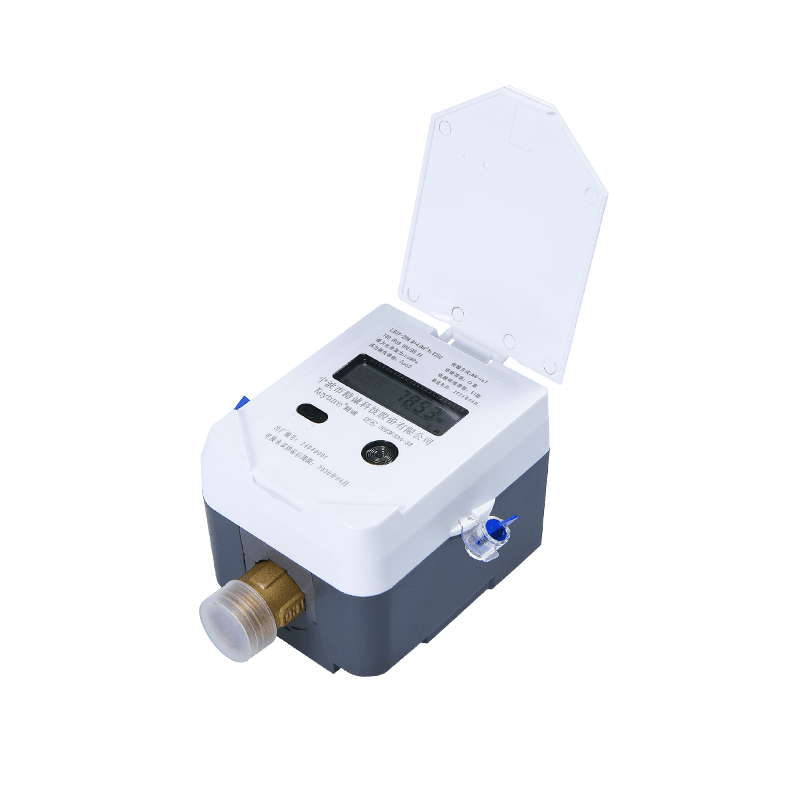
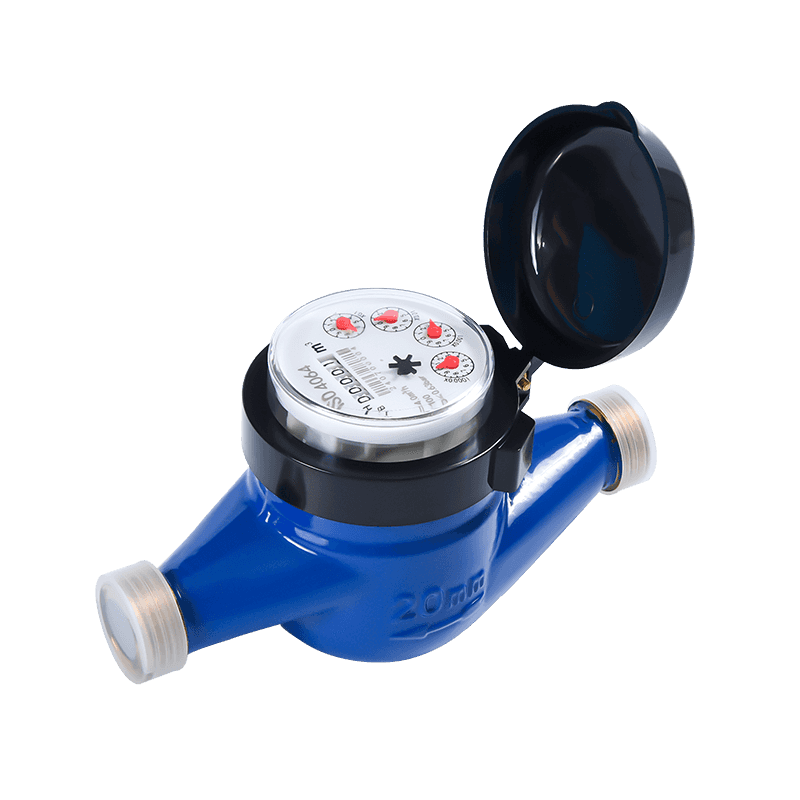
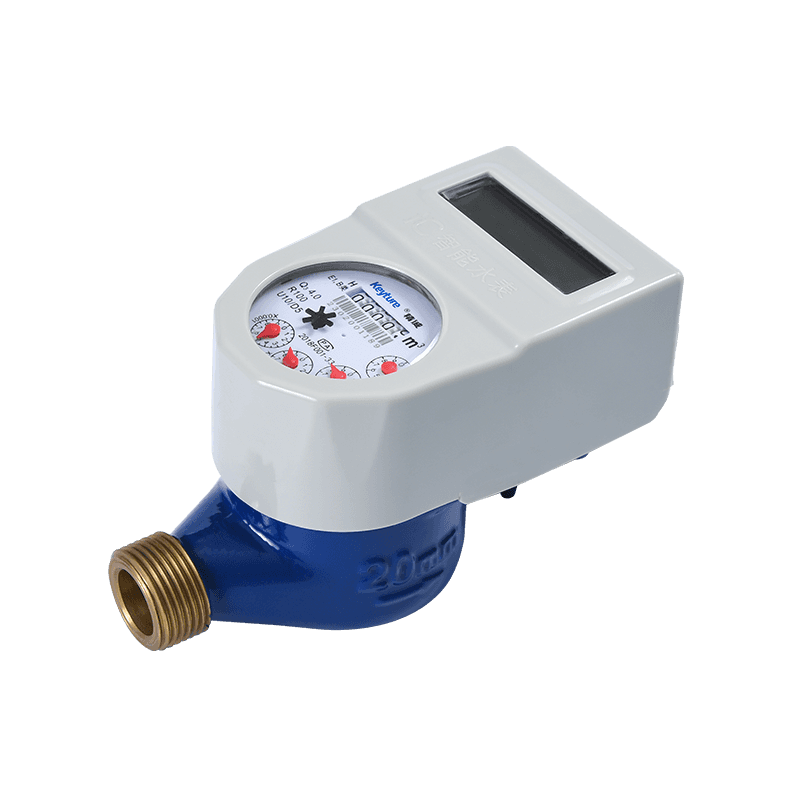
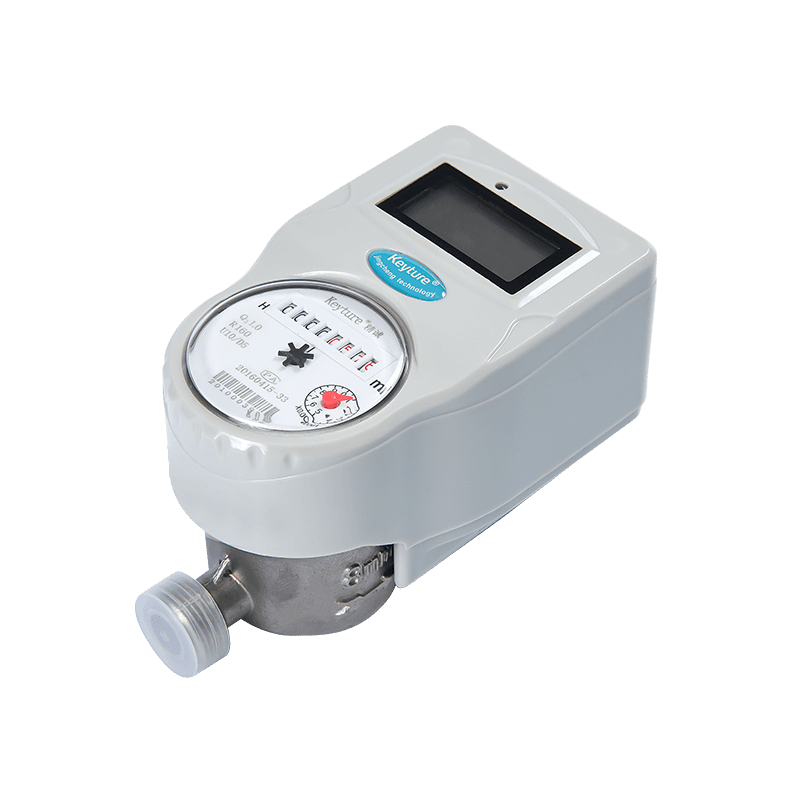
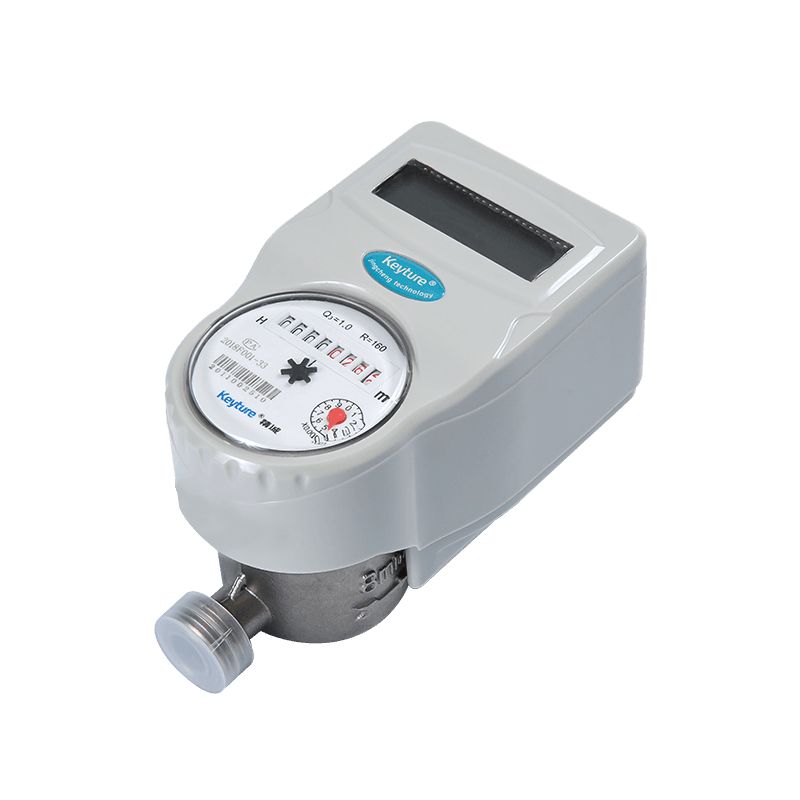
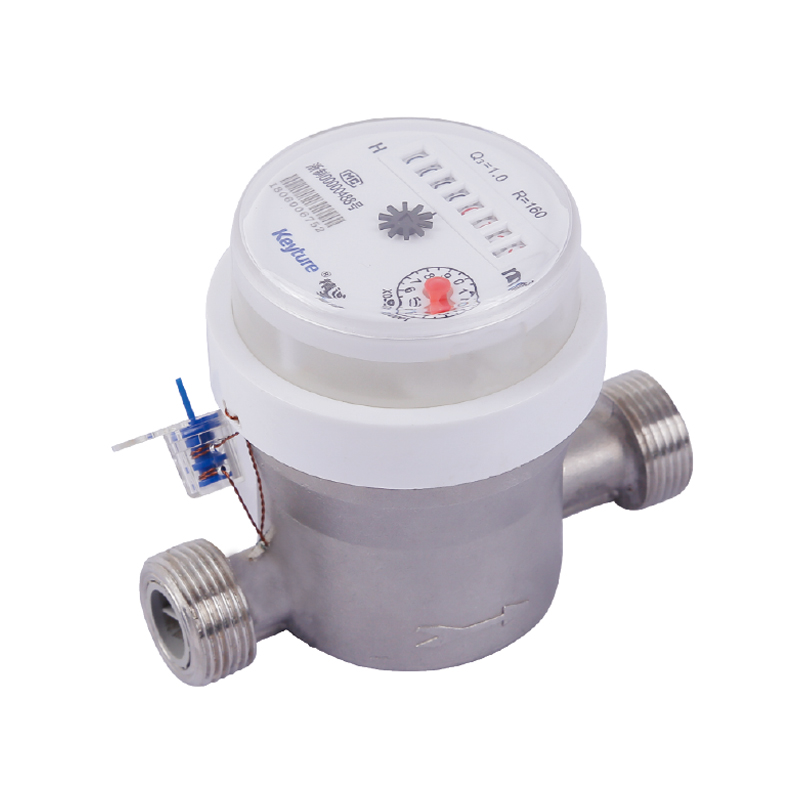
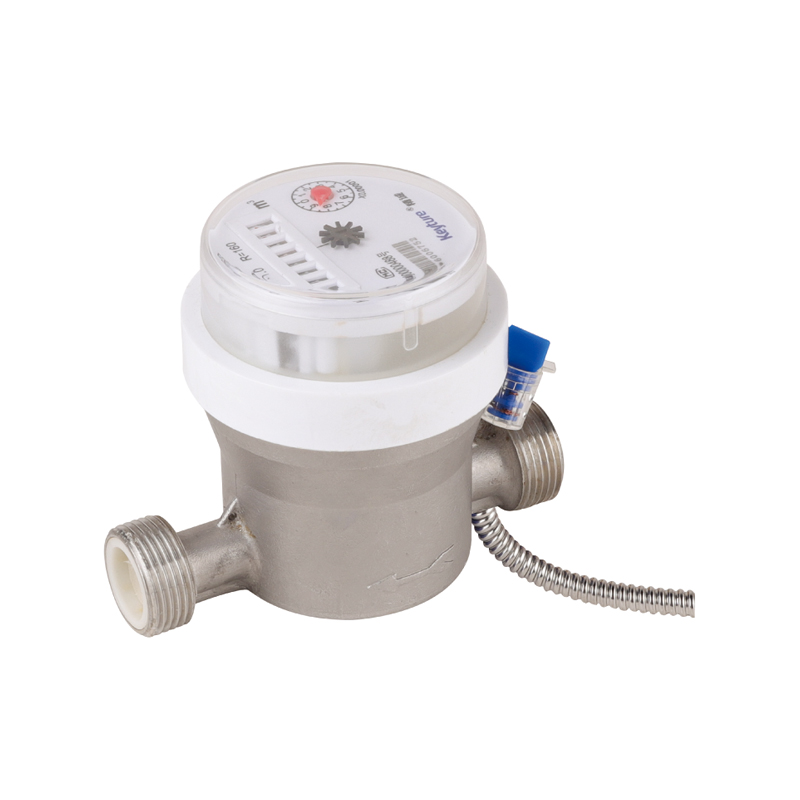
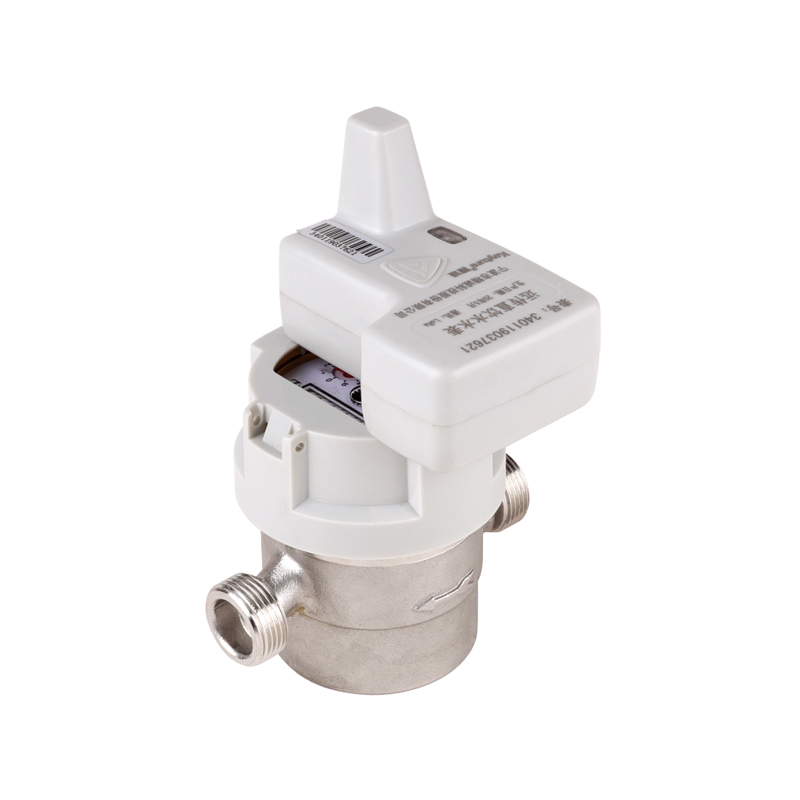
No Moving Parts
Nothing rotates, so nothing wears. The error curve at year ten is essentially the error curve at day one, which protects revenue on large and critical accounts for the whole service life.

A solid-state water meter that measures flow with ultrasound — no impeller, no wear, a flat error curve and a battery that lasts more than ten years.
Transit-time ultrasonic · no moving parts · IP68 · 15-year battery
A high accuracy ultrasonic water meter measures flow with sound instead of moving parts. Two piezoelectric transducers are mounted at opposite ends of the measuring tube, or on a reflector path inside it. Each transducer sends a short burst of ultrasound to the other, first with the flow and then against it. Sound travelling downstream arrives slightly earlier than sound travelling upstream, and the difference in transit time is directly proportional to the mean water velocity. Multiplying the velocity by the known cross-section gives the volumetric flow, and the electronics integrate it over time into a cumulative volume. Because nothing rotates, there is no impeller to wear, no bearing to fail and no friction to overcome at low flow.
That absence of mechanical parts is the source of the meter’s accuracy. A mechanical meter’s error curve changes as bearings wear and as scale or sand builds up on the impeller. An ultrasonic meter’s calibration depends on tube geometry and transducer timing, both of which are stable for the life of the product. The result is a very flat error curve, typically within ±1% across the entire range, an R400 or R800 range ratio and a starting flow of only a few litres per hour. The same flow channel is smooth and full-bore, so pressure loss is small, there is nothing to catch debris and the meter tolerates sand and short flushes of dirty water that would jam a piston or foul a multi jet chamber. A built-in temperature sensor compensates for the speed of sound in water, and diagnostics detect empty pipe, air bubbles and transducer faults.
Modern ultrasonic electronics are also very frugal. The transit-time measurement uses microsecond pulses and the processor sleeps between them, so a single lithium cell supports ten to fifteen years of service. Communication modules for M-Bus, RS485, LoRaWAN or NB-IoT are fitted without changing the measuring section. Supplied from DN15 to DN50 with Class 1 accuracy under ISO 4064 / OIML R49, IP68 protection and a straight-pipe requirement as low as U0 / D0 for compact sizes, the high accuracy ultrasonic water meter is the premium choice for revenue-critical connections, district meter areas, commercial billing and any project where long-term accuracy and low maintenance outweigh the higher unit price.
Key takeaway: No moving parts means nothing to wear. An ultrasonic meter keeps its accuracy at the lowest flows, for the longest time, with the least maintenance.
Six measurement advantages that explain why ultrasonic technology is replacing mechanical meters on high-value connections.
Nothing rotates, so nothing wears. The error curve at year ten is essentially the error curve at day one, which protects revenue on large and critical accounts for the whole service life.
R400 as standard and R800 on request provide a very low minimum flow. Leaks, drips and trickle flows are measured with the same accuracy as peak demand.
With no impeller friction to overcome, the meter starts at a few litres per hour. Small leaks and slow-filling cisterns are billed instead of lost.
The smooth, unobstructed tube produces very little pressure drop. This helps top-floor supply and gravity-fed networks, and removes the pressure penalty of mechanical meters.
There is no impeller to jam. Sand, fibres and scale do not stop the meter, and a diagnostic flag warns when transducer signal quality drops.
The meter detects empty pipe, air, reverse flow, transducer faults and tamper, and reports them through the communication module. Maintenance is triggered by data rather than by calendar.
Standard configuration below. Communication, size and body material can be adapted to your market requirements.
| Parameter | Specification |
|---|---|
| Standard | ISO 4064 / OIML R49 |
| Meter type | Transit-time ultrasonic, static, full-bore |
| Nominal diameter | DN15 – DN50 (1/2" – 2") |
| Accuracy class | Class 1, R400 standard / R800 optional |
| Starting flow | ≤ 2 L/h (DN15) |
| Transducers | Piezoelectric ceramic, dual-path reflector design |
| Measurement frequency | 1 – 2 MHz |
| Temperature compensation | Integrated PT1000 sensor |
| Water temperature | 0.1 °C – 50 °C (cold water) |
| Working pressure | MAP 16 bar |
| Pressure loss | ≤ 0.025 MPa at Q3 |
| Body material | Brass or lead-free alloy; stainless steel on request |
| Straight pipe | U0 / D0 (DN15 – DN25); U5 / D3 (DN32 – DN50) |
| Display | LCD: volume, flow, temperature, status |
| Power supply | 3.6 V lithium D-cell, 10 – 15 years |
| Communication | Pulse, M-Bus, RS485, LoRaWAN, NB-IoT (optional) |
| Protection | IP68, immersion 1 m for 30 days |
Q4 is the overload flow, Q3 the permanent flow, Q2 the transitional flow and Q1 the minimum flow, all expressed in m³/h.
| Nominal Diameter | Q4 Overload | Q3 Permanent | Q2 Transitional | Q1 Minimum | Range Ratio | Straight Pipe |
|---|---|---|---|---|---|---|
| DN15 (1/2") | 3.125 | 2.5 | 0.01 | 0.00625 | R400 | U0 / D0 |
| DN20 (3/4") | 5 | 4 | 0.016 | 0.01 | R400 | U0 / D0 |
| DN25 (1") | 7.875 | 6.3 | 0.0252 | 0.01575 | R400 | U0 / D0 |
| DN32 (1¼") | 12.5 | 10 | 0.04 | 0.025 | R400 | U5 / D3 |
| DN40 (1½") | 20 | 16 | 0.064 | 0.04 | R400 | U5 / D3 |
| DN50 (2") | 31.25 | 25 | 0.1 | 0.0625 | R400 | U5 / D3 |
Values shown for R400. R800 versions, stainless steel bodies and alternative thread or flange options are available — tell us your flow profile and communication needs and we will confirm the correct configuration.
An ultrasonic meter is both a measuring instrument and an electronic device, so certification covers metrology, EMC and battery safety.
Class 1 limits of ±3% in the lower zone and ±1% in the upper zone, verified at Q1, Q2, Q3 and Q4 on gravimetric rigs. Electronic meters also undergo disturbance and environmental tests.
EU MID approval for static water meters, including electromagnetic compatibility, software protection and sealing requirements.
Metrological firmware is protected by checksums and sealing, and legally relevant parameters cannot be changed after verification without breaking the seal.
Tests for ESD, EFT, surge and radiated immunity confirm that the transit-time measurement stays accurate in electrically noisy environments.
IP68 immersion tests with the measuring tube and electronics connected. Seals are inspected after temperature cycling.
Brass, lead-free alloys, transducer coatings and seals suitable for potable water can be supplied with NSF/ANSI 61, WRAS or ACS certificates.
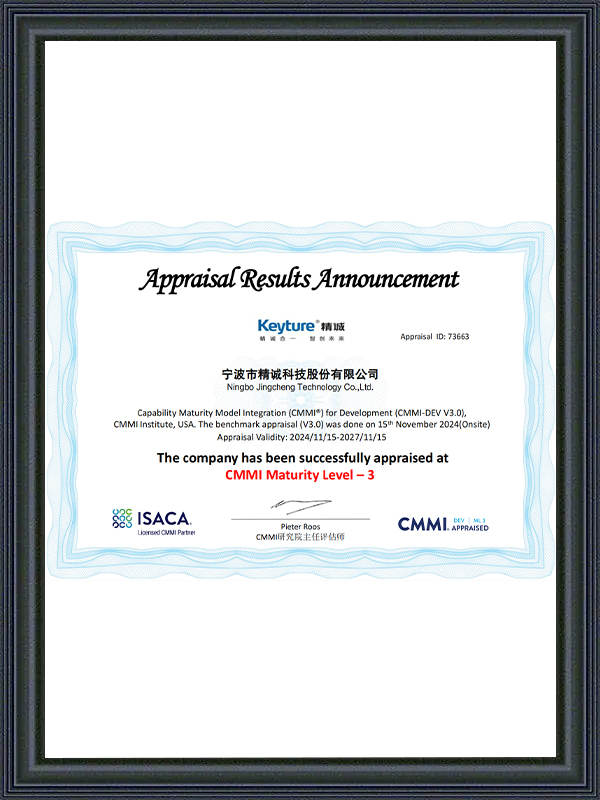
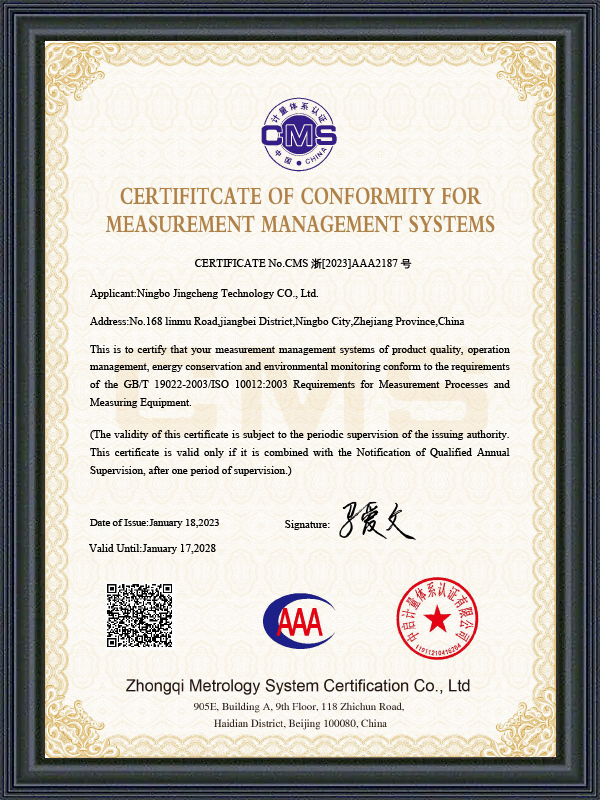
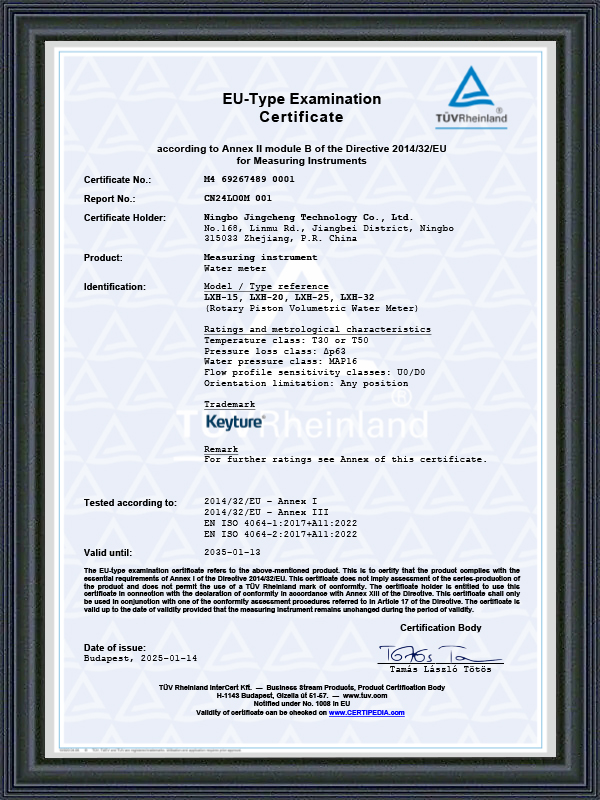
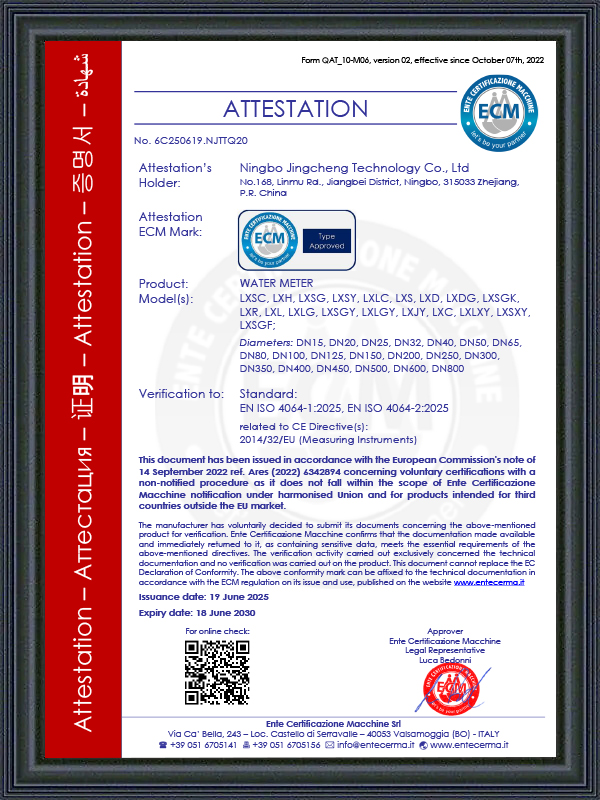
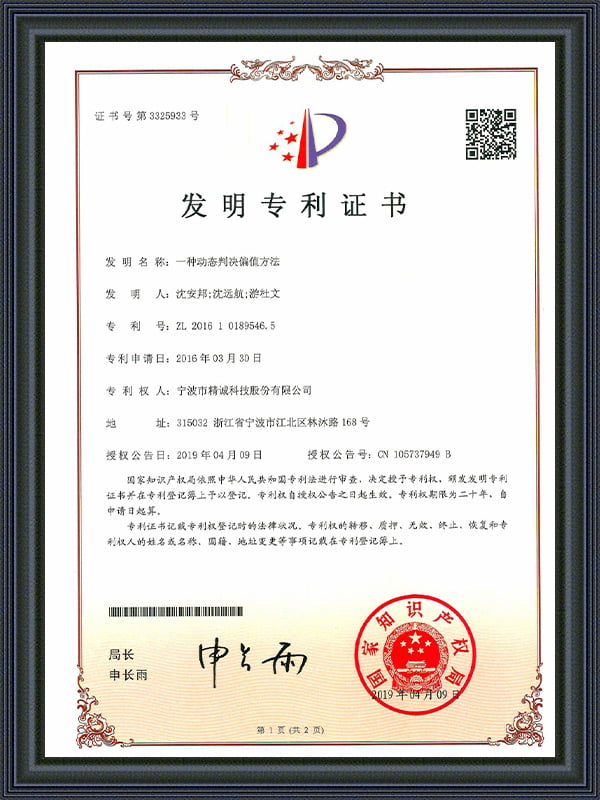
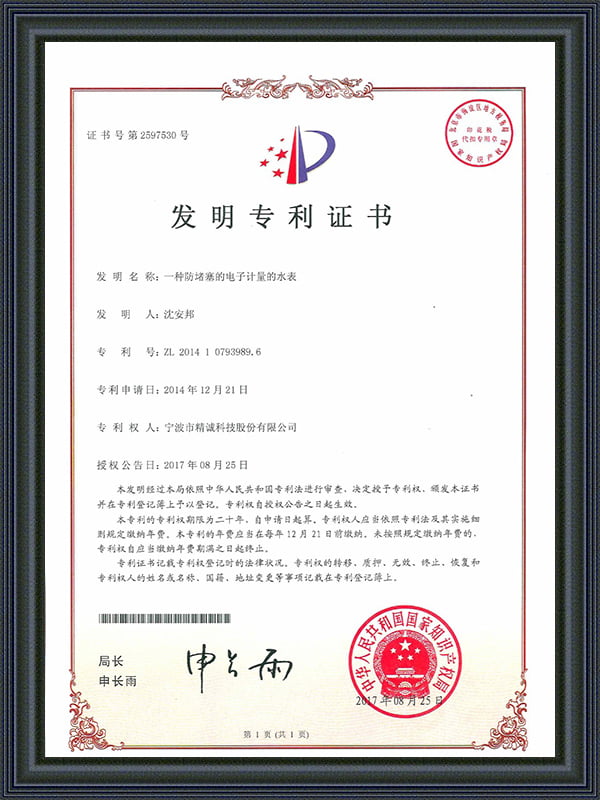
Two techniques define this meter: how transit time is turned into flow, and how the electronics hold accuracy for ten years or more.
The meter fires an ultrasonic pulse from one transducer to the other along the flow direction, then repeats the measurement in the opposite direction. The pulse travelling with the flow arrives earlier than the pulse travelling against it, and the difference in transit time, typically a few nanoseconds, is proportional to the mean velocity of the water. High-resolution time-to-digital converters measure these tiny differences with picosecond precision.
A dual-path reflector design folds the sound path inside the tube so that the pulse crosses the flow twice, doubling sensitivity and averaging out velocity profile effects. A PT1000 sensor measures the water temperature, which is used to compensate the speed of sound. The result is a velocity measurement that is independent of density, viscosity and conductivity, and a volumetric flow calculated from a fixed tube cross-section.
A transit-time measurement takes only a few hundred microseconds. The processor wakes at a programmed interval — typically every second at low flow and faster at high flow — makes the measurement and returns to deep sleep. Average current is a few microamps, so a lithium D-cell supplies the meter for ten to fifteen years. Battery capacity is monitored and a warning is sent when life is nearly over.
The same processor continuously checks signal amplitude, transit time spread and temperature. If the signal is lost, the meter reports empty pipe; if it is noisy, it flags air bubbles; if one transducer is degraded, it raises a transducer alarm. Reverse flow, burst, leak and tamper events are recorded with timestamps. These diagnostics make it possible to find faults without visiting the site and to replace only the meters that need attention.
Measured performance data for the high accuracy ultrasonic water meter. Use these charts to confirm pressure loss, accuracy and installation dimensions before specifying.
Figure 1 — Head loss curve (MPa vs. flow m³/h)
The chart shows pressure loss across the ultrasonic meter for DN15 to DN50. The flow tube is smooth and unobstructed, so losses are less than half those of a multi jet meter and stay at or below 0.025 MPa at permanent flow.
Figure 2 — Accuracy error curve (Class 1, R400, Q1–Q4)
The error curve is extremely flat. Even at Q1 — one four-hundredth of Q3 — the error is below 1%, and between Q2 and Q4 it stays within ±0.5%. The Class 1 limits of ±3% and ±1% are met with a wide margin, which means the meter remains compliant even after years of service.
Figure 3 — Installation dimensions (L × H × B × D)
| Size | L (mm) | H (mm) | B (mm) | D (thread) |
|---|---|---|---|---|
| DN15 | 165 | 95 | 78 | G3/4" |
| DN20 | 190 | 100 | 80 | G1" |
| DN25 | 260 | 112 | 92 | G1¼" |
| DN32 | 260 | 120 | 95 | G1½" |
| DN40 | 300 | 145 | 118 | G2" |
| DN50 | 300 | 155 | 125 | Flange |
Dimensions are for reference and include the electronics housing. Confirm exact values with our engineering team before installation design.
Premium metering can be done in several ways. This table compares high accuracy ultrasonic meters with the main alternatives.
| Design Feature | Ultrasonic (Transit-Time) | Rotary Piston | Electromagnetic |
|---|---|---|---|
| Moving parts | None | Piston and chamber | None |
| Starting flow | A few L/h | A few L/h | Higher — needs minimum velocity |
| Range ratio | R400 – R800 | R250 – R400 | Wide but fixed by velocity |
| Long-term accuracy drift | Negligible | Wear dependent | Negligible |
| Tolerance to debris | High | Low — needs fine strainer | High |
| Power requirement | Battery, 10–15 years | None — mechanical | Mains or large battery |
| Pressure loss | Very low | Higher | None — full bore |
| Unit purchase cost | Higher | Moderate | Highest in small sizes |
This comparison is indicative. Actual performance depends on water quality, installation conditions and the specific product configuration. Contact our engineers for application-specific guidance.
Premium quality
since 2002
Coming From China, Marketing To The World
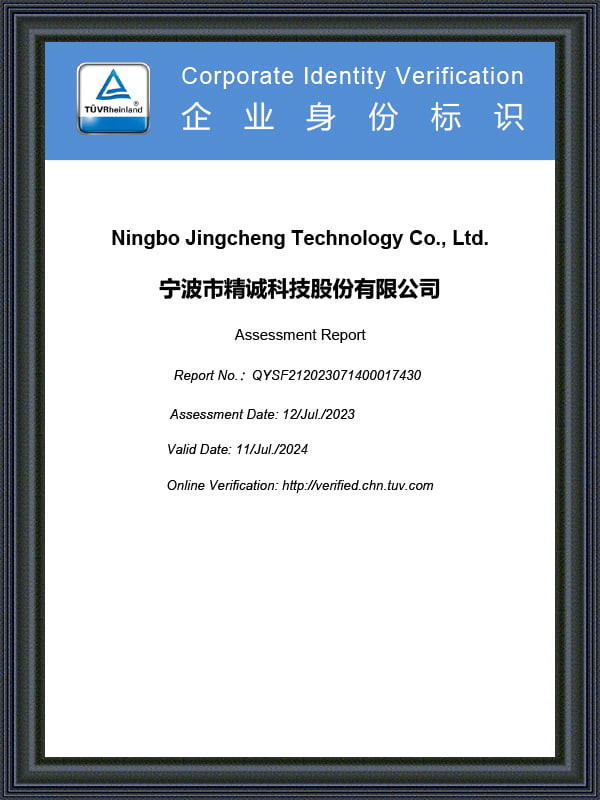
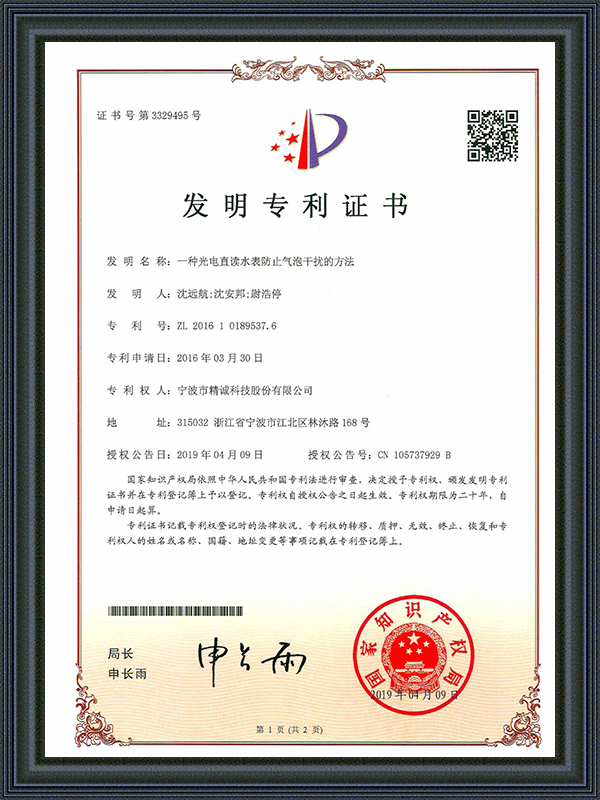
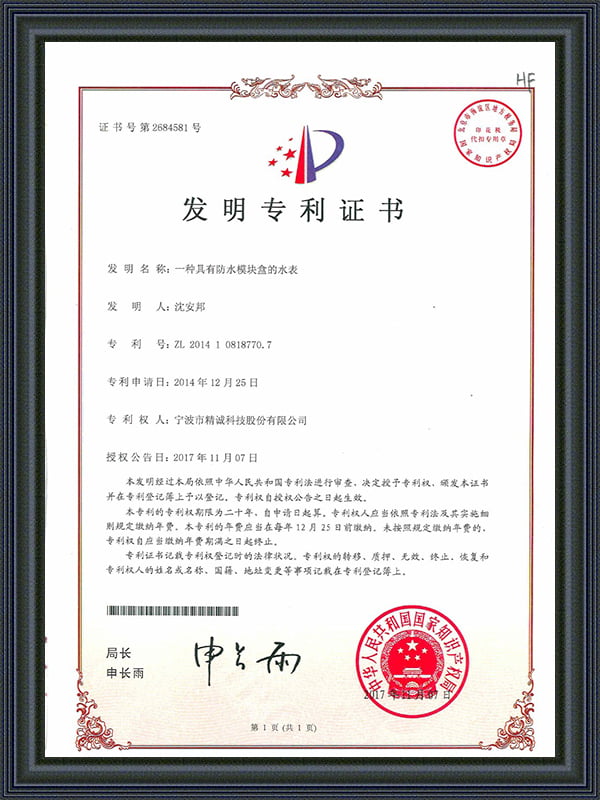
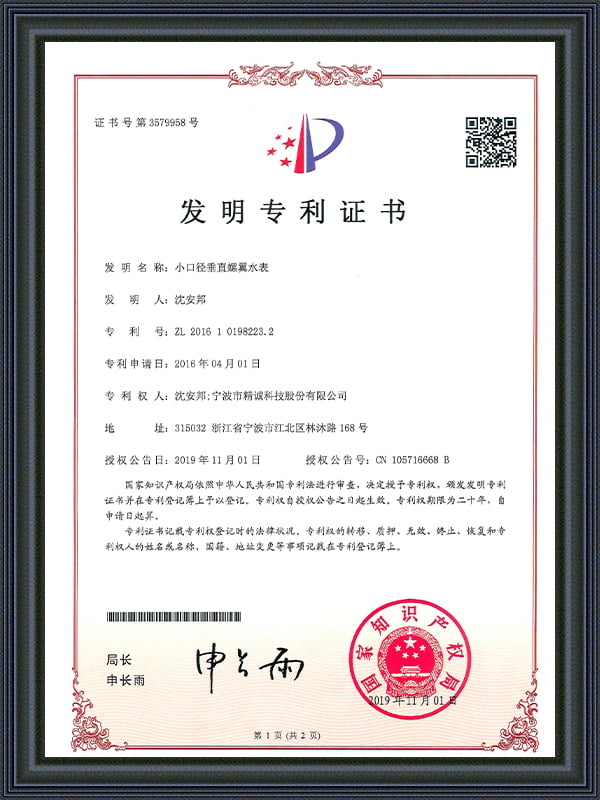
Keyture Meter is located in Picturesque Jiangbei Investment Park, NINGBO, CHINA. It is a comprehensive high-tech China High Accuracy Ultrasonic Water Meter Manufacturers and Custom High Accuracy Ultrasonic Water Meter Factory that integrates scientific research & development, production, sales, and service. Established in 2002 as a manufacturer and exporter of water meters for more than 22 years. The factory covers an area of 40 acres (30,000 square meters), 200 staff, 100+ types of products, product capacity of 5 million per year. Its product range covers single jet, multi-jet, volumetric piston type, Woltman type, IC card intelligent water meter, remote control water meter, optoelectrical reading direct remote control water meter...
Yearly production capacity
Production Area
Works and inspectors
Production experience
Excellent product with exquisite craftsmanship
Customization
We have a strong R&D team, and we can develop and produce products according to the drawings or samples the customers offered.
Cost
We are a professional manufacturer and also have our own processing machinery. So we can offer good prices and good products directly.
Quality
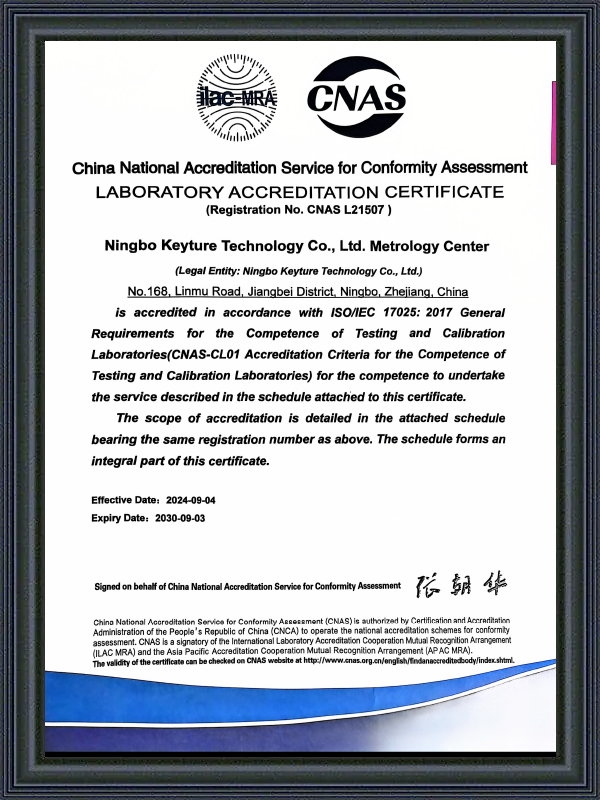
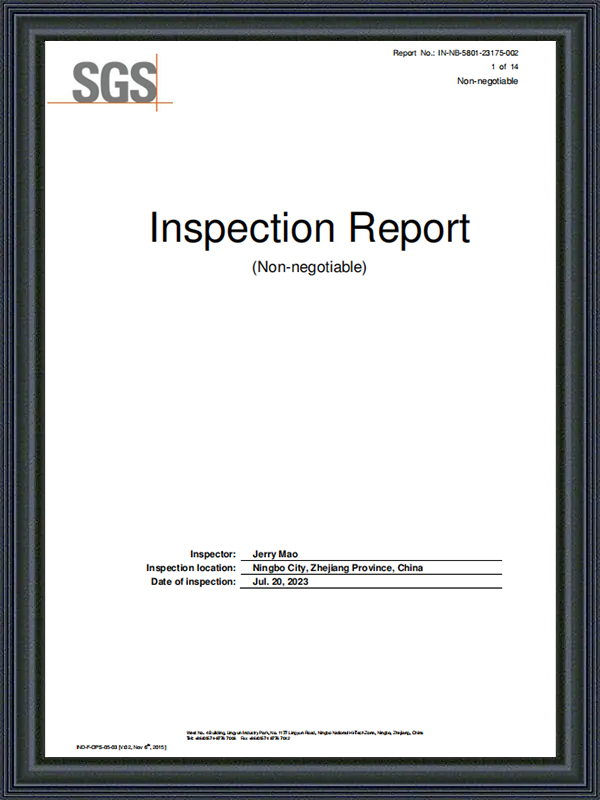
We have our own testing lab and advanced and complete inspection equipment, which can ensure the quality of the products.
Service
We focus on developing high-quality products for top-end markets. Our products are in line with international standards, and are mainly exported to Europe, America, Africa, Asia and other destinations around the world.
Capacity
Our annual production capacity is over 5 million units. We can meet the needs of different customers with different purchase quantities.
Shipment
We are about 35 kilometers away from Ningbo Port. It is very convenient and efficient to ship goods to any other countries.
From mechanical meters to smart AMR/AMI systems — we provide end-to-end water metering solutions tailored to your project.
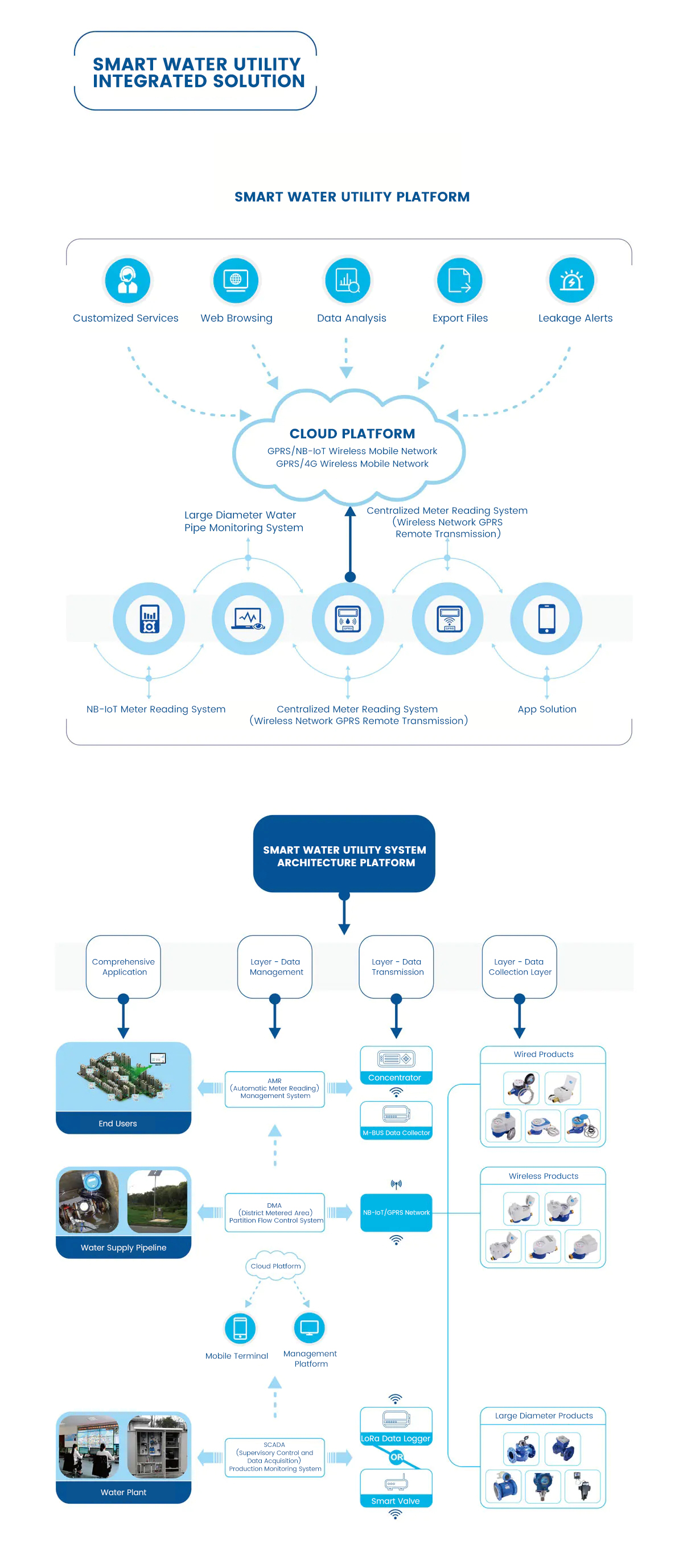
Selected where accuracy, long life and low maintenance are worth a higher purchase price.
Install the meter in the direction of the flow arrow, and make sure the pipe is full at all times. Ultrasonic meters will report an empty-pipe alarm when air fills the measuring tube, so avoid the highest point of a pipe run and consider a vent upstream where air release is likely.
Compact sizes DN15 to DN25 need no straight pipe, but larger sizes should have 5 × DN upstream and 3 × DN downstream. Most ultrasonic meters can be mounted in any orientation, but the display should remain readable and the transducers should not be at the top of the tube where bubbles gather.
Flush the line before installation to remove construction debris. Hand-tighten fittings, avoid pipe strain and seal the meter after commissioning. If a communication module is fitted, check the signal before closing the pit lid.
An ultrasonic meter has essentially no maintenance. There are no moving parts to lubricate and no register to clean. The only periodic checks are verifying the display, inspecting for leaks at the unions and reading the battery and diagnostics through the communication module.
The battery is the life-limiting component. With a lithium D-cell and typical reporting, ten to fifteen years is achievable, and the meter alerts the utility months before the end of life. At that point the whole meter is normally replaced, though the electronics can be refurbished and re-verified.
Because accuracy does not drift, utilities can extend verification periods after sampling tests. Many programmes move from a six-year replacement cycle to a ten-year or longer cycle after switching to ultrasonic meters.
Two transducers send ultrasonic pulses in the direction of flow and against it. The pulse travelling with the flow arrives slightly sooner, and the time difference is proportional to the water velocity. The meter calculates volumetric flow from the velocity and tube area and integrates it into a cumulative volume.
There is no impeller to wear, no bearing friction and no deposits on moving parts. The measurement depends only on tube geometry and electronic timing, which stay stable. This gives a flat error curve and a lower starting flow.
Class 1 under ISO 4064 / OIML R49 allows a maximum error of ±1% in the upper flow zone and ±3% in the lower zone, compared with ±2% and ±5% for Class 2. Class 1 is used where billing accuracy has a high financial impact.
R400 is standard and R800 is available on request. A higher range ratio means a lower minimum flow, so the meter can measure small leaks and trickle flows that mechanical meters miss.
Compact sizes DN15 to DN25 are designed for U0 / D0, meaning no straight pipe is required. Larger sizes should have 5 × DN upstream and 3 × DN downstream for best accuracy.
With a 3.6 V lithium D-cell, battery life is 10 to 15 years under typical use. Communication modules, frequent reporting and extreme temperatures reduce this, so we provide an estimate for your configuration.
Small bubbles are tolerated, but large amounts of air interrupt the ultrasonic signal. The meter flags air or empty pipe and resumes normal measurement when full flow returns. Good venting practice avoids the problem.
Yes, better than most mechanical meters. There is no impeller to jam, and sand does not stop measurement. Heavy sediment can coat transducers over time, which the diagnostics will flag.
Pulse output, M-Bus, RS485 Modbus, LoRaWAN and NB-IoT modules can be fitted. The measuring section is the same, so utilities can start with a basic version and add communication later.
The meter still measures down to a few litres per hour. Below the starting flow it registers zero. The ultrasonic principle does not require a minimum velocity to overcome friction, so low-flow performance is far better than mechanical designs.
The meter detects magnetic fields, reverse flow, case opening and transducer faults. Events are stored with timestamps and sent through the communication module. Because there is no magnetic coupling, magnets cannot slow the meter.
For high-consumption accounts, district meters and long-life smart metering programmes, the lower drift, longer life and better low-flow capture usually repay the higher price. For simple low-value connections, mechanical meters may still be more economical.
Send us the size, range ratio, communication option and quantity you need. Our engineers will recommend the right high accuracy ultrasonic configuration, with price and lead time.

Address: No.168,LinMu Rd.,Zone B, Jiangbei investment Park, Ningbo, Zhejiang,China
Tel: +86-0574-83090480/+86-18892665118
Fax: +86-0574-83021045
Email: [email protected]
Web: https://www.keyturemeter.com/
Quick Links
Product
Mobile terminal
 Custom High Accuracy Ultrasonic Water Meter Manufacturers