 English
 Español
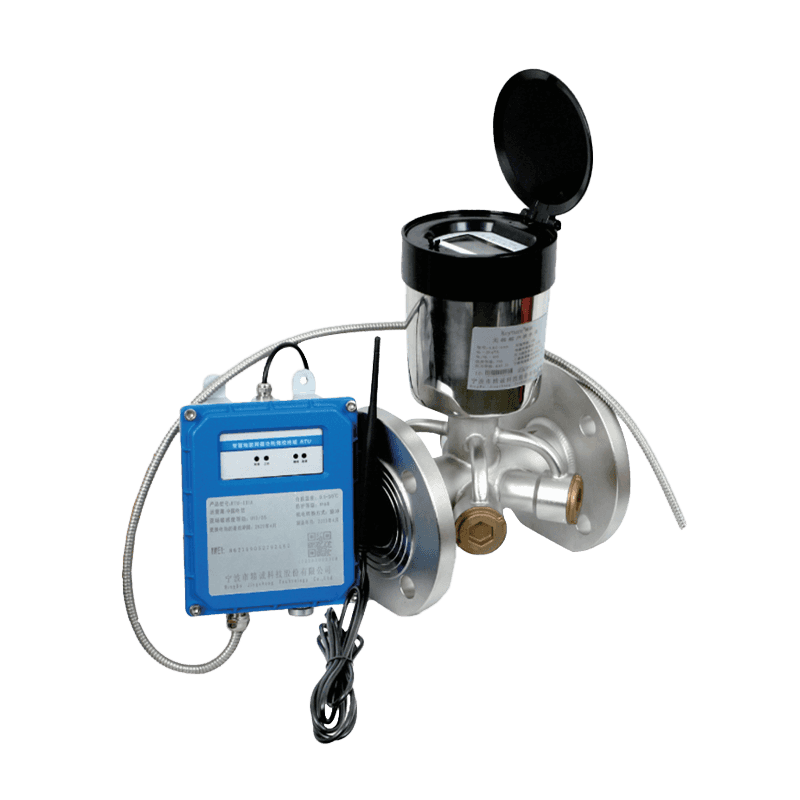
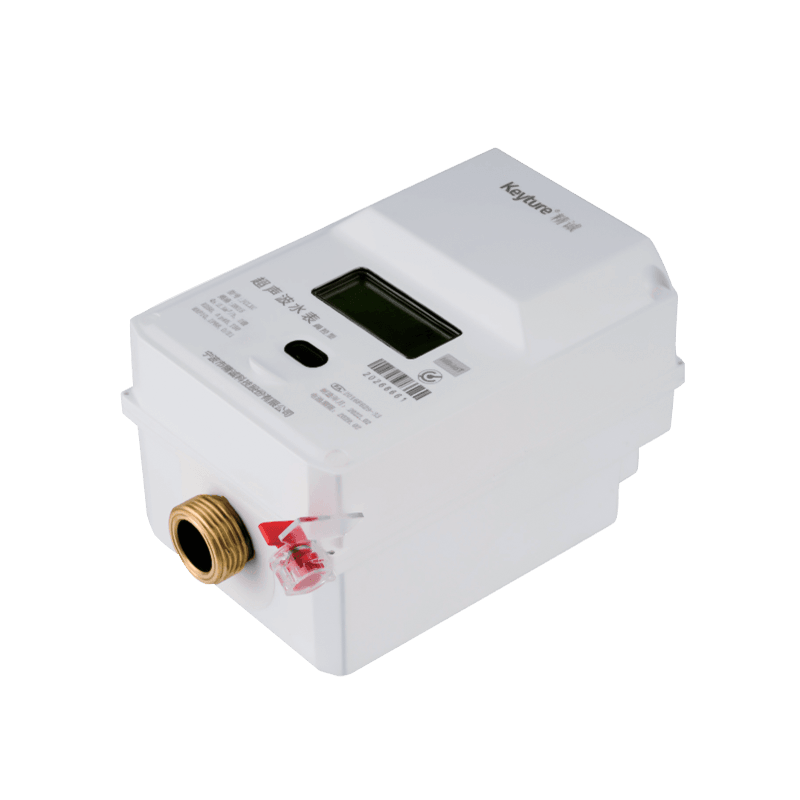
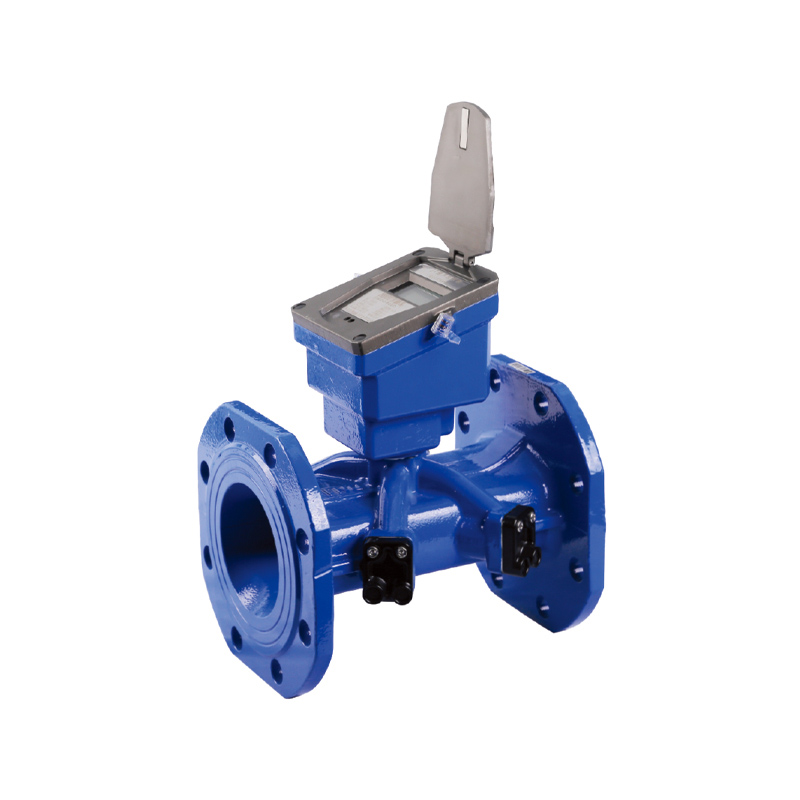
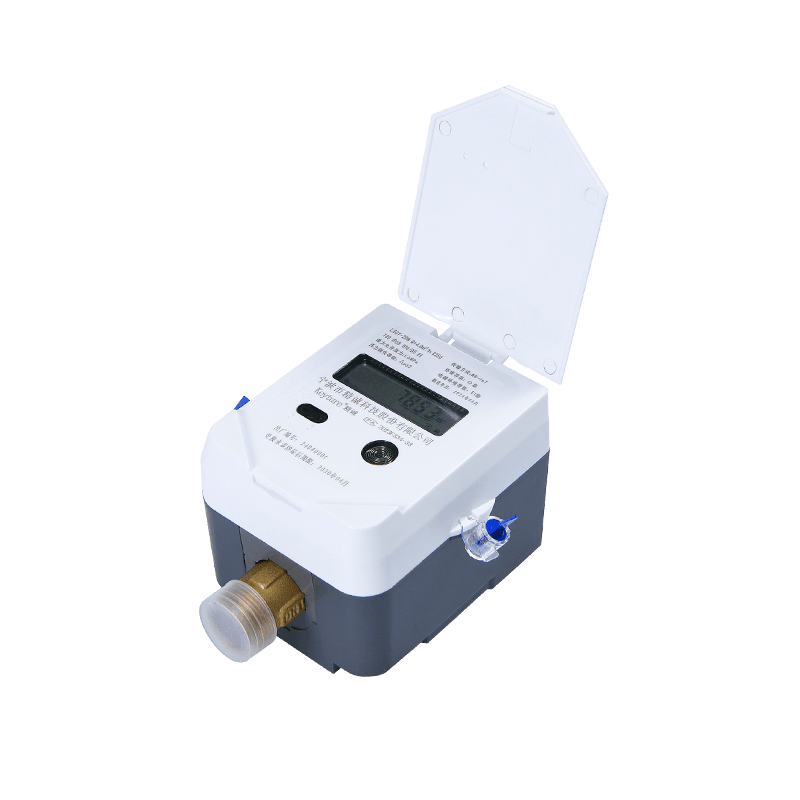
R800 Range Ratio
Minimum flow is one eight-hundredth of permanent flow. A DN15 meter with Q3 of 1.6 m³/h measures accurately down to 2 litres per hour — a flow that most mechanical meters do not even register.

An ultrasonic meter built to measure the smallest flows — R800 range ratio, minimum flow of 2 – 8 L/h, zero-stable electronics and 24-hour continuous-flow leak alarms.
R800 · picosecond timing · zero-stable · leak alarm
A low flow rate ultrasonic water meter is an ultrasonic meter optimised for the opposite end of the range from a bulk meter. Instead of maximising capacity, it is designed to measure the smallest flows reliably: the thin trickle from a leaking toilet valve, the slow drip from a worn tap washer, the creeping flow of a drip irrigation line or the continuous few litres per hour that signal a pipe leak behind a wall. For a household meter, flows of 2 to 10 litres per hour are the most economically valuable flows to detect — they run for days or weeks unnoticed, they waste more water than any single large event and they are invisible to all but the most sensitive meters. The meter’s defining specification is therefore its range ratio, R800, and with it a minimum flow Q1 of only 2 to 8 litres per hour depending on size.
Measuring such small flows with sound is a challenge of resolution. At 2 litres per hour in a 15 mm tube, the water moves at about 3 millimetres per second. The difference between the upstream and downstream transit times, over a path of 10 cm, is only a few hundred picoseconds — a fraction of one billionth of a second. To resolve it, the meter uses time-to-digital converters with picosecond resolution, averages thousands of pulse pairs for each reading and compensates the temperature of the water continuously, since a change of one degree changes the speed of sound enough to swamp the signal. Zero stability is as important as sensitivity: with no flow, the meter must read zero, not a slow drift that would be billed as water.
The design therefore adds three features. A longer, folded acoustic path increases the time difference at a given velocity. A low-flow measurement mode averages over several seconds and applies a zero-cutoff, so that noise does not accumulate as phantom volume. And a leak-detection function tracks the minimum flow over a rolling window — if flow never falls to zero for 24 hours, the meter raises an alarm. Supplied in DN15 to DN25 with Q3 values of 1.6 to 6.3 m³/h, R800, Class 1 accuracy under ISO 4064 / OIML R49, battery life of up to 12 years and M-Bus or wireless options, the low flow rate ultrasonic water meter is built for the places where small flows matter most.
Key takeaway: Big leaks get noticed. Small ones run for months. A low flow rate ultrasonic meter is designed to see the slow trickle and prove it with a minimum flow of a few litres per hour.
Six design features that matter when the flows you care about are measured in litres per hour.
Minimum flow is one eight-hundredth of permanent flow. A DN15 meter with Q3 of 1.6 m³/h measures accurately down to 2 litres per hour — a flow that most mechanical meters do not even register.
A reflector folds the sound path so it crosses the flow more than once. Longer path length gives a larger time difference at the same velocity, improving signal at very low flow.
Time-to-digital converters resolve hundreds of picoseconds, and averaging over thousands of pulse pairs reduces noise further. Flow of a few mm/s becomes a stable reading.
With no flow, the meter must read zero. A zero-cutoff, temperature-compensated drift correction and a tight zero-offset specification stop noise from becoming phantom volume on the bill.
If flow never drops to zero over a 24-hour window, the meter flags a probable leak. Customers and utilities can fix toilets and pipe leaks long before they show on a monthly bill.
Q3 of 1.6 and 2.5 m³/h in DN15 give lower minimum flow than the usual 2.5 or 4 m³/h options. A smaller Q3 suits households that never need high flow and gains sensitivity.
Standard configuration below. Q3, reporting interval and communication can be adapted to your leak detection and billing requirements.
| Parameter | Specification |
|---|---|
| Standard | ISO 4064 / OIML R49 |
| Meter type | Transit-time ultrasonic, folded dual-path, static, low flow optimised |
| Nominal diameter | DN15 – DN25 (1/2" – 1") |
| Permanent flow Q3 | 1.6 / 2.5 / 4 / 6.3 m³/h |
| Accuracy class | Class 1, R800 standard |
| Minimum flow Q1 | 2.0 L/h (Q3 1.6) to 7.9 L/h (Q3 6.3) |
| Starting flow | ≤ 1 L/h (DN15, Q3 1.6) |
| Zero stability | Zero offset ≤ ±0.2 L/h after temperature compensation |
| Timing resolution | Picosecond-class time-to-digital converter, multi-pulse averaging |
| Low-flow averaging window | 4 – 8 s, selectable |
| Zero-cutoff | Programmable, default 0.5 L/h |
| Leak alarm | Continuous flow > 24 h; configurable window and threshold |
| Water temperature | 0.1 °C – 50 °C (cold water) |
| Working pressure | MAP 16 bar |
| Pressure loss | ≤ 0.025 MPa at Q3 |
| Power supply | 3.6 V lithium battery, up to 12 years |
| Communication | M-Bus, LoRaWAN, NB-IoT, pulse (optional) |
| Protection | IP68 |
Q4 is the overload flow, Q3 the permanent flow, Q2 the transitional flow and Q1 the minimum flow, all expressed in m³/h.
| Nominal Diameter and Q3 | Q4 Overload | Q3 Permanent | Q2 Transitional | Q1 Minimum | Range Ratio | Q1 in Litres per Hour |
|---|---|---|---|---|---|---|
| DN15 (1/2") — Q3 1.6 | 2 | 1.6 | 0.0032 | 0.002 | R800 | 2.0 L/h |
| DN15 (1/2") — Q3 2.5 | 3.125 | 2.5 | 0.005 | 0.003125 | R800 | 3.1 L/h |
| DN20 (3/4") — Q3 4 | 5 | 4 | 0.008 | 0.005 | R800 | 5.0 L/h |
| DN25 (1") — Q3 6.3 | 7.875 | 6.3 | 0.0126 | 0.007875 | R800 | 7.9 L/h |
Values shown for R800. Q3 of 1.6 m³/h suits households that never need high flow; larger Q3 values suit properties with higher peak demand. Tell us the property type and peak flow and we will confirm the correct Q3 so the meter gains sensitivity without risking overload.
Measuring very small flows demands careful verification at the bottom of the range, with test rigs that have the resolution to prove it.
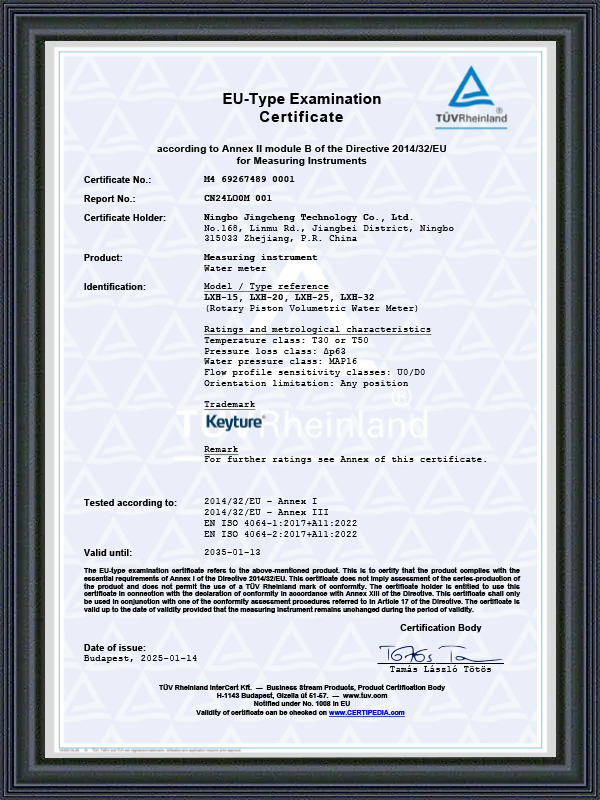
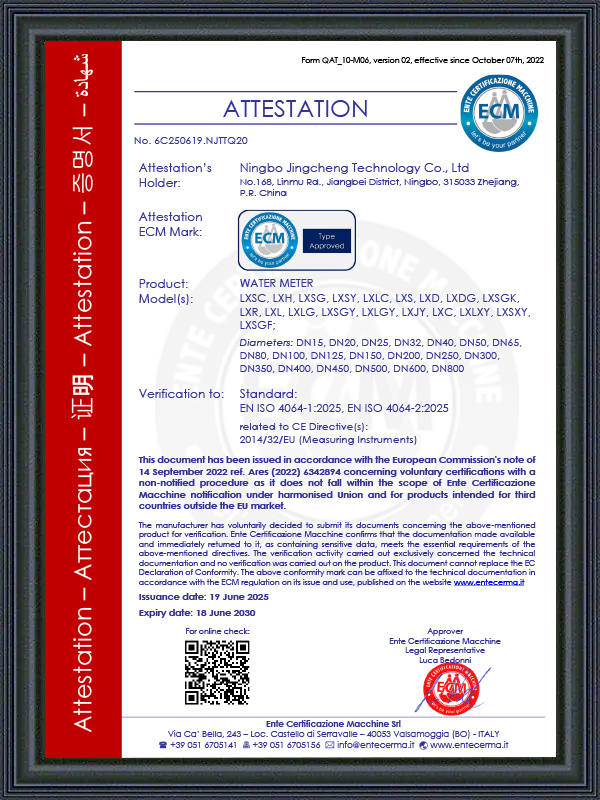
Class 1 limits and test points for electronic water meters with high R values, including verification at Q1 and Q2 where the flow is only a few litres per hour.
Rigs used at Q1 operate with controlled temperature, degassed water, closed collection and balances with gram-class resolution to resolve a few litres per hour.
The meter is tested for zero offset over temperature and time, with the pipe full and stationary, to confirm no phantom volume accumulates.
Calibration at several water temperatures verifies that speed-of-sound compensation keeps low-flow readings stable within the specified range.
Tests for ESD, EFT, surge and radiated immunity confirm that picosecond-level timing and low-flow readings are not disturbed by interference.
Alarm logic is verified with simulated continuous flows of 1, 2 and 5 L/h over 24 hours, confirming that alarms trigger and reset as specified.
Two techniques define this meter: how a few millimetres per second becomes a measurable signal, and how zero is kept at zero.
The transit-time difference Δt between upstream and downstream pulses is proportional to the product of path length and flow velocity, divided by the square of the speed of sound. For a 10 cm path, a speed of sound near 1,480 m/s and a velocity of 3 mm/s — roughly 2 litres per hour in a 15 mm tube — Δt is about 0.27 nanoseconds. A conventional low-cost timer cannot resolve it directly.
Three techniques make it measurable. A reflector folds the acoustic path so the sound crosses the flow twice, doubling Δt. A time-to-digital converter with picosecond resolution measures each transit time to a few tens of picoseconds. And the processor averages thousands of pulse pairs in a few seconds, reducing random noise by the square root of the number of pairs. The averaged result resolves hundreds of picoseconds with good repeatability.
Because sensitivity is so high, noise and drift are the enemies. The speed of sound changes by about 0.2 percent per degree, and a tiny difference in electronic delays between upstream and downstream channels appears as a flow offset. The meter measures water temperature continuously, applies a stored compensation and re-learns its zero offset during periods of no flow, when the pipe is full but stationary.
A zero-cutoff sets a threshold below which readings are treated as zero, so noise does not accumulate. The threshold is chosen below Q1 and well below any real leak. The same flow history feeds the leak detector: the meter keeps a rolling record of the minimum flow in each hour, and if the minimum stays above the cutoff for 24 hours — meaning there was never a period of no flow — a leak alarm is raised. The alarm threshold and window can be changed remotely.
Measured performance data for the low flow rate ultrasonic water meter. Use these charts to confirm pressure loss, low-flow accuracy and installation dimensions before specifying.
Figure 1 — Head loss curve (MPa vs. flow m³/h)
The chart shows pressure loss for the four standard configurations. Because the tube is smooth and unobstructed, loss at Q3 stays at or below 0.025 MPa. A smaller Q3 on the same DN15 body gives a slightly narrower measuring section and a little more loss at its higher end, though the flows are lower.
Figure 2 — Accuracy error curve (Class 1, R800, Q1–Q4)
At Q1 — only 2 L/h on a DN15 — the error is within ±1.5%, half of the ±3% Class 1 limit. From Q2 upward, the curve is flat within ±0.5%. The result confirms that the very high range ratio does not compromise accuracy at ordinary flows.
Figure 3 — Installation dimensions (L × H × B × D)
| Size | L (mm) | H (mm) | B (mm) | D (thread) |
|---|---|---|---|---|
| DN15 | 165 | 95 | 78 | G3/4" |
| DN20 | 190 | 100 | 80 | G1" |
| DN25 | 260 | 112 | 92 | G1¼" |
Dimensions are for reference. Confirm exact values with our engineering team before installation design.
Several meter types can measure small flows. This table compares the low flow ultrasonic meter with the main alternatives.
| Design Feature | Low Flow Ultrasonic (R800) | Rotary Piston (R400) | Multi Jet (R100) |
|---|---|---|---|
| Minimum flow Q1, DN15, Q3 2.5 | About 3 L/h | About 6 L/h | About 25 L/h |
| Starting flow | ≤ 1 L/h | ≤ 2 L/h | About 8 L/h |
| Wear over life | None | Piston and chamber wear | Impeller and bearing wear |
| Sensitivity to dirty water | Low | High — needs fine strainer | Moderate |
| Leak alarm built in | Yes — 24 h continuous flow | No | No |
| Power requirement | Battery | None | None |
| Zero-flow behaviour | Must be kept zero by design | Naturally zero | Naturally zero |
| Best application | Leak detection and revenue capture | Premium mechanical | General residential |
This comparison is indicative. Actual performance depends on water quality, installation and the specific product configuration. Contact our engineers for application-specific guidance.
Premium quality
since 2002
Coming From China, Marketing To The World
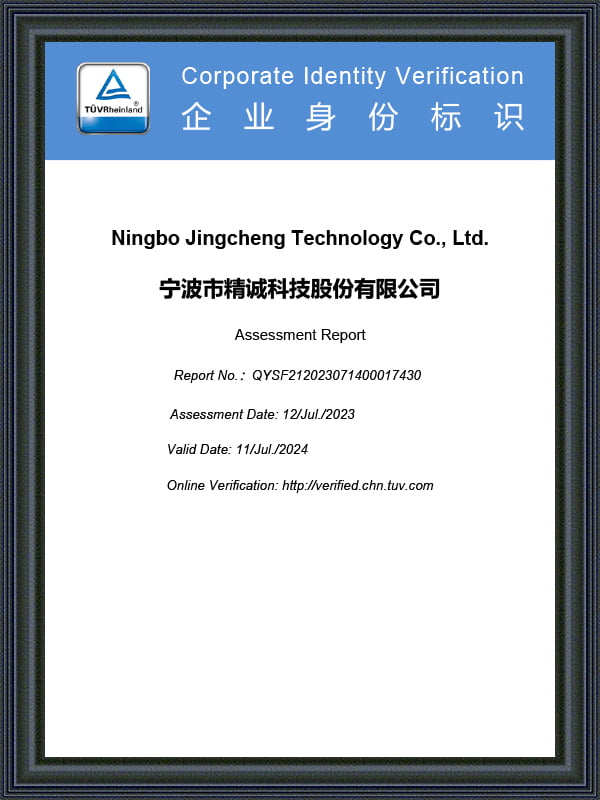
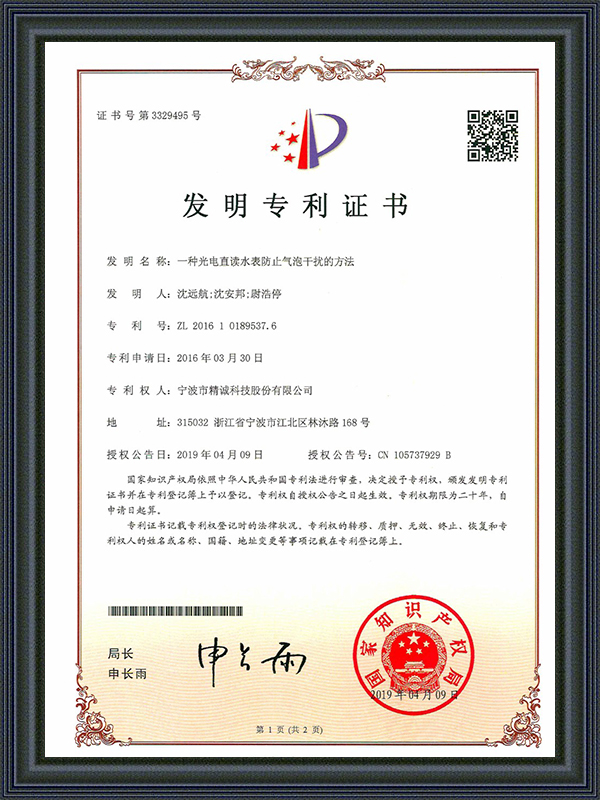
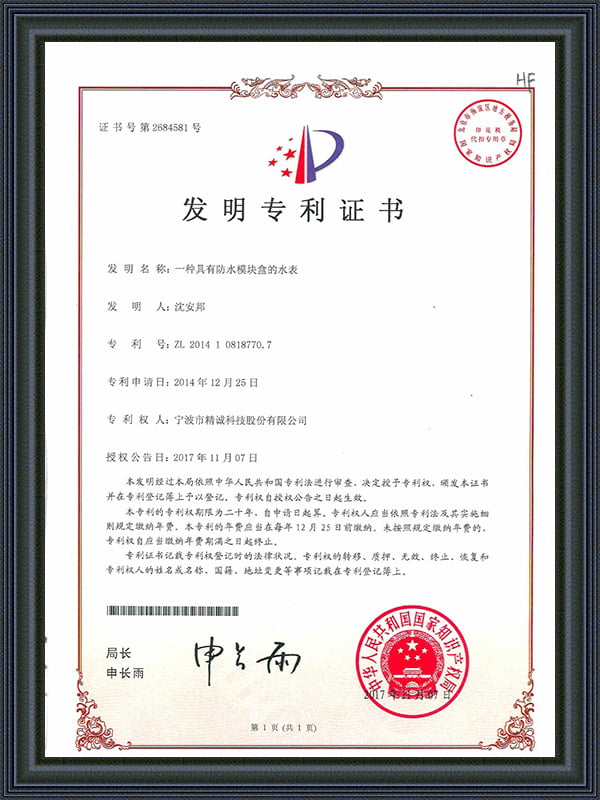
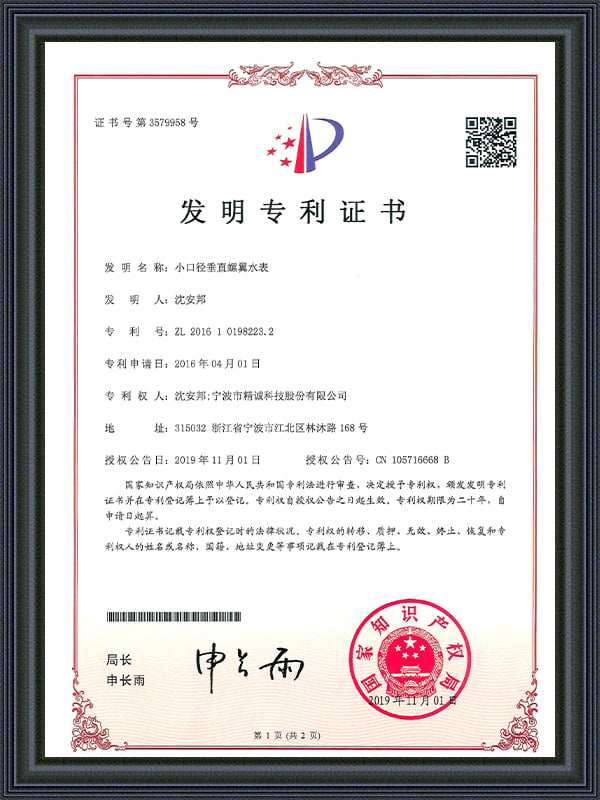
Keyture Meter is located in Picturesque Jiangbei Investment Park, NINGBO, CHINA. It is a comprehensive high-tech China Low Flow Rate Ultrasonic Water Meter Manufacturers and Custom Low Flow Rate Ultrasonic Water Meter Factory that integrates scientific research & development, production, sales, and service. Established in 2002 as a manufacturer and exporter of water meters for more than 22 years. The factory covers an area of 40 acres (30,000 square meters), 200 staff, 100+ types of products, product capacity of 5 million per year. Its product range covers single jet, multi-jet, volumetric piston type, Woltman type, IC card intelligent water meter, remote control water meter, optoelectrical reading direct remote control water meter...
Yearly production capacity
Production Area
Works and inspectors
Production experience
Excellent product with exquisite craftsmanship
Customization
We have a strong R&D team, and we can develop and produce products according to the drawings or samples the customers offered.
Cost
We are a professional manufacturer and also have our own processing machinery. So we can offer good prices and good products directly.
Quality
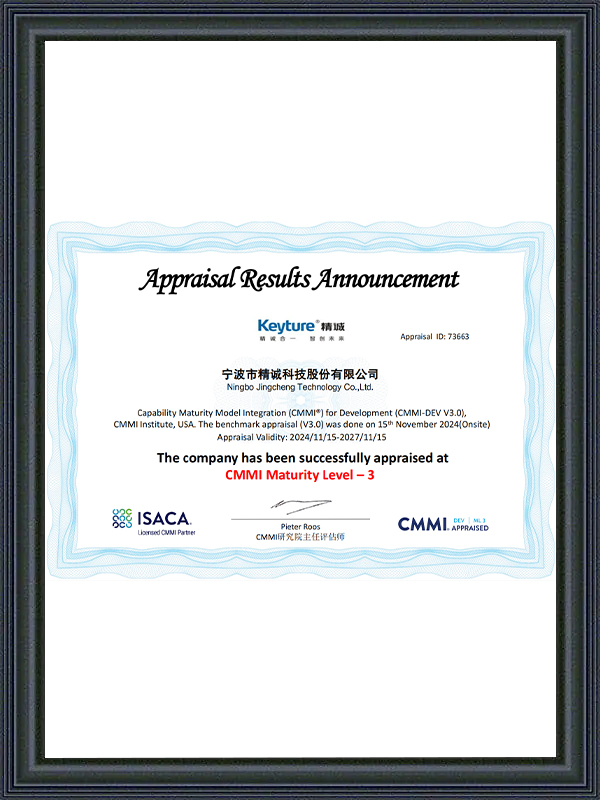
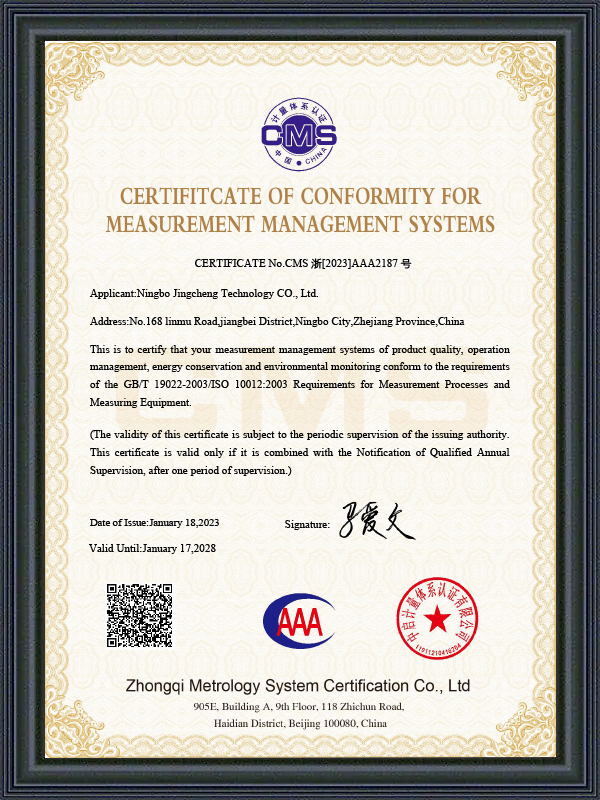
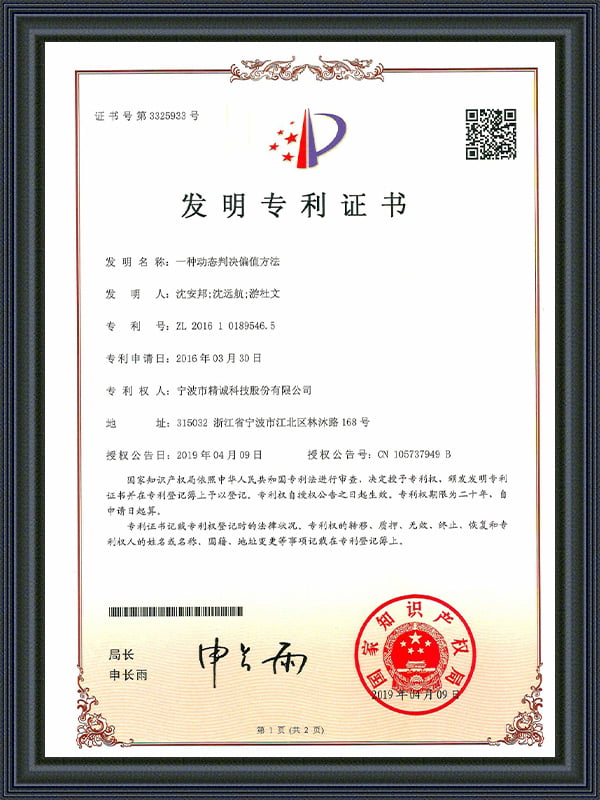
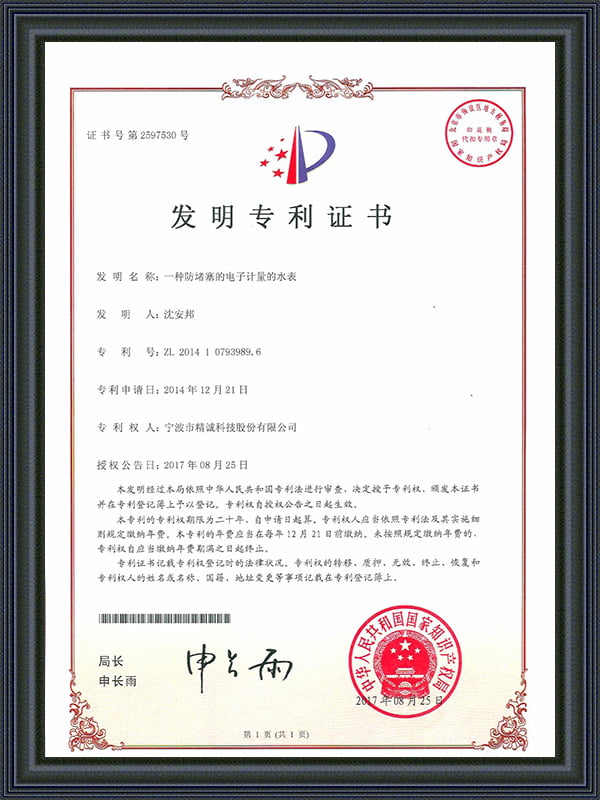
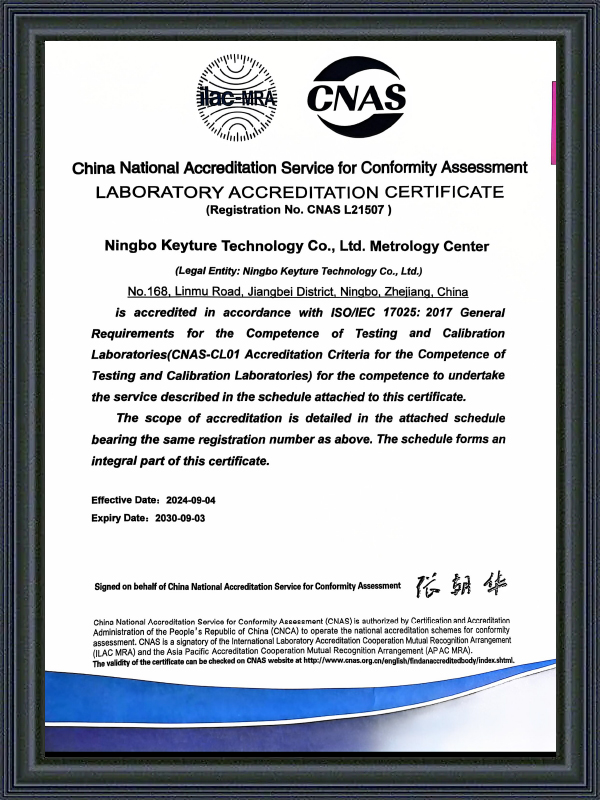
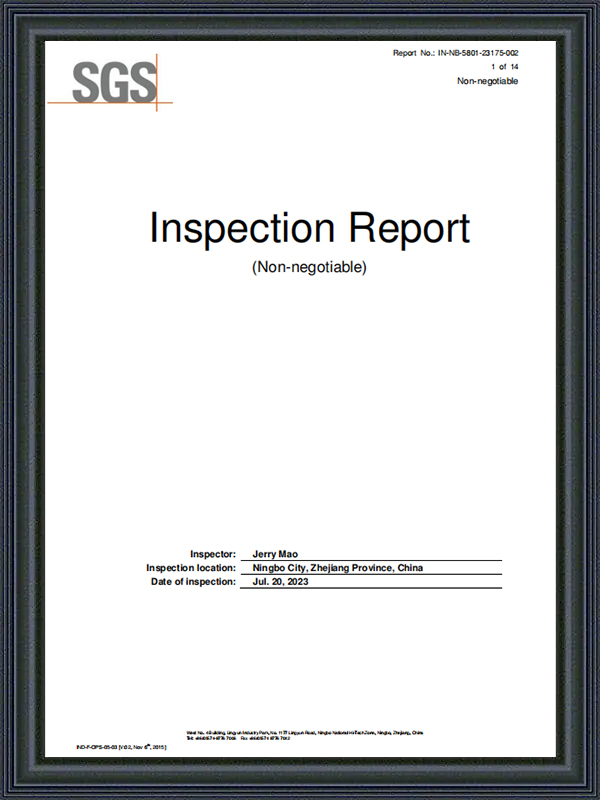
We have our own testing lab and advanced and complete inspection equipment, which can ensure the quality of the products.
Service
We focus on developing high-quality products for top-end markets. Our products are in line with international standards, and are mainly exported to Europe, America, Africa, Asia and other destinations around the world.
Capacity
Our annual production capacity is over 5 million units. We can meet the needs of different customers with different purchase quantities.
Shipment
We are about 35 kilometers away from Ningbo Port. It is very convenient and efficient to ship goods to any other countries.
From mechanical meters to smart AMR/AMI systems — we provide end-to-end water metering solutions tailored to your project.
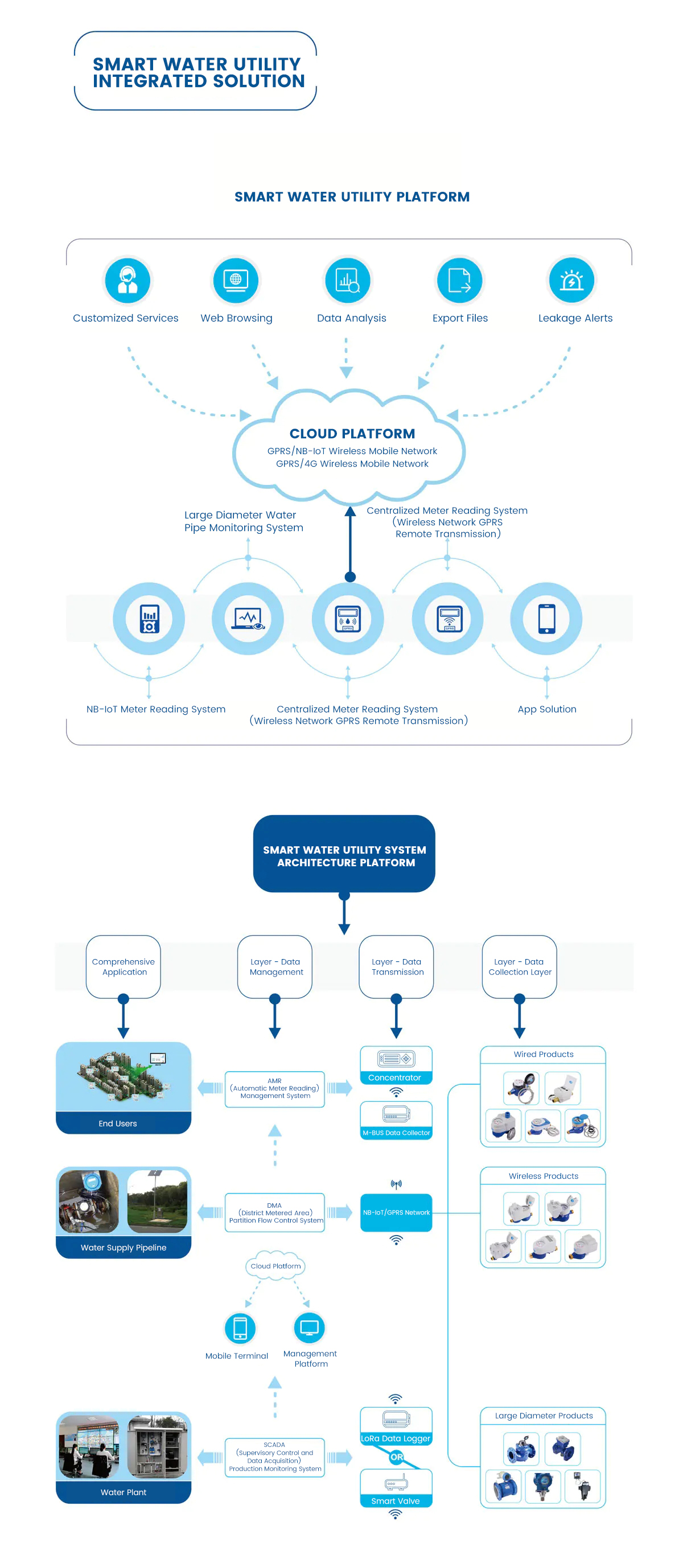
Where small continuous flows are the problem to solve.
Install the meter in the direction of the flow arrow and make sure the pipe is full at all times. Air bubbles disrupt the ultrasonic signal at very low velocity, so avoid installing at the highest point of a pipe and vent any air before commissioning. A vertical upward flow is a good position for low-flow meters because bubbles rise out of the tube.
Choose Q3 to match the property. A household with a DN15 supply and a maximum demand of 1.5 m³/h can use Q3 of 1.6, giving Q1 of 2 L/h. A larger property that sometimes draws 3 m³/h should use Q3 of 2.5 or 4 to avoid overload.
After installation, make sure all taps are closed and read the meter. It should read zero flow. Check the leak alarm status after 24 hours. If the alarm triggers, look for continuous leaks such as toilet cisterns or irrigation controllers before assuming a meter fault.
The low flow ultrasonic meter has no moving parts and needs no routine maintenance. The platform reports zero-offset and battery status, and the meter flags any signal quality problem, such as air or transducer degradation, before accuracy is affected.
If leak alarms are frequent, check whether the cause is a real leak or a configuration problem — for example, a swimming pool automatic top-up or a garden controller that runs continuously at a low rate. The alarm window and threshold can be adjusted remotely to match the property.
Typical service life is 12 years, limited by the battery. The measuring tube does not wear, so its accuracy remains stable, and many utilities extend verification after sample testing.
It depends on size and Q3. For a DN15 with Q3 of 1.6 m³/h and R800, Q1 is 2 litres per hour. For Q3 2.5 it is about 3 L/h, and for DN25 with Q3 6.3 it is about 8 L/h.
The range ratio R is Q3 divided by Q1. With the same R800, a lower Q3 gives a lower Q1. A household that never needs more than 1.5 m³/h can use Q3 1.6 and measure down to 2 L/h.
It uses a folded acoustic path, picosecond timing electronics and averaging over thousands of pulse pairs. These techniques turn a time difference of a fraction of a nanosecond into a stable reading.
Zero stability is the meter’s ability to read zero when there is no flow. If the zero drifts, the meter would count phantom volume that appears on the bill. The meter compensates for temperature, re-learns its zero offset during no-flow periods and applies a cutoff.
The meter tracks the minimum flow in each hour. If the minimum stays above the cutoff for 24 hours, meaning there was no period of zero flow, the meter flags a probable leak. The window and threshold can be changed by downlink.
Yes, if a legitimate device runs continuously, such as a pool top-up, an aquarium or an irrigation controller. The window or threshold can be adjusted for such properties.
At very low velocity, air bubbles can interrupt the ultrasonic signal. The meter flags air and resumes measurement when full flow returns. Install it in a full pipe and bleed air at commissioning.
Class 1 under ISO 4064 / OIML R49 with R800 range ratio. At Q1 the error is within ±3%, and above Q2 within ±1%, with typical results far better.
A 3.6 V lithium battery with a typical life of up to 12 years at daily reporting. The low-flow mode averages over several seconds, which uses slightly more power than a standard ultrasonic meter.
M-Bus, LoRaWAN, NB-IoT and pulse output. Leak alarms can be sent immediately by wireless versions, and M-Bus versions provide the alarm status in the data telegram.
The standard version is for cold water. A hot water low-flow model is possible, but the transducers and electronics must be selected for temperature. Please contact us with your requirements.
Choose a larger Q3. For properties with peak demand above the Q3 of the meter, a larger meter or a combination setup should be used so that overload does not occur.
Send us the property type, peak demand and the leak size you want to detect. Our engineers will recommend the right Q3 and low flow ultrasonic configuration, with price and lead time.

Address: No.168,LinMu Rd.,Zone B, Jiangbei investment Park, Ningbo, Zhejiang,China
Tel: +86-0574-83090480/+86-18892665118
Fax: +86-0574-83021045
Email: [email protected]
Web: https://www.keyturemeter.com/
Quick Links
Product
Mobile terminal
 Custom Low Flow Rate Ultrasonic Water Meter Manufacturers