 English
 Español
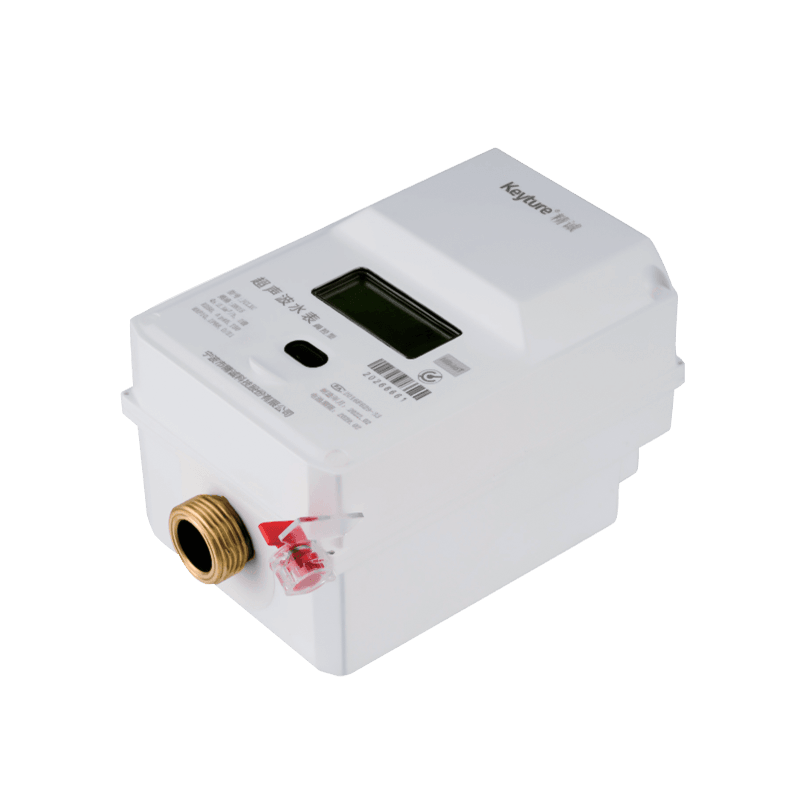
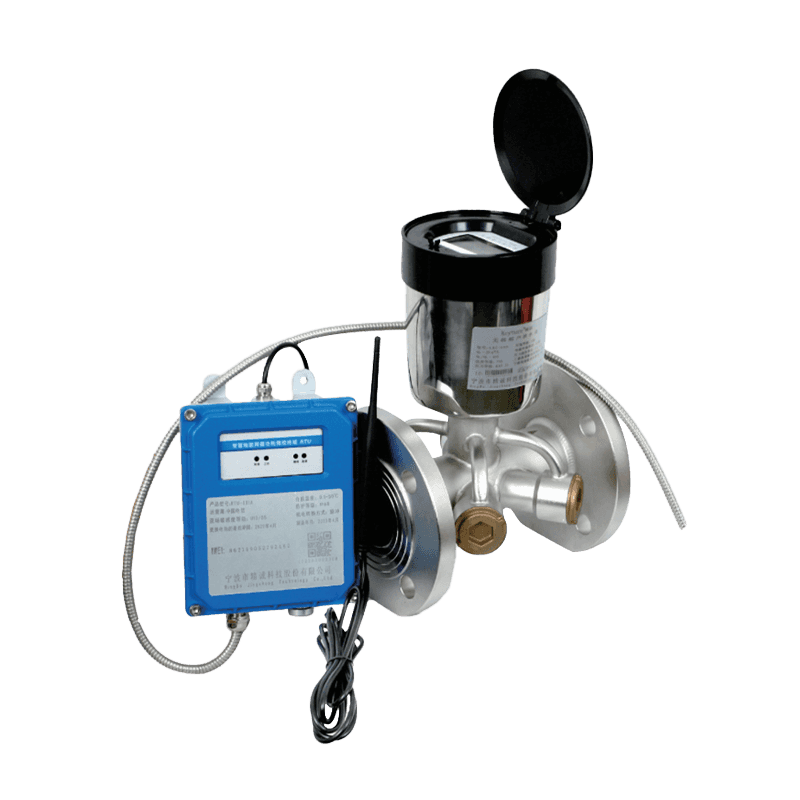
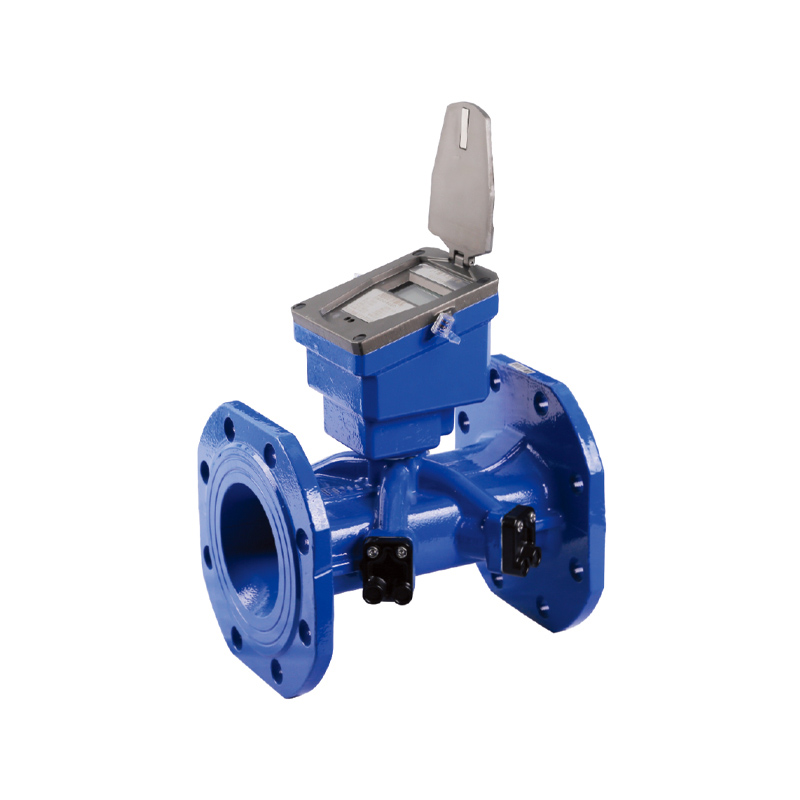
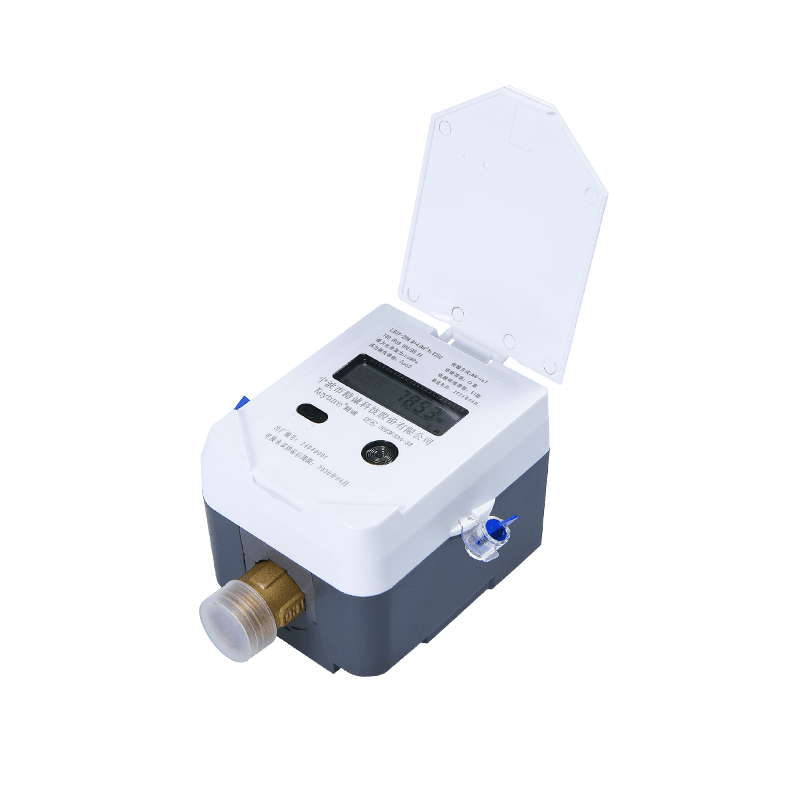
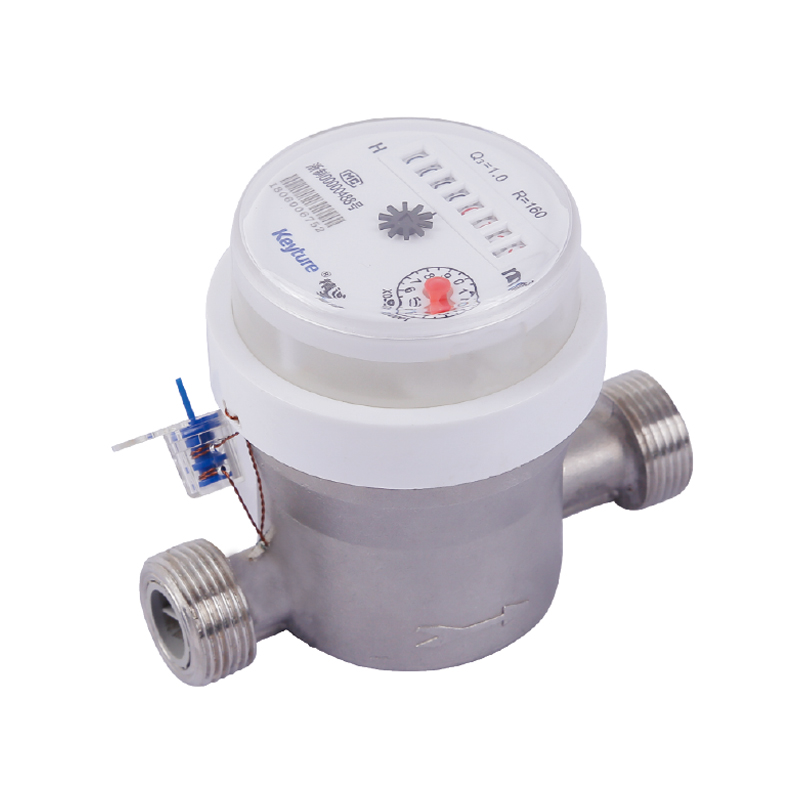
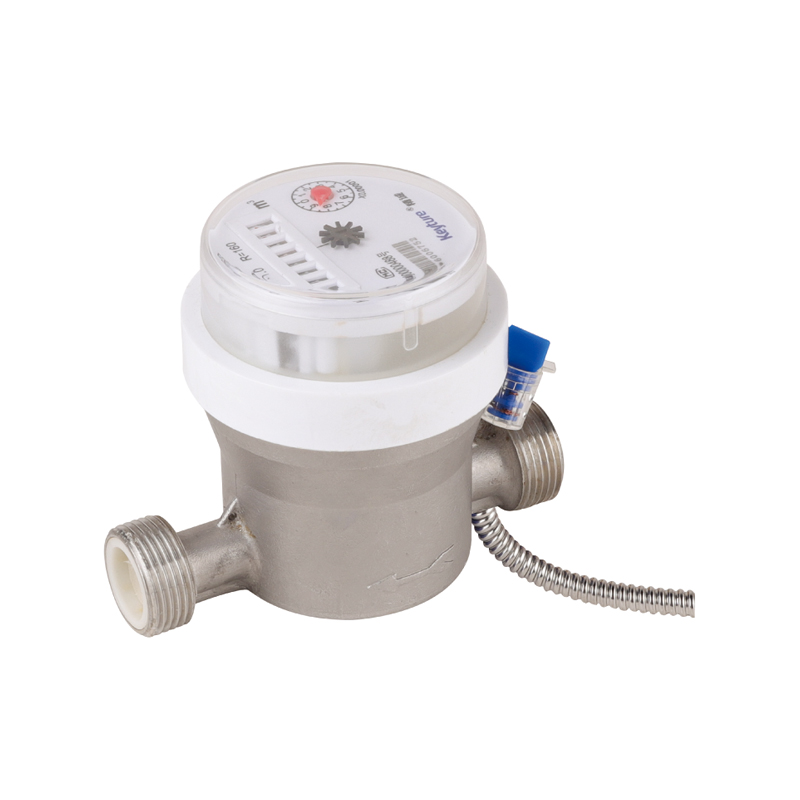
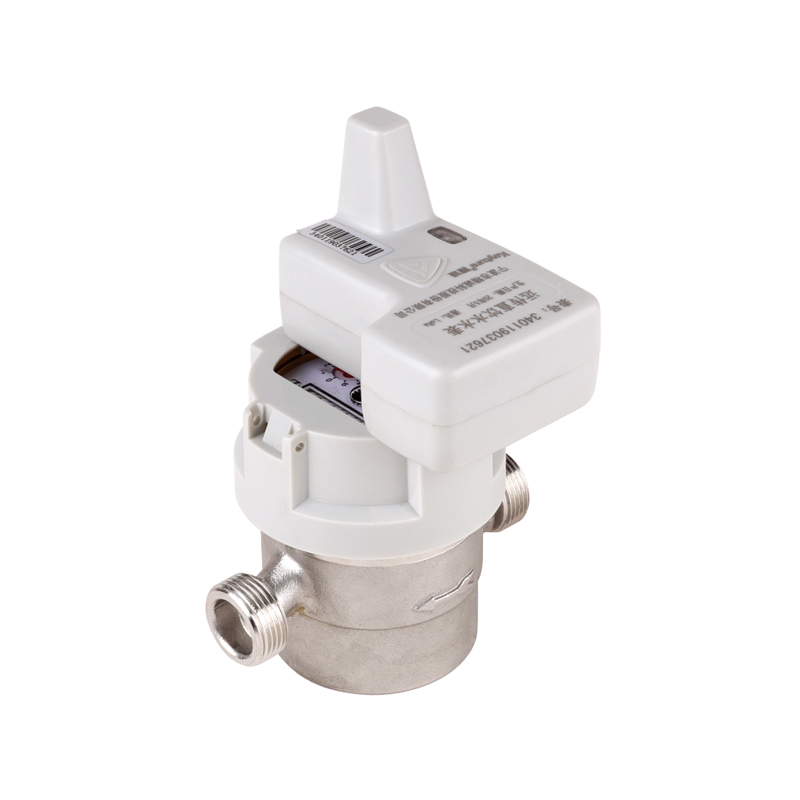
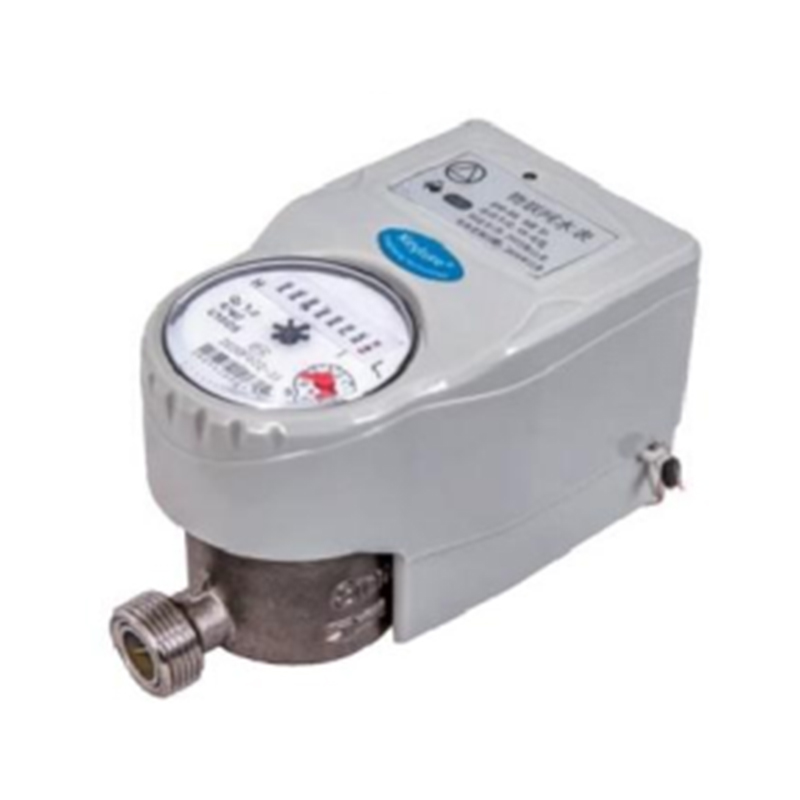
No Rotor to Scale Up
Limescale and magnetite jam mechanical impellers in hot water. The ultrasonic tube has no moving parts, so scale causes only a small, correctable change in cross-section rather than a stuck meter.

A flanged transit-time ultrasonic meter for hot water and heating circuits in commercial buildings — scale-tolerant, rated to 90 °C (130 °C optional) and ready to calculate heat energy with paired temperature sensors.
Ultrasonic · flanged · 90 °C / 130 °C · heat meter option
A commercial ultrasonic heater water meter is a flanged, transit-time ultrasonic flow meter built for the hot water circuits of commercial buildings: boiler loops, calorifier feeds, heating circulation, domestic hot water return lines and the heated water supplied to tenants in offices, hotels, hospitals and shopping centres. It measures the volume of heated water with sound rather than with moving parts, so scale, limescale precipitates and hot-water ageing do not affect an impeller, because there is none. The meter is rated for continuous service from 5 °C to 90 °C, with a high-temperature version for 130 °C primary circuits, and carries PN16 or PN25 flanges for direct connection to commercial pipework.
What distinguishes it from a cold water ultrasonic meter is everything around the measurement. Hot water changes the speed of sound, the viscosity of the fluid and the dimensions of the tube, so the meter uses a high-temperature piezoelectric ceramic, thermally stable couplants and a temperature sensor to compensate the sound path in real time. The electronics are separated from the hot pipe by a stand-off neck so the display stays cool, and the transducers are designed to survive repeated thermal cycles when heating plant starts and stops. Hot water also precipitates limescale. Because the measuring tube is smooth and the transducers face directly into the flow, thin scale layers produce only a minor change in cross-section and are corrected by diagnostics, instead of locking a mechanical rotor.
In heating applications the meter can go one step further. Paired with a pair of matched PT500 or PT1000 temperature sensors in the flow and return lines, the same unit calculates thermal energy according to EN 1434 and reports kWh or GJ, turning a volume meter into a heat meter for tenant billing. Supplied in DN20 to DN100, with Class 2 accuracy under ISO 4064 / OIML R49 for the volume function, an R250 range ratio, IP67 or IP68 protection and M-Bus, RS485 and pulse outputs, it serves commercial landlords, district heating substations and building services engineers who want one robust, scale-tolerant meter for both hot water volume and heat energy.
Key takeaway: Hot water, limescale and thermal cycling destroy mechanical rotors. An ultrasonic meter with a cool electronics neck and flanged ends is built for commercial hot water — and can double as a heat meter.
Six advantages that address the specific problems of metering heated water in commercial buildings.
Limescale and magnetite jam mechanical impellers in hot water. The ultrasonic tube has no moving parts, so scale causes only a small, correctable change in cross-section rather than a stuck meter.
Transducers, couplant, seals and housing are rated for continuous 90 °C and cycling from cold, with a 130 °C version for primary heating circuits. The meter does not age quickly in hot water.
A stand-off neck separates the electronics and battery from the hot pipe. Display and communication module stay near ambient temperature, which extends battery and LCD life.
Add matched PT500 or PT1000 sensors and the same meter calculates thermal energy per EN 1434. Landlords can bill heat as well as hot water volume from one device.
PN16 and PN25 flanges with standard face-to-face lengths fit commercial pipe without adapters. Installers can replace an old mechanical meter in the same space.
M-Bus, RS485 and pulse outputs connect to building management and tenant-billing systems. Event logs record dry-run, reverse flow and temperature faults for service planning.
Standard configuration below. Temperature class, flange standard and communication can be adapted to your project requirements.
| Parameter | Specification |
|---|---|
| Standard | ISO 4064 / OIML R49 (volume); EN 1434 (heat, optional) |
| Meter type | Transit-time ultrasonic, flanged, hot water / heating |
| Nominal diameter | DN20 – DN100 (3/4" – 4") |
| Accuracy class | Class 2, R250 standard / R400 optional |
| Medium temperature | 5 °C – 90 °C standard; 5 °C – 130 °C on request |
| Working pressure | PN16 standard / PN25 on request |
| Pressure loss | ≤ 0.02 MPa at Q3 |
| Body material | Brass (DN20 – DN50) / ductile iron with coating (DN65 – DN100) |
| Transducers | High-temperature piezoelectric ceramic, stainless steel faced |
| Connection | Flanged EN 1092-1 / EN 1092-2; ANSI on request |
| Temperature sensors | Optional matched PT500 / PT1000 pair, 2-wire or 4-wire |
| Energy calculation | Optional, EN 1434, kWh / MWh / GJ |
| Electronics | Cool-neck remote or compact housing |
| Power supply | 3.6 V lithium (10 years) or 24 V AC/DC |
| Communication | M-Bus, RS485 Modbus, pulse; LoRaWAN optional |
| Straight pipe | U5 / D3 recommended |
| Protection | IP67 standard; IP68 on request |
Q4 is the overload flow, Q3 the permanent flow, Q2 the transitional flow and Q1 the minimum flow, all expressed in m³/h.
| Nominal Diameter | Q4 Overload | Q3 Permanent | Q2 Transitional | Q1 Minimum | Range Ratio | Flange Standard |
|---|---|---|---|---|---|---|
| DN20 (3/4") | 5 | 4 | 0.0256 | 0.016 | R250 | PN16, 4 × Ø14 |
| DN25 (1") | 7.875 | 6.3 | 0.04032 | 0.0252 | R250 | PN16, 4 × Ø14 |
| DN32 (1¼") | 12.5 | 10 | 0.064 | 0.04 | R250 | PN16, 4 × Ø18 |
| DN40 (1½") | 20 | 16 | 0.1024 | 0.064 | R250 | PN16, 4 × Ø18 |
| DN50 (2") | 31.25 | 25 | 0.16 | 0.1 | R250 | PN16, 4 × Ø18 |
| DN65 (2½") | 50 | 40 | 0.256 | 0.16 | R250 | PN16, 4 × Ø18 |
| DN80 (3") | 78.75 | 63 | 0.4032 | 0.252 | R250 | PN16, 8 × Ø18 |
| DN100 (4") | 125 | 100 | 0.64 | 0.4 | R250 | PN16, 8 × Ø18 |
Values shown for R250 with PN16 flanges. R400 versions, PN25 flanges and 130 °C models are available — tell us your circuit temperature, pressure and whether you need heat energy and we will confirm the correct configuration.
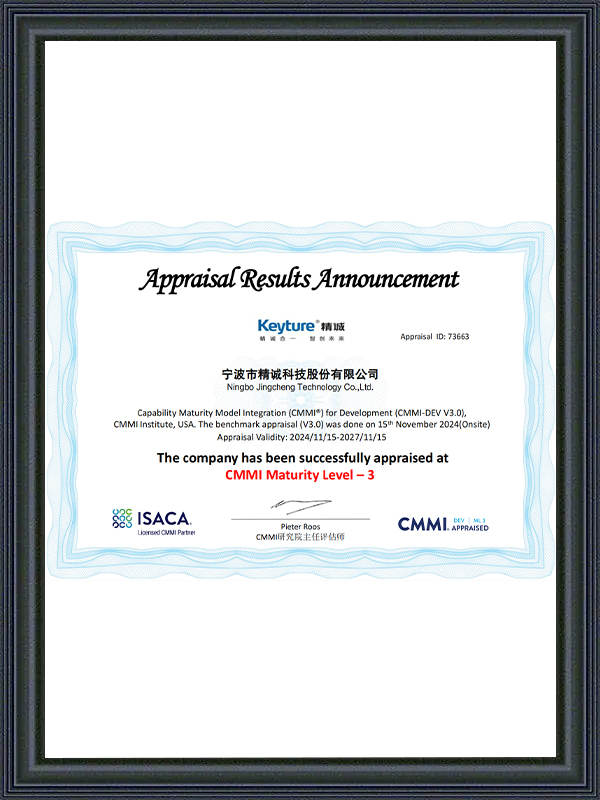
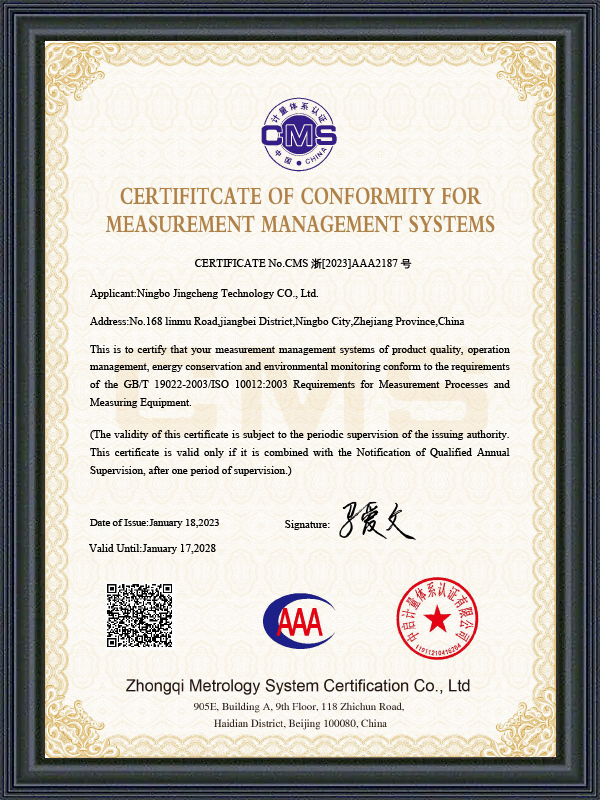
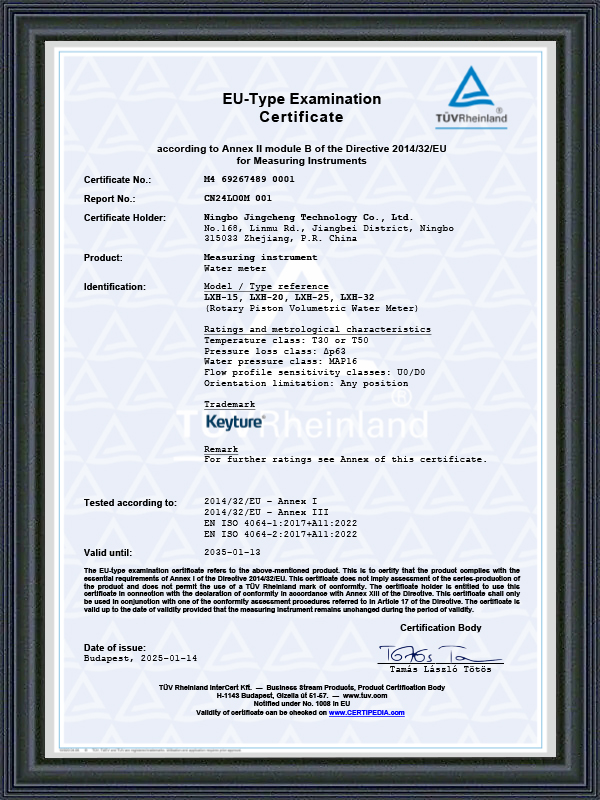
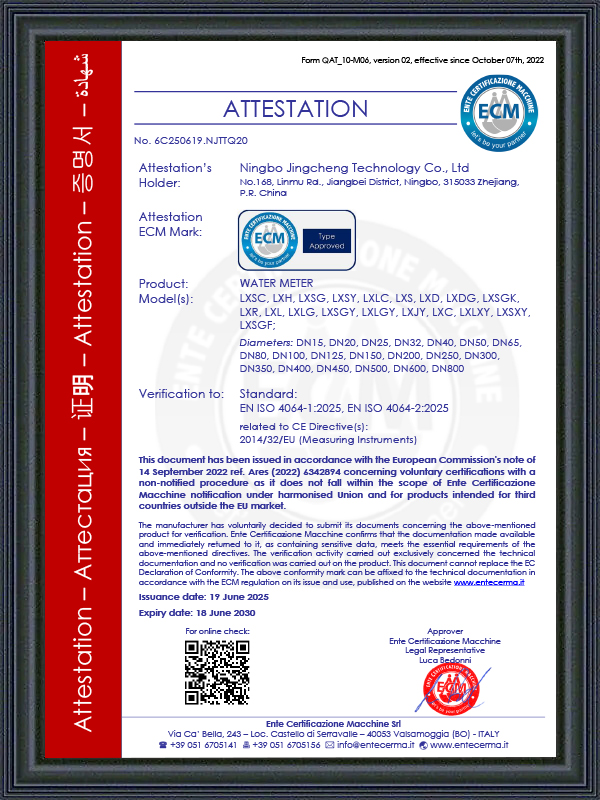
Hot water and heat metering combine volume accuracy, high-temperature endurance and heat-energy rules, so certification covers all three.
Class 2 accuracy and test points for water meters, including the hot water classes. Verification at Q1, Q2, Q3 and Q4 is performed at both 20 °C and elevated temperature.
Heat meter standard covering flow sensors, temperature sensors and calculators. Applies when the meter is supplied with sensors for energy calculation.
EU MID Module B + D for water meters and MI-004 for heat meters, supporting legal billing in European markets.
Samples are cycled between 20 °C and the rated maximum for thousands of cycles and then re-tested for accuracy, leakage and transducer coupling.
Flanges drilled to EN 1092 PN16 / PN25, hydrostatically tested at 1.5 × PN, with face-to-face lengths matching typical commercial meter positions.
Wetted parts suitable for hot potable water, with WRAS, NSF/ANSI 61 or ACS available. Heating-circuit versions use materials compatible with inhibited water.
Two engineering challenges define this meter: measuring accurately in hot, scaling water, and turning the same measurement into heat energy.
The speed of sound in water rises with temperature, from about 1,480 m/s at 20 °C to more than 1,550 m/s at 90 °C. The meter’s temperature sensor feeds this change directly into the transit-time calculation so the velocity result is not affected. Transducers use high-temperature ceramics bonded with thermally stable materials to survive years of cycling from cold to hot.
In hot water, thin limescale films gradually form on pipe and transducer surfaces. Because the sound path is straight through the water and not through a rotor, small deposits only reduce signal amplitude slightly. The meter’s automatic gain control increases amplification as needed, and diagnostics warn if amplitude drops too low. This is why ultrasonic meters often outlast mechanical meters in hard-water regions.
A stand-off neck, fitted as standard on the 90 °C and 130 °C versions, thermally separates the electronics from the hot tube. The LCD, battery, microprocessor and communication board sit well away from the pipe, which keeps their operating temperature in a comfortable range and prevents condensation or LCD discolouration. The neck also allows the housing to be rotated or remote-mounted for easy reading.
With the optional temperature sensor pair, the processor measures the flow and return temperatures, calculates the temperature difference and multiplies by volume and the heat coefficient of water to give thermal energy. Matched sensors and sensor-pair verification keep energy errors low, even with small temperature differences. Energy, volume, flow and temperature values are available over M-Bus or RS485 for tenant billing and building energy management.
Measured performance data for the commercial ultrasonic heater water meter. Use these charts to confirm pressure loss, accuracy and installation dimensions before specifying.
Figure 1 — Head loss curve (MPa vs. flow m³/h)
The chart shows pressure loss across the flanged ultrasonic meter for DN20 to DN100. The full-bore tube gives very low loss, at or below 0.02 MPa at permanent flow, which allows the meter to be installed in boiler and heating circuits without upsetting pump duty.
Figure 2 — Accuracy error curve (Class 2, R250, 70 °C, Q1–Q4)
The curve is measured at 70 °C, the typical operating point for domestic hot water circuits. Temperature compensation keeps the error flat, with results inside ±2% in the upper zone and inside ±5% at Q1 even though sound velocity has changed relative to cold water.
Figure 3 — Installation dimensions (L × H × B × D)
| Size | L (mm) | H (mm) | B (mm) | D (flange OD) |
|---|---|---|---|---|
| DN20 | 190 | 255 | 90 | 105 |
| DN25 | 260 | 260 | 95 | 115 |
| DN32 | 260 | 270 | 100 | 140 |
| DN40 | 300 | 280 | 110 | 150 |
| DN50 | 270 | 290 | 125 | 165 |
| DN65 | 300 | 305 | 145 | 185 |
| DN80 | 300 | 320 | 160 | 200 |
| DN100 | 360 | 345 | 185 | 220 |
Dimensions are for reference and include the cool-neck housing. Confirm exact values with our engineering team before installation design.
Hot water is the toughest environment for a mechanical meter. This table compares ultrasonic hot water meters with common mechanical alternatives.
| Design Feature | Ultrasonic Heater Meter | Multi Jet Hot Water | Woltman Hot Water |
|---|---|---|---|
| Effect of limescale | Minor — no rotor to jam | Impeller fouling | Rotor and bearing wear |
| Starting flow | Very low | Low | Higher |
| Temperature range | 5–90 °C, 130 °C optional | Up to 90 °C | Up to 90 °C |
| Pressure loss | Very low | Moderate | Low |
| Heat energy option | Yes — with temperature sensors | No | No |
| Maintenance | Minimal | Impeller replacement | Insert replacement |
| Unit purchase cost | Higher | Lowest | Moderate |
| Best application | Commercial hot water and heat billing | Residential hot water | Large mains |
This comparison is indicative. Actual performance depends on water hardness, temperature profile and the specific product configuration. Contact our engineers for application-specific guidance.
Premium quality
since 2002
Coming From China, Marketing To The World
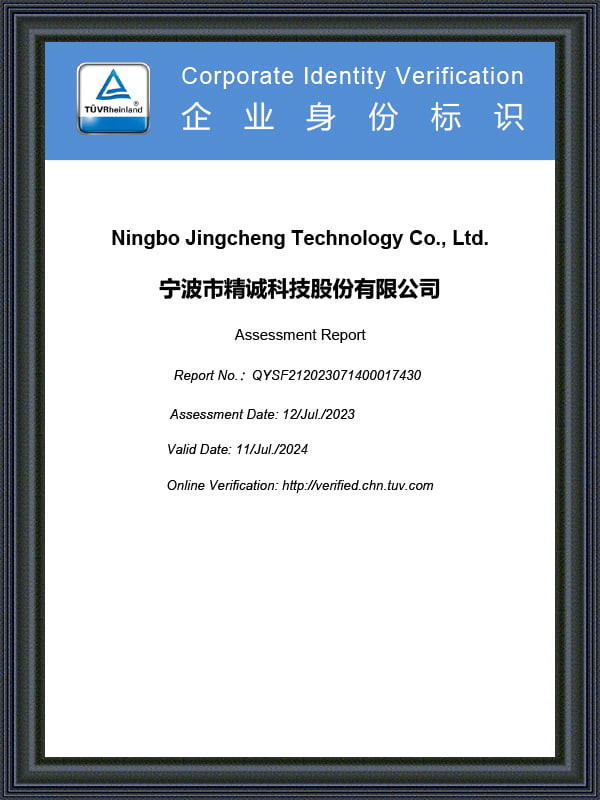
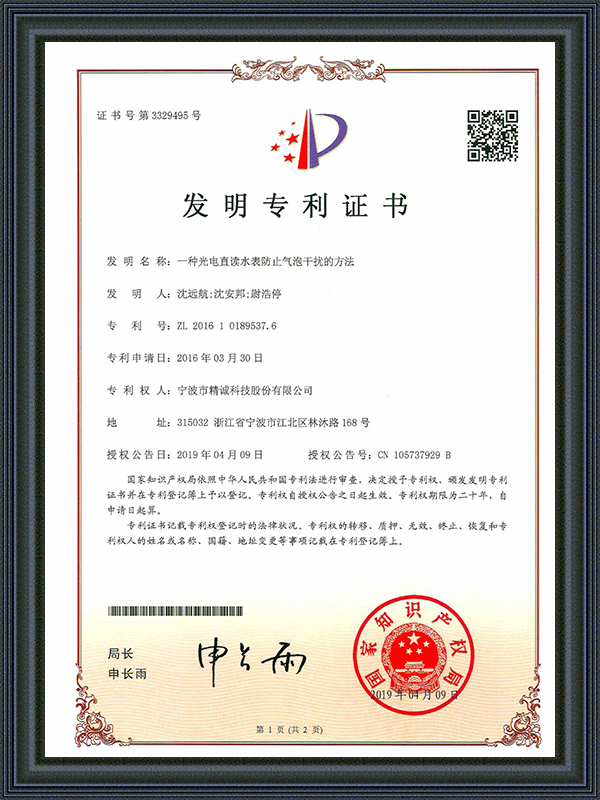
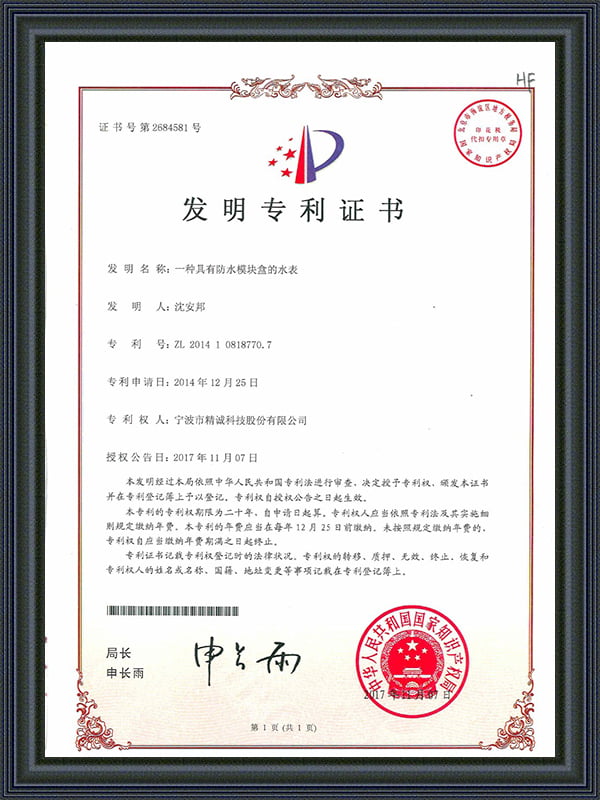
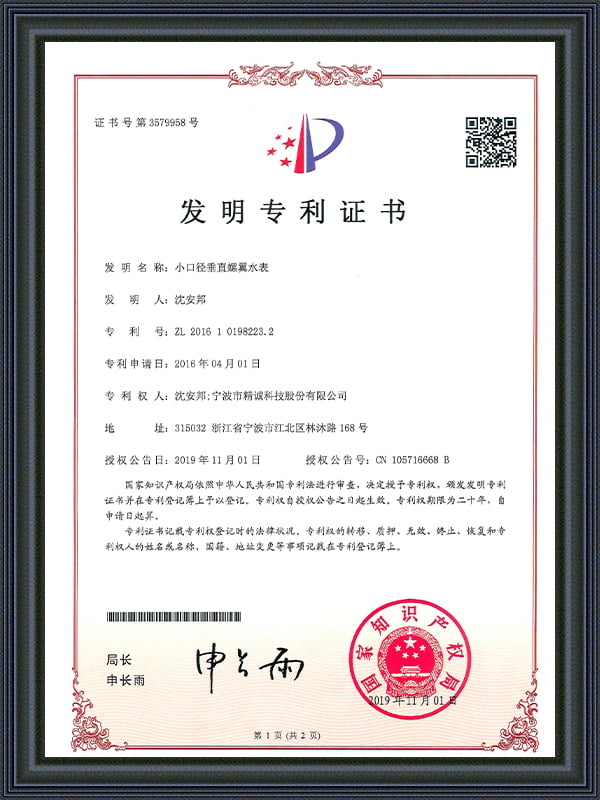
Keyture Meter is located in Picturesque Jiangbei Investment Park, NINGBO, CHINA. It is a comprehensive high-tech China Commercial Ultrasonic Heater Water Meter Manufacturers and Custom Commercial Ultrasonic Heater Water Meter Factory that integrates scientific research & development, production, sales, and service. Established in 2002 as a manufacturer and exporter of water meters for more than 22 years. The factory covers an area of 40 acres (30,000 square meters), 200 staff, 100+ types of products, product capacity of 5 million per year. Its product range covers single jet, multi-jet, volumetric piston type, Woltman type, IC card intelligent water meter, remote control water meter, optoelectrical reading direct remote control water meter...
Yearly production capacity
Production Area
Works and inspectors
Production experience
Excellent product with exquisite craftsmanship
Customization
We have a strong R&D team, and we can develop and produce products according to the drawings or samples the customers offered.
Cost
We are a professional manufacturer and also have our own processing machinery. So we can offer good prices and good products directly.
Quality
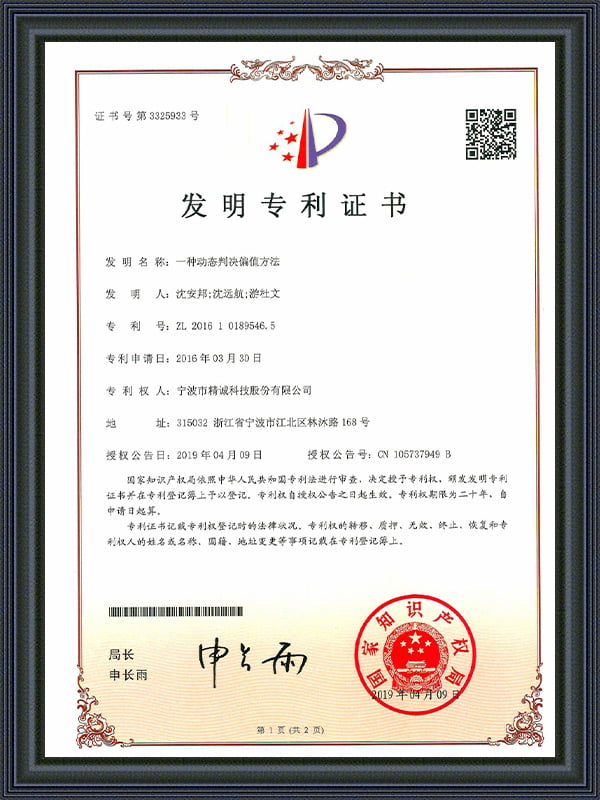
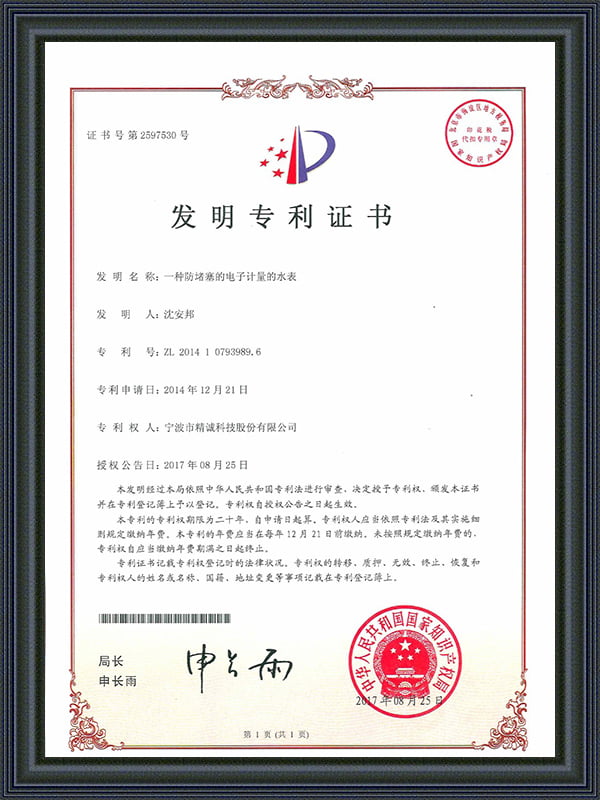
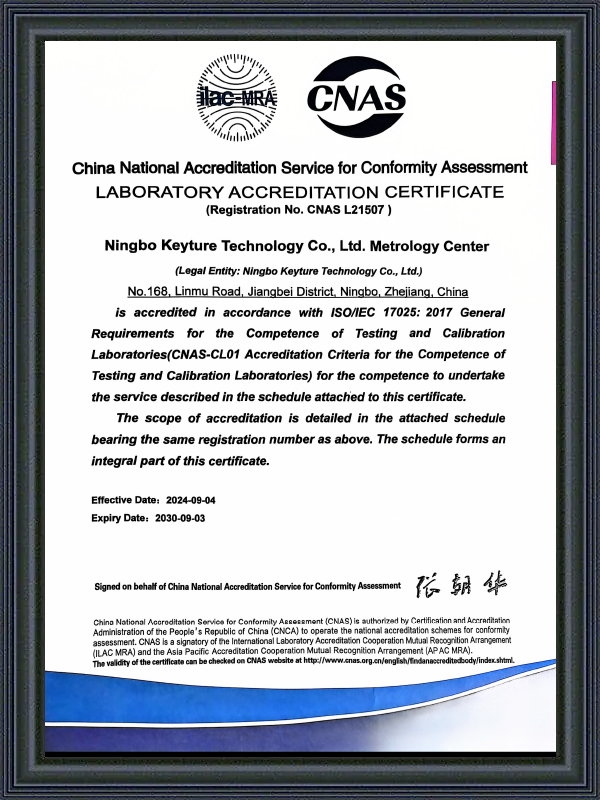
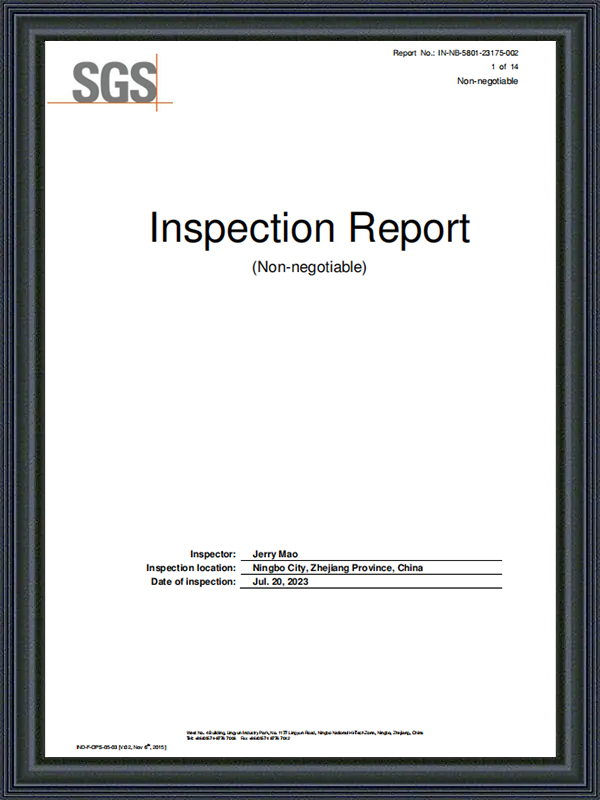
We have our own testing lab and advanced and complete inspection equipment, which can ensure the quality of the products.
Service
We focus on developing high-quality products for top-end markets. Our products are in line with international standards, and are mainly exported to Europe, America, Africa, Asia and other destinations around the world.
Capacity
Our annual production capacity is over 5 million units. We can meet the needs of different customers with different purchase quantities.
Shipment
We are about 35 kilometers away from Ningbo Port. It is very convenient and efficient to ship goods to any other countries.
From mechanical meters to smart AMR/AMI systems — we provide end-to-end water metering solutions tailored to your project.
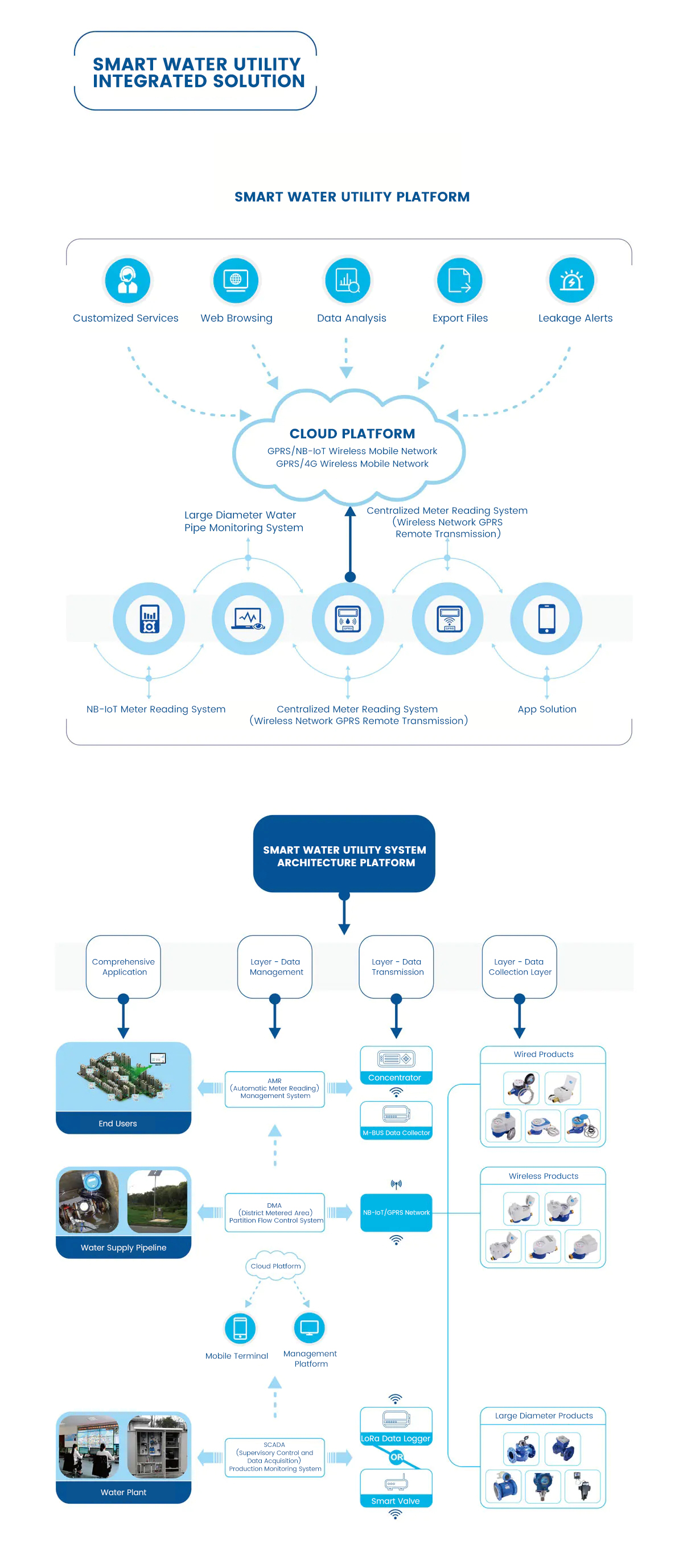
Used where hot water is billed or monitored in commercial buildings and where scale or thermal cycling is a problem.
Install the meter in the return line of heating circuits where temperatures are lower, or in the supply line if the heat meter is rated for it. Keep 5 × DN straight pipe upstream and 3 × DN downstream, and avoid installing directly after pumps, partially open valves or elbows that produce swirl.
Fit the meter in a full, pressurised section of pipe and avoid the highest point where air can collect. Orient the neck and display so that the housing is not above the pipe in a hot chamber, and insulate the pipe but not the electronics neck. When temperature sensors are used, install them in thermowells or direct-immersion pockets in the flow and return lines.
Use gaskets rated for the full temperature range and tighten flange bolts in a cross-pattern. Flush the system to remove construction debris, and verify the meter display and communication before closing the cabinet.
Ultrasonic hot water meters need little attention. Operators check the display, review diagnostic flags for low signal or temperature faults and make sure the cool neck remains uninsulated. In very hard water, signal amplitude may decline slowly over years, which the meter reports as a diagnostic warning long before accuracy is affected.
If descaling is required in a heating circuit, use inhibitors compatible with the transducer faces and avoid abrasive cleaning. The measuring tube can be flushed with the system at high velocity; no disassembly is normally needed.
With a 10-year lithium battery or mains supply and no moving parts, the meter is typically replaced when the battery ends or the verification period expires. Temperature sensors should be checked and replaced as a matched pair if heat energy is billed.
It is both, depending on configuration. As a water meter, it measures the volume of hot water. With a matched pair of temperature sensors, it calculates thermal energy in accordance with EN 1434 and works as a heat meter.
The standard version is rated for 5 °C to 90 °C continuously. A high-temperature version for up to 130 °C is available for primary heating circuits. Please specify the maximum circuit temperature and pressure when ordering.
Hot water speeds up scale formation and ageing of moving parts. An ultrasonic meter has no rotor or bearings to scale up or wear, so accuracy and starting flow remain stable. It also gives lower pressure loss.
The electronics are mounted on a stand-off neck that thermally separates them from the hot pipe. This keeps the LCD, battery and communication board at a safe temperature and extends their life. It can also allow the display to be rotated or remote-mounted.
EN 1092 PN16 is standard and PN25 is available. ANSI, JIS and other drillings can be supplied on request. Face-to-face lengths are chosen to fit typical commercial pipework.
We recommend 5 × DN upstream and 3 × DN downstream for best accuracy. If space is limited, a flow conditioner or a longer upstream run may be used. Avoid mounting immediately after pumps or partially open valves.
Yes. With optional PT500 or PT1000 sensors in the flow and return lines, the calculator computes energy in kWh, MWh or GJ. Sensors are matched in pairs to meet EN 1434 requirements.
The ultrasonic path is not affected as much as a mechanical rotor. Signal amplitude may drop gradually, and the meter increases gain automatically. A diagnostic warning appears if amplitude becomes too low, so cleaning or replacement can be planned.
M-Bus, RS485 Modbus and pulse output are standard options, and LoRaWAN can be added. These outputs connect the meter to building management systems and tenant-billing platforms.
Both options are available. A 3.6 V lithium battery supports around 10 years, while a 24 V AC/DC supply is used when higher update rates or continuous heat calculation are needed.
The return line is preferred because the lower temperature is gentler on the electronics. The supply line is possible if the meter and neck are rated for the circuit temperature. Heat meters should follow the manufacturer and local regulation on position.
Yes. The ultrasonic principle works across the temperature range, so the meter can measure cold water as well. For cold-only applications, a dedicated cold water ultrasonic meter may be more economical.
Send us the pipe size, temperature, pressure and whether you need heat energy. Our engineers will recommend the right commercial ultrasonic configuration, with price and lead time.

Address: No.168,LinMu Rd.,Zone B, Jiangbei investment Park, Ningbo, Zhejiang,China
Tel: +86-0574-83090480/+86-18892665118
Fax: +86-0574-83021045
Email: [email protected]
Web: https://www.keyturemeter.com/
Quick Links
Product
Mobile terminal
 Custom Commercial Ultrasonic Heater Water Meter Manufacturers