 English
 Español
Microamp Sleep, Millisecond Awake
The processor sleeps at a few microamps and wakes for milliseconds. Over 99.9 percent of the time, the meter draws almost nothing, which is the core of a decade-plus battery life.

A solid-state ultrasonic meter engineered around a single lithium cell: microamp sleep, millisecond measurements, pulse-supported radio bursts and a power budget you can audit.
Li-SOCl₂ cell · µA-level sleep · pulse support · IP68
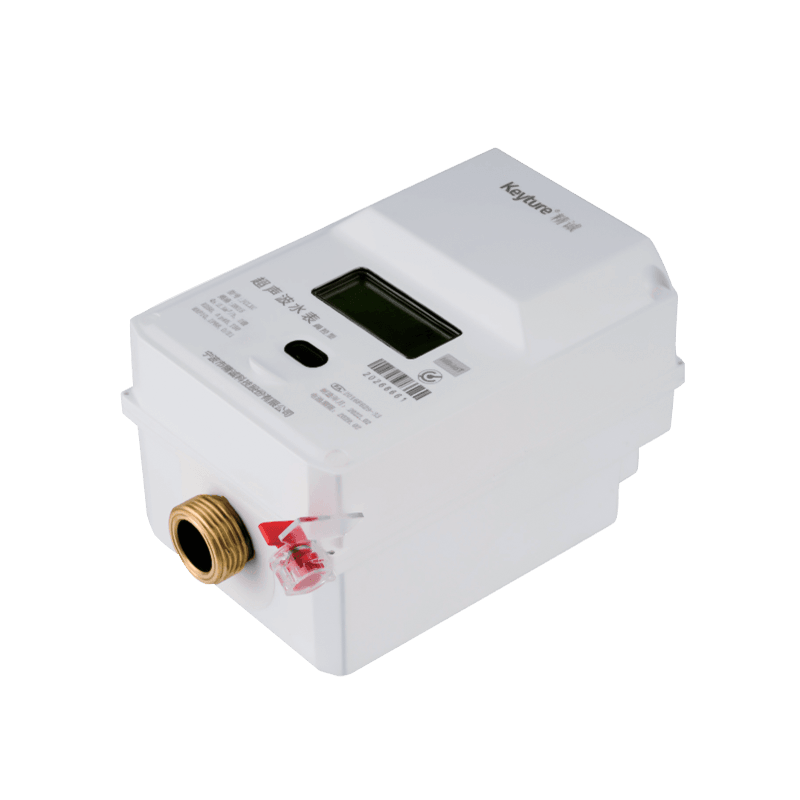
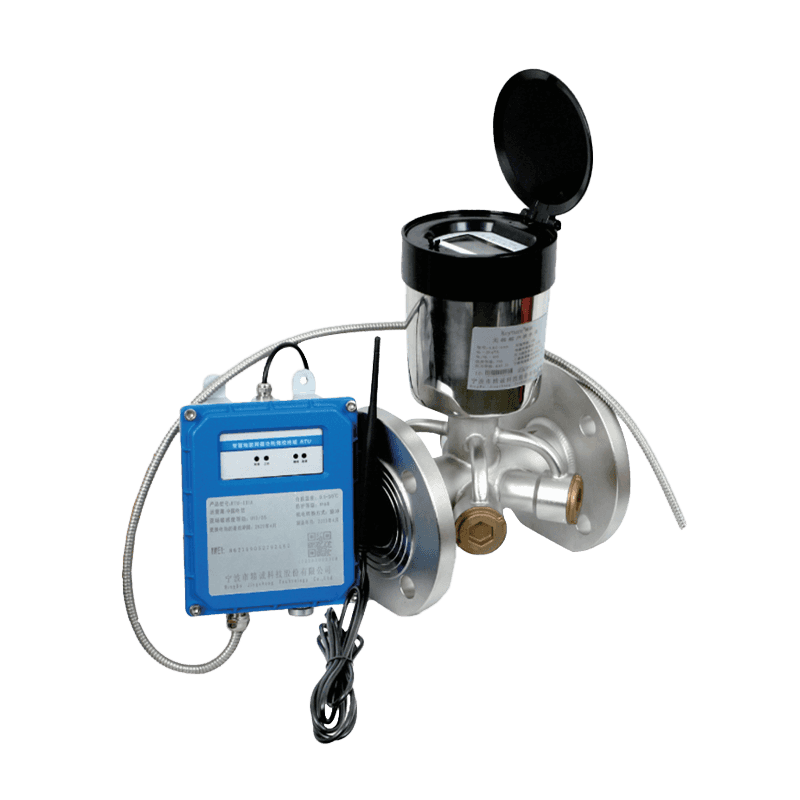
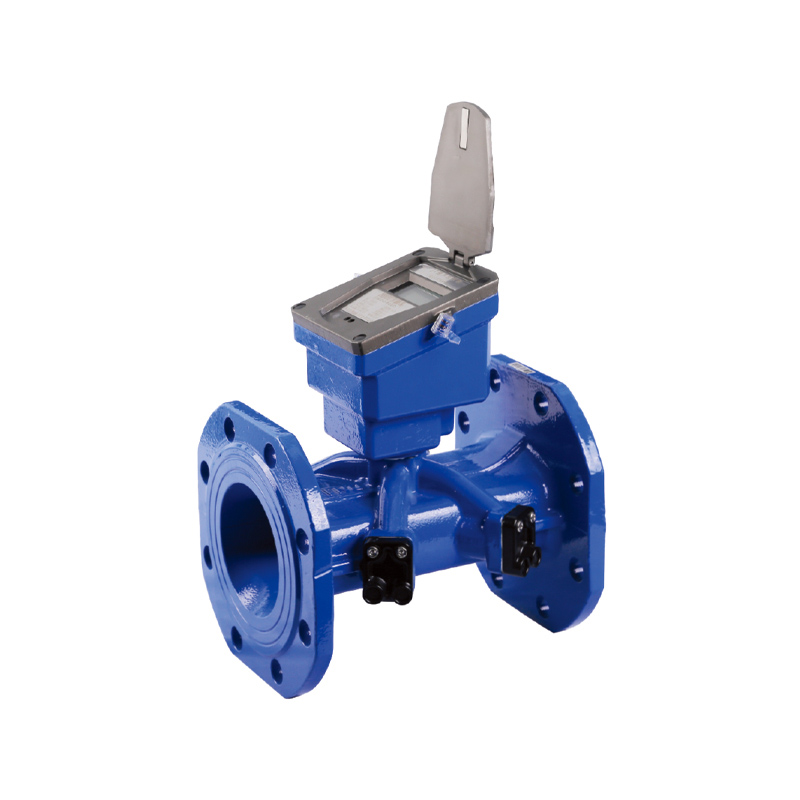
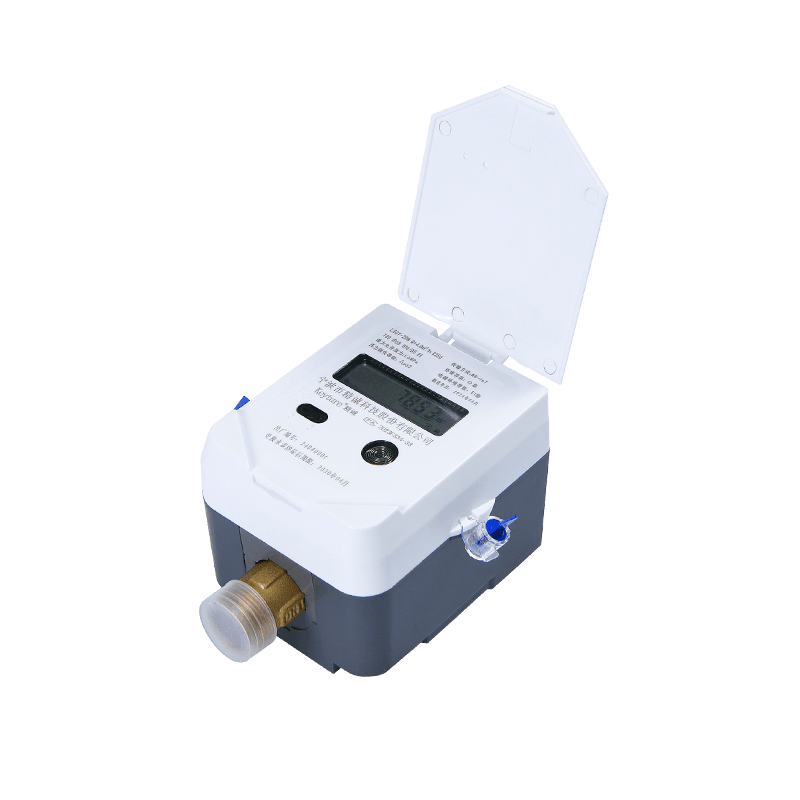
A battery powered ultrasonic water meter is a static flow meter whose entire electronics — the transit-time measurement, the processor, the display and the communication module — run for a decade or more on a single lithium primary cell. That requirement shapes every design decision. There is no mains supply in a household meter box, no solar panel in a basement pit and no practical way to recharge or replace a battery in a sealed meter that sits underground for years. The meter must therefore do its job on an energy budget of a few tens of microamps on average: an energy budget so small that every millisecond of radio-on time, every unnecessary measurement and every bit of leakage current is a design problem.
The ultrasonic principle suits this budget well. Sending a burst of sound through a few centimetres of water takes only a few hundred microseconds, and the processor can sleep between measurements. A timing circuit with picosecond resolution measures the difference between upstream and downstream transit times, and the processor converts it to velocity, flow and volume, then returns to deep sleep. Unlike a mechanical meter, whose register runs continuously, an ultrasonic meter measures only often enough to keep up with the flow, typically once a second or more slowly when flow is zero. The result is an average measurement current of a few microamps, an order of magnitude below the energy used by a single radio message every hour.
Battery life is therefore a system calculation, not a specification line. It depends on the cell’s capacity, its self-discharge, how it behaves after years of passivation, how often the meter wakes, how long the radio transmits, how cold the meter box gets and what peak currents the cell can deliver at the end of life. We design the battery power budget with margin, choose lithium thionyl chloride cells for their high energy density and very low self-discharge and use a pulse-support element so that radio bursts do not collapse the voltage. Supplied in DN15 to DN40 with Class 1 accuracy under ISO 4064 / OIML R49, R315 range ratio, IP68 and a design life of 12 to 15 years on an A-size cell (longer with a D-size cell), the battery powered ultrasonic water meter is built for places where power cannot be run and service visits must be rare.
Key takeaway: In a meter that must run for 15 years on one cell, battery life is a design discipline: measure less often, transmit less, leak less — and prove it with a power budget.
Six design choices that let one cell last as long as the meter.
The processor sleeps at a few microamps and wakes for milliseconds. Over 99.9 percent of the time, the meter draws almost nothing, which is the core of a decade-plus battery life.
Lithium thionyl chloride cells offer high capacity per volume and self-discharge of about one percent a year. They keep their voltage until the end and tolerate wide temperature ranges.
A hybrid layer capacitor or supercapacitor supplies the radio’s peak current, so the cell never sees the pulses that would cause voltage dips after passivation. This protects both the radio and the battery.
The meter measures often when water flows and rarely when it does not. A sleeping pipe costs almost no energy, and the meter wakes immediately when flow resumes.
Each current consumer is listed: sleep, measurement, display, radio and self-discharge. The utility can see how life changes with reporting interval, temperature and spreading factor.
The battery sits in a sealed, replaceable module. If a meter outlives its battery, the module is swapped without breaking the measuring tube or the verification seal.
Standard configuration below. Battery size, reporting interval and communication can be adapted to your required service life.
| Parameter | Specification |
|---|---|
| Standard | ISO 4064 / OIML R49; IEC 60086-4 (lithium battery safety) |
| Meter type | Transit-time ultrasonic, static, battery powered |
| Nominal diameter | DN15 – DN40 (1/2" – 1½") |
| Accuracy class | Class 1, R315 standard / R400 optional |
| Battery | 3.6 V lithium thionyl chloride, A-size 3.6 Ah standard; D-size 19 Ah optional |
| Design life | 12 – 15 years (A-size) / up to 20 years (D-size) at daily uplink |
| Sleep current | ≈ 3 µA (RTC, LCD, memory retention) |
| Average measurement current | ≈ 8 µA at 1 s measurement interval at flow, lower at zero flow |
| Pulse support | Hybrid layer capacitor or supercapacitor for radio peaks |
| Battery alarm | Low-voltage and capacity-estimate alarm, 12 months before end of life |
| Operating temperature | -25 °C – 55 °C ambient; water 0.1 °C – 50 °C |
| Working pressure | MAP 16 bar |
| Pressure loss | ≤ 0.025 MPa at Q3 |
| Communication | LoRaWAN, NB-IoT, M-Bus, wireless M-Bus (optional) |
| Display | Static LCD, low-power, volume, flow, battery status |
| Battery replacement | Sealed module, replaceable by trained staff |
| Transport | UN 38.3 compliant; lithium content declared |
| Protection | IP68 |
Q4 is the overload flow, Q3 the permanent flow, Q2 the transitional flow and Q1 the minimum flow, all expressed in m³/h.
| Nominal Diameter | Q4 Overload | Q3 Permanent | Q2 Transitional | Q1 Minimum | Range Ratio | Standard Cell |
|---|---|---|---|---|---|---|
| DN15 (1/2") | 3.125 | 2.5 | 0.0127 | 0.007937 | R315 | A-size 3.6 Ah |
| DN20 (3/4") | 5 | 4 | 0.02032 | 0.0127 | R315 | A-size 3.6 Ah |
| DN25 (1") | 7.875 | 6.3 | 0.032 | 0.02 | R315 | A-size 3.6 Ah |
| DN32 (1¼") | 12.5 | 10 | 0.05079 | 0.03175 | R315 | A-size 3.6 Ah |
| DN40 (1½") | 20 | 16 | 0.08127 | 0.05079 | R315 | A-size 3.6 Ah |
Values shown for R315. D-size cells give a longer life and are chosen where reporting is frequent or the ambient temperature is low — tell us the reporting interval, minimum temperature and required life and we will provide a battery budget.
A battery powered meter is judged on its measurement, on its electronics and on the safety and transport of the cell that powers it.
Class 1 limits and test points for electronic water meters, including tests on the effect of supply voltage variations as the battery discharges.
Safety of lithium primary batteries: abuse tests, venting and leakage. The cell and the meter’s protection circuitry are selected to comply.
Altitude, thermal, vibration, shock, short-circuit and impact tests for lithium cells, with declarations for air, sea and road shipment.
Measured current profiles and accelerated ageing validate the design life, including the effect of passivation and low temperature.
ESD, EFT, surge and radiated immunity tests confirm accuracy and communication stay stable, including at low battery voltage.
IP68 immersion test with battery module installed. Seals and potting are inspected after temperature cycling.
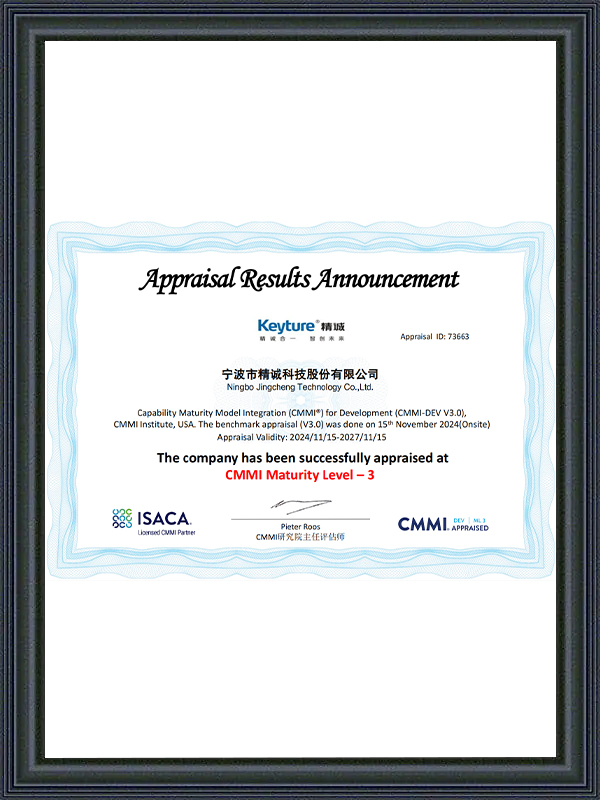
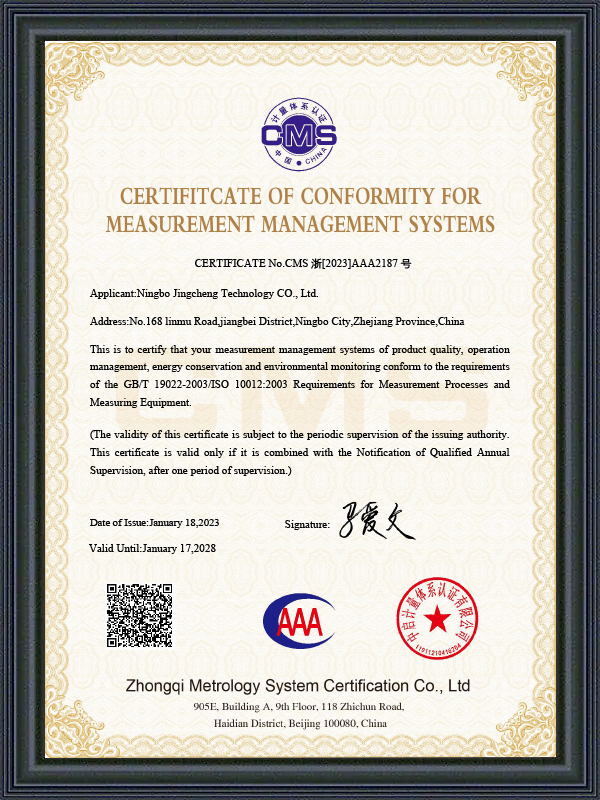
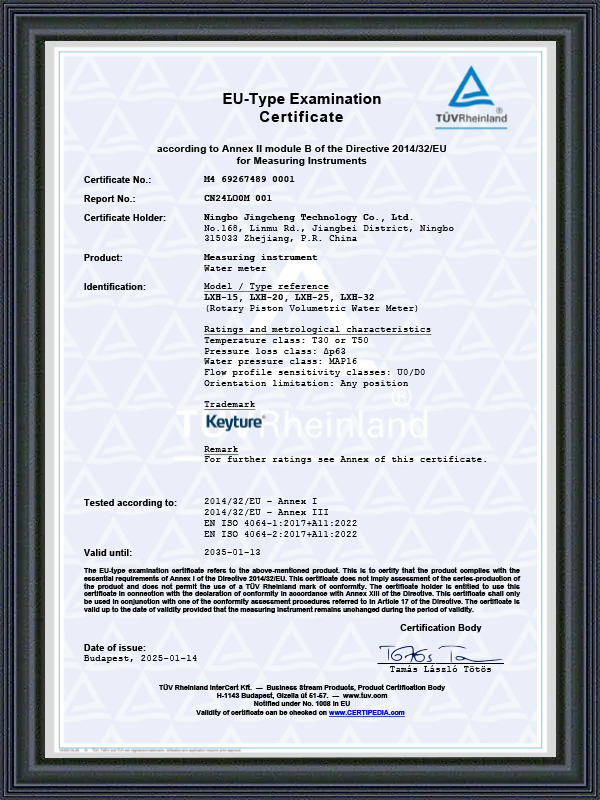
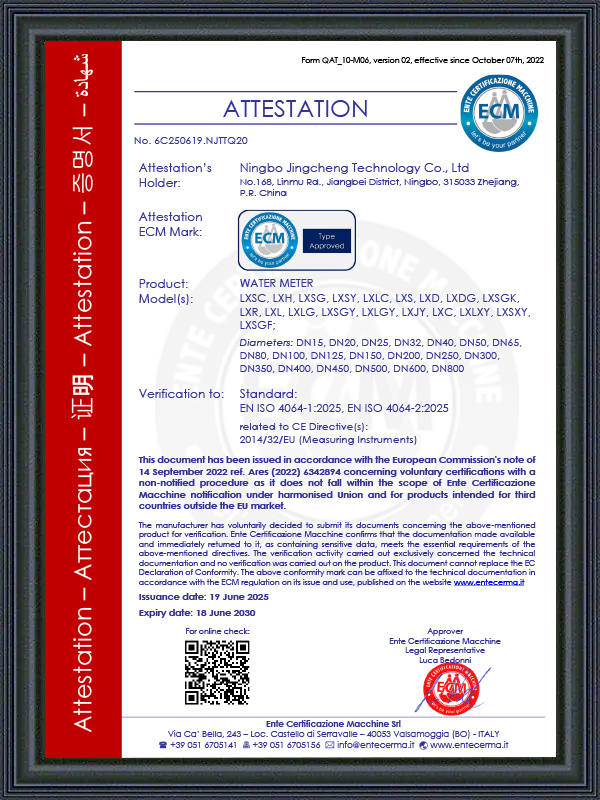

Two engineering topics define this meter: where the energy goes, and how the cell is protected from the loads that would shorten its life.
A 3.6 Ah A-size cell, with 80 percent usable capacity, holds about 2.9 Ah. Spread over fifteen years, that is about 22 µA of average current. The meter therefore has to fit sleep, measurement, display, radio and the cell’s own self-discharge into that figure. A typical design allocates around 3 µA to sleep, 8 µA to measurement, 2 µA to the display, about 4 µA to cell self-discharge and the remainder to communication.
Radio is the variable. A LoRaWAN uplink uses roughly 8 µAh of charge. A daily uplink therefore costs a third of a microamp on average, while one every fifteen minutes costs about thirty. This is why battery life falls from about 19 years at one uplink a day to about 7 years at 96 uplinks a day on the same cell. The design model shown below allows buyers to choose a reporting plan that matches the required service life.
Lithium thionyl chloride cells form a thin layer of lithium chloride on the anode that protects against self-discharge, which is why they last so long on the shelf. The same layer causes voltage delay: when a high-current pulse arrives after a long rest, the voltage dips briefly until the layer breaks down. A radio that needs 100 mA for a few hundred milliseconds could be starved by this dip and reset.
To avoid this, the meter carries a pulse-support element — a hybrid layer capacitor or supercapacitor — that charges slowly from the cell at a few microamps and then supplies the radio’s peak current. The cell never sees the pulse, so its passivation layer stays stable and its voltage remains high. At low temperatures, where cell internal resistance rises sharply, pulse support is what keeps communication reliable in winter.
Measured and modelled performance data for the battery powered ultrasonic water meter. Use these charts to confirm pressure loss, battery life and installation dimensions before specifying.
Figure 1 — Head loss curve (MPa vs. flow m³/h)
The chart shows pressure loss across the meter at DN15 to DN40. The smooth, unobstructed tube gives very low loss, at or below 0.025 MPa at permanent flow. A battery powered meter has no moving parts to drag on flow and no power-hungry actuator, so the hydraulics are purely those of the tube.
Figure 2 — Figure 2 — Design-model battery life (A-size 3.6 Ah cell, 80% usable, 20 °C)
The chart shows modelled battery life for an A-size cell as a function of uplinks per day. Life falls steeply as reporting becomes more frequent, because each radio message costs a fixed amount of energy. Cold temperatures, poor signal and retries reduce life further, which is why a D-size cell is recommended for frequent reporting or cold climates.
Figure 3 — Installation dimensions (L × H × B × D)
| Size | L (mm) | H (mm) | B (mm) | D (thread) |
|---|---|---|---|---|
| DN15 | 165 | 95 | 78 | G3/4" |
| DN20 | 190 | 100 | 80 | G1" |
| DN25 | 260 | 112 | 92 | G1¼" |
| DN32 | 260 | 120 | 95 | G1½" |
| DN40 | 300 | 145 | 118 | G2" |
Dimensions are for reference and include the battery module. D-size cell versions are slightly taller. Confirm exact values with our engineering team before installation design.
The cell is the meter’s fuel tank. This table compares the main primary lithium options.
| Design Feature | Li-SOCl₂ (Thionyl Chloride) | Li-MnO₂ (Coin / Pouch) | Alkaline AA |
|---|---|---|---|
| Nominal voltage | 3.6 V | 3.0 V | 1.5 V |
| Self-discharge per year | About 1% | About 1 – 2% | About 3 – 5% |
| Energy density | Highest | Moderate | Low |
| Temperature range | -55 to +85 °C | -30 to +60 °C | 0 to +50 °C |
| Peak current capability | Low — needs pulse support | Moderate | Moderate |
| Design life of meter | 12 – 20 years | 5 – 8 years | 2 – 4 years |
| Unit cost of cell | Higher | Moderate | Lowest |
| Best application | Long-life sealed meters | Short-life, small-pulse devices | Consumer products |
This comparison is indicative. Actual battery life depends on current profile, temperature and the specific product configuration. Contact our engineers for application-specific guidance.
Premium quality
since 2002
Coming From China, Marketing To The World
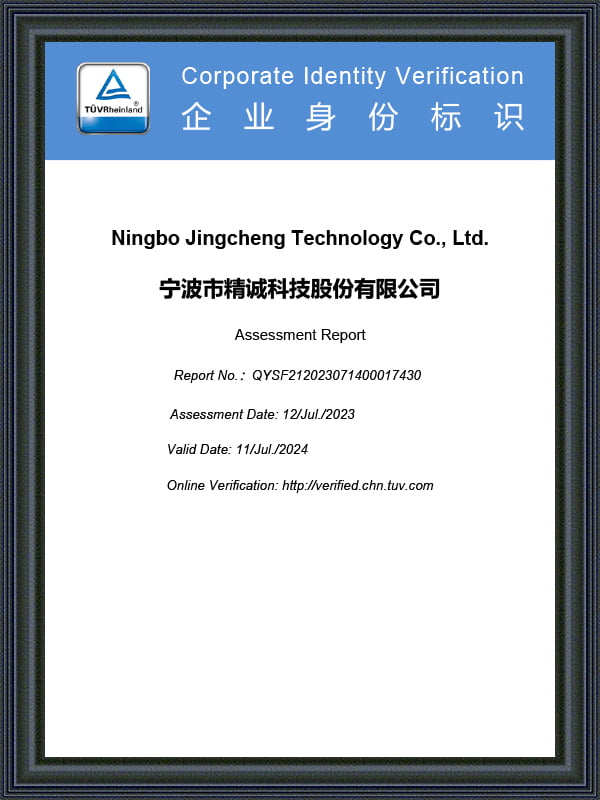
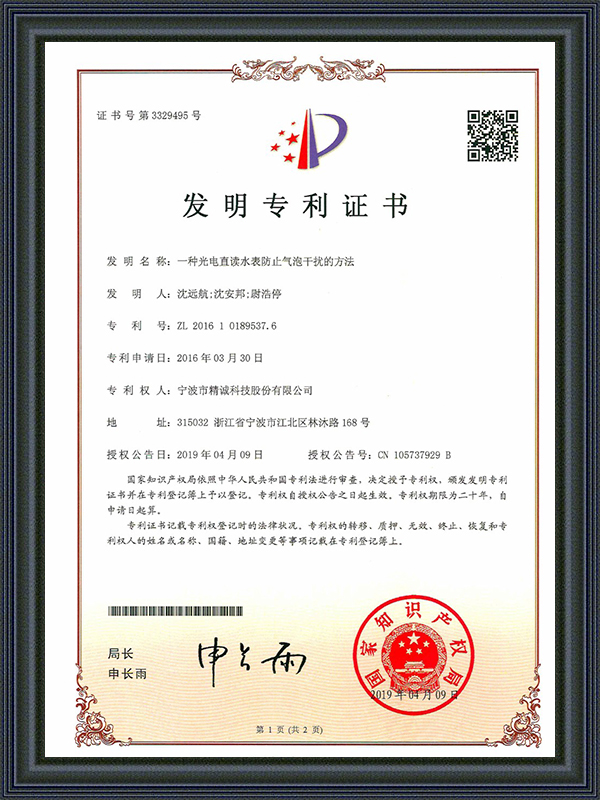
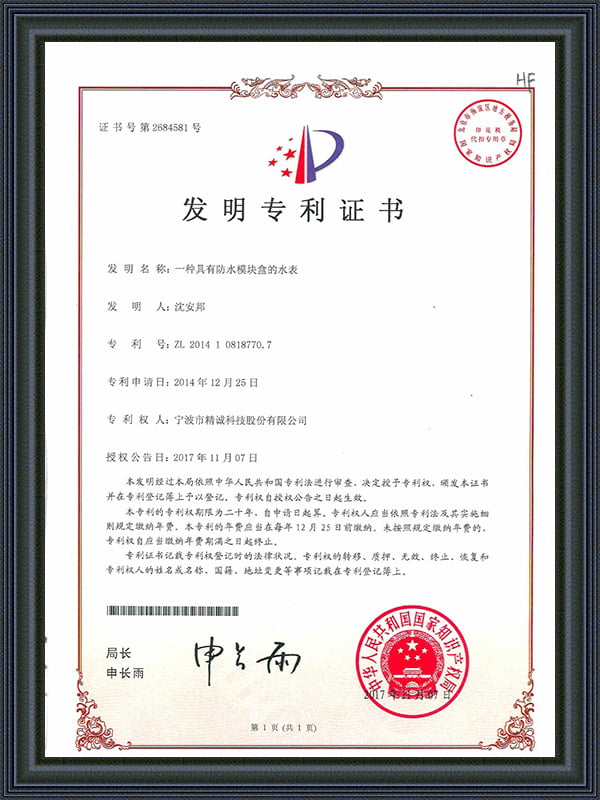
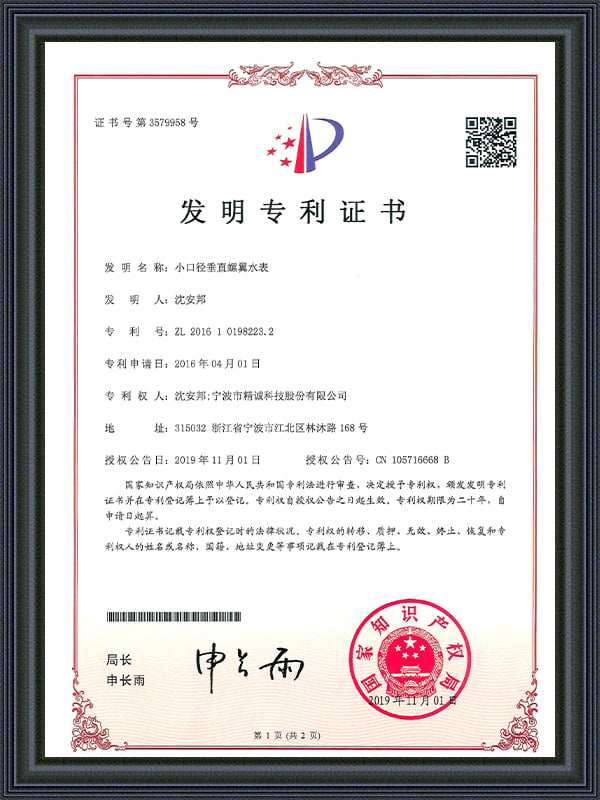
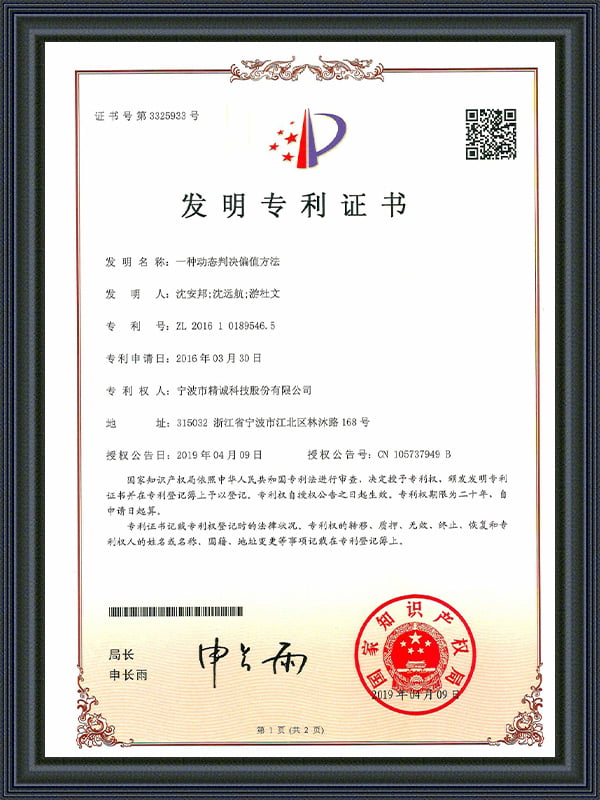
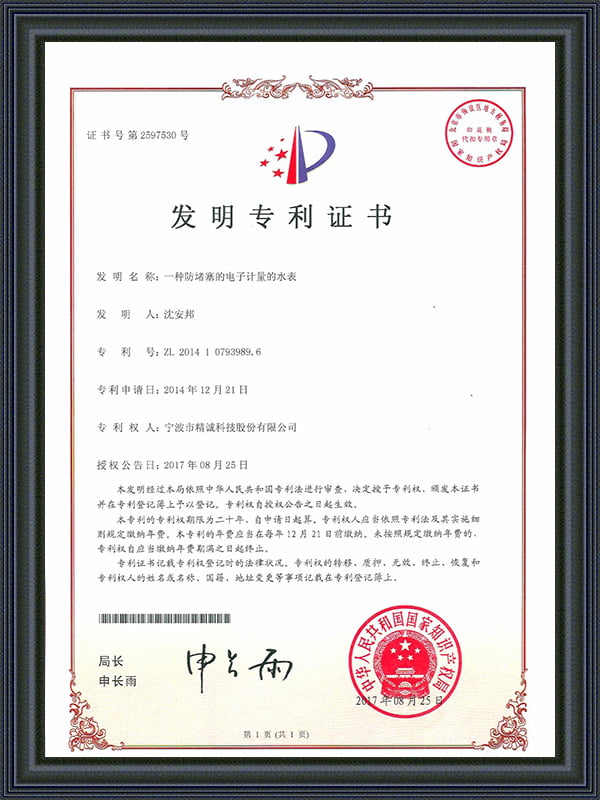
Keyture Meter is located in Picturesque Jiangbei Investment Park, NINGBO, CHINA. It is a comprehensive high-tech China Battery Powered Ultrasonic Water Meter Manufacturers and Custom Battery Powered Ultrasonic Water Meter Factory that integrates scientific research & development, production, sales, and service. Established in 2002 as a manufacturer and exporter of water meters for more than 22 years. The factory covers an area of 40 acres (30,000 square meters), 200 staff, 100+ types of products, product capacity of 5 million per year. Its product range covers single jet, multi-jet, volumetric piston type, Woltman type, IC card intelligent water meter, remote control water meter, optoelectrical reading direct remote control water meter...
Yearly production capacity
Production Area
Works and inspectors
Production experience
Excellent product with exquisite craftsmanship
Customization
We have a strong R&D team, and we can develop and produce products according to the drawings or samples the customers offered.
Cost
We are a professional manufacturer and also have our own processing machinery. So we can offer good prices and good products directly.
Quality
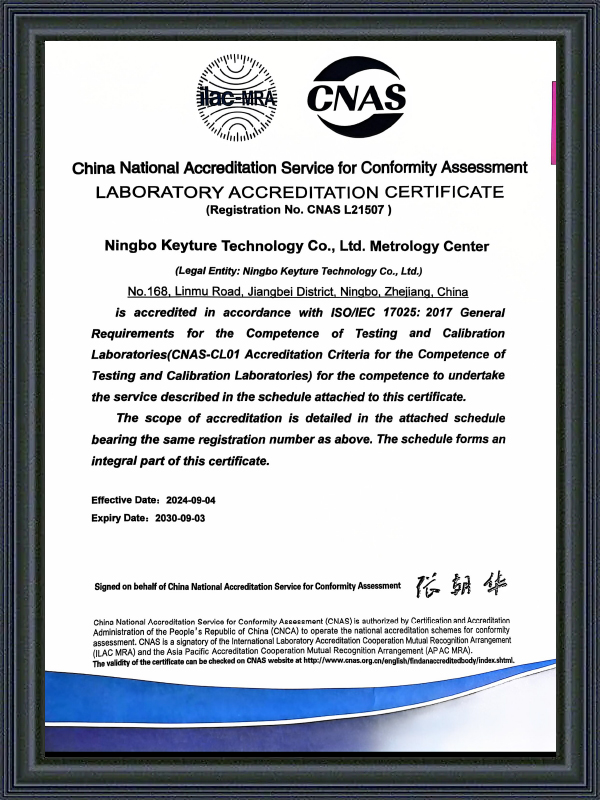
We have our own testing lab and advanced and complete inspection equipment, which can ensure the quality of the products.
Service
We focus on developing high-quality products for top-end markets. Our products are in line with international standards, and are mainly exported to Europe, America, Africa, Asia and other destinations around the world.
Capacity
Our annual production capacity is over 5 million units. We can meet the needs of different customers with different purchase quantities.
Shipment
We are about 35 kilometers away from Ningbo Port. It is very convenient and efficient to ship goods to any other countries.
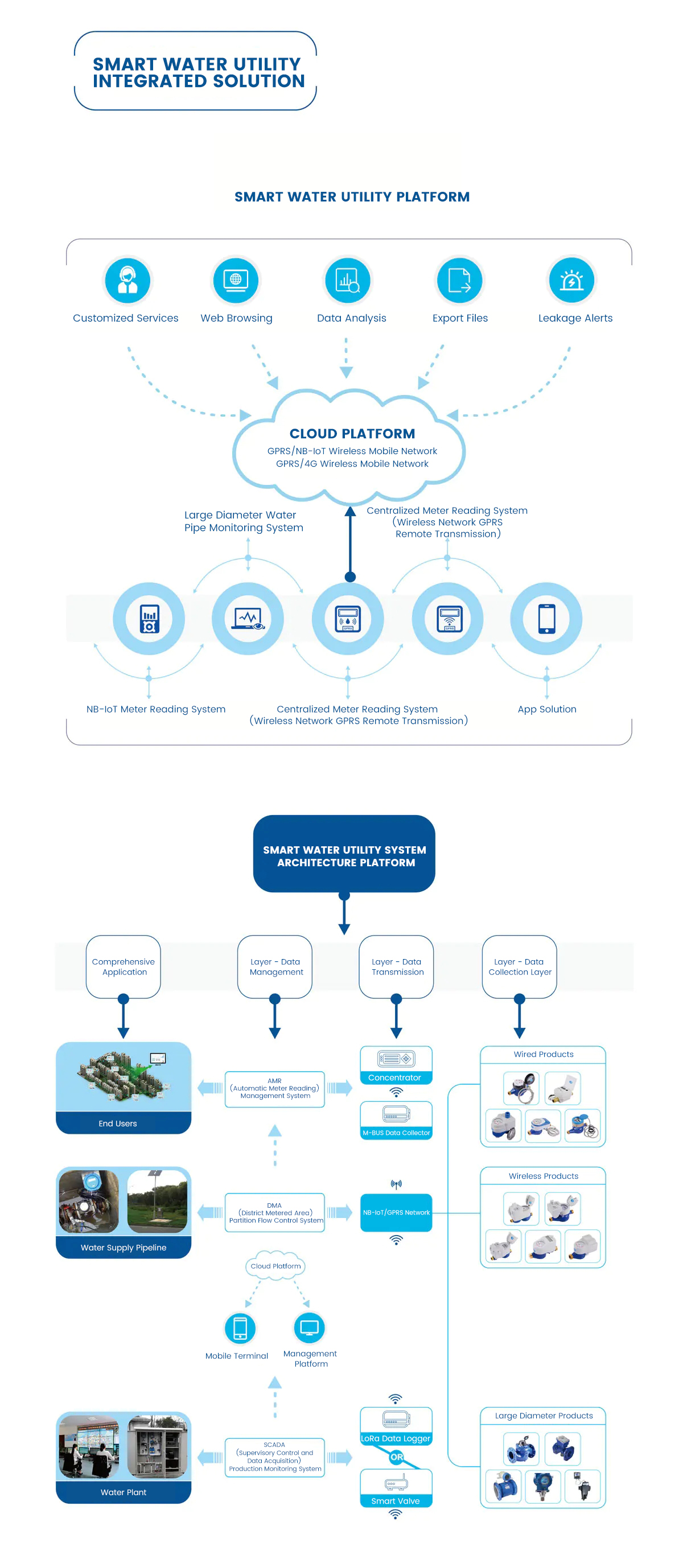
From mechanical meters to smart AMR/AMI systems — we provide end-to-end water metering solutions tailored to your project.
Selected wherever there is no power, access is difficult and the meter must run for a very long time.
Install the meter in the direction of the flow arrow, with a full pipe at all times. Avoid positions where cold air blows directly onto the meter, and where possible keep the meter above freezing: very low temperatures raise battery internal resistance and reduce usable capacity.
Check signal strength before sealing the meter box. Poor coverage forces the radio to use a high spreading factor and retries, which can halve battery life. For buried pits, use an external antenna on a non-metallic lid and verify the first few uplinks on the platform.
Record the battery type, date of installation and expected end of life in the asset register. Keep the pulse-support capacitor module and cell together — replacing the cell without the capacitor can reduce the radio’s reliability in cold conditions.
The meter reports its battery state through the platform: voltage under load, capacity estimate and a forecast of remaining life. Utilities can use this data to plan replacement campaigns years ahead and avoid emergency visits when a battery fails.
Battery replacement is performed on a trained basis: isolate the module, unplug the old cell and fit a new module, verify the first uplink and record the change. The measuring tube and metrological seals are not disturbed, so verification status is preserved.
Because ultrasonic meters do not wear, the limiting factor is usually the battery. A 15-year battery combined with a stable measuring tube often outlasts the verification period, and utilities may choose to replace the meter or the module at the end of the period depending on cost and regulation.
With an A-size 3.6 Ah lithium thionyl chloride cell and one uplink per day, the design model gives about 19 years, and we specify a design life of 12 to 15 years to allow for temperature and signal conditions. A D-size cell extends life to 20 years in many cases.
A transit-time measurement takes only a few hundred microseconds and the processor sleeps between measurements. Average current is a few microamps, far lower than mechanical meters with electronic counting or meters that need power for a valve or motor.
Each uplink uses a fixed amount of energy, about 8 µAh on LoRaWAN. More uplinks per day means more energy. Life falls from about 19 years at one uplink a day to about 7 years at 96 uplinks a day on the same A-size cell.
Lithium thionyl chloride cells form a protective layer on the anode that reduces self-discharge. After a long rest, a sudden high-current pulse causes a brief voltage dip as the layer breaks down. The meter’s pulse-support capacitor prevents this dip from affecting the radio.
Cell internal resistance rises and usable capacity falls at low temperatures. The pulse-support capacitor keeps the radio working, and a D-size cell can be chosen for cold sites. Design life is validated down to -25 °C ambient.
Yes. The cell and pulse-support capacitor are in a sealed, replaceable module. Replacement does not break the measuring tube or the metrological seals, so verification status is preserved.
The meter sends a low-battery alarm about twelve months before the end of life, and the platform shows a capacity estimate and forecast. The display also shows a battery icon.
Lithium cells are regulated dangerous goods. Our cells and packaging comply with UN 38.3 and IATA rules, and the lithium content is declared. We supply the documentation required by carriers.
Yes. The interval can be set at the factory and changed remotely by downlink. Shorter intervals shorten battery life, so choose a plan that balances data needs against the required service life.
Class 1 under ISO 4064 / OIML R49 with R315 range ratio as standard. The accuracy does not drift with battery voltage, because the measurement electronics are regulated.
No. A static LCD draws about 2 µA when active and is only updated when the value changes. It can be turned off or set to scroll only when a button or magnetic wake is used.
For long life, yes: there is no wear and no drift. Mechanical meters are cheaper to buy but need replacement cycles. The ultrasonic meter often wins on total cost over 15 years, especially in places where visits are costly.
Send us your reporting interval, minimum temperature and required life. Our engineers will provide a battery power budget and recommend the right battery powered ultrasonic configuration, with price and lead time.

Address: No.168,LinMu Rd.,Zone B, Jiangbei investment Park, Ningbo, Zhejiang,China
Tel: +86-0574-83090480/+86-18892665118
Fax: +86-0574-83021045
Email: [email protected]
Web: https://www.keyturemeter.com/
Quick Links
Product
Mobile terminal
 Custom Battery Powered Ultrasonic Water Meter Manufacturers