 English
 Español
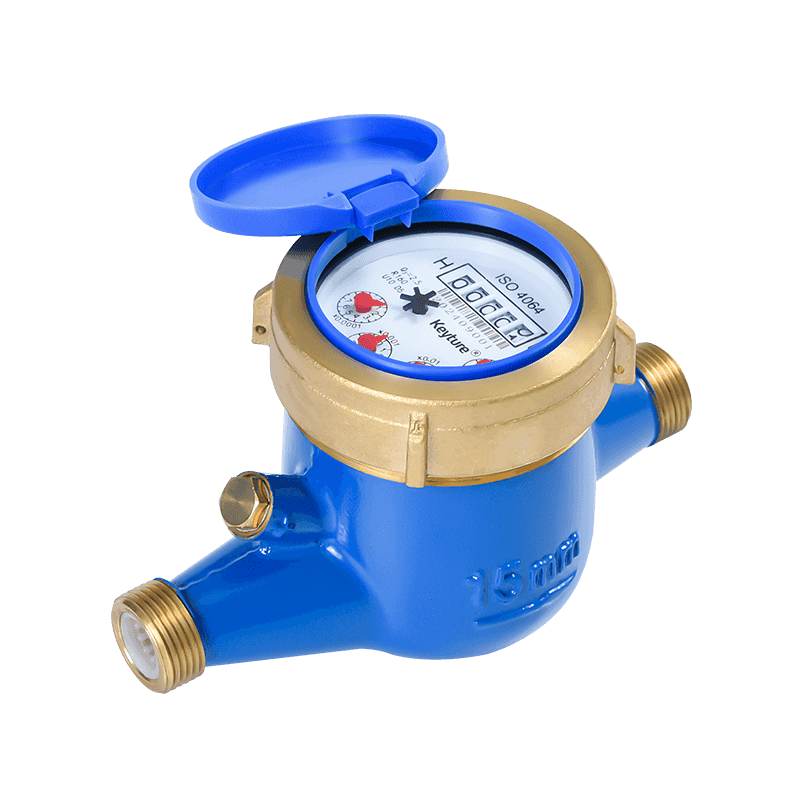
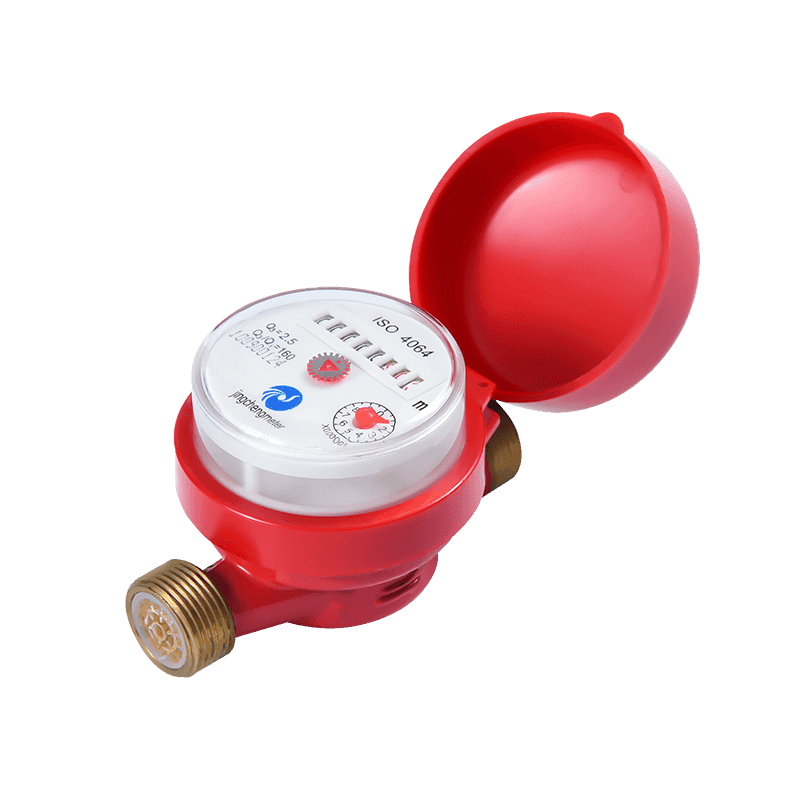
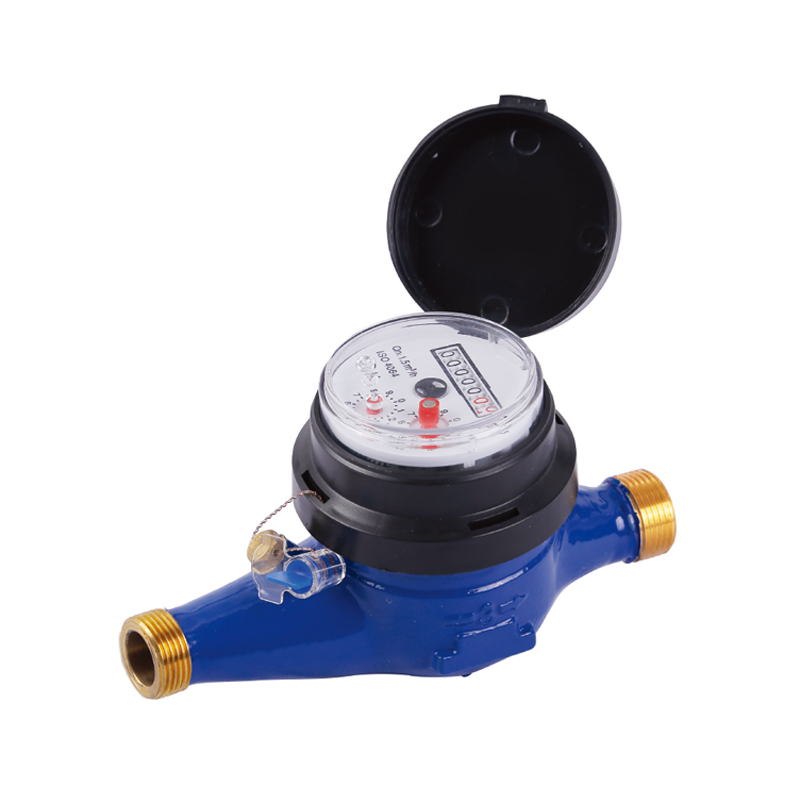
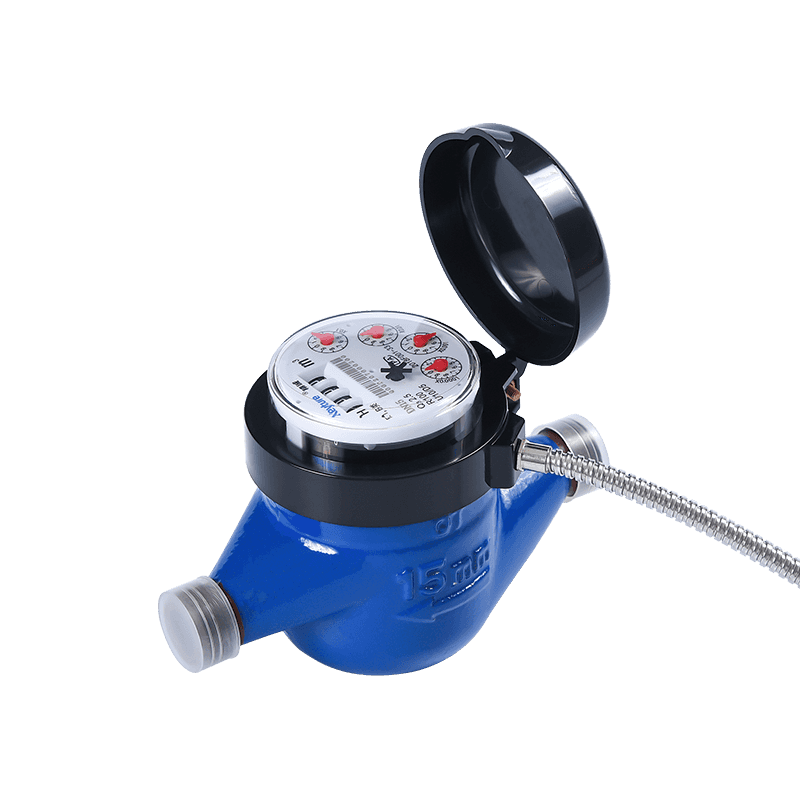
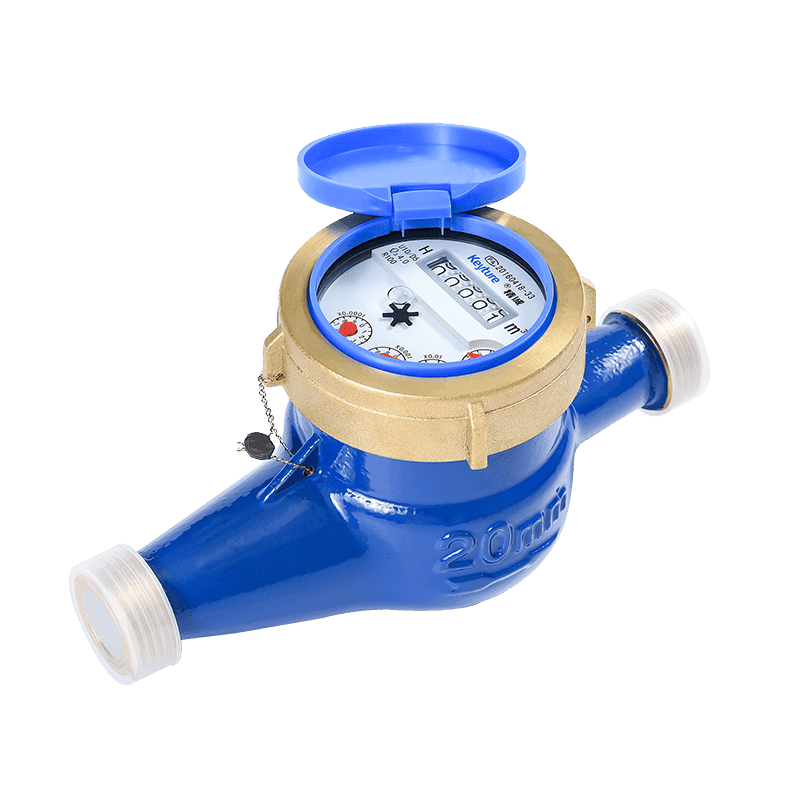
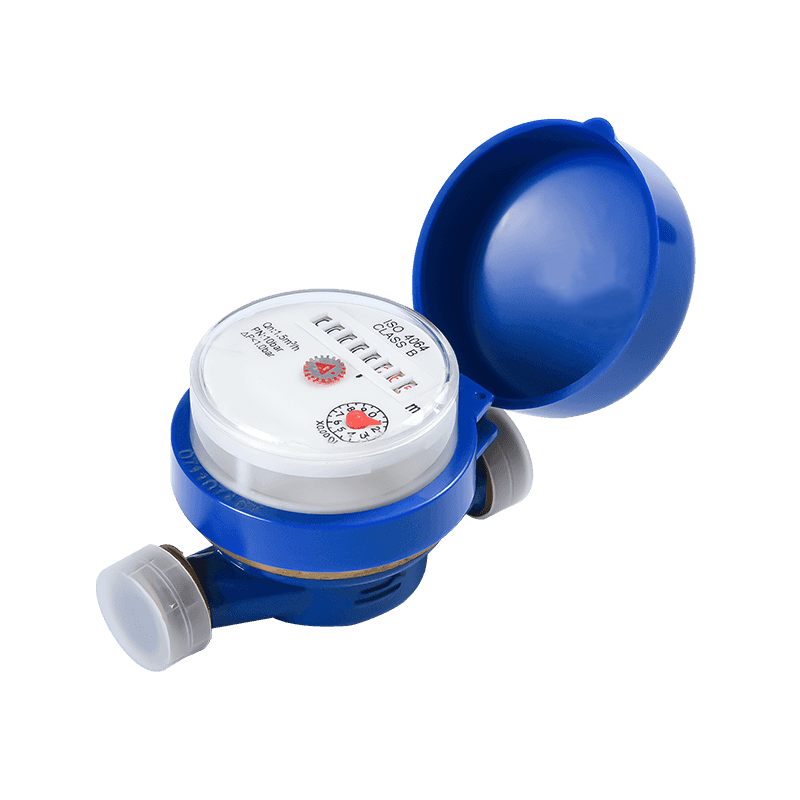
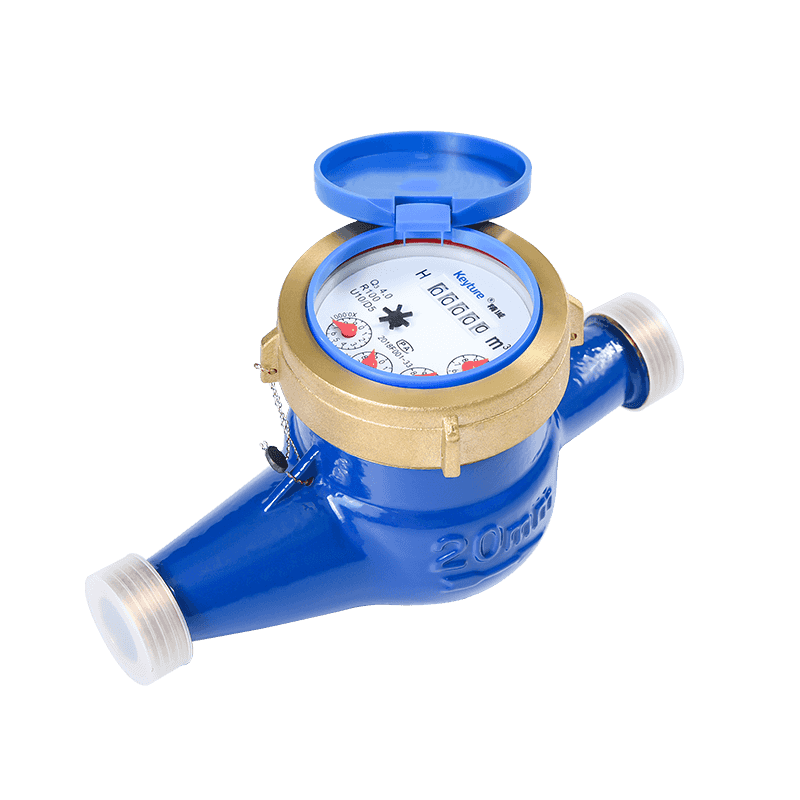
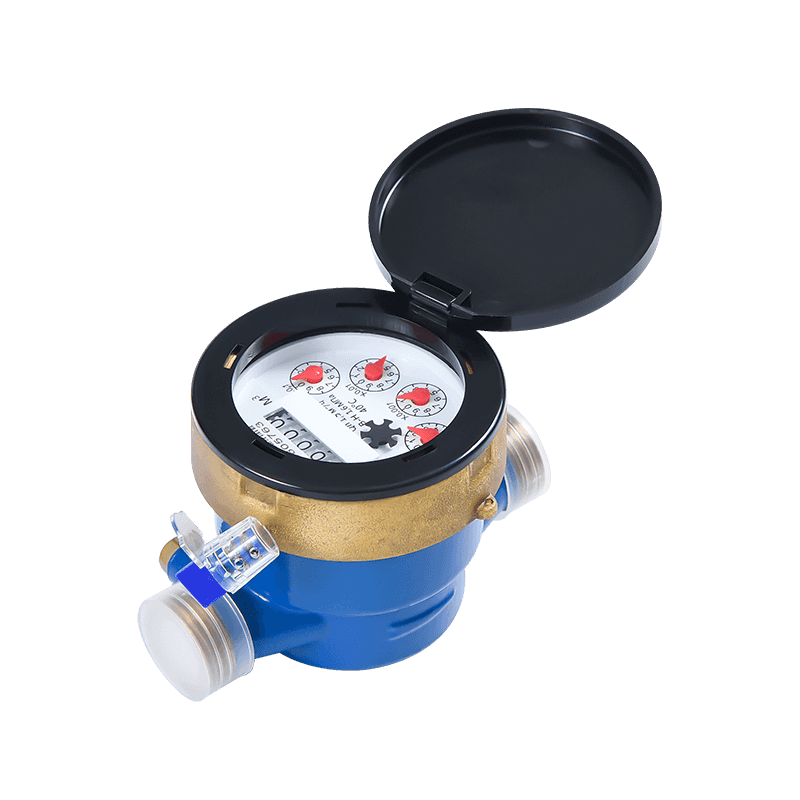
Dimensions Matched to the Meter
Tailpiece threads, nut sizes and gasket diameters are designed for each meter size. The connection fits first time, without adapters, and meets the face-to-face length of the meter.

Forged brass connection sets, isolating ball valves, check valves and strainers sized to match water meters from DN15 to DN50 — one coordinated set for every metering point.
Forged brass · ISO 228 / ISO 7 threads · PN16 / PN25 · pressure-tested
Brass water meter fittings and valves are the components that connect a water meter to the pipe and make it serviceable: tailpieces and union nuts that join the meter threads to the pipework, isolating ball valves that shut the line before and after the meter, check valves that stop backflow, strainers that catch debris before it reaches the measuring chamber, and sealing gaskets that make every joint watertight. A meter alone is only part of a metering point. A meter installed with the wrong connector leaks, one installed without an isolating valve cannot be changed without shutting down the street, one installed without a check valve can be driven backwards by pressure drops and one installed without a strainer can be jammed by the first piece of weld slag. The fittings turn a meter into a working installation.
Brass is the traditional material because it combines the properties that this duty demands. It machines accurately, so threads and sealing faces are precise. It resists corrosion in drinking water and in damp ground. It is strong enough to survive the torque of installation and the pressure of mains supply, and it is stable across the temperature range of cold and hot water service. Forged brass from CW617N is the general-purpose grade, while dezincification-resistant (DZR) CW602N or lead-free alloys are specified where water aggressiveness or regulation demands it. Surfaces are polished or nickel plated, threads are cut to ISO 228 or ISO 7, and every body is pressure tested before it leaves the factory.
Our range is designed as a matching system for the meters in this series. Meter connector sets include a pair of tailpieces, nuts and flat gaskets sized to each meter. Lockable and wing-handle isolating ball valves with full-bore flow paths allow service without pressure loss when open. Spring-loaded check valves meet the requirements for anti-backflow protection in domestic supply, and strainers use stainless steel mesh with a removable cap. Sizes run from DN15 to DN50 in PN16 and PN25. For installers, utilities and meter manufacturers building standard connection kits, the brass fittings and valves range provides one coordinated set of dimensions, threads and materials for every size.
Key takeaway: The meter measures, but the fittings make the installation. A matched set of tailpieces, isolating valves, check valves and strainers makes meters easier to install, easier to replace and safer in service.
Six advantages of buying the connection hardware as a system rather than piece by piece.
Tailpiece threads, nut sizes and gasket diameters are designed for each meter size. The connection fits first time, without adapters, and meets the face-to-face length of the meter.
Ball valves have a bore equal to the pipe, so pressure loss when open is negligible. Lockable handles allow utilities to prevent unauthorised closure and to seal the valve open or closed.
Spring check valves stop reverse flow when supply pressure falls. They protect the meter from running backwards, and protect the supply from contamination by the premises.
A stainless steel mesh strainer ahead of the meter catches weld slag, scale and sand. It extends the life of impellers and pistons and reduces premature failure.
DZR and lead-free grades suit aggressive water and strict potable water rules. Controlled microstructure prevents the selective leaching of zinc that weakens ordinary brass.
Every body is hydrostatically tested, and batches are traceable to casting and forging lots. Material certificates support tender and audit requirements.
Standard configuration below. Alloy grade, thread standard, finish and handle type can be adapted to your market requirements.
| Parameter | Specification |
|---|---|
| Product family | Meter connector sets, isolating ball valves, check valves, strainers, meter unions |
| Nominal diameter | DN15 – DN50 (1/2" – 2") |
| Pressure rating | PN16 standard / PN25 on request |
| Body material | Forged brass CW617N; DZR CW602N; lead-free alloy on request |
| Finish | Natural, polished or nickel-plated |
| Thread standard | ISO 228-1 (G) parallel; ISO 7-1 (R) taper; NPT on request |
| Ball valve bore | Full bore, equal to nominal size |
| Ball valve seats | PTFE, reinforced |
| Ball valve handle | Lever, wing or lockable T-handle; lead-seal hole |
| Check valve | Spring-loaded disc, 0.02 MPa opening pressure, DN15 – DN50 |
| Strainer mesh | Stainless steel 304, 0.5 mm standard; 0.25 mm fine |
| Gaskets | EPDM or fibre, potable-water approved |
| Water temperature | 0.1 °C – 90 °C; short-term to 110 °C |
| Test pressure | 1.5 × PN shell test; 1.1 × PN seat test |
| Operating torque (ball valve) | See size table |
| Approvals | Options: WRAS, ACS, KTW, NSF/ANSI 61 and 372 |
| Packaging | Individually bagged, cartons labelled with alloy and lot |
Kv is the flow in m³/h that produces a pressure drop of 1 bar through the open valve. Higher values mean lower resistance.
| Nominal Size | Thread Range | Kv (m³/h) | Operating Torque (N·m) | Overall Length (mm) | Weight (kg) |
|---|---|---|---|---|---|
| DN15 (1/2") | G1/2" / G3/4" | 22 | 70 | 62 | 0.19 |
| DN20 (3/4") | G3/4" / G1" | 40 | 90 | 70 | 0.30 |
| DN25 (1") | G1" / G1¼" | 70 | 130 | 80 | 0.47 |
| DN32 (1¼") | G1¼" / G1½" | 130 | 180 | 92 | 0.78 |
| DN40 (1½") | G1½" / G2" | 220 | 240 | 106 | 1.20 |
| DN50 (2") | G2" / G2¼" | 360 | 320 | 122 | 1.95 |
Kv, torque, length and weight are typical values for the standard lever type. Values vary with design. Tell us the meter sizes, thread standard and approvals required and we will confirm the matching set.
Fittings and valves for drinking water are judged on material composition, pressure integrity and the way the joint is made.
Copper and copper alloy forging stock and forgings, specifying alloy composition and mechanical properties for CW617N and CW602N.
Building valves for potable water: hand-operated ball valves and shut-off valves, covering pressure, leakage, endurance and torque.
Anti-pollution check valves: leakage, opening pressure and endurance requirements for backflow prevention devices in potable water systems.
Thread standards for parallel (G) threads, where the seal is made by a gasket, and taper (R) threads, where the seal is made on the thread.
WRAS, ACS, KTW and NSF/ANSI 61 and 372 for materials and products in contact with drinking water, including lead release limits.
DZR brass is tested to ISO 6509 to demonstrate resistance to selective leaching of zinc in aggressive waters.
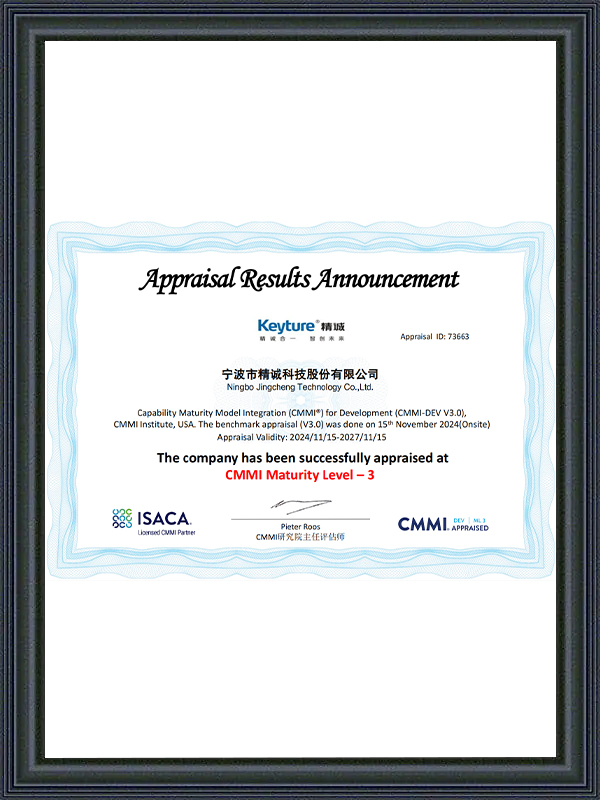
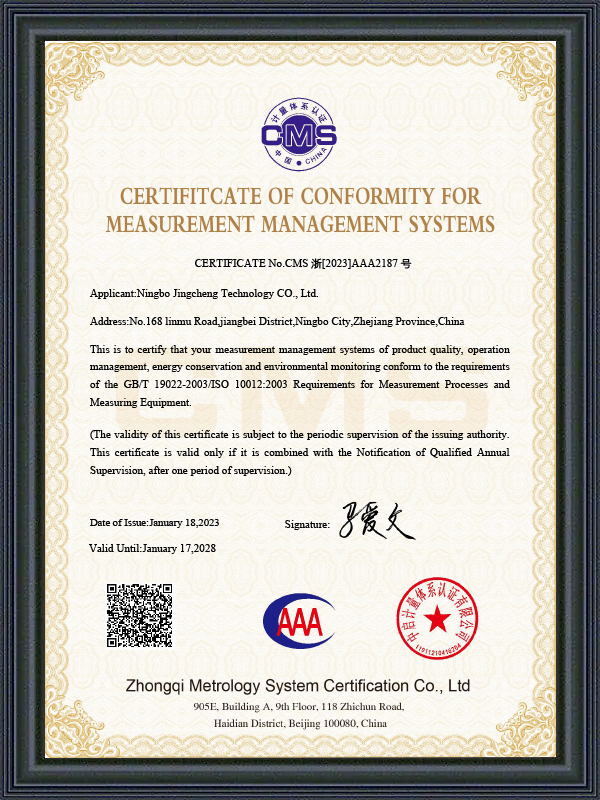
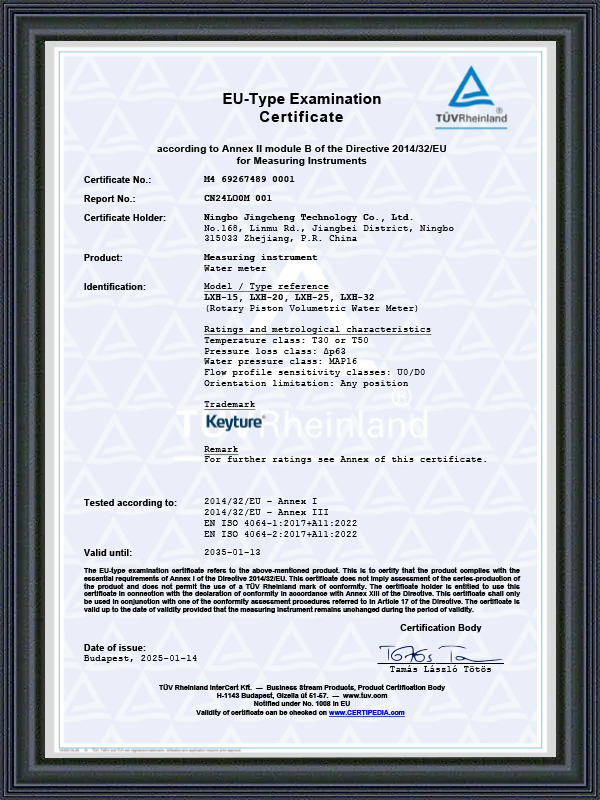
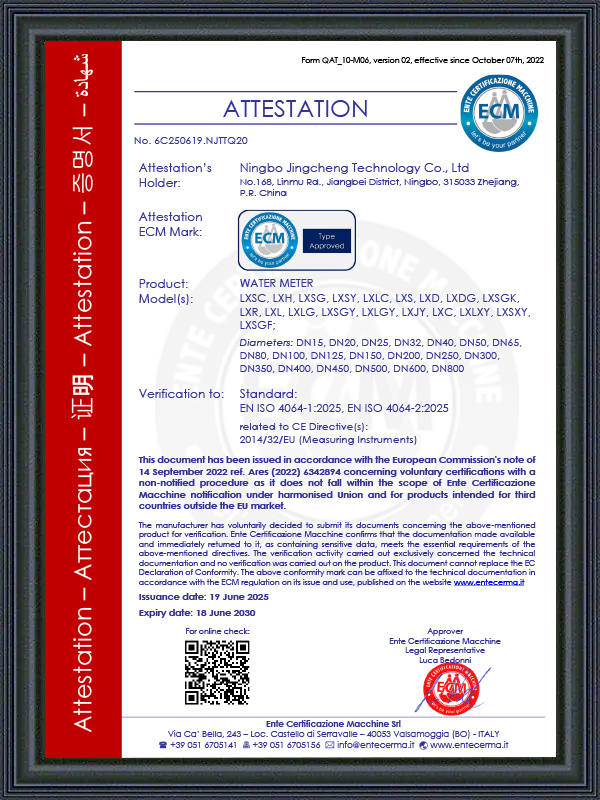
Two things define the quality of brass fittings and valves: how the material is formed and finished, and how the joints and valves seal.
Hot forging presses heated brass into a closed die. The metal flows to follow the shape of the part, aligning grain structure with the loads it will carry and eliminating the porosity that can cause pinhole leaks in cast bodies. After forging, bodies are CNC machined to cut threads, seats and sealing faces to tolerances far tighter than casting can offer.
Alloy choice depends on water and regulation. CW617N is the general-purpose forging brass, with good machinability and strength. DZR CW602N has a controlled microstructure and small additions that resist selective leaching of zinc. Lead-free alloys use bismuth, silicon or other additions instead of lead to meet the strictest regulations. After machining, bodies can be pickled and passivated to remove surface lead and zinc and leave a stable, smooth layer.
A union joint seals on a flat gasket compressed between two faces, so the thread only carries the clamping load, not the seal. This is why parallel ISO 228 threads are used on meter connections: the gasket seals, the nut clamps, and the joint can be opened and closed many times without damage. Taper ISO 7 threads, used on the pipe side, seal on the thread itself with tape or sealant.
A ball valve seals with a polished ball compressed between two PTFE seats. A quarter-turn rotates a bore through the ball so water flows straight through when open and is blocked when closed. A spring check valve uses a disc held on its seat by a light spring; forward flow lifts the disc, and any reverse flow pushes it shut. Strainers rely on a fine mesh screen that is sealed at its rim so no debris bypasses it.
Typical performance data for the brass fittings and valves range. Use these charts to confirm pressure drop, pressure–temperature rating and installation dimensions before specifying.
Figure 1 — Pressure drop of open full-bore ball valve (MPa vs. flow m³/h)
The chart shows pressure drop across an open full-bore ball valve at DN15, DN20, DN25 and DN32, calculated from Kv values. Drop rises with the square of flow. At the permanent flow of a matching meter, loss is a small fraction of the meter’s own loss, so fully open valves add almost nothing to the installation.
Figure 2 — Figure 2 — Typical maximum working pressure vs. temperature for forged brass
Brass keeps its full rated pressure up to about 65 °C, then the permissible pressure falls as temperature rises. The curves show typical values for PN16 and PN25 forged brass bodies with PTFE seats. Exact limits depend on alloy, seat material and valve design and should be confirmed in the product data sheet.
Figure 3 — Valve and tailpiece dimensions (L × H × D)
| Size | L (mm) | H (mm) | Bore (mm) | D (thread) |
|---|---|---|---|---|
| DN15 | 62 | 58 | 15 | G1/2" / G3/4" |
| DN20 | 70 | 64 | 20 | G3/4" / G1" |
| DN25 | 80 | 72 | 25 | G1" / G1¼" |
| DN32 | 92 | 84 | 32 | G1¼" / G1½" |
| DN40 | 106 | 96 | 40 | G1½" / G2" |
| DN50 | 122 | 110 | 50 | G2" / G2¼" |
Dimensions are for the standard lever valve without tailpieces. Confirm exact values with our engineering team before preparing installation drawings.
Several components can protect or isolate a meter. This table compares them and shows what each is for.
| Component | Isolating Ball Valve | Check Valve | Strainer |
|---|---|---|---|
| Main purpose | Shut the line for service | Prevent reverse flow | Catch debris before the meter |
| Pressure loss when open | Negligible | Small — 0.02 MPa opening | Small — grows as it clogs |
| Moving parts | Ball and stem | Disc and spring | None |
| Maintenance | Rare — exercise yearly | Clean seat if leaking | Clean mesh regularly |
| Position relative to meter | Upstream and downstream | Downstream | Upstream |
| Failure effect | Cannot isolate or leaks | Reverse flow possible | Flow restriction, meter jam |
| Typical Kv ratio | Highest | Lower | Lower |
| Required for | Every metering point | Where backflow is a risk | Where debris is expected |
This comparison is indicative. Actual selection depends on local regulations and the specific installation. Contact our engineers for application-specific guidance.
Premium quality
since 2002
Coming From China, Marketing To The World
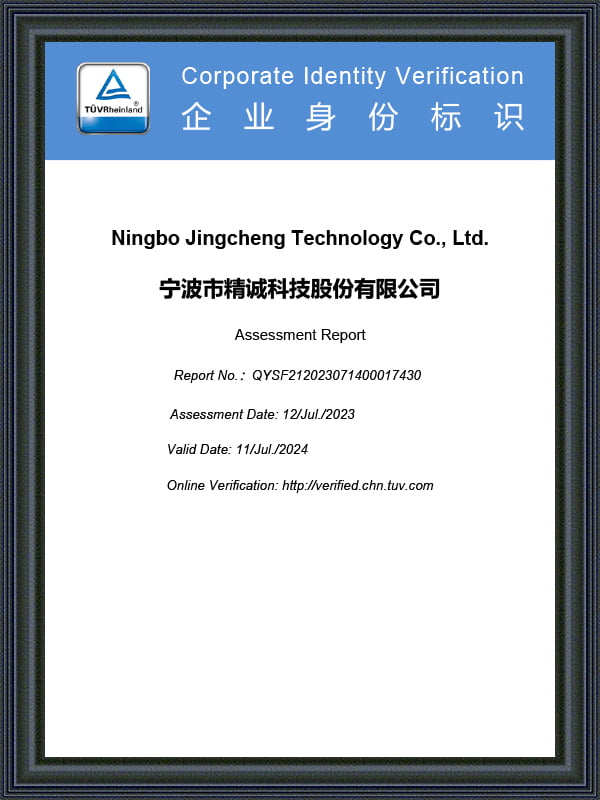
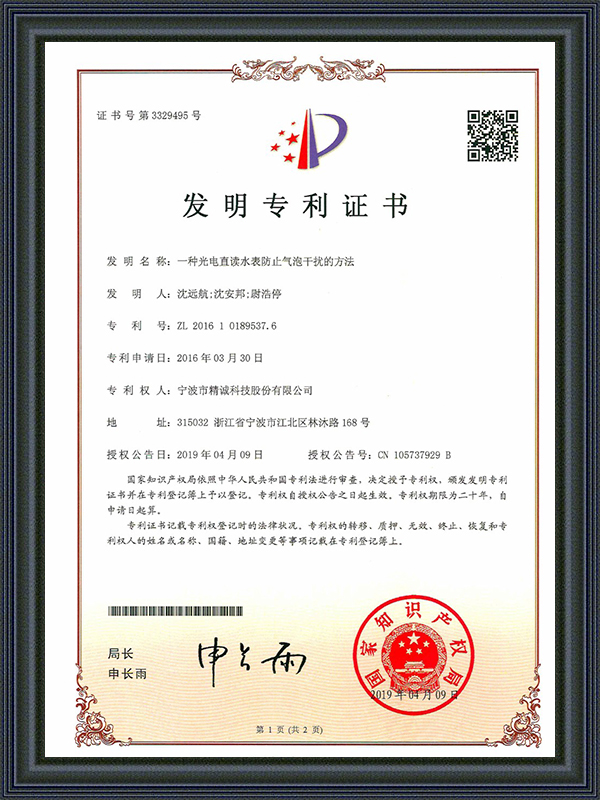
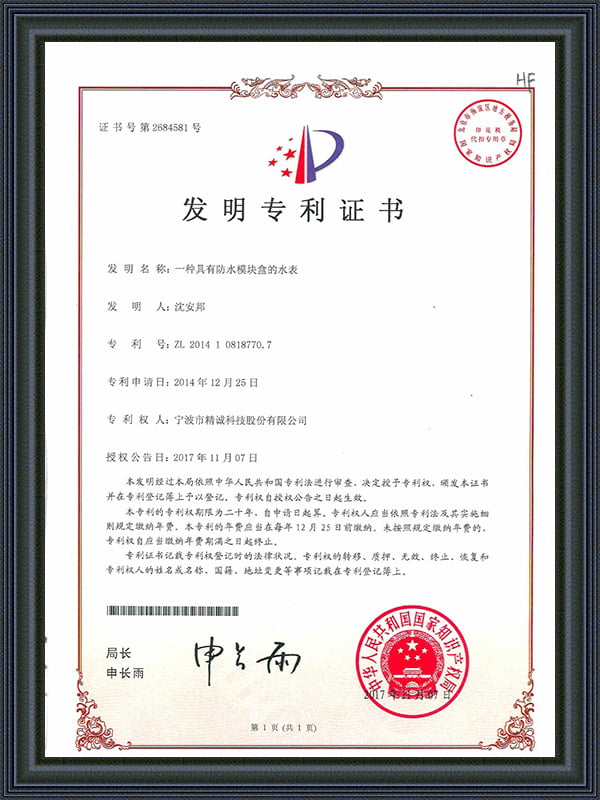
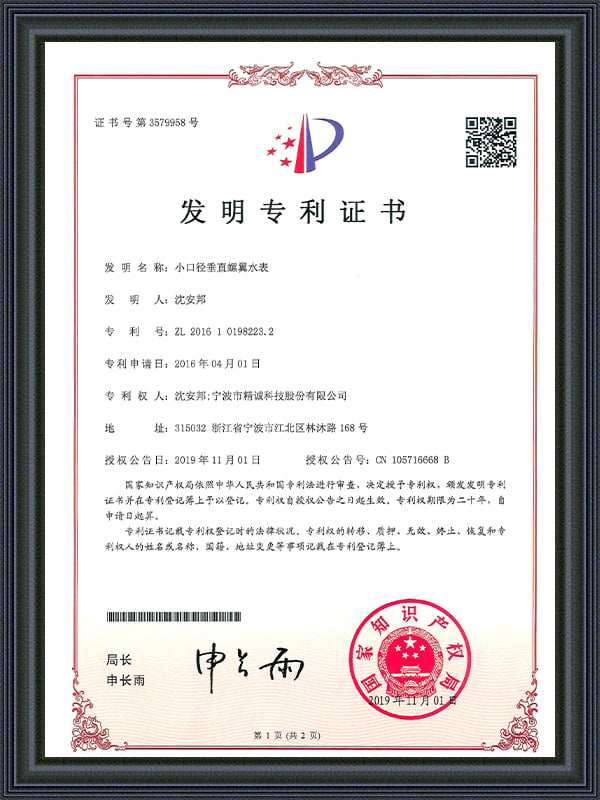
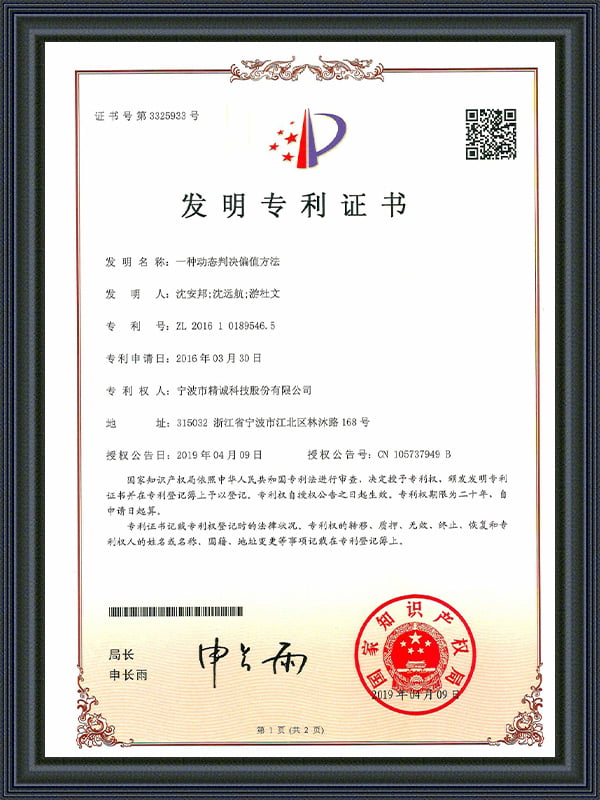
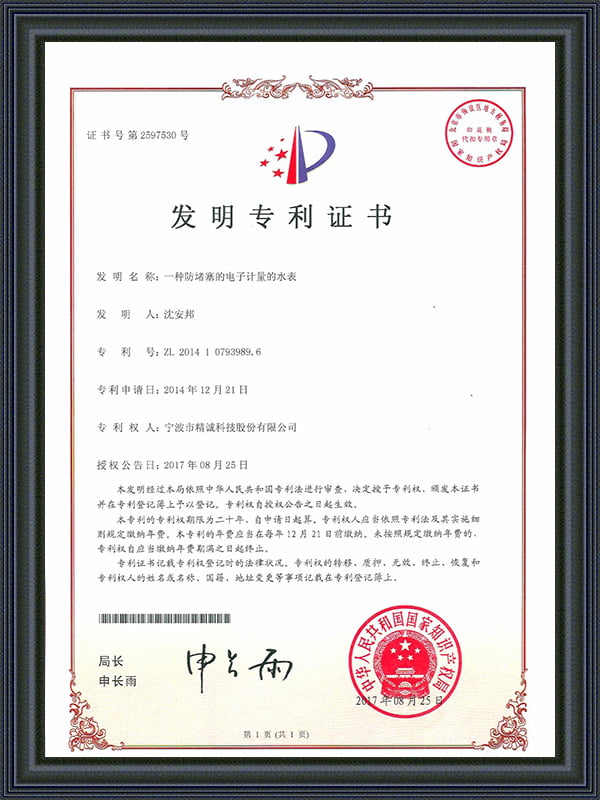
Keyture Meter is located in Picturesque Jiangbei Investment Park, NINGBO, CHINA. It is a comprehensive high-tech China Brass Water Meter Fittings and Valves Manufacturers and Custom Brass Water Meter Fittings and Valves Factory that integrates scientific research & development, production, sales, and service. Established in 2002 as a manufacturer and exporter of water meters for more than 22 years. The factory covers an area of 40 acres (30,000 square meters), 200 staff, 100+ types of products, product capacity of 5 million per year. Its product range covers single jet, multi-jet, volumetric piston type, Woltman type, IC card intelligent water meter, remote control water meter, optoelectrical reading direct remote control water meter...
Yearly production capacity
Production Area
Works and inspectors
Production experience
Excellent product with exquisite craftsmanship
Customization
We have a strong R&D team, and we can develop and produce products according to the drawings or samples the customers offered.
Cost
We are a professional manufacturer and also have our own processing machinery. So we can offer good prices and good products directly.
Quality
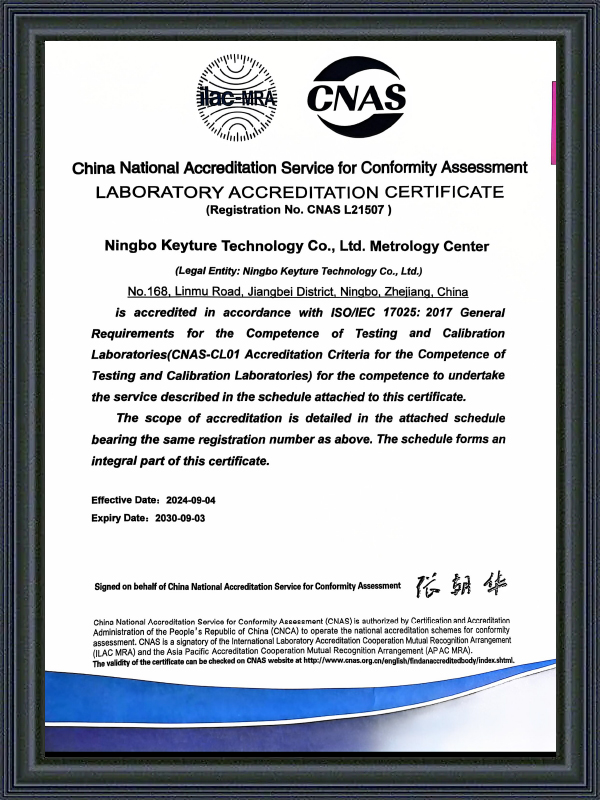
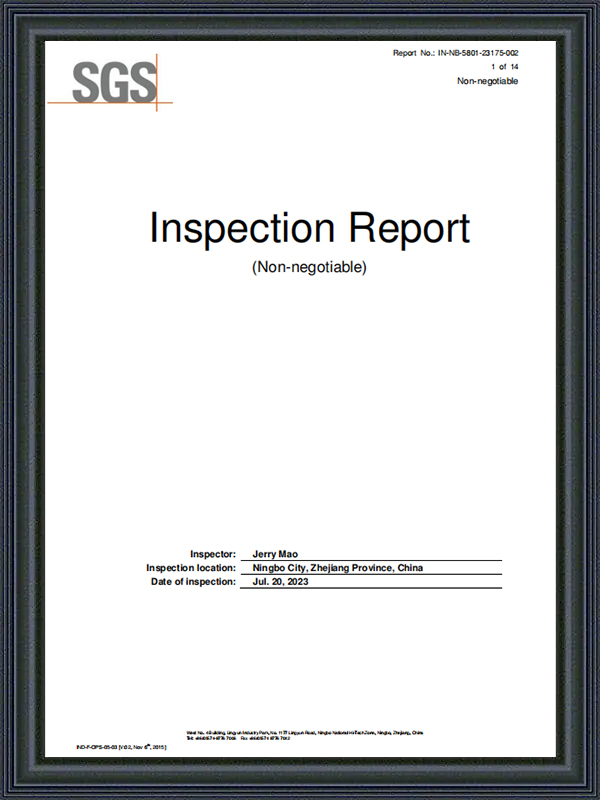
We have our own testing lab and advanced and complete inspection equipment, which can ensure the quality of the products.
Service
We focus on developing high-quality products for top-end markets. Our products are in line with international standards, and are mainly exported to Europe, America, Africa, Asia and other destinations around the world.
Capacity
Our annual production capacity is over 5 million units. We can meet the needs of different customers with different purchase quantities.
Shipment
We are about 35 kilometers away from Ningbo Port. It is very convenient and efficient to ship goods to any other countries.
From mechanical meters to smart AMR/AMI systems — we provide end-to-end water metering solutions tailored to your project.
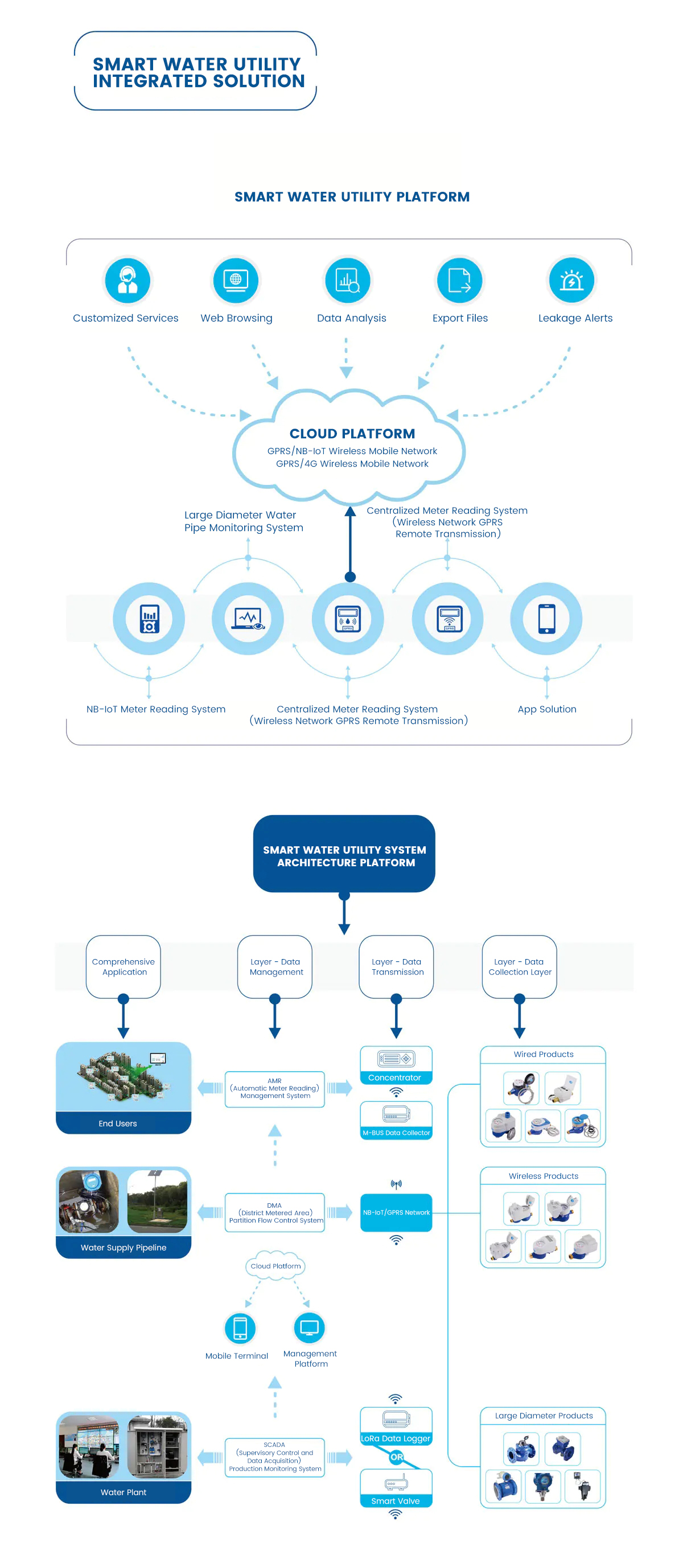
Used wherever a water meter is installed and needs to be connected, isolated, protected and serviced.
Fit the isolating valve upstream of the meter and, where the supply or regulations call for it, a second valve downstream. Orient the valves so the handle can be reached and turned without obstruction, and fit a lockable handle where tampering is possible. Put the strainer upstream of the meter and the check valve downstream.
Use the supplied flat gaskets on all union joints, and do not add thread tape or sealant to the parallel ISO 228 threads of unions — the gasket seals them. On taper ISO 7 threads, use approved PTFE tape or sealant. Tighten nuts by hand and then with a spanner to the recommended torque, avoiding pipe wrenches that damage the brass.
Support the pipe on both sides of the assembly so no bending load falls on the valves or the meter. After installation, open the valves slowly, vent air and check every joint for leaks at working pressure. Operate each valve fully open and fully closed once to confirm free movement.
Isolating valves should be exercised once a year: turned fully closed and open to prevent scale from seizing the ball. If a valve will not turn, do not force it with an extension; apply penetrating oil, work the handle gently and replace the valve if it remains stiff.
Strainers should be cleaned at intervals set by water quality. A clogged strainer shows as a drop in flow and a rise in meter pressure loss. Check valves should be inspected if reverse flow is suspected, and replaced if the seat is worn.
Properly installed brass fittings and valves last 20 years or more in potable water. Gaskets should be replaced whenever a union is opened, and any valve showing weeping at the stem or seat should be replaced at the next service.
A pair of tailpieces with matching threads for the meter and the pipe, a pair of union nuts and two flat gaskets. Optional extras include an isolating valve, a check valve and a strainer. Sets are sized for each meter in the range.
Parallel ISO 228 threads do not seal by themselves; the seal is made by the gasket compressed between faces. Tape on these threads adds nothing and can make the nut harder to tighten. Taper ISO 7 threads, by contrast, do need tape or sealant.
CW617N is the standard forging alloy. DZR CW602N is recommended where water is aggressive or where local regulations require dezincification resistance. Lead-free alloys are available for the strictest drinking water rules.
PN refers to nominal pressure in bar at ambient temperature. PN16 is suitable for most mains supply. PN25 has thicker walls and is used where pressure is higher or where extra safety margin is wanted.
Many jurisdictions require backflow prevention at the meter or at the property boundary. A check valve also protects the meter from reverse flow and from damage by pressure surges. Check local regulations.
The mesh screen catches particles before they reach the measuring chamber. This is especially important for multi jet, single jet and piston meters, whose impellers and pistons can be jammed or worn by sand and scale.
Yes. Lockable T-handles and handles with a lead-seal hole are available. They prevent unauthorised operation and give visible evidence of tampering.
ISO 228-1 (G) parallel threads for unions and ISO 7-1 (R) taper threads for pipe ends. NPT and BSPT versions can be supplied for specific markets.
Kv is the flow of water in m³/h that causes a pressure drop of 1 bar across a valve. A higher Kv means lower resistance. It is used to calculate pressure loss in the installation.
The range is suitable for temperatures up to 90 °C, with short-term excursions to 110 °C. Seat and gasket materials may limit the maximum temperature, so please state the maximum when ordering.
Every body is shell tested at 1.5 × PN and seat tested at 1.1 × PN. Samples undergo endurance cycling and torque checks, and batches are traced to forging lots.
Yes. We assemble kits to your specification, including thread type, gasket material, finish and packaging, with your brand or part numbers on the carton. Send your meter drawings for confirmation.
Send us the meter sizes, thread standards, pressure ratings and approvals you need. Our engineers will recommend the right matched set of brass fittings and valves, with price and lead time.

Address: No.168,LinMu Rd.,Zone B, Jiangbei investment Park, Ningbo, Zhejiang,China
Tel: +86-0574-83090480/+86-18892665118
Fax: +86-0574-83021045
Email: [email protected]
Web: https://www.keyturemeter.com/
Quick Links
Product
Mobile terminal
 Custom Brass Water Meter Fittings and Valves Manufacturers