 English
 Español
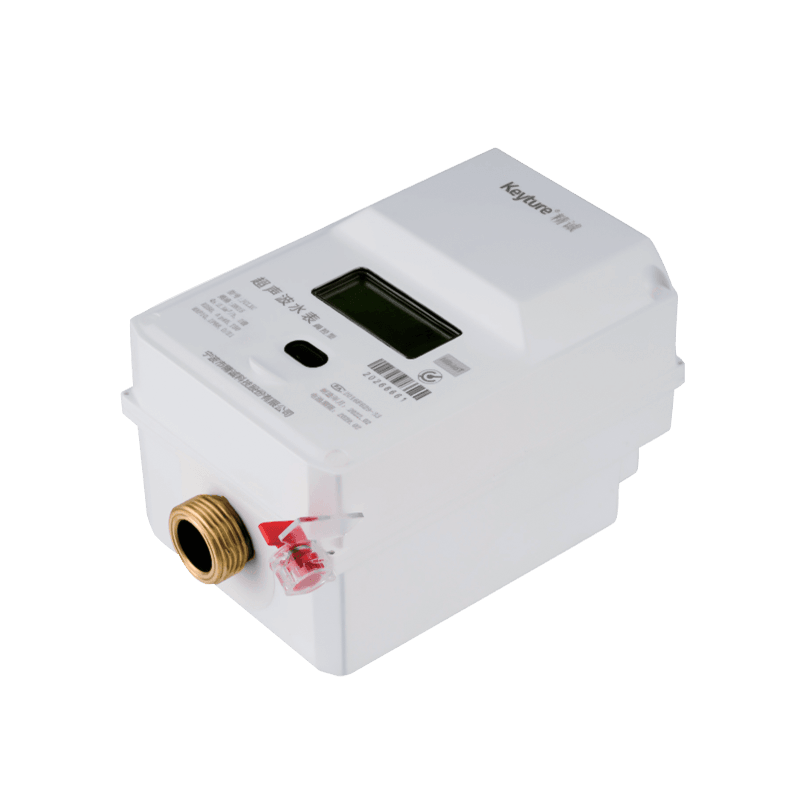
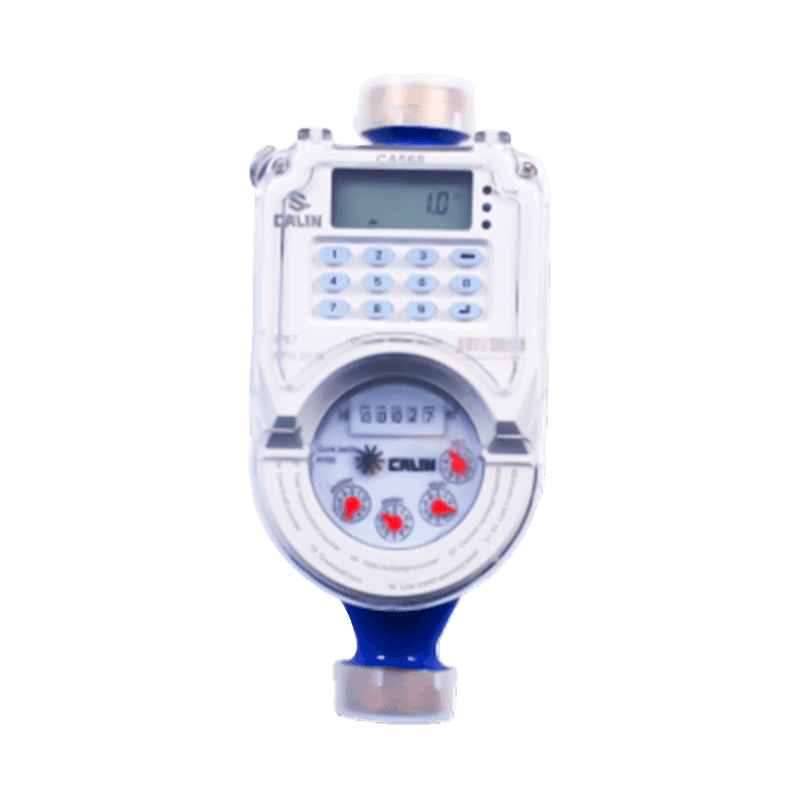
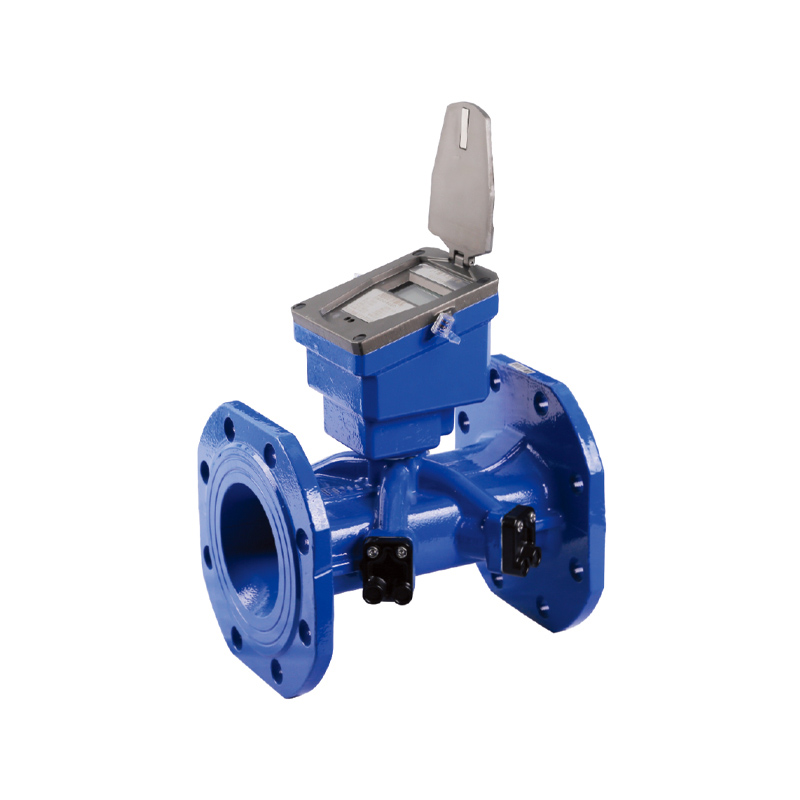
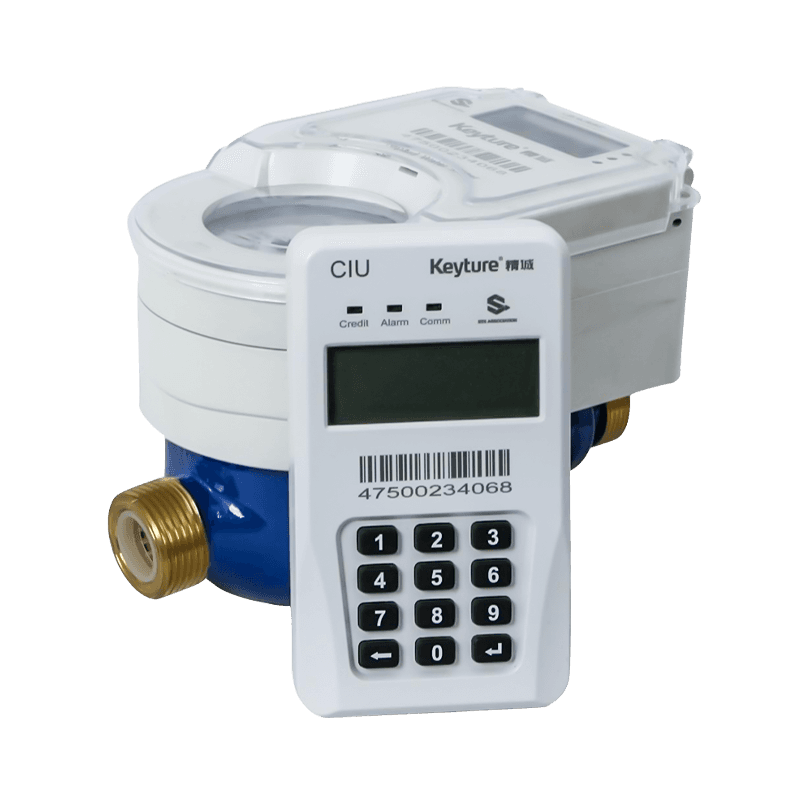
No Battery for Communication
The M-Bus master powers the communication interface. Polling every minute — or every second — does not consume any meter battery, so reading frequency is limited only by bus capacity.

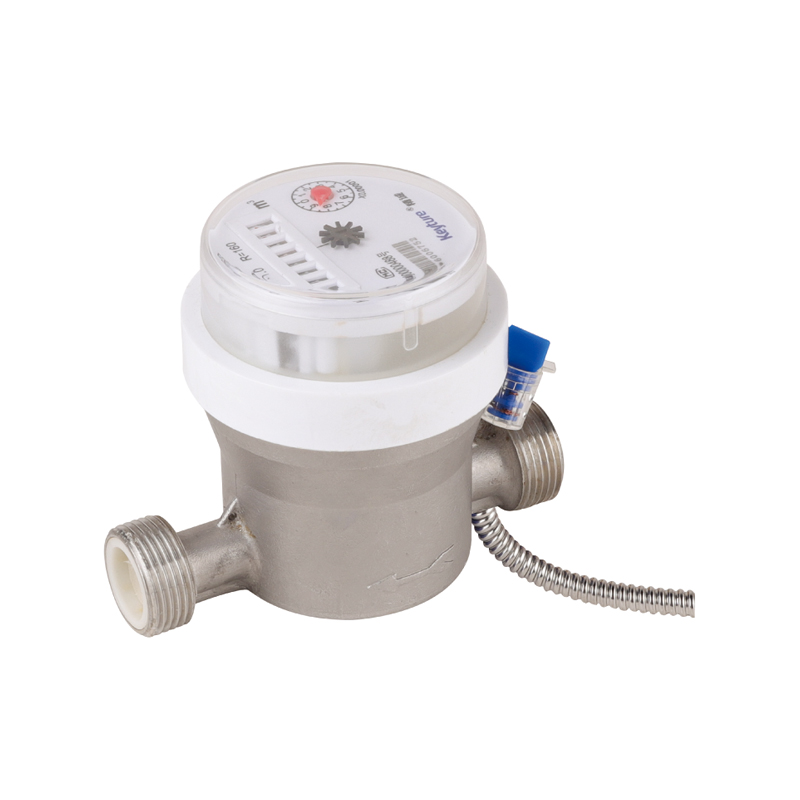
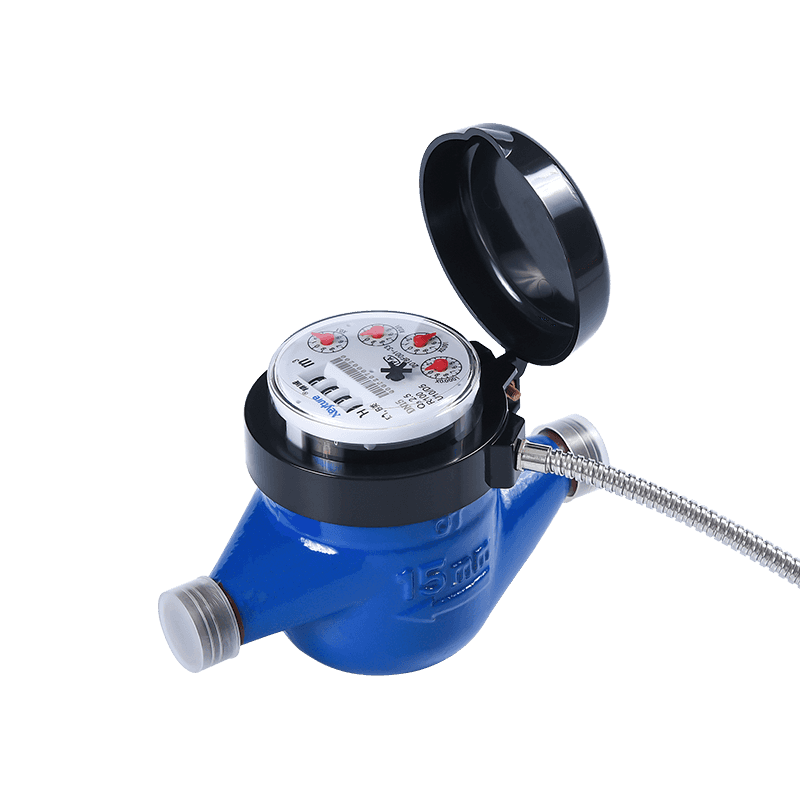
A bus-powered remote-reading water meter that speaks the European EN 13757 M-Bus standard — up to 250 meters on one two-wire cable, no radio, no SIM and no battery drain from polling.
EN 13757 M-Bus · two-wire bus · up to 250 slaves per segment
An M-Bus wired remote water meter is a water meter that communicates over the Meter-Bus (M-Bus), a European standard for remote reading of utility meters described in EN 13757-2 (physical and link layer) and EN 13757-3 (application layer). M-Bus uses a simple two-wire, polarity-independent cable that carries both power and data. A central master — a level converter connected to a PC, PLC or data concentrator — supplies a nominal 36 V bus voltage and sends commands by modulating that voltage; each meter, acting as a slave, replies by modulating its current draw. The meter therefore needs no radio, no SIM and no battery for communication, and up to 250 meters can share one bus segment with a single twisted-pair cable.
The wired nature of M-Bus defines how this meter behaves. Because the master supplies power, the communication module does not drain a battery, and readings can be requested as often as needed — every second if necessary — without any consequence for battery life. The mechanical or electronic register keeps counting even if the bus is unpowered, and the data is requested only when the master polls. Each meter has a primary address (1 to 250) and a secondary address derived from its eight-digit serial number, so large installations can be commissioned by searching the bus for unknown devices. The standard data telegram returns a full set of values: volume, serial number, manufacturer code, medium, status flags, and optional values such as flow rate, date and time, or historical data.
This makes M-Bus the preferred solution inside buildings and plant rooms, where cabling is feasible and reliability and polling frequency matter more than wireless convenience. A single bus can serve every flat in a residential block, every tenant in a shopping centre or every metering point in a district-heating or industrial plant. The meter is available in DN15 to DN50 with Class 2 accuracy per ISO 4064 / OIML R49, R100 range ratio, a multi jet measuring chamber and a dry-dial register fitted with an M-Bus module. Baud rates from 300 to 9600 bit/s are supported, and the same bus can be integrated into building management systems through M-Bus-to-Modbus, M-Bus-to-BACnet or M-Bus-to-IP gateways.
Key takeaway: A wire is the most reliable radio. M-Bus meters get power and data from the same two-wire bus, can be polled as often as you like and have no radio, battery or subscription to manage.
Six system-level advantages that make M-Bus a durable choice for buildings, plants and campus metering.
The M-Bus master powers the communication interface. Polling every minute — or every second — does not consume any meter battery, so reading frequency is limited only by bus capacity.
One ordinary twisted pair carries power and data to up to 250 meters. Polarity does not matter, so electricians cannot wire it backwards, and installation time is short.
A wired bus is immune to radio congestion, shielding by concrete or interference from other wireless networks. Readings arrive when requested, with no dropped packets in basements or plant rooms.
Addresses 1–250 identify meters on a bus segment, while the eight-digit serial-number secondary address lets commissioning tools discover and map unknown meters automatically.
EN 13757-3 defines the data structure, so readings from different manufacturers can be integrated into one master. Volume, status, flow, time and history are all returned in a single telegram.
M-Bus gateways convert to Modbus RTU/TCP, BACnet, KNX or MQTT, allowing water data to flow into existing building management, billing and energy dashboards.
Standard configuration below. Baud rate, address configuration, data telegram content and cable type can be adapted to your system requirements.
| Parameter | Specification |
|---|---|
| Standard | ISO 4064 / OIML R49; EN 13757-2 / EN 13757-3 |
| Meter type | Multi jet, dry-dial register with M-Bus communication module |
| Nominal diameter | DN15 – DN50 (1/2" – 2") |
| Accuracy class | Class 2, R100 |
| Interface | M-Bus slave, two-wire, polarity independent |
| Bus voltage | 24 – 42 V DC (nominal 36 V from master) |
| Bus load | 1 unit load (1.5 mA) per meter |
| Baud rate | 300 / 2400 / 9600 bit/s, auto-detect |
| Addressing | Primary 0 – 250; secondary 8-digit serial number |
| Maximum devices | 250 per segment (more with repeaters) |
| Cable | Shielded twisted pair, e.g. JYSTY 2 × 0.8 mm; up to 1,000 m total |
| Data content | Volume, serial no., status flags, flow, date / time, monthly history |
| Water temperature | 0.1 °C – 50 °C (cold water) |
| Working pressure | MAP 16 bar |
| Body material | Brass or cast iron |
| Register | Dry-dial mechanical, pulse-encoded for M-Bus module |
| Protection | IP65 standard; IP68 on request |
Q4 is the overload flow, Q3 the permanent flow, Q2 the transitional flow and Q1 the minimum flow, all expressed in m³/h.
| Nominal Diameter | Q4 Overload | Q3 Permanent | Q2 Transitional | Q1 Minimum | Range Ratio | Volume Resolution |
|---|---|---|---|---|---|---|
| DN15 (1/2") | 3.125 | 2.5 | 0.04 | 0.025 | R100 | 1 L / pulse equivalent |
| DN20 (3/4") | 5 | 4 | 0.064 | 0.04 | R100 | 1 L / pulse equivalent |
| DN25 (1") | 7.875 | 6.3 | 0.1008 | 0.063 | R100 | 10 L / pulse equivalent |
| DN32 (1¼") | 12.5 | 10 | 0.16 | 0.1 | R100 | 10 L / pulse equivalent |
| DN40 (1½") | 20 | 16 | 0.256 | 0.16 | R100 | 10 L / pulse equivalent |
| DN50 (2") | 31.25 | 25 | 0.4 | 0.25 | R100 | 10 L / pulse equivalent |
Values shown for R100. Volume resolution can be set to 1 L, 10 L or 100 L per count to match the register and application. Tell us your bus length, number of meters and master system and we will confirm the correct module and cable guidance.
An M-Bus meter must satisfy metrological requirements and the wired communication standards that allow different devices to share a bus.
Class 2 accuracy limits and test points for the measuring chamber and register. Pulse-encoded registers are verified against the mechanical dial.
Physical and link layer for M-Bus: voltage levels, current modulation, baud rates, bit timing and cable limits. Slave load and bus compatibility are tested against reference masters.
Application layer defining the data telegram, units, status and manufacturer-specific records. Compatibility tests are run with major M-Bus reading software.
Surge and EFT tests confirm that the bus interface survives lightning-induced transients and switching noise on long cable runs in buildings.
The bus interface is isolated from the measuring electronics and operates at extra-low voltage. Pulse and communication ports are protected against reverse connection.
Brass and polymer materials in contact with potable water can be supplied with NSF/ANSI 61, WRAS or ACS certificates where required.
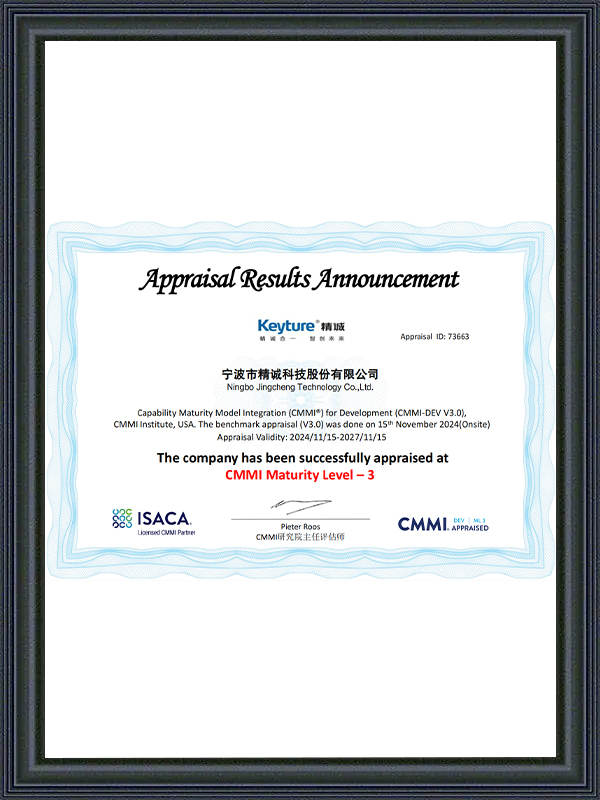
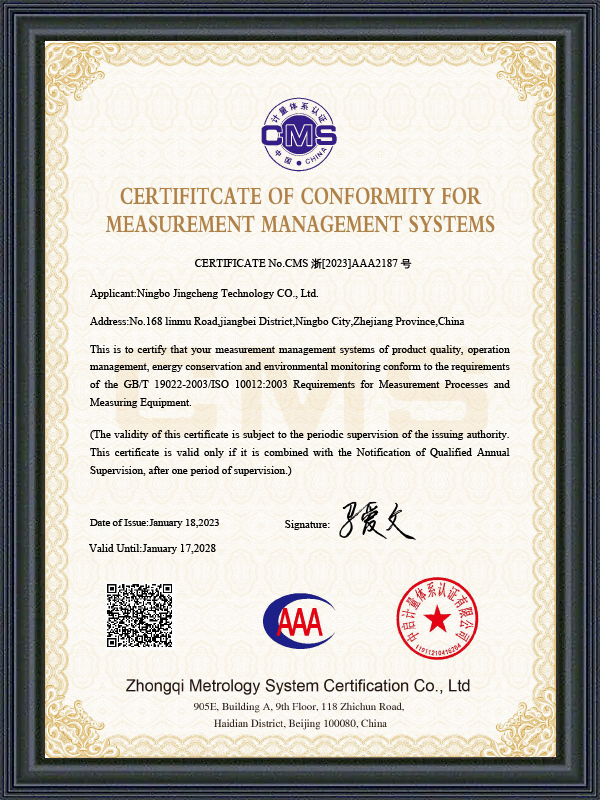
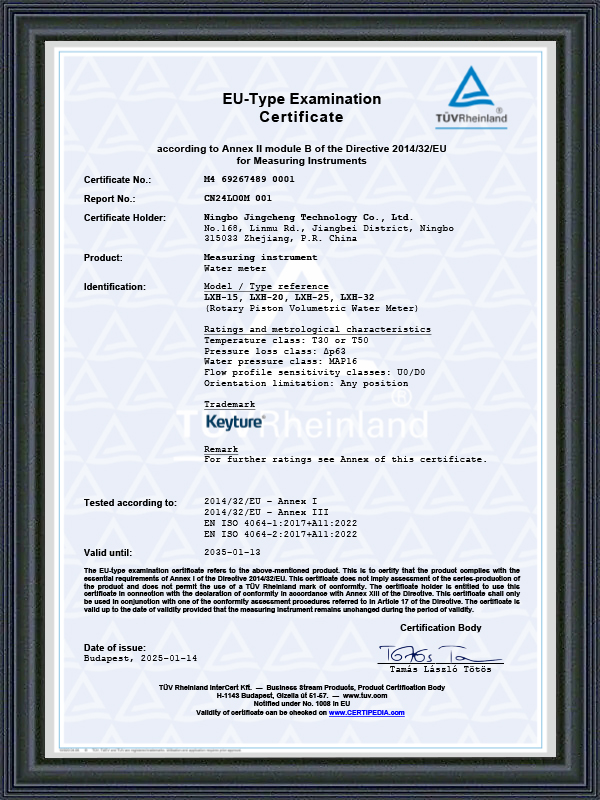
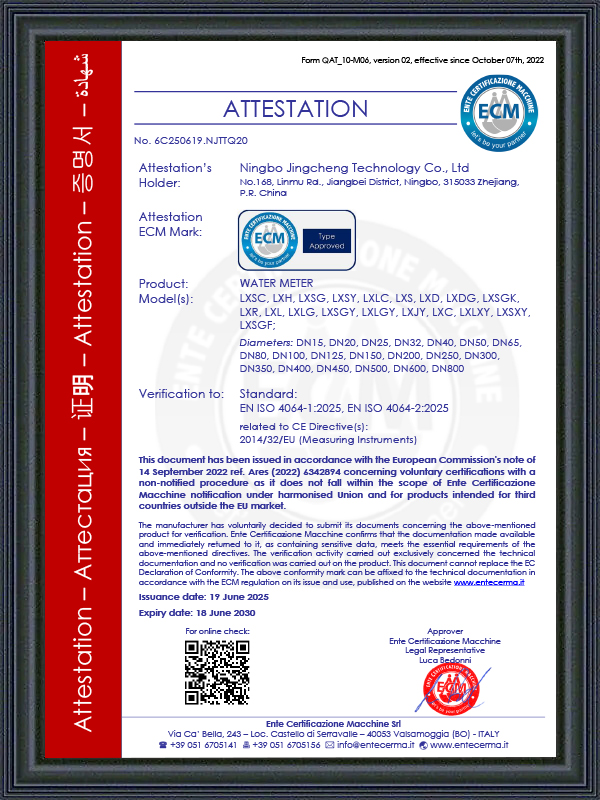
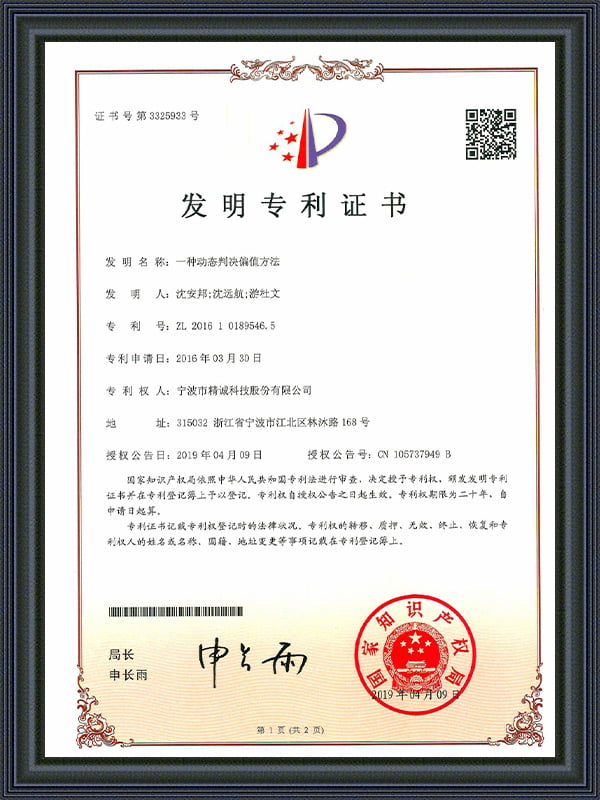
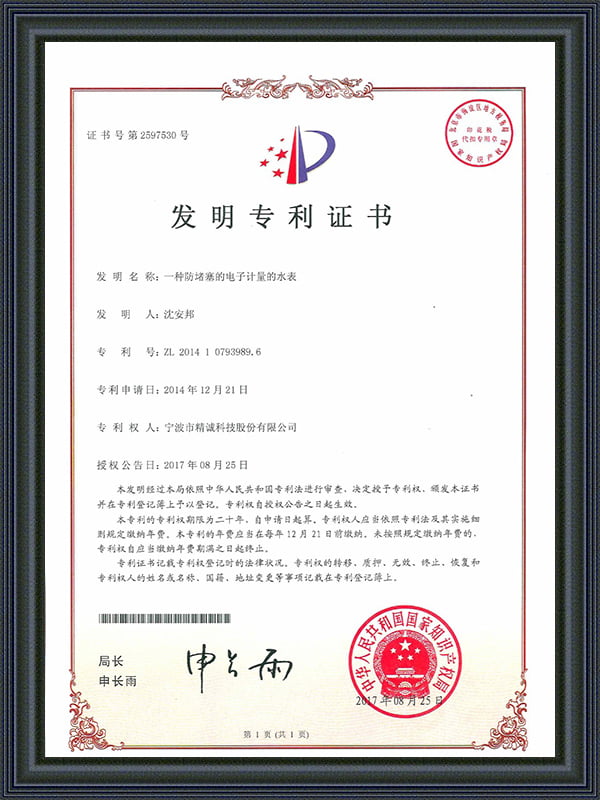
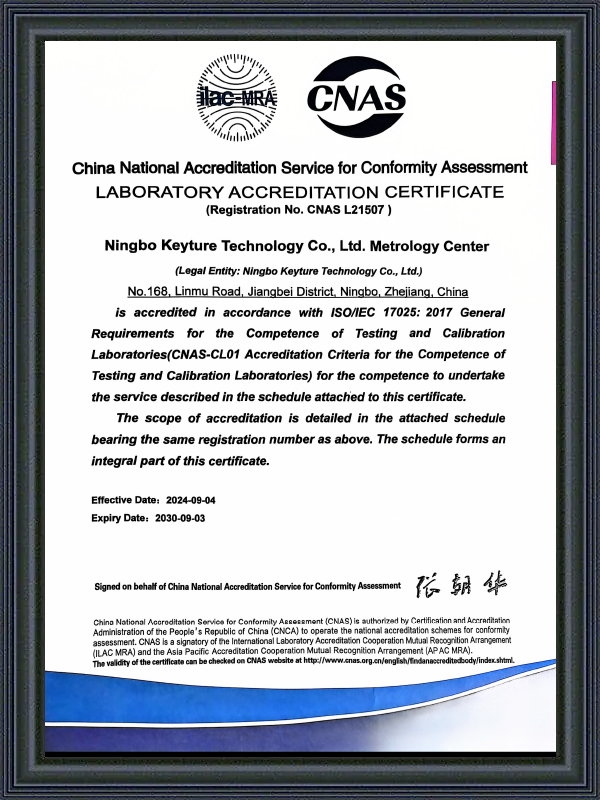
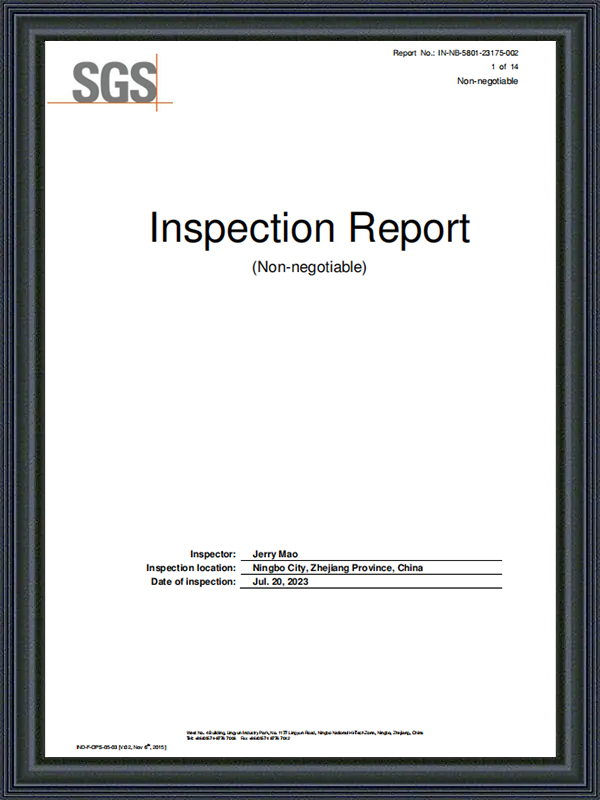
Two principles define this meter: how the two-wire M-Bus carries power and data, and how the register stays independent of the bus.
The M-Bus master maintains a bus voltage of about 36 V for a logic ‘1’ and reduces it by around 12 V for a logic ‘0’ when sending commands to the slaves. Meters reply by increasing their current draw by around 11 to 20 mA, which the master detects as a logic ‘0’. This voltage-down, current-up scheme lets power and data share one cable, and each meter draws only a single unit load of 1.5 mA from the bus.
Because the interface is isolated and polarity independent, installation is forgiving. Cable can be any shielded twisted pair, with total length up to 1,000 m at 2400 baud, and the number of meters per segment is limited by total bus current, not by address count. Longer or larger systems can use repeaters to extend the network. Primary addresses are programmed before installation, or secondary addresses can be used to discover unknown meters automatically.
The measuring chamber and dry-dial register work independently of the bus. A pulse-encoder inside the register generates a count for each defined volume, which the M-Bus module stores as the cumulative reading. If the bus is turned off or a cable is cut, the mechanical dial keeps counting, and the module resynchronises when power returns. The meter never loses its reading, and a fully mechanical reading is always available as backup.
When the master sends a request, the meter responds with a data telegram built according to EN 13757-3. The telegram contains the identification number, manufacturer code, version, medium (water) and status byte, followed by variable data records such as volume, flow, date and time and monthly storage. Because the telegram is self-describing, one master can read meters from different manufacturers without custom drivers.
Measured performance data for the M-Bus wired remote water meter. Use these charts to confirm pressure loss, accuracy and installation dimensions before specifying.
Figure 1 — Head loss curve (MPa vs. flow m³/h)
The chart shows pressure loss across the meter for DN15 to DN50. The M-Bus module sits above the register and has no effect on the water path, so head loss is determined by the multi jet chamber and remains at or below 0.063 MPa at Q3.
Figure 2 — Accuracy error curve (Class 2, R100, Q1–Q4)
The M-Bus module reads the same pulse-encoded count as the mechanical dial, so the electronic reading and the visual reading match. The error curve stays within ±5% in the lower zone and ±2% in the upper zone, with the reading resolution set by the pulse weight.
Figure 3 — Installation dimensions (L × H × B × D)
| Size | L (mm) | H (mm) | B (mm) | D (thread) |
|---|---|---|---|---|
| DN15 | 165 | 108 | 92 | G3/4" |
| DN20 | 190 | 113 | 94 | G1" |
| DN25 | 260 | 126 | 108 | G1¼" |
| DN32 | 260 | 134 | 110 | G1½" |
| DN40 | 300 | 160 | 138 | G2" |
| DN50 | 300 | 170 | 142 | Flange |
Dimensions are for reference and include the M-Bus module and cable gland. Confirm exact values with our engineering team before installation design.
Choosing a communication method is a system decision. This table compares M-Bus with pulse output and RS485 Modbus in the context of water metering.
| Design Feature | M-Bus | Pulse Output | RS485 Modbus |
|---|---|---|---|
| Wires per meter | 2 wires, shared bus | 2 wires per meter, home-run | 4 wires or 2 wires + power |
| Data content | Volume, status, flow, history | Pulse count only | Volume and status |
| Standardised protocol | EN 13757 | None | Modbus RTU — vendor registers |
| Power for communication | From bus | Passive | External supply required |
| Meters per segment | Up to 250 | One | Up to 32 – 247 |
| Commissioning | Secondary address search | Manual counting | Manual addressing |
| Wiring cost | Low for many meters | High for many meters | Moderate |
| Best application | Residential blocks and campuses | Single point to PLC | Industrial control integration |
This comparison is indicative. Actual performance depends on cable quality, topology and the specific product configuration. Contact our engineers for application-specific guidance.
Premium quality
since 2002
Coming From China, Marketing To The World
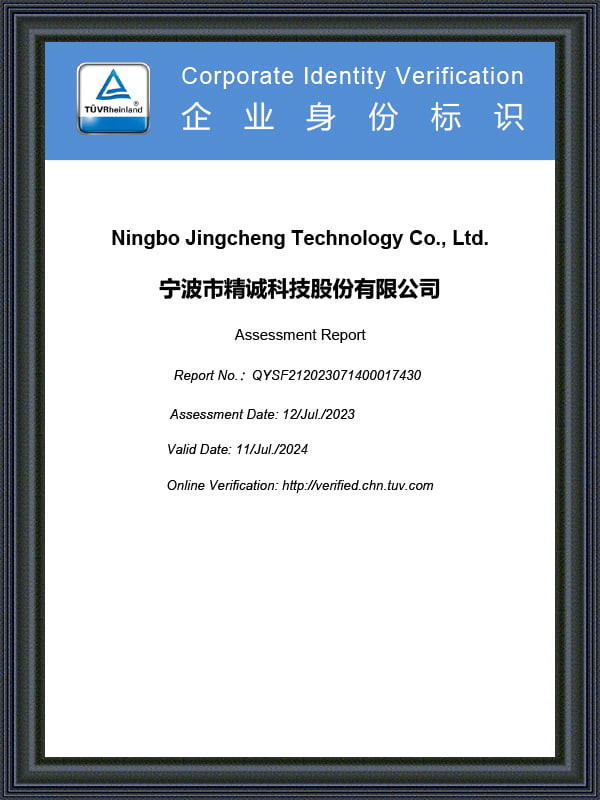
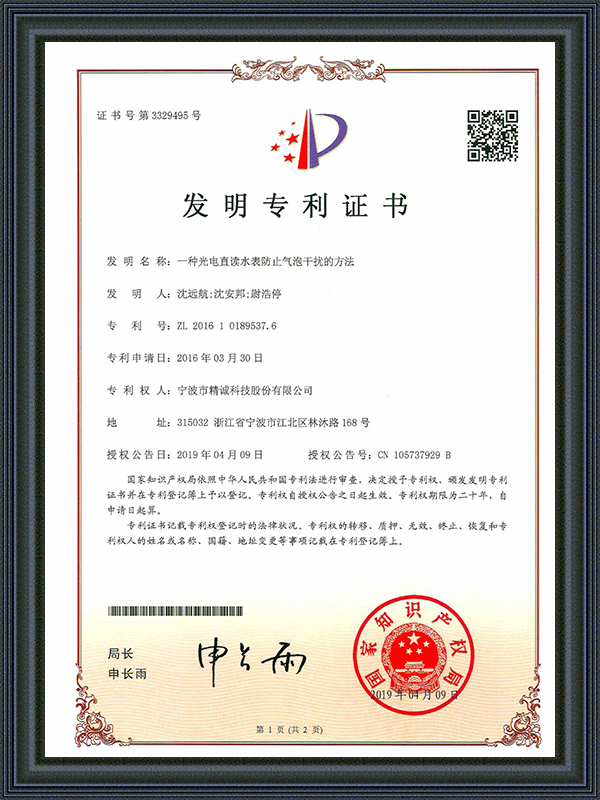
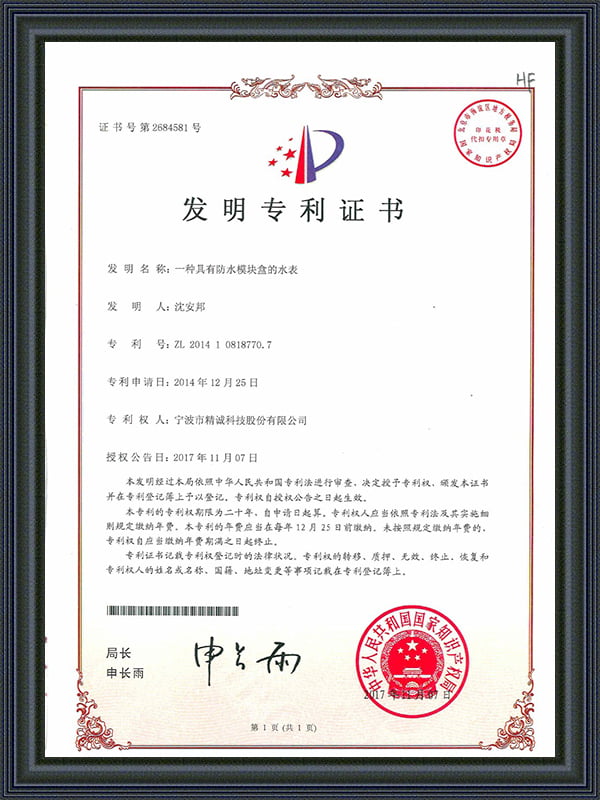
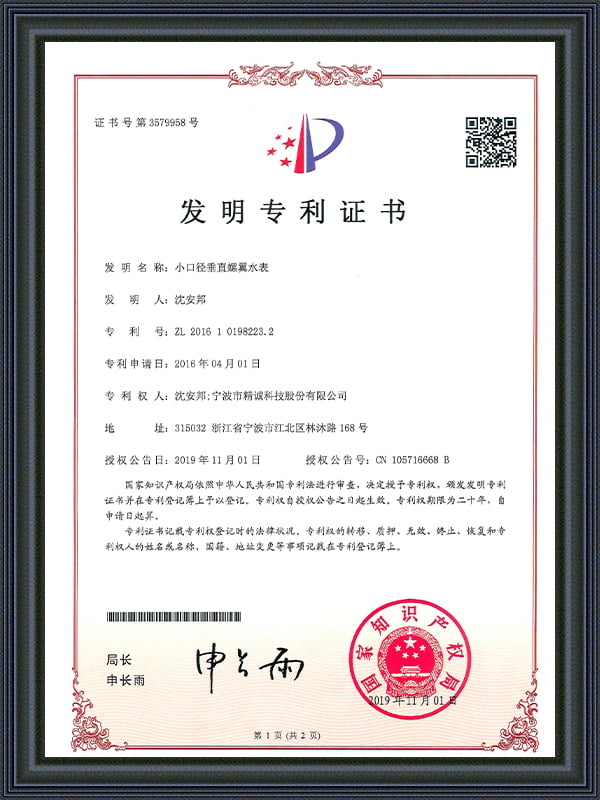
Keyture Meter is located in Picturesque Jiangbei Investment Park, NINGBO, CHINA. It is a comprehensive high-tech China M-Bus Wired Remote Water Meter Manufacturers and Custom M-Bus Wired Remote Water Meter Factory that integrates scientific research & development, production, sales, and service. Established in 2002 as a manufacturer and exporter of water meters for more than 22 years. The factory covers an area of 40 acres (30,000 square meters), 200 staff, 100+ types of products, product capacity of 5 million per year. Its product range covers single jet, multi-jet, volumetric piston type, Woltman type, IC card intelligent water meter, remote control water meter, optoelectrical reading direct remote control water meter...
Yearly production capacity
Production Area
Works and inspectors
Production experience
Excellent product with exquisite craftsmanship
Customization
We have a strong R&D team, and we can develop and produce products according to the drawings or samples the customers offered.
Cost
We are a professional manufacturer and also have our own processing machinery. So we can offer good prices and good products directly.
Quality
We have our own testing lab and advanced and complete inspection equipment, which can ensure the quality of the products.
Service
We focus on developing high-quality products for top-end markets. Our products are in line with international standards, and are mainly exported to Europe, America, Africa, Asia and other destinations around the world.
Capacity
Our annual production capacity is over 5 million units. We can meet the needs of different customers with different purchase quantities.
Shipment
We are about 35 kilometers away from Ningbo Port. It is very convenient and efficient to ship goods to any other countries.
From mechanical meters to smart AMR/AMI systems — we provide end-to-end water metering solutions tailored to your project.
Chosen where cabling is practical and a deterministic, battery-free communication link is preferred.
Use shielded twisted-pair cable such as JYSTY 2 × 0.8 mm and keep the bus wiring away from mains cables and motors. Connect the bus in a line, star or tree topology, avoiding closed loops. The total cable length and capacitance determine the highest reliable baud rate, so for long runs use 2400 baud or lower.
Calculate bus load before installation. Each meter draws 1.5 mA, and a typical master supports 64 to 250 meters. Leave margin for future expansion, and use repeaters when the system exceeds the master’s capacity or cable limits. Ground the cable shield at one end only to avoid ground loops.
Set the primary address before installation, or use secondary addressing to discover meters after wiring. Record each meter’s serial number, address and location in a commissioning sheet. Test every meter by reading it through the master before closing the cable ducts.
M-Bus systems are known for stability. Routine maintenance consists of checking bus voltage, verifying that all meters respond to polling and examining logged status flags for tamper or error events. Because the master can poll continuously, communication failures are detected quickly, and the faulty segment can be isolated by disconnecting branches.
If a meter module fails, it can be replaced without changing the measuring chamber. If a meter is replaced, its secondary address changes automatically with the serial number, and the commissioning tool can re-map the bus quickly.
The measuring chamber has the typical life of a multi jet meter, eight to ten years in potable water. The M-Bus module has no battery to age, so the electronic life is typically longer than the verification period.
M-Bus, or Meter-Bus, is a European standard for remote reading of utility meters, defined in EN 13757. It uses a two-wire bus that carries both power and data. A master controls communication and the meters act as slaves that respond when addressed.
A standard bus supports up to 250 meters, determined by the primary address range and the master’s capacity. In practice, the number is limited by total bus current, since each meter draws 1.5 mA. Repeaters and additional masters extend this limit.
Typical total cable length is up to 1,000 m at 2400 baud with JYSTY 2 × 0.8 mm cable. Higher baud rates reduce the maximum length because of cable capacitance. Repeaters can extend range, and cable quality and topology also matter.
The communication interface is powered from the M-Bus, so no battery is needed for communication. The mechanical register works without power. Some versions include a small backup capacitor or battery to preserve data during bus outages.
A primary address is a number from 0 to 250 set on each meter and used for simple polling. A secondary address is the meter’s eight-digit serial number and can be used to search the bus for unknown meters. Secondary addressing is helpful for large installations.
The telegram includes volume, serial number, manufacturer code, medium, status flags and optionally flow, date, time and monthly history. The structure is defined by EN 13757-3 and can be read by any compliant master.
Yes. M-Bus gateways convert to Modbus RTU or TCP, BACnet, KNX or MQTT, allowing the data to be used in BMS, energy dashboards and billing systems. Several manufacturers offer gateways that read M-Bus and publish to the network.
The mechanical dial and pulse counter continue to measure water use. When bus power returns, the module resumes communication and reports the correct cumulative volume. Data integrity is preserved.
Yes, provided they follow EN 13757. The master can read standard values from any compliant meter, though manufacturer-specific data may need custom decoding. Check addressing and baud rate compatibility when mixing brands.
Connect the meter to the bus, set or detect its primary address, and read it with the master or commissioning tool. If addresses are unknown, run a secondary address scan to find all meters. Record serial numbers and locations in a commissioning sheet.
Yes, if cabling can be installed. Where cable pulling is impractical, wireless M-Bus (EN 13757-4) or LoRaWAN may be better. For new buildings and renovations with accessible risers, wired M-Bus is cost-effective and reliable.
The measuring chamber typically lasts eight to ten years in potable water. Because the M-Bus module has no battery to age, its life is generally longer. Utilities often test a sample at end of life to decide on replacement.
Send us the number of meters, cable length, master system and baud rate. Our engineers will recommend the right M-Bus configuration and addressing plan, with price and lead time.

Address: No.168,LinMu Rd.,Zone B, Jiangbei investment Park, Ningbo, Zhejiang,China
Tel: +86-0574-83090480/+86-18892665118
Fax: +86-0574-83021045
Email: [email protected]
Web: https://www.keyturemeter.com/
Quick Links
Product
Mobile terminal
 Custom M-Bus Wired Remote Water Meter Manufacturers