 English
 Español
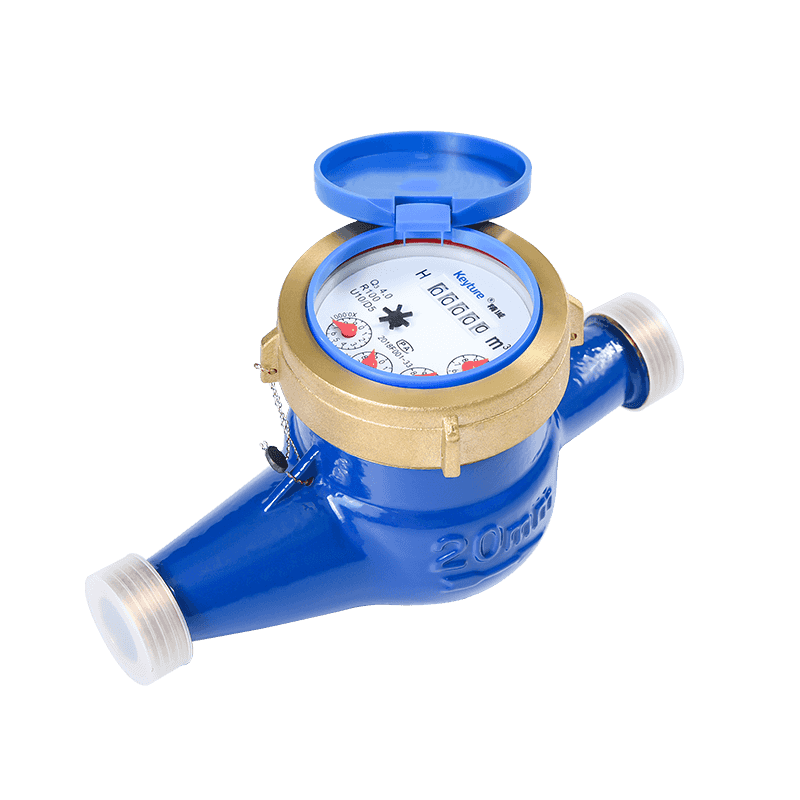
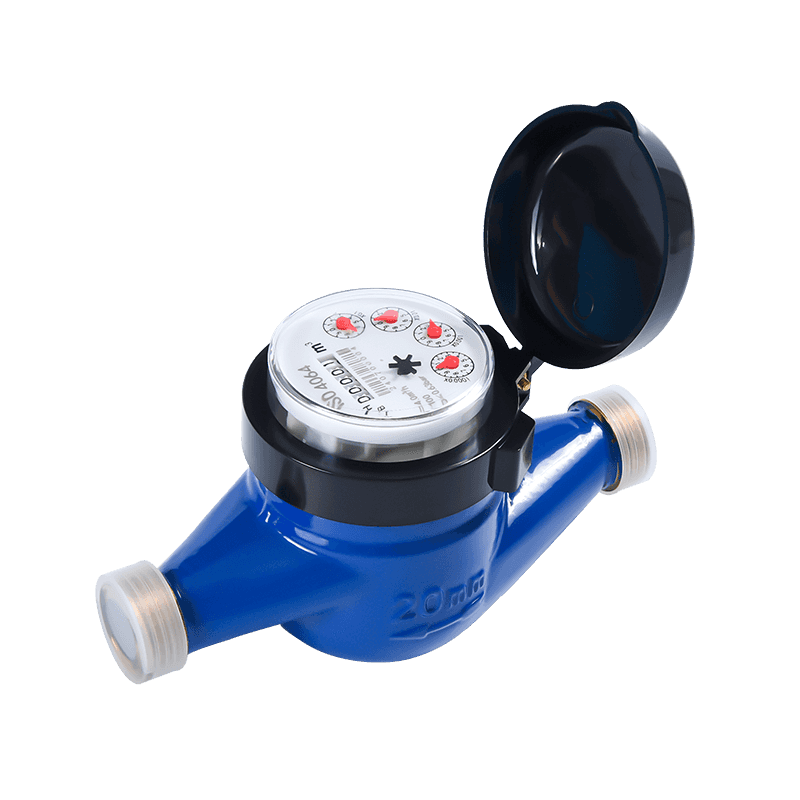
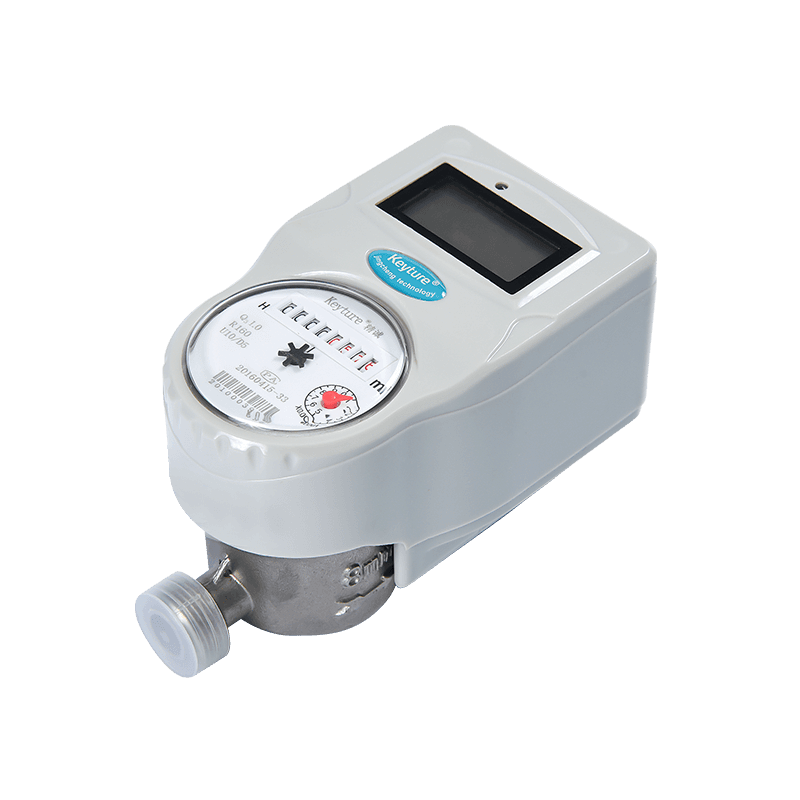
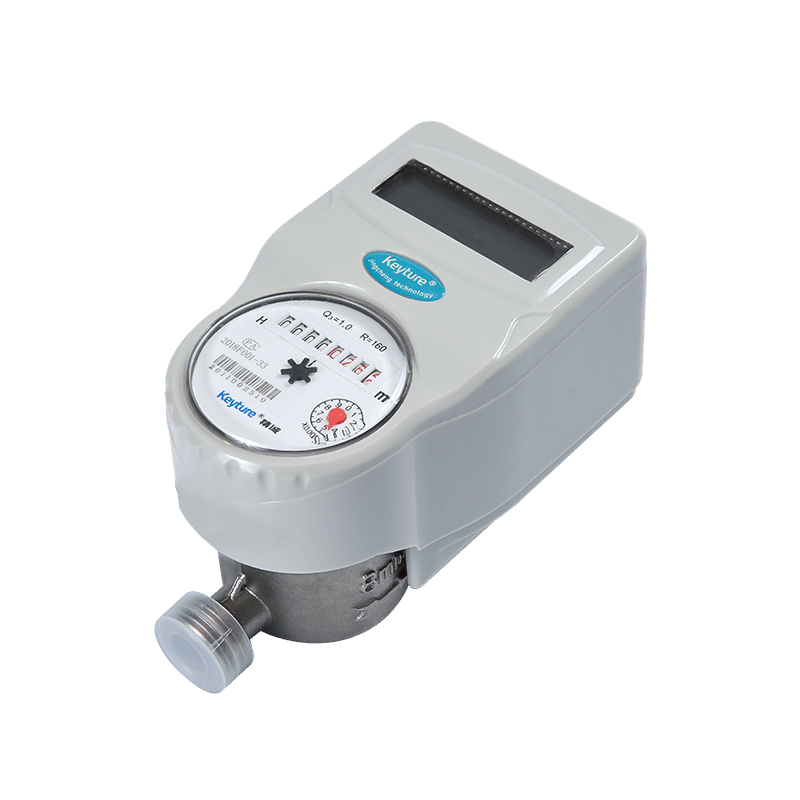
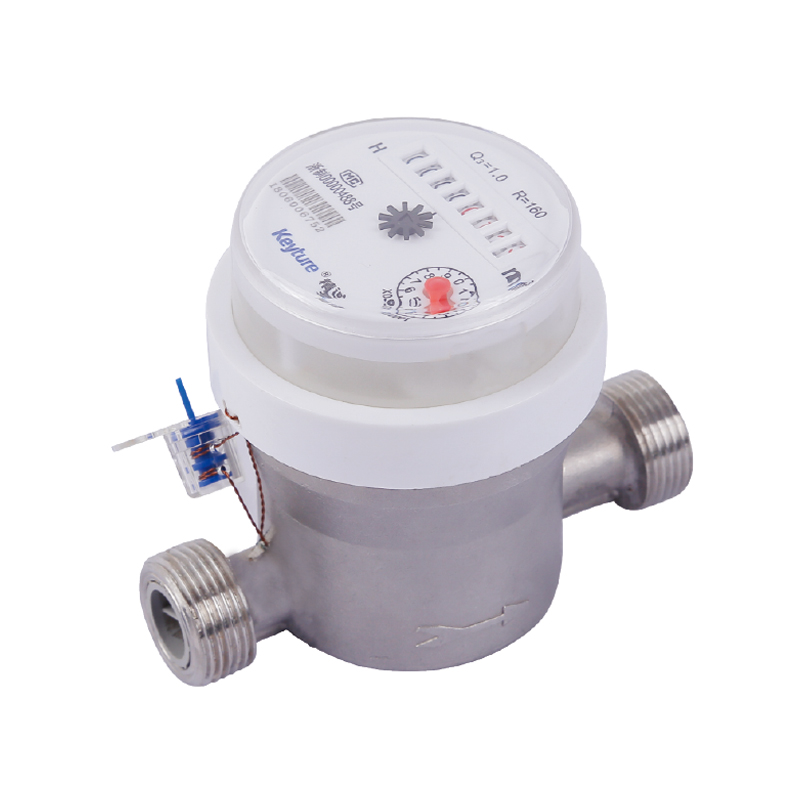
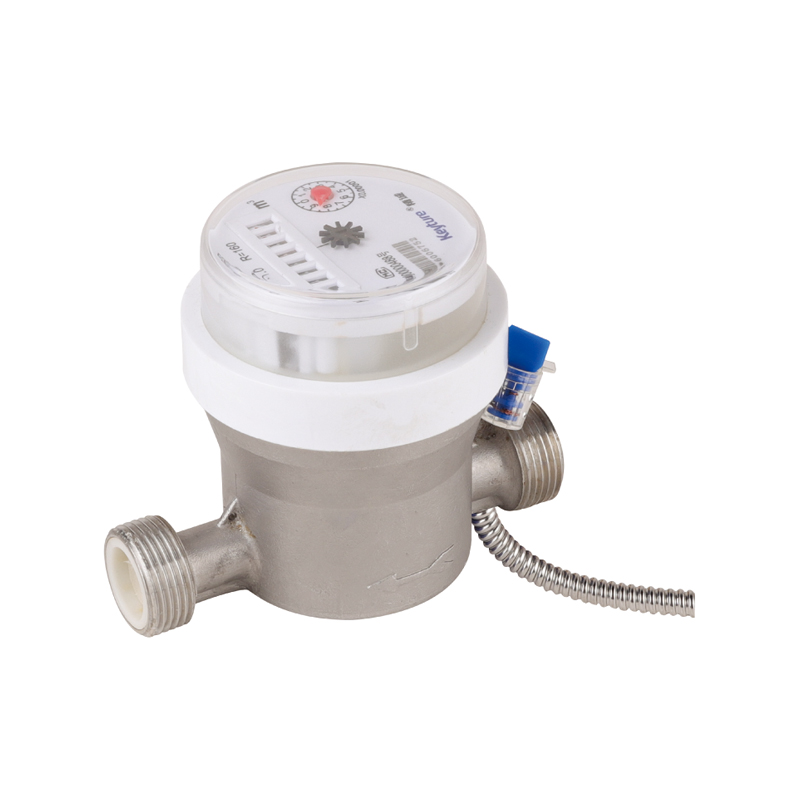
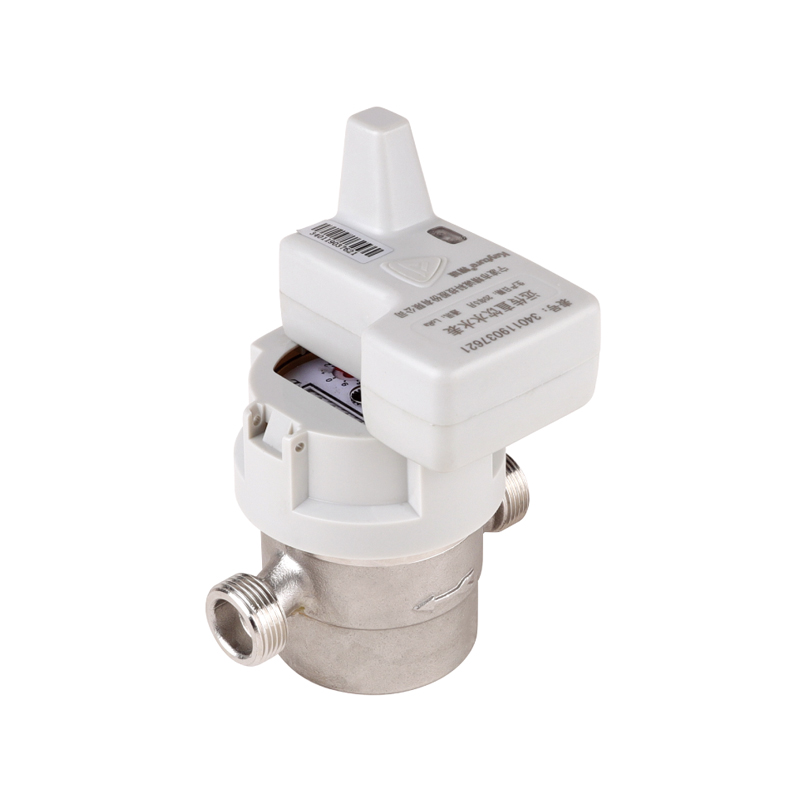
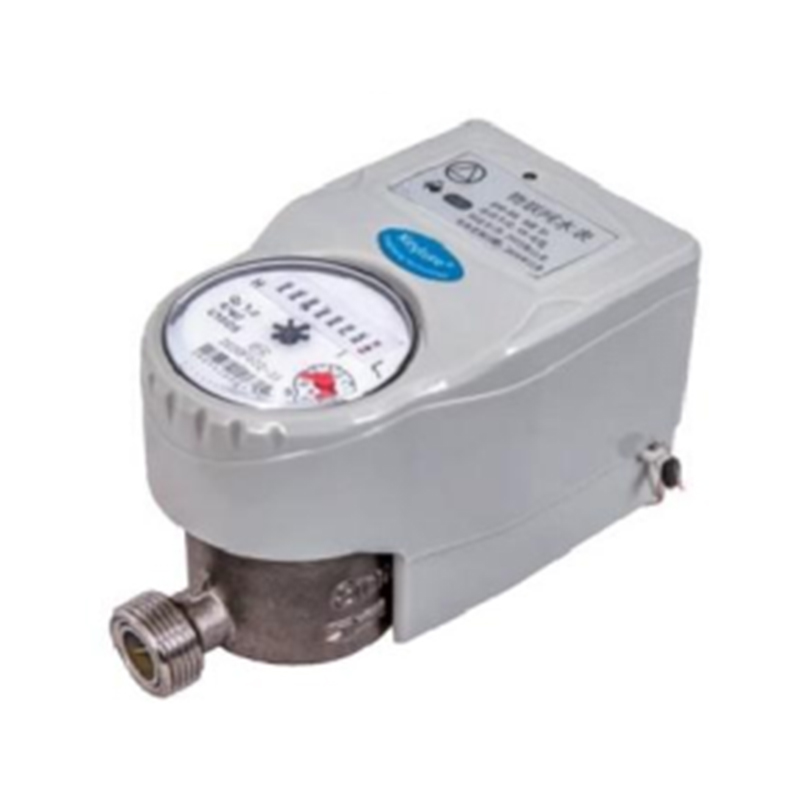
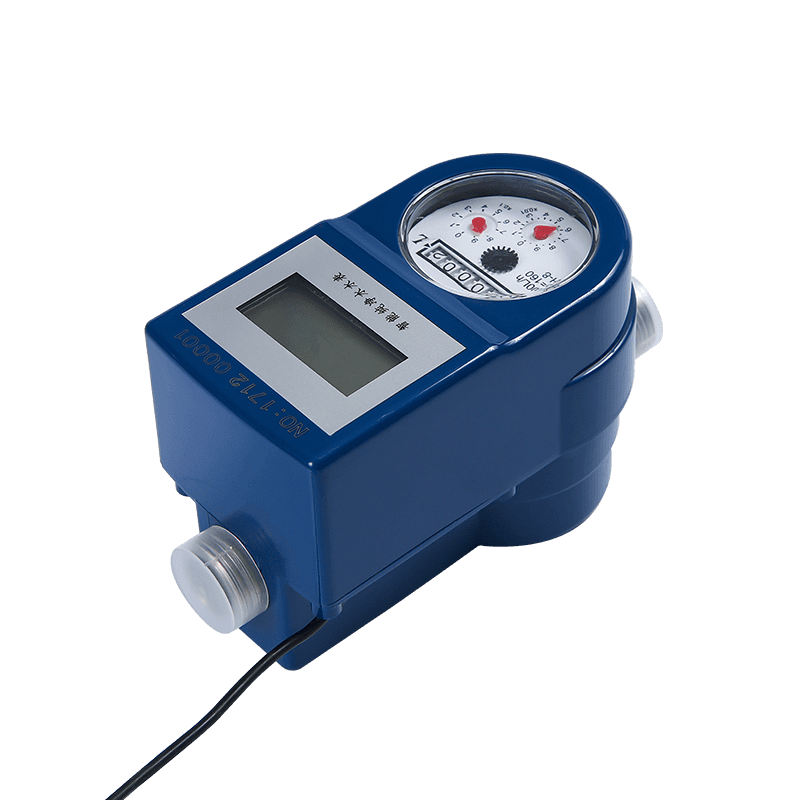
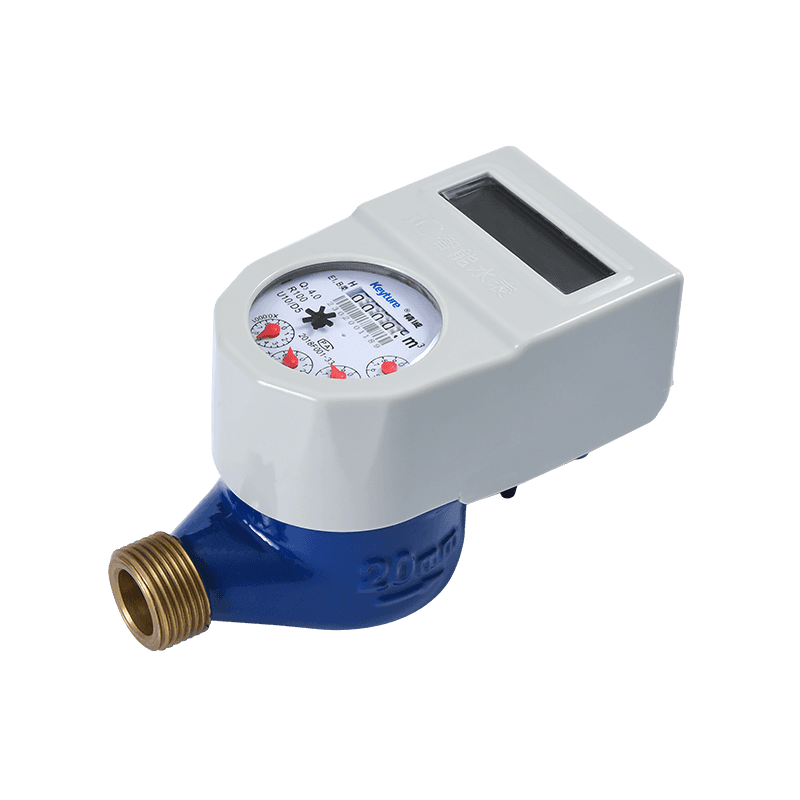
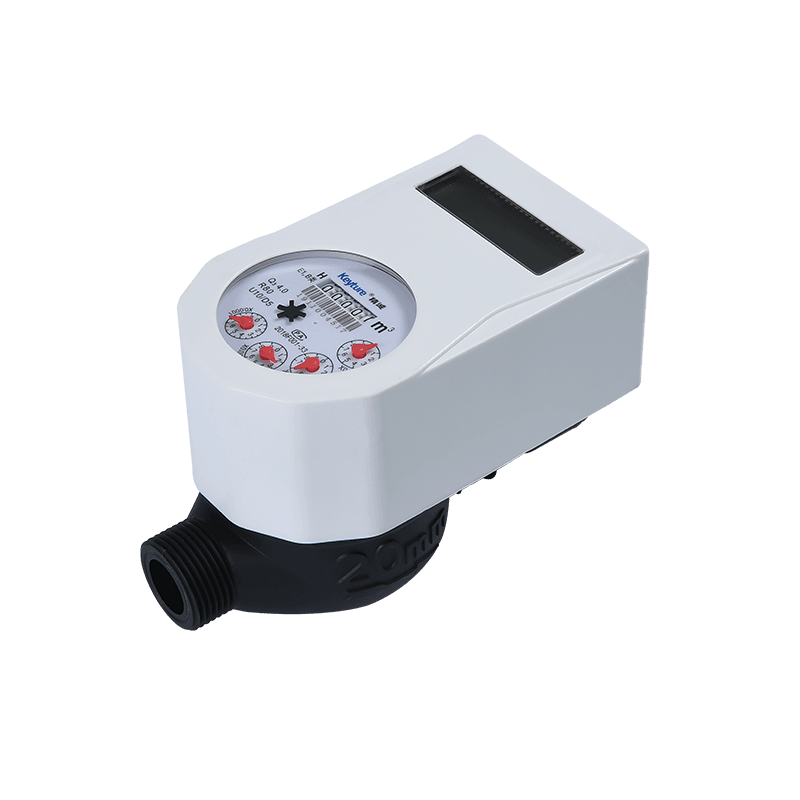
Hermetic Seal
The crimped lens and gasket seal the can completely. Water, humidity and dust cannot get in, so the dial stays readable and the gears stay clean for the life of the meter.

A hermetically sealed brass can protects the register from sun, frost, moisture and tampering — crimped glass lens, liquid-damped movement and a lid that shields the dial.
Brass can · crimped glass · liquid-damped · flip lid
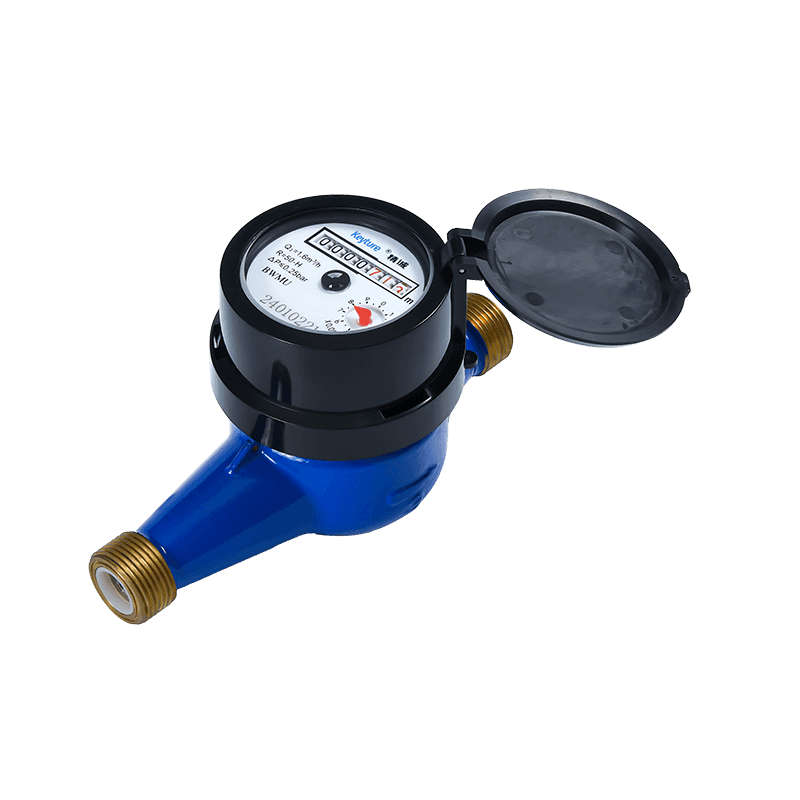
A copper can register water meter protects its register inside a drawn metal can, usually made from brass or another copper alloy, instead of a plastic housing. The can is a small, cup-shaped capsule that contains the gear train, the numbered drums and the pointer, topped by a glass lens that is crimped or rolled into the rim with a gasket. The assembly is hermetically sealed: no water, humidity or dust can enter, and no liquid or gas can leave. In many versions the can is filled with a clear damping liquid such as glycerin or oil, or with dry nitrogen, which stops condensation from fogging the lens and cushions the delicate gears from shock. The can bottom is a thin, non-magnetic wall through which the impeller’s magnet turns the register by coupling alone.
Metal changes how the register behaves in the field. A plastic register cover can craze in sunlight, crack in frost, deform in heat and be pried off with a screwdriver. A drawn brass can does none of these. It resists ultraviolet light, tolerates temperatures from deep freezing to hot water service, is strong enough to survive being stepped on in a meter box and cannot be opened without destroying it, which is a strong tamper deterrent. Brass is also non-magnetic and corrosion-resistant, so the can does not interfere with the magnetic coupling and does not rust in damp pits. A protective flip lid or a bonnet cover with a lead-seal boss shields the glass from scratches and from sunlight, leaving only a small window open when the lid is raised.
The can is also a service module. The entire register can be removed, tested, repaired or replaced as a unit, and because it is hermetically sealed, the interior is not exposed to workshop dust during handling. Our copper can register water meters are built on multi jet or single jet chambers with brass bodies, in sizes from DN15 to DN50, with Class 2 accuracy under ISO 4064 / OIML R49 and R100 range ratio. They suit regions with intense sunlight, coastal salt air, harsh winters and tamper-prone districts, and they accept pulse, encoder and wireless modules on the can’s cover. For buyers who want a register that outlasts the meter, a metal can is the most durable form of dial protection.
Key takeaway: A sealed metal can keeps the dial clear, the gears protected and the register tamper-evident — for sunshine, salt air, frost and hard use.
Six advantages of putting the register in a metal capsule rather than a plastic cover.
The crimped lens and gasket seal the can completely. Water, humidity and dust cannot get in, so the dial stays readable and the gears stay clean for the life of the meter.
Liquid-filled or nitrogen-filled cans leave no room for condensation. The lens stays clear in humid pits, cold cupboards and climates with large day–night temperature swings.
Brass does not craze, yellow or crack. The can withstands UV, freezing, thawing and hot water service where plastic covers fail.
A drawn can cannot be opened without destroying it, and the lid and lead-seal boss show any interference. Tampering leaves clear evidence.
Liquid fill cushions the gear train from knocks, water hammer and transport shocks. Pointers move smoothly and gears wear more slowly.
The whole can can be removed, tested and replaced as a unit. Workshops keep sealed spares, and the register can be swapped without opening the water circuit.
Standard configuration below. Can material, fill type, lid style and communication can be adapted to your climate and tamper requirements.
| Parameter | Specification |
|---|---|
| Standard | ISO 4064 / OIML R49 |
| Meter type | Multi jet or single jet, magnetic drive, sealed metal can register |
| Nominal diameter | DN15 – DN50 (1/2" – 2") |
| Accuracy class | Class 2, R100 |
| Can material | Drawn brass (CW508L / CW614N) or copper alloy, natural or nickel-plated |
| Lens | Tempered glass, crimped into the can with a gasket |
| Fill | Glycerin / silicone oil (liquid-sealed) or dry nitrogen |
| Can wall at coupling | Non-magnetic thin brass wall |
| Water temperature | 0.1 °C – 50 °C (cold water); up to 90 °C hot water version |
| Working pressure | MAP 16 bar |
| Pressure loss | ≤ 0.063 MPa at Q3 |
| Cover | Flip lid or bonnet with lead-seal boss |
| Body material | Forged brass |
| Register | 6-digit odometer with 4 pointers, anti-magnetic shield optional |
| Connection | Threaded G3/4" – G2"; flanged DN40 – DN50 |
| Ambient temperature | -30 °C – 70 °C |
| Pulse output | Optional reed, Hall or Wiegand head on the can cover |
| Protection | IP68 |
Q4 is the overload flow, Q3 the permanent flow, Q2 the transitional flow and Q1 the minimum flow, all expressed in m³/h.
| Nominal Diameter | Q4 Overload | Q3 Permanent | Q2 Transitional | Q1 Minimum | Range Ratio | Can Diameter |
|---|---|---|---|---|---|---|
| DN15 (1/2") | 3.125 | 2.5 | 0.04 | 0.025 | R100 | Ø 52 mm |
| DN20 (3/4") | 5 | 4 | 0.064 | 0.04 | R100 | Ø 52 mm |
| DN25 (1") | 7.875 | 6.3 | 0.1008 | 0.063 | R100 | Ø 60 mm |
| DN32 (1¼") | 12.5 | 10 | 0.16 | 0.1 | R100 | Ø 60 mm |
| DN40 (1½") | 20 | 16 | 0.256 | 0.16 | R100 | Ø 75 mm |
| DN50 (2") | 31.25 | 25 | 0.4 | 0.25 | R100 | Ø 75 mm |
Values shown for R100. Hot water versions, nitrogen-filled cans and alternative lid styles are available — tell us your climate and tamper risk and we will confirm the correct can and lid configuration.
A sealed metal can is tested for leak tightness and long-term clarity as well as for the meter’s accuracy.
Class 2 limits and test points for cold potable water meters. The effect of the can wall on the magnetic coupling is included in the type tests.
Every can is tested for hermetic sealing by pressure decay or helium leak testing, confirming that fill liquid and gas stay in and moisture stays out.
Cans are cycled between -30 °C and 70 °C and between dry and humid conditions to confirm that no fogging, condensation or seal failure occurs.
Exposure to UV and neutral salt spray confirms that the brass can, lens gasket and lid finish retain their appearance and sealing in outdoor and coastal use.
Anti-magnetic shielding and coupling options are tested with neodymium magnets on all faces, since the non-magnetic can wall does not itself shield the register.
Brass and copper alloys in contact with water are available with DZR or lead-free grades and WRAS, NSF/ANSI 61 or ACS certificates.
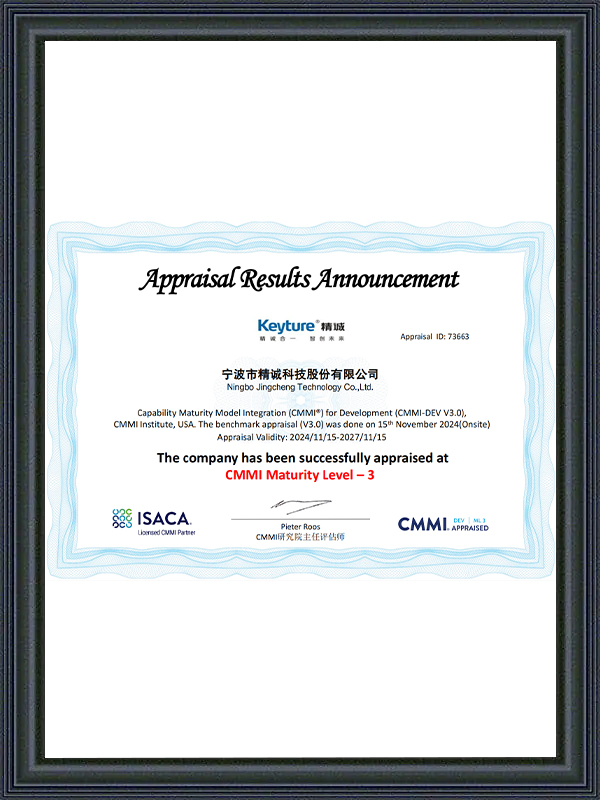
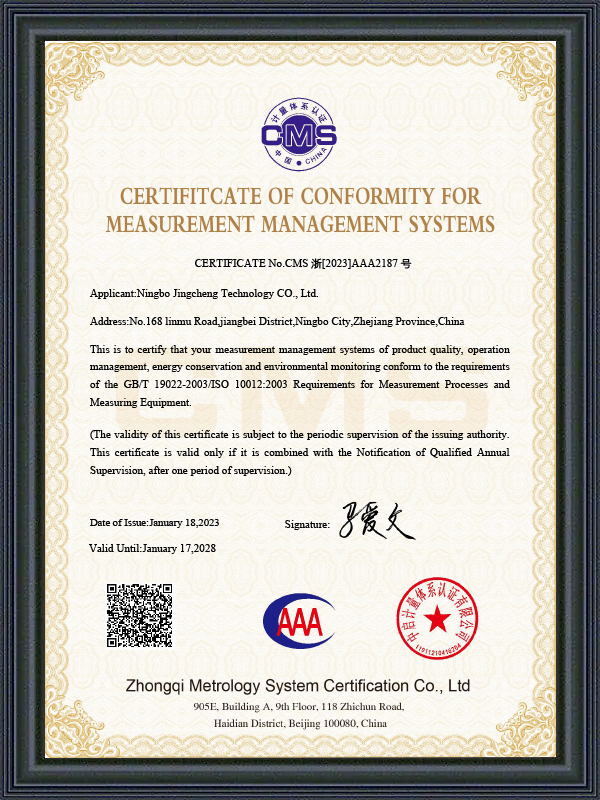
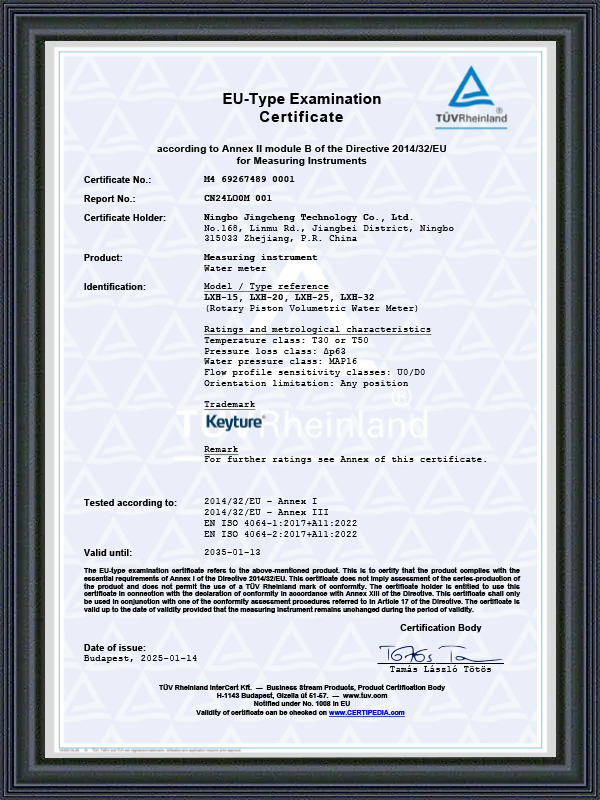
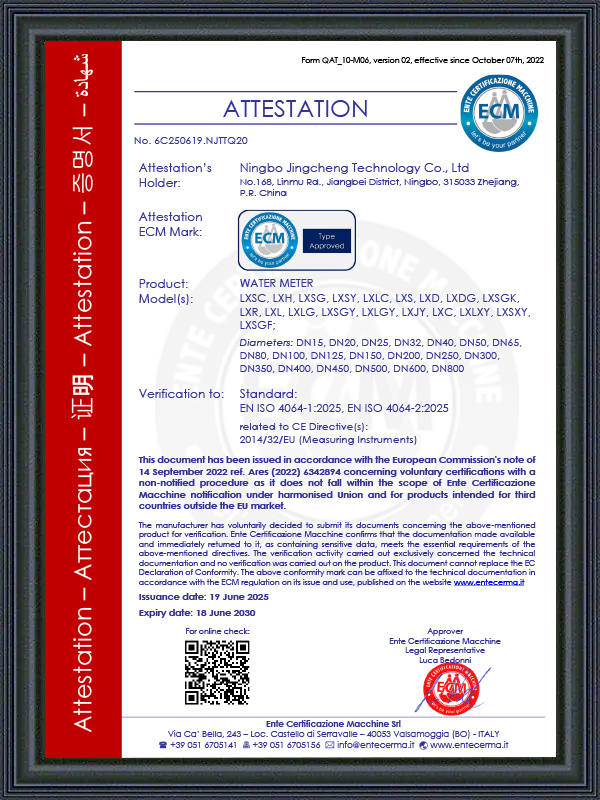
Two things define the can register: how the can is sealed, and how the magnetic drive works through its wall.
The can is deep-drawn from a brass strip in several stages, which thins and strengthens the metal as it takes the shape of a cup. The rim is then rolled or crimped over the glass lens and a gasket, locking the lens in place and compressing the gasket to form a seal. There are no screws, threads or adhesives, which means there are no leak paths and no parts that can loosen with vibration.
After the register mechanism is fitted and the can is closed, a small fill hole allows the interior to be filled with damping liquid or flushed with dry nitrogen, and the hole is then closed with a soldered or laser-welded plug. Each can is leak tested before assembly onto the meter. The result is a self-contained capsule that is sealed for the life of the meter.
The impeller carries a driving magnet in the water chamber. The register inside the can has a follower magnet on its first gear. Between them is the bottom of the can, a thin brass wall. Brass is non-magnetic, so the field passes through almost undisturbed, and the follower rotates with the driver without any shaft or seal between wet and dry sides. The wall thickness is a compromise between strength and magnetic gap: thicker gives more strength, thinner gives stronger coupling.
Because the can is metal, the register is also protected against fire, shock and chemical attack that would harm a plastic cover. When an anti-magnetic version is required, a soft-iron shield is fitted around the follower inside or outside the can. The liquid fill adds a small viscous drag, which is calibrated into the factory adjustment and keeps the pointers steady.
Measured performance data for the copper can register water meter. Use these charts to confirm pressure loss, accuracy and installation dimensions before specifying.
Figure 1 — Head loss curve (MPa vs. flow m³/h)
The chart shows pressure loss across the meter for DN15 to DN50. The can register sits above the measuring chamber and does not affect the flow path, so loss is that of the multi jet chamber, at or below 0.063 MPa at permanent flow.
Figure 2 — Accuracy error curve (Class 2, R100, Q1–Q4)
The curve includes the small drag of the liquid fill and the slightly larger magnetic gap through the can wall, both of which are corrected at the factory adjustment. The error stays inside ±5% in the lower zone and ±2% in the upper zone, and does not change after thermal cycling of the can.
Figure 3 — Installation dimensions (L × H × B × D)
| Size | L (mm) | H (mm) | B (mm) | D (thread) |
|---|---|---|---|---|
| DN15 | 165 | 100 | 86 | G3/4" |
| DN20 | 190 | 105 | 88 | G1" |
| DN25 | 260 | 118 | 102 | G1¼" |
| DN32 | 260 | 126 | 104 | G1½" |
| DN40 | 300 | 154 | 132 | G2" |
| DN50 | 300 | 164 | 136 | Flange |
Dimensions are for reference and include the can and lid. Confirm exact values with our engineering team before installation design.
The register housing is the face of the meter and protects its most delicate parts. This table compares sealed metal cans with plastic alternatives.
| Design Feature | Sealed Brass Can | Plastic Cover, Dry Dial | Plastic Capsule, Liquid Filled |
|---|---|---|---|
| UV and weather resistance | Excellent | Crazing and yellowing over time | Moderate |
| Fogging in humid pits | None — filled can | Possible | None |
| Frost and heat tolerance | Excellent | Cracks and warps | Moderate |
| Tamper resistance | Cannot be opened intact | Easily pried off | Moderate |
| Impact strength | High | Low to moderate | Moderate |
| Magnetic coupling gap | Slightly larger | Smaller | Smaller |
| Unit purchase cost | Higher | Lowest | Moderate |
| Best application | Harsh climate and tamper-prone areas | Mild indoor use | Humid but protected sites |
This comparison is indicative. Actual performance depends on climate, tamper risk and the specific product configuration. Contact our engineers for application-specific guidance.
Premium quality
since 2002
Coming From China, Marketing To The World
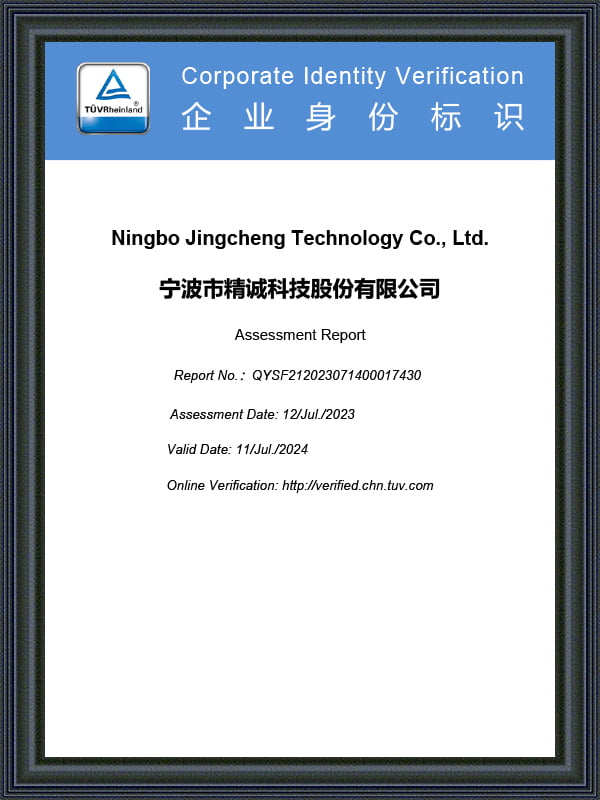
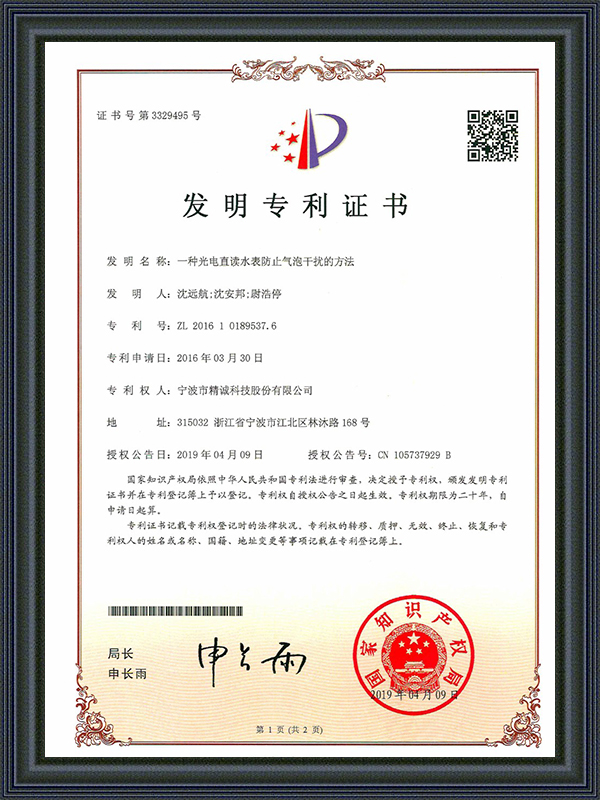
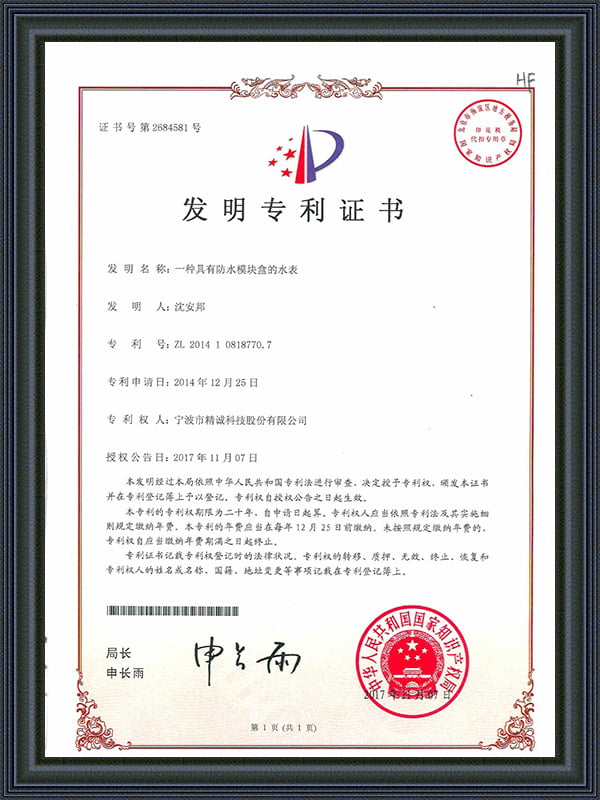
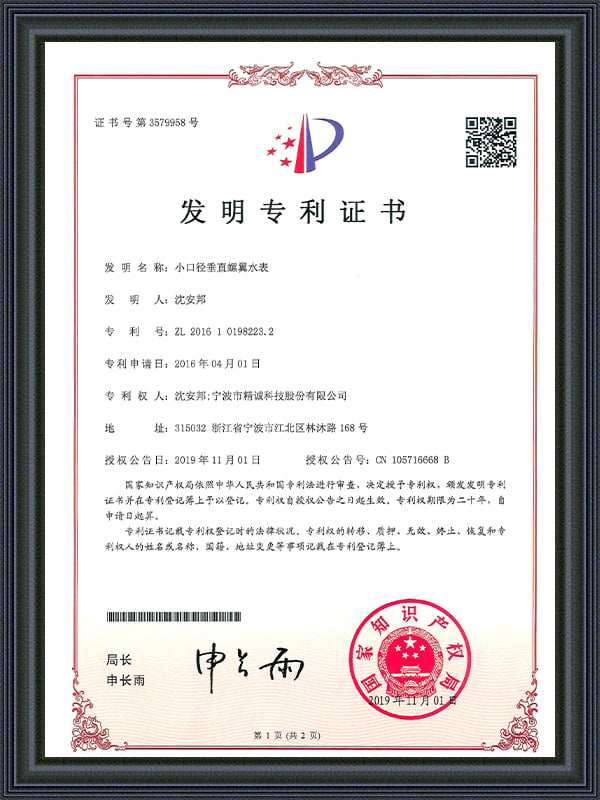
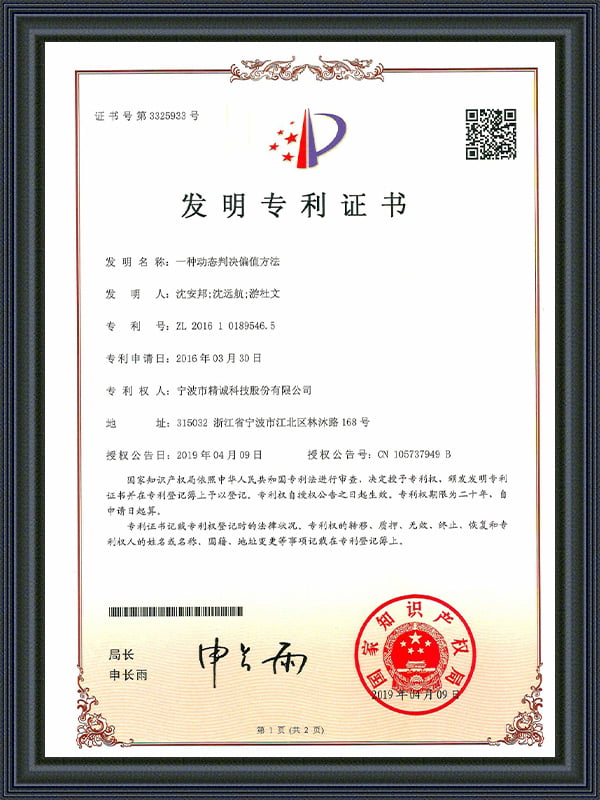
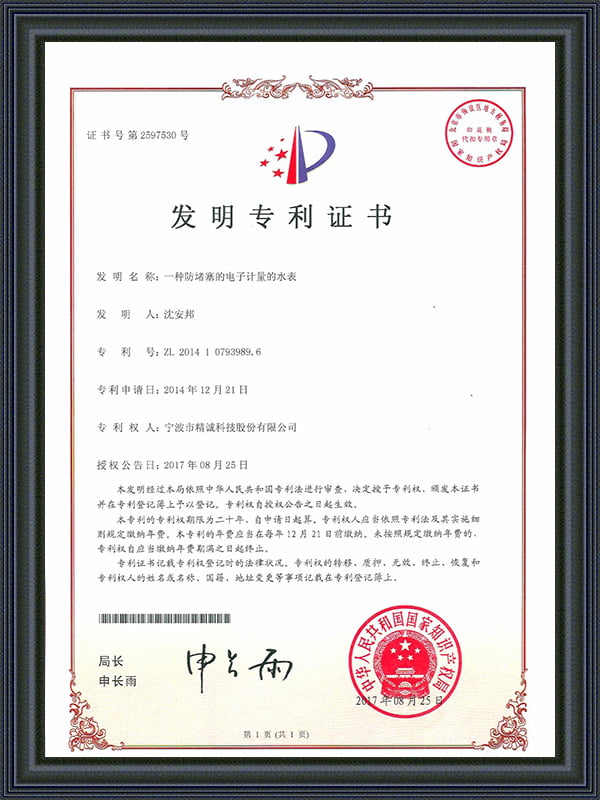
Keyture Meter is located in Picturesque Jiangbei Investment Park, NINGBO, CHINA. It is a comprehensive high-tech China Copper Can Register Water Meter Manufacturers and Custom Copper Can Register Water Meter Factory that integrates scientific research & development, production, sales, and service. Established in 2002 as a manufacturer and exporter of water meters for more than 22 years. The factory covers an area of 40 acres (30,000 square meters), 200 staff, 100+ types of products, product capacity of 5 million per year. Its product range covers single jet, multi-jet, volumetric piston type, Woltman type, IC card intelligent water meter, remote control water meter, optoelectrical reading direct remote control water meter...
Yearly production capacity
Production Area
Works and inspectors
Production experience
Excellent product with exquisite craftsmanship
Customization
We have a strong R&D team, and we can develop and produce products according to the drawings or samples the customers offered.
Cost
We are a professional manufacturer and also have our own processing machinery. So we can offer good prices and good products directly.
Quality
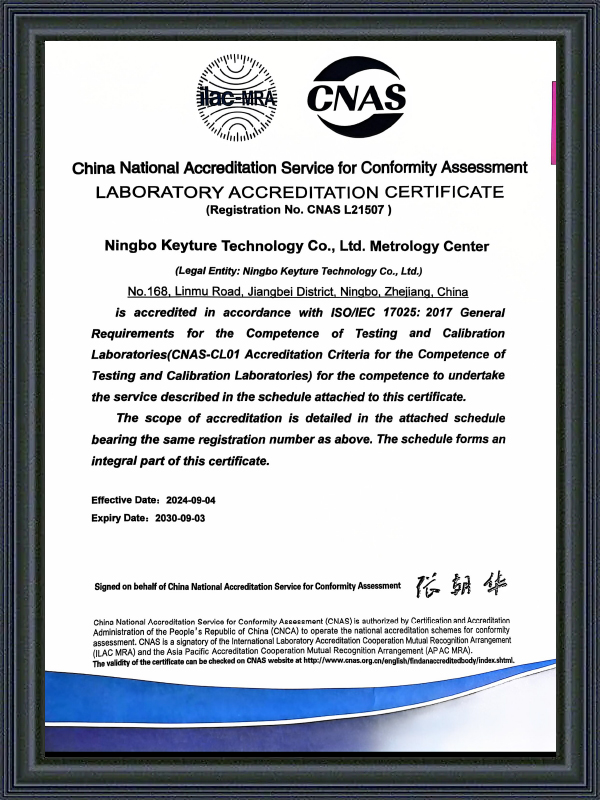
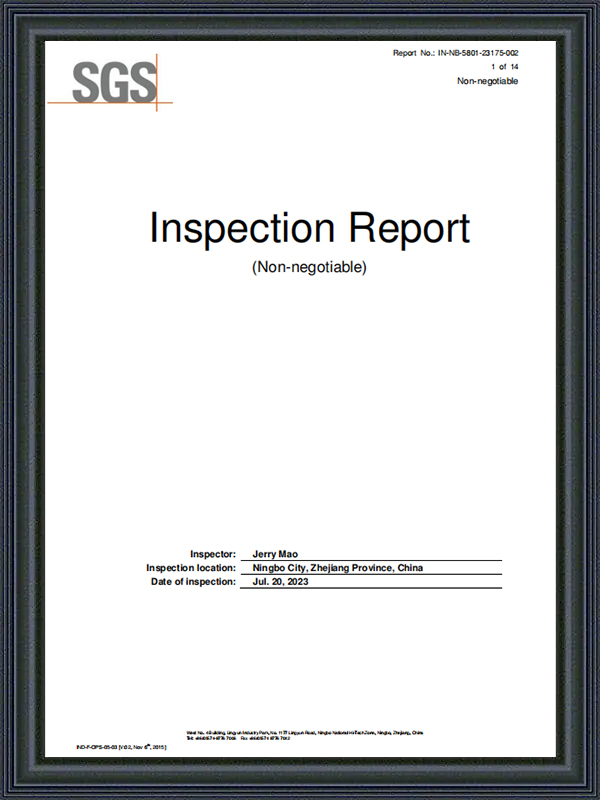
We have our own testing lab and advanced and complete inspection equipment, which can ensure the quality of the products.
Service
We focus on developing high-quality products for top-end markets. Our products are in line with international standards, and are mainly exported to Europe, America, Africa, Asia and other destinations around the world.
Capacity
Our annual production capacity is over 5 million units. We can meet the needs of different customers with different purchase quantities.
Shipment
We are about 35 kilometers away from Ningbo Port. It is very convenient and efficient to ship goods to any other countries.
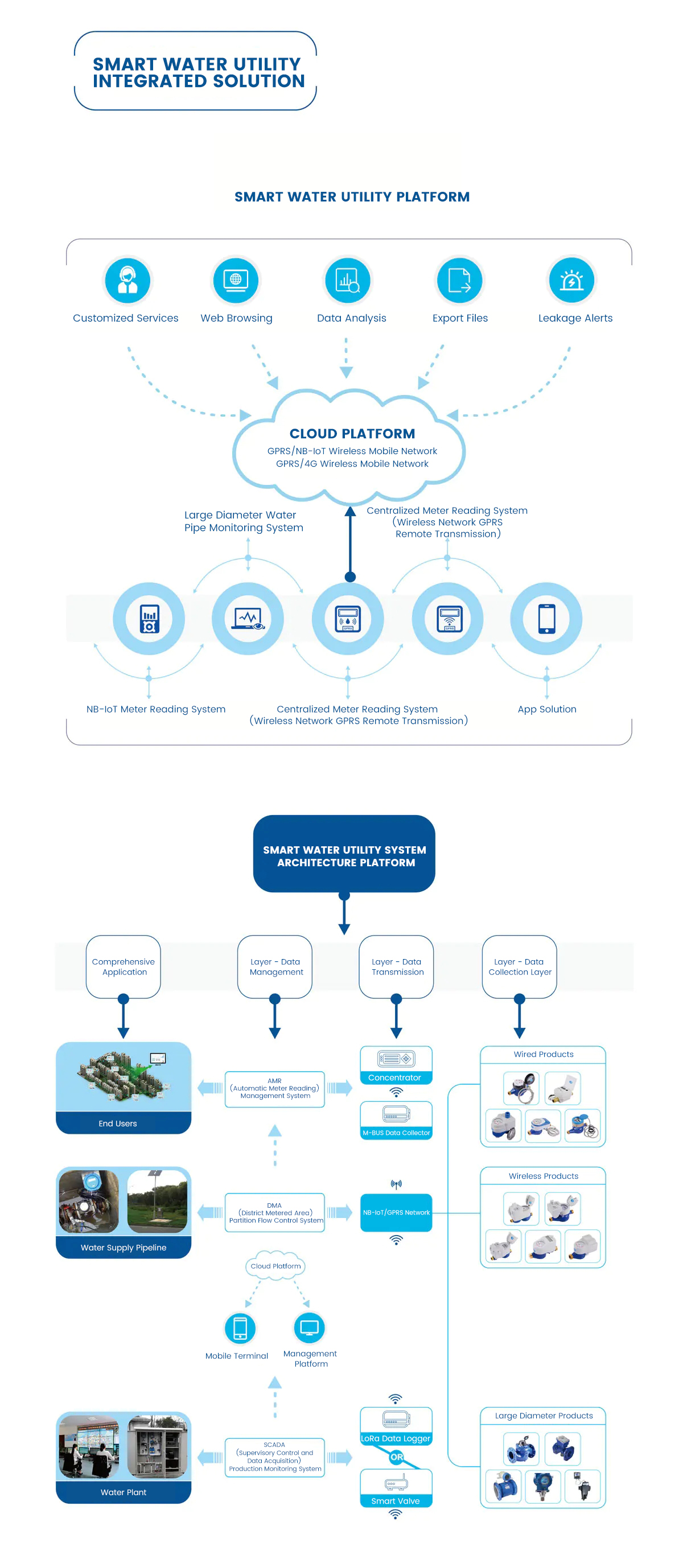
From mechanical meters to smart AMR/AMI systems — we provide end-to-end water metering solutions tailored to your project.
Chosen for harsh environments and where a long-lived, tamper-resistant register is worth the extra cost.
Install the meter in the orientation marked on the dial and in the direction of the flow arrow. Position the meter so the lid can be opened fully, and the glass is accessible to the reader. Close the flip lid after reading to protect the lens from sunlight and scratches.
Avoid using the can as a handle. Although it is strong, lifting or twisting the meter by the can can stress the crimped rim and bend the can wall near the magnetic coupling. Use the body or the unions to handle the meter.
After installation, check the dial through the glass, verify that there is no moisture inside and seal the lid with a lead wire. Record the meter and can serial numbers, and photograph the dial reading as a baseline.
The sealed can needs no maintenance. During readings, check that the lens is clear, the lid closes and the seal is intact. Any sign of moisture inside the glass or a cloudy fill indicates a leak, and the can should be replaced.
At the end of the verification period, the whole register can be removed and replaced with a tested spare can. The old can is returned to the workshop for testing and, where possible, refilling and refurbishment. This module approach reduces downtime and keeps the water circuit untouched.
With normal use, the can lasts as long as the meter and often much longer. In many fleets, cans are reused on rebuilt meter bodies for a second or third service life.
A can register is a register mechanism sealed inside a small metal cup, usually of brass, closed by a glass lens crimped onto the rim. The can is sealed hermetically and often filled with damping liquid or nitrogen.
Metal resists sunlight, frost, heat and impact better than plastic, and it cannot be pried open without damage. It also protects the register from moisture and dust over very long periods.
Brass is non-magnetic, so the field passes through. The can wall is thin enough for strong coupling and thick enough for pressure and strength. The effect on calibration is small and is corrected at the factory.
Glycerin or silicone oil in liquid-sealed versions, or dry nitrogen in gas-filled versions. Both prevent condensation and fogging. Liquid fill also damps shocks and keeps the pointers steady.
A can is designed to be sealed for life. If the register fails, the whole can is replaced as a module. In a workshop, it may be possible to open, refurbish and reseal a can, but this is not a field operation.
Opening the can destroys it. The lid and lead seal protect against casual interference, and any attempt to remove the can from the meter leaves visible damage. Anti-magnetic shielding is available.
Yes. A hot water version uses high-temperature fill, gasket and lens materials. The can is rated to ambient temperatures of 70 °C and water to 90 °C, with a thermal break neck on some designs.
Liquid fill becomes more viscous when cold, which can add a little drag. The fill is chosen for a low viscosity change across temperature, and the meter is tested at low temperature to confirm accuracy.
The can is sealed by the lens, so a broken lens exposes the register. The lid and the glass thickness protect against ordinary impact. A broken can should be replaced, since the register will no longer be sealed.
Yes. A pulse head or communication module can be fitted on the can cover or lid, outside the sealed can. Sensors read the follower magnet through the can wall or a sensor window.
Yes, modestly. Drawn brass, crimping and leak testing add cost compared with a plastic cover. In harsh or tamper-prone areas, the longer life and lower failure rate usually repay the difference.
DN15 to DN50 with can diameters of 52 to 75 mm. Larger cans are used for larger registers on bigger meters. Please contact us for special sizes.
Send us the climate, installation type and tamper concerns. Our engineers will recommend the right copper can register configuration, with price and lead time.

Address: No.168,LinMu Rd.,Zone B, Jiangbei investment Park, Ningbo, Zhejiang,China
Tel: +86-0574-83090480/+86-18892665118
Fax: +86-0574-83021045
Email: [email protected]
Web: https://www.keyturemeter.com/
Quick Links
Product
Mobile terminal
 Custom Copper Can Register Water Meter Manufacturers