 English
 Español
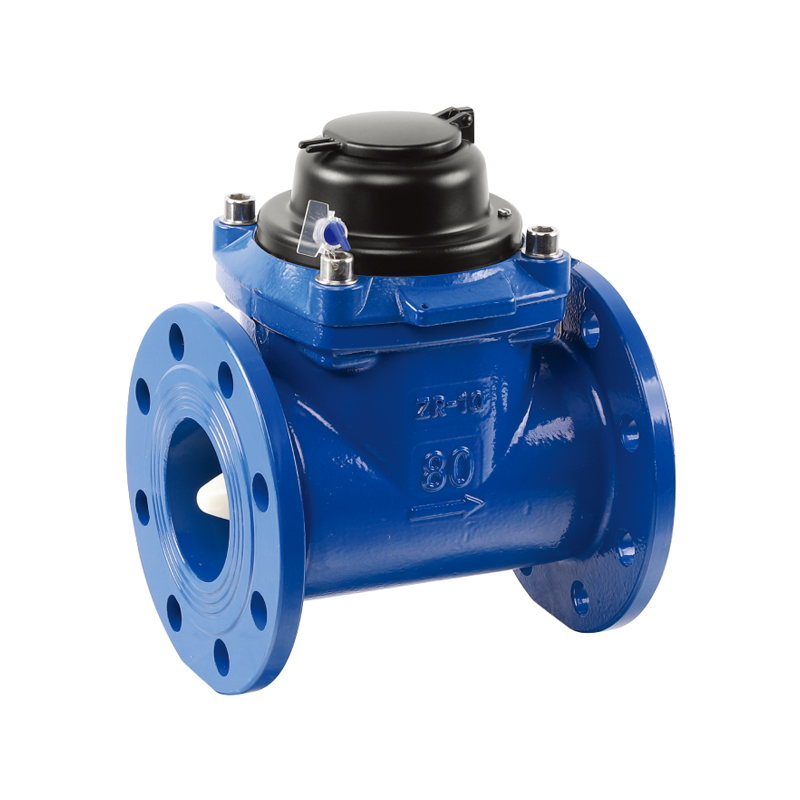
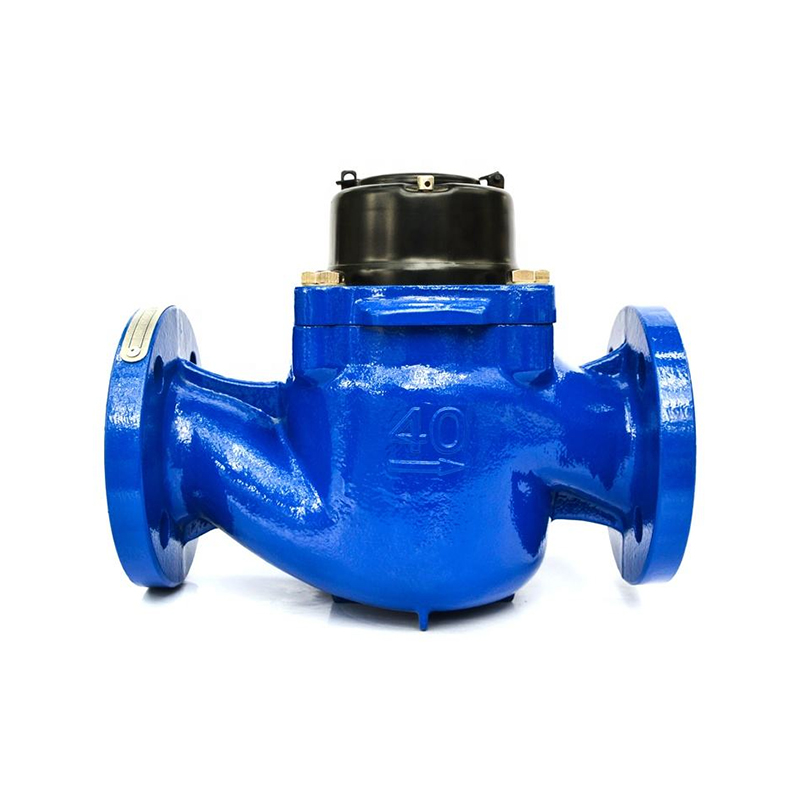
Standard Drilling, Direct Fit
EN 1092-2 bolt circles and hole sizes mean the flange mates with meters, valves and pipes built to the same standard. No adapters or re-drilling are needed on site.

Cast and ductile iron companion, blind and adapter flanges drilled to EN 1092-2 — the standard connection for flanged water meters from DN50 to DN300.
EN-GJL-250 / EN-GJS-450-10 · EN 1092-2 · epoxy coated
A cast iron water meter flange is the bolted connection piece that joins a flanged water meter to the pipeline. Flanged meters, from DN50 upward, do not screw into pipe; each end carries a flat, drilled ring, and the pipeline on each side carries a matching ring. A gasket sits between the two faces, bolts pass through the holes and tightening them presses the faces together until the joint seals. The flange on the pipe side — the companion flange — is a product in its own right: a heavy cast ring with a bore for the pipe, a raised or flat face for the gasket and a precisely drilled bolt circle. Its dimensions, flatness and material decide whether the joint seals at 16 bar or weeps from the first day.
Cast iron suits this job for the same reasons it has served water systems for generations. It has high compressive strength, which is what a flange face under bolt load needs, it damps vibration, it is stable in damp ground and in water, and it is economical in the large diameters where flanges are used. Grey iron grades such as EN-GJL-250 (HT250) are suitable for static supply pressure, while ductile iron EN-GJS-450-10 (QT450) adds toughness and elongation for pressure transients, ground movement and traffic loading. After casting, the flange is shot blasted and machined on the faces, bore and bolt circle, then coated with fusion-bonded epoxy or bitumen paint to protect against corrosion in soil and in meter chambers.
Our range covers the flanges that go with the flanged meters in this series: plain plate flanges for welding or threading to pipe, blind flanges for temporary closure and testing, adapter flanges that convert between PN10, PN16 and PN25 patterns and flange-by-socket pieces for ductile iron pipe. Drilling follows EN 1092-2 for PN10, PN16 and PN25, with ANSI B16.1 Class 125 and JIS 10K patterns for export projects. Each flange is dimensionally inspected, marked with size, PN and material and supplied with bolts, nuts and gaskets as a kit if required. For utilities, contractors and meter manufacturers, the cast iron water meter flange provides the heavy, accurate and standardised joint that bulk meters need.
Key takeaway: A meter is only as leak-tight as its flange joints. Accurately drilled, flat-faced, epoxy-coated cast iron flanges make flanged meters easy to install and reliable for decades.
Six advantages that make cast iron the standard flange material in water supply.
EN 1092-2 bolt circles and hole sizes mean the flange mates with meters, valves and pipes built to the same standard. No adapters or re-drilling are needed on site.
Faces are machined to a flatness and roughness suited to the gasket, giving an even seal. A good face is the difference between a joint that holds at the first tightening and one that must be re-torqued.
High compressive strength resists the crushing load of bolts, and the mass of the casting resists bending from pipe loads. Ductile grades add toughness for water hammer and ground movement.
Fusion-bonded epoxy or bitumen coating protects against soil, condensation and water. Machined faces are protected with removable coating for transport.
Flange, bolts, nuts and gaskets can be supplied as a kit for each meter. The installer receives a matched set sized to the pressure rating.
Cast iron costs far less than forged steel or stainless steel in the DN50 to DN300 range, which keeps the cost of metering points down on large projects.
Standard configuration below. Material grade, drilling standard, facing and coating can be adapted to your pipeline requirements.
| Parameter | Specification |
|---|---|
| Product | Cast iron plate flanges, blind flanges, adapter flanges |
| Nominal diameter | DN50 – DN300 (2" – 12") |
| Pressure rating | PN10 / PN16 standard; PN25 on request |
| Material | Grey cast iron EN-GJL-250 (HT250) or ductile iron EN-GJS-450-10 (QT450) |
| Drilling standard | EN 1092-2; ANSI B16.1 Class 125 / JIS 10K / AS 4087 on request |
| Facing | Flat face (FF) standard; raised face (RF) on request |
| Face roughness | Ra 3.2 – 12.5 µm, concentric serrations |
| Coating | Fusion-bonded epoxy ≥ 250 µm, or black bitumen paint |
| Flange types | Plate (loose or fixed), blind, adapter, flange-by-socket |
| Hydrostatic test | 1.5 × PN shell test; 1.1 × PN seat test |
| Operating temperature | -10 °C – 120 °C at full PN; derated above |
| Bolt kit options | Hot-dip galvanised 5.6 / 8.8 bolts, zinc-plated nuts, stainless on request |
| Gasket options | EPDM full-face, fibre-reinforced, spiral-wound for high pressure |
| Marking | Size, PN, material grade, manufacturer mark, cast date |
| Typical mass | See size table, plate type |
| Inspection | Dimensional check, coating thickness, material certificate EN 10204 3.1 |
| Packaging | Face protectors, palletised or boxed |
Dimensions are for plate flanges to EN 1092-2 PN16, flat face. D is outside diameter, K is bolt circle diameter, C is flange thickness.
| Nominal Size | D (mm) | K (mm) | Bolt Holes | C (mm) | Bore (mm) | Mass (kg) |
|---|---|---|---|---|---|---|
| DN50 (2") | 165 | 125 | 4 × Ø18 | 19 | 50 | 2.5 |
| DN65 (2½") | 185 | 145 | 4 × Ø18 | 19 | 65 | 3.1 |
| DN80 (3") | 200 | 160 | 8 × Ø18 | 19 | 80 | 3.3 |
| DN100 (4") | 220 | 180 | 8 × Ø18 | 19 | 100 | 3.8 |
| DN125 (5") | 250 | 210 | 8 × Ø18 | 19 | 125 | 4.8 |
| DN150 (6") | 285 | 240 | 8 × Ø22 | 19 | 150 | 5.9 |
| DN200 (8") | 340 | 295 | 12 × Ø22 | 20 | 200 | 7.9 |
| DN250 (10") | 405 | 355 | 12 × Ø26 | 22 | 250 | 11.6 |
| DN300 (12") | 460 | 410 | 12 × Ø26 | 24.5 | 300 | 15.7 |
Dimensions follow EN 1092-2 PN16. Mass is calculated for a plain plate flange and excludes hubs. PN10 differs from PN16 in hole count at DN200 (8 instead of 12) and in outside diameter at DN250 and DN300. Tell us your meter and pipe standard and we will confirm the correct pattern.
A flange is a pressure-retaining part, so its material, dimensions and surface finish are controlled by standards.
Circular flanges for pipes, valves and fittings made of cast iron: dimensions, tolerances, facing, bolt holes and pressure–temperature ratings.
Material standards for grey iron (EN-GJL-250) and spheroidal graphite iron (EN-GJS-450-10), covering tensile strength, hardness and microstructure.
Fusion-bonded epoxy per WIS 4-52-01 or equivalent with thickness and holiday testing. Potable water approvals available for lined flanges.
International standard for cast iron flanges, equivalent in dimensions to EN 1092-2 and used in many export tenders.
Shell test at 1.5 × PN and seat test at 1.1 × PN on samples or by batch, with test records filed by heat or cast number.
EN 10204 3.1 certificates with chemical composition and tensile test results for each casting lot.
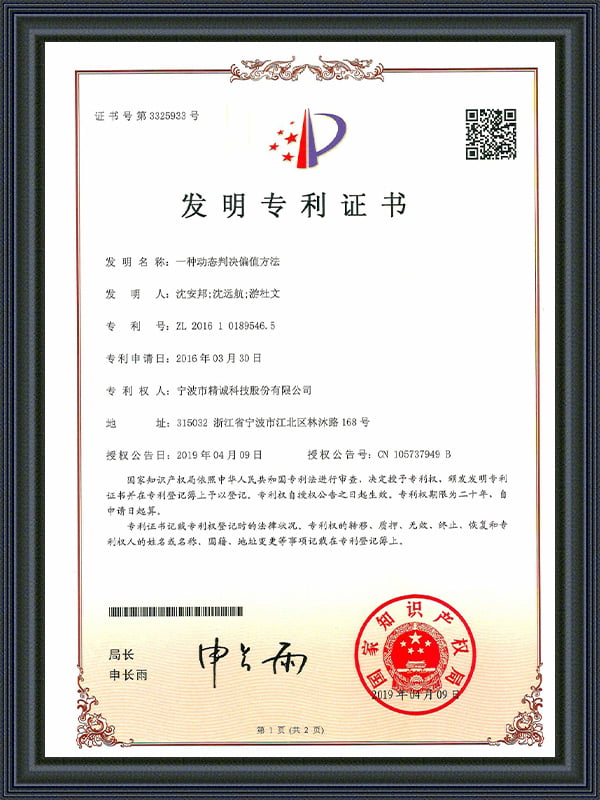
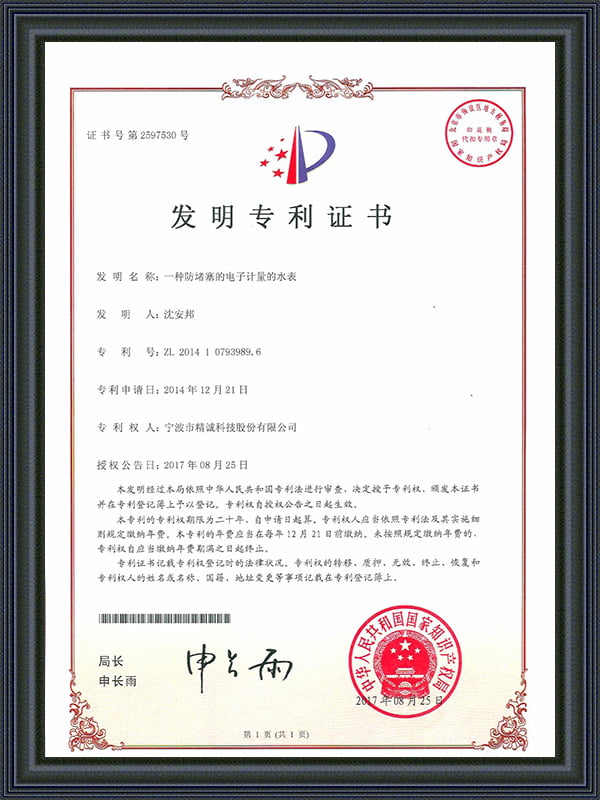
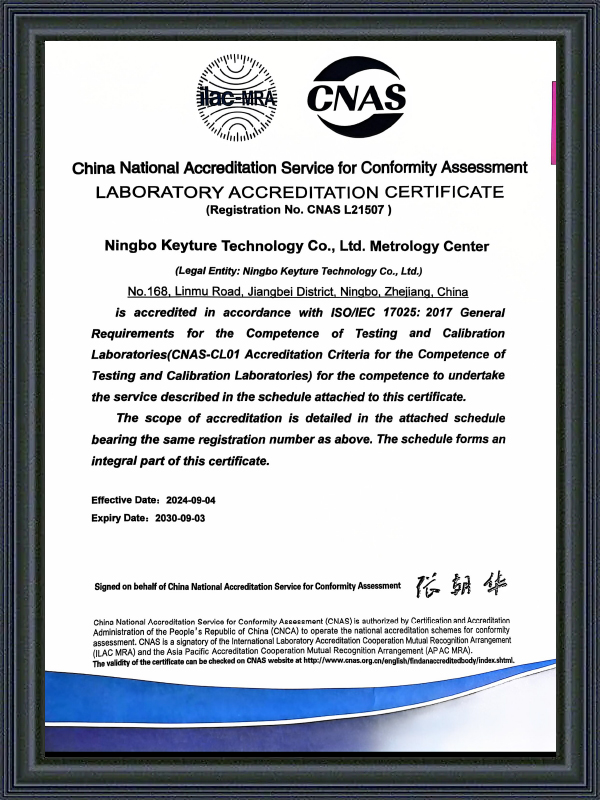
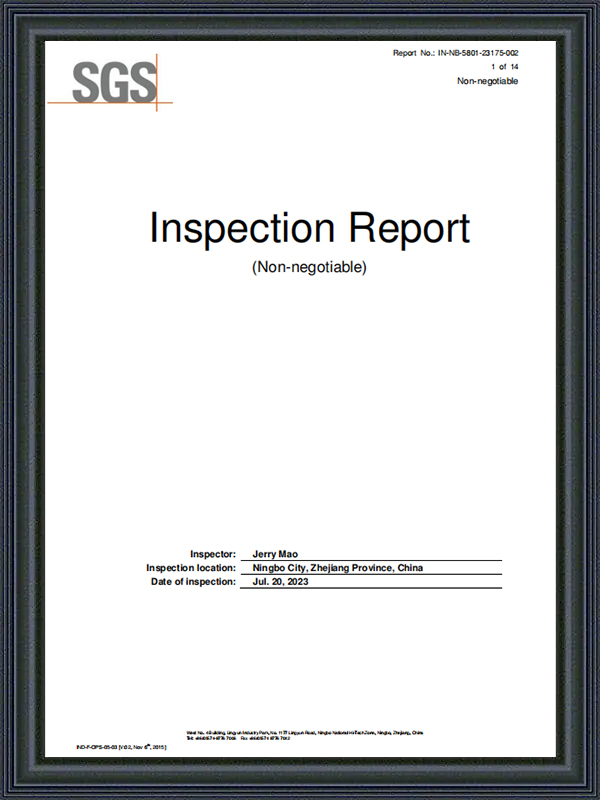
Two aspects define a good flange: how the casting is made and finished, and how the joint seals when it is bolted up.
Flange castings are made in green sand or resin-bonded moulds. Grey iron EN-GJL-250 forms graphite flakes that give good damping and compressive strength, while ductile iron EN-GJS-450-10 has spheroidal graphite that gives tensile strength and elongation. Melt chemistry is checked on each heat, and tensile test bars are cast alongside the flanges to confirm properties.
After shakeout and shot blasting, the faces, bore and bolt holes are machined on CNC lathes and drilling centres to hold flatness and bolt-circle accuracy. Coating follows: epoxy powder is sprayed on heated parts and cured to a uniform layer, while sealing faces are protected by a removable film or by a masked area. Final inspection includes dimensions, coating thickness and visual checks for casting defects.
A flanged joint is a clamped gasket. When bolts are tightened, they stretch slightly and provide a clamping force that compresses the gasket between the two faces. The gasket must be compressed enough to fill the surface irregularities and seal at low pressure, and the clamping force must remain high enough to resist the end load of pressure trying to separate the faces. A flat, concentric-grooved face grips the gasket and keeps it from squeezing out.
Even tightening is essential. Bolts are tightened in several passes in a cross pattern, bringing the faces together evenly rather than one side at a time. Over-tightening can crush the gasket or crack a cast iron flange, while under-tightening leads to leaks. After the system has been pressurised and warmed, a final check of bolt torque compensates for gasket relaxation. The flange itself must be flat and parallel so that the clamp load is uniform around the ring.
Typical data for the cast iron water meter flange. Use these charts to confirm flange mass, pressure–temperature limits and dimensions before specifying.
Figure 1 — Calculated mass of plain plate flanges (kg vs. DN)
The chart shows calculated mass for plain plate flanges at PN10 and PN16 from DN50 to DN300. Mass rises quickly with size because both the ring area and the thickness grow. Knowing the mass helps plan lifting, packing and shipping, especially for pallets of DN200 and DN300 flanges.
Figure 2 — Figure 2 — Typical maximum working pressure vs. temperature
Cast iron flanges keep their full rated pressure up to about 120 °C and are then derated as temperature rises. The curves show typical values for a PN10 and a PN16 cast iron flange. Exact values depend on the material group in EN 1092-2 and should be confirmed in the product data sheet.
Figure 3 — Plate flange dimensions (D × K × C × bore)
| Size | D (mm) | K (mm) | Holes | C (mm) | Mass (kg) |
|---|---|---|---|---|---|
| DN50 (2") | 165 | 125 | 4 × Ø18 | 19 | 2.5 |
| DN65 (2½") | 185 | 145 | 4 × Ø18 | 19 | 3.1 |
| DN80 (3") | 200 | 160 | 8 × Ø18 | 19 | 3.3 |
| DN100 (4") | 220 | 180 | 8 × Ø18 | 19 | 3.8 |
| DN125 (5") | 250 | 210 | 8 × Ø18 | 19 | 4.8 |
| DN150 (6") | 285 | 240 | 8 × Ø22 | 19 | 5.9 |
| DN200 (8") | 340 | 295 | 12 × Ø22 | 20 | 7.9 |
| DN250 (10") | 405 | 355 | 12 × Ø26 | 22 | 11.6 |
| DN300 (12") | 460 | 410 | 12 × Ø26 | 24.5 | 15.7 |
Dimensions and masses are for reference, PN16 plate flanges. Confirm exact values with our engineering team before ordering or preparing pipework drawings.
Flange material influences cost, strength and corrosion behaviour. This table compares cast and ductile iron with steel alternatives.
| Design Feature | Cast / Ductile Iron | Carbon Steel (Forged) | Stainless Steel |
|---|---|---|---|
| Unit purchase cost | Lowest in DN50–DN300 | Moderate | Highest |
| Compressive strength at face | High | High | High |
| Toughness and elongation | Ductile iron good, grey low | High | High |
| Corrosion in soil and water | Good with epoxy | Needs heavy coating | Excellent |
| Mass | Heavy | Lighter | Lighter |
| Typical pressure range | PN10 – PN25 | PN10 – PN100 | PN10 – PN100 |
| Weldability | Not welded | Welded or threaded | Welded or threaded |
| Best application | Water mains and meter chambers | High pressure and welded pipework | Aggressive water and food or pharma |
This comparison is indicative. Actual selection depends on pipeline material, pressure and soil conditions. Contact our engineers for application-specific guidance.
Premium quality
since 2002
Coming From China, Marketing To The World
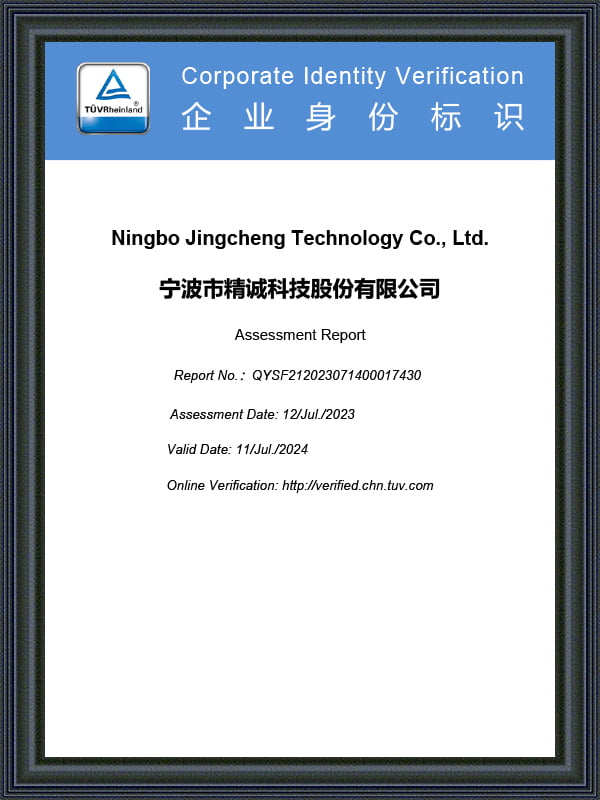
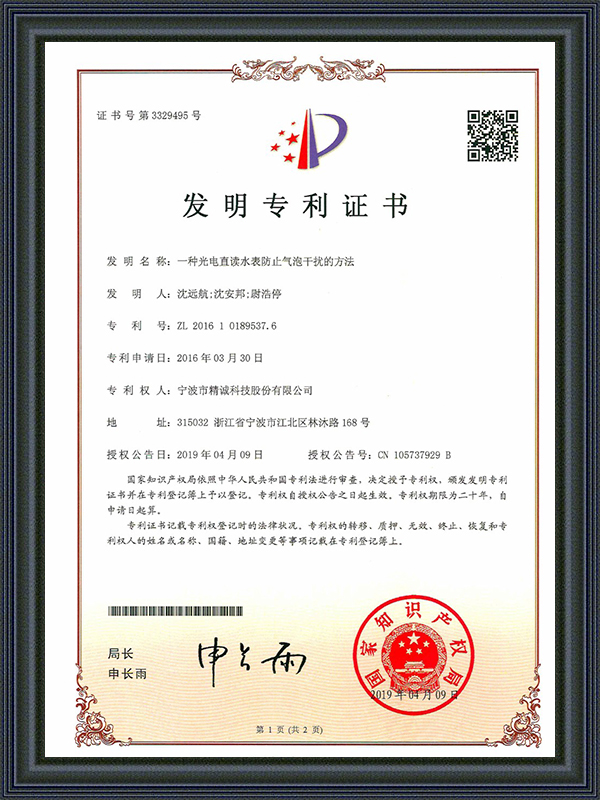
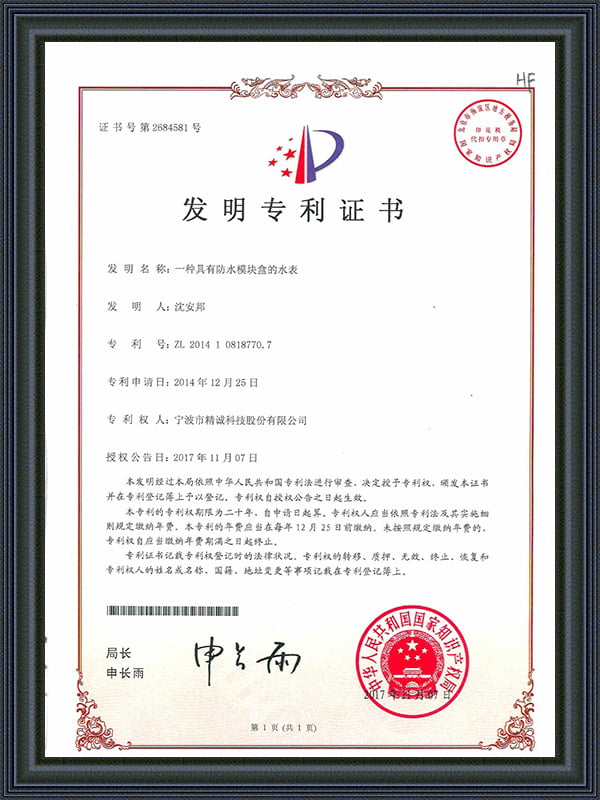
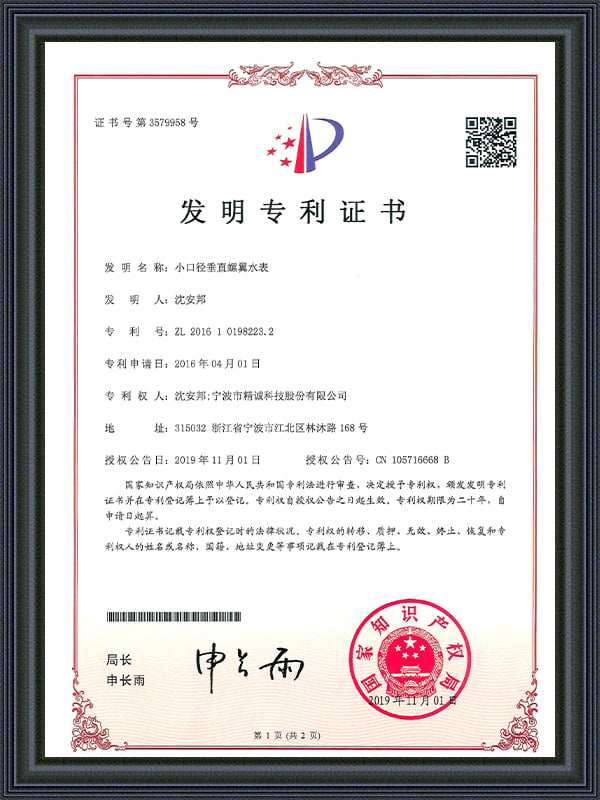
Keyture Meter is located in Picturesque Jiangbei Investment Park, NINGBO, CHINA. It is a comprehensive high-tech China Cast Iron Water Meter Flange Manufacturers and Custom Cast Iron Water Meter Flange Factory that integrates scientific research & development, production, sales, and service. Established in 2002 as a manufacturer and exporter of water meters for more than 22 years. The factory covers an area of 40 acres (30,000 square meters), 200 staff, 100+ types of products, product capacity of 5 million per year. Its product range covers single jet, multi-jet, volumetric piston type, Woltman type, IC card intelligent water meter, remote control water meter, optoelectrical reading direct remote control water meter...
Yearly production capacity
Production Area
Works and inspectors
Production experience
Excellent product with exquisite craftsmanship
Customization
We have a strong R&D team, and we can develop and produce products according to the drawings or samples the customers offered.
Cost
We are a professional manufacturer and also have our own processing machinery. So we can offer good prices and good products directly.
Quality
We have our own testing lab and advanced and complete inspection equipment, which can ensure the quality of the products.
Service
We focus on developing high-quality products for top-end markets. Our products are in line with international standards, and are mainly exported to Europe, America, Africa, Asia and other destinations around the world.
Capacity
Our annual production capacity is over 5 million units. We can meet the needs of different customers with different purchase quantities.
Shipment
We are about 35 kilometers away from Ningbo Port. It is very convenient and efficient to ship goods to any other countries.
From mechanical meters to smart AMR/AMI systems — we provide end-to-end water metering solutions tailored to your project.
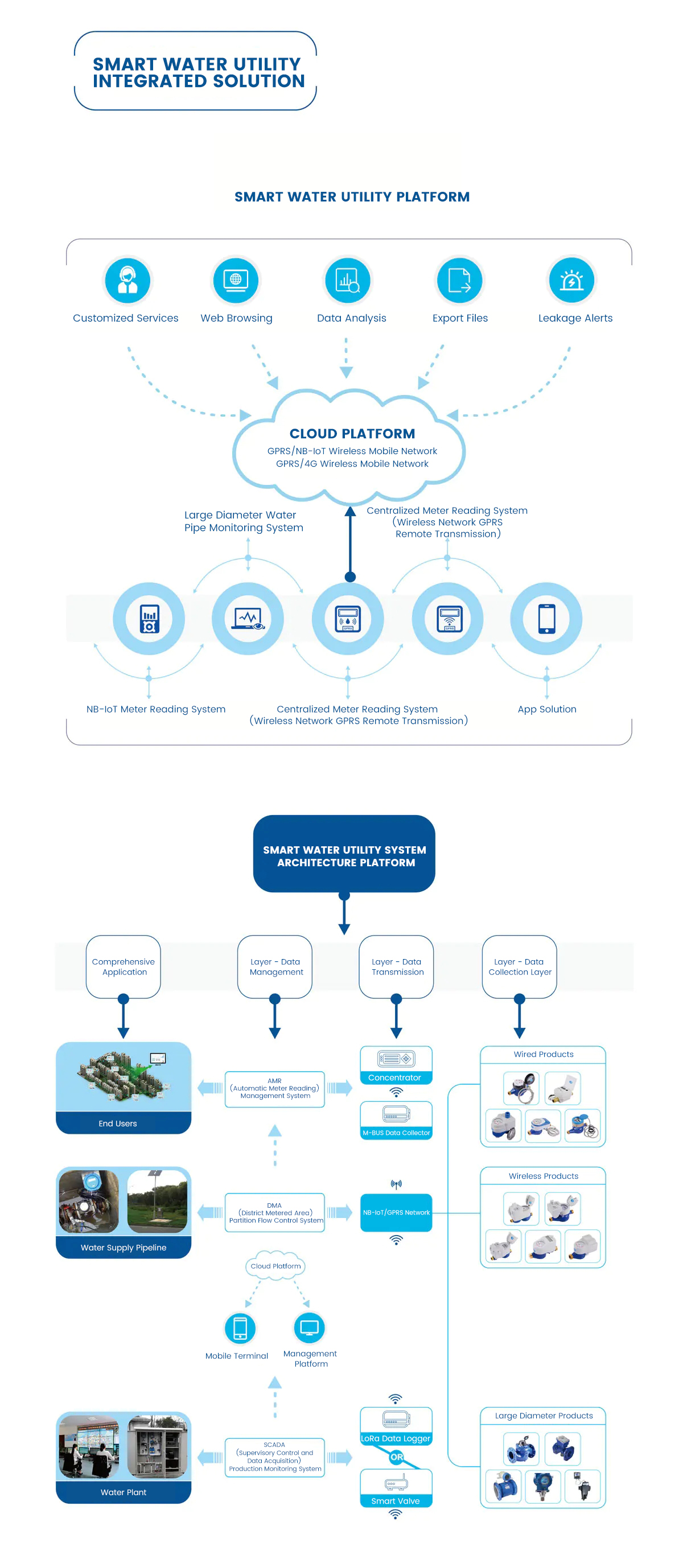
Used wherever a flanged water meter is bolted into a pipeline.
Check that the flange drilling matches the meter and pipe — PN10 and PN16 are identical up to DN150 but differ in hole count at DN200, and mixing PN16 with PN25 patterns will not fit. Clean the faces, remove the protective film and inspect for damage before bolting up.
Use a full-face gasket of the correct pressure class, centre it on the faces and fit bolts with washers under the nuts. Tighten in a cross pattern over at least three passes, to about 30 percent, 60 percent and 100 percent of the target torque, then repeat a final circular pass. Do not use extension bars that exceed the specified torque on cast iron.
Align the pipe and the meter before tightening so that no bending load is applied to the flange. A dismantling joint on one side takes up tolerance and lets the meter be removed later. Re-check the torque after the first pressurisation and again after the system has reached operating temperature.
Cast iron flanges are low-maintenance. Inspect periodically for weeping at the joint, corrosion of bolts and damage to the coating. In chambers that flood, bolts and nuts are the first parts to corrode, so use galvanised or stainless fasteners and protect them with grease or caps.
When a joint is opened, replace the gasket, clean the faces and check them for flatness and damage. A scored or corroded face may need to be re-machined or the flange replaced. Do not reuse bolts that show thread damage or stretch.
With intact coating and good bolting, a cast iron flange can last 30 years or more. Repair damaged coating with compatible epoxy touch-up, and record flange batches for asset management.
A companion flange is the flange fitted to the pipe that mates with the flange on the meter, valve or fitting. It is bolted to the meter flange with a gasket in between.
Choose the standard that matches your meter and your pipeline. EN 1092-2 PN10, PN16 and PN25 are standard in Europe and many other regions. ANSI B16.1 Class 125 and JIS 10K are common in the Americas and Asia.
Up to DN150 the dimensions and bolt patterns are the same, so they can be mated. From DN200 upwards they differ in hole count or diameter, so they do not fit. Always check the sizes you need.
Grey iron has flake graphite and is strong in compression but brittle. Ductile iron has spheroidal graphite and has higher tensile strength and elongation. Ductile iron is better where there is water hammer, traffic or ground movement.
The flange is shot blasted and coated with fusion-bonded epoxy or bitumen paint. The coating protects against soil and water. Machined faces are protected for transport and the protection removed at installation.
A full-face EPDM or fibre gasket is recommended for cast iron flanges, since it spreads the load. Spiral-wound or ring gaskets can damage cast iron faces. Use a gasket rated for the pressure and temperature.
The torque depends on bolt size, gasket and lubrication. Typical values for M16 to M24 bolts with rubber gaskets are tens to a few hundred newton metres. Follow the gasket manufacturer’s recommendation and tighten in a cross pattern.
No. Cast iron is not suitable for welding to steel pipe. Use threaded or loose plate types, or flange adapters and flanged pipe for connection to steel.
Yes. Kits include hot-dip galvanised bolts, nuts and washers, and a gasket sized to the pressure rating. Stainless steel fasteners and special gaskets are available on request.
Full rated pressure up to about 120 °C, and derated above that. Gasket and coating materials may set lower limits, so state the maximum temperature when ordering.
We do not recommend re-drilling a cast iron flange, as it weakens the casting and may breach the standard. Use an adapter flange or order the flange drilled to the required pattern.
With nominal size, PN rating, material grade, manufacturer mark and cast date. Markings follow EN 1092-2 and allow traceability to the casting lot.
Send us the meter and pipe sizes, pressure rating and drilling standard. Our engineers will recommend the right cast iron flange set with bolts and gaskets, with price and lead time.

Address: No.168,LinMu Rd.,Zone B, Jiangbei investment Park, Ningbo, Zhejiang,China
Tel: +86-0574-83090480/+86-18892665118
Fax: +86-0574-83021045
Email: [email protected]
Web: https://www.keyturemeter.com/
Quick Links
Product
Mobile terminal
 Custom Cast Iron Water Meter Flange Manufacturers