 English
 Español
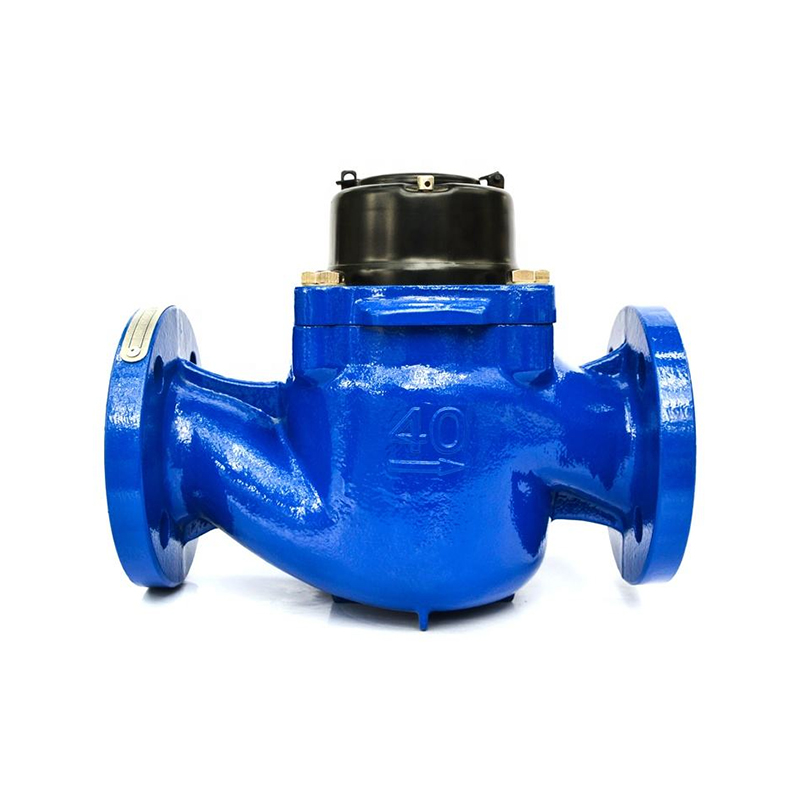
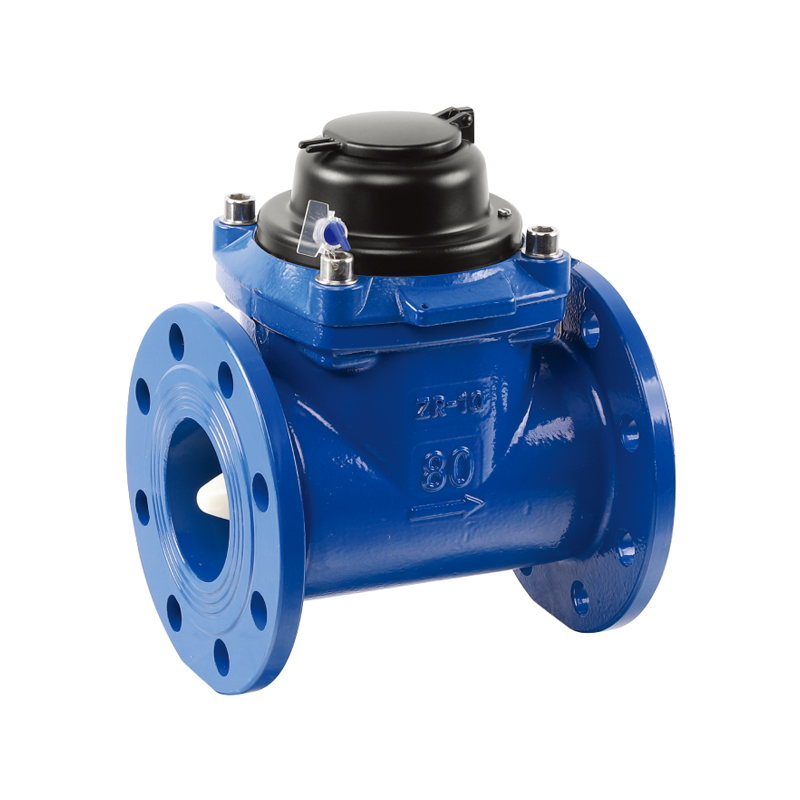
Heavy-Duty Casting
Thick-wall cast and ductile iron resists pipe vibration, bolt load and external impact. The body stays dimensionally stable under pressure cycling, protecting the alignment of the measuring insert inside.

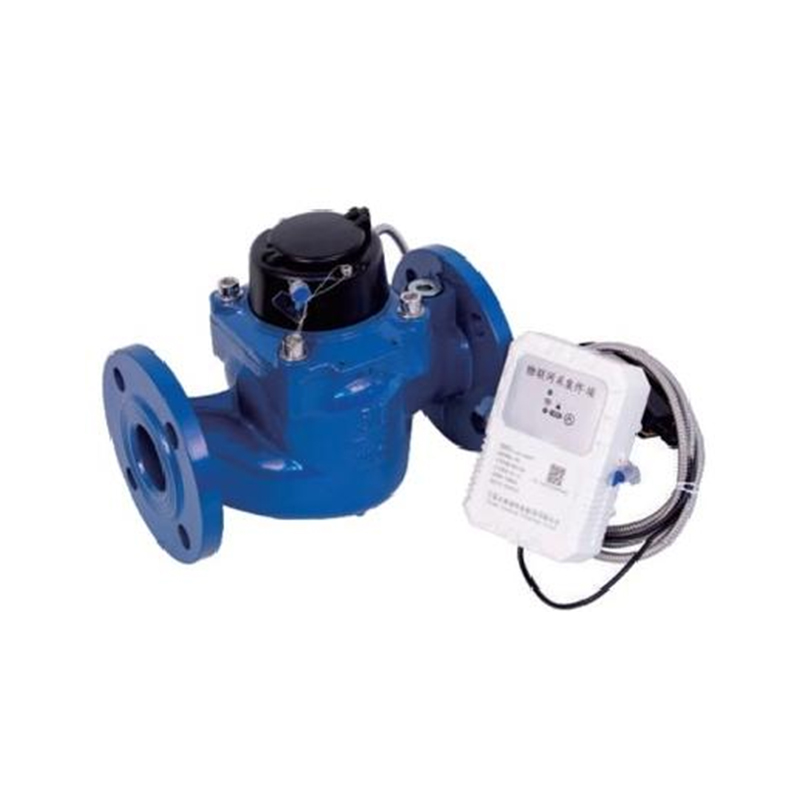
A heavy-duty flanged bulk meter in epoxy-coated cast or ductile iron — engineered for buried chambers, pump stations and trunk mains where body strength and standard flange fit matter as much as measuring accuracy.
Cast iron body · flanged ends · epoxy coated · IP68 option
A cast iron flange bulk water meter is a large-diameter mechanical meter distinguished above all by its housing: a heavy cast iron or ductile iron body with integral flanged ends, designed to be bolted directly into water mains. While the measuring element inside is a proven horizontal turbine insert, the body is what defines how the meter behaves in the field — how long it survives in a buried chamber, how securely it seals under surge pressure, how well it resists external corrosion, and how easily it connects to the surrounding pipework. For bulk supply points, treatment works and trunk mains, choosing the right body material and flange standard is as important as choosing the measuring principle.
Cast iron has been the backbone of water infrastructure for more than a century because of its strength, mass and compatibility with standard valves and fittings. A cast iron flange meter body is heavy enough to resist pipe vibration, rigid enough to avoid distortion under bolt load and thick enough to survive decades of pressure cycling. Ductile (spheroidal graphite) iron grades add impact resistance and elongation, allowing the body to withstand water hammer and ground movement. Internally and externally, the casting is shot-blasted and coated with fusion-bonded epoxy, producing a smooth, potable-water-safe surface that resists tuberculation and soil corrosion. The result is a meter that can be buried in a chamber, submerged in a flooded vault or installed in an outdoor pump station with minimal protection.
Flanged connections remove the guesswork from installation. The standard drilling follows EN 1092-2 PN10 and PN16, with PN25, ANSI B16.5 Class 150 and JIS 10K drillings available for export projects. Face-to-face lengths conform to ISO 4064 so that the meter can replace a spool piece, a gate valve or a competitor’s meter without altering the pipework. Sizes range from DN50 to DN300, with Class 2 accuracy per ISO 4064 / OIML R49, a dry-type rotatable register and optional pulse or remote reading modules. For utilities that value longevity, robust mechanical strength and standardised connections over minimum weight, the cast iron flange bulk meter offers a straightforward and durable solution.
Key takeaway: The measuring insert counts the water. The cast iron flanged body protects it for decades. If your priority is a heavy-duty, standard-fit meter that survives buried chambers and surge pressure, the body is the product.
Six body-level advantages that translate directly into longer life and lower risk on large water mains.
Thick-wall cast and ductile iron resists pipe vibration, bolt load and external impact. The body stays dimensionally stable under pressure cycling, protecting the alignment of the measuring insert inside.
Internal and external fusion-bonded epoxy coating — typically 250 µm or more — prevents tuberculation, soil corrosion and scale build-up. The smooth lining is safe for potable water contact and reduces friction.
EN 1092-2 PN10 / PN16 drilling as standard, with PN25, ANSI Class 150 and JIS 10K options. The meter bolts straight into existing flanged pipework without adapter spools.
Ductile iron grades offer high elongation and impact strength. The body absorbs pressure transients that could crack lighter polymer or thin-wall housings in pump-fed systems.
With an IP68 register and a sealed cover, the meter can be installed in flooded chambers or directly buried with an access sleeve, reducing civil works cost.
The body outlasts several measuring inserts. When an insert wears, it is replaced and the meter is re-verified, extending the useful life of the casting to decades.
Standard configuration below. Casting grade, coating, flange standard and pressure rating can be adapted to your market requirements.
| Parameter | Specification |
|---|---|
| Standard | ISO 4064 / OIML R49 |
| Meter type | Horizontal turbine insert in flanged cast iron body, velocity type |
| Nominal diameter | DN50 – DN300 (2" – 12") |
| Accuracy class | Class 2, R80 standard / R100 optional |
| Body material | Grey cast iron HT250 or ductile iron QT450-10 |
| Coating | Fusion-bonded epoxy, ≥ 250 µm inside and outside |
| Pressure rating | PN10 / PN16 standard; PN25 on request |
| Hydrostatic test | 1.5 × PN for body, 1.1 × PN for sealing |
| Flange standard | EN 1092-2; ANSI B16.5 Class 150 / JIS 10K on request |
| Face-to-face length | Per ISO 4064 (DN50: 200 mm – DN300: 500 mm) |
| Water temperature | 0.1 °C – 50 °C (cold water) |
| Register | Dry-type, magnetically coupled, 360° rotatable |
| Pressure loss | ≤ 0.03 MPa at Q3 |
| Weight range | From 18 kg (DN50) to 190 kg (DN300) |
| Pulse output | Optional reed or Hall, 10 L / 100 L / 1 m³ per pulse |
| Protection | IP65 standard; IP68 sealed register for buried use |
Q4 is the overload flow, Q3 the permanent flow, Q2 the transitional flow and Q1 the minimum flow, all expressed in m³/h.
| Nominal Diameter | Q4 Overload | Q3 Permanent | Q2 Transitional | Q1 Minimum | Range Ratio | Flange Drilling |
|---|---|---|---|---|---|---|
| DN50 (2") | 31.25 | 25 | 0.5 | 0.3125 | R80 | 4 × Ø18 on PCD 125 |
| DN80 (3") | 78.75 | 63 | 1.26 | 0.7875 | R80 | 8 × Ø18 on PCD 160 |
| DN100 (4") | 125 | 100 | 2 | 1.25 | R80 | 8 × Ø18 on PCD 180 |
| DN150 (6") | 312.5 | 250 | 5 | 3.125 | R80 | 8 × Ø22 on PCD 240 |
| DN200 (8") | 500 | 400 | 8 | 5 | R80 | 12 × Ø22 on PCD 295 |
| DN250 (10") | 787.5 | 630 | 12.6 | 7.875 | R80 | 12 × Ø26 on PCD 355 |
| DN300 (12") | 1250 | 1000 | 20 | 12.5 | R80 | 12 × Ø26 on PCD 410 |
Values shown for R80 with PN16 drilling per EN 1092-2. R100 versions, ANSI and JIS drillings and PN25 bodies are available — tell us your flange standard and operating pressure and we will confirm the correct configuration.
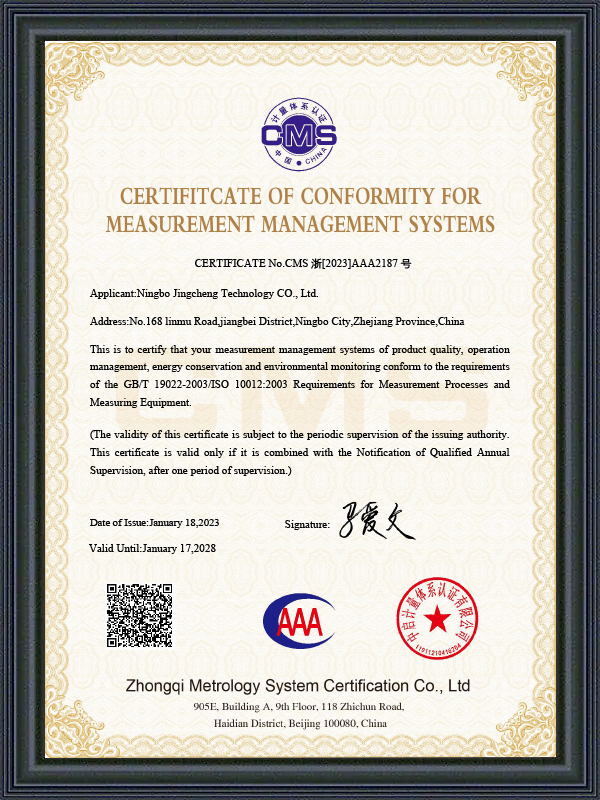
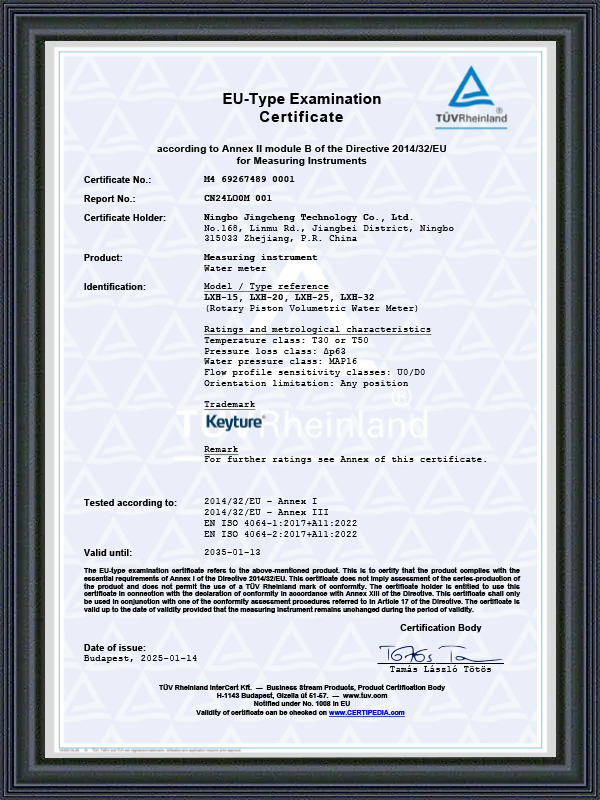
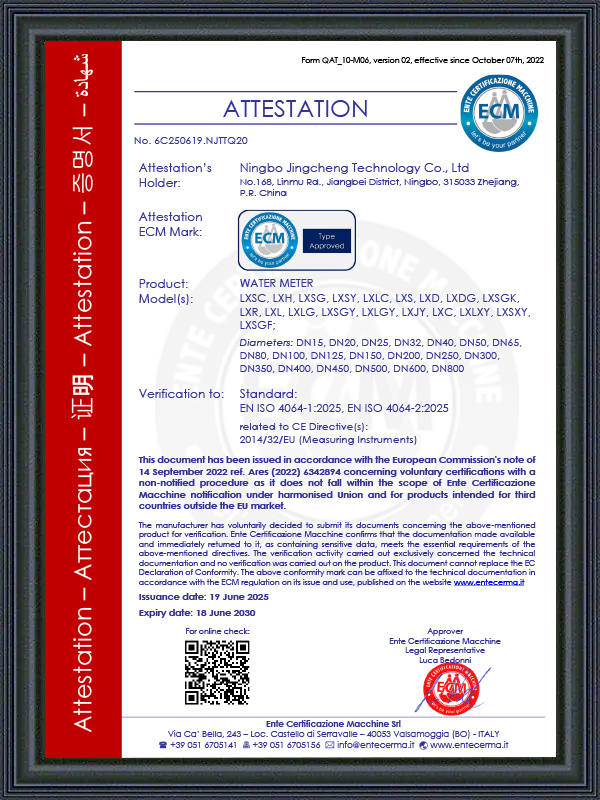
The body of a bulk meter must satisfy material, pressure and coating requirements as well as metrological ones, so certification covers both.
Metrological requirements and test procedures for cold potable water meters. Face-to-face lengths for flanged meters follow the standard to allow direct replacement.
Cast iron flange dimensions and bolt patterns for PN10, PN16 and PN25. Gasket seating surfaces are machined to the required roughness and flatness.
Grey iron HT250 per GB/T 9439 or ductile iron QT450-10 per GB/T 1348, with equivalent EN-GJL-250 and EN-GJS-450-10 grades supplied for European projects.
Fusion-bonded epoxy per WIS 4-52-01 or equivalent, with thickness and holiday testing. Potable water approvals such as WRAS, NSF/ANSI 61 or ACS available.
Each body is tested hydrostatically at 1.5 × PN before assembly and the completed meter at 1.1 × PN, with test records archived by serial number.
EU MID approval for the complete meter, including the sealing of the register and the labelling of orientation, pressure and accuracy class.
Two engineering choices define this product: how the casting is made and protected, and how the flanged connection integrates with the line.
The housing is sand cast from grey iron or ductile iron, then machined at the flange faces, insert seat and register boss. Casting quality is controlled through chemistry analysis, tensile testing and radiographic or ultrasonic checks on critical sections. The wall thickness is designed with a generous safety factor for pressure, bolt load and external impact.
Grey cast iron offers excellent damping and compressive strength at lower cost, while ductile iron provides higher tensile strength and elongation to resist shock loads and ground movement. Our range lets buyers match the grade to the network: grey iron for stable pressure zones and ductile iron where surge, traffic loading or seismic movement are concerns.
Standard drilling and face-to-face lengths mean the meter can be installed in place of a spool piece, gate valve or an older meter without changing the pipework. Bolt holes are positioned symmetrically for easy alignment, and the raised-face or flat-face options match the adjacent fittings. The flanges are cast integrally with the body, eliminating the leak paths of welded or screwed-on flange rings.
For buried and flooded chambers, the register is hermetically sealed to IP68 and the cover bolts are protected by plastic caps and anti-corrosion paint. A rotatable head lets technicians read the meter from any direction, and an optional access sleeve reduces the need for large manholes. This reduces civil costs and improves safety during reading and maintenance.
Measured performance data for the cast iron flange bulk water meter. Use these charts to confirm pressure loss, metrological accuracy and installation dimensions before specifying.
Figure 1 — Head loss curve (MPa vs. flow m³/h)
The chart shows pressure loss through the flanged cast iron meter at DN50 to DN300. The internal bore is smooth thanks to the epoxy lining, which reduces wall friction and keeps loss at or below 0.03 MPa at Q3. This helps protect residual pressure at the end of the main.
Figure 2 — Accuracy error curve (Class 2, R80, Q1–Q4)
Each flanged meter is calibrated across the flow range and the error curve is recorded on its test certificate. Class 2 limits of ±5% in the lower zone and ±2% in the upper zone are held, with a slight positive bias around Q3 that is typical of turbine inserts and corrected at the final adjustment step.
Figure 3 — Installation dimensions (L × H × B × D)
| Size | L (mm) | H (mm) | B (mm) | D (flange OD) | Weight (kg) |
|---|---|---|---|---|---|
| DN50 | 200 | 250 | 225 | 165 | 18 |
| DN80 | 225 | 270 | 245 | 200 | 27 |
| DN100 | 250 | 290 | 265 | 220 | 36 |
| DN150 | 300 | 350 | 320 | 285 | 62 |
| DN200 | 350 | 405 | 375 | 340 | 98 |
| DN250 | 450 | 460 | 435 | 405 | 145 |
| DN300 | 500 | 515 | 485 | 460 | 190 |
Dimensions and weights are for reference, PN16 flanges. Confirm exact values with our engineering team before chamber design or lifting plan.
The body material shapes cost, weight, longevity and resistance to field conditions. This table compares cast iron with the most common alternatives.
| Design Feature | Cast / Ductile Iron | Welded Carbon Steel | Stainless Steel |
|---|---|---|---|
| Unit purchase cost | Moderate | Moderate | Highest |
| Corrosion resistance | Excellent with epoxy coating | Requires heavy coating | Excellent inherent |
| Weight | Heavy | Lighter | Lighter |
| Surge and impact tolerance | High (ductile iron) | High | High |
| Vibration damping | High — mass of casting | Moderate | Moderate |
| Flange standardisation | Integral cast flanges | Welded flanges | Welded flanges |
| Suitable for buried chambers | Yes with epoxy and IP68 | Needs extra protection | Yes |
| Typical life of body | 30 years or more | 20 to 25 years | 30 years or more |
This comparison is indicative. Actual performance depends on water chemistry, soil conditions and the specific product configuration. Contact our engineers for application-specific guidance.
Premium quality
since 2002
Coming From China, Marketing To The World
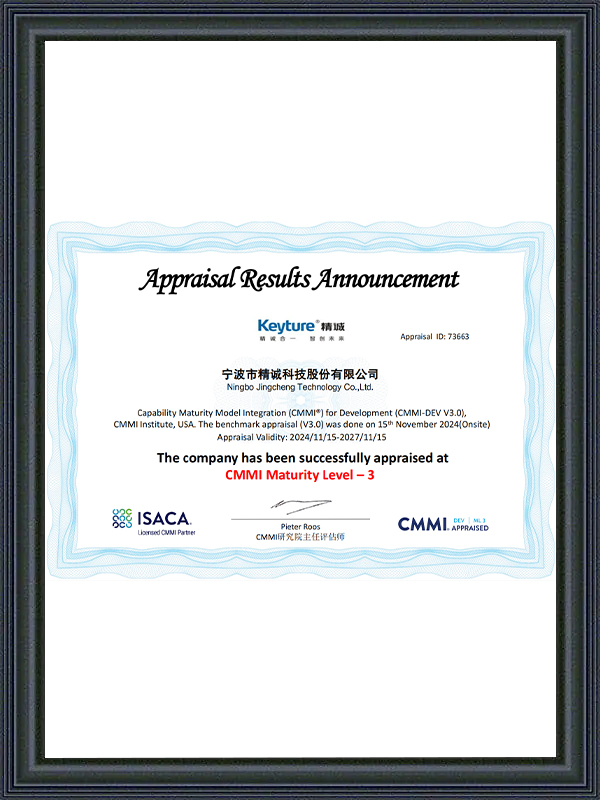
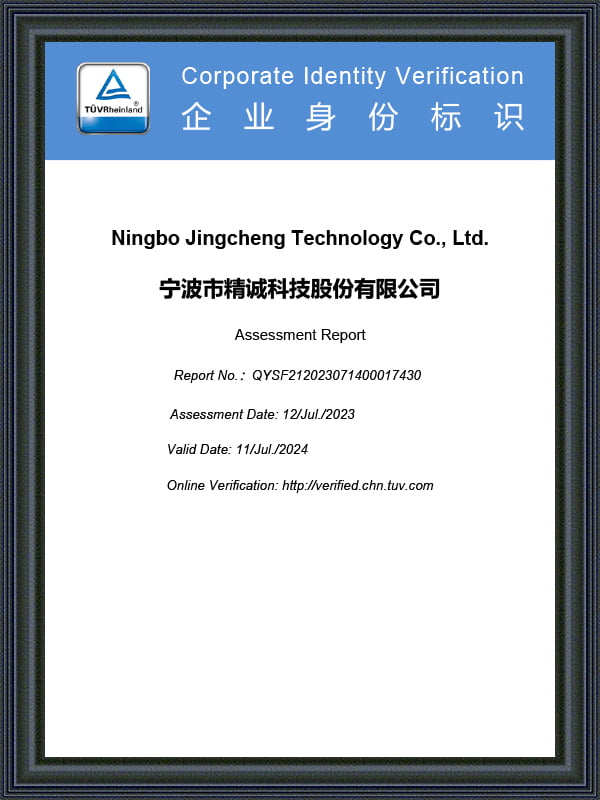
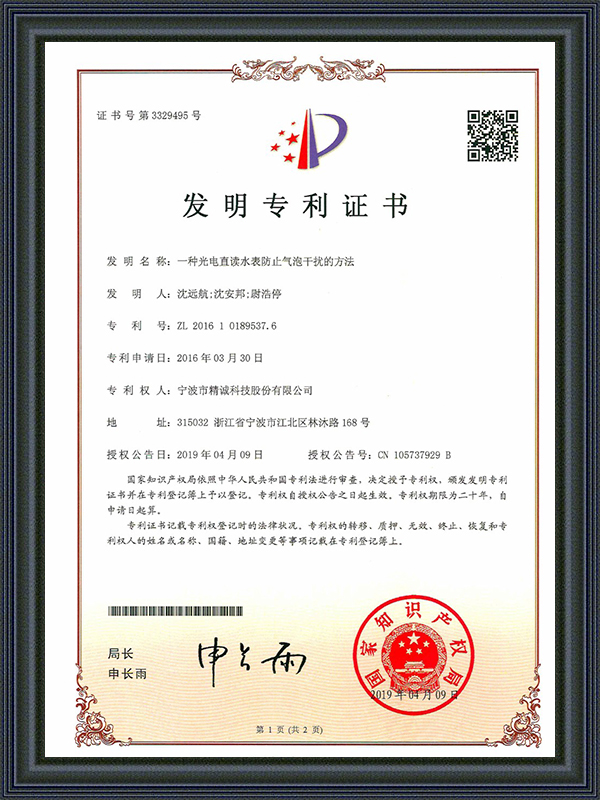
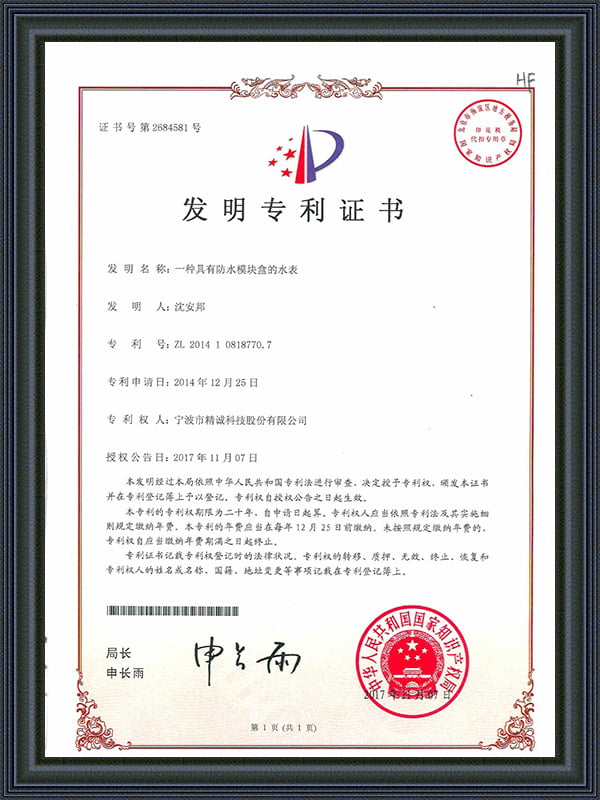
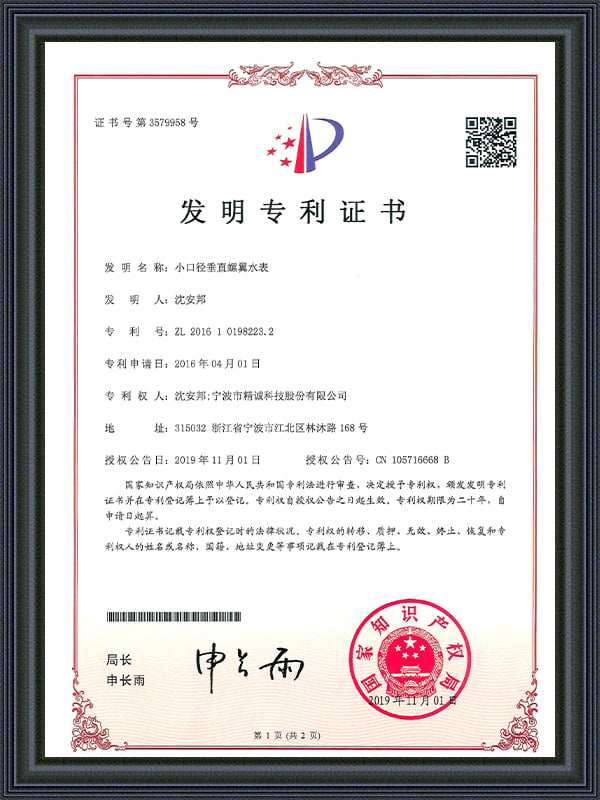
Keyture Meter is located in Picturesque Jiangbei Investment Park, NINGBO, CHINA. It is a comprehensive high-tech China Cast Iron Flange Bulk Water Meter Manufacturers and Custom Cast Iron Flange Bulk Water Meter Factory that integrates scientific research & development, production, sales, and service. Established in 2002 as a manufacturer and exporter of water meters for more than 22 years. The factory covers an area of 40 acres (30,000 square meters), 200 staff, 100+ types of products, product capacity of 5 million per year. Its product range covers single jet, multi-jet, volumetric piston type, Woltman type, IC card intelligent water meter, remote control water meter, optoelectrical reading direct remote control water meter...
Yearly production capacity
Production Area
Works and inspectors
Production experience
Excellent product with exquisite craftsmanship
Customization
We have a strong R&D team, and we can develop and produce products according to the drawings or samples the customers offered.
Cost
We are a professional manufacturer and also have our own processing machinery. So we can offer good prices and good products directly.
Quality
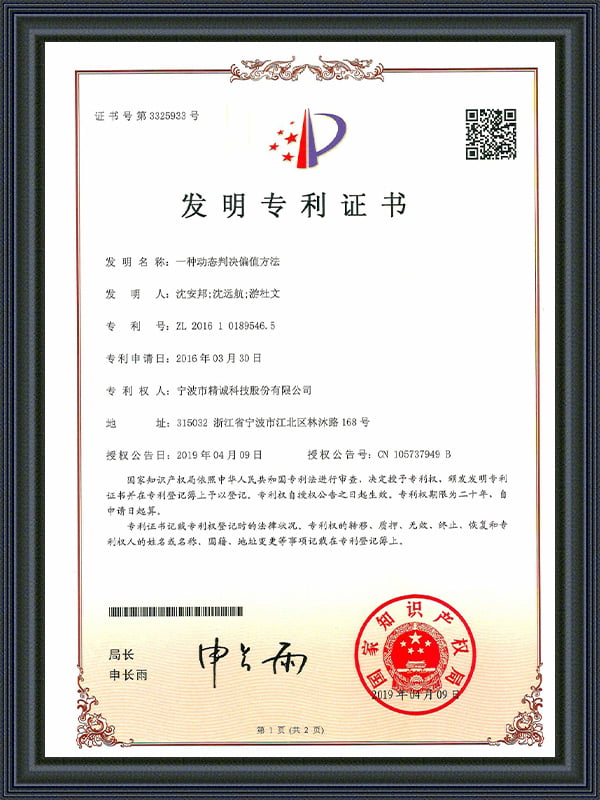
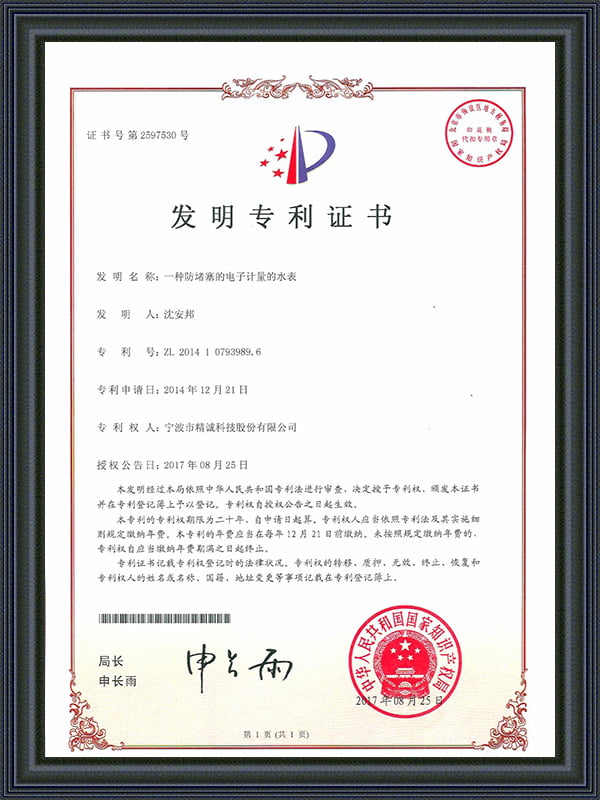
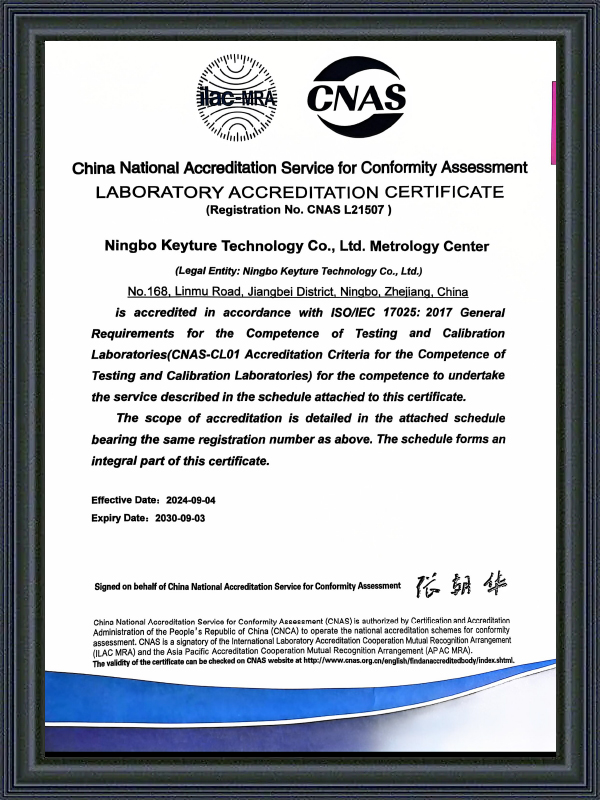
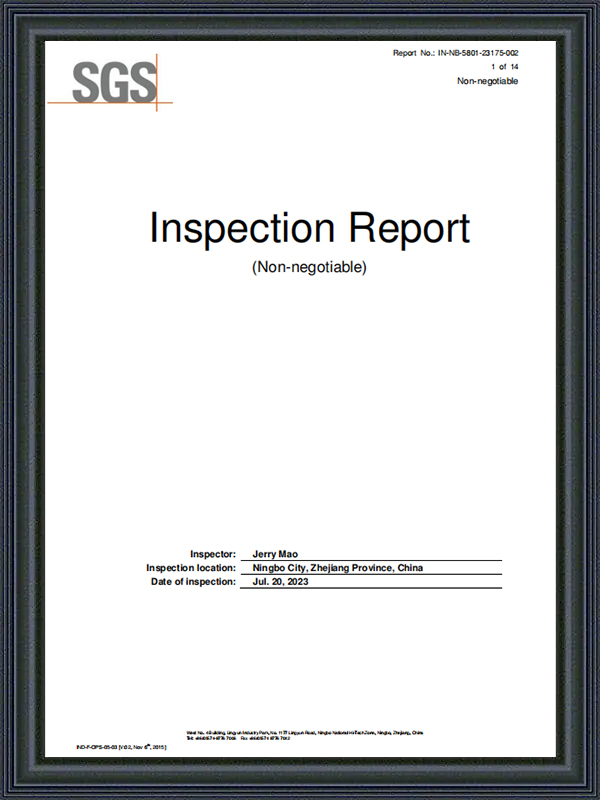
We have our own testing lab and advanced and complete inspection equipment, which can ensure the quality of the products.
Service
We focus on developing high-quality products for top-end markets. Our products are in line with international standards, and are mainly exported to Europe, America, Africa, Asia and other destinations around the world.
Capacity
Our annual production capacity is over 5 million units. We can meet the needs of different customers with different purchase quantities.
Shipment
We are about 35 kilometers away from Ningbo Port. It is very convenient and efficient to ship goods to any other countries.
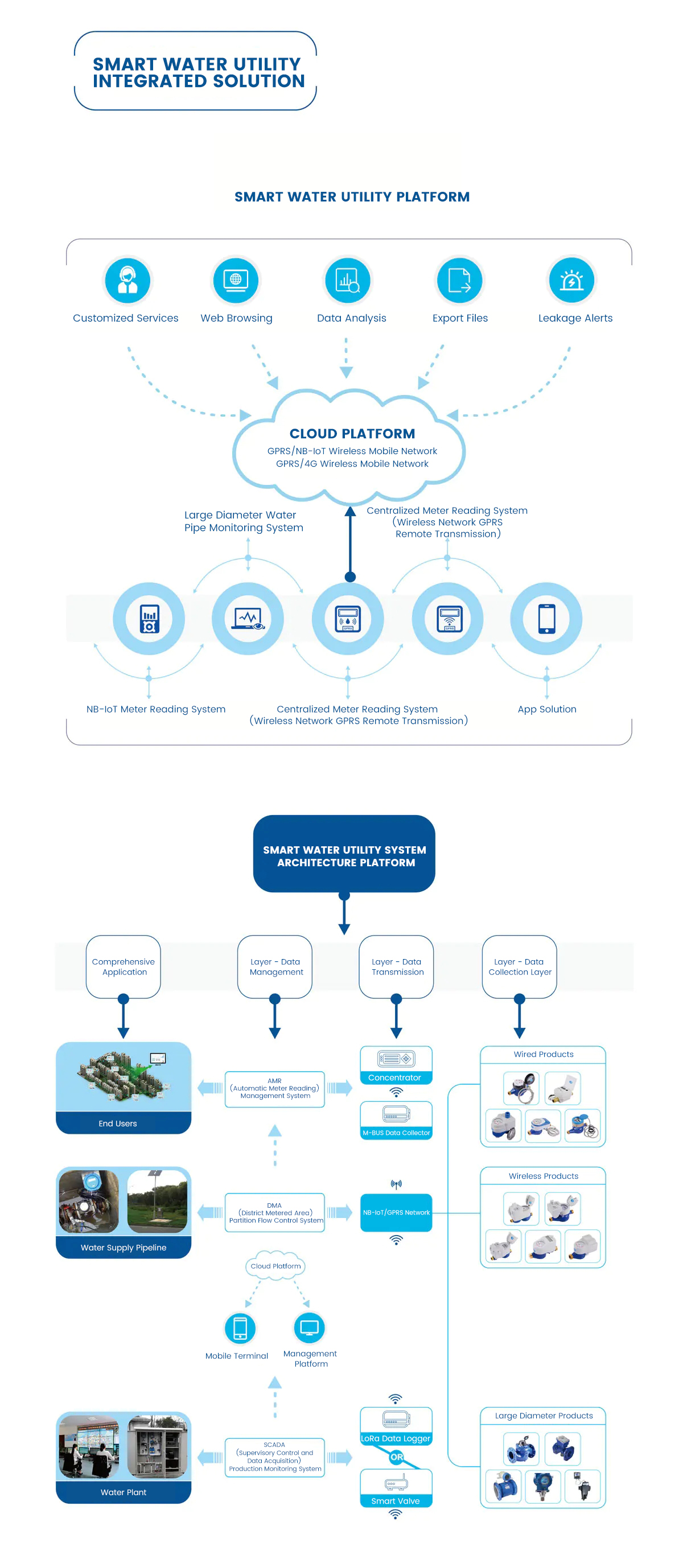
From mechanical meters to smart AMR/AMI systems — we provide end-to-end water metering solutions tailored to your project.
Selected where body strength, standard flange fit and long chamber life are the priority.
Before installation, check the flange faces for damage and ensure that mating pipe flanges are parallel and aligned. A misaligned cast iron flange can crack when bolts are forced into place. Use a flexible coupling or dismantling joint on one side of the meter to absorb installation tolerance and ease future removal.
Fit full-face gaskets of the correct pressure rating and tighten bolts gradually in a cross-pattern to the specified torque. Over-tightening is a common cause of flange face distortion. Lift the meter using the designated lifting points or slings around the body — never by the register or the cover.
Provide at least 5 × DN of straight pipe upstream and 3 × DN downstream. Install an isolating valve on each side and a bypass if continuous supply is critical. Make sure the chamber has drainage and enough room to remove the cover and insert.
Cast iron bodies need little maintenance. Check periodically for leaks at the flanges and cover, inspect the external epoxy coating for damage and touch up scratches with compatible paint. In flooded chambers, check the IP68 register seal and cover bolts for corrosion.
The measuring insert is the main wearing component. When accuracy drifts, the insert can be replaced through the cover, and the meter re-verified. The body typically outlasts three or four inserts, which makes the cost of ownership per cubic metre measured very low.
With intact epoxy coating, a cast iron flange meter body can last 30 years or more. Utilities should keep records of body serial numbers, casting grade, coating batch and test pressures to support asset management and replacement planning.
Cast iron offers high strength, mass and corrosion resistance at a moderate cost, and it matches the material of most water mains and valves. The weight damps vibration, and the casting can withstand years of pressure cycling and external loads. With epoxy coating, it also resists soil and water corrosion.
Grey iron has flake graphite, giving good compressive strength and damping but lower tensile strength and impact resistance. Ductile iron has spheroidal graphite, which provides higher tensile strength, elongation and shock resistance. Ductile iron is preferred in networks with water hammer, traffic loading or ground movement.
Standard drilling follows EN 1092-2 PN10 and PN16. PN25, ANSI B16.5 Class 150, JIS 10K and AS 4087 drillings are available on request. Please tell us your pipeline flange standard when ordering so the meter can be machined to match.
The body is shot-blasted and coated inside and out with fusion-bonded epoxy, typically 250 µm or thicker. The coating is holiday-tested to detect pinholes and is suitable for potable water contact. For aggressive soils, an additional external polyethylene wrap or bitumen coating can be added.
Yes, with the IP68 register option. The sealed register, protected cover bolts and epoxy-coated body are designed for flooded chambers and direct burial with an access sleeve. Drainage is still recommended to reduce long-term corrosion risk.
Weight ranges from about 18 kg at DN50 to approximately 190 kg at DN300. Weights are listed in the dimension table. Plan lifting equipment for sizes above DN150 and design chamber access accordingly.
The body itself does not measure flow, but the machining accuracy of the insert seat and bore directly affects calibration. Cast iron bodies are machined with tight tolerances to keep the insert aligned, and every finished meter is tested on a calibration rig.
Yes. Face-to-face lengths follow ISO 4064 so that the meter can replace a spool piece or a compliant meter without changing pipework. Check the existing flange drilling and length before ordering, and use a dismantling joint to take up tolerances.
With IP68 register, epoxy coating and a protected cover, the meter can be buried with an access sleeve. For corrosive soils add an external wrap. Always keep access to the register and cover for reading and servicing.
We recommend 5 × DN upstream and 3 × DN downstream. Where space is limited, a flow straightener or longer upstream section can be used. Straight pipe protects the turbine from swirl and gives the most accurate readings.
Yes. A pulse output, encoder head or integrated M-Bus, LoRaWAN or NB-IoT module can be added to the register. Bulk meters are often the first points in a network to receive remote reading because their data supports water balance and leak management.
The cast iron body can last 30 years or more if the coating is intact. The measuring insert typically needs refurbishment after 5 to 8 years, depending on water quality and flow profile. Regular testing and inspection extend the life of the complete meter.
Send us the pipe size, pressure rating, flange standard and installation environment. Our engineers will recommend the right cast iron flange bulk meter configuration, with price and lead time.

Address: No.168,LinMu Rd.,Zone B, Jiangbei investment Park, Ningbo, Zhejiang,China
Tel: +86-0574-83090480/+86-18892665118
Fax: +86-0574-83021045
Email: [email protected]
Web: https://www.keyturemeter.com/
Quick Links
Product
Mobile terminal
 Custom Cast Iron Flange Bulk Water Meter Manufacturers