 English
 Español
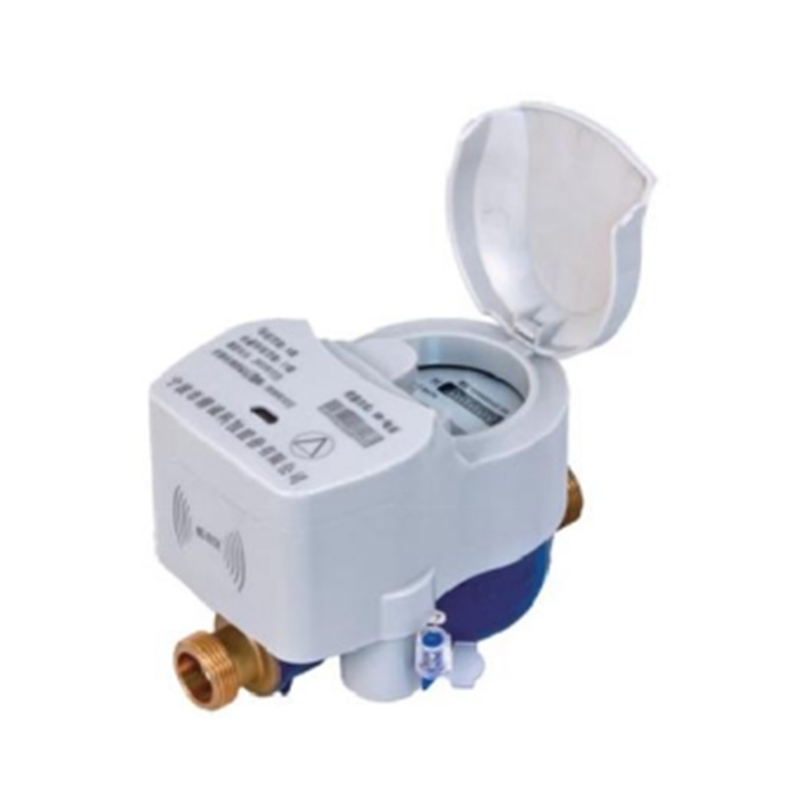
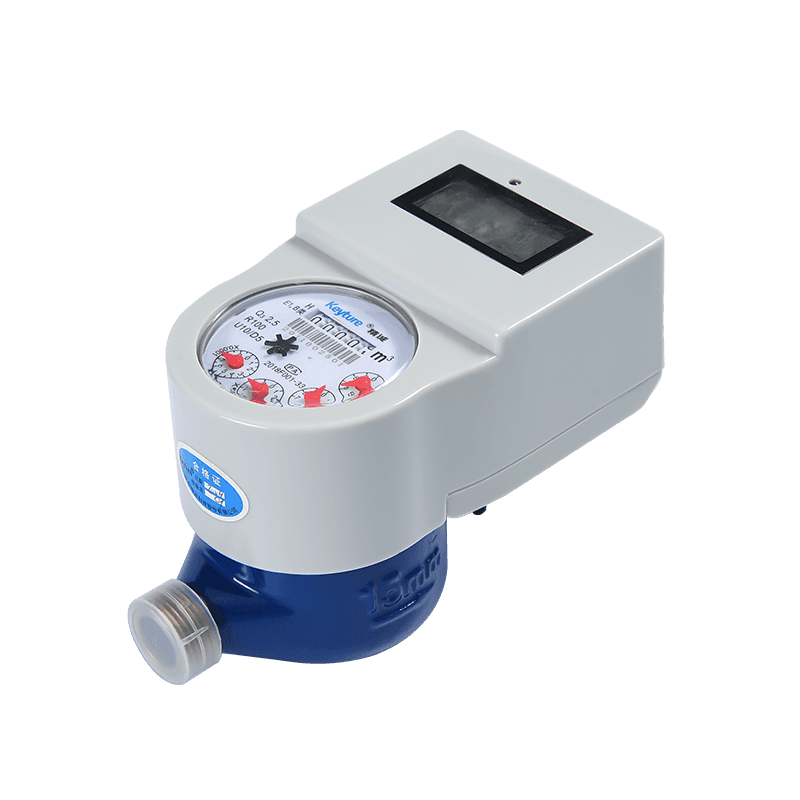
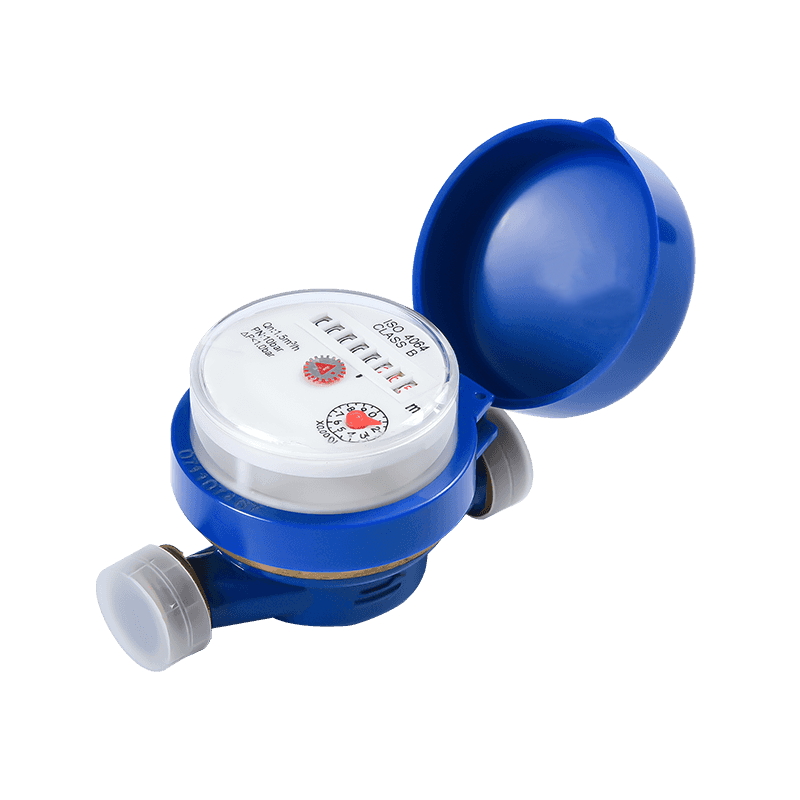
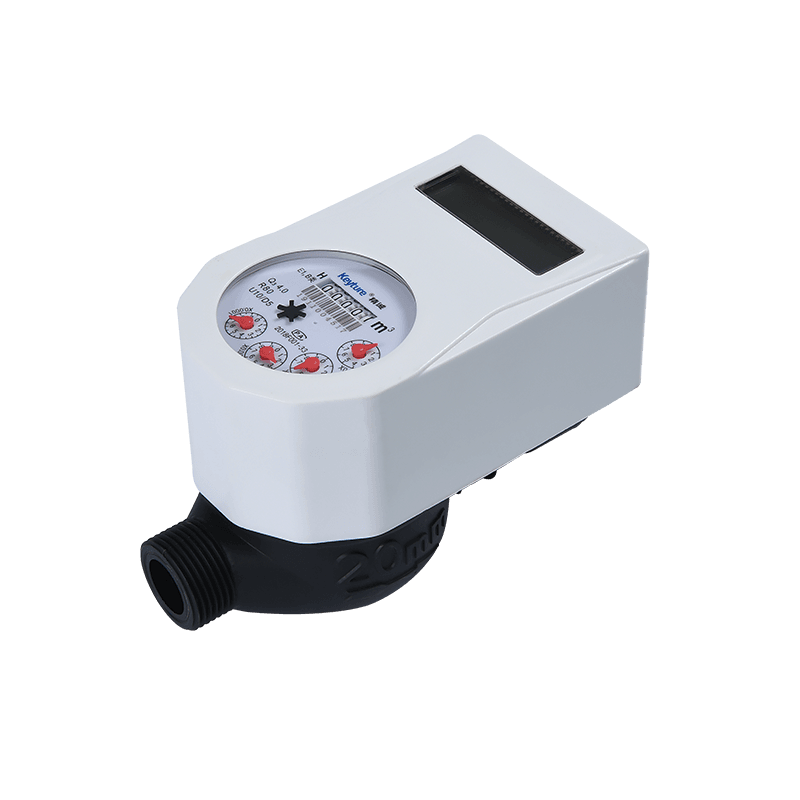
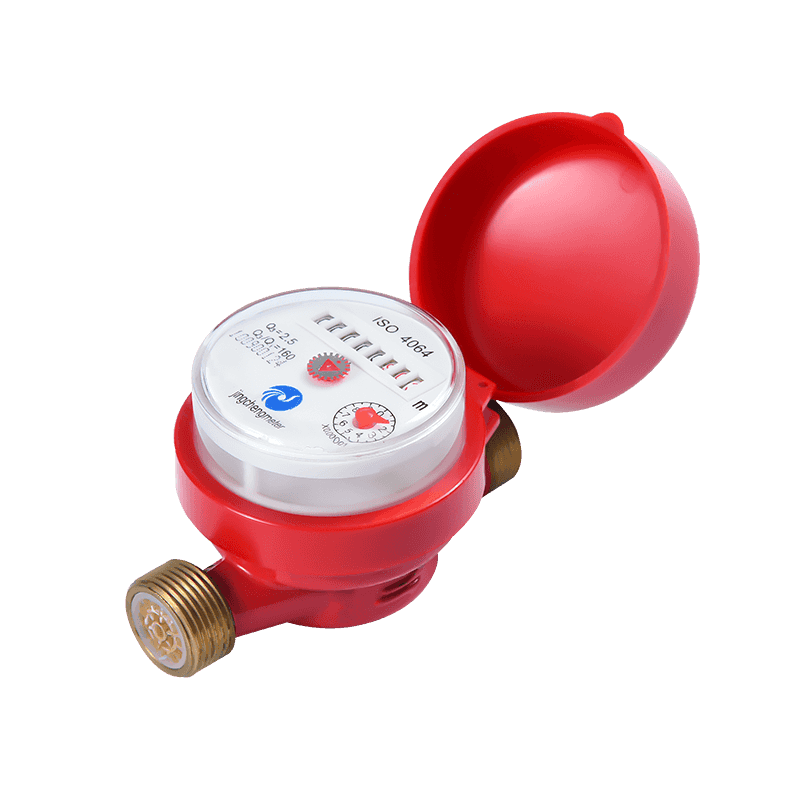
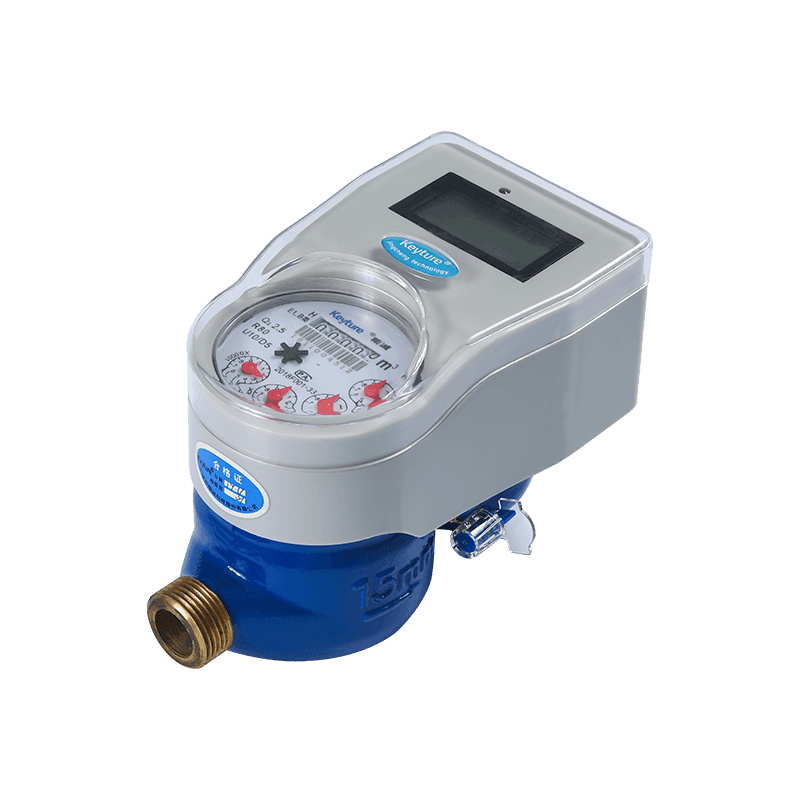
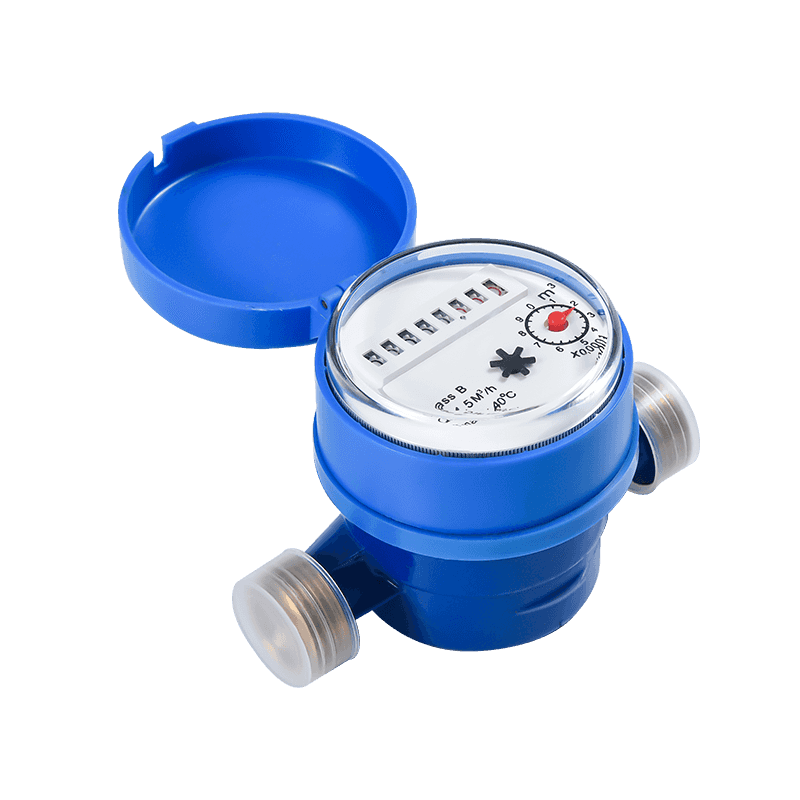
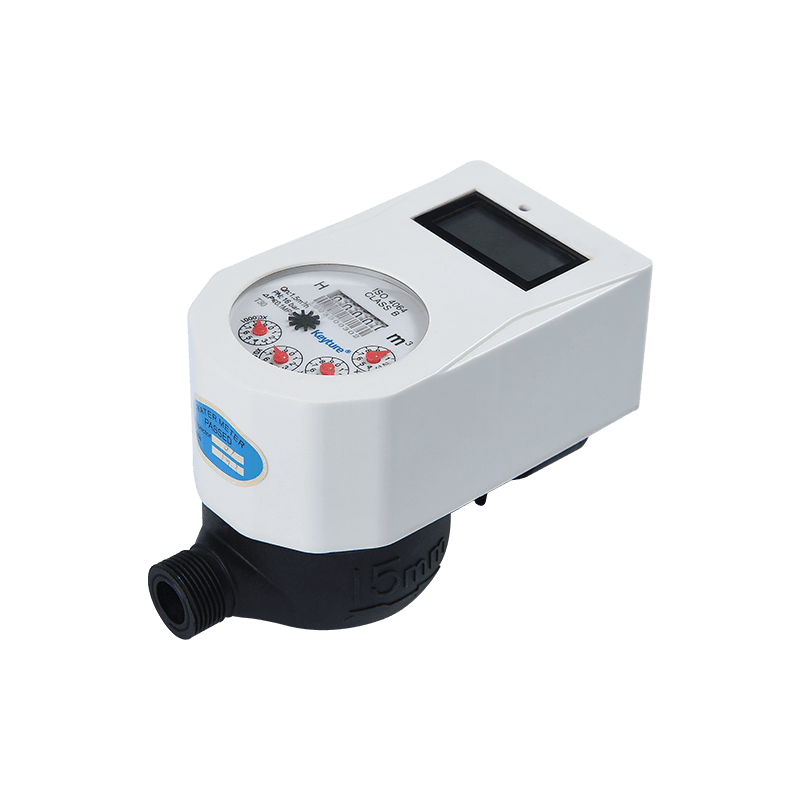
Simple Keypad Top-Up
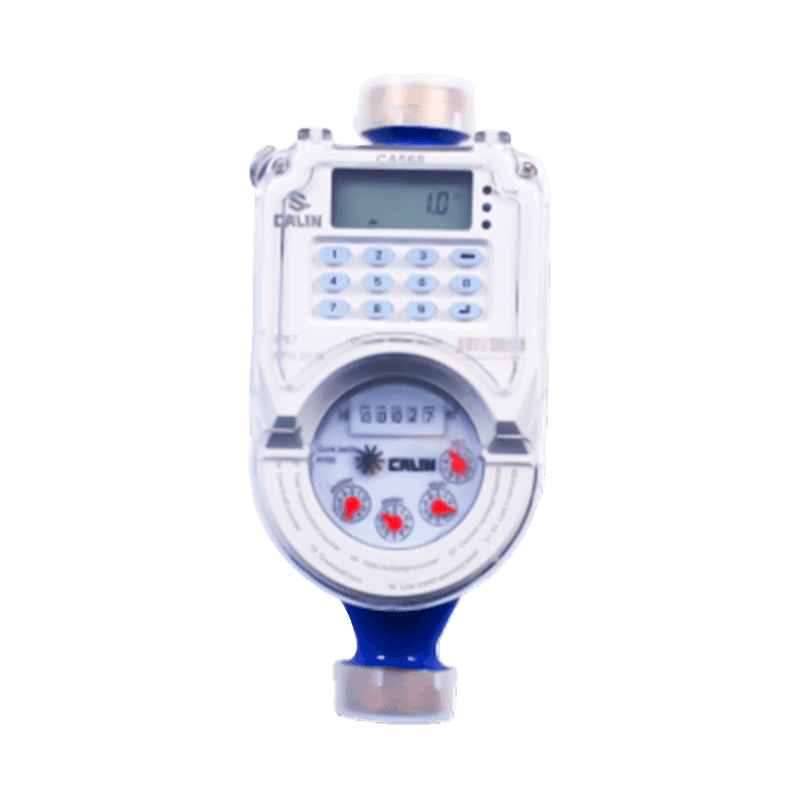
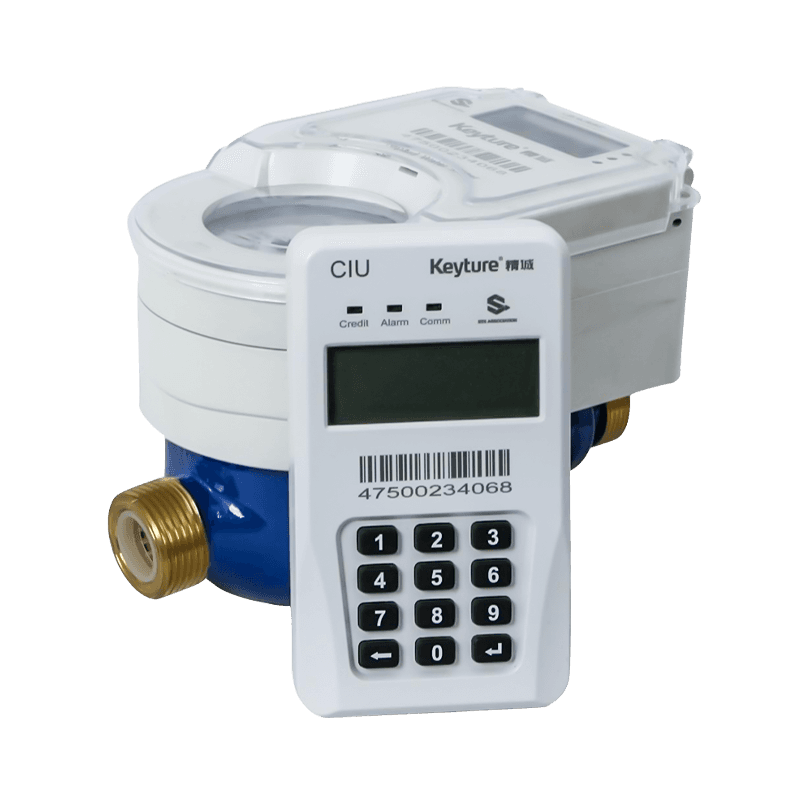
Customers enter a numeric token on the meter keypad after paying at an agent, app or vending point. There is no card to lose and no card slot to wear out, and top-ups can be made from the comfort of the home.

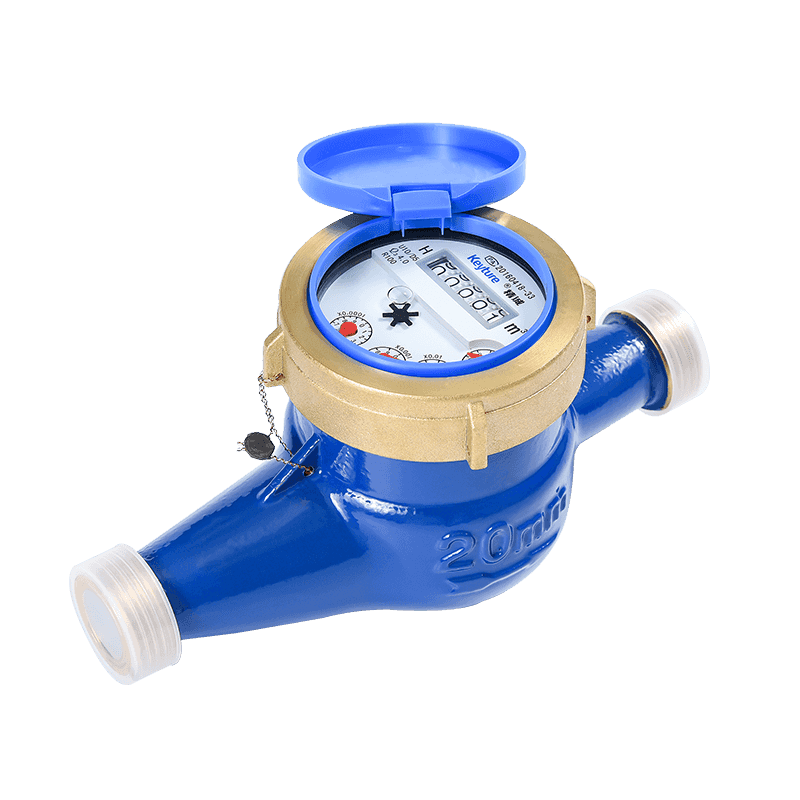
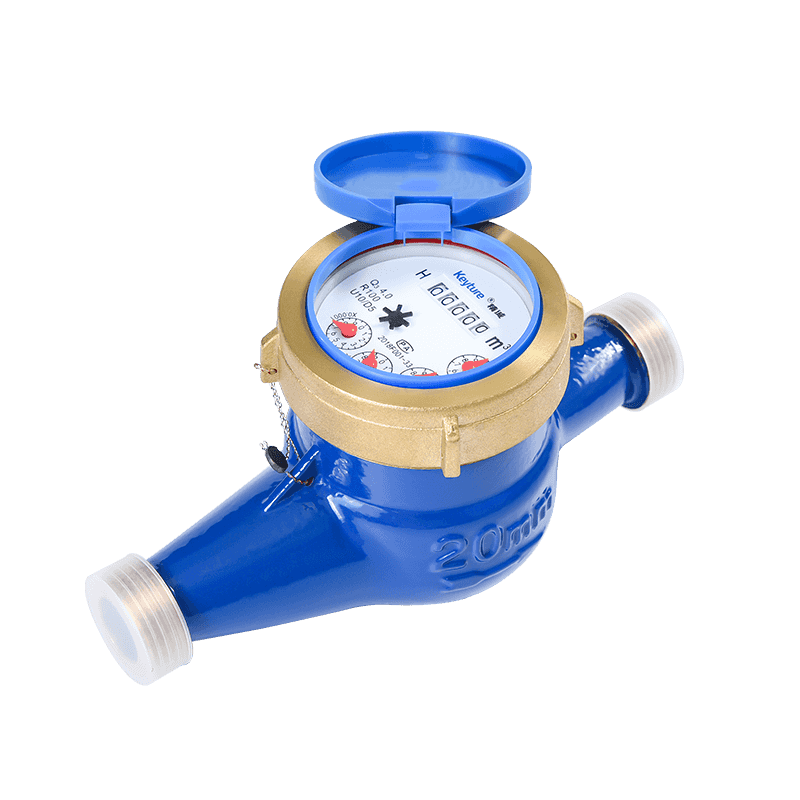
A household prepaid meter in forged brass with integrated valve and keypad token top-up — built for apartments, tenant rooms and social housing where simple operation matters as much as accuracy.
Brass body · keypad token top-up · integrated valve
A brass residential prepaid water meter is a compact, household-sized meter that combines a forged brass body, a mechanical or electronic measuring element and an integrated shut-off valve with a prepayment control unit. It is designed for the individual dwelling rather than the utility network: one meter per apartment, house, tenant room or sub-let unit, with credit bought in advance and consumed as water is used. Where large smart-metering projects focus on data networks and billing platforms, this meter focuses on the household — the display the occupant sees, the buttons they press, the valve behind the wall and the brass casing that must last a decade in a damp riser cupboard.
The brass body is essential in this role. Residential installations are often in cramped, humid, poorly ventilated spaces — under sinks, in stairwells, in basement meter rooms — where polymer housings can crack, craze or creep and where condensation attacks lower-grade metals. Forged brass resists corrosion, supports the weight of the valve and electronics housing, and carries threaded connections that can be tightened repeatedly by plumbers without damage. A brass meter body also dissipates heat from the valve motor, protects the electronics from mechanical shock and offers a stable platform for the measuring chamber and the check valve. Lead-reduced and dezincification-resistant brass grades can be specified for potable-water rules, and the body can be re-used after refurbishment.
Credit is loaded in the home through a numeric keypad on the meter or a handheld unit: the customer buys a numeric top-up token from an agent, app or vending machine and types it in. This keypad-token approach, widely used for prepaid electricity, needs no card reader slot to wear out and no network connection in the home. The meter verifies the token’s authenticity, adds the credit and shows the updated balance. For landlords, housing associations and utilities it removes tenant-by-tenant billing and enables water use to be paid for as it is consumed. Sized DN15 and DN20 with Class 2 accuracy per ISO 4064 / OIML R49, the meter fits ordinary household service lines and is ideal for tenant sub-metering, social housing and residential developments.
Key takeaway: A household prepaid meter has to survive a damp cupboard for a decade and be simple enough for any occupant to use. Brass gives the strength; the keypad-token system gives the simplicity.
Six household-level advantages that make this meter easy for tenants to use and easy for landlords to manage.
Customers enter a numeric token on the meter keypad after paying at an agent, app or vending point. There is no card to lose and no card slot to wear out, and top-ups can be made from the comfort of the home.
Humid riser cupboards, under-sink cabinets and basement rooms are tough environments. Forged brass resists condensation and does not creep or crack like lightweight polymer housings.
A motorised valve and a non-return valve are built into the body, reducing leak points and installation time. The check valve prevents backflow into the supply during pressure drops.
Configurable low-credit warnings, emergency credit and optional protected hours prevent sudden disconnection at night or on public holidays, reducing complaints to landlords and utilities.
A large LCD shows remaining credit, total consumption and valve status, with a backlight on press. Occupants understand their usage at a glance and can adjust behaviour before credit runs out.
Tariffs, token generation and meter configuration are managed in simple vending software. Property managers can allocate water costs fairly among tenants and eliminate bill-splitting disputes.
Standard configuration below. Keypad language, token format, tariff firmware and valve type can be adapted to your market requirements.
| Parameter | Specification |
|---|---|
| Standard | ISO 4064 / OIML R49 |
| Meter type | Residential prepaid, multi jet vane wheel with electronic counting |
| Nominal diameter | DN15 – DN20 (1/2" – 3/4") |
| Accuracy class | Class 2, R80 / R100 |
| Body material | Forged brass (CW617N; DZR and lead-free on request) |
| Top-up method | 20-digit numeric keypad token (STS-style); RF card optional |
| Valve | Motorised ball valve with integrated non-return valve |
| Power supply | 2 × 3.6 V lithium cells or 1 × 3.6 V ER26500; ≥ 6 years |
| Display | Backlit LCD: balance, volume, valve state, alarm icons |
| Water temperature | 0.1 °C – 50 °C (cold water) |
| Working pressure | MAP 10 bar standard / 16 bar on request |
| Pressure loss | ≤ 0.1 MPa at Q3 (including valve) |
| Emergency credit | Configurable, 0 – 3 m³, repaid at next top-up |
| Alarms | Low credit, low battery, tamper, reverse flow, valve fault |
| Data retention | ≥ 10 years in non-volatile memory |
| Protection | IP65 standard; IP68 on request |
| Ambient temperature | -10 °C – 55 °C |
Q4 is the overload flow, Q3 the permanent flow, Q2 the transitional flow and Q1 the minimum flow, all expressed in m³/h.
| Nominal Diameter | Q4 Overload | Q3 Permanent | Q2 Transitional | Q1 Minimum | Range Ratio | Household Use |
|---|---|---|---|---|---|---|
| DN15 (1/2") | 3.125 | 2.5 | 0.04 | 0.025 | R100 | One apartment, up to 3 bathrooms |
| DN15 (1/2") | 3.125 | 2.5 | 0.05 | 0.03125 | R80 | Standard apartment, tenant room |
| DN20 (3/4") | 5 | 4 | 0.064 | 0.04 | R100 | Large apartment, villa, small shop |
| DN20 (3/4") | 5 | 4 | 0.08 | 0.05 | R80 | Shared house, guest house |
Residential meters are usually sized by service pipe rather than by calculation. R80 is the standard for budget projects, and R100 is available for tenders that require lower minimum flow. Tell us the number of fixtures and your token system and we will confirm the correct configuration.
A household prepaid meter combines metrology, electronics and token security. Certification covers each of these elements.
Class 2 accuracy limits apply to the measuring assembly. Accuracy is verified on the complete meter with the valve and electronics installed.
The keypad token system uses encryption and meter-specific keys, with a token counter and expiry check to block replay. Token generation is performed in secure vending software.
EMC testing for ESD, EFT, surge and radiated immunity ensures stable operation near household appliances, mobile phones and inverters.
Lead-reduced, DZR or lead-free brass can be supplied to meet NSF/ANSI 372, NSF/ANSI 61, WRAS or local drinking water regulations.
Each body is hydrostatically tested at 1.5 × MAP, and the valve is tested for leakage in the closed position and for repeated open/close cycles.
Low-voltage design with no mains connection. Plastic and sealing materials are selected for fire resistance and potable water contact.


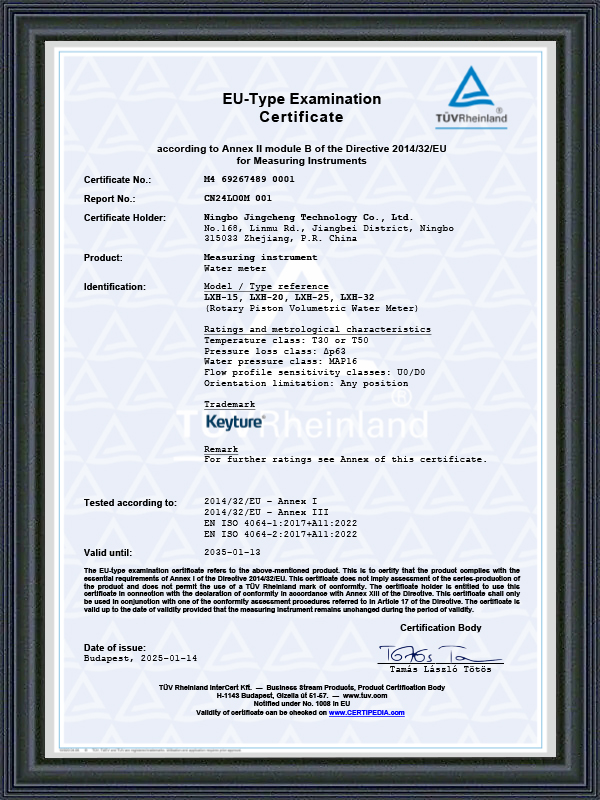
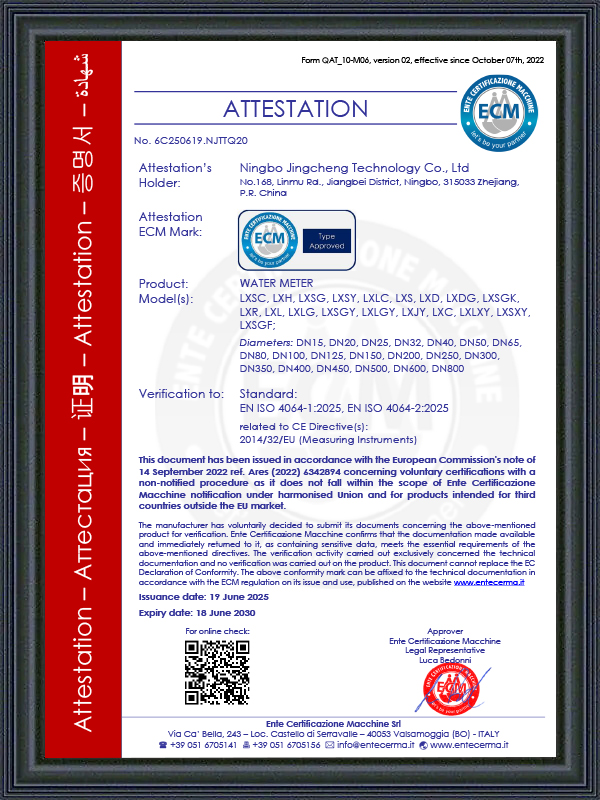

Two design choices define this meter: the keypad token that moves credit into the home, and the brass assembly that holds valve, chamber and electronics together.
After paying at an agent, app or vending machine, the customer receives a 20-digit numeric token printed on a receipt or sent by SMS. The customer enters the token on the keypad of the meter. The meter checks the token’s authenticity, meter ID, amount and unique token number, and then adds the credit to the balance. A confirmation message is displayed, and the valve opens if it was closed.
Because the token is just a number, any payment channel can distribute it — shops, bank apps, mobile money or utility counters. There is no card hardware in the home to damage, no reader slot to clog with dust and no network required. The vending system records each token sale, and the meter keeps a log of accepted and rejected tokens to support dispute resolution and fraud analysis.
Inside the forged brass body, the multi jet chamber, motorised valve and check valve are arranged in a compact path to minimise length and pressure loss. The electronic counting head and battery compartment sit above the chamber in a sealed cover. The brass body acts as a heat sink for the valve motor and protects the delicate electronics from impact and vibration.
A single housing and one set of threaded connections replace the usual combination of separate meter, valve and non-return valve. This reduces the number of leak points, makes installation quicker and lowers the risk of tenants interfering with the valve. The sealed cover and a lead-seal boss make unauthorised access evident.
Measured performance data for the brass residential prepaid water meter. Use these charts to confirm pressure loss, accuracy and installation dimensions before specifying.
Figure 1 — Head loss curve (MPa vs. flow m³/h)
The chart shows pressure loss across the household prepaid meter at DN15 and DN20 with the valve fully open. At permanent flow Q3, pressure loss stays at or below 0.1 MPa, which is acceptable for typical apartment supply pressures but should be checked for top-floor units with low pressure.
Figure 2 — Accuracy error curve (Class 2, R80 / R100, Q1–Q4)
The error curve shows the combined behaviour of the chamber, sensor and valve. Class 2 limits of ±5% in the lower zone and ±2% in the upper zone are held, meaning each household pays for the water it actually uses, whether it is a dripping tap or a bath being filled.
Figure 3 — Installation dimensions (L × H × B × D)
| Size | L (mm) | H (mm) | B (mm) | D (thread) |
|---|---|---|---|---|
| DN15 | 165 | 118 | 92 | G3/4" |
| DN20 | 190 | 122 | 94 | G1" |
Dimensions are for reference and include the valve and electronics housing. Confirm exact values with our engineering team before installation design.
Landlords and housing managers have several ways to bill tenants for water. This table compares brass residential prepaid meters with common alternatives.
| Design Feature | Brass Residential Prepaid | Plastic Prepaid Meter | Postpaid Sub-Meter |
|---|---|---|---|
| Housing durability | Brass resists humidity and knocks | Can crack or creep | Brass or plastic |
| Valve integration | Built into brass body | Separate or plastic valve | None — manual |
| Top-up method | Keypad token at home | Card or token | None — monthly bill |
| Tenant arrears risk | None — pay first | None — pay first | High — landlord chases |
| Installation time | Single unit | Single unit | Simple but no valve |
| Unit purchase cost | Higher | Moderate | Lowest |
| Tamper resistance | Metal housing and seal boss | Moderate | Moderate |
| Best application | Long-term rentals and social housing | Short-term, low budget | Stable owner-occupiers |
This comparison is indicative. Actual performance depends on tenant behaviour, payment channels and the specific product configuration. Contact our engineers for application-specific guidance.
Premium quality
since 2002
Coming From China, Marketing To The World
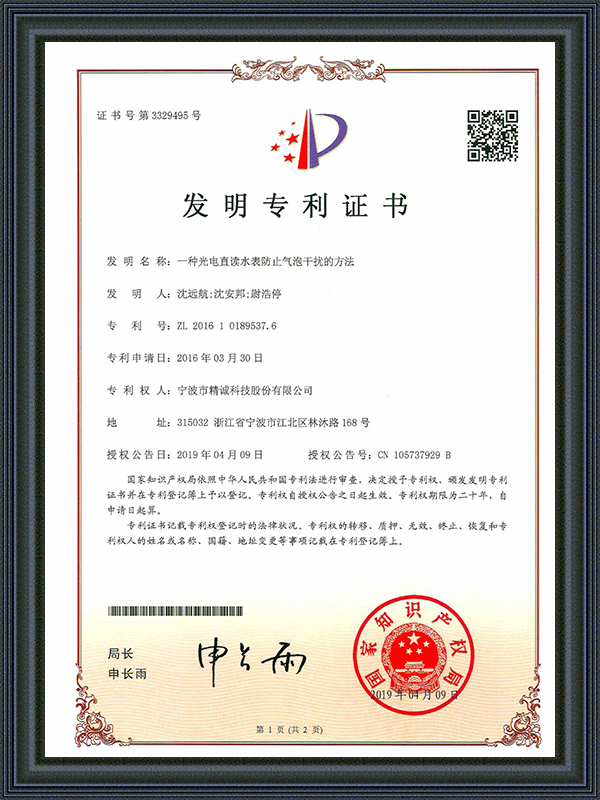
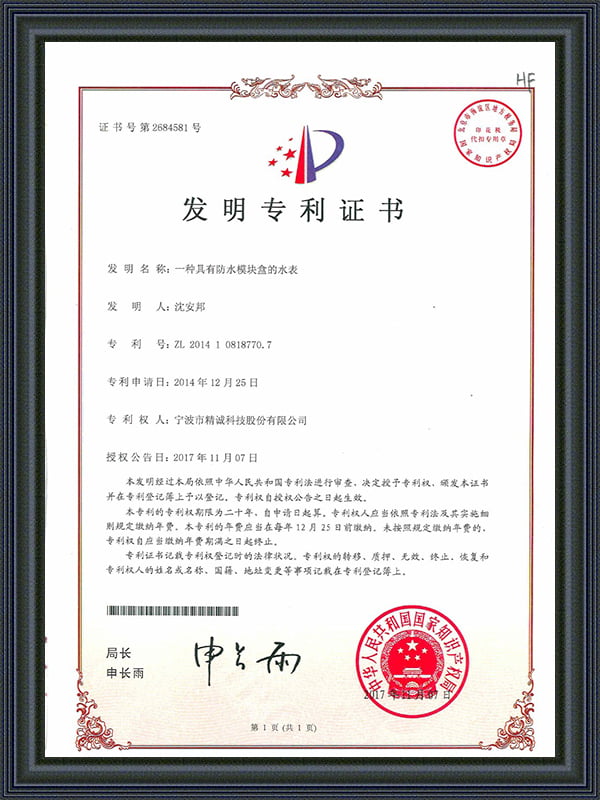
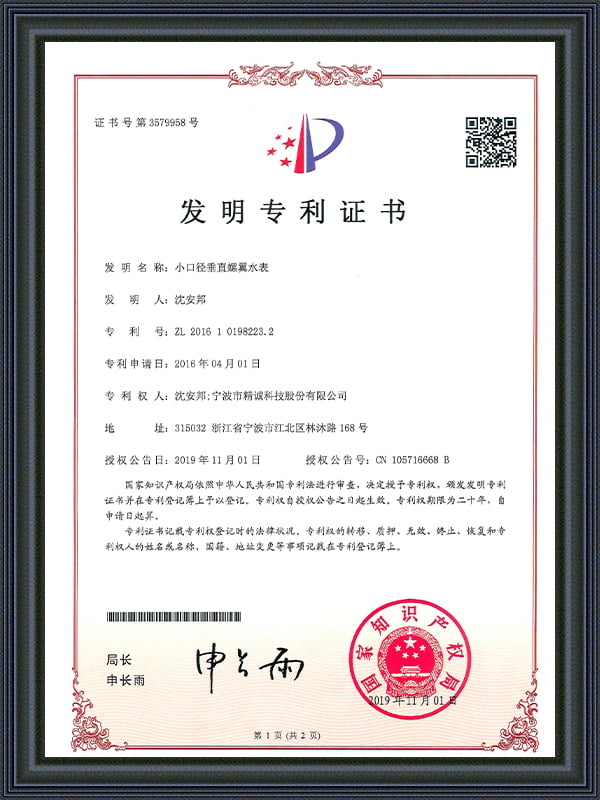
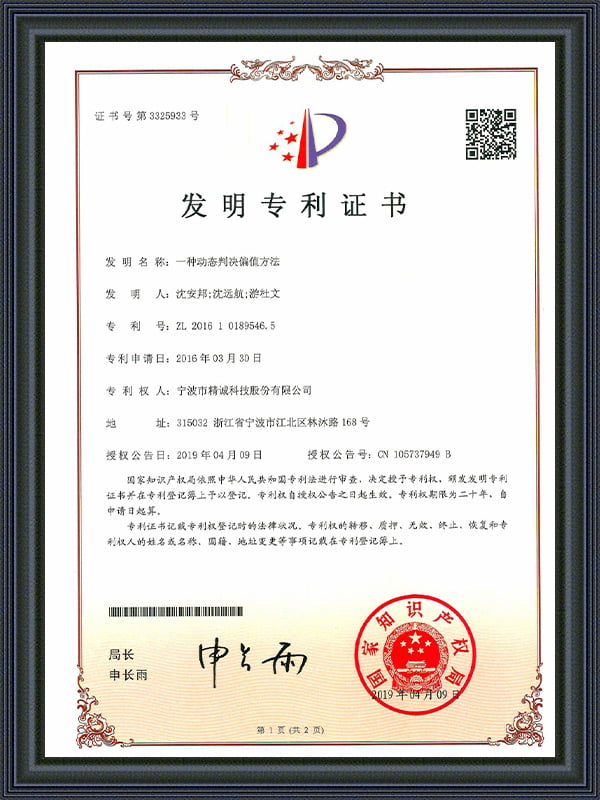
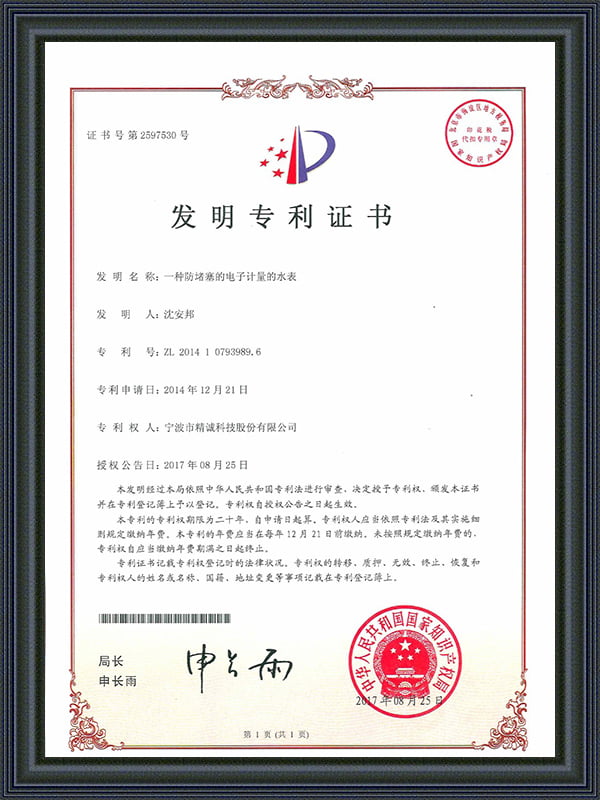
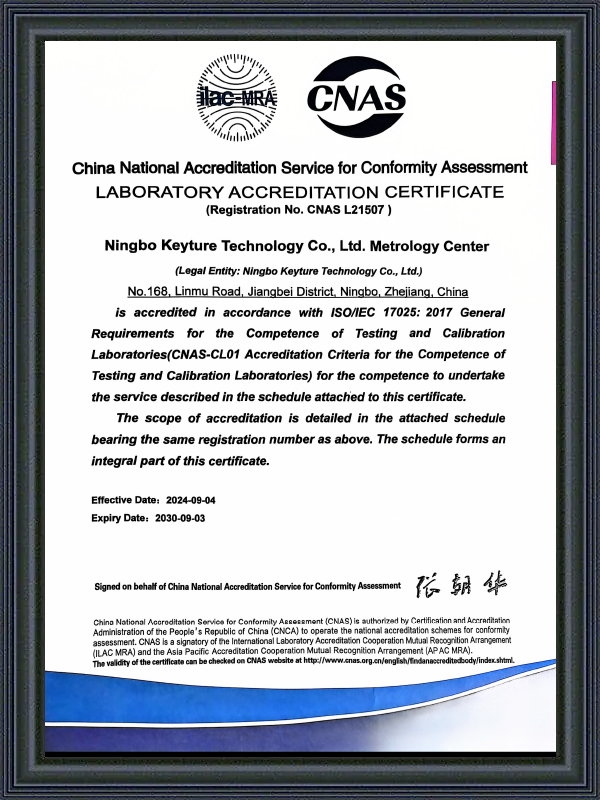
Keyture Meter is located in Picturesque Jiangbei Investment Park, NINGBO, CHINA. It is a comprehensive high-tech China Brass Residential Prepaid Water Meter Manufacturers and Custom Brass Residential Prepaid Water Meter Factory that integrates scientific research & development, production, sales, and service. Established in 2002 as a manufacturer and exporter of water meters for more than 22 years. The factory covers an area of 40 acres (30,000 square meters), 200 staff, 100+ types of products, product capacity of 5 million per year. Its product range covers single jet, multi-jet, volumetric piston type, Woltman type, IC card intelligent water meter, remote control water meter, optoelectrical reading direct remote control water meter...
Yearly production capacity
Production Area
Works and inspectors
Production experience
Excellent product with exquisite craftsmanship
Customization
We have a strong R&D team, and we can develop and produce products according to the drawings or samples the customers offered.
Cost
We are a professional manufacturer and also have our own processing machinery. So we can offer good prices and good products directly.
Quality
We have our own testing lab and advanced and complete inspection equipment, which can ensure the quality of the products.
Service
We focus on developing high-quality products for top-end markets. Our products are in line with international standards, and are mainly exported to Europe, America, Africa, Asia and other destinations around the world.
Capacity
Our annual production capacity is over 5 million units. We can meet the needs of different customers with different purchase quantities.
Shipment
We are about 35 kilometers away from Ningbo Port. It is very convenient and efficient to ship goods to any other countries.
From mechanical meters to smart AMR/AMI systems — we provide end-to-end water metering solutions tailored to your project.
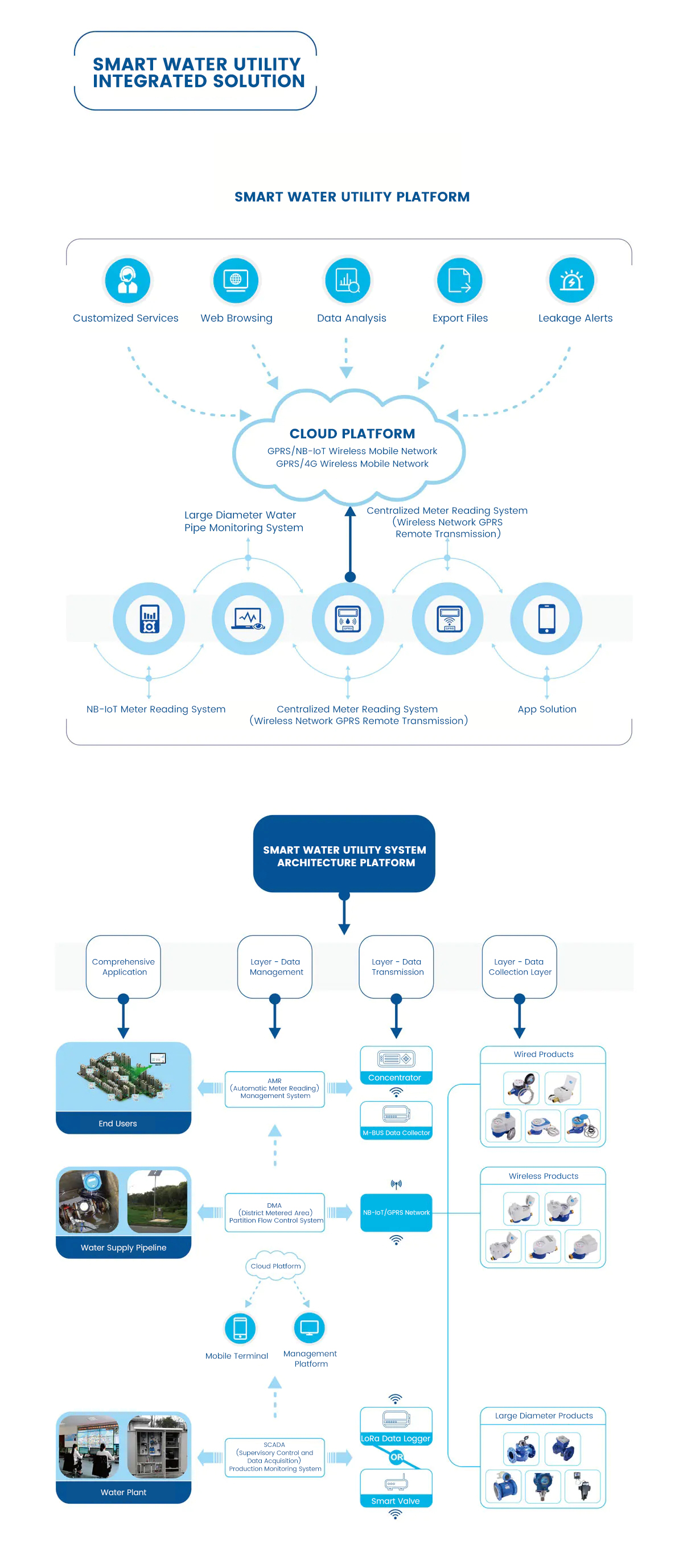
Designed for households and tenant units where the occupant — not the utility — interacts with the meter every week.
Install the meter on the service pipe inside the dwelling, in a location where the occupant can reach the keypad and read the display without opening locked cabinets. Keep it away from direct sunlight and heat sources, and ensure that the area has drainage in case of leaks.
Use the correct orientation shown on the dial, usually horizontal with the register facing upward. Flush the pipework before connecting, and fit a strainer upstream if the pipework is new or the supply has sediment. Hand-tighten the brass unions and finish with a quarter turn.
After installation, activate the meter with a commissioning token or test code, check the display, open and close the valve once and record the meter serial number against the tenant account. Seal the cover with a lead wire to discourage tampering.
The brass residential prepaid meter is designed for minimal maintenance. The occupant can check the display, replace the battery module when prompted and clean the keypad with a damp cloth. Property managers should schedule an annual inspection to check for leaks at the unions and for signs of tampering.
The battery typically lasts six years or more under normal use. A low-battery icon appears several months before it expires, and the battery module can be replaced without removing the meter from the pipe. The brass body, valve and chamber can last much longer.
At the end of its verification period, the meter can be returned to the workshop, tested, refurbished with a new measuring unit and returned to service. This is a major cost saving for landlords and housing associations compared with replacing the complete meter.
It is a water meter installed in a dwelling that requires the occupant to pay for water before using it. The customer buys credit and enters it into the meter, which deducts consumption from the balance and closes a valve when the credit runs out.
The customer pays at an agent, app, bank or vending point and receives a 20-digit token. They type this token on the meter keypad. The meter checks it and adds the credit. No card, cable or internet connection is required in the home.
The meter shows a low-credit warning at configurable thresholds, and an emergency credit can be enabled so that water continues for a limited volume. When the balance and emergency credit are gone, the valve closes until a new token is entered.
Brass resists corrosion and condensation in humid cupboards, tolerates repeated threading and supports the weight of the valve and electronics. It also dissipates heat and protects against knocks, which makes it more durable than most plastics in household environments.
Yes. It is designed for apartments and rooms billed separately from a main building meter. The landlord or manager sells tokens to each tenant, and the vending system keeps records of tokens and top-ups for each unit.
No. Each token is encrypted with the meter’s unique key and number, so it works only on the intended meter. Tokens are also single-use, so a token that has already been entered is rejected.
Flat rate, step tariffs, fixed monthly charges and service fees can be configured in the vending software and meter firmware. Tariff updates are delivered through special tokens or firmware commands.
DN15 suits most apartments and small houses. DN20 is used for larger houses, small shops and guest houses with higher peak demand. Meter size should match the service pipe and the expected flow.
Under normal household use, the battery lasts six years or more. A low-battery warning appears months before it fails. The battery module can be replaced with simple tools by a technician without cutting the pipe.
Yes. The meter is battery powered and does not depend on the mains. Both the measurement and valve control continue to work during blackouts, and credit data is stored in non-volatile memory.
Many versions offer an optional pulse or communication port for later remote reading modules. If remote reading is likely in future, specify this at order stage so the meter is delivered with the correct interface.
The standard version is designed for cold water up to 50 °C. A hot water prepaid version is possible on request, but the valve and electronics must be selected for higher temperature, so please contact us with the application.
Send us the number of units, pipe size, token system and tariff structure. Our engineers will recommend the right brass residential prepaid configuration, with price and lead time.

Address: No.168,LinMu Rd.,Zone B, Jiangbei investment Park, Ningbo, Zhejiang,China
Tel: +86-0574-83090480/+86-18892665118
Fax: +86-0574-83021045
Email: [email protected]
Web: https://www.keyturemeter.com/
Quick Links
Product
Mobile terminal
 Custom Brass Residential Prepaid Water Meter Manufacturers