 English
 Español
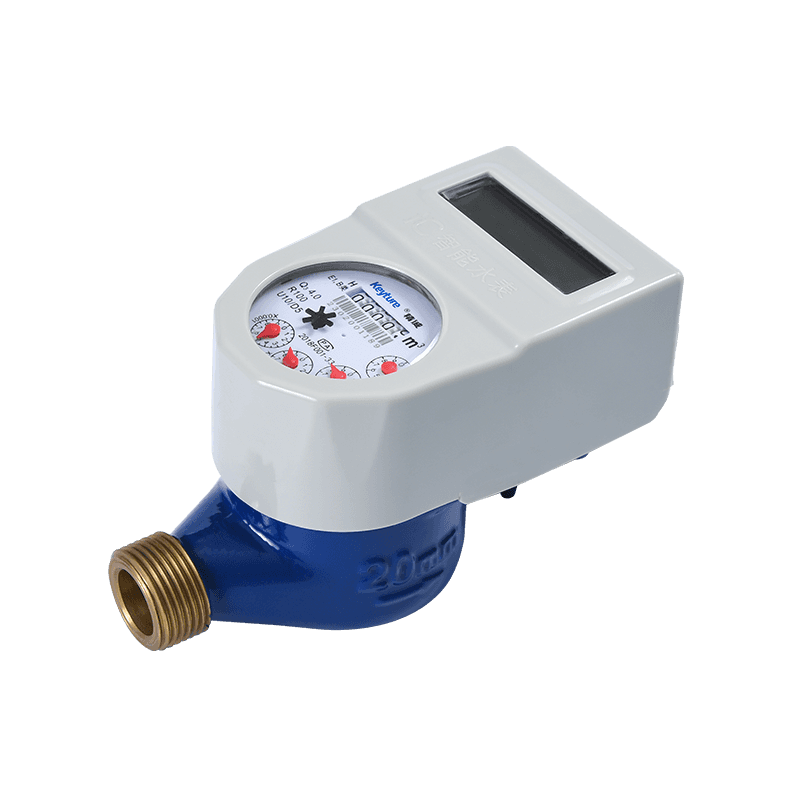
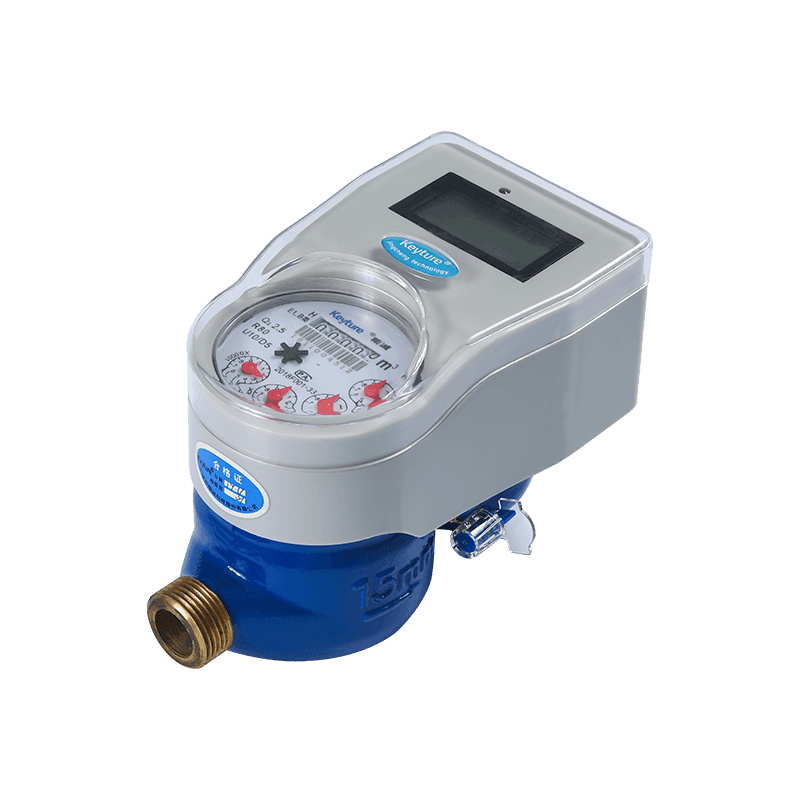
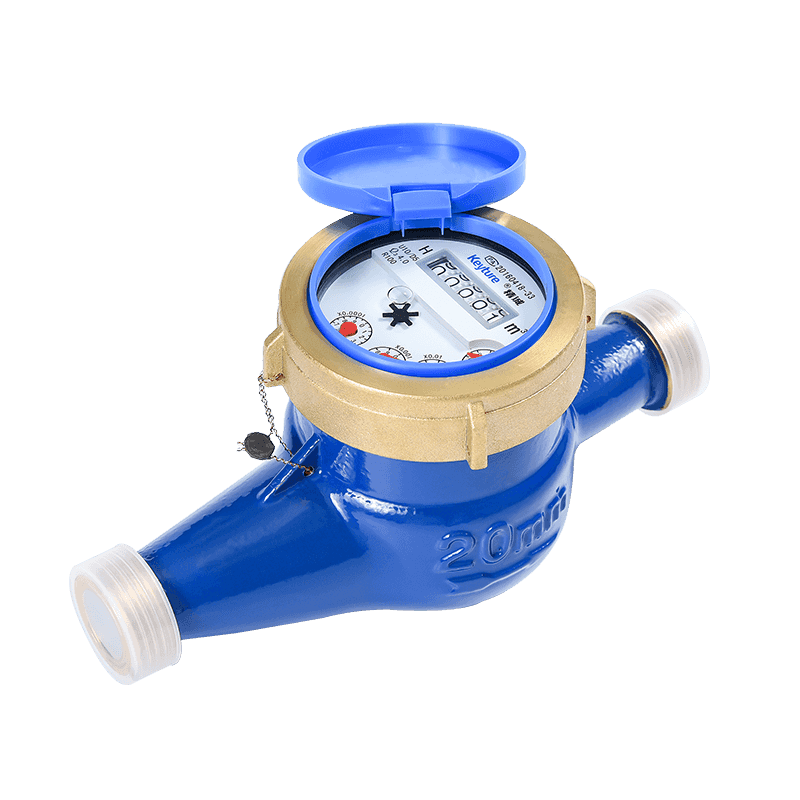
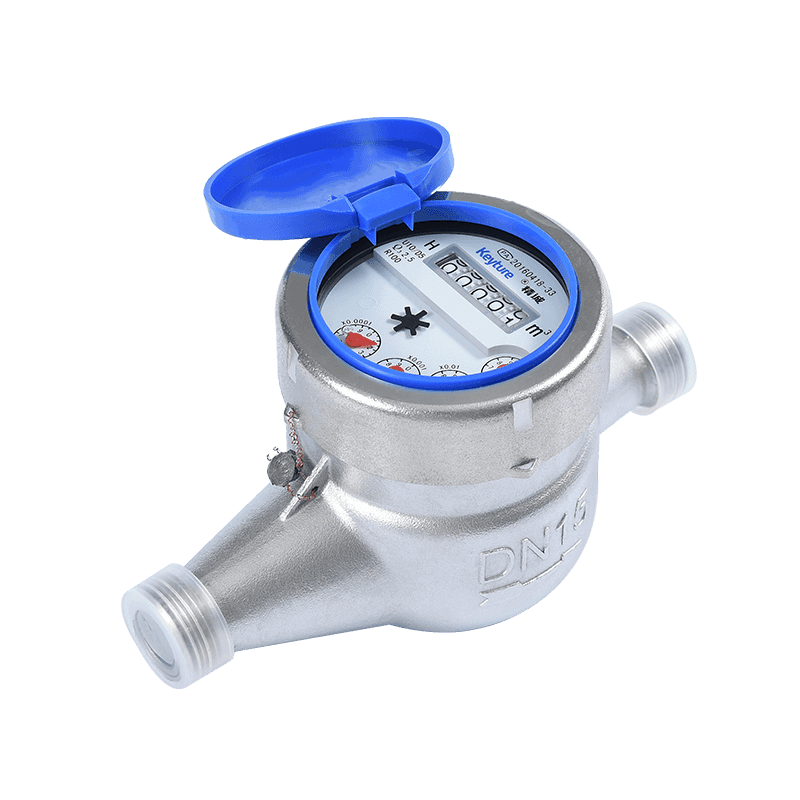
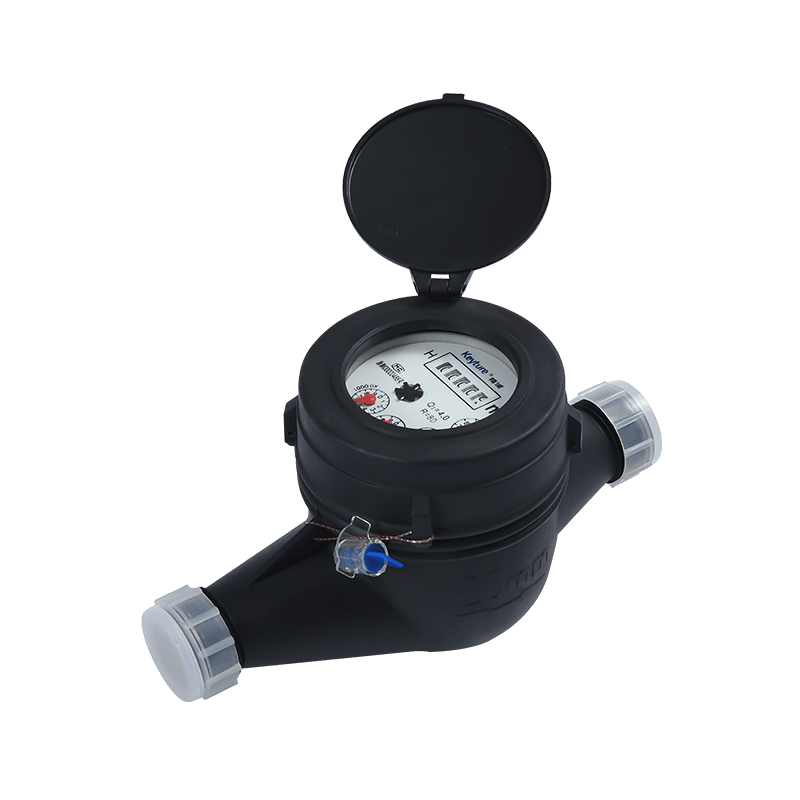
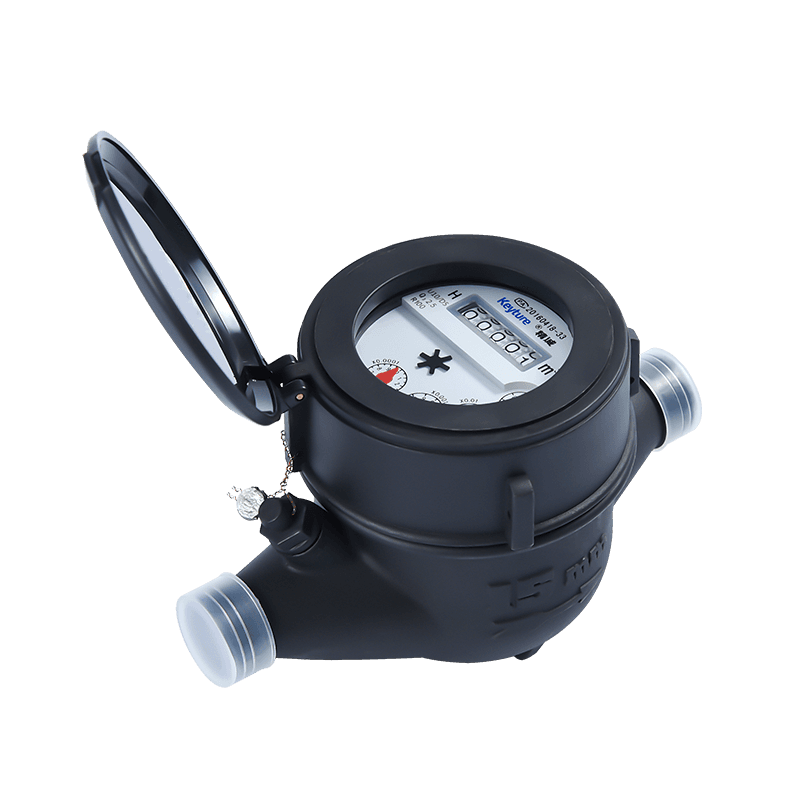
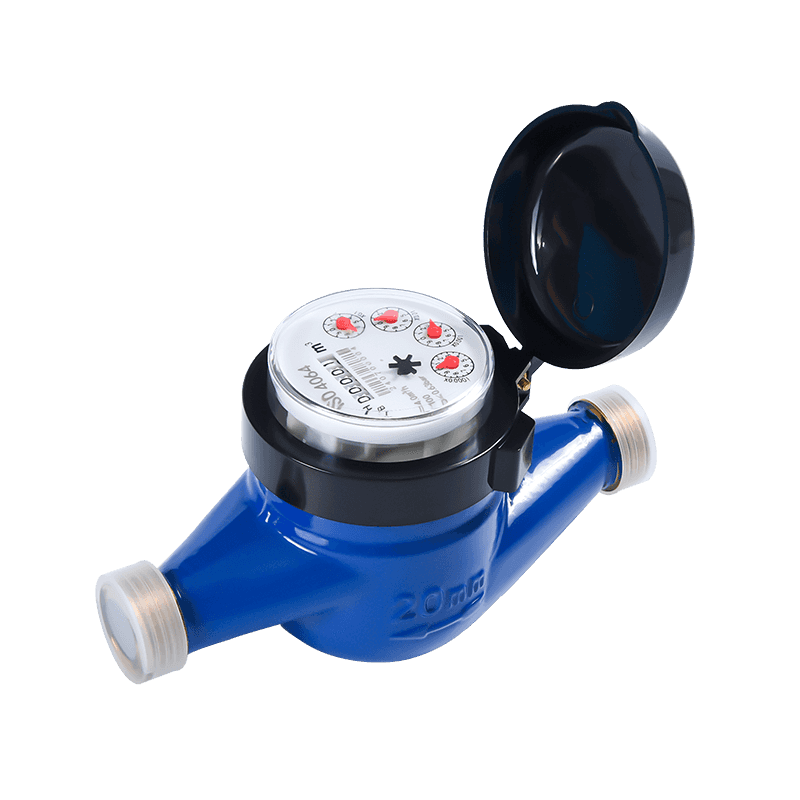
Metal-Like Strength
Glass-reinforced PA66 has several times the stiffness and strength of unfilled plastic. The body holds PN16 working pressure, survives clamping and thread loads and resists the shocks of water hammer.

A multi jet meter in glass-fibre-reinforced polyamide — metal-like strength and stiffness with the weight, price and corrosion immunity of engineering plastic.
PA66-GF30 body · multi jet chamber · PN16 · lead-free
A nylon body multi jet water meter combines a multi jet vane wheel measuring chamber with a housing moulded from glass-fibre-reinforced polyamide, commonly PA66-GF30. Polyamide 66 is one of the toughest engineering thermoplastics in everyday use: it is strong in tension, resistant to impact and abrasion, stable against oils and many chemicals, and able to hold its shape under load for years. Reinforcing it with around 30 percent short glass fibre raises stiffness and strength roughly threefold, reduces creep, extends its useful temperature range and brings its behaviour much closer to a metal casting. The result is a body that is far stronger than commodity plastic, yet lighter, cheaper and corrosion-free compared with brass.
The multi jet chamber inside complements the material. Several tangential nozzles spread the load evenly around the impeller, so the vane wheel runs centred, wears slowly and tolerates disturbed flow better than a single jet. Because the body is moulded, the distributor ring, flow channels and nozzles can be formed with high precision as part of the tool, and the body can integrate features such as a strainer seat, check-valve pocket and reinforced thread bosses that would require expensive machining in metal. Nylon’s low friction and wear resistance help with moving elements, and its toughness gives good resistance to the shock of water hammer and to the knocks of handling and installation.
Nylon also has a distinct behaviour that engineers must respect: it absorbs moisture. A nylon part in water slowly takes up a small percentage of its weight in water, which causes slight swelling and a mild reduction in stiffness, and the property changes are fully accounted for in the design and calibration. Hydrolysis at high temperature and sensitivity to some chlorinated disinfection levels set the limits, so the nylon body multi jet meter is rated for cold water up to 50 °C and PN16, and the formulation is stabilised for potable water. Supplied in DN15 to DN40 with Class 2 accuracy under ISO 4064 / OIML R49 and R100 range ratio (R160 optional), it is an excellent mid-priced choice where a robust, corrosion-immune, lead-free body is wanted without the weight and cost of brass.
Key takeaway: Glass-filled nylon is the strongest of the common meter plastics. It gives multi jet meters a body that resists impact, corrosion and lead rules at lower weight and cost than brass.
Six material-driven advantages that set nylon apart from both brass and commodity plastics.
Glass-reinforced PA66 has several times the stiffness and strength of unfilled plastic. The body holds PN16 working pressure, survives clamping and thread loads and resists the shocks of water hammer.
Nylon’s toughness gives good resistance to knocks during handling and installation, and its abrasion resistance suits the moving flow paths and nozzles of a multi jet chamber.
No rust, no dezincification and no lead or copper to leach. The meter is unaffected by aggressive soils and stray currents, and complies with strict drinking water regulations.
Glass fibre limits long-term deformation under pressure and temperature, so chamber alignment and thread seating remain stable for the full service life.
Strainer seat, check-valve pocket, reinforced bosses and seal-wire provisions are moulded in a single shot, eliminating machining operations and ensuring consistency.
Weighing about 40 percent less than a comparable brass meter and costing less to produce, nylon reduces shipping cost and unit price while retaining multi jet performance.
Standard configuration below. Polymer grade, connection type, range ratio and pulse options can be adapted to your market requirements.
| Parameter | Specification |
|---|---|
| Standard | ISO 4064 / OIML R49 |
| Meter type | Multi jet, vane wheel, velocity type, dry register |
| Nominal diameter | DN15 – DN40 (1/2" – 1½") |
| Accuracy class | Class 2, R100 standard / R160 optional |
| Body material | Polyamide 66 with 30% glass fibre (PA66-GF30), potable-water grade |
| Water temperature | 0.1 °C – 50 °C (cold water) |
| Working pressure | MAP 16 bar |
| Pressure loss | ≤ 0.063 MPa at Q3 |
| Moisture uptake | Approx. 1.5 – 2.5% by weight at equilibrium, allowed for in design |
| Impeller | Engineered polymer with sapphire / ruby pivot |
| Register | Dry-type, magnetically coupled, 6-digit odometer + pointers |
| Connection | Threaded G3/4" – G2" with brass or reinforced polymer tailpieces |
| Strainer | Integral polymer strainer, replaceable |
| Installation | Horizontal and vertical positions depending on version |
| Pulse output | Optional reed or Hall head, 1 L / 10 L per pulse |
| Protection | IP65 standard; IP68 on request |
| Weight | Approx. 0.35 kg (DN15) to 1.4 kg (DN40) |
Q4 is the overload flow, Q3 the permanent flow, Q2 the transitional flow and Q1 the minimum flow, all expressed in m³/h.
| Nominal Diameter | Q4 Overload | Q3 Permanent | Q2 Transitional | Q1 Minimum | Range Ratio | Reading Range |
|---|---|---|---|---|---|---|
| DN15 (1/2") | 3.125 | 2.5 | 0.04 | 0.025 | R100 | 0.0001 – 99,999 m³ |
| DN20 (3/4") | 5 | 4 | 0.064 | 0.04 | R100 | 0.0001 – 99,999 m³ |
| DN25 (1") | 7.875 | 6.3 | 0.1008 | 0.063 | R100 | 0.0001 – 99,999 m³ |
| DN32 (1¼") | 12.5 | 10 | 0.16 | 0.1 | R100 | 0.001 – 999,999 m³ |
| DN40 (1½") | 20 | 16 | 0.256 | 0.16 | R100 | 0.001 – 999,999 m³ |
Values shown for R100. R160 versions and alternative thread standards are available — tell us your water chemistry, chlorine level and temperature profile and we will confirm the correct nylon grade and configuration.
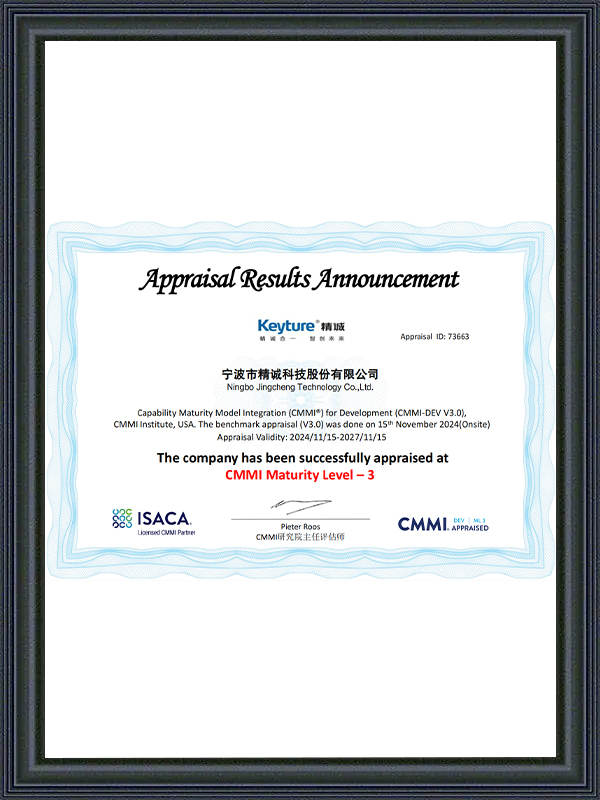
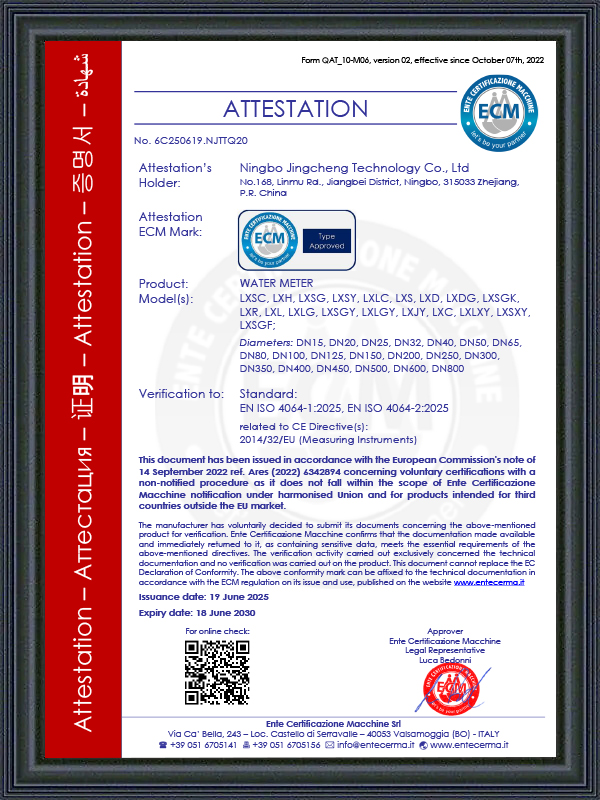
A nylon meter is certified for metrology and for the long-term behaviour of its polymer in water, including moisture uptake and chlorine resistance.
Class 2 limits and test points for cold potable water meters. Accuracy is verified on conditioned samples that have reached moisture equilibrium.
Samples are soaked until moisture content stabilises, then re-tested for accuracy, leakage and thread seating, to confirm that swelling is within the design allowance.
Extended exposure to chlorinated water at elevated concentrations verifies that polymer properties are retained. Stabilised grades are available for higher disinfectant levels.
Polyamide and glass-fibre grades approved for potable water under NSF/ANSI 61, WRAS, KTW or ACS depending on the destination market.
Bodies are held at elevated pressure and temperature for extended periods, then burst-tested to confirm margin above PN16.
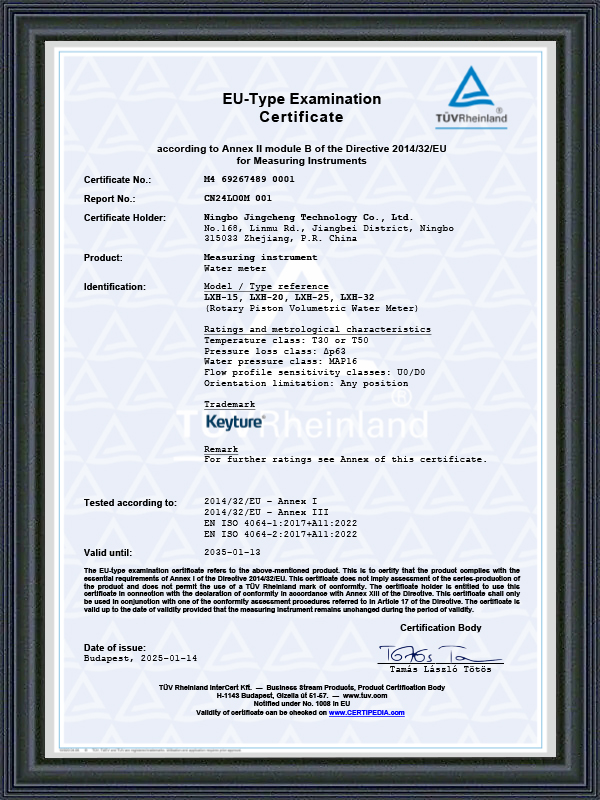
EU MID approval for polymer-bodied meters including temperature and pressure class marking.
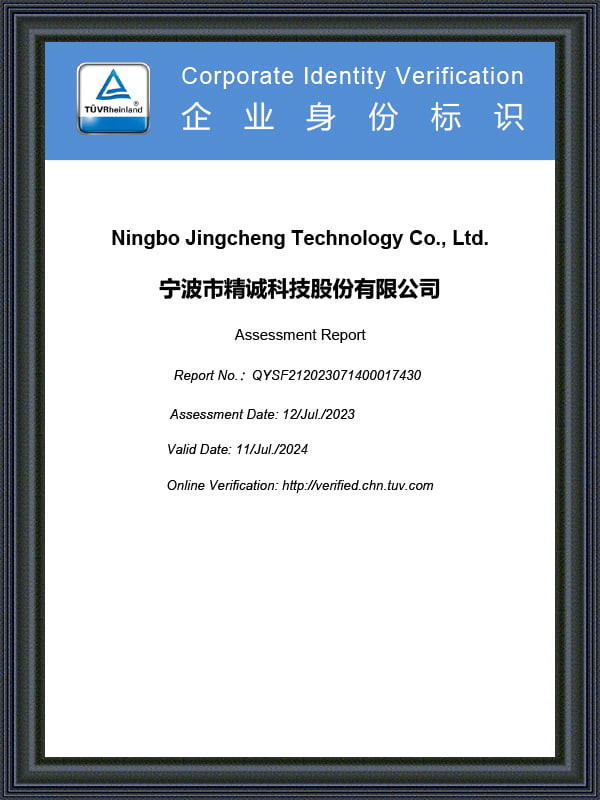
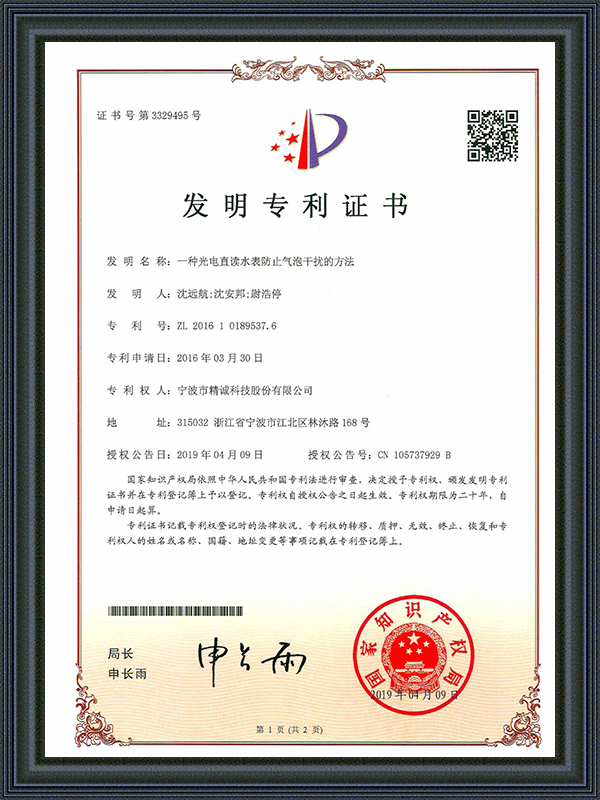
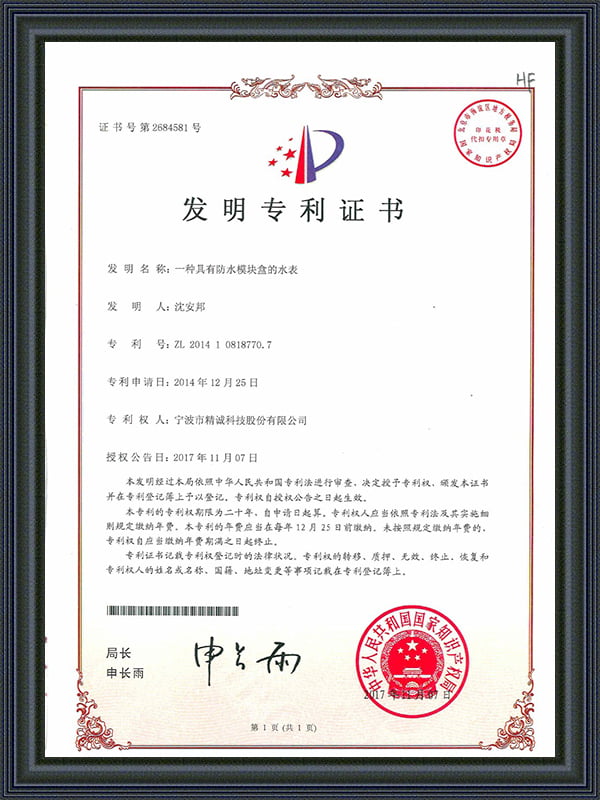
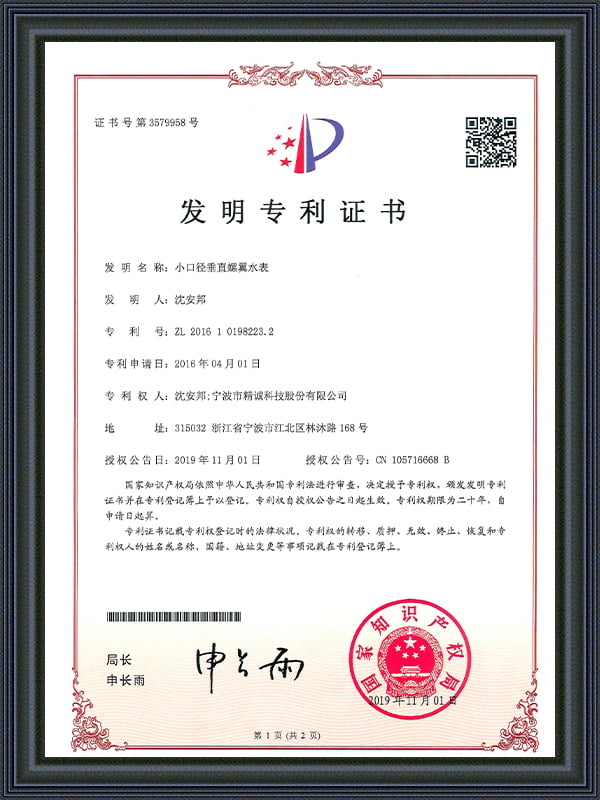
Two engineering topics define this meter: why glass-filled nylon behaves almost like a metal, and how its moisture and chemical behaviour are managed.
Polyamide 66 has a semi-crystalline structure with strong hydrogen bonding between chains, which gives it high strength, toughness and heat resistance compared with most commodity plastics. Adding 30 percent short glass fibre acts like reinforcing bars in concrete: the fibres carry load, stiffen the matrix and limit creep. Tensile strength rises to more than 150 MPa in the dry state, and stiffness increases several times.
Injection moulding aligns the fibres in the flow direction, so the mould is designed to orient fibres along the principal stress paths around the pressure chamber and thread bosses. Welds, gates and ribs are placed with the help of flow simulation, and FEA confirms stress levels against creep rupture limits for the specified service life.
Nylon absorbs a small amount of water, typically between 1.5 and 2.5 percent of its weight at equilibrium for a glass-filled grade. The effect is slight swelling and a small drop in stiffness, which stabilises after a few weeks. Calibration and dimensional tolerances are set for the conditioned state, so the meter behaves consistently from commissioning onward. Dimensional allowance is also built into threads and seats.
Polyamide can be attacked by strong oxidising agents and by hydrolysis at high temperature. High chlorine concentrations over long periods are therefore limited by the specification, and the standard grade is intended for normal potable water disinfection levels. Hot water above 50 °C is outside the rating. Within these limits, nylon performs reliably for the meter’s full verification period and is often more durable than commodity plastics.
Measured performance data for the nylon body multi jet water meter. Use these charts to confirm pressure loss, accuracy and installation dimensions before specifying.
Figure 1 — Head loss curve (MPa vs. flow m³/h)
The chart shows pressure loss across the nylon body multi jet meter at DN15 to DN40. The smooth moulded flow paths and balanced multi jet distribution keep loss at or below 0.063 MPa at permanent flow, matching the best brass multi jet designs.
Figure 2 — Accuracy error curve (Class 2, R100, Q1–Q4)
The error curve is measured on moisture-conditioned meters to represent in-service behaviour. It is flat across the upper zone and inside ±5% at Q1, with a comfortable margin against the ±2% upper-zone limit, even after soaking, which confirms that moisture uptake does not shift calibration.
Figure 3 — Installation dimensions (L × H × B × D)
| Size | L (mm) | H (mm) | B (mm) | D (thread) |
|---|---|---|---|---|
| DN15 | 165 | 94 | 80 | G3/4" |
| DN20 | 190 | 98 | 82 | G1" |
| DN25 | 260 | 110 | 96 | G1¼" |
| DN32 | 260 | 118 | 98 | G1½" |
| DN40 | 300 | 144 | 124 | G2" |
Dimensions are for reference and exclude tailpieces. Confirm exact values with our engineering team before installation design.
The body material shapes strength, weight, price and chemical resistance. This table compares glass-filled nylon with brass and with commodity plastic.
| Design Feature | Nylon PA66-GF30 | Brass | Commodity Plastic (PP) |
|---|---|---|---|
| Unit purchase cost | Low to moderate | Moderate to high | Lowest |
| Strength and stiffness | High | High | Moderate |
| Pressure rating | PN16 | PN16 | PN10 |
| Weight | Light | Heavy | Lightest |
| Hot water suitability | Limited — up to 50 °C | Up to 90 °C | Limited — up to 40 °C |
| Corrosion and lead | Immune and lead-free | DZR or lead-free alloy needed | Immune and lead-free |
| Sensitivity to moisture | Slight swelling | None | Negligible |
| Best application | Mid-price robust cold water | Hot water and premium | Lowest-price tenders |
This comparison is indicative. Actual performance depends on water chemistry, temperature profile and the specific product configuration. Contact our engineers for application-specific guidance.
Premium quality
since 2002
Coming From China, Marketing To The World
Keyture Meter is located in Picturesque Jiangbei Investment Park, NINGBO, CHINA. It is a comprehensive high-tech China Nylon Body Multi Jet Water Meter Manufacturers and Custom Nylon Body Multi Jet Water Meter Factory that integrates scientific research & development, production, sales, and service. Established in 2002 as a manufacturer and exporter of water meters for more than 22 years. The factory covers an area of 40 acres (30,000 square meters), 200 staff, 100+ types of products, product capacity of 5 million per year. Its product range covers single jet, multi-jet, volumetric piston type, Woltman type, IC card intelligent water meter, remote control water meter, optoelectrical reading direct remote control water meter...
Yearly production capacity
Production Area
Works and inspectors
Production experience
Excellent product with exquisite craftsmanship
Customization
We have a strong R&D team, and we can develop and produce products according to the drawings or samples the customers offered.
Cost
We are a professional manufacturer and also have our own processing machinery. So we can offer good prices and good products directly.
Quality
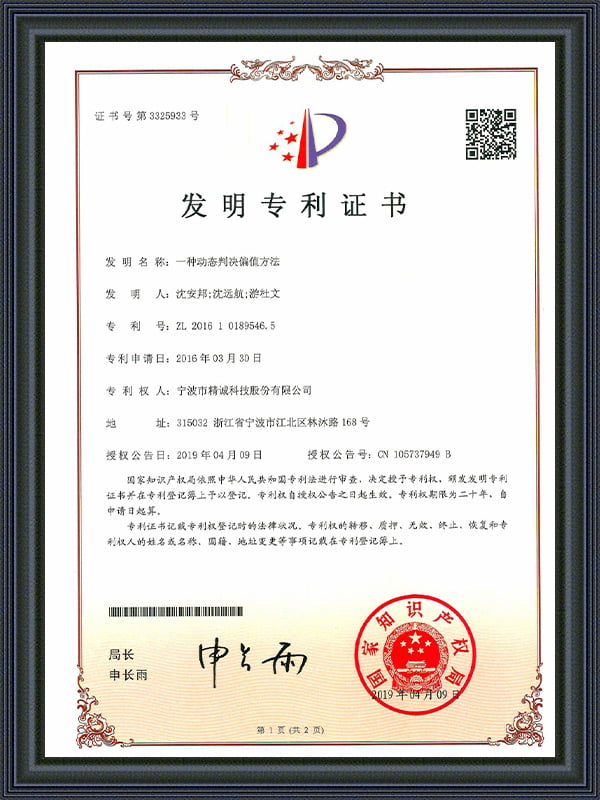
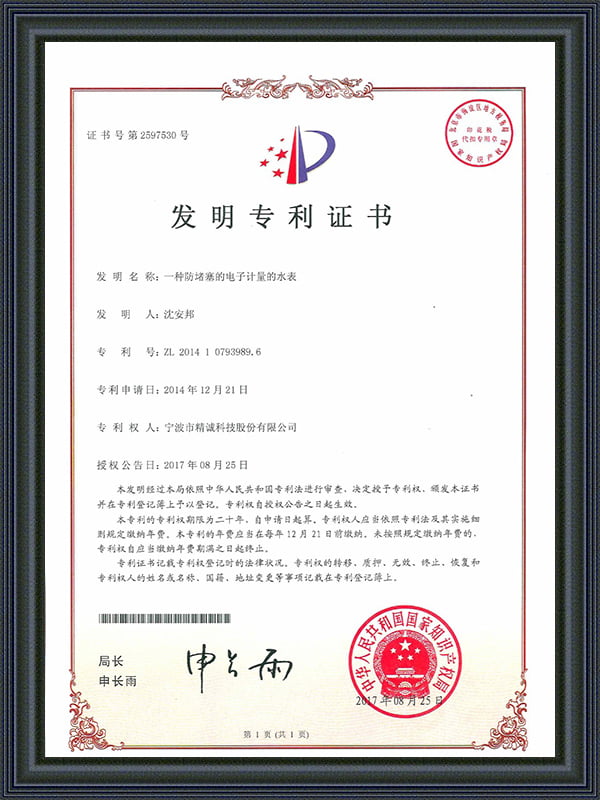
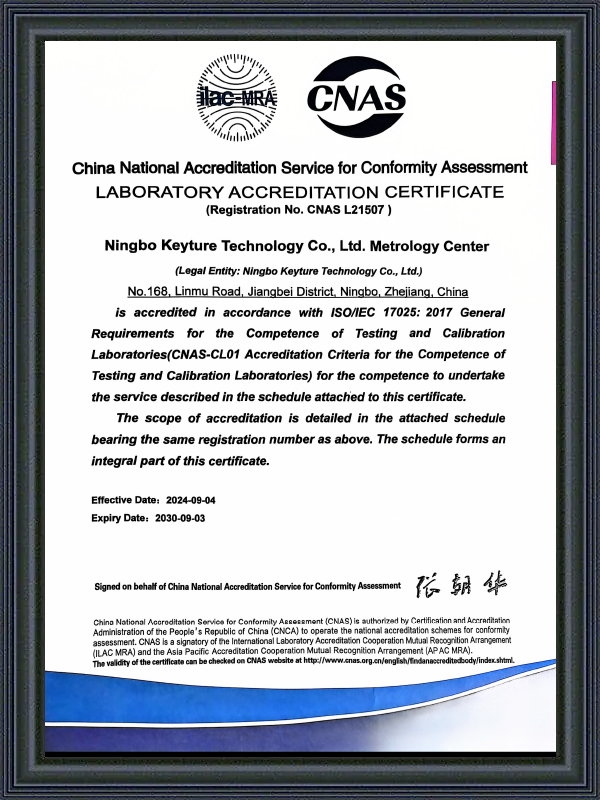
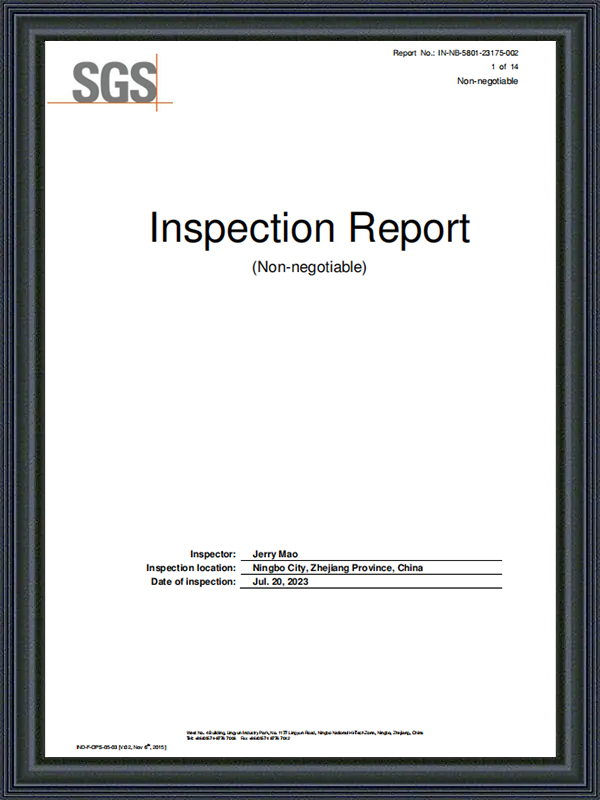
We have our own testing lab and advanced and complete inspection equipment, which can ensure the quality of the products.
Service
We focus on developing high-quality products for top-end markets. Our products are in line with international standards, and are mainly exported to Europe, America, Africa, Asia and other destinations around the world.
Capacity
Our annual production capacity is over 5 million units. We can meet the needs of different customers with different purchase quantities.
Shipment
We are about 35 kilometers away from Ningbo Port. It is very convenient and efficient to ship goods to any other countries.
From mechanical meters to smart AMR/AMI systems — we provide end-to-end water metering solutions tailored to your project.
Selected where a strong, corrosion-immune, lead-free body is needed at a lower price and weight than brass.
Install the nylon body multi jet meter in the orientation marked on the dial, in the direction of the flow arrow. Multi jet meters are less orientation-sensitive than single jet designs, but the calibration position still matters, so check the H or V symbol before fitting.
Use the supplied tailpieces and gaskets, and tighten with a spanner on the nut, never on the body. Do not use pipe wrenches or heat guns near the meter. Avoid contact with solvents, strong acids or oxidising cleaning agents, which can attack polyamide, and keep the meter away from hot pipes.
Flush the line before commissioning, and fit a strainer upstream if the supply contains sediment. After installation, let the meter soak in water for at least 24 hours before critical accuracy verification, so that the polymer reaches moisture equilibrium.
Nylon body meters need very little maintenance. Check the dial, look for leaks at the unions and keep the meter box clean and dry. Replace the integrated strainer if flow drops or sediment is present. The measuring chamber is a replaceable cartridge in some versions, allowing a second service life for the body.
Avoid exposing the meter to strong oxidisers such as bleach in high concentration, and keep it away from heat sources above 50 °C. Because polyamide is hygroscopic, avoid long storage in very dry or very humid places before installation; sealed packaging is provided.
Typical service life is 8 to 10 years in cold potable water, which matches or exceeds most regulatory periods. At the end of life, the meter can be recycled as glass-filled polyamide with metal tailpieces separated.
It is a water meter whose housing is injection moulded from glass-fibre-reinforced nylon, usually PA66-GF30. The material is strong, tough and corrosion-free, and offers many of the benefits of a metal body at lower weight and cost.
Glass-filled nylon has high tensile strength and stiffness, and holds PN16 working pressure with a safety margin. Brass is still stronger and tolerates higher temperature, but nylon is stronger than ordinary plastic and strong enough for most cold water supply.
Yes. Polyamide grades for potable water contact are available with NSF/ANSI 61, WRAS, KTW and ACS approvals. The body contains no lead or copper, so there are no metal-leaching concerns.
Nylon absorbs a small amount of water, around 1.5 to 2.5 percent by weight, which causes slight swelling. The design and calibration allow for this, and meters are tested after moisture conditioning, so accuracy is not affected.
Polyamide tolerates normal drinking water chlorine levels, but long exposure to high concentrations can degrade it. Our standard grade is stabilised for potable water. Please tell us your disinfectant type and dosage for high-chlorine applications.
The meter is rated for cold water up to 50 °C. Above this temperature, nylon loses stiffness and hydrolysis accelerates. For hot water, choose a brass body hot water meter.
A multi jet chamber balances the load on the impeller, so accuracy is stable and the meter tolerates disturbed flow better than a single jet. In a moulded body, the multi jet distributor can be formed precisely and consistently.
DN15 to DN40, with PN16 working pressure as standard. Threaded ends from G3/4" to G2" are supplied with brass or reinforced polymer tailpieces.
Some versions allow replacement of the measuring cartridge, giving a second service life for the body. Others are sealed units. Please specify if refurbishment is important so we can supply the right design.
Strong solvents, acids and oxidising cleaners can attack polyamide. Avoid using them near the meter and do not paint over it with solvent-based paints. Normal cleaning with water and mild detergent is fine.
All plastics creep to some degree, but glass-filled nylon creeps much less than unfilled plastic. The body is designed with stress limits that keep deformation negligible over the service life at rated pressure and temperature.
It is usually priced between commodity plastic and brass. For a PN16 meter in a corrosive or lead-restricted environment, nylon often provides the best balance of strength, durability and cost.
Send us the size, pressure rating, water chemistry and quantity. Our engineers will recommend the right nylon body multi jet configuration, with price and lead time.

Address: No.168,LinMu Rd.,Zone B, Jiangbei investment Park, Ningbo, Zhejiang,China
Tel: +86-0574-83090480/+86-18892665118
Fax: +86-0574-83021045
Email: [email protected]
Web: https://www.keyturemeter.com/
Quick Links
Product
Mobile terminal
 Custom Nylon Body Multi Jet Water Meter Manufacturers