 English
 Español
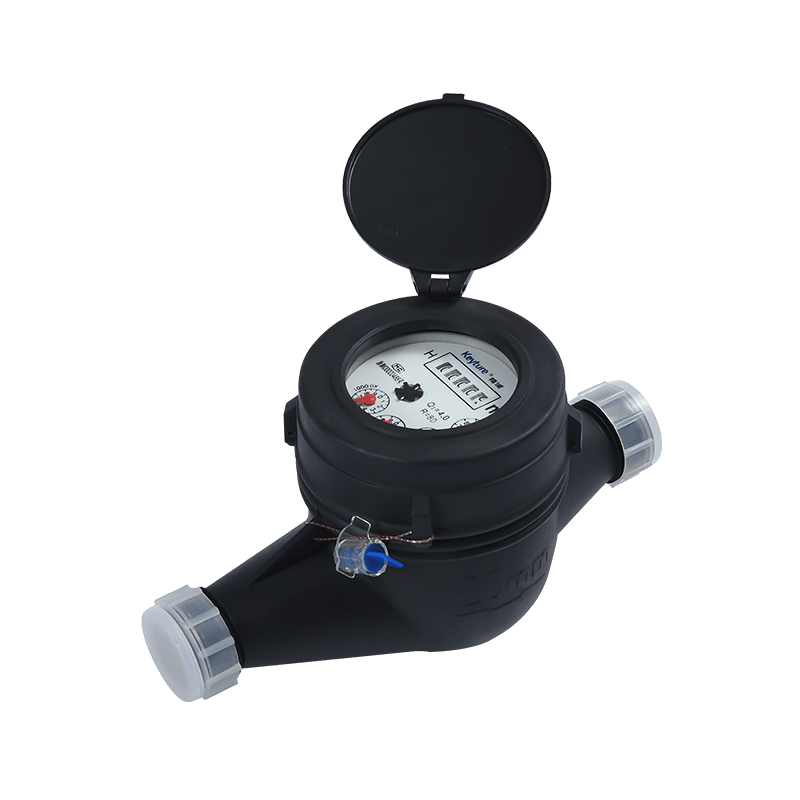
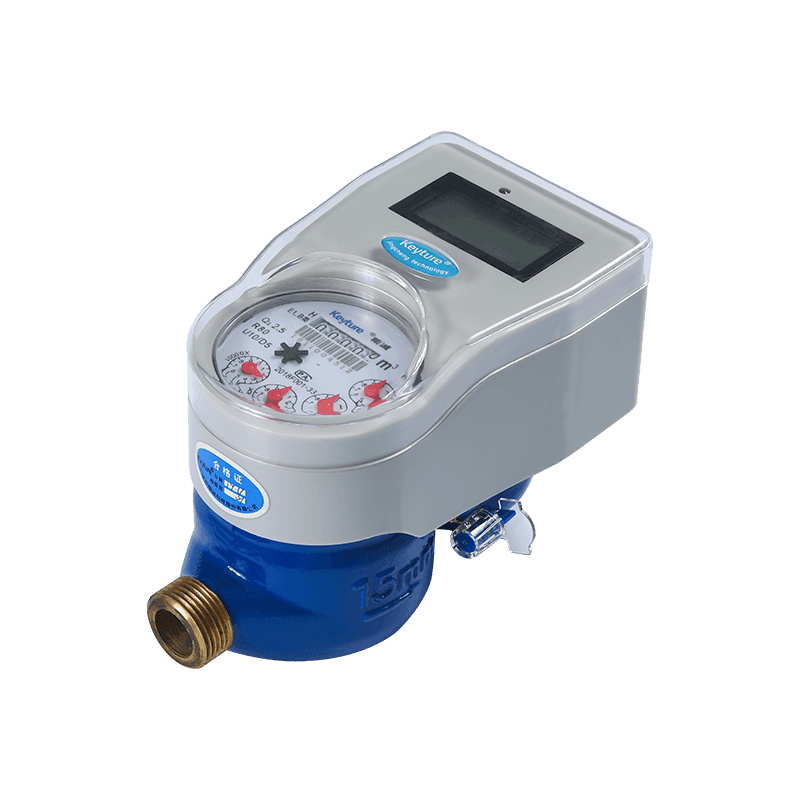
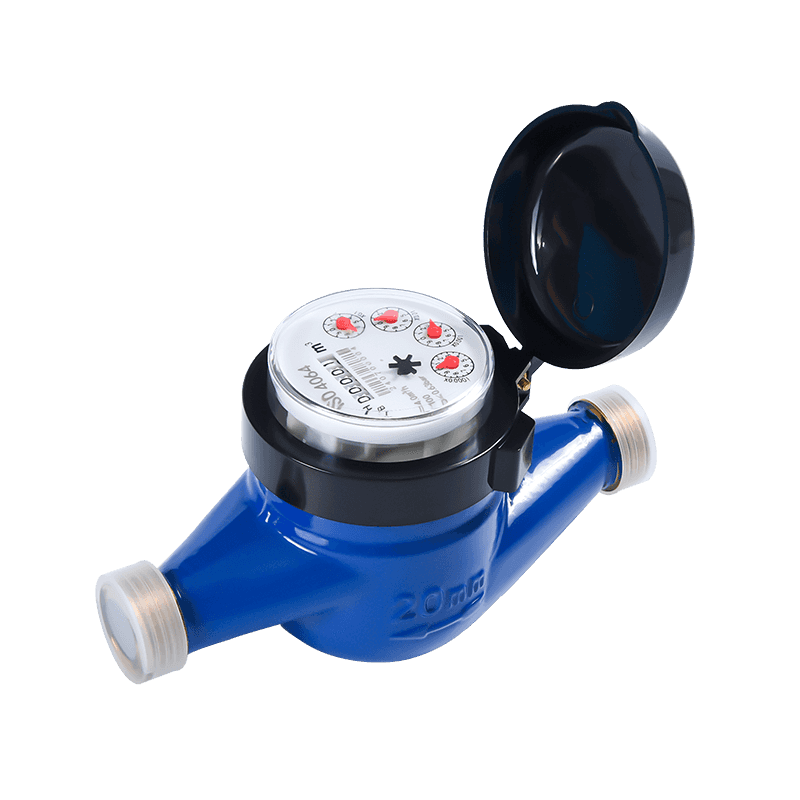
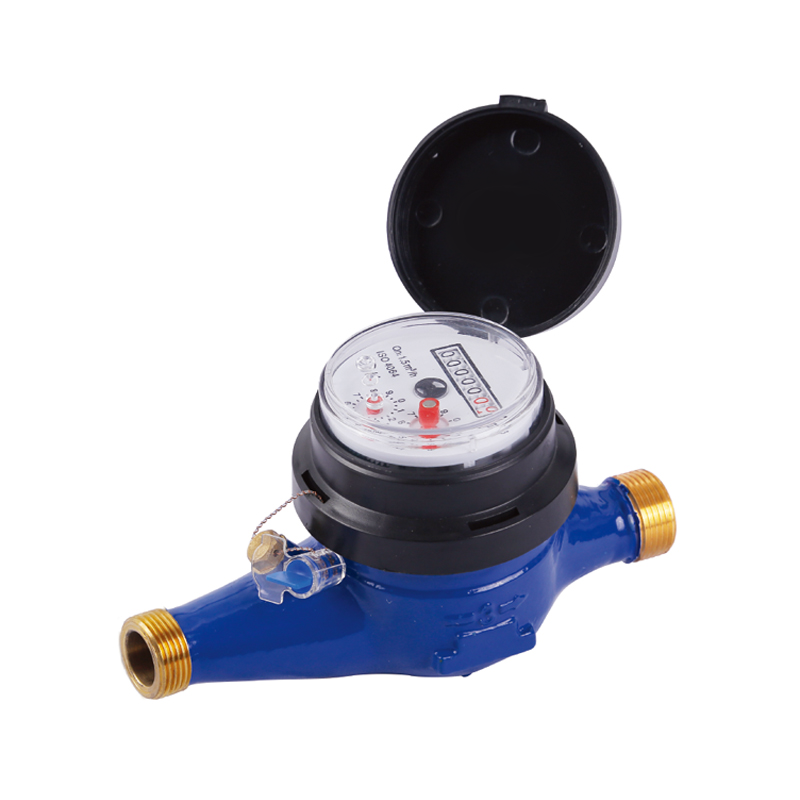
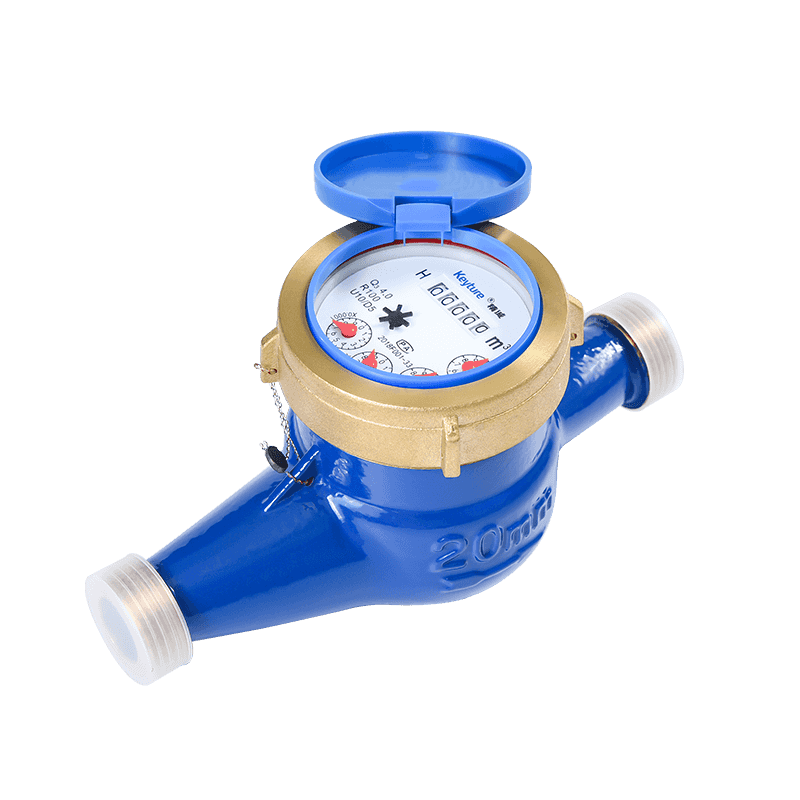
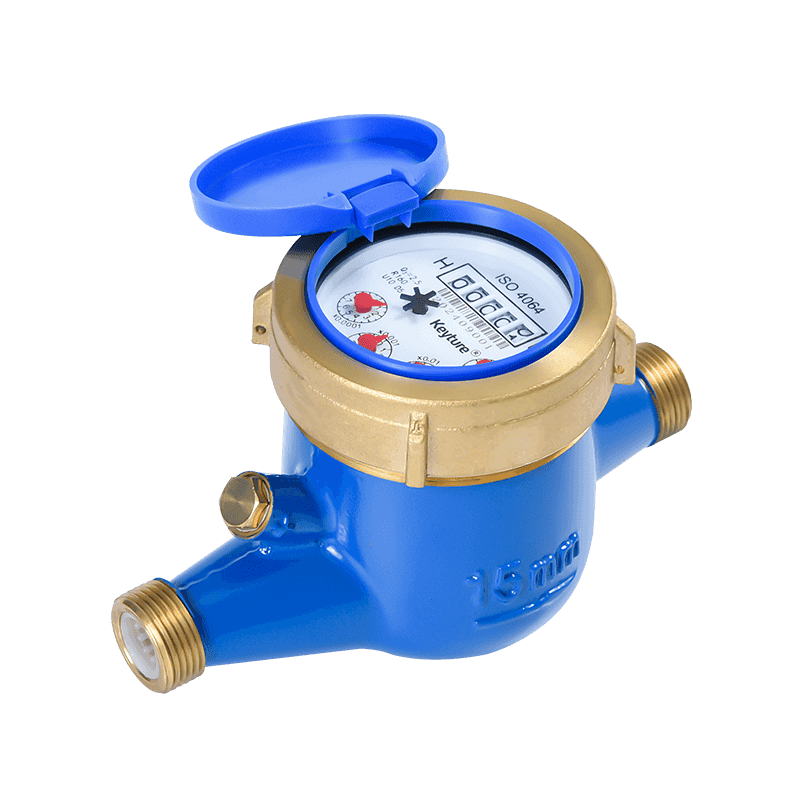
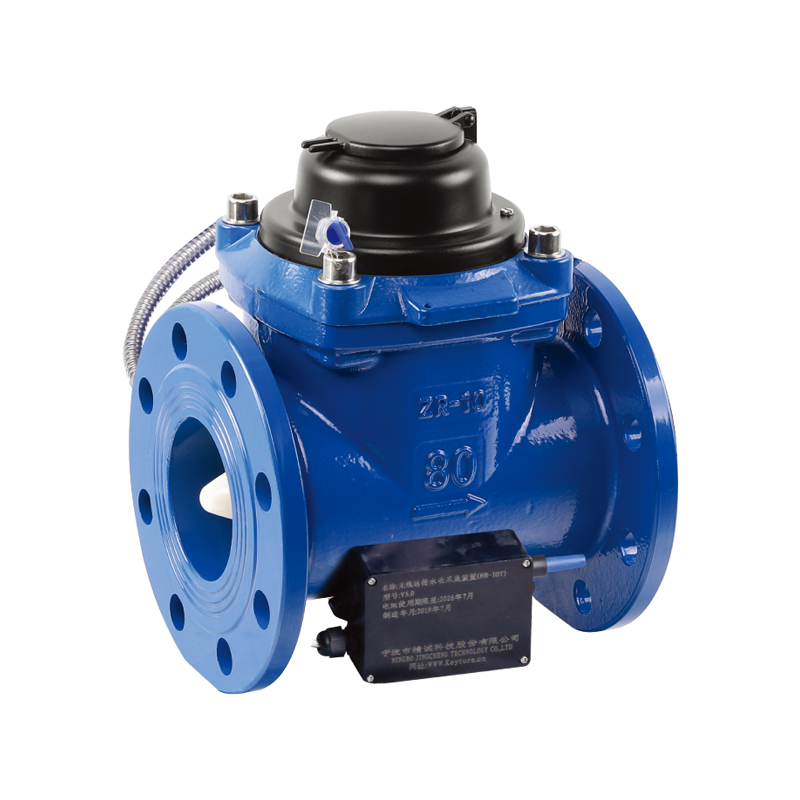
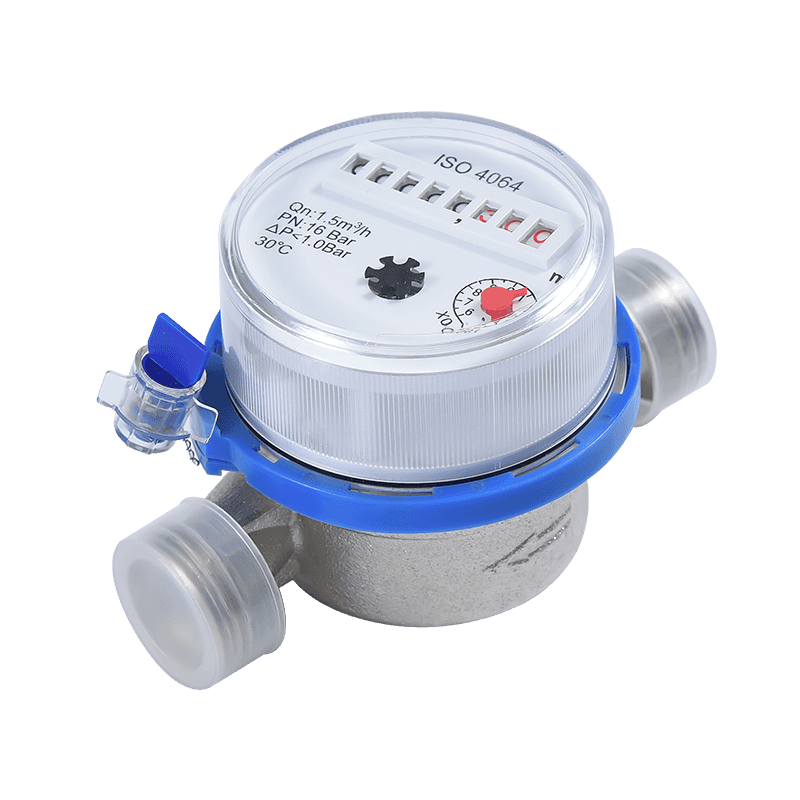
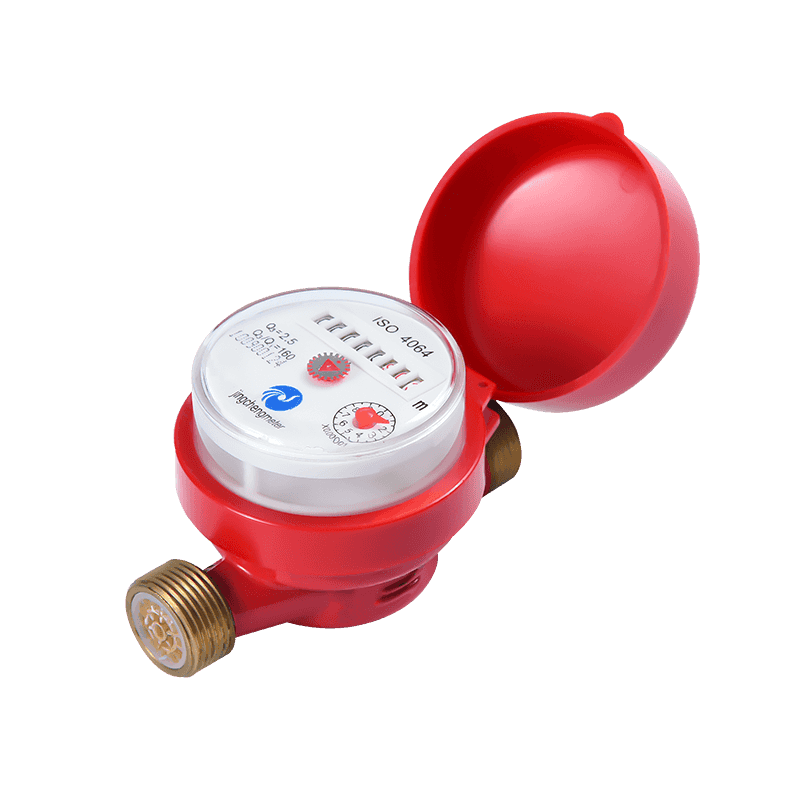
Modular Register Head
The dry register snaps onto the body as a self-contained module. A damaged or fogged register can be replaced in minutes at the meter box, without cutting the pipeline or re-verifying the measuring chamber.

A modular dry-type register on a balanced multi jet measuring chamber — a lightweight, economical and upgrade-friendly meter for mass residential roll-outs and utilities that plan to add remote reading later.
Dry-type register · multi jet chamber · replaceable head
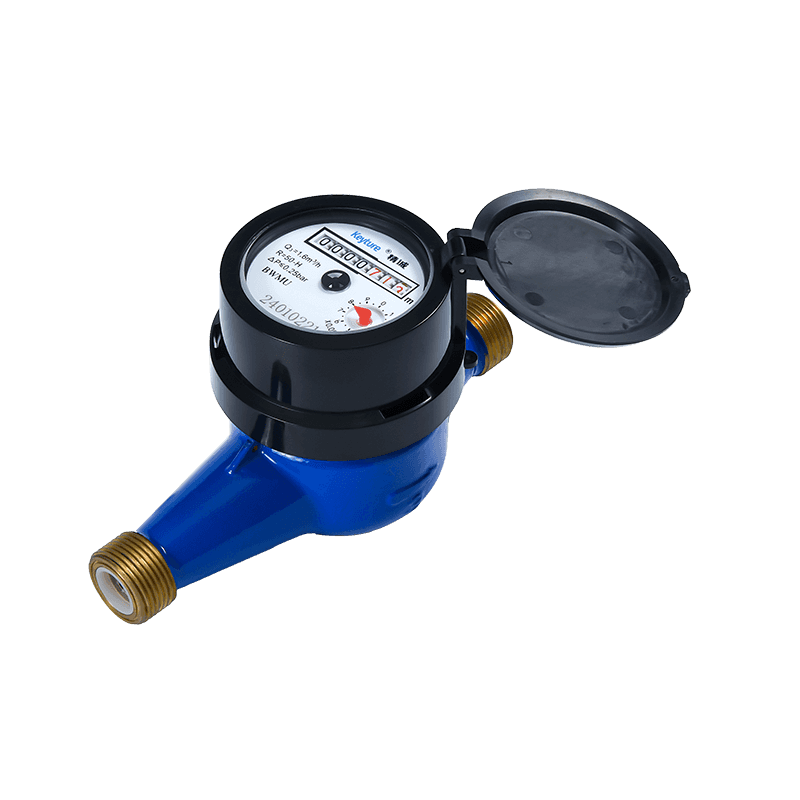
A dry dial multi jet water meter pairs a multi jet measuring chamber with a dry-type register. In a dry dial design, the dial, pointers and odometer drums sit in an air-filled compartment that is physically separated from the water by a partition wall. The impeller turns a driving magnet inside the wet chamber; a following magnet on the dry side picks up the rotation across the wall and drives the gear train. No shaft passes through the partition, so there is no dynamic seal between water and register. The multi jet distributor around the impeller splits incoming flow into several tangential streams, balancing the radial load on the vane wheel and stabilising calibration over thousands of operating hours.
What makes the dry dial concept distinctive is modularity. Because the register is not immersed in liquid, it is lighter, quicker to assemble and far easier to inspect, replace or upgrade than a liquid-filled counter. The register module can be swapped between meter bodies, fitted with a different dial colour or a different unit of measurement, or exchanged for a pulse-ready, encoder-ready or electronic head without opening the water circuit. In production, a dry register makes calibration faster and reduces cost, which is why dry dial multi jet meters are the volume leader in many national metering programmes. They are particularly well suited to climates where fogging is rare — dry interiors, temperate regions and installations with controlled temperature swings.
The meter is built to ISO 4064 / OIML R49 Class 2 with an R100 range ratio as standard (R160 optional) and is supplied in DN15 to DN50 with brass or cast iron bodies. Anti-condensation lens coatings, a desiccant-treated sealed chamber and an optional IP68 register cover help the dial remain readable in damp meter boxes, while the replaceable head design means that if a dial ever does become fogged or scratched, only the register — not the entire meter — needs service. For utilities that value lighter units, easy retrofit of remote reading and a lower purchase price per connection, the dry dial multi jet meter delivers high accuracy with the lowest total cost of ownership in its class.
Key takeaway: The multi jet chamber protects accuracy. The dry dial protects your budget and your flexibility. The register is a replaceable module — so upgrading, repairing or re-branding never means scrapping the whole meter.
Six advantages that explain why dry dial multi jet meters dominate large-scale residential metering programmes.
The dry register snaps onto the body as a self-contained module. A damaged or fogged register can be replaced in minutes at the meter box, without cutting the pipeline or re-verifying the measuring chamber.
No sealing liquid, no filling process and fewer sealing steps mean faster assembly and lower unit cost. In large tender volumes this translates into a meaningful reduction in capital outlay per connection.
A dry register adds very little mass to the meter. Lighter meters cost less to ship, are easier to carry on a route and place lower stress on pipe connections, which matters in plastic pipework.
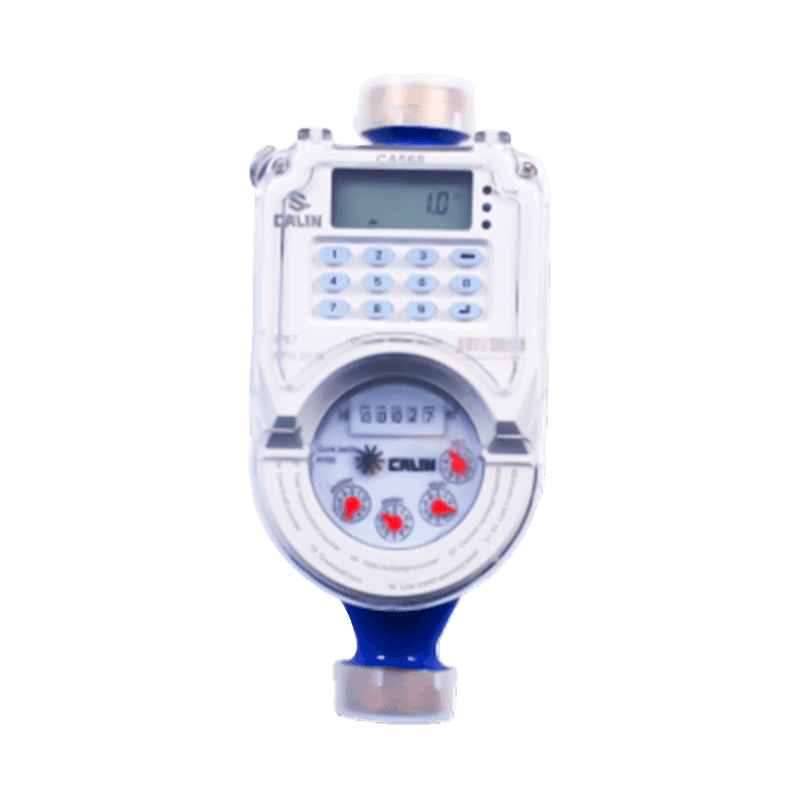
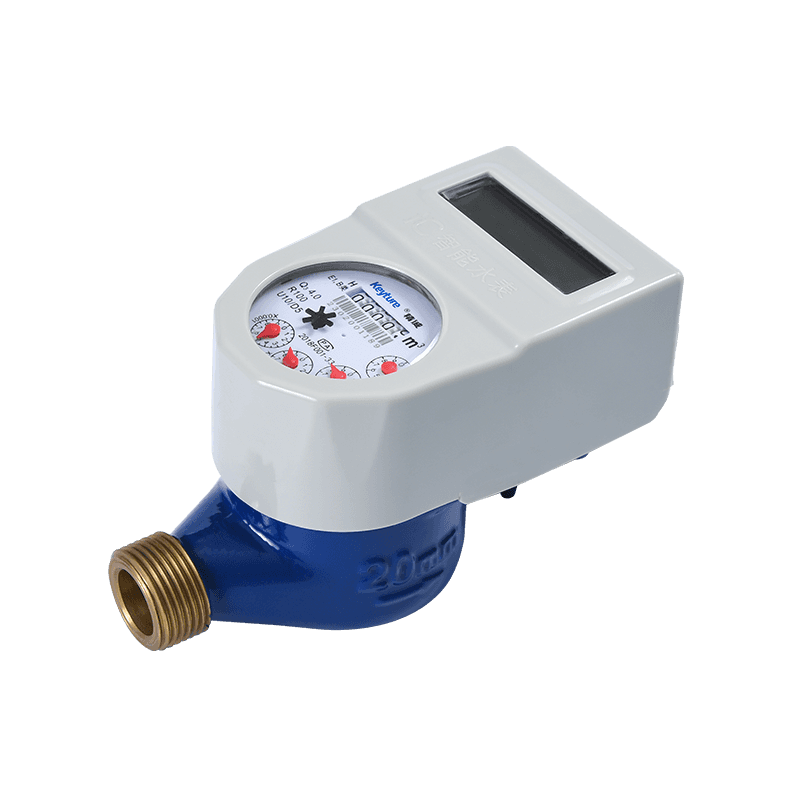
Open-architecture dry registers accept pulse, encoder and M-Bus heads. Utilities can roll out mechanical meters now and add communication modules later without replacing the installed base.
Balanced jets reduce bearing load, keeping the impeller true and the error curve flat for years. Class 2 accuracy is retained from small leaks up to peak demand.
Dial face colours, logos, units (m³, L, gal) and pointer layouts are printed on the register only. OEM brands, regional variations and utility-specific numbering can be produced without tooling a new body.
Standard configuration below. Body material, register options and communication heads can be adapted to your market requirements.
| Parameter | Specification |
|---|---|
| Standard | ISO 4064 / OIML R49 |
| Meter type | Dry dial, multi jet, vane wheel, velocity type |
| Nominal diameter | DN15 – DN50 (1/2" – 2") |
| Accuracy class | Class 2, R100 standard / R160 optional |
| Register | Dry-type, magnetic coupling, replaceable head |
| Lens | Tempered glass with anti-condensation coating |
| Water temperature | 0.1 °C – 50 °C (cold water); up to 90 °C hot water version |
| Working pressure | MAP 16 bar |
| Pressure loss | ≤ 0.063 MPa at Q3 |
| Body material | Brass or cast iron (DN40 and above) |
| Impeller | Engineered polymer with sapphire / ruby pivot |
| Connection | Threaded G3/4" – G2"; flanged option for DN40 – DN50 |
| Installation | Horizontal and vertical positions depending on version |
| Pulse output | Optional reed, Hall or Wiegand head; encoder / M-Bus head available |
| Protection | IP65 standard; IP68 register cover on request |
| Ambient temperature | -10 °C – 55 °C |
Q4 is the overload flow, Q3 the permanent flow, Q2 the transitional flow and Q1 the minimum flow, all expressed in m³/h.
| Nominal Diameter | Q4 Overload | Q3 Permanent | Q2 Transitional | Q1 Minimum | Range Ratio | Reading Range |
|---|---|---|---|---|---|---|
| DN15 (1/2") | 3.125 | 2.5 | 0.04 | 0.025 | R100 | 0.0001 – 99,999 m³ |
| DN20 (3/4") | 5 | 4 | 0.064 | 0.04 | R100 | 0.0001 – 99,999 m³ |
| DN25 (1") | 7.875 | 6.3 | 0.1008 | 0.063 | R100 | 0.0001 – 99,999 m³ |
| DN32 (1¼") | 12.5 | 10 | 0.16 | 0.1 | R100 | 0.001 – 999,999 m³ |
| DN40 (1½") | 20 | 16 | 0.256 | 0.16 | R100 | 0.001 – 999,999 m³ |
| DN50 (2") | 31.25 | 25 | 0.4 | 0.25 | R100 | 0.001 – 999,999 m³ |
Values shown for R100. R160 accuracy, hot water versions, alternative thread standards and flanged connections are available — tell us your target market and we will confirm the correct configuration.
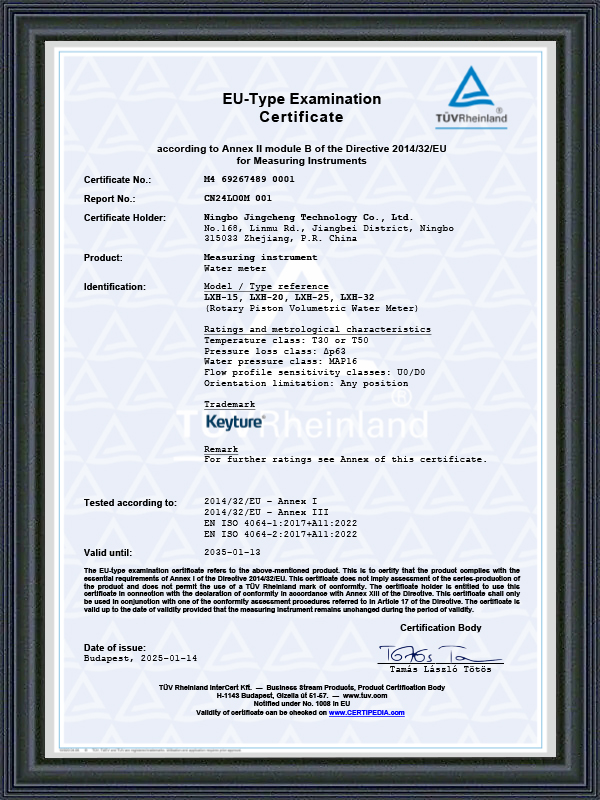
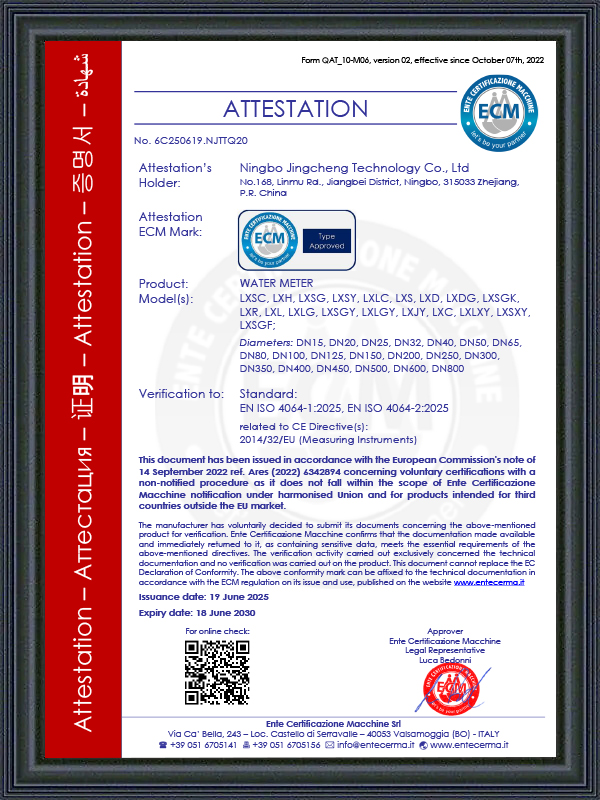
The dry dial multi jet meter is certified on both metrological performance and register durability to match tender requirements around the world.
Establishes Class 2 limits and test points for cold potable water meters. Our dry dial range is verified at Q1, Q2, Q3 and Q4 on automated gravimetric rigs.
Pattern evaluation covers endurance, flow disturbance and temperature cycling. The dry register is evaluated for magnetic coupling stability and pointer repeatability.
Registers are cycled between high humidity and temperature drops to verify the lens coating and chamber seal. Test data are available for tender documentation.
EU Measuring Instruments Directive compliance for European markets, including orientation marking and register labelling requirements.
Anti-magnetic shielding is verified against external fields to protect the magnetic coupling from tampering with permanent magnets.
Brass and polymer parts that contact potable water can be certified to NSF/ANSI 61, WRAS or ACS, depending on your destination market.
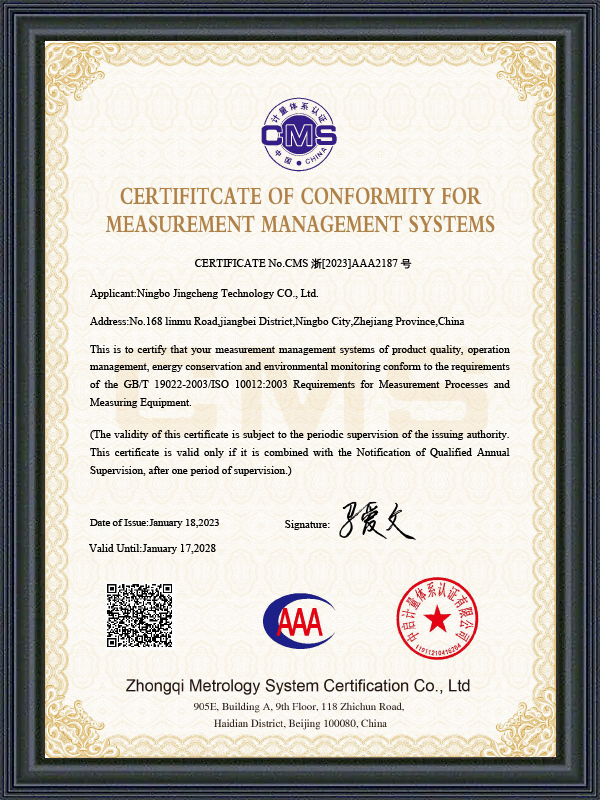
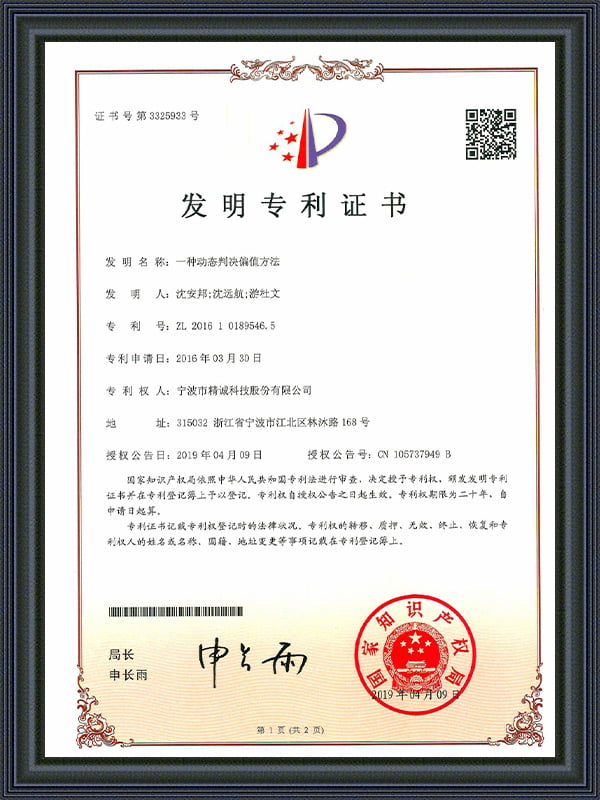
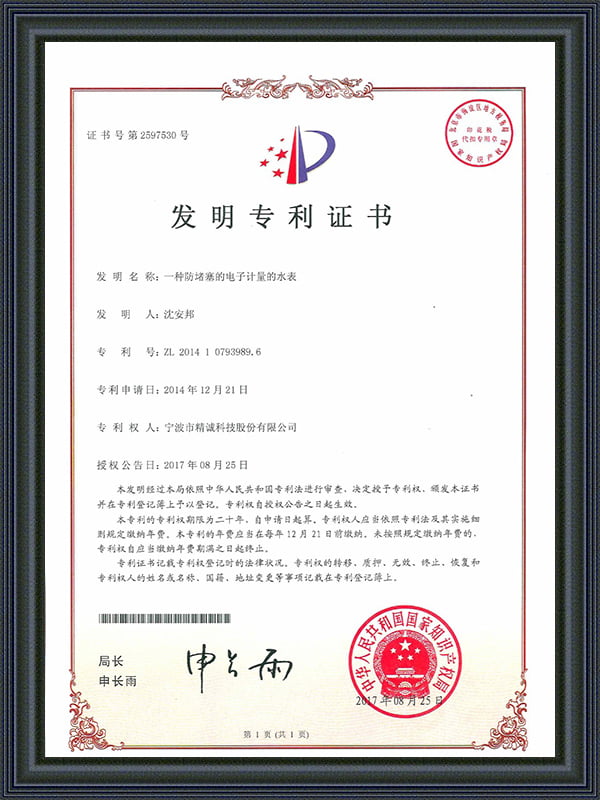
Two engineering decisions define this meter: how water spins the impeller evenly, and how a dry register is separated from the wet chamber.
Inside the body, an inlet strainer protects the measuring chamber from debris. Water then enters a distributor ring with multiple tangential slots arranged around the vane wheel, producing several simultaneous jets. The result is a balanced torque on the impeller, with no single side bearing the full load.
Balanced loading is especially valuable in a dry dial meter because the register mass is light and the magnetic coupling is the only link between impeller and gear train. A well-centered impeller maintains consistent magnetic coupling and keeps pointer repeatability high, even after years of service.
A dry dial register consists of a plastic or metal capsule containing the gear train, pointer drive and drum counter, covered by a tempered glass lens. A permanent-magnet follower couples through the partition to the impeller magnet. Because the register is not filled with liquid, assembly requires no filling station and the module can be pre-built and stocked separately from the body.
Dry registers rely on good sealing to remain legible in damp pits. We use a double gasket lens seat, a breathing membrane and a desiccant treatment to minimise condensation. If a register ever needs replacement, the head can be removed at the pit, exchanged and re-sealed, and the same meter body continues in service.
Measured performance data for the dry dial multi jet water meter. Use these charts to confirm pressure loss, metrological accuracy and installation dimensions before specifying.
Figure 1 — Head loss curve (MPa vs. flow m³/h)
The chart shows pressure loss across the meter for DN15 to DN50. Multi jet distribution keeps head loss below 0.063 MPa at permanent flow, which is the main reason this meter suits gravity-fed and low-pressure networks where every metre of head counts.
Figure 2 — Accuracy error curve (Class 2, R100, Q1–Q4)
The error curve is a flat, centred line across the upper zone, reflecting the balanced forces of the multi jet chamber. At the lower end Q1 the error remains within the ±5% limit, and from Q2 to Q4 the curve stays well inside ±2%, leaving a comfortable margin for in-service drift.
Figure 3 — Installation dimensions (L × H × B × D)
| Size | L (mm) | H (mm) | B (mm) | D (thread) |
|---|---|---|---|---|
| DN15 | 165 | 98 | 82 | G3/4" |
| DN20 | 190 | 103 | 84 | G1" |
| DN25 | 260 | 115 | 100 | G1¼" |
| DN32 | 260 | 122 | 102 | G1½" |
| DN40 | 300 | 150 | 130 | G2" |
| DN50 | 300 | 158 | 132 | Flange |
Dimensions are for reference. Confirm exact values with our engineering team before installation design.
Choosing a register type is one of the biggest decisions in meter specification. This table shows where the dry dial multi jet meter fits.
| Design Feature | Dry Dial Multi Jet | Liquid Sealed Multi Jet | Wet Dial Multi Jet |
|---|---|---|---|
| Unit purchase cost | Lowest | Higher — liquid fill and sealing | Low |
| Register replaceability | Swap-in dry head | Sealed capsule — replace as unit | Requires full meter replacement |
| Weight | Light | Heavier | Light |
| Fogging in humid pits | Possible without coating | None — liquid filled | Not applicable — dial in water |
| Dial clarity over time | Good with treated lens | Very high | Degrades — scale and algae |
| Remote reading retrofit | Simple — dry head interface | Limited by sealed capsule | Difficult |
| Dial customisation | Flexible printed face | Limited | Limited |
| Best environment | Dry or temperate climates | Humid and cold climates | Clean water only |
This comparison is indicative. Actual performance depends on water quality, climate and the specific product configuration. Contact our engineers for application-specific guidance.
Premium quality
since 2002
Coming From China, Marketing To The World
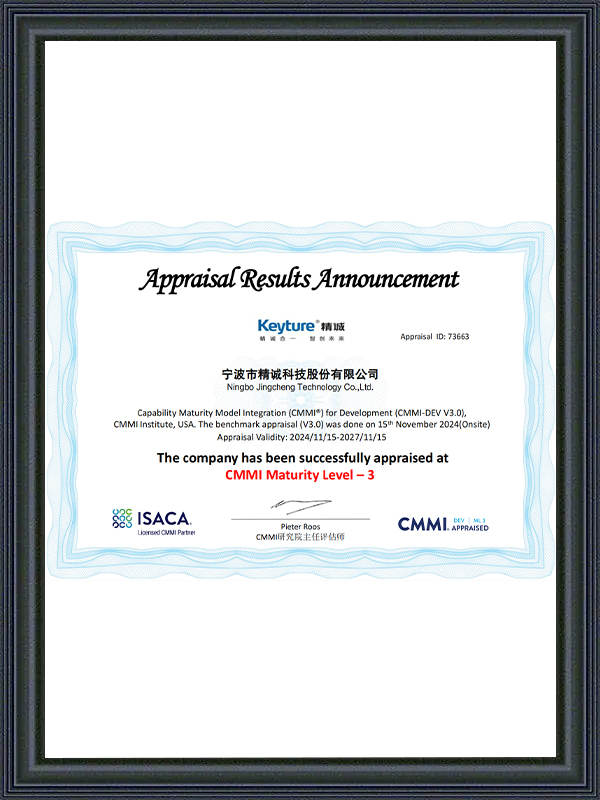
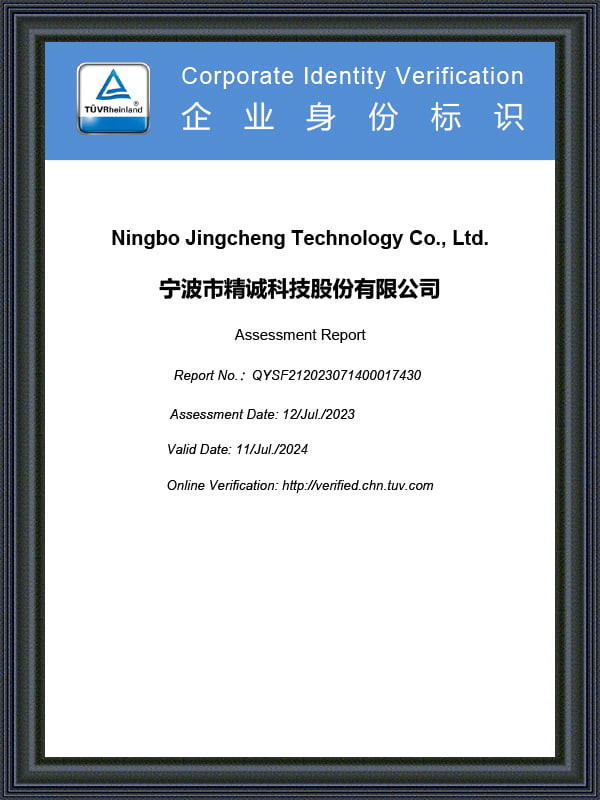
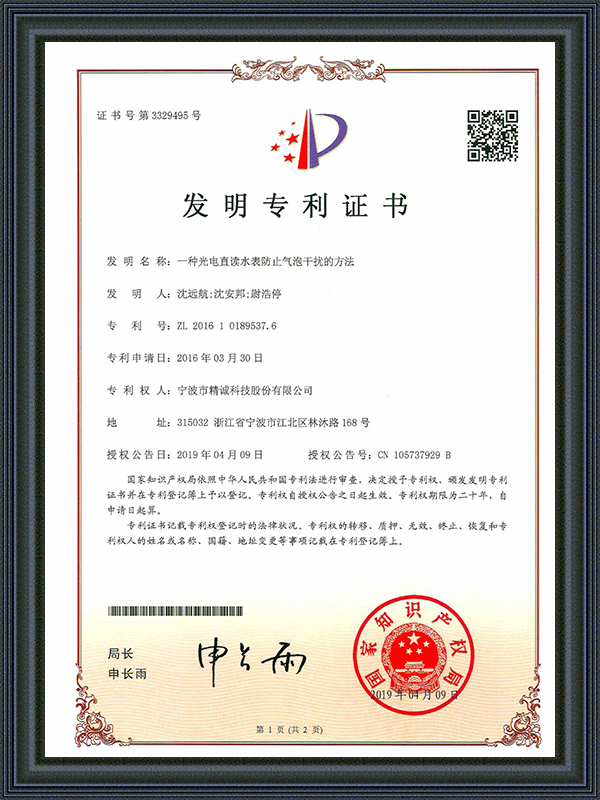
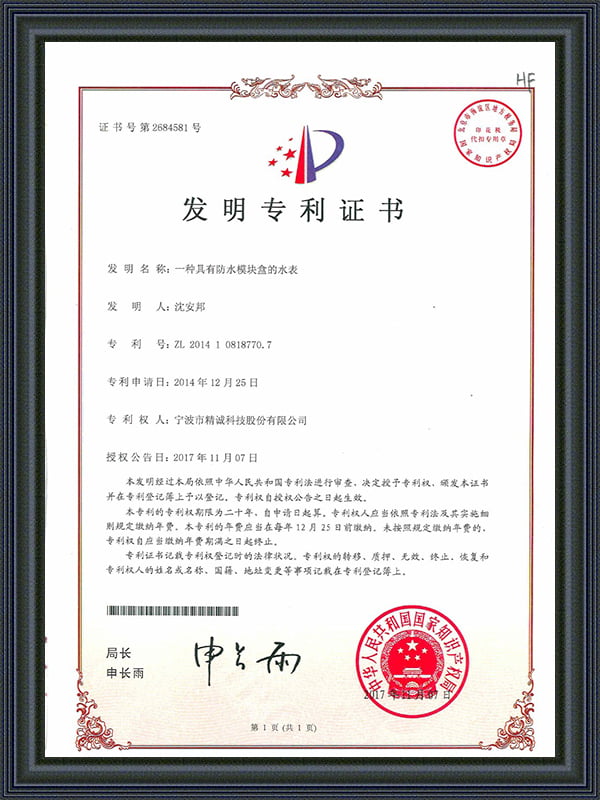
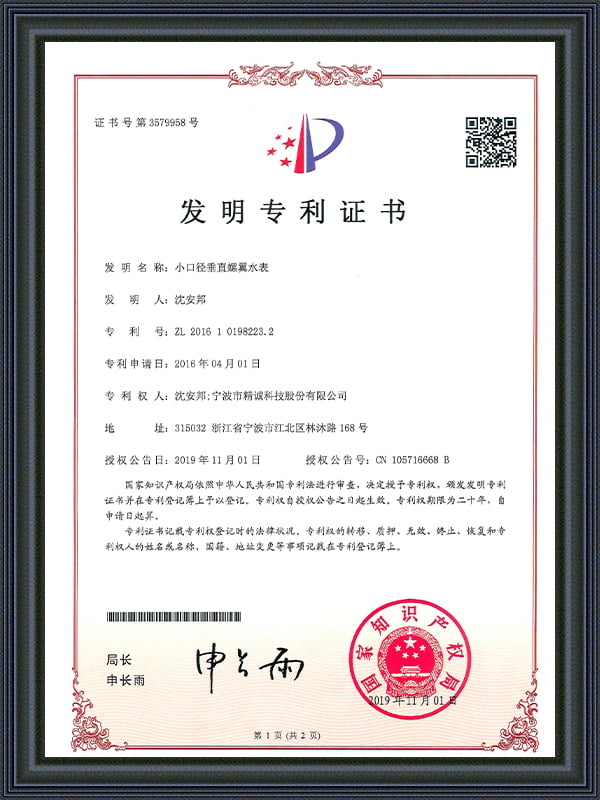
Keyture Meter is located in Picturesque Jiangbei Investment Park, NINGBO, CHINA. It is a comprehensive high-tech China Dry Dial Multi Jet Water Meter Manufacturers and Custom Dry Dial Multi Jet Water Meter Factory that integrates scientific research & development, production, sales, and service. Established in 2002 as a manufacturer and exporter of water meters for more than 22 years. The factory covers an area of 40 acres (30,000 square meters), 200 staff, 100+ types of products, product capacity of 5 million per year. Its product range covers single jet, multi-jet, volumetric piston type, Woltman type, IC card intelligent water meter, remote control water meter, optoelectrical reading direct remote control water meter...
Yearly production capacity
Production Area
Works and inspectors
Production experience
Excellent product with exquisite craftsmanship
Customization
We have a strong R&D team, and we can develop and produce products according to the drawings or samples the customers offered.
Cost
We are a professional manufacturer and also have our own processing machinery. So we can offer good prices and good products directly.
Quality
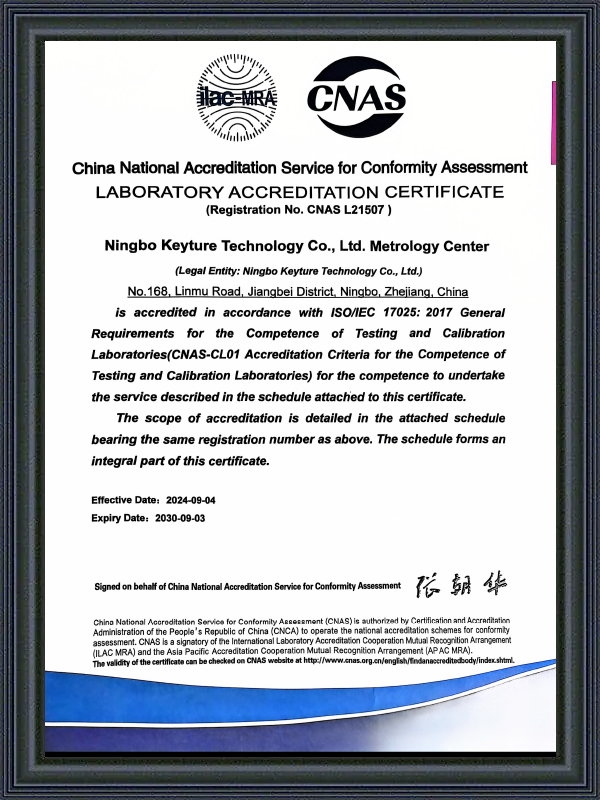
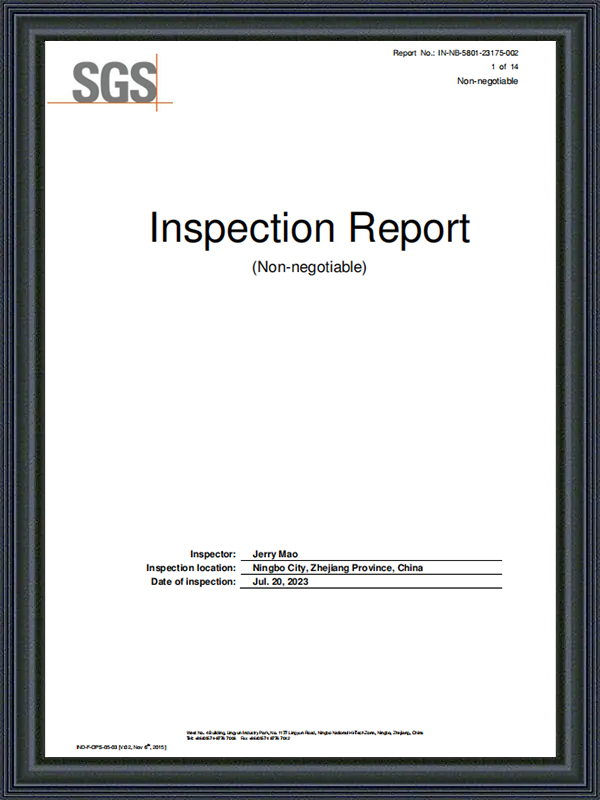
We have our own testing lab and advanced and complete inspection equipment, which can ensure the quality of the products.
Service
We focus on developing high-quality products for top-end markets. Our products are in line with international standards, and are mainly exported to Europe, America, Africa, Asia and other destinations around the world.
Capacity
Our annual production capacity is over 5 million units. We can meet the needs of different customers with different purchase quantities.
Shipment
We are about 35 kilometers away from Ningbo Port. It is very convenient and efficient to ship goods to any other countries.
From mechanical meters to smart AMR/AMI systems — we provide end-to-end water metering solutions tailored to your project.
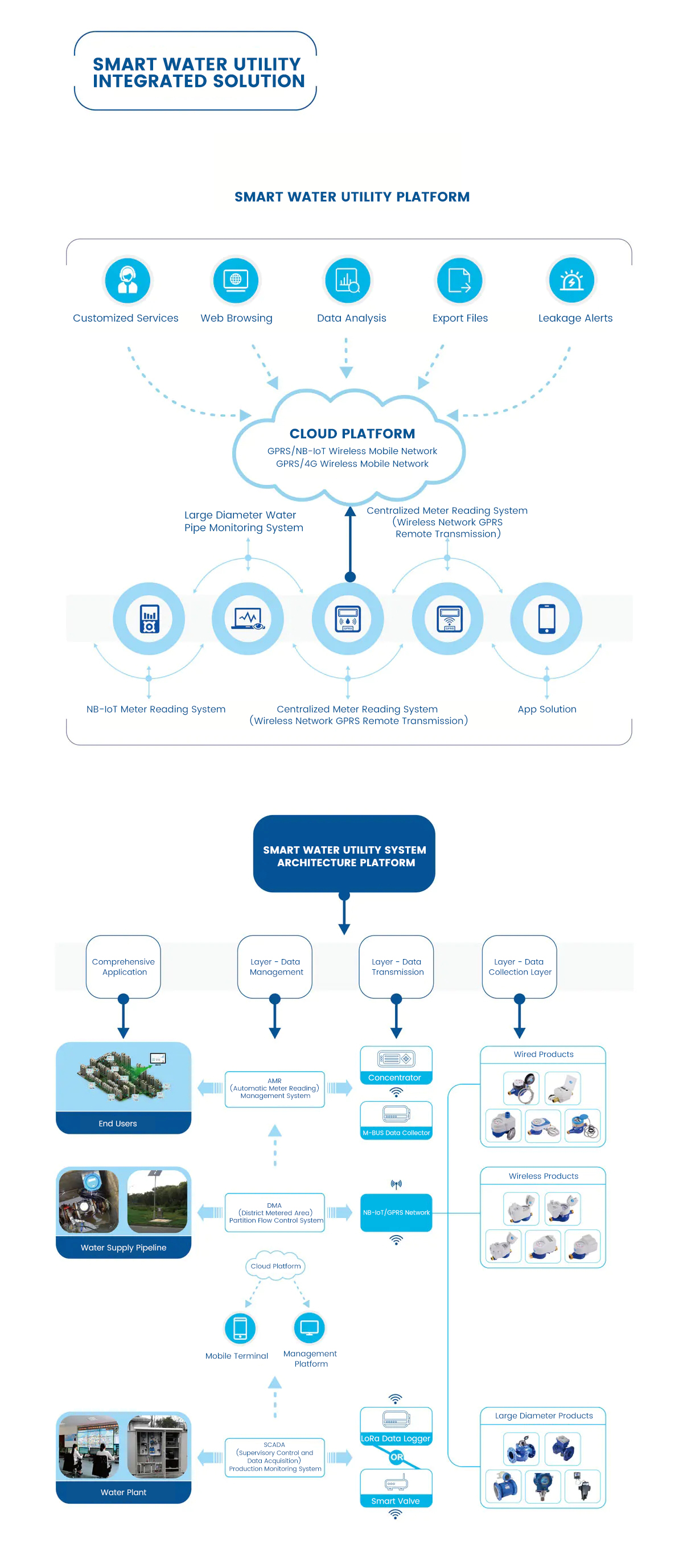
Suited to large-scale roll-outs and sites where easy servicing, light weight and upgrade flexibility are decisive.
Install the meter in the direction of the flow arrow with the register facing upward for best accuracy. Most dry dial multi jet meters can also be mounted vertically or on an incline if specified with the appropriate orientation marking; confirm the calibration position (H or V) at order stage.
Because the register is dry, avoid mounting the meter where it will be permanently submerged. Short periods of flooding are tolerated by the IP65 register, but long-term immersion calls for the IP68 cover. In cold climates, avoid positions where a fully exposed lens is subject to wide day-night swings.
Fit a strainer upstream where water carries sediment, and flush new pipework before commissioning. Hand-tighten fittings and verify there is no pipe strain on the body. After installation, seal the register with a lead wire.
The dry register is the main serviceable component. During routine reading rounds, technicians can check that the lens is clear and the pointers are turning smoothly. If the register is damaged or fogged, the head can be exchanged in the field without re-verifying the measuring chamber, which is the biggest time saving of this design.
Because the register is a separate module, utilities can hold a small stock of replacement heads and refurbish removed meters by changing only the head. The measuring chamber is normally verified on a test bench at the end of the first cycle.
Typical service life is 8 to 10 years in normal potable water. Meters in sandy or scaling water should have the strainer cleaned periodically, and fogged lenses should be replaced rather than wiped.
A dry dial meter keeps the dial, pointers and counter in an air-filled compartment separated from the water by a partition wall. The register is turned by a magnet coupling through the wall. This makes the register lighter, easier to inspect and easier to replace than a liquid-filled register.
A liquid sealed register is filled with oil or treated liquid to prevent fogging. A dry register contains air and relies on anti-condensation coatings and tight seals to remain clear. Dry dials are lighter and cost less; liquid sealed registers are preferred in very humid or cold environments.
Yes. The register head can be removed and replaced at the meter box with simple tools, without cutting the pipe or disturbing the measuring chamber. The new head is sealed and the meter returns to service, which is a major time saving compared with replacing the whole meter.
Fogging can occur in a dry register if humidity changes quickly. We reduce the risk with a coated lens, double gasket and desiccant. For very damp pits, we recommend the IP68 register cover or a liquid sealed version.
The standard configuration is Class 2 accuracy with R100 range ratio per ISO 4064 / OIML R49. R160 is available on request where a wider range is needed to detect small leaks or to meet specific tender requirements.
Yes. The dry register has an open interface for pulse (reed, Hall or Wiegand), encoder and M-Bus heads. A utility can install mechanical meters today and add remote reading in the future by changing only the head.
Brass is standard for DN15 to DN50 and cast iron is available for DN40 and DN50. Both are suitable for potable water and can be supplied with lead-reduced alloys or epoxy coating for specific tender requirements.
Yes. Dial face colour, numerals, logos, units and pointer styles are printed on the register and can be adapted without changing the meter body. This makes the dry dial design ideal for OEM and private-label orders.
The cold water version is rated for 0.1 °C to 50 °C. A hot water version for up to 90 °C is available with heat-stable polymer parts and an adapted register.
Yes, to a degree. Multi jet meters are less orientation-sensitive than single jet designs, but the calibration position still matters. The orientation (H or V) is marked on the dial, and the meter should be installed accordingly.
In normal potable water service, 8 to 10 years is typical, depending on local regulation and water quality. Many utilities test a sample at end of life and extend service if accuracy remains within limits.
The mechanical meter is compatible with pulse-based AMR systems through the optional head. For prepaid use, a valve and electronic head can be added. We recommend specifying the communication protocol at order stage so the correct interface is supplied.
Send us the sizes, register options, remote reading plans and total quantity. Our engineers will recommend the right dry dial multi jet configuration, with price and lead time.

Address: No.168,LinMu Rd.,Zone B, Jiangbei investment Park, Ningbo, Zhejiang,China
Tel: +86-0574-83090480/+86-18892665118
Fax: +86-0574-83021045
Email: [email protected]
Web: https://www.keyturemeter.com/
Quick Links
Product
Mobile terminal
 Custom Dry Dial Multi Jet Water Meter Manufacturers