 English
 Español
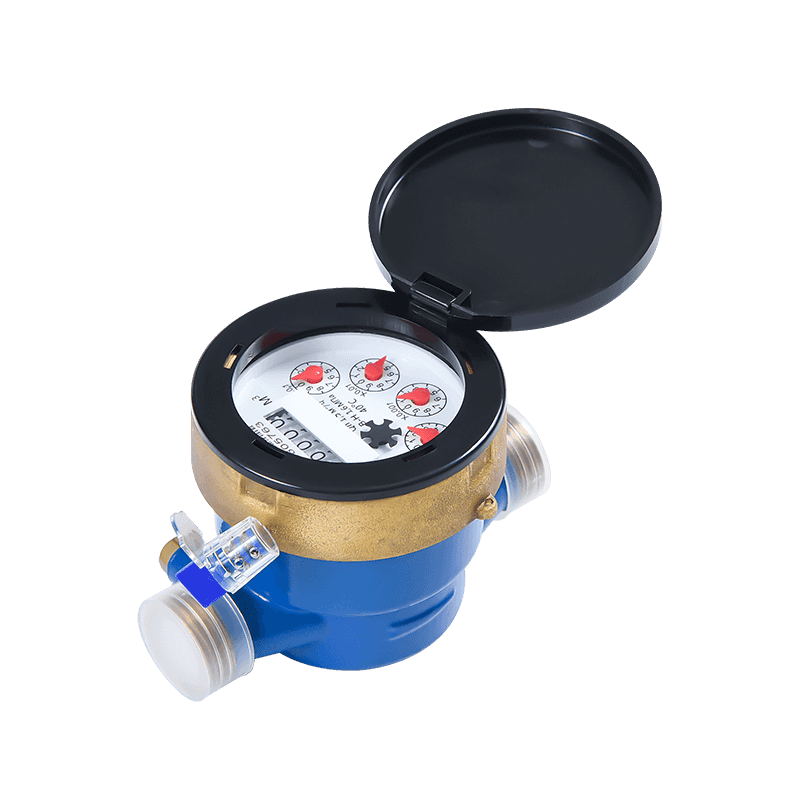
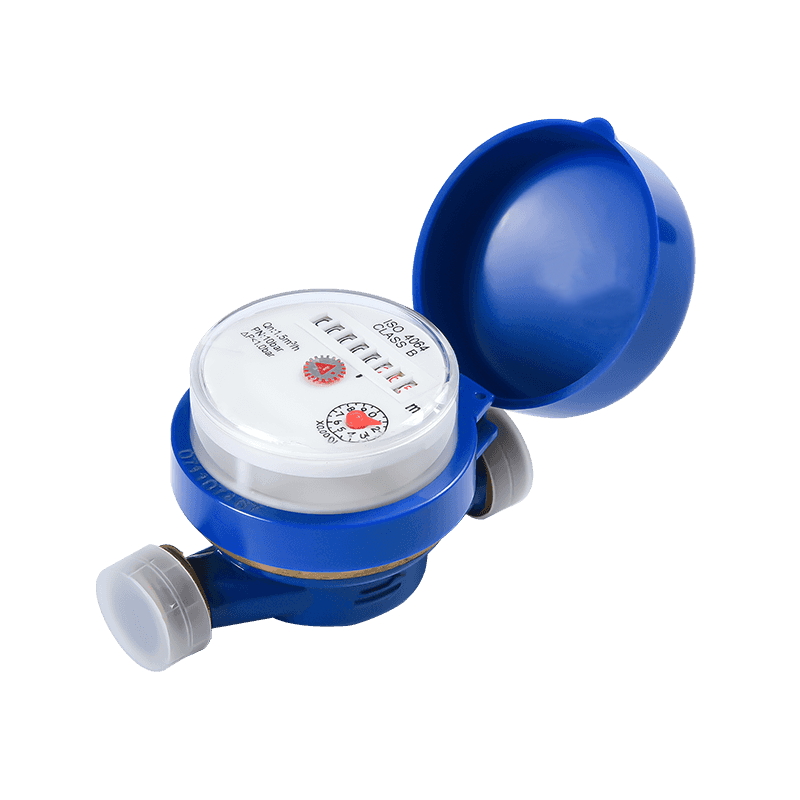
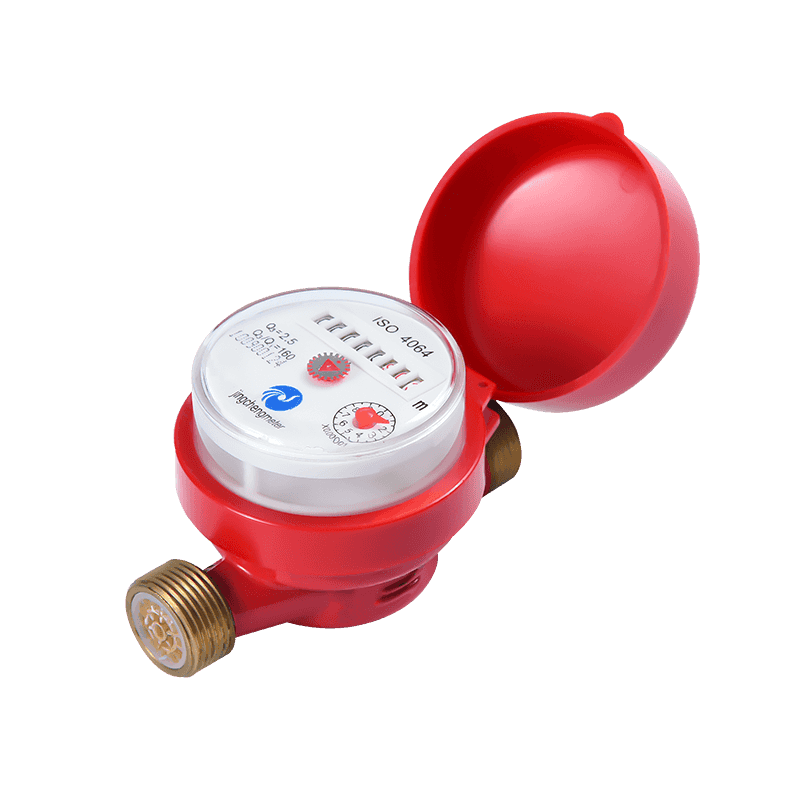
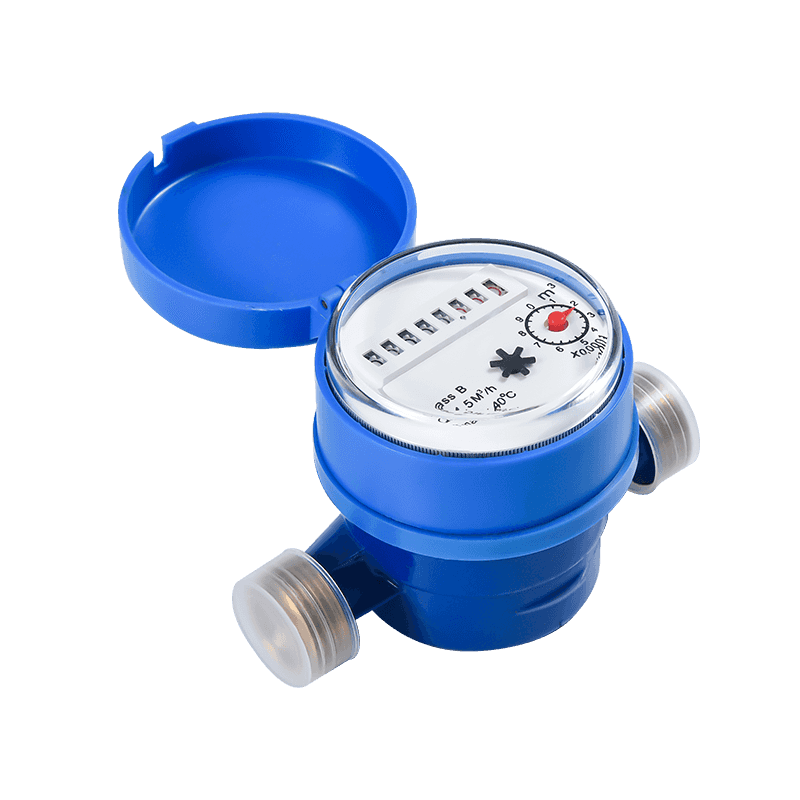
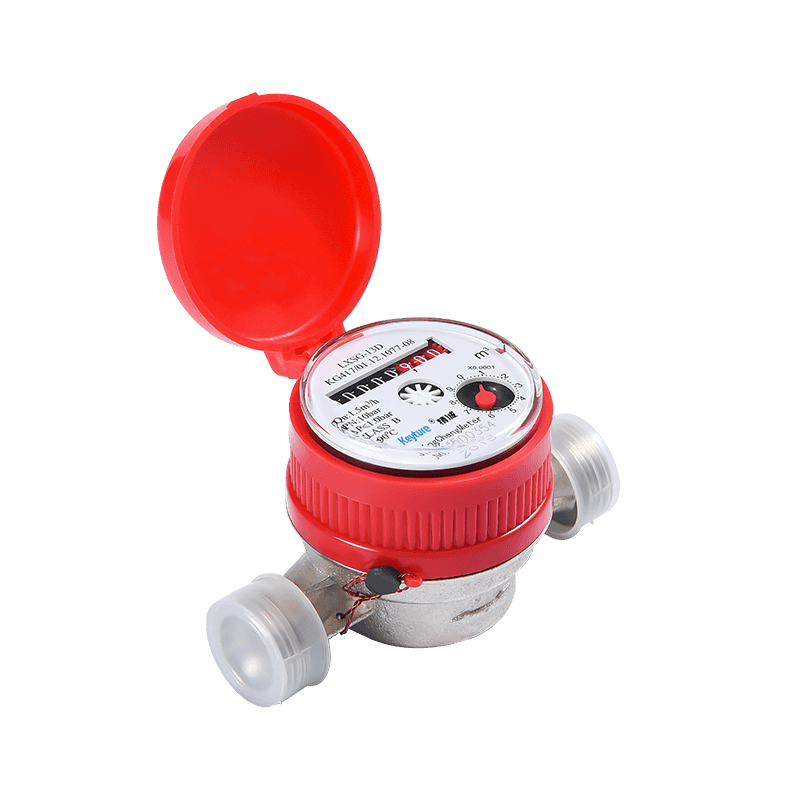
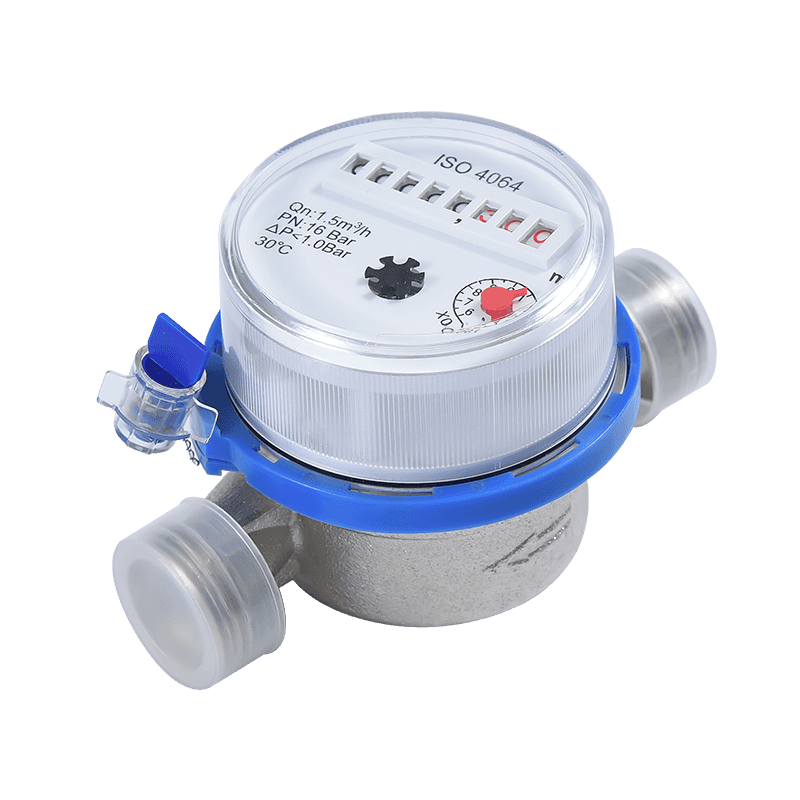
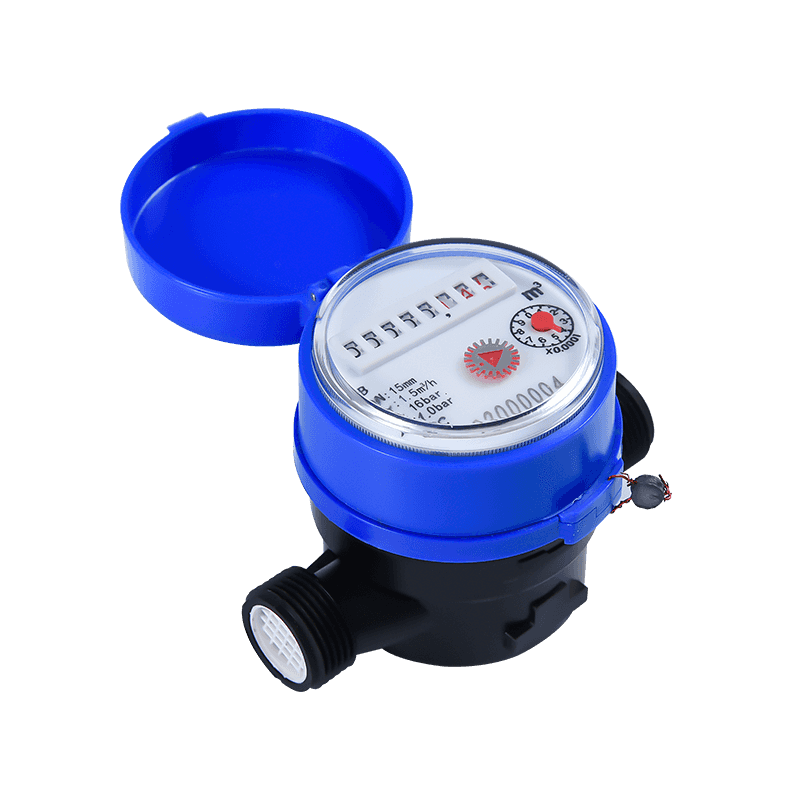
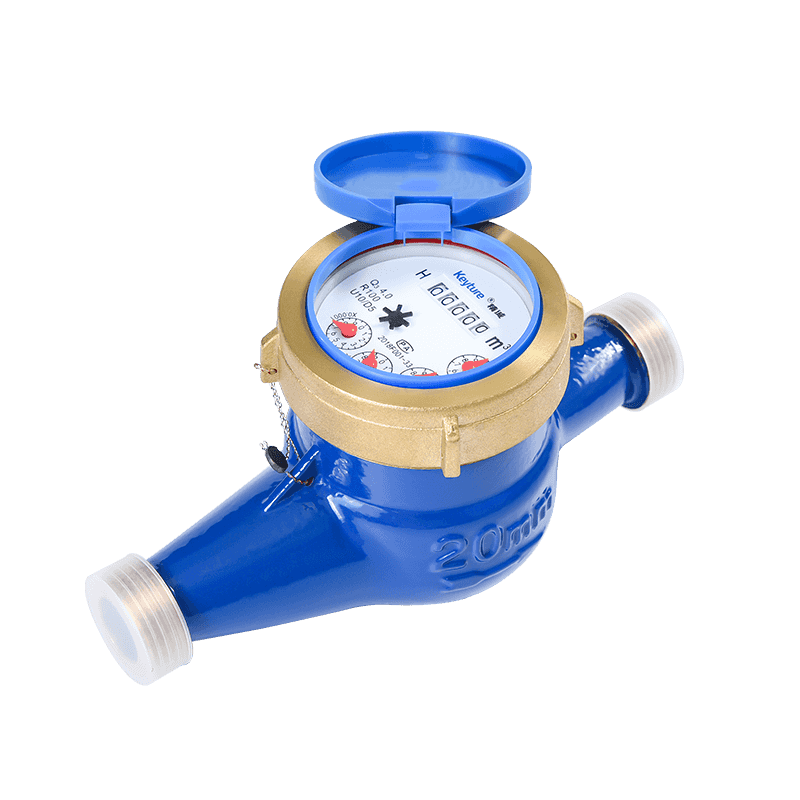
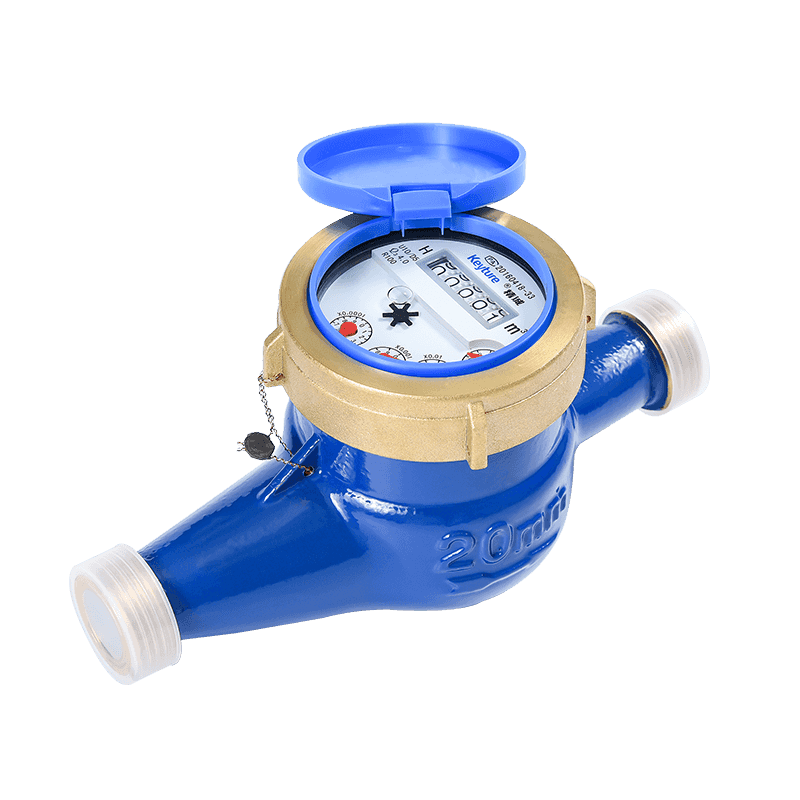
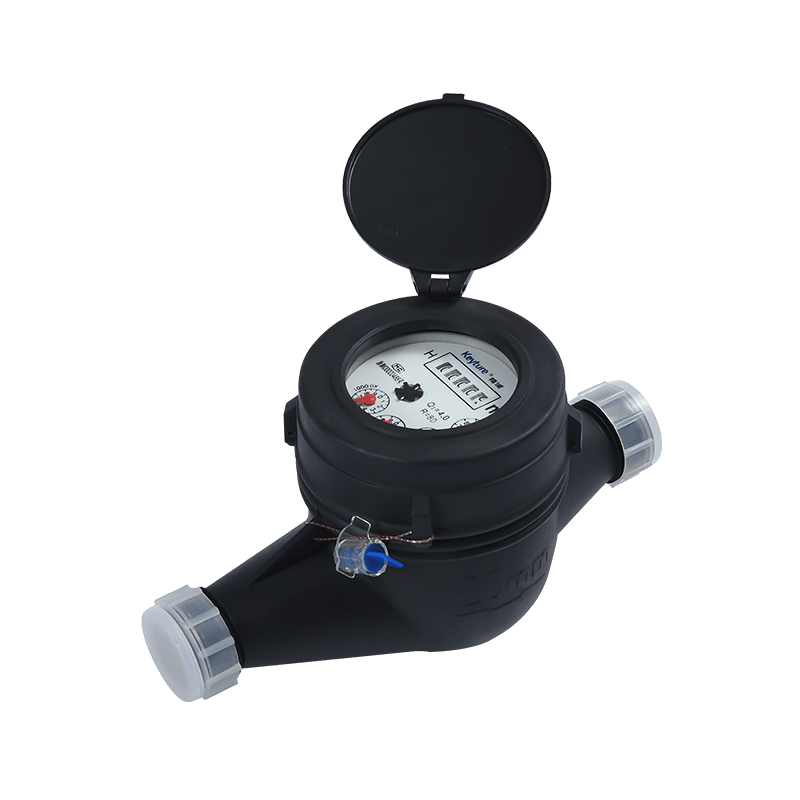
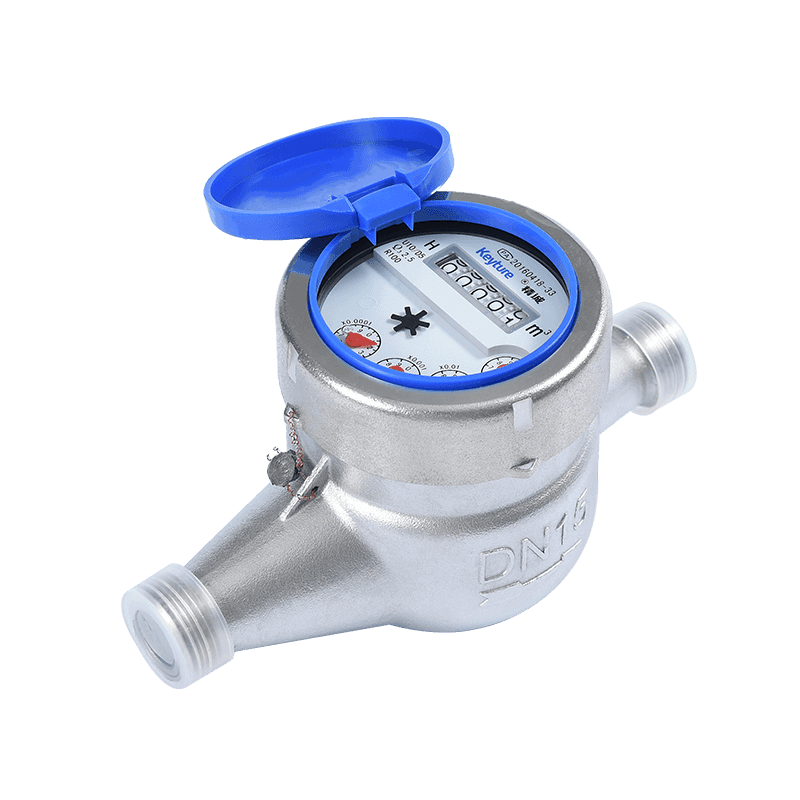
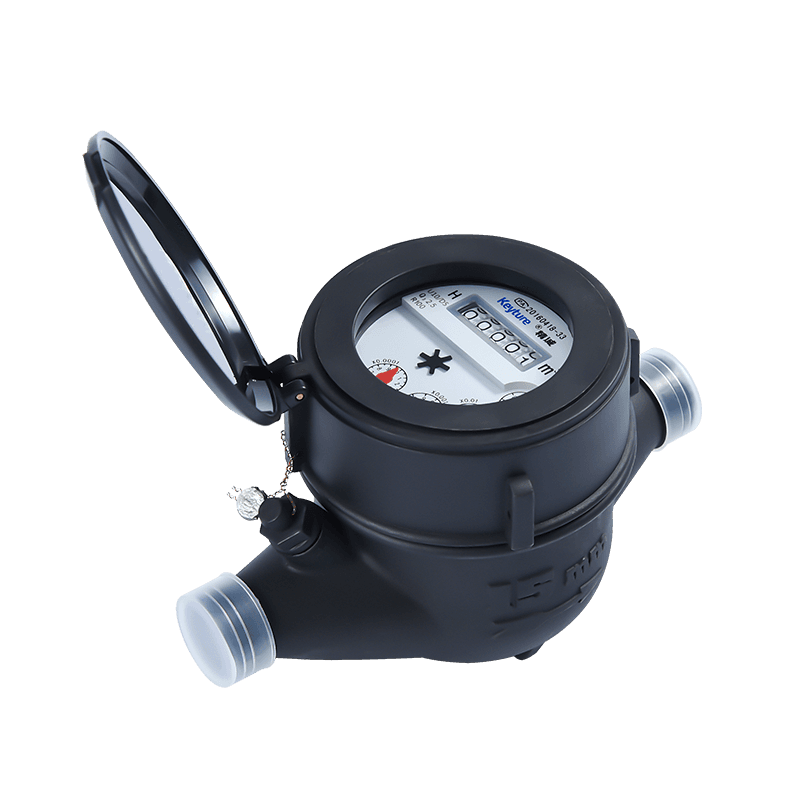
Compact, Light Footprint
A single jet chamber needs less internal volume than a multi jet distributor, so face-to-face length is shorter and the meter fits shallow boxes, wall niches and retrofit spaces where longer meters cannot be installed.

A compact, rugged single jet vane wheel meter in a machined brass housing — built for household and small commercial connections where low cost, easy installation and long service life all matter.
Brass housing · single jet vane wheel · IP65 register
A brass body single jet water meter is a compact velocity-type mechanical meter in which one tangential water jet drives a vane wheel impeller inside a cylindrical measuring chamber. The impeller speed is proportional to flow velocity, and a reduction gear train converts that rotation into a cumulative volume reading on the register. Because only one inlet port feeds the impeller, the internal flow path is short and simple, the part count is low, and the whole measuring element can be built in a very small envelope. That simplicity is exactly why single jet meters have become the standard choice for household connections, small shops and any service line where water bills are calculated from a modest, fairly predictable demand profile.
The brass body is what turns this simple measuring principle into a durable field product. Cast and machined from copper-zinc alloy, the housing resists corrosion in aggressive soils and damp meter boxes, tolerates the thread stress of repeated installation and removal, and holds its dimensions under pressure cycling far better than lightweight polymer shells. Brass is also dense and thermally stable, so the meter keeps its bearing alignment and register seating across seasonal temperature swings. Threaded brass end connections are machined as part of the body, giving a leak-tight joint with standard pipe fittings and a rigid base for the strainer, check valve and seal-wire provisions. For utilities that replace meters on a fixed cycle, a brass casing can be refurbished and re-verified several times, which lowers the lifetime cost per connection.
Single jet design also has clear practical characteristics that buyers should understand. The impeller is loaded from one side, so the meter has a high sensitivity at low flow and a short, light body, but it is more orientation-sensitive and more affected by upstream disturbances than a multi jet meter. For that reason the brass body single jet meter is supplied in sizes from DN15 to DN40, with Class 2 accuracy per ISO 4064 / OIML R49 and an R80 range ratio as standard (R100 on request). It operates without batteries or external power, supports an optional reed-switch pulse output for AMR retrofits, and is offered in dry-dial or hermetically sealed register versions. For straightforward residential billing, rural supply schemes and budget-conscious tender projects, it delivers dependable metering at the lowest practical cost per point.
Key takeaway: Single jet keeps the meter small, sensitive and affordable. The brass body keeps it strong, corrosion-resistant and serviceable. Together they give you the most economical rugged meter for everyday domestic metering.
Six practical advantages that make this the default meter for domestic connections and small service lines.
A single jet chamber needs less internal volume than a multi jet distributor, so face-to-face length is shorter and the meter fits shallow boxes, wall niches and retrofit spaces where longer meters cannot be installed.
The copper-zinc alloy housing stands up to damp soil, condensation and chlorinated supply water. Dezincification-resistant (DZR) or lead-reduced alloys can be specified for drinking water regulations in your market.
One direct jet gives the impeller a strong, immediate push at small flows. The meter registers drips and slow leaks that heavier or slower-starting designs may overlook, supporting billing integrity on small connections.
Fewer internal parts mean fewer failure points. The movement is a replaceable module, so workshops can swap the measuring element, re-verify the meter and return the brass body to service at far lower cost than new replacement.
Single jet meters are the most economical mechanical design to manufacture, ship and stock. For high-volume residential programmes, the unit-price advantage compounds across thousands of connections without sacrificing Class 2 accuracy.
A reed-switch or Hall-effect pulse module clips onto the register without opening the water circuit. You can start with a basic mechanical roll-out and add automatic reading later as budgets and networks allow.
Standard configuration below. Alloy grade, thread standard, temperature range and register type can be adapted to your market requirements.
| Parameter | Specification |
|---|---|
| Standard | ISO 4064 / OIML R49 |
| Meter type | Single jet, vane wheel, velocity type, dry or sealed register |
| Nominal diameter | DN15 – DN40 (1/2" – 1½") |
| Accuracy class | Class 2, R80 standard / R100 optional |
| Body material | Forged brass (CW617N standard; DZR and lead-free on request) |
| Water temperature | 0.1 °C – 50 °C (cold water); up to 90 °C hot water version |
| Working pressure | MAP 16 bar |
| Pressure loss | ≤ 0.1 MPa at Q3 |
| Impeller | Engineered polymer vane wheel, steel pivot / ruby bearing |
| Register | Dry-dial, magnetically coupled, 5-digit + pointers |
| Connection | Male thread G1/2" – G1½" with tailpieces and nuts |
| Strainer | Integral inlet strainer, stainless steel mesh |
| Installation | Horizontal (H) only; arrow on body shows flow direction |
| Pulse output | Optional reed switch, 1 L / 10 L per pulse |
| Protection | IP65 standard; IP68 sealed register on request |
| Ambient temperature | -10 °C – 55 °C |
Q4 is the overload flow, Q3 the permanent flow, Q2 the transitional flow and Q1 the minimum flow, all expressed in m³/h.
| Nominal Diameter | Q4 Overload | Q3 Permanent | Q2 Transitional | Q1 Minimum | Range Ratio | Reading Range |
|---|---|---|---|---|---|---|
| DN15 (1/2") | 3.125 | 2.5 | 0.05 | 0.03125 | R80 | 0.0001 – 99,999 m³ |
| DN20 (3/4") | 5 | 4 | 0.08 | 0.05 | R80 | 0.0001 – 99,999 m³ |
| DN25 (1") | 7.875 | 6.3 | 0.126 | 0.07875 | R80 | 0.0001 – 99,999 m³ |
| DN32 (1¼") | 12.5 | 10 | 0.2 | 0.125 | R80 | 0.001 – 999,999 m³ |
| DN40 (1½") | 20 | 16 | 0.32 | 0.2 | R80 | 0.001 – 999,999 m³ |
Values shown for R80. R100 versions, alternative thread standards (BSP / NPT) and hot water models are available — tell us your target market and we will confirm the correct configuration.
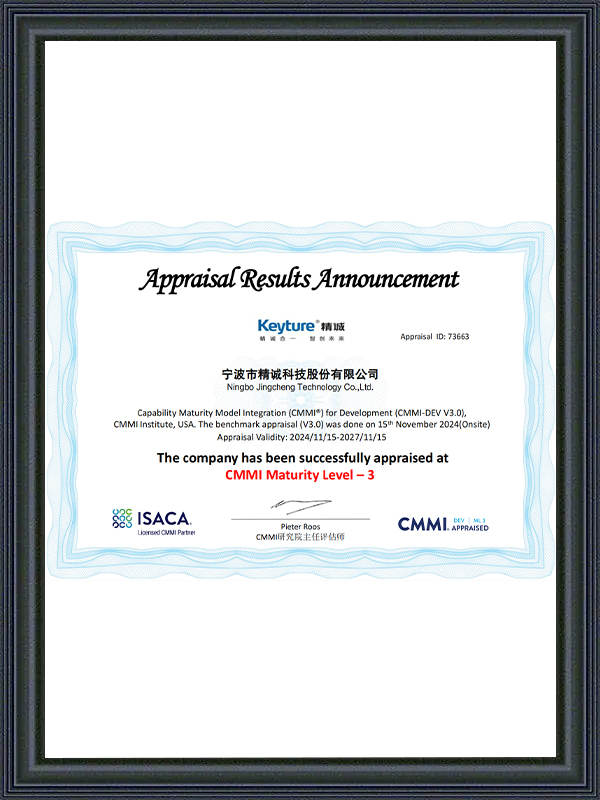
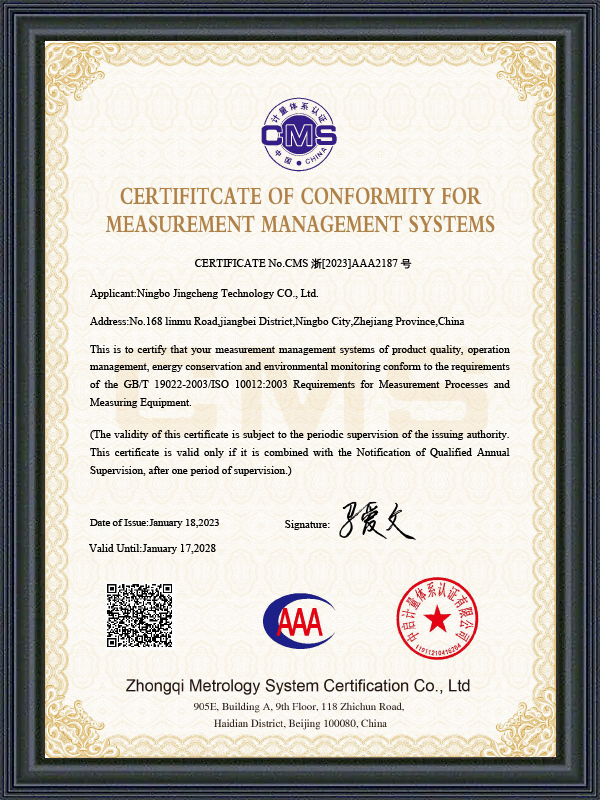
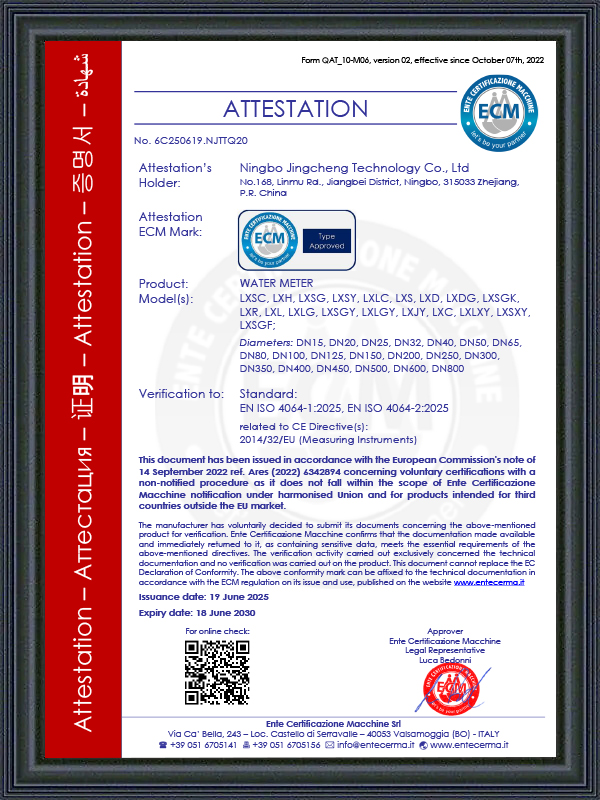
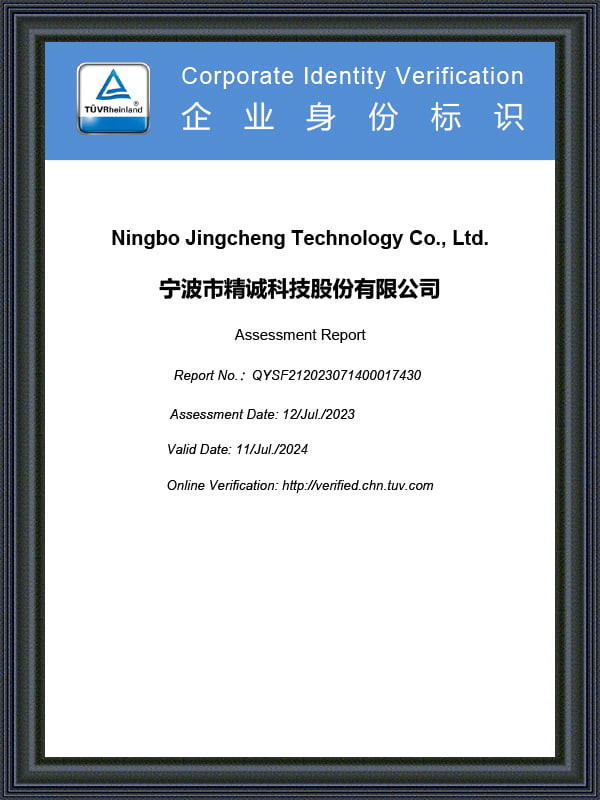
Each brass body single jet meter is designed, produced and verified to the regulatory framework of the markets we serve.
Defines metrological classes, test methods and marking for cold potable water meters. Our single jet range is verified at Q1, Q2 and Q3 and holds Class 2 error limits.
Pattern approval recommendation covering pressure loss, endurance, flow disturbance and temperature tests. Orientation sensitivity is specifically checked for single jet designs.
Brass grades with controlled lead content are available to satisfy drinking water contact rules such as NSF/ANSI 372, NSF/ANSI 61 or local equivalents.
EU MID Module B + D approval is available for European destinations, including orientation marking H and the required accuracy class labelling.
Every brass housing is hydrostatically tested at 1.5 × MAP before assembly to confirm casting integrity, thread tightness and absence of porosity.
Production meters are calibrated on a gravimetric bench. Error reports at Q1, Q2 and Q3 are available per batch or per serial number on request.

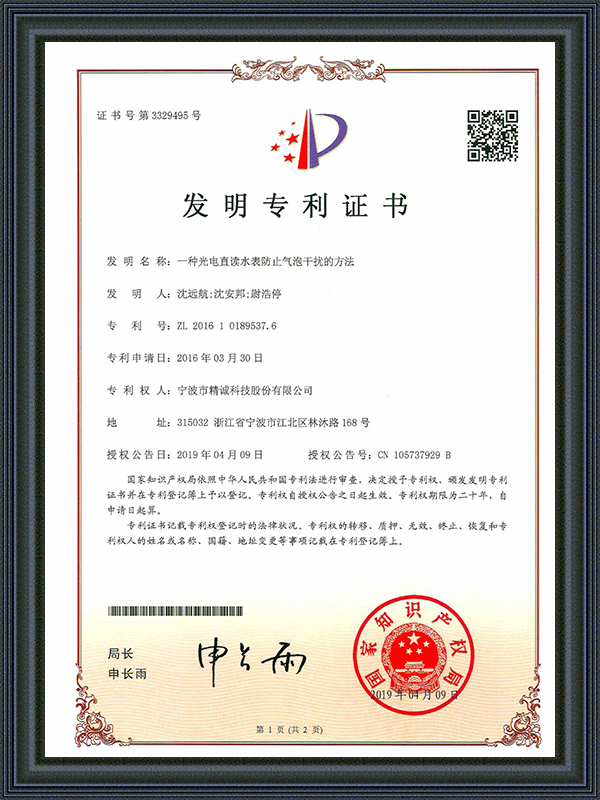
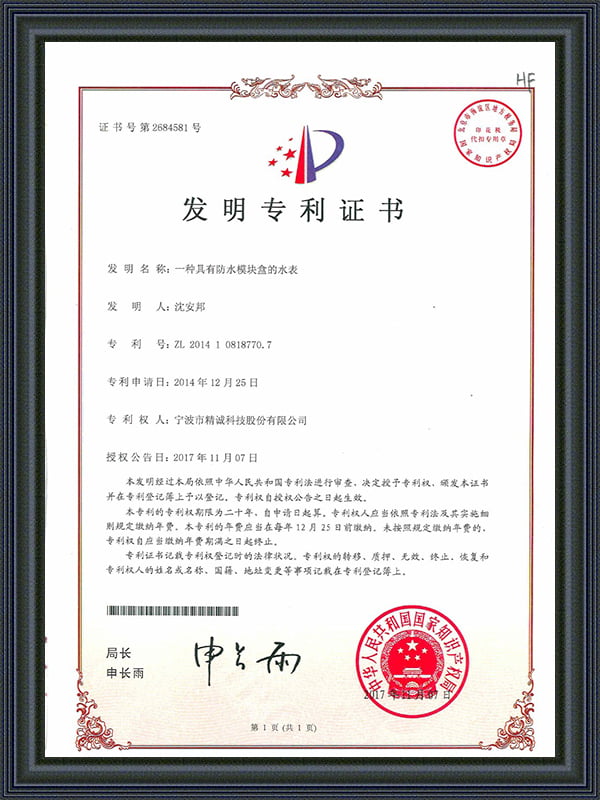
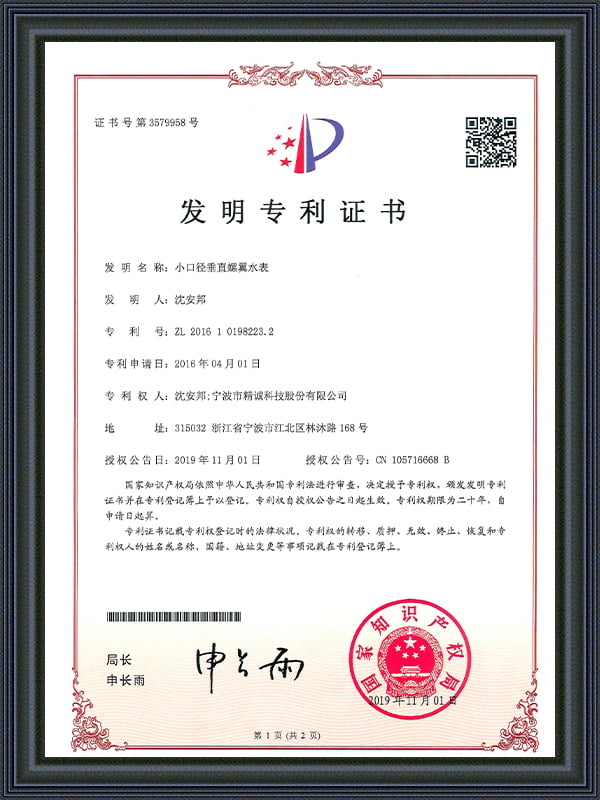
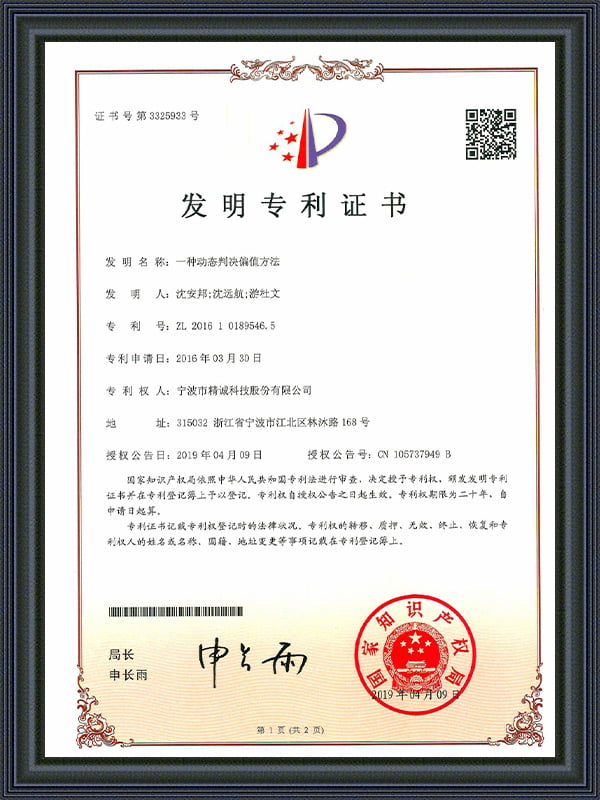
Two decisions define this meter: how a single stream of water drives the impeller, and how the brass body holds the system together.
Water passes through an integral strainer and is guided by an inlet channel into a single tangential nozzle. The nozzle accelerates the water into a narrow jet that strikes the vane wheel at its outer edge. The impeller rotates at a speed proportional to jet velocity, and a magnetic coupler transmits each rotation through the chamber wall to the gear train in the register.
Because the load enters from one side, the impeller sits against its bearing in a stable, predictable position. This gives a high torque-to-friction ratio at low flow, which is why single jet meters start registering at very small flows. The trade-off is sensitivity to disturbed flow and mounting angle, so correct horizontal installation and a short straight pipe upstream are recommended.
The housing is produced by hot forging, which aligns the metal grain structure and removes the casting porosity that can cause pinhole leaks. After forging, the body is CNC machined to hold close tolerances on the chamber bore, the register seat and the inlet and outlet threads. Surface finishing options include natural brass, nickel plating or sand blasting.
The practical benefit is robustness. Installers can tighten fittings with normal tools without distorting the body, and the meter survives accidental knocks during handling and burial. A flow-direction arrow is cast into the housing and a seal-wire boss is integrated for tamper evidence. Brass also keeps its sealing surfaces stable after repeated removal, so meters can be verified and reinstalled without replacing the body.
Measured performance data for the brass body single jet water meter. Use these charts to confirm pressure loss, metrological accuracy and installation dimensions before specifying.
Figure 1 — Head loss curve (MPa vs. flow m³/h)
The chart shows pressure loss across the single jet meter at DN15, DN20, DN25, DN32 and DN40. Because the flow is forced through a single nozzle, losses rise a little faster than in multi jet designs, but remain at or below 0.1 MPa at Q3 — acceptable for typical mains pressure supply.
Figure 2 — Accuracy error curve (Class 2, R80, Q1–Q4)
The error curve shows a slight positive bias around Q2–Q3, typical of single jet vane wheel meters, with a gentle negative drift toward overload flow Q4. All points remain within ±5% in the lower zone and ±2% in the upper zone defined by Class 2.
Figure 3 — Installation dimensions (L × H × B × D)
| Size | L (mm) | H (mm) | B (mm) | D (thread) |
|---|---|---|---|---|
| DN15 | 165 | 92 | 80 | G3/4" |
| DN20 | 190 | 100 | 80 | G1" |
| DN25 | 260 | 112 | 95 | G1¼" |
| DN32 | 260 | 118 | 95 | G1½" |
| DN40 | 300 | 140 | 118 | G2" |
Dimensions are for reference and include no tailpieces. Confirm exact values with our engineering team before installation design.
Understanding where the brass body single jet meter fits relative to multi jet, plastic and piston designs helps you match each connection with the most cost-effective technology.
| Design Feature | Brass Single Jet | Multi Jet (Brass) | Plastic Body Single Jet |
|---|---|---|---|
| Unit purchase cost | Lowest among brass meters | Moderate | Lowest overall |
| Face-to-face length | Short — fits shallow boxes | Longer for equal DN | Short |
| Starting flow | Fast response, very low start | Good | Good |
| Sensitivity to installation angle | Higher — horizontal only | Lower — more tolerant | Higher |
| Sensitivity to upstream disturbance | Moderate | Low | Moderate |
| Mechanical strength | High — forged brass | High | Lower — UV and impact limited |
| Hot water suitability | Up to 90 °C with brass | Up to 90 °C | Limited — polymer creep |
| Workshop repairability | Excellent — modular movement | Good | Often non-repairable |
This comparison is indicative. Actual performance depends on water quality, installation conditions and the specific product configuration. Contact our engineers for application-specific guidance.
Premium quality
since 2002
Coming From China, Marketing To The World
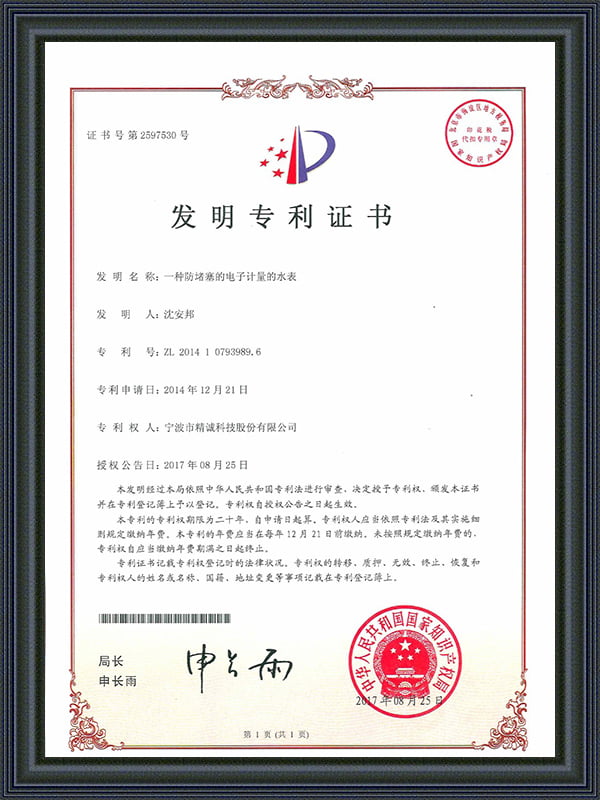
Keyture Meter is located in Picturesque Jiangbei Investment Park, NINGBO, CHINA. It is a comprehensive high-tech China Brass Body Single Jet Water Meter Manufacturers and Custom Brass Body Single Jet Water Meter Factory that integrates scientific research & development, production, sales, and service. Established in 2002 as a manufacturer and exporter of water meters for more than 22 years. The factory covers an area of 40 acres (30,000 square meters), 200 staff, 100+ types of products, product capacity of 5 million per year. Its product range covers single jet, multi-jet, volumetric piston type, Woltman type, IC card intelligent water meter, remote control water meter, optoelectrical reading direct remote control water meter...
Yearly production capacity
Production Area
Works and inspectors
Production experience
Excellent product with exquisite craftsmanship
Customization
We have a strong R&D team, and we can develop and produce products according to the drawings or samples the customers offered.
Cost
We are a professional manufacturer and also have our own processing machinery. So we can offer good prices and good products directly.
Quality
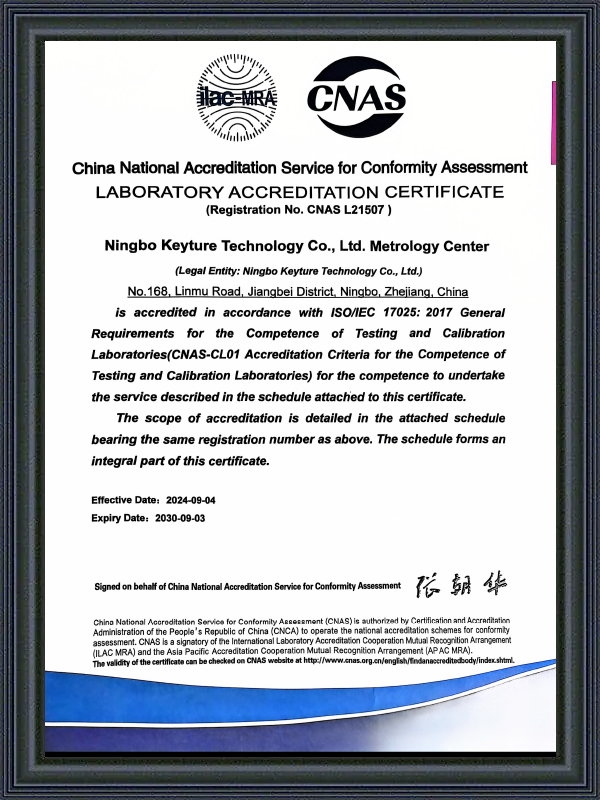
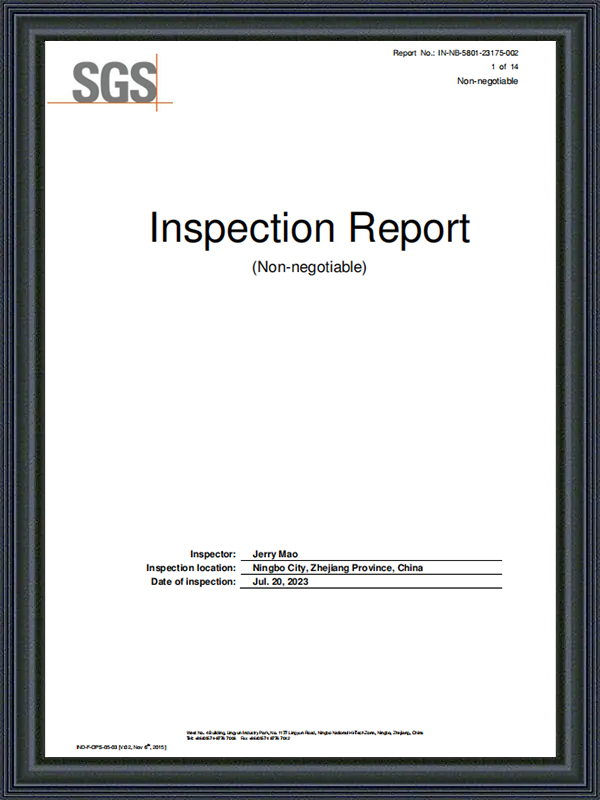
We have our own testing lab and advanced and complete inspection equipment, which can ensure the quality of the products.
Service
We focus on developing high-quality products for top-end markets. Our products are in line with international standards, and are mainly exported to Europe, America, Africa, Asia and other destinations around the world.
Capacity
Our annual production capacity is over 5 million units. We can meet the needs of different customers with different purchase quantities.
Shipment
We are about 35 kilometers away from Ningbo Port. It is very convenient and efficient to ship goods to any other countries.
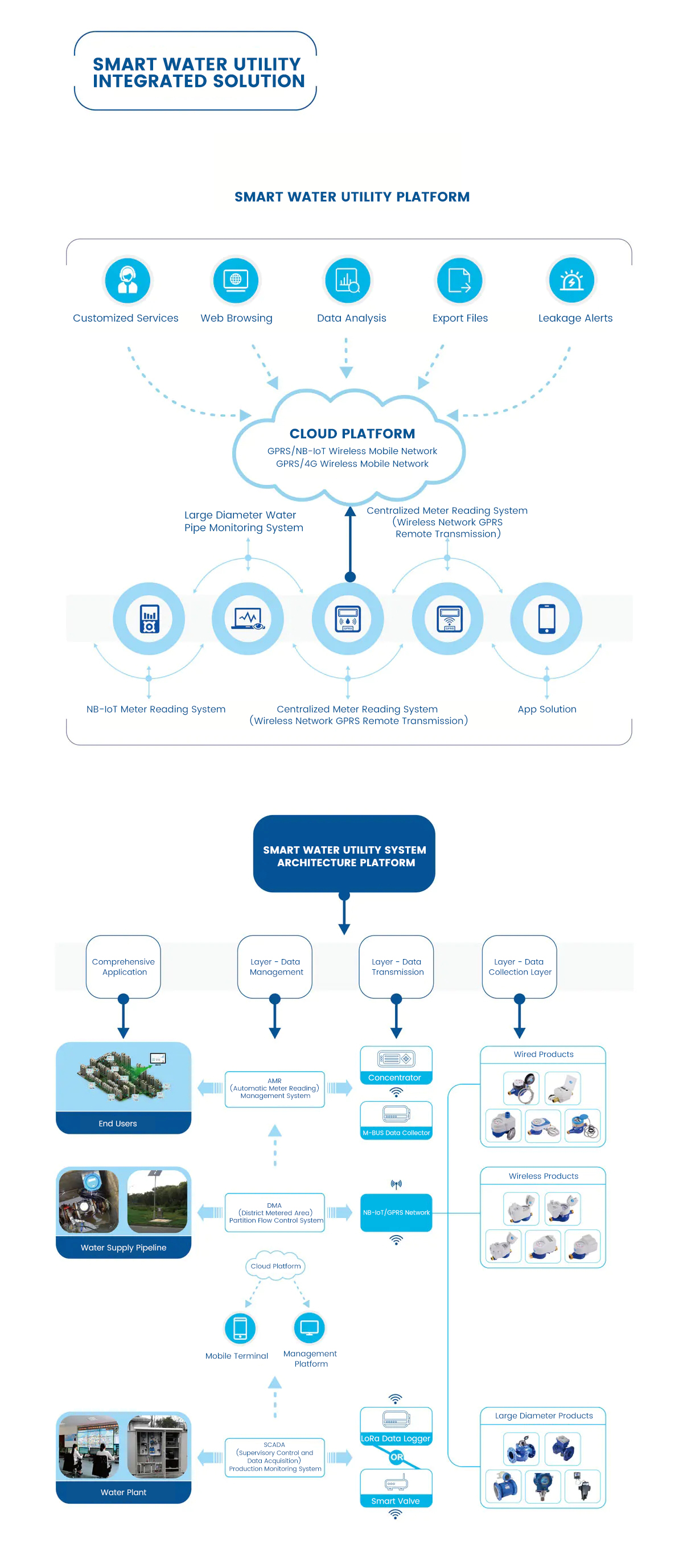
From mechanical meters to smart AMR/AMI systems — we provide end-to-end water metering solutions tailored to your project.
Best suited to metering points where compact size, robustness and low unit cost matter more than extended range or flow-disturbance immunity.
Install the brass body single jet meter strictly horizontally with the register facing upward. This design is orientation-sensitive: tilting the meter more than a few degrees changes the impeller bearing load and shifts the error curve, especially at low flow. Use a spirit level during installation and check again after tightening.
Fit the meter in the direction of the flow arrow, with at least 10 × DN of straight pipe upstream when possible. Because a single jet reacts to swirl, avoid installing directly after a pump, partially open valve or double bend. A shut-off valve upstream and a check valve downstream are recommended to protect the measuring element.
Flush the line before installing and use the supplied gaskets. Hand-tighten the union nuts and finish with a quarter turn; over-tightening brass threads can deform the seat. Seal the register with the lead wire after commissioning to prevent unauthorised removal.
Brass body single jet meters are among the easiest meters to service. The inlet strainer can be cleaned without removing the meter from the line if a union connection is used. Routine checks include verifying the register turns smoothly, looking for leaks around the unions and confirming the seal wire is intact.
Most utilities operate single jet meters on a 6 to 8 year replacement cycle. At the end of that period the housing can be returned to the workshop, the measuring module replaced, the meter re-calibrated and sealed for a second service life, which is where the brass body pays back its higher initial cost.
In areas with sandy or scaling water, schedule strainer inspection every one to two years. Replacing a clogged strainer restores starting flow and prevents impeller wear from abrasive particles.
A single jet meter has one nozzle that sends water against the impeller from one side, while a multi jet meter has several nozzles around the impeller. The single jet design is shorter, lighter and cheaper, and it starts very easily at low flow. Multi jet meters distribute load more evenly, tolerate disturbed flow better and are less sensitive to mounting angle. For simple domestic connections with straight, horizontal piping, single jet is the economical choice.
Brass offers corrosion resistance, machinability and strength in the small sizes used for domestic service lines. It handles pressure cycling and thread loads better than most plastics and is lighter and easier to machine to close tolerances than cast iron. Brass also supports hot water use and can be recycled at the end of its life, which helps utilities recover value.
The standard brass single jet meter is calibrated for horizontal installation with the register facing upward. Vertical installation changes the load on the impeller and typically shifts the error curve, especially at low flow. If vertical mounting is unavoidable, specify it at order stage so the meter can be calibrated and marked with the V orientation symbol.
The standard range is Class 2 per ISO 4064 / OIML R49 with an R80 range ratio (Q3/Q1). R100 is available on request for connections where lower minimum flow is required. Class 2 means a maximum permissible error of ±2% in the upper flow zone and ±5% in the lower flow zone.
Yes. We offer dezincification-resistant (DZR) brass and low-lead alloys that meet common drinking water standards. Please tell us your destination market and required certification such as NSF/ANSI 372, NSF/ANSI 61 or WRAS so we can confirm the correct alloy.
The standard cold water version is rated for 0.1 °C to 50 °C. A hot water version for up to 90 °C is available with a modified impeller and register materials. Brass is well suited to higher temperatures because it does not creep or soften as plastic bodies can.
Yes. A reed-switch or Hall-effect pulse module can be clipped onto the register at any time without disturbing the water circuit. This lets you start with a simple mechanical roll-out and upgrade to AMR or AMI when your network is ready.
The range covers DN15 to DN40 with male threads from G1/2" to G1½" under ISO 228 as standard. NPT and BSPT threaded versions can be supplied for specific markets. Tailpieces, nuts and gaskets are supplied as an optional kit.
Every meter has an integral stainless steel strainer at the inlet, which catches most particles. For very sandy or construction-grade supply, install an external Y-strainer upstream and flush the line before commissioning. Debris is the most common cause of premature impeller wear and starting-flow loss.
Typical replacement cycles are 6 to 8 years, depending on local regulations and water quality. Utilities with testing programmes can sample meters at the end of this period to check whether accuracy remains within limits, and extend service if results are good.
Yes. When a meter is retired, the brass housing can be inspected and the measuring module replaced. After re-calibration and sealing, the meter returns to service. This is a major cost advantage compared with sealed-for-life plastic meters.
Yes. Dial colour, logo, unit of measurement, body finish and packaging can be customised. OEM and ODM projects are welcome — send us your drawings or sample and we will confirm feasibility and minimum order quantity.
Send us the pipe size, thread standard, accuracy class and quantity you need. Our engineers will recommend the right brass body single jet configuration, with price and lead time.

Address: No.168,LinMu Rd.,Zone B, Jiangbei investment Park, Ningbo, Zhejiang,China
Tel: +86-0574-83090480/+86-18892665118
Fax: +86-0574-83021045
Email: [email protected]
Web: https://www.keyturemeter.com/
Quick Links
Product
Mobile terminal
 Custom Brass Body Single Jet Water Meter Manufacturers