 English
 Español
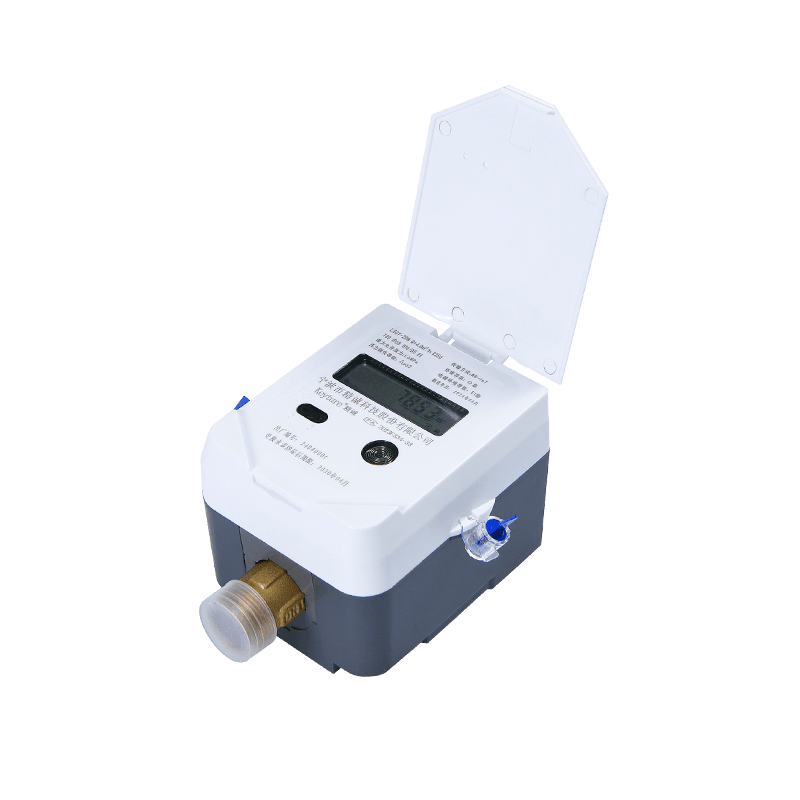
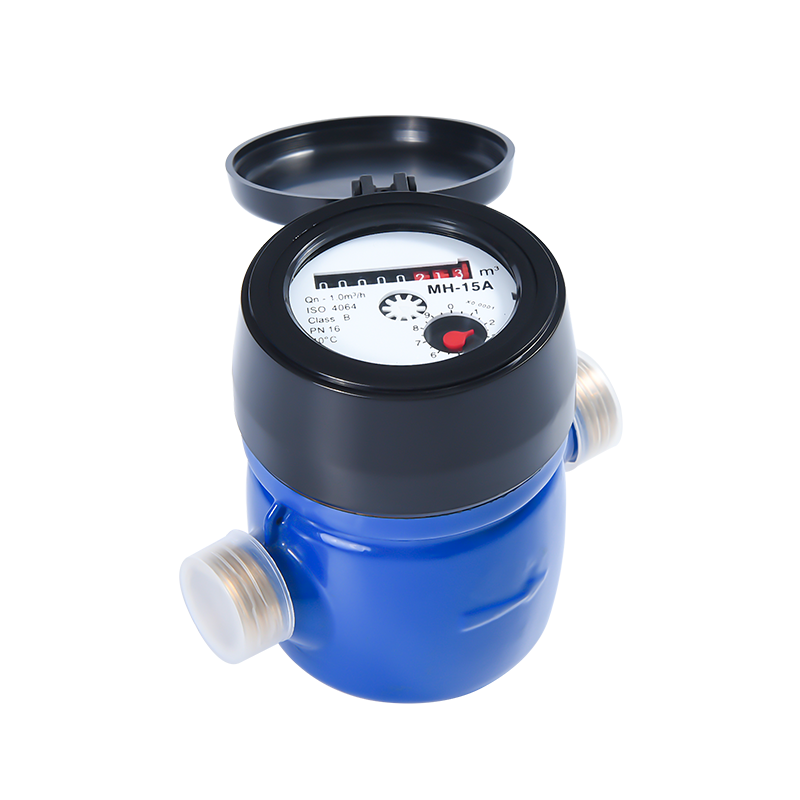
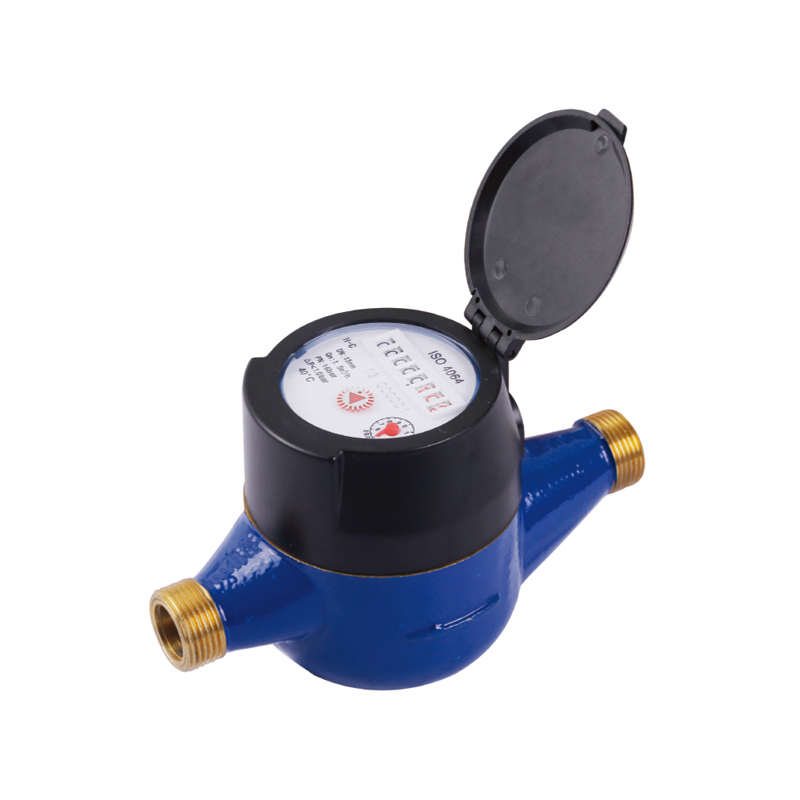
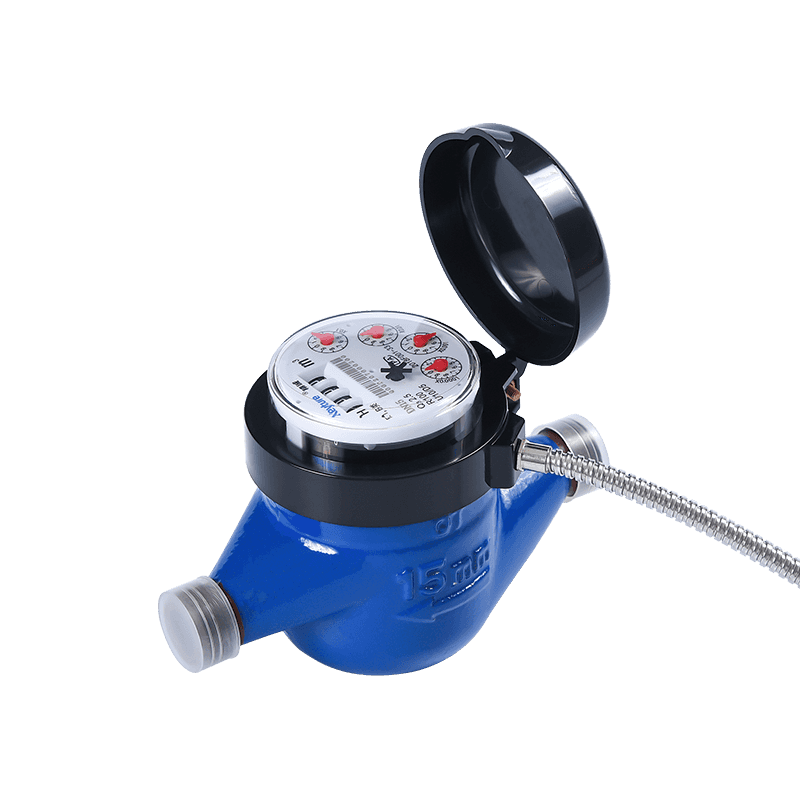
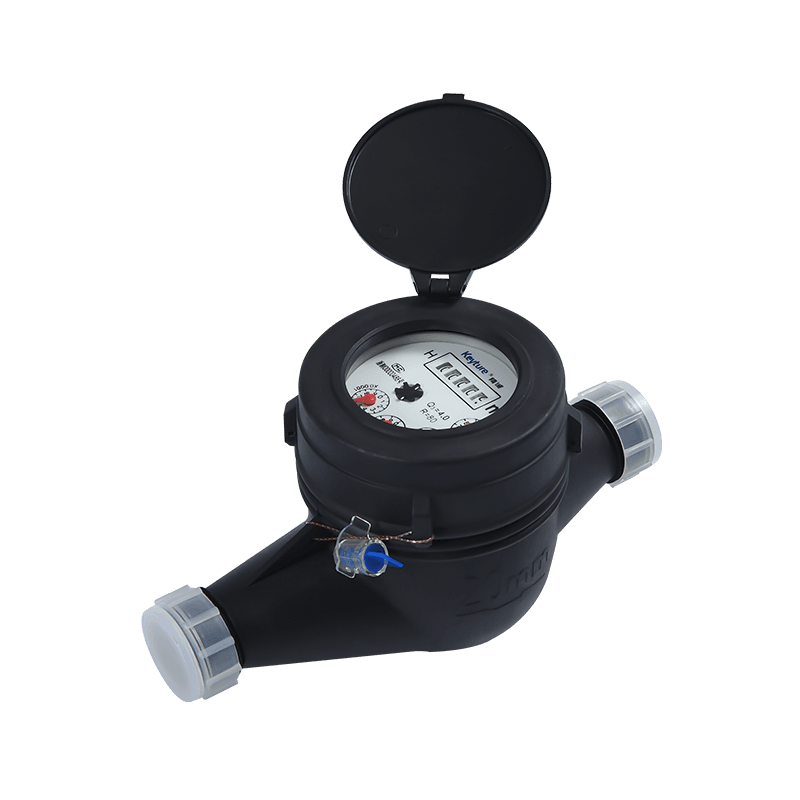
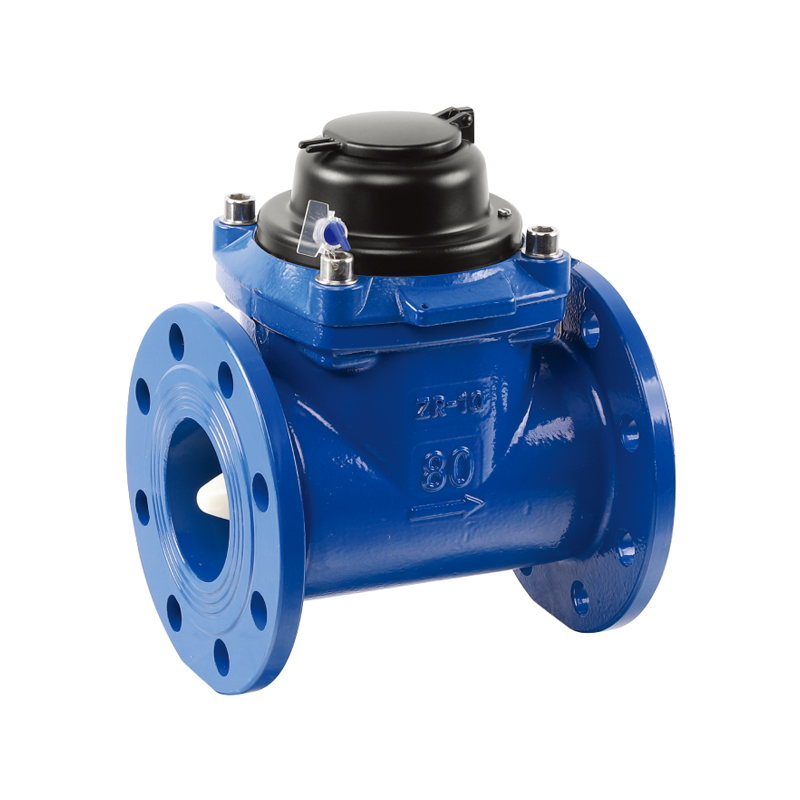
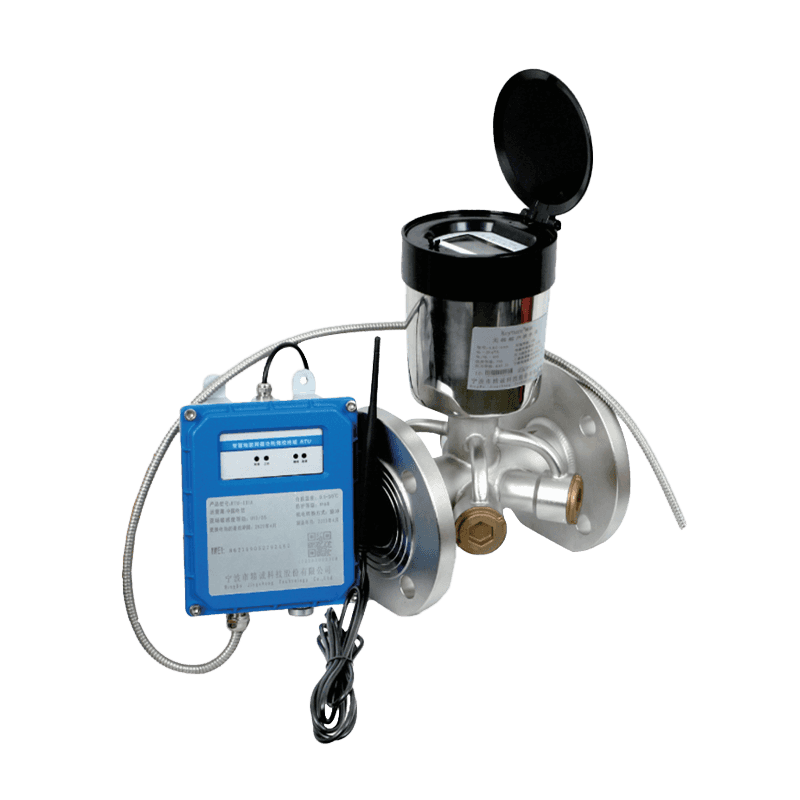
Lowest Measurable Flow
R315 and R400 place Q1 at a few litres per hour for DN15. Dripping taps, running cisterns and night leaks stay within the meter’s accurate range.

The top-grade positive displacement meter: R315 to R400 range ratio, individual low-flow verification and starting flows of only a few litres per hour.
Class D · R315 / R400 · low-flow verified · individual certificate
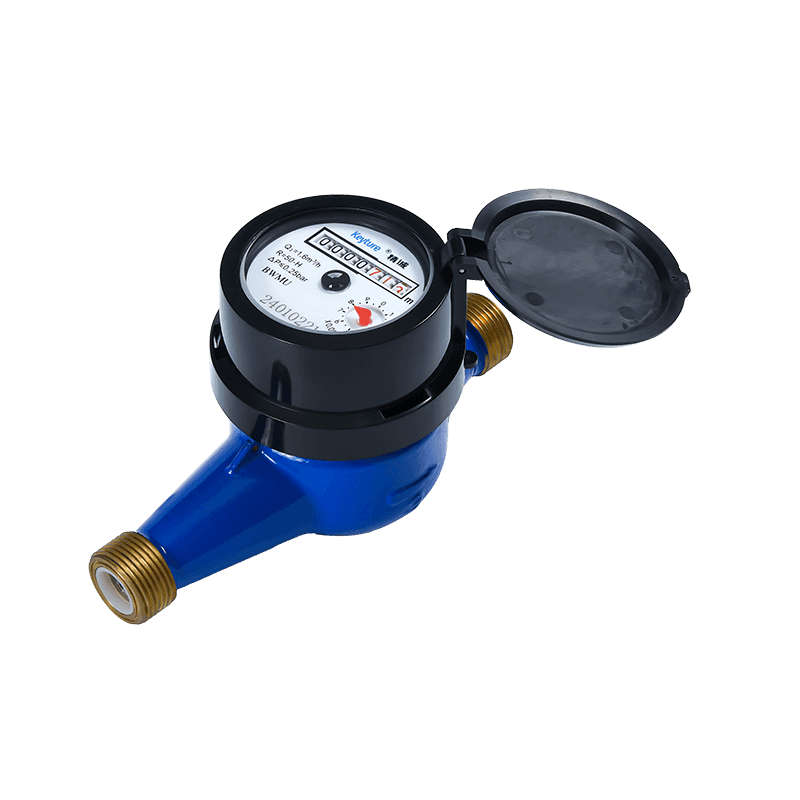
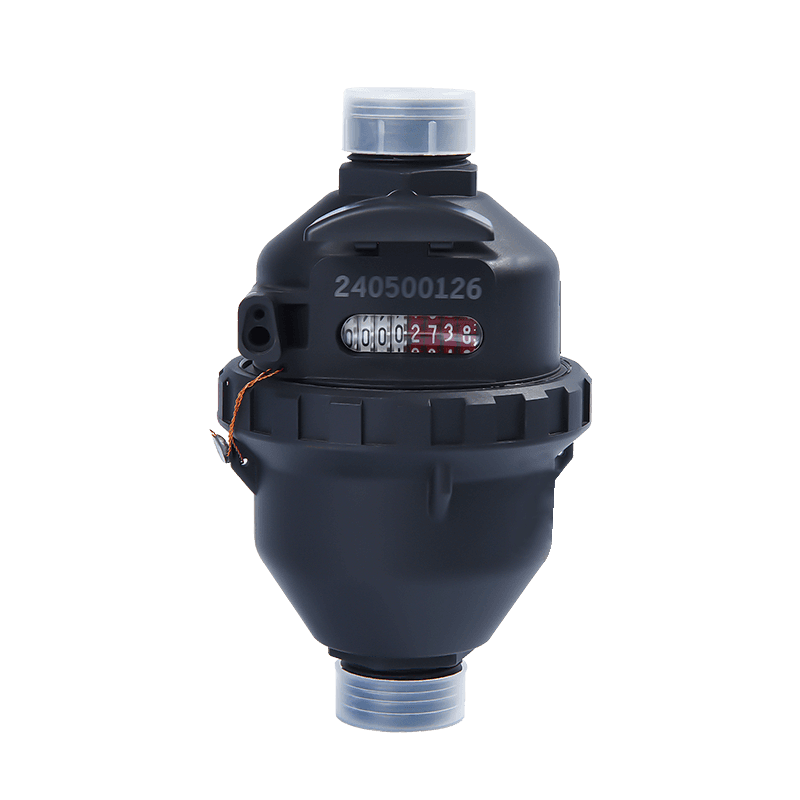
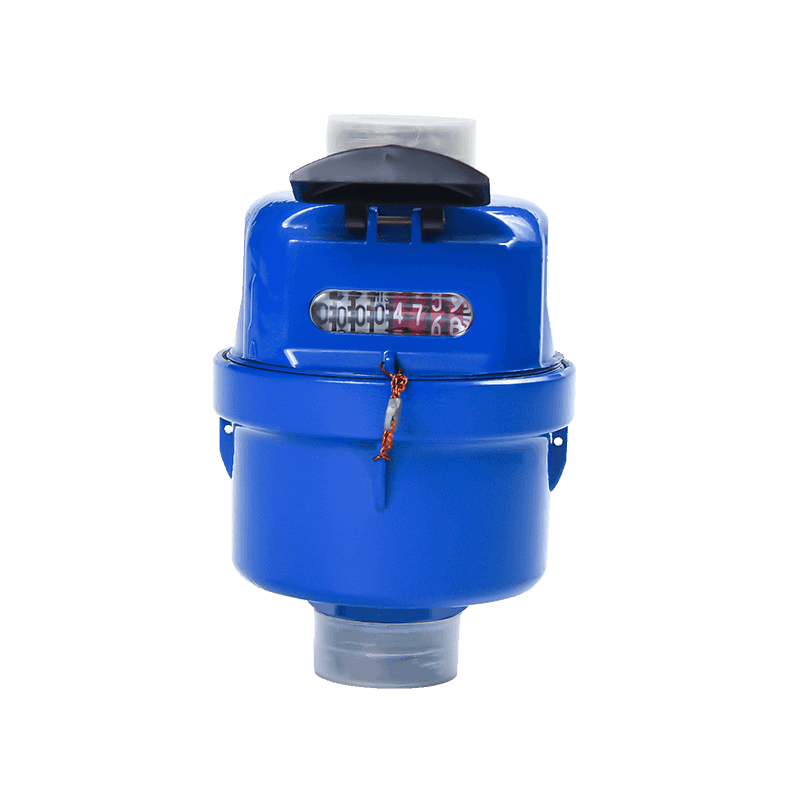
A Class D rotary piston water meter sits at the top of the traditional accuracy ladder. Class D was the most demanding letter class in the older water-meter standards, applied to meters that could stay within their error limits at the lowest flows relative to nominal — a minimum flow of the order of one hundred and twenty-fifth of nominal or lower. In modern terms, that corresponds to range ratios of R200, R250, R315 and R400, and it is the territory occupied by high-quality positive displacement piston meters. A rotary piston meter measures by trapping fixed volumes of water in a measuring chamber, and its ability to do so at a few litres per hour is what earns the Class D label.
What makes the Class D rotary piston meter distinct is the rigour of verification and the economic logic behind it. Measuring an error of ±5% at 1/400 of nominal flow means measuring a flow of only 6 litres per hour on a DN15 meter. The test bench must hold a stable flow for minutes, control water temperature to a fraction of a degree, eliminate evaporation and air bubbles and weigh the collected water with a resolution of a gram or better. Class D meters are therefore adjusted on dedicated low-flow rigs with traceable uncertainty, and every unit receives an individual certificate. The piston itself is machined or moulded to tight clearances, run in and checked for drag, and the register uses a high-efficiency magnetic coupling to avoid loading the piston at trickle flow.
The investment pays off through revenue. In many households a meaningful fraction of consumption occurs at very low flows — running cisterns, dripping taps, slow-filling tanks, night-time leaks — and a velocity meter that does not register below a few tens of litres per hour records none of it. A Class D rotary piston meter captures this water, so it is chosen for commercial accounts, premium residential districts and any utility pursuing apparent-loss reduction. Supplied in DN15 to DN40 with R315 as standard (R400 optional), Class 2 limits under ISO 4064 / OIML R49, a 100-mesh strainer and optional pulse or M-Bus output, the Class D rotary piston water meter is the specification chosen when the lowest flows matter most.
Key takeaway: Class D is where the last litres are billed. A rotary piston meter verified on low-flow rigs captures drips and slow leaks that every other mechanical design misses.
Six reasons premium accounts and revenue-focused utilities specify the highest class of positive displacement meter.
R315 and R400 place Q1 at a few litres per hour for DN15. Dripping taps, running cisterns and night leaks stay within the meter’s accurate range.
Each meter is adjusted and tested on a low-flow rig with controlled temperature and weighing resolution. The certificate shows the real error at Q1, not a batch estimate.
The additional cost of a Class D meter is recovered through billed volume that older meters never register. For high-tariff or intermittent-use accounts, payback can be short.
Positive displacement counts volume directly, so calibration depends on chamber geometry, not on fluctuating water velocity. The error curve stays stable as long as water is clean.
Pistons and chambers are produced to tolerances of hundredths of a millimetre, then run in and checked for drag. This consistency is the foundation of Class D performance.
Pulse, encoder and M-Bus heads give utilities accurate low-flow data for leak detection, night-flow analysis and customer alerts.
Standard configuration below. Range ratio, register type and body options can be adapted to your market requirements.
| Parameter | Specification |
|---|---|
| Standard | ISO 4064 / OIML R49; legacy Class D per ISO 4064-1:1993 |
| Meter type | Volumetric, rotary piston, positive displacement |
| Nominal diameter | DN15 – DN40 (1/2" – 1½") |
| Accuracy class | Class 2, R315 standard / R400 optional (legacy Class D) |
| Starting flow | ≤ 2 L/h (DN15, R400 version) |
| Minimum flow Q1 | 6 – 8 L/h (DN15, R315 / R400) |
| Verification | Individual low-flow rig test at Q1, Q2, Q3 |
| Measuring chamber | Precision-moulded or machined polymer / stainless steel |
| Piston clearance | Hundredths of a millimetre, run-in and drag-tested |
| Register | Dry-type, high-efficiency magnetic drive, 7-digit odometer |
| Water temperature | 0.1 °C – 50 °C (cold water) |
| Working pressure | MAP 16 bar |
| Pressure loss | ≤ 0.1 MPa at Q3 |
| Body material | Forged brass, lead-free options |
| Strainer | Fine 100-mesh stainless steel, mandatory |
| Connection | Threaded G3/4" – G2" |
| Pulse / data output | Reed, Hall, encoder, M-Bus optional |
| Protection | IP65 standard; IP68 on request |
Q4 is the overload flow, Q3 the permanent flow, Q2 the transitional flow and Q1 the minimum flow, all expressed in m³/h.
| Nominal Diameter | Q4 Overload | Q3 Permanent | Q2 Transitional | Q1 Minimum | Range Ratio | Q1 in Litres per Hour |
|---|---|---|---|---|---|---|
| DN15 (1/2") | 3.125 | 2.5 | 0.0127 | 0.007937 | R315 | 7.9 L/h |
| DN20 (3/4") | 5 | 4 | 0.02032 | 0.0127 | R315 | 12.7 L/h |
| DN25 (1") | 7.875 | 6.3 | 0.032 | 0.02 | R315 | 20 L/h |
| DN32 (1¼") | 12.5 | 10 | 0.05079 | 0.03175 | R315 | 31.7 L/h |
| DN40 (1½") | 20 | 16 | 0.08127 | 0.05079 | R315 | 50.8 L/h |
Values shown for R315. R400 versions lower Q1 by a further 20 percent. Legacy Class D definitions use Qn and Qmin and are approximate. Tell us your tender wording and low-flow priorities and we will confirm the correct configuration.
Class D performance has to be demonstrated, not just claimed, so verification and uncertainty are as important as the design.
Class 2 limits and test points for cold potable water meters, with R values up to R800. Error limits are verified at Q1, Q2, Q3 and Q4.
The older standard defined Class D as the highest letter class. Our R315 and R400 meters exceed its range ratio.
Rigs used for Q1 tests have documented uncertainty, temperature control and evaporation correction, typically far better than the tolerance being tested.
EU MID approval with R315 or R400 marked on the dial and type certificate, supporting tenders that require high range ratios.
Sample meters run flow endurance tests with periodic accuracy checks to confirm that piston and chamber wear remain below threshold.
Brass, chamber and piston materials suitable for drinking water can be supplied with NSF/ANSI 61, WRAS or ACS certificates.
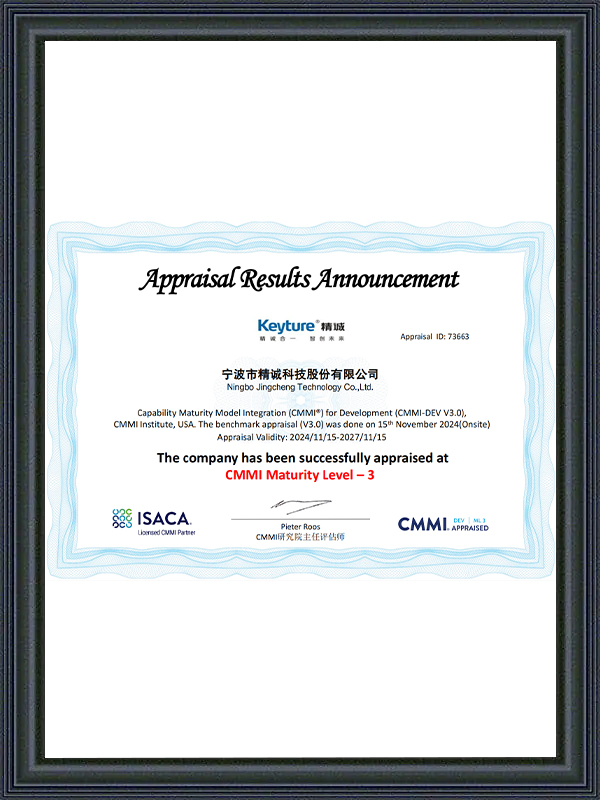
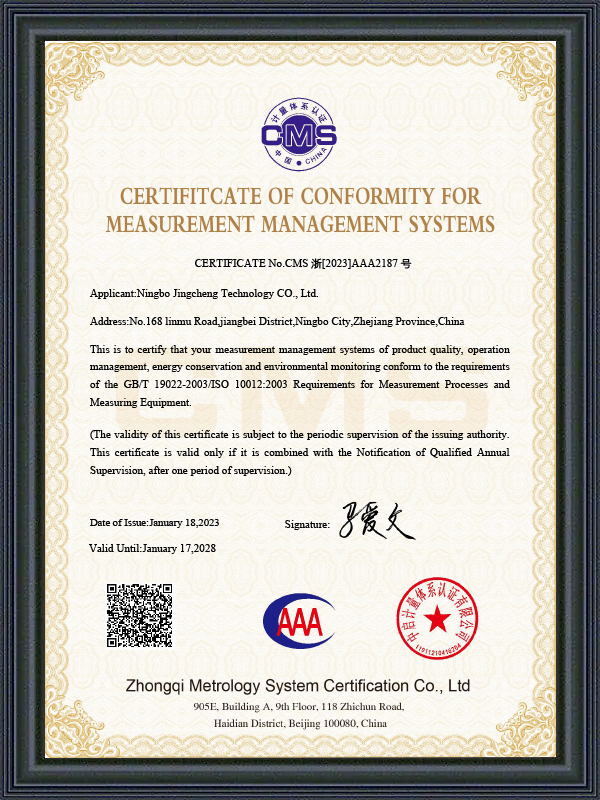
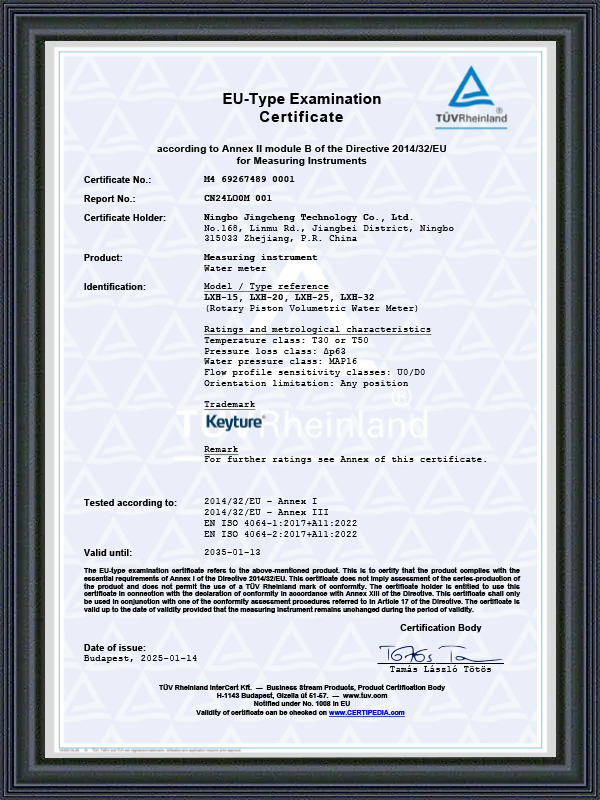
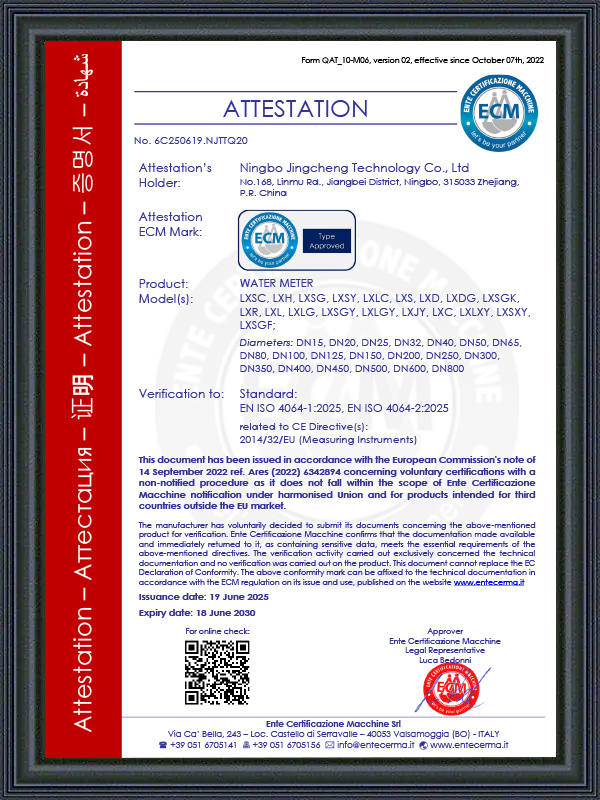
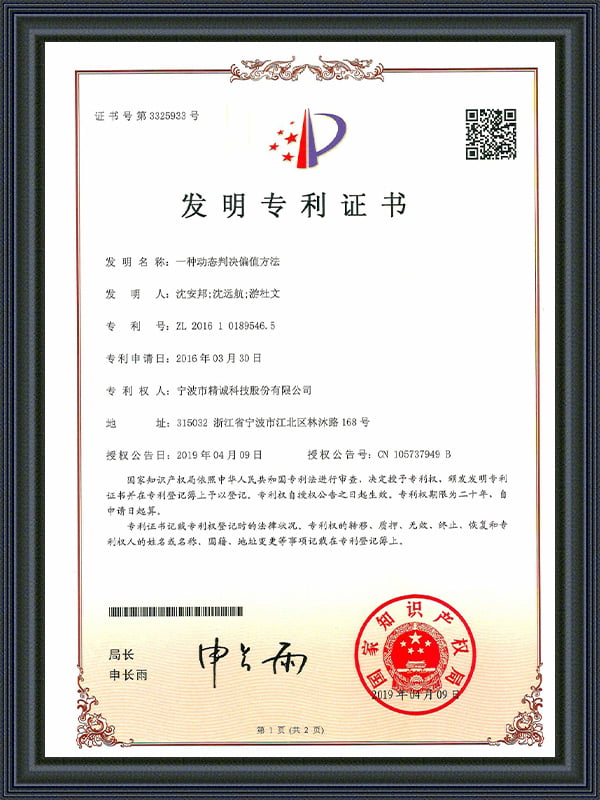
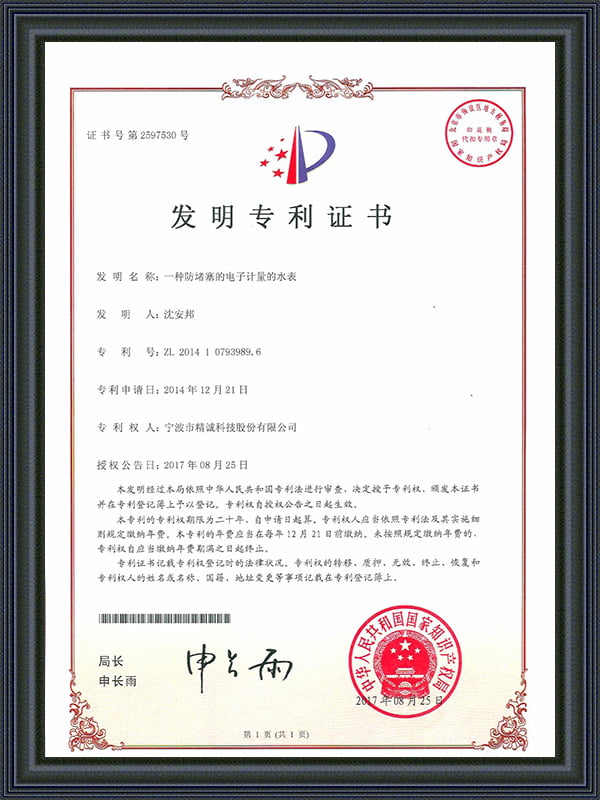
Two things define Class D: the rotary piston chamber that counts volume, and the low-flow verification that proves it.
Water enters a precisely shaped chamber and pushes a piston with a central hub to roll around the chamber wall. The piston encloses a fixed volume of water between itself and the chamber, which it moves from inlet to outlet. Each revolution transports exactly the same volume. At very low flow, the differential pressure across the piston is only a few millibar, yet it is enough to move the piston as long as its clearances are right and friction is low.
Class D performance depends on keeping slip losses and friction both small. A clearance that is too large lets water slip past the piston, causing under-registration at the lowest flows. A clearance that is too small causes drag and a higher starting flow. The chamber and piston are therefore produced to hundredths of a millimetre, run in on a bench to reach stable contact and individually checked for drag torque before adjustment.
A Class D test at Q1 on a DN15 meter runs at only about 8 litres per hour — a few millilitres every second. Collecting enough water to weigh accurately takes several minutes, during which evaporation, temperature drift, air bubbles and pipe expansion can disturb the result. Low-flow rigs therefore use temperature-controlled water, closed collection vessels, degassed supply and balance resolution of a gram or better, with corrections for buoyancy and evaporation.
The result of each test is the actual error of the individual meter at Q1, Q2 and Q3. If the error is not centred, the adjustment vane or screw is trimmed and the meter is re-tested. This individual adjustment is why Class D meters can claim error limits that velocity meters cannot match, and why certificates are issued by serial number rather than by batch.
Measured performance data for the Class D rotary piston water meter. Use these charts to confirm pressure loss, accuracy and installation dimensions before specifying.
Figure 1 — Head loss curve (MPa vs. flow m³/h)
The chart shows pressure loss across the Class D piston meter at DN15 to DN40. All flow passes through the chamber, so loss is higher than in a velocity meter, and stays at or below 0.1 MPa at permanent flow. Strainer cleanliness has a strong effect on loss.
Figure 2 — Accuracy error curve (Class 2, R315, Q1–Q4)
At Q1, set at 1/315th of Q3, the error is below ±1%, a fraction of the ±5% limit. Between Q2 and Q3 the curve is almost flat at the centre line. At high flow, a slight slip-related drift to about -0.6% appears, still well inside the ±2% limit.
Figure 3 — Installation dimensions (L × H × B × D)
| Size | L (mm) | H (mm) | B (mm) | D (thread) |
|---|---|---|---|---|
| DN15 | 165 | 105 | 86 | G3/4" |
| DN20 | 190 | 110 | 88 | G1" |
| DN25 | 260 | 128 | 110 | G1¼" |
| DN32 | 260 | 138 | 112 | G1½" |
| DN40 | 300 | 160 | 135 | G2" |
Dimensions are for reference. Confirm exact values with our engineering team before installation design.
The extra cost of a Class D meter is justified by what it captures at low flow. This table compares it with common alternatives.
| Design Feature | Class D Rotary Piston (R315) | Class C Volumetric (R160) | Multi Jet (R100) |
|---|---|---|---|
| Q1 on DN15 | About 8 L/h | About 16 L/h | About 25 L/h |
| Starting flow | ≤ 2 – 3 L/h | ≤ 3 L/h | About 8 L/h |
| Verification method | Individual low-flow rig | Gravimetric bench | Batch bench |
| Low-flow billing capture | Highest | High | Moderate |
| Tolerance to dirty water | Low — fine strainer | Low — fine strainer | Moderate |
| Pressure loss | Higher | Higher | Lower |
| Unit purchase cost | Highest | Moderate | Lowest |
| Best application | Revenue-critical accounts | General high-grade supply | General residential |
This comparison is indicative. Actual performance depends on water quality, consumption profile and the specific product configuration. Contact our engineers for application-specific guidance.
Premium quality
since 2002
Coming From China, Marketing To The World
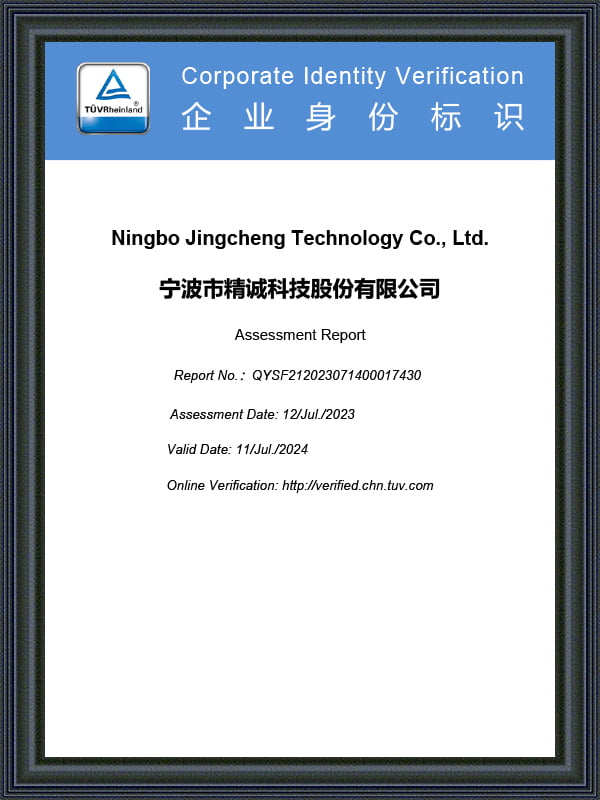
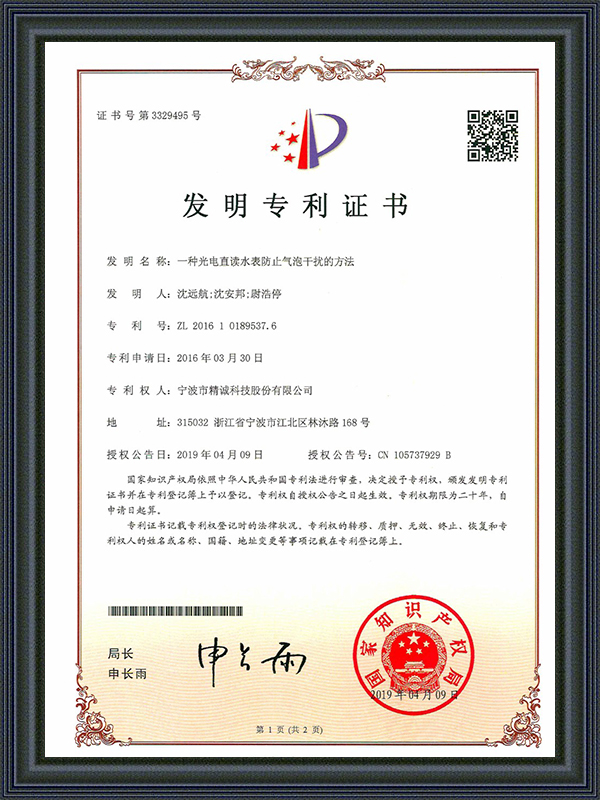
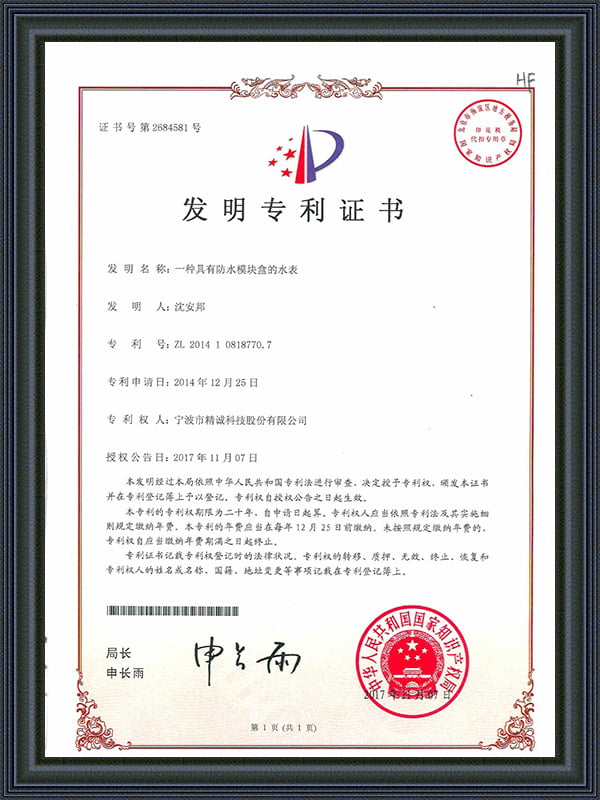
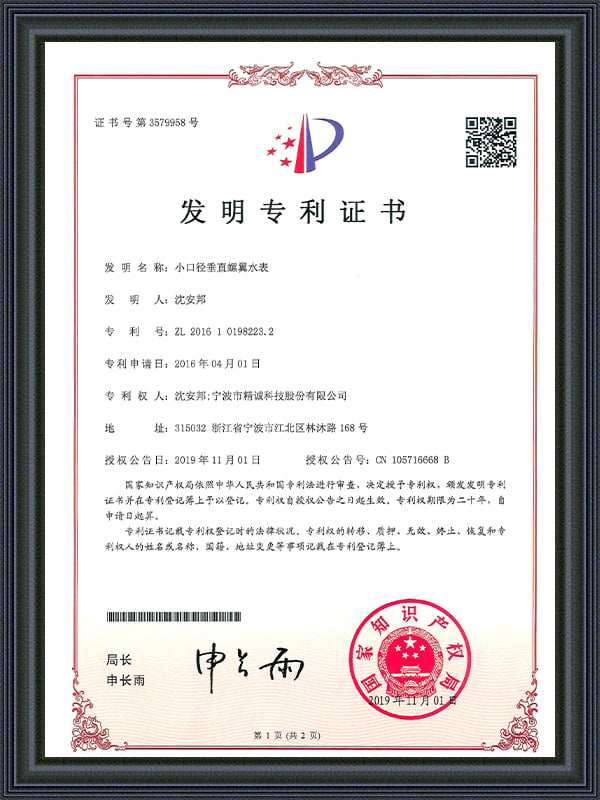
Keyture Meter is located in Picturesque Jiangbei Investment Park, NINGBO, CHINA. It is a comprehensive high-tech China Class D Rotary Piston Water Meter Manufacturers and Custom Class D Rotary Piston Water Meter Factory that integrates scientific research & development, production, sales, and service. Established in 2002 as a manufacturer and exporter of water meters for more than 22 years. The factory covers an area of 40 acres (30,000 square meters), 200 staff, 100+ types of products, product capacity of 5 million per year. Its product range covers single jet, multi-jet, volumetric piston type, Woltman type, IC card intelligent water meter, remote control water meter, optoelectrical reading direct remote control water meter...
Yearly production capacity
Production Area
Works and inspectors
Production experience
Excellent product with exquisite craftsmanship
Customization
We have a strong R&D team, and we can develop and produce products according to the drawings or samples the customers offered.
Cost
We are a professional manufacturer and also have our own processing machinery. So we can offer good prices and good products directly.
Quality
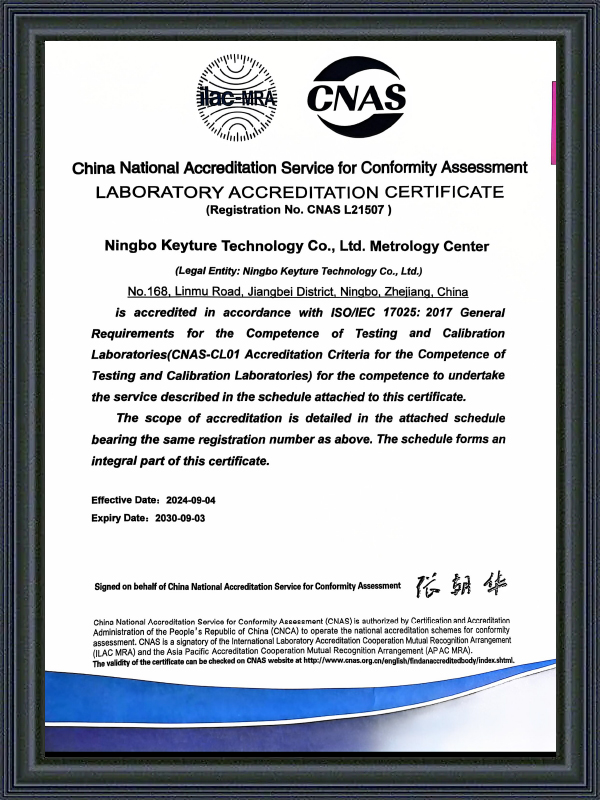
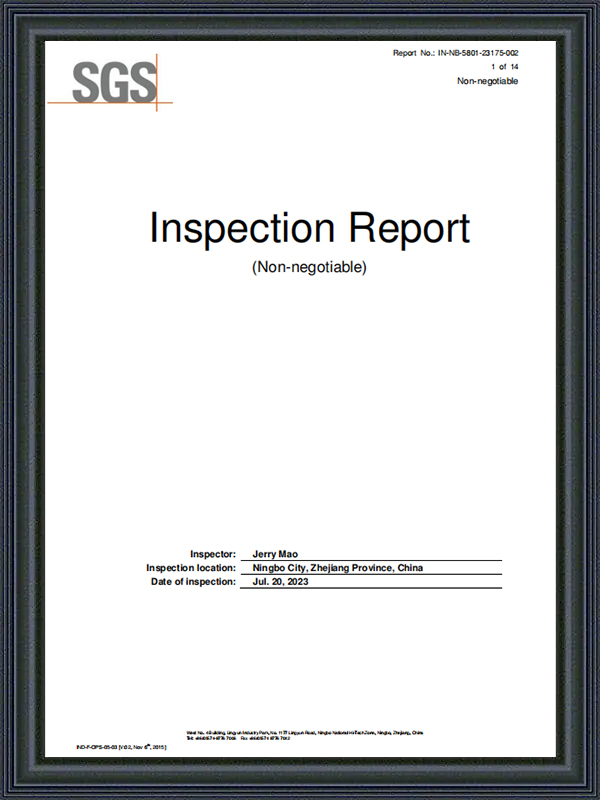
We have our own testing lab and advanced and complete inspection equipment, which can ensure the quality of the products.
Service
We focus on developing high-quality products for top-end markets. Our products are in line with international standards, and are mainly exported to Europe, America, Africa, Asia and other destinations around the world.
Capacity
Our annual production capacity is over 5 million units. We can meet the needs of different customers with different purchase quantities.
Shipment
We are about 35 kilometers away from Ningbo Port. It is very convenient and efficient to ship goods to any other countries.
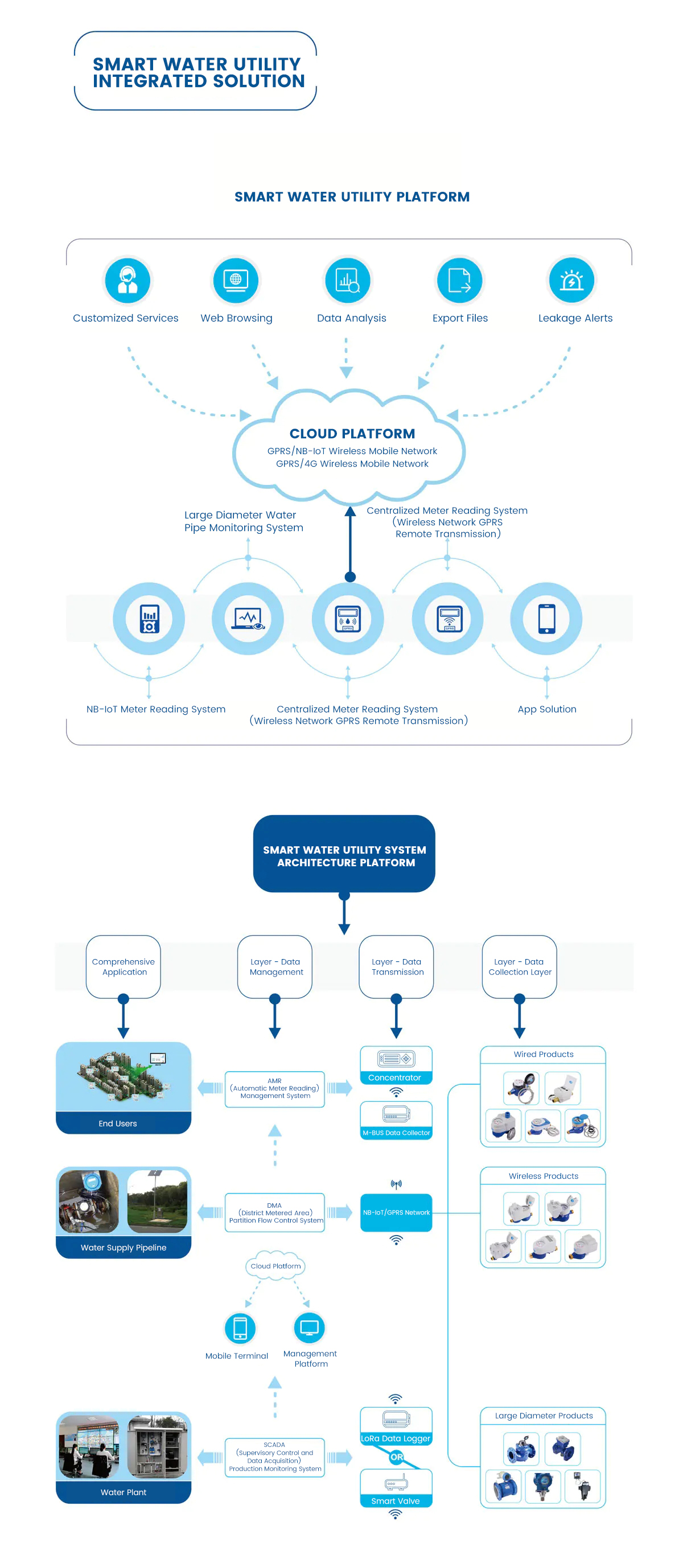
From mechanical meters to smart AMR/AMI systems — we provide end-to-end water metering solutions tailored to your project.
Chosen where every litre counts, especially in the lowest flows.
Class D accuracy is only maintained with clean water, so fit a 100-mesh strainer immediately upstream and flush the line before the meter is installed. For new buildings, add a temporary spool during flushing and install the meter only when the line is clean.
Bleed air from the supply before commissioning. Air in a positive displacement chamber is counted as water, and at trickle flow a small air pocket can have a large relative effect. Open valves slowly to avoid hydraulic shock to the piston.
Install the meter in the orientation marked on the dial, and verify the first reading with a low-flow test: open a tap slightly and confirm the dial advances. Seal the register and record the meter serial number and certificate in the asset system.
The strainer is the key service item, since debris is the main threat to Class D performance. Check it regularly in areas with sediment, and replace it if the mesh is damaged. A rising starting flow is a sign that the strainer is clogged or the piston is worn.
Utilities should sample meters at the end of their verification period and re-test them on a low-flow rig. Class D meters often retain accuracy well beyond six years in clean water, and test results can support extended service.
The measuring cartridge is replaceable, so a meter can be refurbished and re-adjusted at lower cost than a new unit. Each refurbished meter receives a new low-flow certificate before returning to service.
Class D is the highest letter class in the older water-meter standards, indicating the ability to hold the error limits at the lowest flow relative to nominal flow. In modern terms it corresponds to range ratios of R200 and above, such as R250, R315 and R400.
Class D has a lower minimum flow relative to nominal flow. A Class C meter might be R100 to R160, while a Class D meter is R200 to R400. The difference matters most at the lowest flows.
Positive displacement meters count fixed volumes of water, so they can measure accurately at flows too low to turn an impeller. This makes them the natural technology for the highest range ratios among mechanical meters.
Typically 2 to 3 L/h, depending on version. The starting flow is the lowest flow at which the register advances, and is lower than Q1, the lowest flow at which accuracy limits are guaranteed.
On a low-flow test rig with temperature-controlled, degassed water, closed collection vessels and a precision balance. At Q1 for DN15 the flow is about 8 L/h, so each test takes minutes.
Yes. Each Class D meter is adjusted and tested at Q1, Q2 and Q3, and its certificate is issued by serial number. This is different from batch-sampled testing used for lower grades.
It depends on the consumption profile. In households where a noticeable share of use occurs below a few tens of litres per hour, a Class D meter can register consumption that velocity meters miss. A pilot test on a sample of accounts quantifies the gain.
Yes. Fine particles can jam or wear the piston. A 100-mesh strainer is mandatory and additional filtration is advised if the supply carries sediment.
Yes, if the version is marked for vertical installation. Calibration is performed in the marked position, which must be respected.
Yes, modestly. The tighter tolerances, longer test time and lower Q1 add cost. R315 is usually the best balance, and R400 is chosen where the lowest flows matter most.
Yes. Pulse, encoder and M-Bus heads are available. For leak detection, encoder heads that report fine-resolution volume are especially useful.
Six to eight years of verified accuracy is typical in clean water, and many exceed this. The measuring cartridge can be refurbished and re-certified for a second service life.
Send us the sizes, range ratio, consumption profile and quantity you need. Our engineers will recommend the right Class D rotary piston configuration, with price and lead time.

Address: No.168,LinMu Rd.,Zone B, Jiangbei investment Park, Ningbo, Zhejiang,China
Tel: +86-0574-83090480/+86-18892665118
Fax: +86-0574-83021045
Email: [email protected]
Web: https://www.keyturemeter.com/
Quick Links
Product
Mobile terminal
 Custom Class D Rotary Piston Water Meter Manufacturers