English
 Español
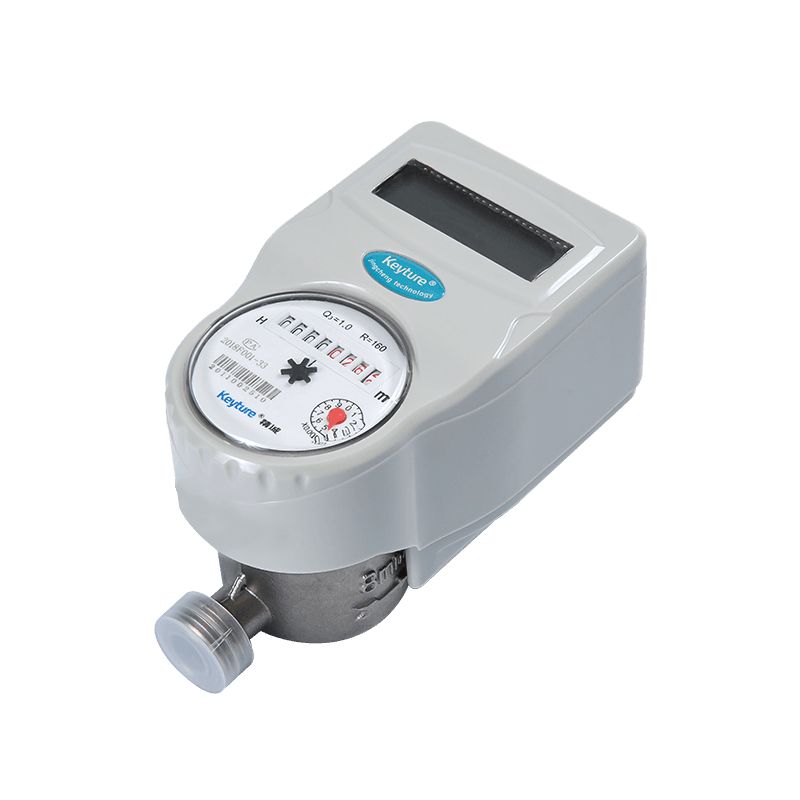


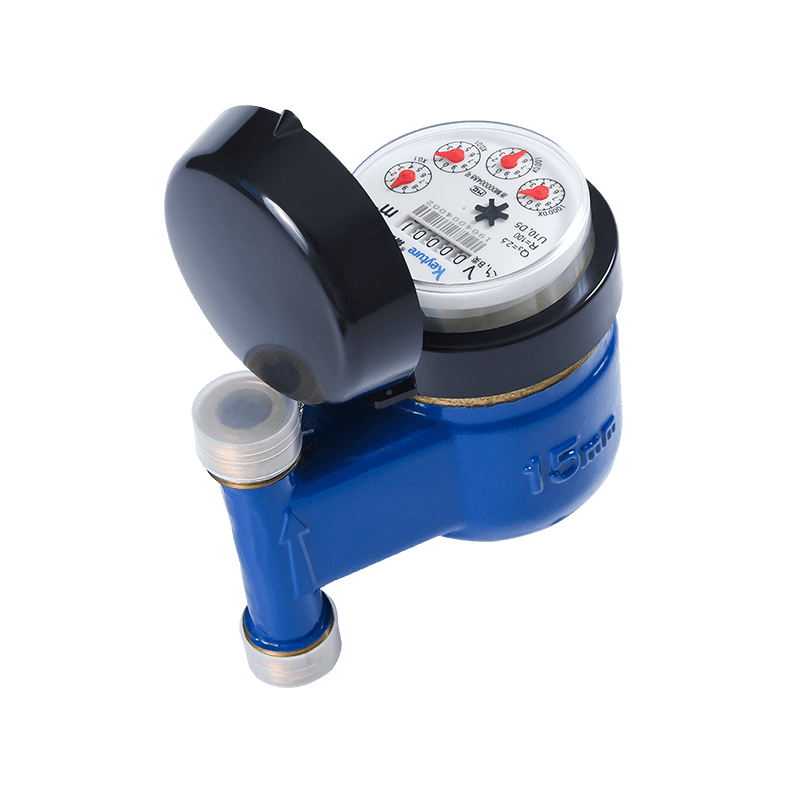
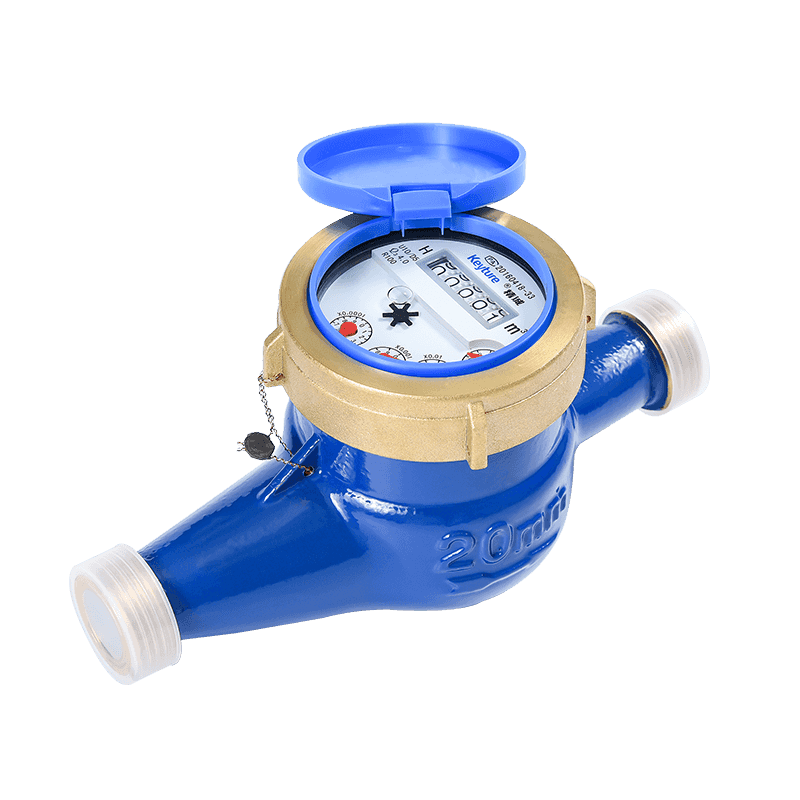
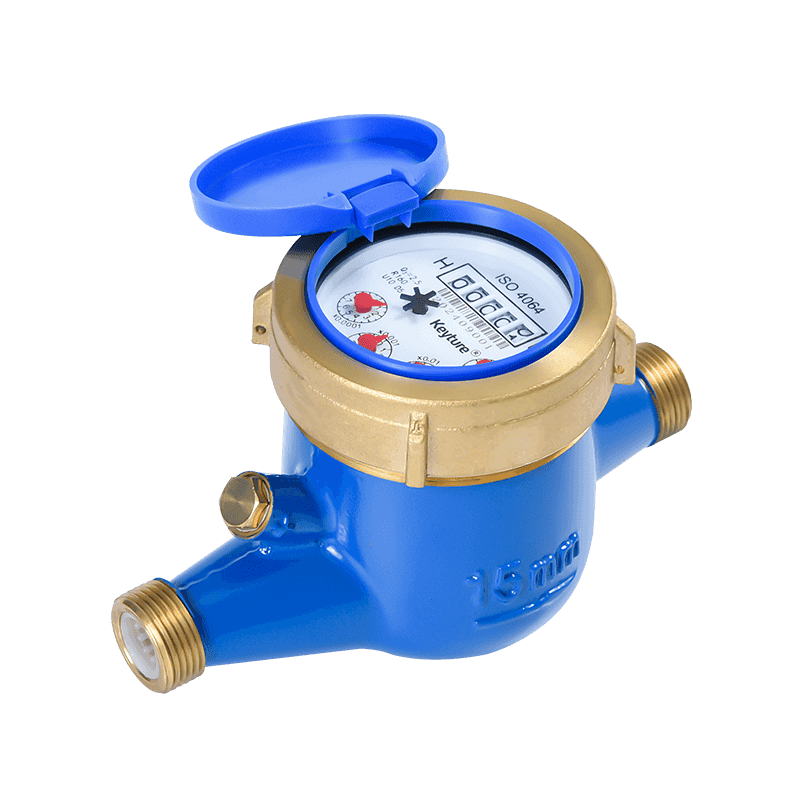
In urban infrastructure and household water supply chains, the Mechanic Water Meter plays a critical role in measurement. As a device that utilizes the physical kinetic energy of water flow to drive internal mechanical structures for recording water consumption, its core mechanism lies in "physical displacement." When water flows through the meter casing and enters the movement, it strikes an impeller or pushes a piston to rotate. This mechanical motion is transmitted to the counter through a set of precision reduction gears, eventually displaying the cumulative reading on the dial.
A Mechanic Water Meter is not a permanent device. As years of use increase, mechanical wear is an inevitable physical law. Increased friction in bearings, changes in gear meshing gaps, and scaling on the impeller will all lead to deviations in measurement accuracy.
Therefore, establishing a scientific replacement cycle for the Mechanic Water Meter is an inevitable choice to balance measurement fairness and economic efficiency.
Understanding when a Mechanic Water Meter should be replaced requires looking at how it degrades. Unlike electronic devices, the performance decline of a mechanical water meter is a gradual process, deeply influenced by the following physical variables:
Suspended impurities, sand, and fine mineral debris in water have a "sandblasting" wear effect on the internal impeller and shaft bushings of the Mechanic Water Meter. Additionally, calcium carbonate scaling in hard water areas attaches to the mechanical rotor, increasing rotational resistance.
Long-term operation at the upper limit of high flow rates accelerates metal fatigue in the gear sets. Conversely, long-term operation at ultra-low flow rates (below the starting flow) can cause the Mechanic Water Meter to quickly lose sensitivity, creating measurement dead zones.
A Mechanic Water Meter installed in damp pits or directly exposed outdoors is susceptible to corrosion from acidic soil or salt spray. More importantly, the water hammer effect (sudden fluctuations in pipeline pressure) can exert immense instantaneous torque on the mechanical pointers and gears, leading to structural damage.
Regarding the replacement cycle of the Mechanic Water Meter, international practices usually combine the "measurement accuracy attenuation model" with "service life limits."
The following is a comparison of parameters and recommendations for residential and industrial Mechanic Water Meters under mainstream standards:
| Key Parameter / Category | Residential (DN15/DN20) | Commercial/Industrial (DN40+) |
| Recommended Cycle | 6 - 10 Years | 4 - 6 Years |
| Cumulative Flow Limit | Approx. 2500 - 3000 cubic meters | Depends on diameter and water quality |
| Main Structure Type | Single-jet / Multi-jet | Rotary / Woltman |
| Accuracy Class (ISO 4064) | Class B or Class C | Class B or higher |
| Core Wear Points | Pivot bearings, counting gears | Worm gears, support bearing seats |
Professional Note: Why are large-diameter Mechanic Water Meters replaced more frequently? Because industrial meters have high instantaneous flow rates, and the mechanical wear rate increases exponentially. Furthermore, industrial water use involves higher economic value; a small percentage error can lead to significant billing discrepancies.
In addition to referring to fixed years, users and maintenance personnel can identify symptoms of "aging" in a Mechanic Water Meter through the following signs:
Bills suddenly spike or data remains stagnant despite no change in water usage.
Severe corrosion, damaged lead seals, or physical deformation. The appearance of heavy green rust (copper oxidation) or cast iron peeling on the casing, while not affecting counting in the short term, indicates a risk of structural strength failure.
Many managers or property owners believe that as long as the Mechanic Water Meter is still turning, there is no need to invest in a replacement. However, this "over-service" often incurs high hidden costs.
As internal mechanical components like the impeller shaft and worm gear wear down, friction gradually increases. This means a larger water flow thrust is required to drive the counter.
Internal gaskets and seals of a long-running Mechanic Water Meter become brittle due to material fatigue.
The accuracy of measuring instruments is protected by law. If the error of a Mechanic Water Meter exceeds the legally permitted range (usually plus or minus 2% or 5%), the resulting bill may be legally invalid.
Replacing a Mechanic Water Meter is not just about taking it off and putting it back on; it involves professional operations for pipeline stress balance and sealing reliability.
While replacement cycles are fixed, scientific maintenance can ensure the Mechanic Water Meter maintains optimal accuracy throughout its lifecycle.
Installing a stainless steel mesh filter upstream of the Mechanic Water Meter can intercept over 90% of sand and welding slag, which is the most effective means of protecting the mechanical impeller.
| Environmental Variable | Ideal Conditions | Harsh Conditions | Impact on Lifespan |
| Position | Horizontal (H) | Vertical/Inclined (V) | Non-horizontal installation increases lateral wear on the impeller shaft, shortening life by about 30%. |
| Temperature | 5 to 35 Degrees Celsius | Regularly below 0 or above 50 Degrees | Extreme temperatures lead to seal failure and casing bursts. |
| Vibration | Away from pumps | Adjacent to pump outlets | Constant vibration loosens internal fasteners, causing reading jumps. |
| Pressure | Stable 0.3 to 0.6 MPa | Frequent water hammer (over 1.6 MPa) | Instantaneous high pressure can shatter the internal impeller. |
Science: Mechanical wear is irreversible. Even if the dial is turning, the physical gaps in the internal gears have enlarged. It is like an old car engine; it still runs, but fuel consumption and power are no longer what they used to be. In water metering, this degradation prevents the device from passing legal accuracy verification.
Answer: This is a common phenomenon. Old Mechanic Water Meters often have a 5% to 15% under-registration rate, especially for small flows. The new meter restores 100% metering capability, accurately capturing water usage that was previously ignored. It is recommended to check toilets and faucets for trace leaks.
Comparison: The limitation for a Mechanic Water Meter is primarily mechanical wear, with a lifespan affected by water quality and flow. Smart meters are limited by battery life (usually 6 to 8 years) and the aging of electronic components. In harsh environments, the stability of a pure mechanical structure is often superior to electronic parts.
Method: Prepare a standard 20-liter container with precise markings. Record the initial meter reading and fill the container at a steady rate. If the difference in the meter reading is significantly more or less than 20 liters (error exceeding 5%), the Mechanic Water Meter needs professional testing or replacement.
Science: The movement of a Mechanic Water Meter is filled with water. In winter, water freezing and expanding creates immense physical pressure, enough to burst a bronze casing or crush precision internal gear sets.
prevMagnetic Interference vs. Modern Electronic Water Meters: Physical Defense and Residual Risks
nextWhy is My Mechanic Water Meter Not Working or Reading Inaccurately


Address: No.168,LinMu Rd.,Zone B, Jiangbei investment Park, Ningbo, Zhejiang,China
Tel: +86-0574-83090480/+86-18892665118
Fax: +86-0574-83021045
Email: [email protected]
Web: https://www.keyturemeter.com/
Quick Links
Product
Mobile terminal
 Wholesale Potable Water Flow Meter Manufacturers