English
 Español


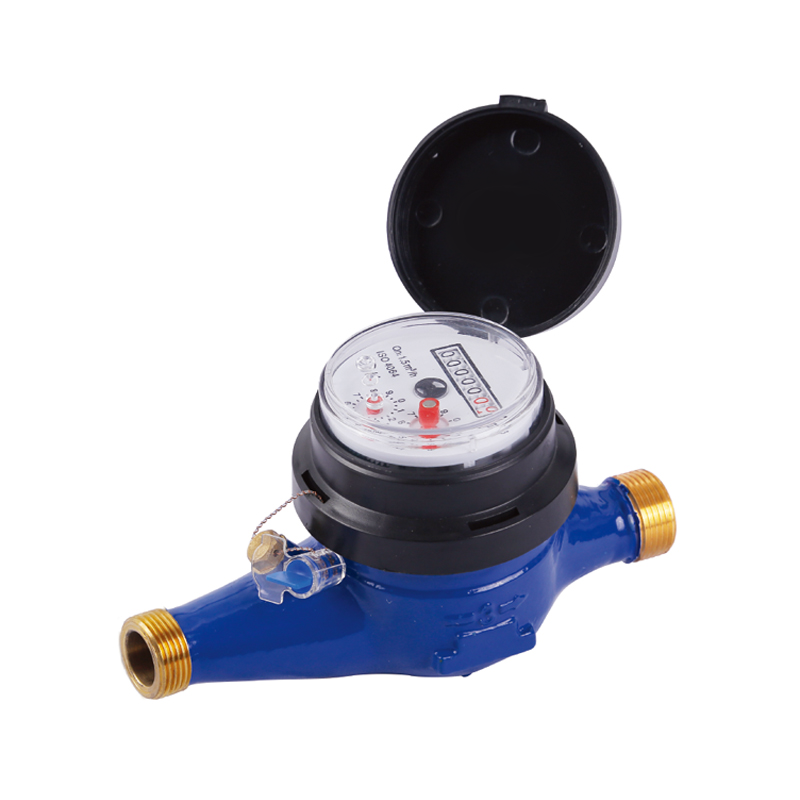
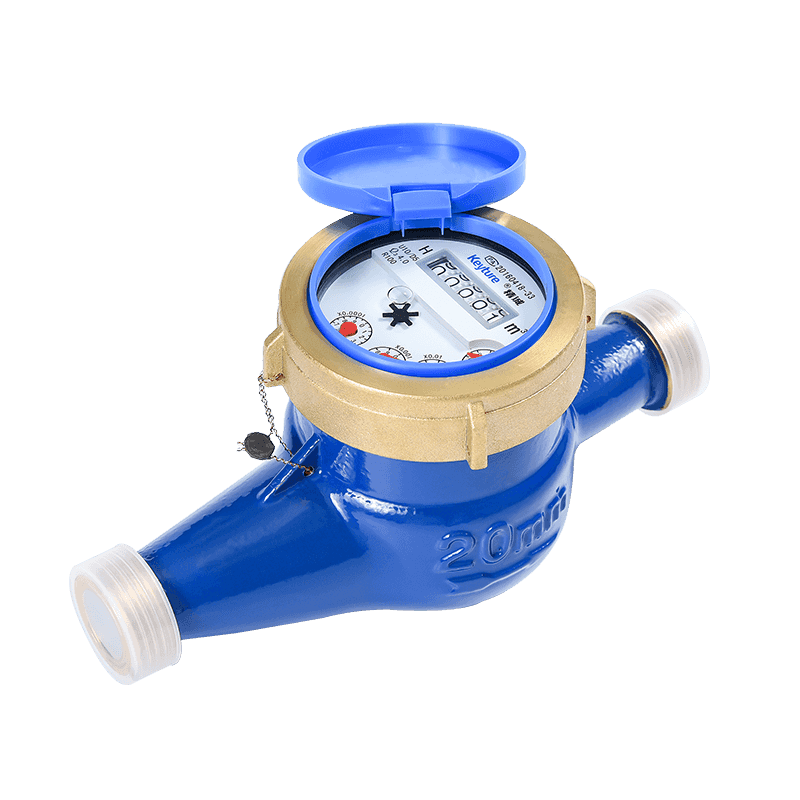
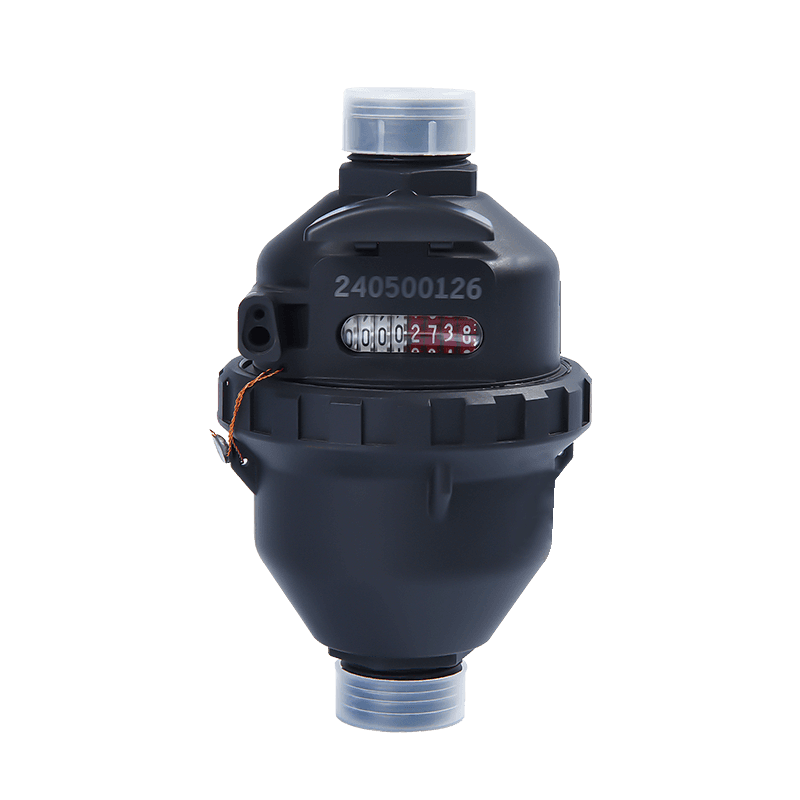
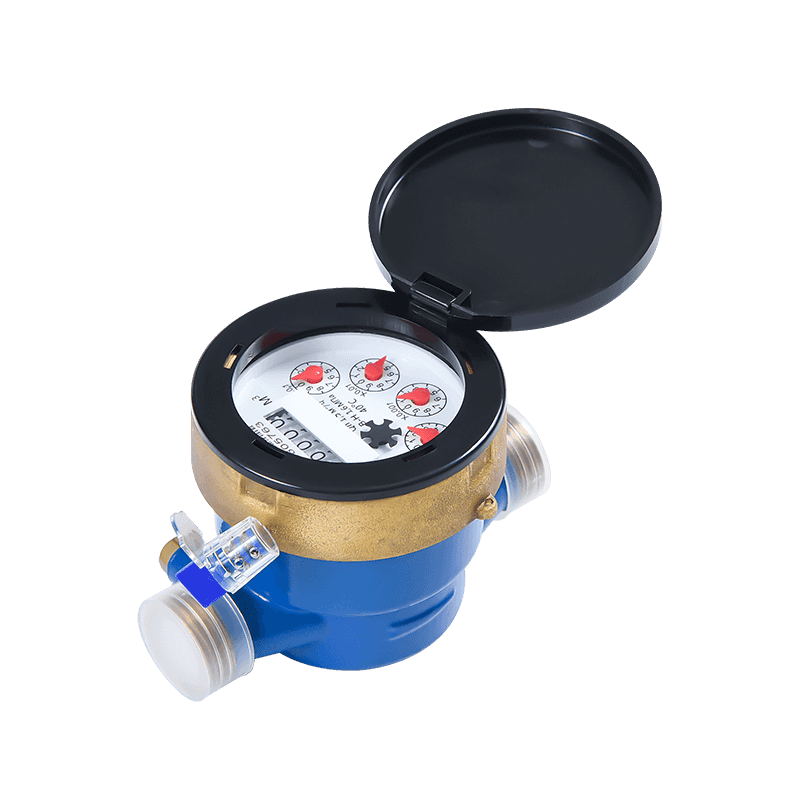
In modern water supply systems, the Mechanic Water Meter remains the most widely used flow measurement device. The core of this equipment lies in its pure mechanical transmission structure. Water flow drives the rotation of an internal impeller or piston, and a series of precision gears convert this rotation speed into cubic meter readings on the dial.
Regarding the core question Can a water meter be repaired?, the answer depends on the degree of structural wear. Since a Mechanic Water Meter does not rely on electronic components, its lifespan is primarily limited by physical wear, water quality erosion, and scaling. Generally, large-diameter mechanical water meters for industrial use have high repair value due to their expensive replacement costs. For small residential water meters, if serious wear occurs in the core metering components, the repair cost may approach the cost of purchasing a new meter.
However, regular maintenance and targeted repairs are key to extending the life of the equipment. Understanding its design life (usually 8-10 years) and mastering basic troubleshooting methods can effectively avoid unplanned water shutdown risks.
Mechanic Water Meter units encounter several typical failures during long-term operation. Identifying these issues is the first step in deciding whether to perform a repair:
Long-term contact with hard water or water sources containing impurities leads to the accumulation of calcium deposits on the impeller edges of the Mechanic Water Meter. This increases rotational resistance, causing the reading to be lower than the actual water consumption.
The internal pivot shaft and gear sets of a mechanical water meter experience physical loss after thousands of rotations. Once excessively worn, the water meter may stop intermittently or provide inaccurate measurements.
Even in a dry-type mechanical water meter, if the sealing ring ages, moisture can enter the counter area, making it impossible to read the dial clearly.
Failure of the sealing gaskets at the connection between the water meter and the pipeline leads to leakage before or after the meter. While this is not a core mechanical failure, it affects the overall metering performance.
Before deciding on a repair plan, a professional evaluation of the Mechanic Water Meter is required:
Check the water meter casing (usually brass, stainless steel, or cast iron) for cracks. Pay special attention to whether the security seal is intact, as unauthorized removal of the seal may involve legal issues.
Prepare a container of a known volume (such as a 20-liter standard bucket). Record the initial reading of the Mechanic Water Meter, fill the container at a steady speed, and record the reading again. If the deviation exceeds +/- 5%, it indicates that the mechanical water meter must be calibrated or repaired.
After closing all faucets, observe whether the tiny red pointer on the dial is still moving slowly. If it is, there may be an extremely fine leak in the pipeline or an error caused by pressure fluctuations within the mechanism.
Repairing a Mechanic Water Meter requires high precision. The following is a standardized repair process:
Completely close the inlet valve and discharge the residual pressure in the pipe. Use a professional wrench to disassemble the union joints at both ends of the water meter.
Soak the mechanical water meter in a mild descaling solution. Clean the sediment out of the measuring chamber. For a Mechanic Water Meter, even a single grain of fine sand can jam the entire transmission chain.
If the gears are damaged, replace the internal movement with the same model. During assembly, you must ensure the shaft is vertical to reduce rotational friction.
After assembly, a segmented flow test must be performed on a standard calibration bench to ensure that the errors within the Minimum Flow (Q1) and Common Flow (Q3) ranges comply with national standards.
Precision is the lifeline of a Mechanic Water Meter. Since it operates on physical mechanics, any tiny resistance will amplify errors.
If residual dried lubricant accumulates at the bearing, the friction increases, causing the water meter to run slow. This represents an asset loss for the water supplier.
As a legal measuring instrument, the accuracy of a mechanical water meter is strictly regulated. After repair, the water meter must pass a pressure test (usually 1.6 MPa for 15 minutes without leakage) before it can be re-integrated into the network.
Scientific maintenance can significantly reduce the frequency of repairs for a Mechanic Water Meter:
Installing a filter screen of 100 microns or more before the water meter can intercept more than 90% of pipeline rust, protecting the precision internal machinery.
In cold regions, insulation must be added to exposed Mechanic Water Meter units to prevent the casing from bursting due to the expansion of ice in the mechanical chamber.
Regularly discharging stagnant water at the end of the pipe network can reduce the accumulation of sediment in the meter chamber.
| Parameter | Small Residential (DN15-DN25) | Large Industrial (DN50-DN300) |
| Main Structure | Multi-jet Rotary | Rotary or Woltman type |
| Core Material | Brass / Engineering Plastic | Cast Iron / Stainless Steel |
| Repair Cost | Approx. 50%-80% of new price | Approx. 15%-30% of new price |
| Repair Difficulty | High modularity, but tiny parts | Large structure, supports part-level repair |
| Recommendation | Usually direct replacement | Highly recommended regular overhaul |
| Accuracy (R) | R80 / R100 | R100 / R160 / R200 |
| Technical Indicator | New/Calibrated State | Worn/Repair Needed State | Impact on Performance |
| Starting Flow Rate | 12 L/h or less | More than 30 L/h | Small flow leaks go unmeasured, causing revenue loss. |
| Pressure Loss | 0.063 MPa or less | More than 0.1 MPa | Blockage in filter or chamber reduces user water pressure. |
| Max Permissible Error | +/- 2% | More than +/- 5% | Serious metering bias leads to billing disputes. |
| Max Working Pressure | 1.6 MPa | Less than 1.0 MPa | Corrosion or bolt fatigue risks pipe bursting. |
| Gear Ratio Accuracy | 100% Accurate | Skipping or jamming | Readings jump or stop completely. |
This is the heart of the Mechanic Water Meter. Failure performance includes the pivot wearing down over long-term rotation, causing the impeller to tilt. Its repairability is high; in large meters, the pivot is usually replaceable and made of carbide or ceramic.
Most modern dry-type Mechanic Water Meter units use magnetic coupling to transmit power. Failure performance involves demagnetization in high-temperature environments or resistance caused by iron filings adsorbed on the magnet surface. Repairability is medium, requiring disassembly for cleaning.
Failure performance includes gear shaft breakage or the digit wheels becoming brittle due to UV exposure. Its repairability is very high (modular); replacing the entire counter assembly is the most common and efficient repair method.
When repairing a Mechanic Water Meter, the choice of part materials directly determines the secondary service life.
Body Materials: For industrial large-diameter meters, if the inner wall of the cast iron casing is severely corroded, it must be re-coated with epoxy for anti-corrosion before repair.
Measuring Components: It is recommended to prioritize high-performance plastics (such as engineering ABS or PPS), which have better anti-scaling capabilities than traditional metal impellers.
Sealing Elements: All repair processes must replace old seals with new EPDM sealing rings to ensure the water meter does not leak under the standard pressure of 1.6 MPa.
| Feature | Single-Jet | Multi-Jet | Woltman |
| Working Principle | Single water jet impacts impeller edge | Multiple jets impact impeller evenly | Axial flow impacts helical impeller |
| Main Application | Residential (DN15-25) | Commercial/Light Industrial | Industrial/Main Pipeline |
| Vulnerable Parts | Impeller pivot, lower bearing | Internal bushings, filter nozzle | Worm gear set, bearing seat |
| Repair Sensitivity | Very High | Medium | Low |
| Recommended Repair | Total movement replacement | Chamber cleaning + parts | Precision part-level repair |
In this zone, error is mainly affected by physical friction. If a repaired Mechanic Water Meter has a large error here, it usually means the friction at the bearing has not been fully eliminated or the gap between the impeller and chamber is too large.
In this zone, error is determined by the geometric shape of the chamber. If non-original impeller specifications are used during repair, the flow resistance coefficient changes, leading to linear deviation in readings.
| Symptom | Probable Cause | Repair Action |
| Black oil/dirt in dial | Internal seal box ruptured | Replace counter assembly, clean chamber |
| Noise during rotation | Debris jammed or bearing cracked | Disassemble and clean, check pivot |
| Pointer reversing | Backflow or no check valve | Install check valve, correct direction |
| Meter creeps when no use | Pipeline pressure fluctuations | Install exhaust valve or stabilizer |
| Factor | Hard Water (More than 180mg/L) | Soft Water (Less than 60mg/L) | Impact on Repair |
| Scaling Speed | Very fast | Very slow | Mechanic Water Meter needs cleaning every 2-3 years in hard water. |
| Mechanical Friction | High wear | Low wear | Soft water can extend mechanical life by over 30%. |
| Maintenance Cycle | 12-24 months | 36-48 months | Pre-filters are mandatory in hard water areas. |
Answer: Not recommended. A Mechanic Water Meter usually has a legally protected seal. Once removed, it may be judged as tampering with a measuring tool. Internal repairs should be done by professional agencies or the water utility.
Answer: This isn't necessarily a broken meter. Check for hidden leaks in toilets first. If no leaks exist, the internal gears might be skipping due to wear, or debris trapped in the nozzle might be accelerating the water flow unnaturally.
Answer: This is a typical starting flow issue. When mechanical wear increases or scaling occurs, tiny water flows cannot overcome the internal friction. This indicates the Mechanic Water Meter needs cleaning or bearing replacement.
Answer: Mechanic Water Meter units have moving parts and experience physical wear, but they do not require batteries and are immune to electronic interference. In harsh environments, mechanical meters are often more reliable.
Answer: This is usually due to static friction not being fully overcome. Starting a low flow requires overcoming gear inertia. If only the impeller was replaced without cleaning the old grease in the gearbox, low-flow accuracy will not meet standards.
Answer: In wet meters, the counter is soaked in water, making cleaning difficult. Dry meters rely on magnetic transmission; the counter is isolated from water, and repair focuses on cleaning the magnetic coupler and seals.
Answer: Flushing is highly recommended. Long-term stagnation causes scale to harden and jam the impeller. Before use, flush with low flow to see if the pointer is sensitive.
Answer: It is the lowest flow rate that can make the Mechanic Water Meter pointer rotate continuously. It is a key reference for measuring wear.
Answer: Yes. Hot water mechanical meters (rated at 90 degrees C) use heat-resistant materials. Never mix plastic parts from a standard cold water meter during repair.
Answer: Yes, as long as the internal movement is replaced with standard specifications and tested on a compliant calibration bench, a repaired Mechanic Water Meter can reach R100 or higher accuracy classes.
prevWhy is Your Water Bill So High? Is It Time to Replace Your Old Mechanic Water Meter
nextIndustrial Flow Measurement Shift: Why Large-diameter Ultrasonic Water Meter is Replacing Mechanic Water Meter


Address: No.168,LinMu Rd.,Zone B, Jiangbei investment Park, Ningbo, Zhejiang,China
Tel: +86-0574-83090480/+86-18892665118
Fax: +86-0574-83021045
Email: [email protected]
Web: https://www.keyturemeter.com/
Quick Links
Product
Mobile terminal
 Wholesale Potable Water Flow Meter Manufacturers