English
 Español


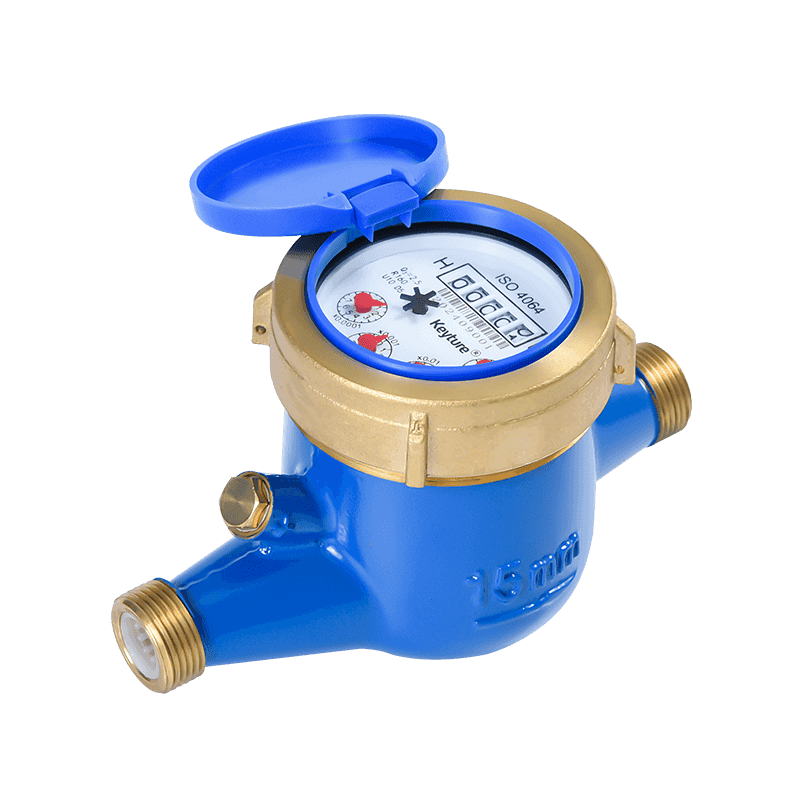
At a factory gate in Ningbo, a pallet of DN15 water meters waits for final inspection. A technician opens a valve, watches the register advance, and checks whether the displayed cubic meters match the test bench. That simple action explains the core of a water meter: it is a calibrated instrument that turns flowing water into a countable, billable, and manageable number. The definition sounds basic, but the engineering behind it decides whether a utility collects accurate revenue, whether a landlord detects a hidden leak, and whether a homeowner trusts the monthly bill.
A water meter is not a pump, a valve, or a pressure gauge. It measures volume. In most residential and commercial systems, that volume is displayed in cubic meters or gallons. The meter may sit in a concrete pit, a basement, a kitchen cabinet, or a stainless steel skid. It may be mechanical, electronic, or a hybrid. The common task remains the same: total the water that passes through it with an accuracy that meets a recognized standard.
A water meter measures accumulated volume, not instantaneous flow. If a pipe delivers 20 liters per minute for 15 minutes, the meter records 300 liters, or 0.3 cubic meters. That distinction matters because many buyers confuse flow rate with total volume. A flow meter may be used to control a pump or monitor a process in real time. A water meter is usually designed for custody transfer, billing, sub-metering, or leak detection, where the total volume over weeks and months must remain traceable.
The unit of measurement also shapes the purchase. Metric markets generally use cubic meters and liters. North American residential markets often use gallons and cubic feet. Some industrial meters can display both. If a utility reads in cubic meters but a building manager records in gallons, conversion errors can create disputes. A clear unit specification belongs in every quotation, along with the register type, the number of digits, and whether the display is mechanical, liquid crystal, or remote.
| Unit | Typical display | Common application |
|---|---|---|
| Cubic meter (m³) | 00012.345 | Utility billing in most metric markets |
| Liter (L) | 0012345 | Sub-metering, testing benches, small drinking water systems |
| Gallon (gal) | 0001234 | Residential billing in parts of North America |
| Cubic foot (ft³) | 0001234 | Some North American utility and irrigation accounts |
| Gallon per minute (GPM) | Instantaneous flow | Process monitoring, not custody transfer |
For anyone researching water meter basics, the practical definition should include four elements: the volume total, the unit, the accuracy class, and the installation conditions. Remove any one of those, and the meter becomes a number on a bill without a reliable foundation.
Mechanical water meters use the energy of the water itself. A multi-jet meter directs several streams of water against an impeller. A single-jet meter uses one concentrated stream. A rotary piston meter traps fixed volumes of water in a measuring chamber and counts each discharge. In all three cases, the moving element turns a register through gears or magnetic coupling. The register then records the total volume.
Electronic water meters use a different chain. Ultrasonic meters send sound waves upstream and downstream and calculate the difference in transit time. Electromagnetic meters create a magnetic field and measure the voltage generated by conductive water passing through it. These designs contain no impeller in the flow path, so they handle certain water qualities and flow profiles differently. They also make remote output, data logging, and leak alarms more natural because the measurement is already electronic.
Water fills and empties a known chamber. This design is strong at low flow rates and remains common for household cold water metering.
Multiple jets drive an impeller. It balances cost, durability, and low-startup performance for DN15 to DN50 lines.
No moving parts in the water path. It suits smart metering, remote reading, and applications where wear or sand is a concern.
Best for conductive liquids and larger pipes. It provides stable measurement in industrial and municipal bulk lines.
The output may be a mechanical counter, a digital screen, a pulse emitter, an RS485 port, an M-Bus interface, or a wireless radio. A buyer who only specifies pipe size may miss the difference between a meter that simply displays volume and a meter that feeds a billing platform, a prepaid valve, or a leak management dashboard.
Water meter selection starts with the application, not the catalog page. A household meter, a building master meter, a prepaid tenant meter, and a stainless steel drinking water meter may all measure volume, but they face different water quality, flow ranges, installation spaces, and communication requirements.
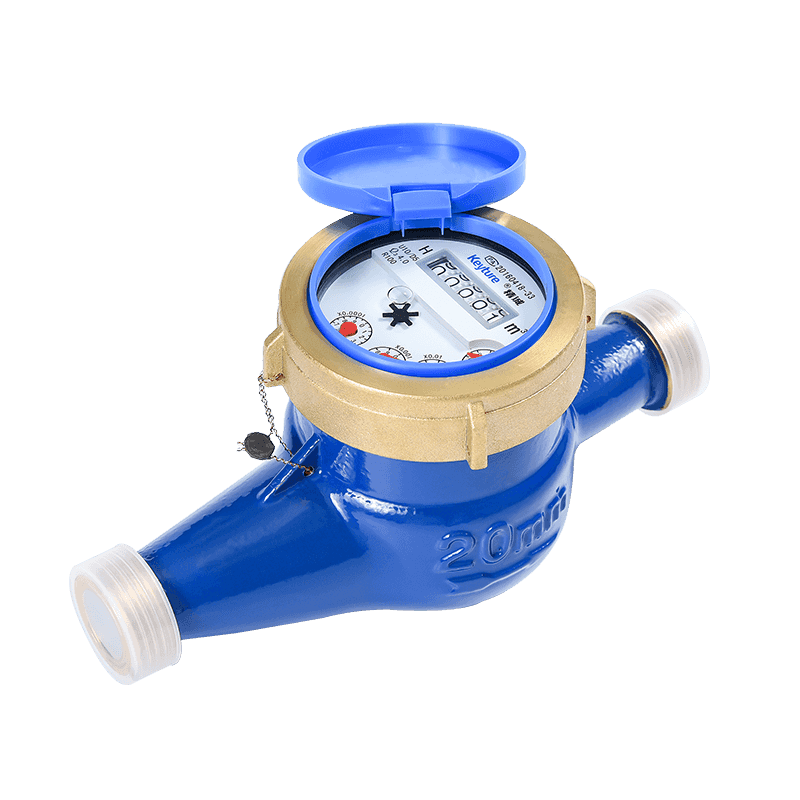
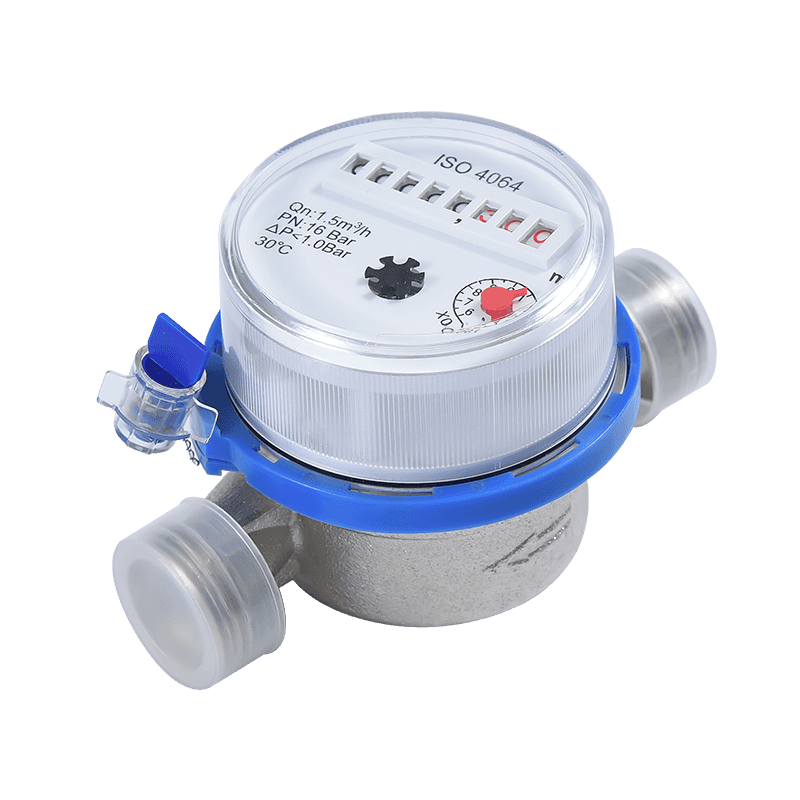
Multi-jet meters are widely used for domestic cold water. Several water jets drive the impeller, which helps maintain accuracy across a broad flow range. Single-jet meters use a simpler flow path and are often chosen where compact size, lower pressure loss, or specific housing materials matter. Both can be dry type, wet type, or semi-liquid sealed. A dry type keeps the register separated from water, which can improve readability in cold climates. A wet type allows water around the moving parts, which can support stable performance in certain water conditions.
Volumetric meters measure discrete chambers of water rather than velocity. They are known for strong low-flow accuracy, which helps utilities capture small household consumption and detect leaks. They are often used in DN15 and DN20 residential lines where water quality is suitable and where the utility wants high sensitivity at low flow. The trade-off is that fine sand or debris can affect the piston chamber, so a strainer and proper installation matter.
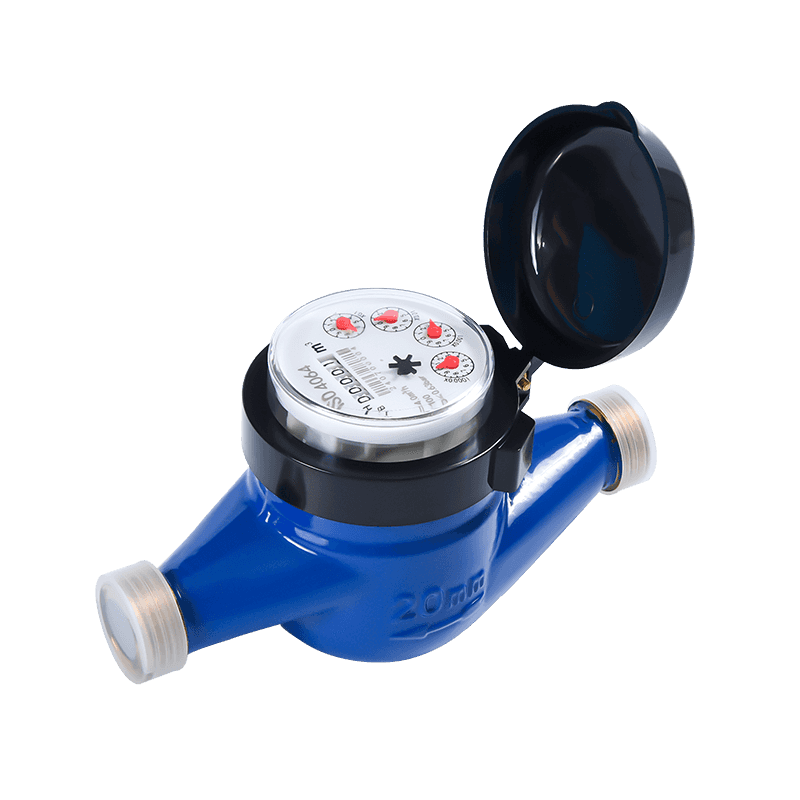
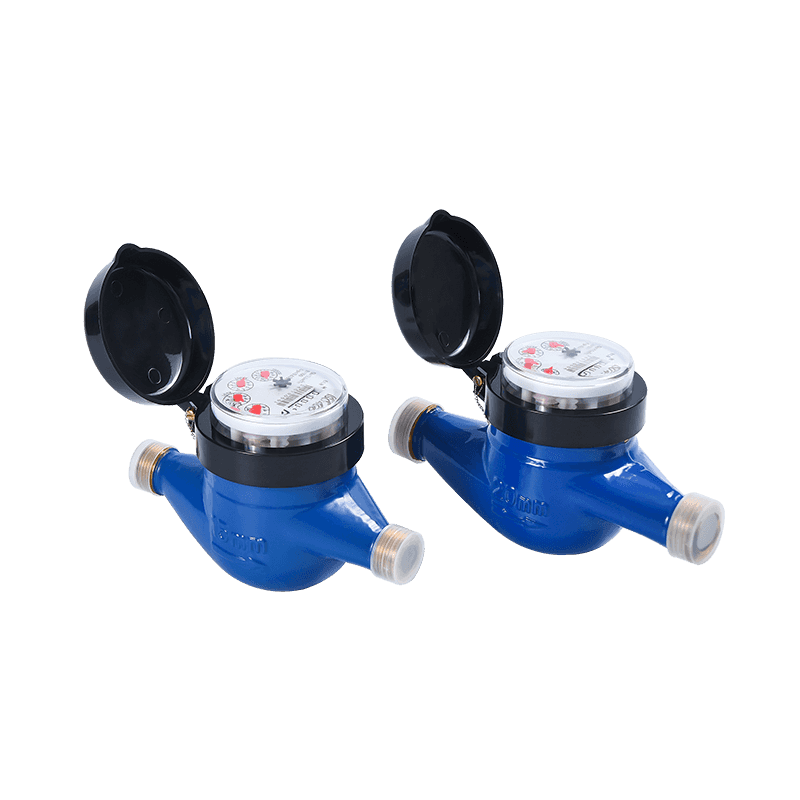 Domestic Multi Jet Dry Type Cold Water MeterAdopt vane wheel movement, plastic dry type register, inside adjustment and high-quality brass body, confirm to ISO4064 and cover DN15--DN50.View Product →
Woltman and turbine meters are velocity meters for larger pipes. They are common in buildings, factories, irrigation systems, and district water lines where flow is high and continuous. A horizontal Woltman meter may use a removable mechanism for maintenance. A vertical flange Woltman meter can fit specific pump rooms and manifolds. For lines with widely varying flow, a compound meter combines a small meter for low flow and a large meter for high flow.
Ultrasonic meters are increasingly used in smart water networks because they provide electronic output, wide turndown, and no impeller wear. DN15 to DN25 models serve apartments and small commercial points. DN50 to DN200 models serve bulk lines, buildings, and district metering. Electromagnetic meters are strong candidates for industrial water, wastewater, and conductive liquid measurement where a full-bore, obstruction-free design is useful.
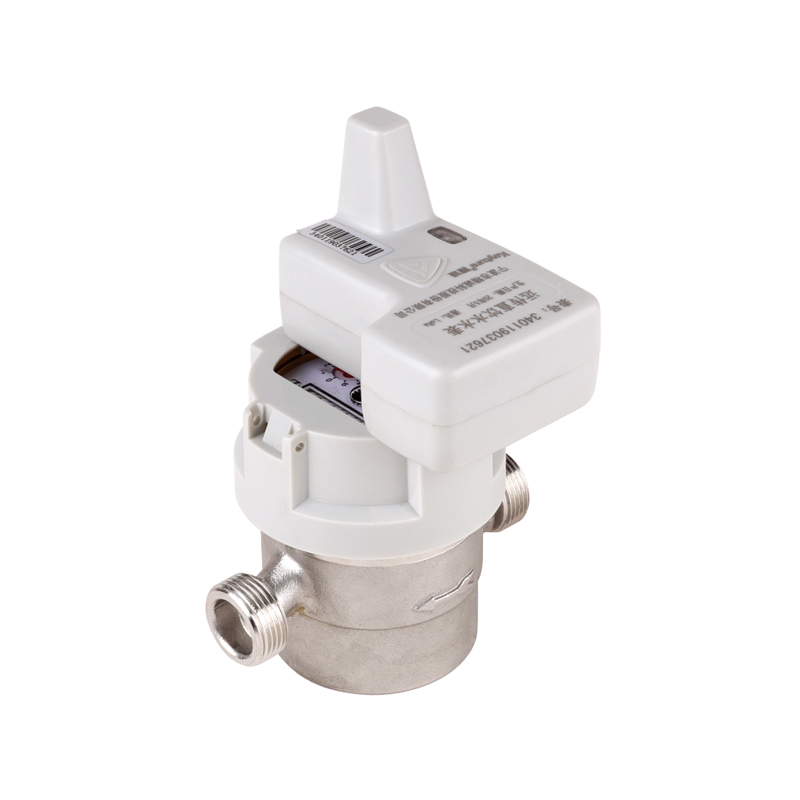
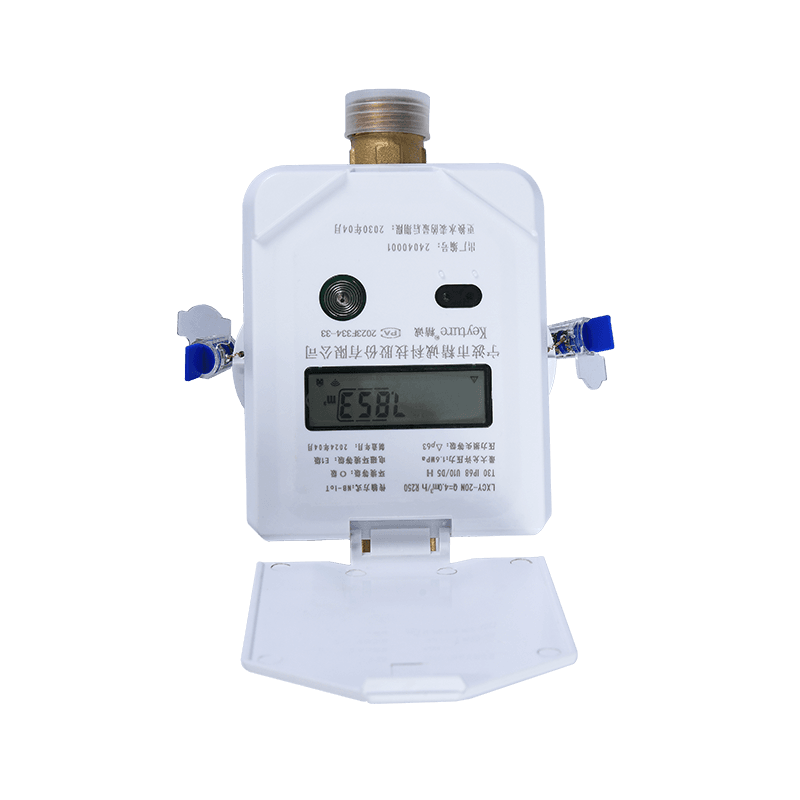 Domestic Ultrasonic Water Meter Dn15~Dn25Ultrasonic remote water meter is combined flow sensor with microprocessor, and adopts advanced ultrasonic measurement technology for measuring the water consumption. L...View Product →
A hot water meter must handle temperature as well as volume. Materials, seals, and registers are selected for higher temperatures. An ultrasonic heat meter adds temperature sensors and calculates energy consumption, which makes it suitable for heating substations, district heating, and building energy allocation. The metering principle may look similar to a cold water meter, but the approval, materials, and temperature range are different.
Two meters with the same DN size can behave very differently. The nominal diameter determines the connection and the approximate flow capacity, but the metrological class, turndown ratio, pressure loss, and register type determine whether the meter is suitable for a particular line. A purchasing team should compare these values before price.
| Specification | What it means | Why it matters |
|---|---|---|
| Nominal diameter (DN) | Pipe connection size, such as DN15, DN20, DN50, or DN100 | Must match the line, fittings, and expected flow range |
| Q3 / Q1 flow range | Permanent and minimum flow values | Defines the usable measuring range and low-flow sensitivity |
| R ratio | Q3 divided by Q1, such as R160 or R250 | Higher ratios generally support wider flow variation |
| Accuracy class | Metrological performance under defined conditions | Affects billing fairness and regulatory acceptance |
| Pressure loss | Head loss created by the meter body and mechanism | Can affect pump energy and building pressure |
| Register type | Dry, wet, semi-liquid sealed, digital, or remote | Determines readability, maintenance, and communication |
| Housing material | Brass, cast iron, plastic, stainless steel, or composite | Must suit water quality, temperature, and installation environment |
| Communication | Pulse, RS485, M-Bus, LoRa, LoRaWAN, NB-IoT, or RF | Determines how data reaches the billing or monitoring system |
Flow range deserves special attention. A meter rated for a large pipe may be accurate at high flow but weak at the low flow of a night-time leak. A small meter may be accurate at low flow but create excessive pressure loss during peak demand. The correct choice sits between the minimum and maximum expected flow, with enough margin for seasonal variation.
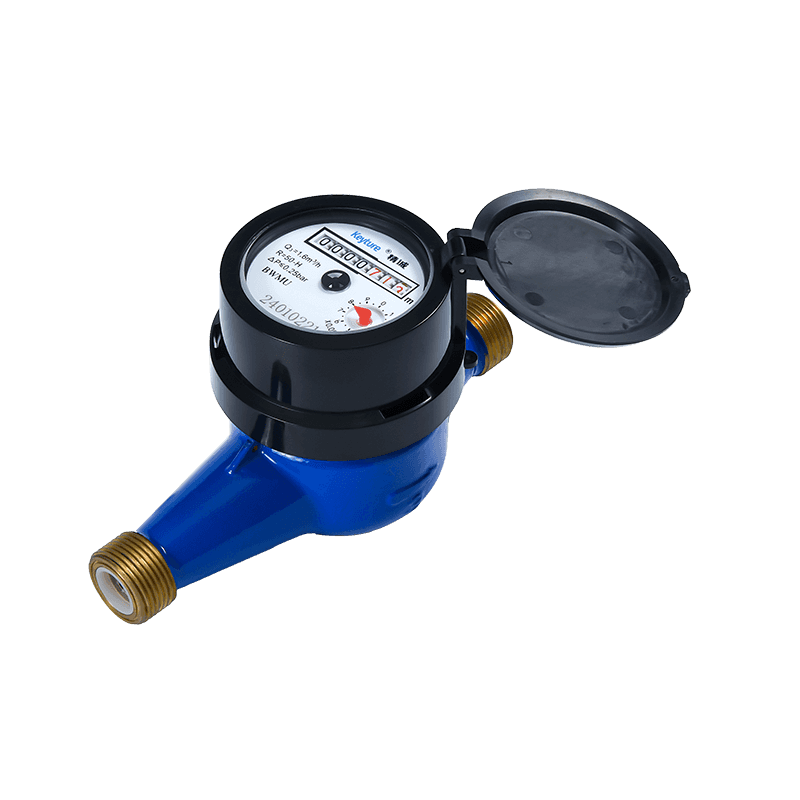
A mechanical register usually shows black digits for cubic meters or gallons and red digits or dials for fractions. The black numbers are the billing total. The red numbers help with leak tests and fine measurement. A digital register may show the same information on an LCD, often with additional icons, status codes, or historical values. A smart meter may send the reading automatically, but a local display is still useful during installation and troubleshooting.
To perform a simple leak check, close every tap and appliance, then watch the low-flow indicator or the smallest red dial. If it moves continuously, water is passing through the meter. Another method is to record the reading, wait two to three hours without water use, and read again. A change indicates a leak or an open valve. This test is straightforward, but it requires a meter with good low-flow sensitivity. A worn or oversized meter may stay still while a small leak continues.
Read the meter from left to right. Ignore red digits when recording the billing total, but use them when checking for leaks or verifying a test bench result.
Units can cause confusion. A display of 00012.345 may mean 12.345 cubic meters. A display of 0001234 may mean 1,234 gallons or 1,234 cubic feet depending on the register label. Always confirm the unit before comparing a reading with an invoice. In multi-tenant buildings, a wrong unit interpretation can multiply into a significant billing error across hundreds of accounts.
Even a high-quality meter can underperform if it is installed incorrectly. The most common issues are wrong direction, insufficient straight pipe, trapped air, debris, vibration, and freezing. A meter installed backwards may not register at all or may register incorrectly. A meter installed immediately after an elbow may see a distorted flow profile. A meter installed at the highest point of a line may collect air. A meter left unprotected in freezing weather may crack its housing or chamber.
Installation height and position also matter. Some registers are designed for horizontal lines, while vertical installation may require a specific model. A pulse or wireless meter may need an accessible communication module. A prepaid meter with a ball valve needs enough clearance for valve movement. These details are easy to overlook in a tender, but they become expensive after the concrete is poured or the cabinet is sealed.
A smart water meter is not simply a mechanical meter with a radio attached. It is a measurement, communication, and data system. The meter measures volume, the communication module transmits the reading, and the software platform converts that data into bills, leak alerts, and consumption reports. The value comes from the combination, not the radio alone.
Wired remote options include pulse output, RS485 Modbus, and M-Bus. These are common in buildings, factories, and utility networks where a cable path already exists. Wireless options include RF, LoRa, LoRaWAN, and NB-IoT. They reduce wiring cost and support automatic meter reading across apartments, compounds, and district metering areas. A prepaid water meter adds a control valve and a credit mechanism. IC card, RF card, and STS keypad models allow users to purchase water credit in advance, while the meter closes the valve when credit reaches zero.
Utilities and property managers collect consumption without visiting every meter. This reduces labor cost and improves reading frequency.
Night-time flow and abnormal consumption patterns can be detected earlier when readings arrive daily instead of monthly.
Credit-based meters help manage arrears, shared facilities, and temporary water points where traditional billing is difficult.
Open protocols and pulse outputs allow meter data to enter billing, SCADA, or building management systems.
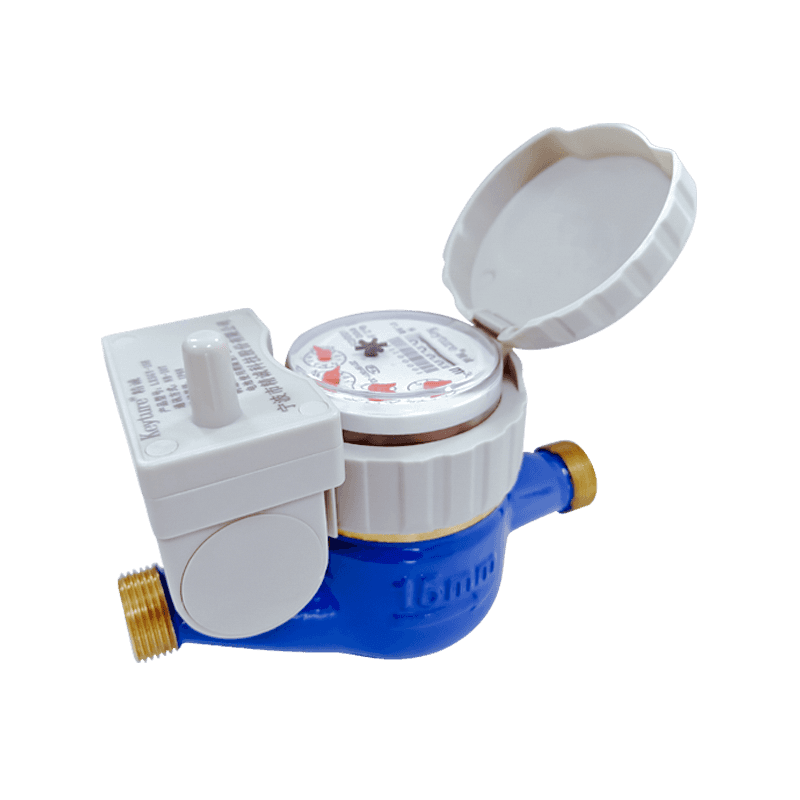 Dry Type Wireless Lora Remote Reading Water MeterThis series of products are wireless remote water meters that the mechanic part from an intelligent module completely and upload the water consumption through LORA Int...View Product →
When comparing smart meters, ask how the data is stored during network outages, how often the meter reports, how the valve behaves after a credit event, and whether the battery is replaceable. Those questions reveal more about long-term operating cost than a glossy specification sheet.
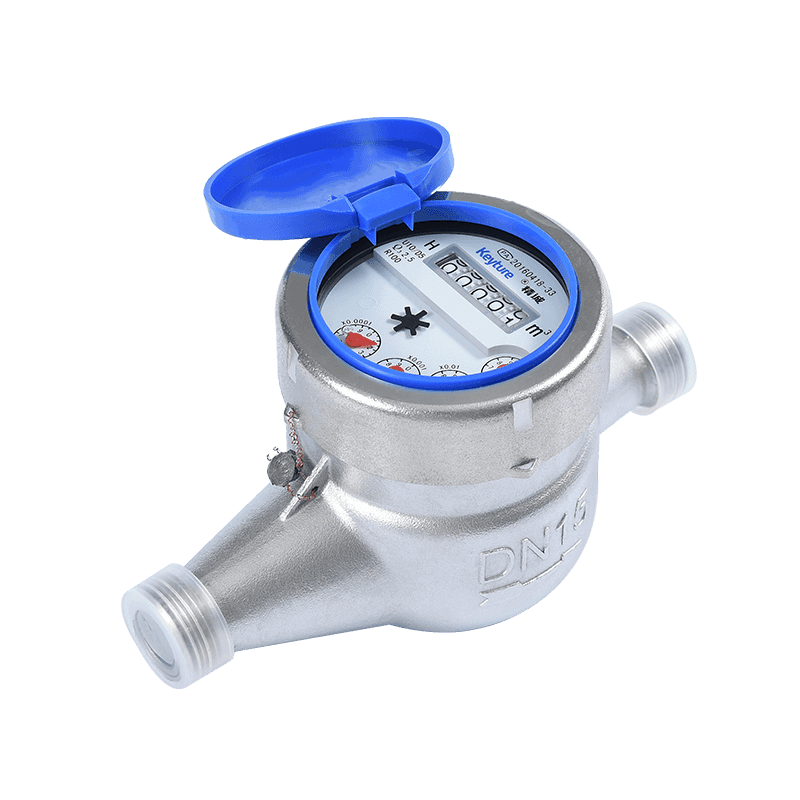
Drinking water systems require more than accurate volume measurement. The wetted materials must be suitable for potable water. A standard brass or iron meter may be acceptable for general utility water, but a drinking water meter often uses 304 stainless steel, food-grade seals, and a design that minimizes stagnation and contamination risk. This is especially important in water stations, schools, hospitals, food processing, and buildings that supply direct drinking water.
Material choice also affects service life. Stainless steel resists corrosion in aggressive water and humid environments. A sealed dry-type register protects the display from moisture. A ball valve can provide remote shut-off or prepaid control, but it must be rated for drinking water contact. Buyers should request material declarations, hygiene test reports, and confirmation that the meter complies with the relevant potable water standard for the destination market.
For drinking water applications, do not select a meter only by pipe size. Check the water chemistry, temperature, disinfection method, and expected flow. A stainless steel meter with the correct internal components will hold accuracy and cleanliness better than a general-purpose meter installed in a sensitive line.
Bulk water meters serve buildings, factories, irrigation networks, and district mains. These lines often have high flow, long operating hours, and limited tolerance for pressure loss. A Woltman meter, turbine meter, electromagnetic meter, or bulk ultrasonic meter may be appropriate. The final choice depends on flow profile, water conductivity, debris risk, available straight pipe, and communication requirements.
Large meters should be sized with care. An oversized meter may fail to register low night-time flow. An undersized meter may create noise, pressure loss, and accelerated wear. The ideal selection uses the normal flow range, the maximum demand, and the minimum night flow. If the line has both very low and very high demand, a compound meter or a high-turndown ultrasonic meter can be a better fit than a single mechanical turbine.
Maintenance access is another factor. A removable mechanism allows service without cutting the whole meter body out of the line. A flange connection simplifies replacement. A remote register keeps the reading point away from a flooded pit or a hot mechanical room. These practical details reduce downtime and improve the return on a bulk metering project.
Start with the application, then work backward to the product. A household meter, a prepaid tenant meter, a drinking water meter, and a district bulk meter have different priorities. Accuracy, pressure loss, communication, and maintenance access should be weighted according to the cost of failure.
A capable water meter manufacturer should be able to explain why a particular model fits a project, not only quote a price. That conversation usually reveals whether the supplier understands low-flow accuracy, pressure loss, communication protocols, and after-sales replacement. For projects that mix residential, commercial, and drinking water points, a single supplier with multiple meter families can reduce compatibility risk.
Water meter accuracy is defined under controlled conditions. A meter may be tested at minimum flow, transitional flow, and permanent flow. The error limits depend on the accuracy class and the standard applied. ISO 4064 is widely referenced for cold and hot water meters. Regional approvals may add their own requirements, including MID in Europe and local metrology regulations in other markets.
Calibration is not the same as verification. Calibration compares a meter against a reference and records the deviation. Verification is a legal or regulatory confirmation that the meter is approved for billing. A supplier may provide a factory calibration certificate, but the utility may still require an approved pattern, sealed register, or third-party verification. Buyers should confirm the exact approval needed before shipment, because a meter that cannot be legally used for billing becomes an expensive spare part.
| Term | Meaning | Practical effect |
|---|---|---|
| Accuracy class | Permitted error under defined flow conditions | Determines whether the meter meets billing rules |
| Calibration | Comparison with a reference standard | Shows current deviation, not legal approval |
| Verification | Official confirmation for custody transfer | Required for utility billing in many markets |
| Turndown ratio | Permanent flow divided by minimum flow | Shows how well the meter handles low and high flow |
Most water meter problems appear as unexplained readings, no readings, leakage, fogging, noise, or a valve that no longer closes. Mechanical meters can wear after years of service, especially in water with sand or aggressive chemistry. Registers can fog when moisture enters a damaged seal. Pulse and wireless modules can fail while the mechanical measurement remains correct. A prepaid valve can stick if water quality is poor or if the valve is rarely exercised.
Replacement decisions should consider repair cost, downtime, and legal verification. A small mechanical meter may be replaced rather than repaired. A bulk meter with a removable mechanism may be serviced in place. A smart meter may need only a battery or communication module replacement. Keeping spare parts and a meter history helps the maintenance team choose the lowest-cost path.
The purchase price of a water meter is only one part of the total cost. Installation, reading, billing, maintenance, replacement, and unaccounted water all contribute. A low-cost meter that misses low flow can lose more revenue over its service life than a better meter costs upfront. A smart meter that reports daily can detect leaks sooner, but it also requires a communication network and data platform.
For a utility, the equation is revenue protection plus operational efficiency. For a property owner, the equation is sub-metering fairness plus maintenance cost. For an industrial user, the equation is process reliability plus compliance. The same meter type may serve all three, but the weighting changes. A prepaid meter reduces arrears risk. A high-turndown ultrasonic meter reduces low-flow loss. A robust bulk meter reduces downtime. The right choice depends on which cost matters most.
A water meter usually totalizes volume for billing or sub-metering. A flow meter may measure instantaneous flow for control or monitoring. Some devices can do both, but the approval, accuracy class, and output are often different.
Replacement intervals depend on water quality, flow conditions, local rules, and meter type. Mechanical meters may need testing or replacement after several years. Smart meters often have a longer electronic design life but may need battery or module service.
Yes, if it has a low-flow indicator or a sensitive measuring element. A simple test is to close all water use and watch the smallest display element. Smart meters can also compare night-time flow and send alerts.
DN is the nominal diameter. It indicates the connection size and approximate flow capacity. DN15 and DN20 are common household sizes. DN50 and above are common for bulk or commercial lines.
Accuracy class defines the permitted error under specified flow conditions. It affects whether a utility can legally bill from the meter and how much low-flow consumption is captured.
They are often preferred for potable water because stainless steel resists corrosion and supports hygiene requirements. The final choice depends on water chemistry, temperature, local regulations, and valve or communication needs.
A prepaid water meter combines measurement with a valve and credit system. The user purchases water in advance, and the valve closes when credit is exhausted. IC card, RF card, and STS keypad models are common.
RS485 and M-Bus suit wired buildings. LoRa, LoRaWAN, and NB-IoT suit wireless networks. The best choice depends on coverage, data frequency, battery life, and integration with the billing platform.
If you are specifying a water meter for a project, begin with one line item: the actual flow range at the point of measurement. From there, confirm the unit, accuracy class, installation length, water quality, and communication requirement. That sequence prevents the most common and most expensive mistake, which is choosing a meter by pipe size alone. A meter that matches the flow profile, the environment, and the data system will deliver accurate readings long after the invoice is paid.


Address: No.168,LinMu Rd.,Zone B, Jiangbei investment Park, Ningbo, Zhejiang,China
Tel: +86-0574-83090480/+86-18892665118
Fax: +86-0574-83021045
Email: [email protected]
Web: https://www.keyturemeter.com/
Quick Links
Product
Mobile terminal
 Wholesale Potable Water Flow Meter Manufacturers