English
 Español


If your water bill suddenly jumps from $60 to $140 and no one filled a pool, the cause is almost never the water company. In most homes, the single largest driver is a toilet that runs silently between flushes. A worn flapper can send 200 gallons a day down the drain, roughly 6,000 gallons a month, and it often makes no sound. The second largest driver is a hidden leak: an irrigation valve that will not close, a broken service line, or a water softener stuck in regeneration. Daily habits matter, but they usually rank third behind equipment failure.
This article explains what runs a water bill up the most, how to check each cause in the right order, and how accurate metering helps utilities, property managers, and homeowners catch the problem before another billing cycle passes. It is written from the perspective of a water meter manufacturer that has supplied mechanical, ultrasonic, prepaid, and remote-reading meters since 2002.
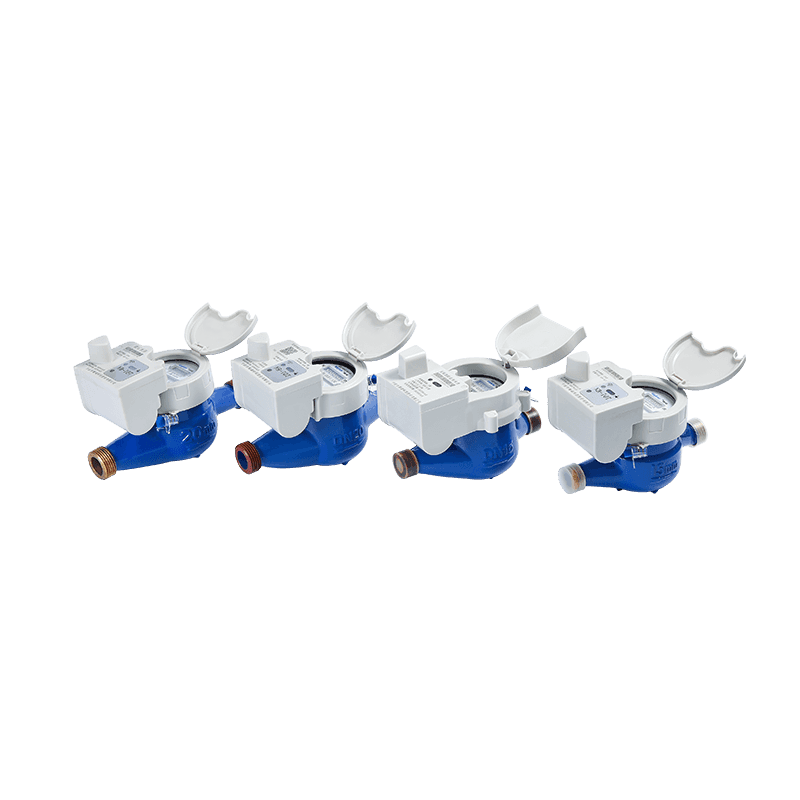 Iron Body Ip68 Waterproof Wireless Remote Water MeterThis series of products are wireless remote water meters that separate the mechanic part from the intelligent module completely and upload the water consumption throug...View Product →
| Rank | Common cause | Typical hidden loss | First check |
|---|---|---|---|
| 1 | Running toilet | 100 to 200 gallons per day | Dye test in the tank |
| 2 | Hidden pipe or service line leak | 50 to 500 gallons per day | Leak indicator on the meter |
| 3 | Irrigation valve or zone leak | 20 to 300 gallons per day | Zone-by-zone shutoff test |
| 4 | Water softener or reverse osmosis unit | 20 to 100 gallons per day | Regeneration cycle observation |
| 5 | Changed occupancy or high-use appliances | Varies by household | Compare billing periods |
If you want to answer the question "what runs your water bill up the most" in one sentence, the answer is a running toilet. It is the most common cause of a high residential bill because it combines three dangerous factors: constant flow, low visibility, and low repair cost. A flapper that fails to seal allows water to trickle from the tank into the bowl 24 hours a day. The water is clear, the toilet may still flush normally, and the sound may be too faint to notice.
A standard 3-gallon-per-minute leak sounds minor, but the math is severe. At 1 gallon per minute, the loss reaches 1,440 gallons per day. Many running toilets waste 100 to 200 gallons per day, which is enough to add hundreds of gallons to a monthly bill and push a household into a higher tier. In areas with tiered pricing, the same leak can cost far more than the base rate suggests because the extra volume is billed at the highest tier.
Most toilet leaks are repaired with a flapper, fill valve, or seal replacement. The important point for water management is that the leak is measurable. If the meter continues to register flow when every fixture is off, the toilet is only one possible source. Understanding how a water meter measures flow makes the diagnosis faster because the meter becomes a leak detector, not just a billing device.
For utilities and property managers, individual metering changes the economics of this problem. When each unit has its own meter, a running toilet no longer disappears into a shared master bill. Wireless remote-reading meters can flag continuous flow at 2 a.m., when no legitimate water use should occur. That alert turns a hidden repair into a work order before the next invoice is generated.
After running toilets, hidden leaks are the most expensive surprise on a water bill. These leaks fall into two groups: leaks you cannot see because they are underground, and leaks you cannot see because they are inside equipment. Underground service line leaks, irrigation mainline breaks, and cracked pool auto-fill lines can waste thousands of gallons before a wet spot appears. Equipment leaks inside water softeners, reverse osmosis systems, and evaporative coolers are even quieter because the water drains directly into a sewer line or floor drain.
The meter is the best first tool. Turn off every fixture, appliance, and irrigation zone. Then watch the leak indicator on the meter. If it spins or the digital display advances, water is moving. If it stops, the leak is intermittent, which often points to an irrigation valve, a toilet that runs only at night, or equipment that cycles on a timer.
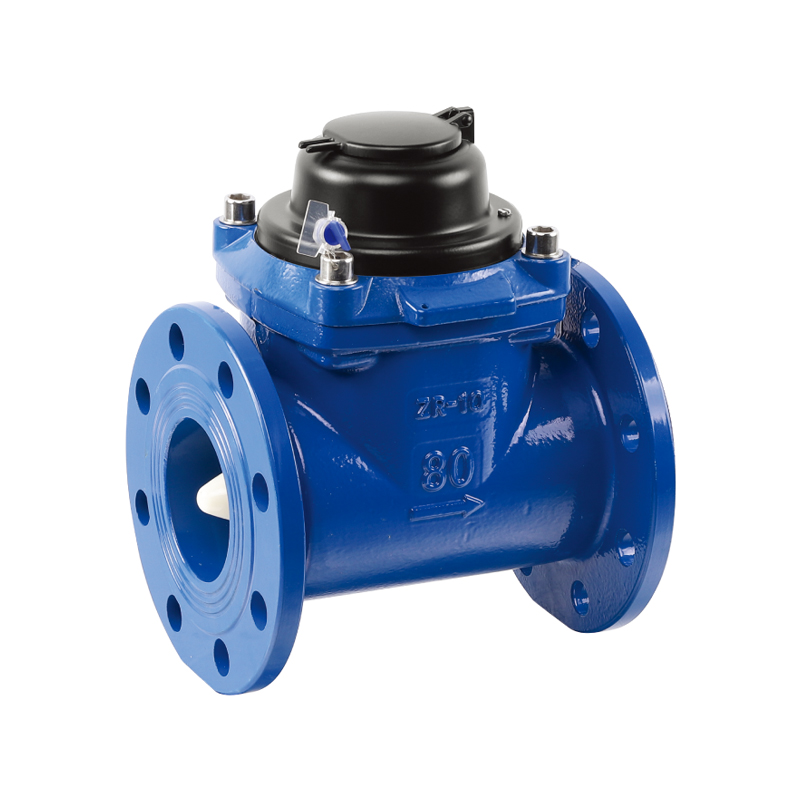
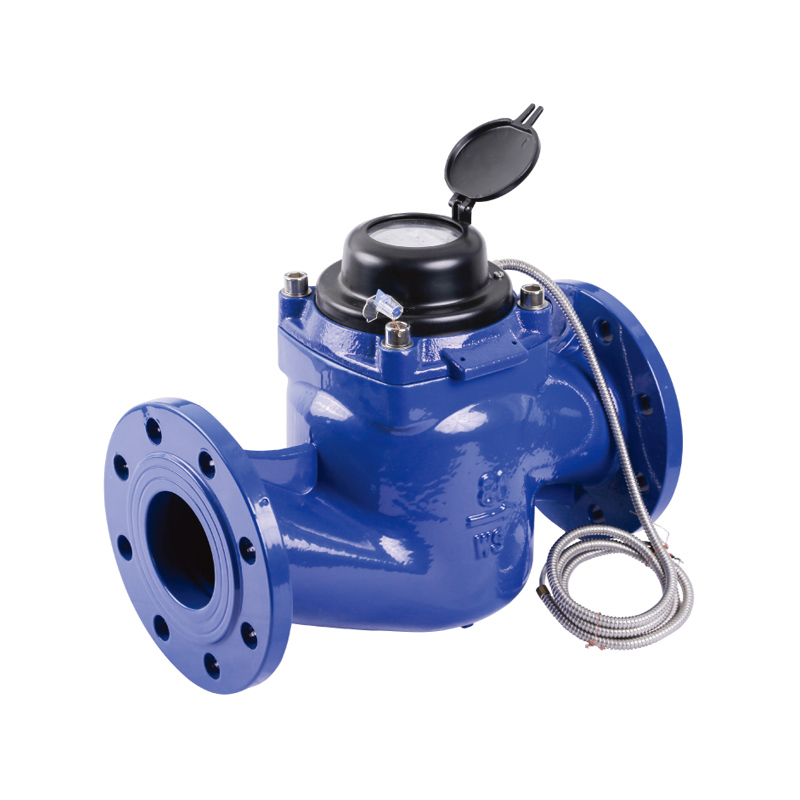
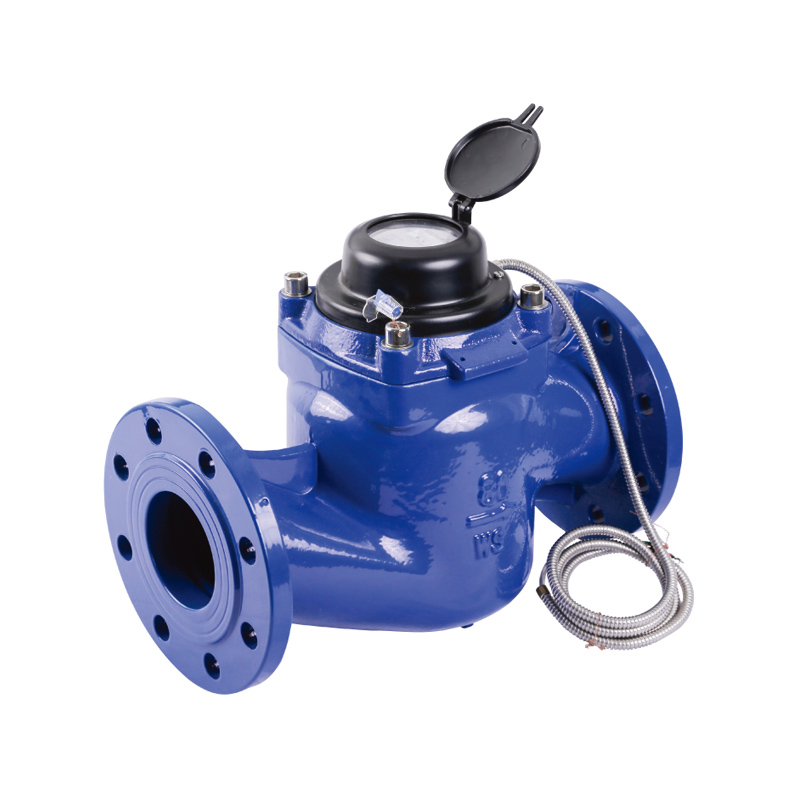 Industrial Remote Directly Reading WoltmanRegister may rotate more than 360 degree for easily reading in any position; application in commercial, institutional place.View Product →
| Leak location | Common symptom | First response |
|---|---|---|
| Main service line | Meter runs with all fixtures off; wet patch in yard | Pressure test and locate before excavating |
| Irrigation zone | One zone uses water when controller is off | Close zone valves one by one and watch meter |
| Pool auto-fill | Pool stays full but bill rises | Shut off auto-fill for 24 hours and compare level |
| Water softener | Regeneration runs too often or continuously | Check cycle settings and drain line flow |
| Reverse osmosis | Constant drain trickle under sink | Measure product and drain ratios |
Large properties add another layer of complexity. A commercial building, hotel, school, or irrigation district may have multiple meters, submeters, and pressure zones. A single failing valve on a cooling tower or landscape line can look like a general increase in consumption because the master meter sees only the total. Industrial remote-reading bulk meters and district metering help divide the system into measurable zones. When one zone's night flow rises, maintenance teams know where to look without shutting down the entire property.
Outdoor water use is the most common reason a bill rises in spring and summer without any change indoors. A single irrigation zone can use 10 to 20 gallons per minute. If a valve sticks open for two hours, that is 1,200 to 2,400 gallons in one afternoon. If a controller runs an extra cycle because of a power surge or a mis-set schedule, the increase repeats every week.
Pools, spas, and decorative fountains add evaporation and backwash losses. A pool that loses one inch of water per day may be evaporating normally, or it may be leaking through a light niche, skimmer, or return line. A pool auto-fill hides the loss completely because it replaces water automatically. The water bill becomes the only visible symptom.
The chart above is not a billing formula. It is a priority order. When a bill doubles, start with the highest-impact causes. Habits such as longer showers or extra laundry rarely double a bill on their own unless occupancy changed at the same time. A leaking toilet or irrigation valve can.
Habits matter, but they usually produce gradual changes rather than sudden spikes. A family that adds two teenagers, a home office, or a new hot tub will see higher consumption. A leaking appliance, old washing machine, or pressure-reducing valve failure can also increase use without a dramatic event.
Consider the water cost of common actions. A ten-minute shower with an older head can use 25 to 50 gallons. A top-load washer uses 30 to 45 gallons per load. A dishwasher cycle uses 6 to 15 gallons. A reverse osmosis system can send 3 to 5 gallons to drain for every gallon produced. None of these are problems by themselves, but together they explain why two identical houses can have very different bills.
| Use | Typical range | Warning sign |
|---|---|---|
| Shower | 25 to 50 gallons per 10 minutes | Longer showers or a stuck diverter |
| Toilet flush | 1.6 to 3.5 gallons per flush | Multiple flushes or continuous fill |
| Washing machine | 30 to 45 gallons per load | More loads or a stuck water-level sensor |
| Dishwasher | 6 to 15 gallons per cycle | Extra rinse cycles or a leaking door seal |
| Reverse osmosis | 3 to 5 gallons drain per gallon made | Continuous drain flow |
If the meter shows no leak and the bill still rises, compare the current period with the same period last year. Weather, guests, pool filling, and landscaping can explain seasonal differences. If usage is higher in every month, the cause is likely a permanent change in equipment or occupancy.
A high bill is not always caused by more water use. It can also be caused by how water is measured, priced, and allocated. Tiered rates, seasonal rates, minimum charges, and shared master meters all change the final number. A small leak in a building with a master meter may be split across dozens of tenants, so no one feels the full cost. A single-family home with a tiered rate may cross into the highest tier after only a few thousand extra gallons.
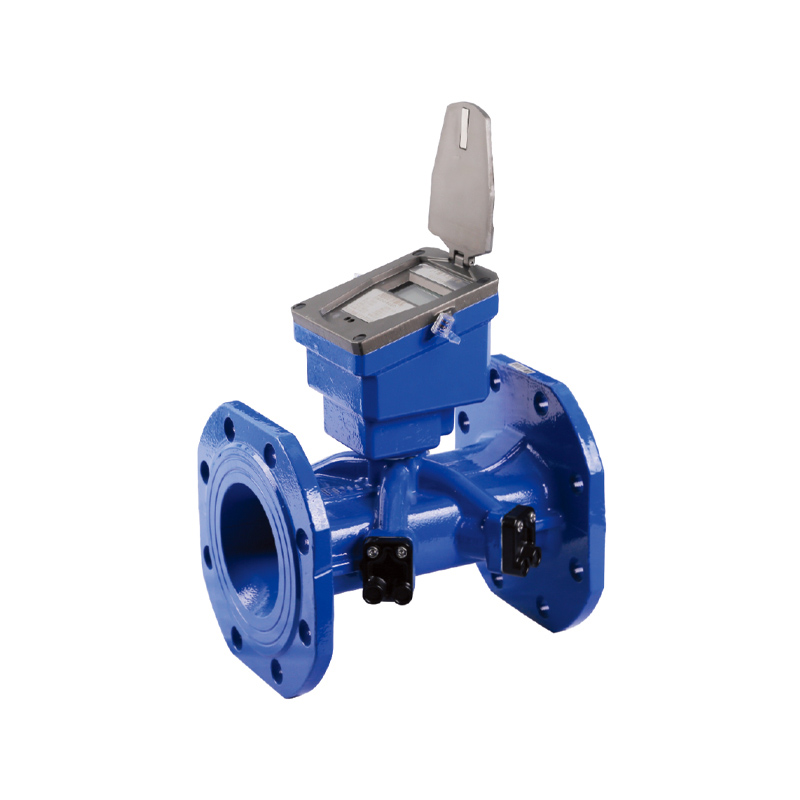
Meter accuracy also matters. Mechanical meters can lose low-flow sensitivity as they age, especially when water contains sand, iron, or high mineral content. A meter that under-registers low flow can hide a small continuous leak, while a meter that over-registers can create disputes. Modern ultrasonic meters and high-accuracy mechanical meters are designed to capture low flow rates more consistently. That matters because a running toilet or a dripping valve often sits exactly in the low-flow range that older meters miss.
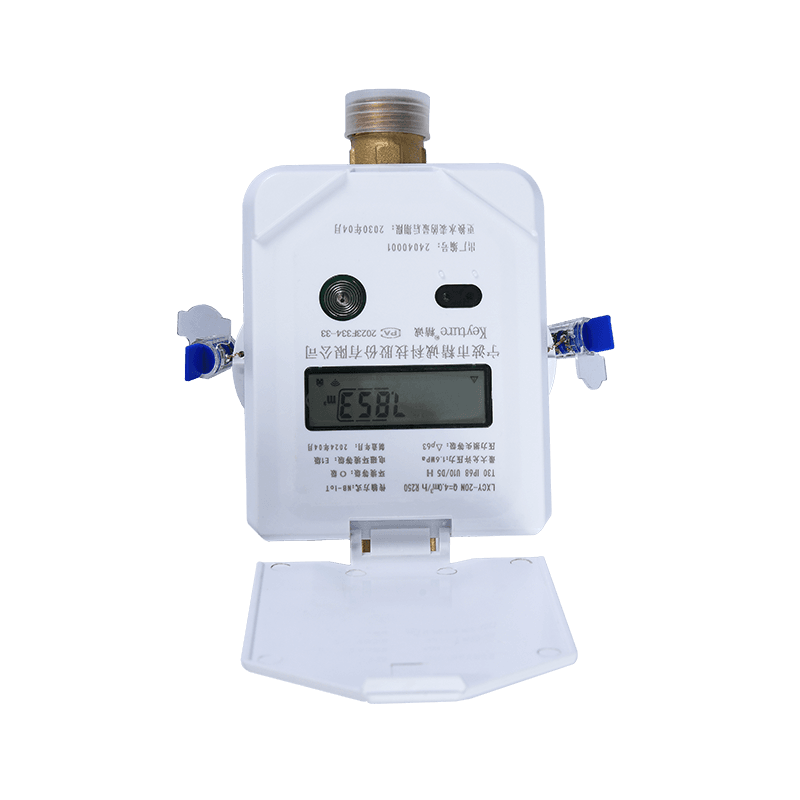 Domestic Ultrasonic Water Meter Dn15~Dn25Ultrasonic remote water meter is combined flow sensor with microprocessor, and adopts advanced ultrasonic measurement technology for measuring the water consumption. L...View Product →
For utilities, property owners, and project teams, the metering choice should match the risk. A shared master meter is simple, but it cannot tell you which unit has a running toilet. Individual meters with remote reading can. A bulk meter on a main line is appropriate for irrigation or commercial flow, but it will not catch a single dripping fixture inside a building. Mixed portfolios often need a mix of technologies, which is why water metering solutions usually start with a measurement plan rather than a product list.
From a manufacturing standpoint, three specifications deserve attention when high bills are a recurring problem. First, low-flow accuracy: a meter should register small continuous flows reliably. Second, communication: pulse, RS485, M-Bus, LoRaWAN, NB-IoT, and wireless remote options allow night-flow alarms and remote reads. Third, durability: IP68 protection, corrosion-resistant materials, and replaceable registers reduce maintenance over time. These features do not change the cause of a high bill, but they make the cause visible much sooner.
Use a strict sequence. Random checking wastes time and can miss the largest leak. The goal is to separate continuous flow from intermittent flow and indoor use from outdoor use.
If the leak indicator moves and the main valve is closed, the problem is on the service line. That is a professional repair, not a DIY adjustment. If the indicator is still and the bill is high, the issue may be meter accuracy, rate structure, or a change in use that occurred during the billing period.
Different properties need different meters. The right choice depends on whether the goal is household billing, tenant monitoring, irrigation control, or large-line measurement.
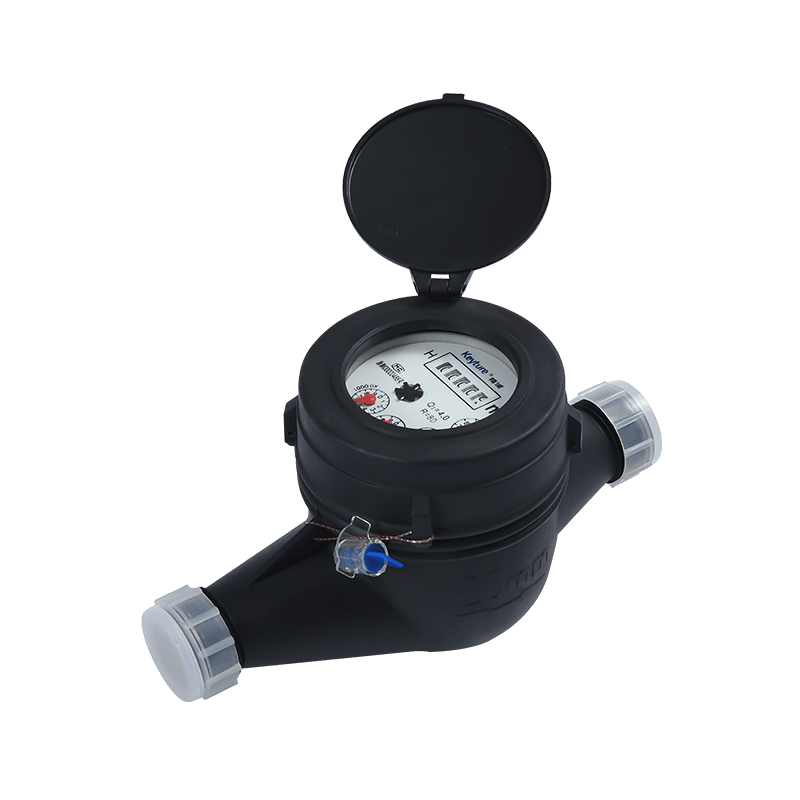
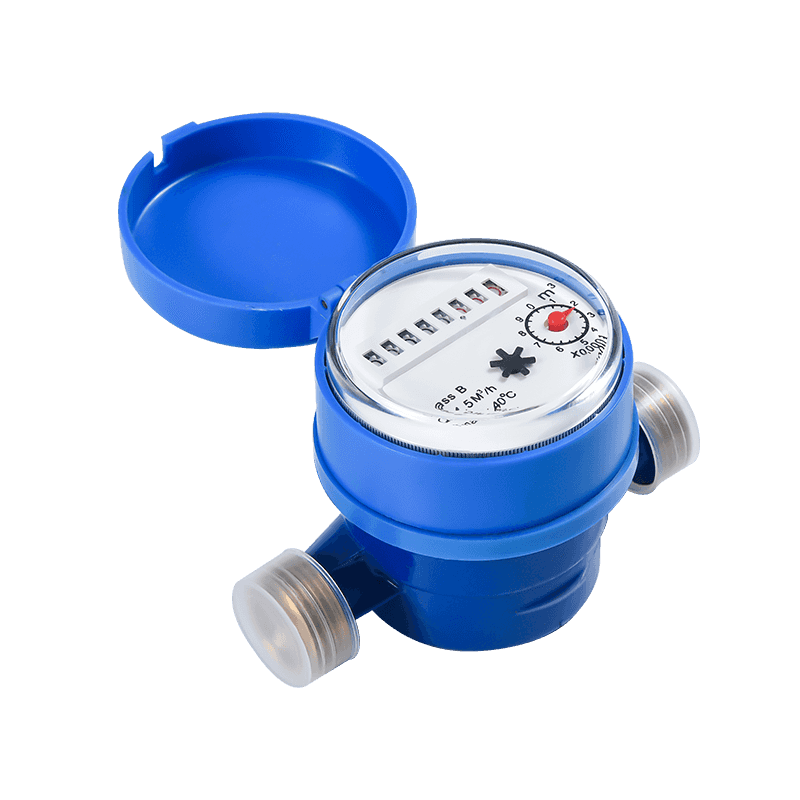
Reliable and cost-effective for standard household billing. Multi-jet and single-jet designs handle cold and hot water, while rotary piston models offer strong low-flow accuracy for small lines.
No moving parts in the measurement path, stable low-flow performance, and good long-term consistency. Useful where sand, minerals, or wear reduce mechanical accuracy.
Allow routine reads without entering a property and can flag continuous night flow. IP68 and valve-control versions support difficult pit, outdoor, and prepaid installations.
Built for main lines, commercial buildings, irrigation systems, and industrial flow. Remote direct-reading versions help divide large systems into measurable zones.
Useful for apartments, rentals, and shared facilities where arrears and uncontrolled use are recurring issues. IC card, RF card, STS, and valve-control options are available.
304 stainless steel bodies and sanitary designs suit drinking water, purified water, and sensitive supply lines where material quality is part of the specification.
No meter can stop a running toilet. But the right meter can shorten the time between the leak and the repair. A remote-reading meter that reports night flow, a low-flow-accurate meter that registers a dripping valve, or a bulk meter that isolates an irrigation zone all turn water loss into actionable data.
A running toilet is the most common single cause. It can waste 100 to 200 gallons per day without making an obvious sound. Hidden service line leaks and irrigation faults are the next most common causes.
Yes. A slow flapper leak can add thousands of gallons per month. If the household is already near a tier boundary, the extra volume may be charged at a much higher rate.
Shut off the main valve inside the building and watch the meter. If the leak indicator stops, the leak is inside. If it continues, the leak is between the meter and the building, or on an outdoor line that bypasses the indoor shutoff.
Yes. A softener that regenerates too often or has a stuck drain line can use extra water every day. Check the regeneration schedule, salt level, and drain flow.
Check rate changes, seasonal irrigation, occupancy changes, pool filling, and appliance use. Also confirm that the meter was read correctly and that the billing period matches the usage period.
They do not repair leaks, but they make leaks visible sooner. Remote-reading and ultrasonic meters can provide frequent usage data, night-flow alerts, and more consistent low-flow measurement.
High bills are easier to manage when checks are scheduled. A simple calendar prevents small losses from becoming annual budget items.
For larger properties, the calendar should include night-flow reviews. Between 2 a.m. and 4 a.m., legitimate water use should be close to zero in most residential buildings. If the meter still shows steady flow, a toilet, valve, or underground line is likely active. That single check often finds the cause before tenants or managers notice the bill.
The most important takeaway is practical: the biggest driver is usually continuous flow, not everyday use. A toilet that runs, a valve that will not close, or a line that leaks underground will almost always outrank showers, laundry, and dishwashing. Find continuous flow first. Then check intermittent outdoor use. Then review habits and billing structure. With accurate metering and a regular inspection routine, a high water bill becomes a solvable measurement problem rather than a monthly mystery.
prevNo next article
nextWhat Is a Water Meter? Types, Working Principles, Selection, and Smart Metering Guide


Address: No.168,LinMu Rd.,Zone B, Jiangbei investment Park, Ningbo, Zhejiang,China
Tel: +86-0574-83090480/+86-18892665118
Fax: +86-0574-83021045
Email: [email protected]
Web: https://www.keyturemeter.com/
Quick Links
Product
Mobile terminal
 Wholesale Potable Water Flow Meter Manufacturers