English
 Español


Most water meter problems are not mysterious. Whether you manage a rental building, run a small factory, or simply track your household consumption, the same pattern shows up again and again: a water bill that does not match actual usage, a display that behaves strangely, or a meter that hums and clicks in the night. The root cause is usually one of five things: mechanical wear, poor water quality, bad installation, pressure surges, or a failing electronic module. Understanding the root cause before you replace anything is the first step toward a reliable fix.
Utility operators and property teams often ask us what they should inspect first. The answer is consistency. A healthy meter gives repeatable readings across the same flow. Any deviation that cannot be explained by a real change in consumption should be treated as a red flag.
Faults rarely appear without warning. The following six symptoms are the ones we see most often in field service reports and meter shop inspections.
If water usage in the building has not changed but the bill jumps by 20 percent or more, the meter may be over-registering. A failing mechanism can spin faster at low flow, adding phantom volume to the account.
Physical damage allows moisture to enter the chamber. Once condensation appears inside the window, the register becomes hard to read and the internal parts start to corrode.
Water on the floor or on the pipe threads near the meter is never normal. A leaking meter can waste thousands of litres a month and is often the first sign of a cracked measuring chamber.
On electronic and remote-read meters, flickering digits, blank screens, or random resets point to battery problems, loose connectors, or damaged circuit boards.
A hissing sound suggests air in the line, while a rhythmic clicking or grinding noise often means the impeller is hitting a distorted gear or bearing.
When every tap in the building runs weak and the pressure gauge moves randomly, partially blocked strainers or a seized meter mechanism may be restricting flow.
One warning sign alone may not prove a fault. Two or more symptoms appearing at the same time, however, make the case much stronger.
Water meters are mechanical devices that live in a harsh environment. They are exposed to fluctuating pressure, temperature changes, dirt, and dissolved minerals all day. In our engineering experience, most failures can be traced to a small set of root causes.
Not every cause is visible from the outside. That is why a complete diagnosis should look at the installation layout, the water chemistry, and the meter's service history together.
Different metering principles fail in different ways. The table below summarises the faults we encounter most on each major product category, along with useful clues for identification.
| Meter type | Typical fault | Clue to look for |
|---|---|---|
| Multi-jet mechanical | Under-registration at low flow | Dishwasher or toilet fills normally but the bill is lower than expected |
| Single-jet mechanical | Impeller wear and dirt sensitivity | Whistling sound or slow reading after pipe repairs |
| Volumetric / rotary piston | Piston jamming | Water stops registering completely even though taps work |
| Woltman / bulk | Bearing wear and gearbox damage | Large-consumption sites show falling accuracy over time |
| Wireless remote type | Battery drain or antenna breakage | Meter is readable on the dial but no data arrives at the collector |
| Prepaid smart meters | Valve control failure or card read error | Credit remains on the card but the valve stays closed |
| Ultrasonic | Sensor fouling or air bubbles in the pipe | Error code appears during night-time low consumption |
| Electromagnetic | Electrode coating or grounding issue | Reading drifts when nearby pumps start or stop |
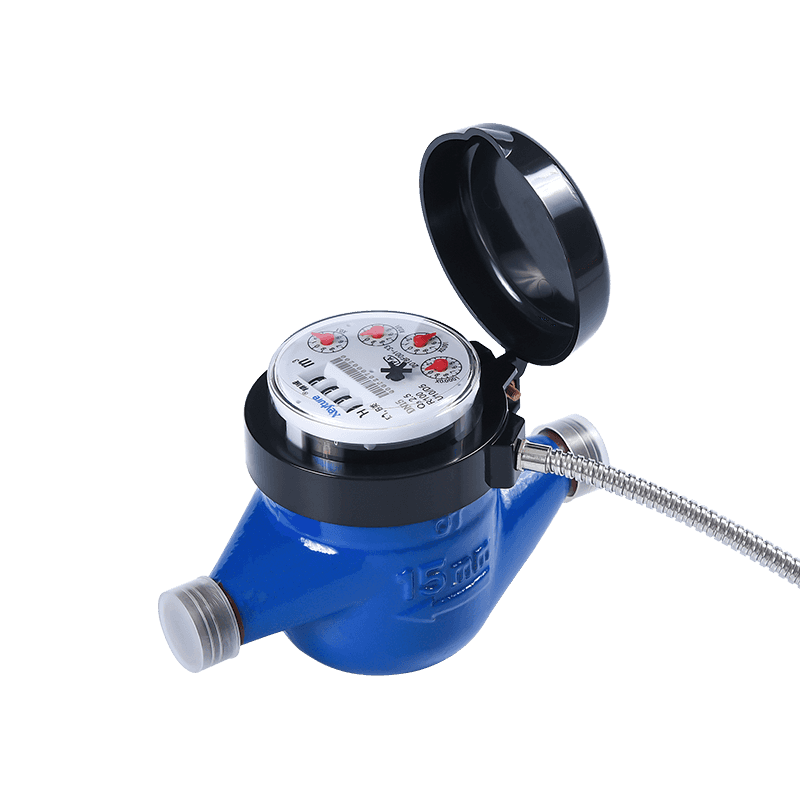
Multi-jet dry-dial meters remain the most common household choice because they tolerate normal residential water quality and still provide a clear register. When they do under-register, the strainer and gear alignment should be the first items to check.
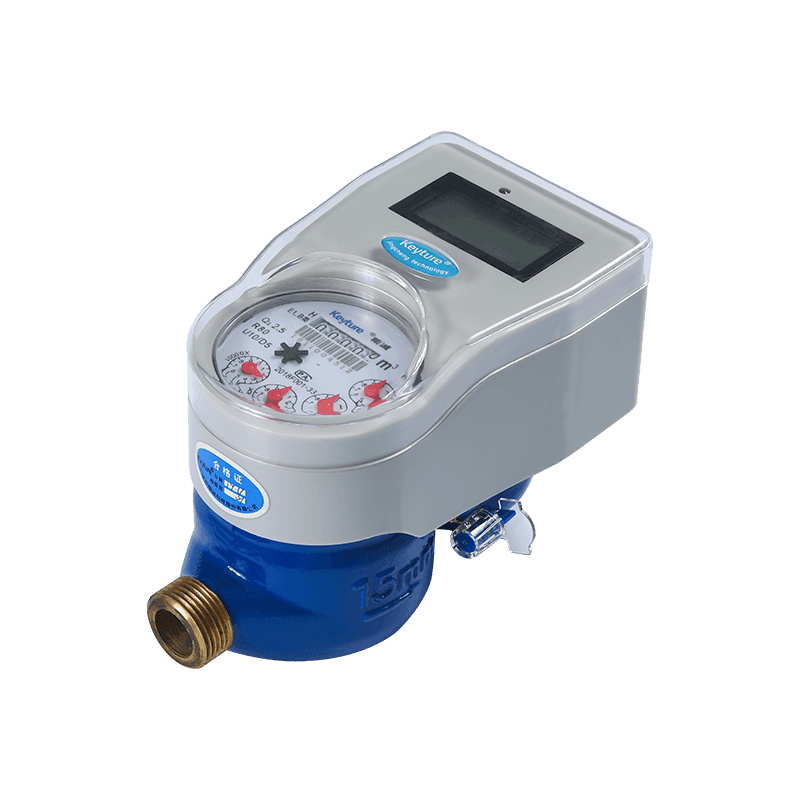
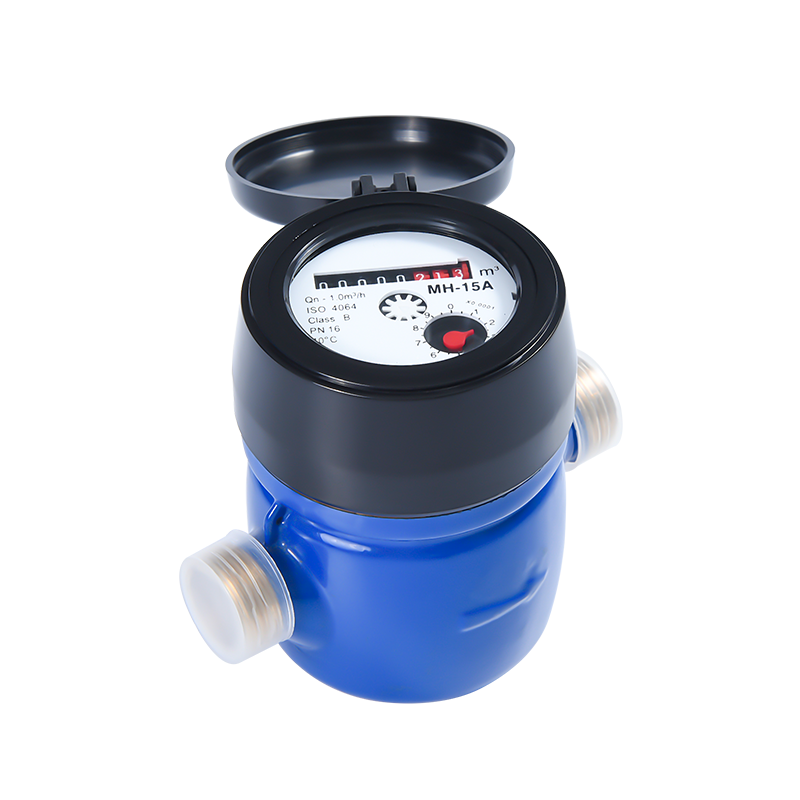
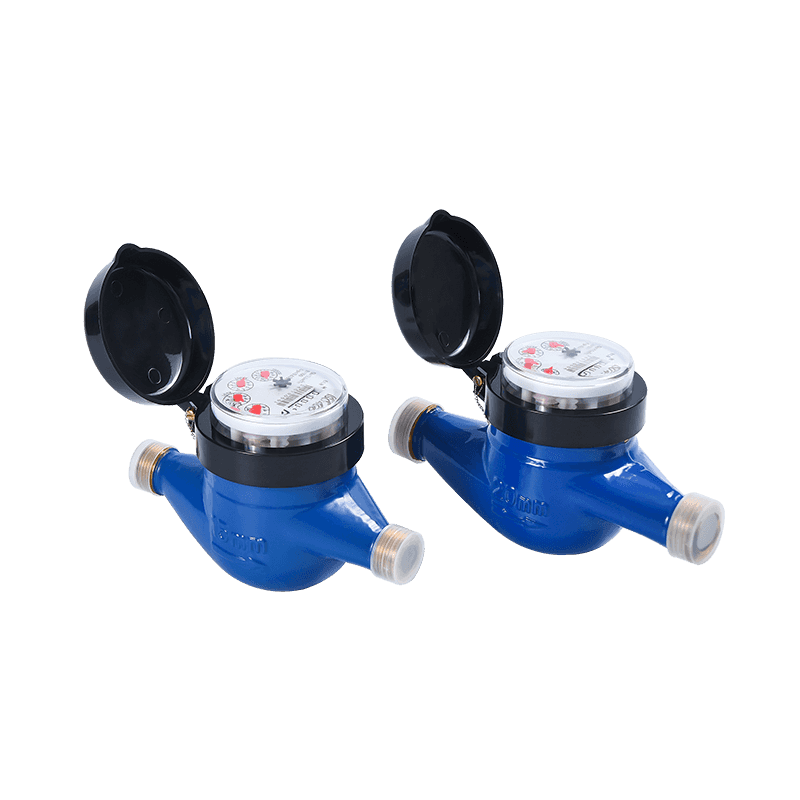 Domestic Multi Jet Dry Dial Cold Water Meter with Brass BodyA common residential choice when under-registration appears; the strainer and gear alignment are the first items to inspect, so this meter's dry register and multi-jet design help clarify typical fault points.View Product →
For larger distribution networks or industrial lines, the same care is needed to keep the measuring chamber clean and the register dry.
You do not need a test bench to narrow down the fault. A few simple checks can separate a bad meter from a plumbing leak.
If the meter fails the reference test at two different flow rates, the measuring element is almost certainly damaged. In that case, a repair or exchange is more efficient than repeated calibration attempts.
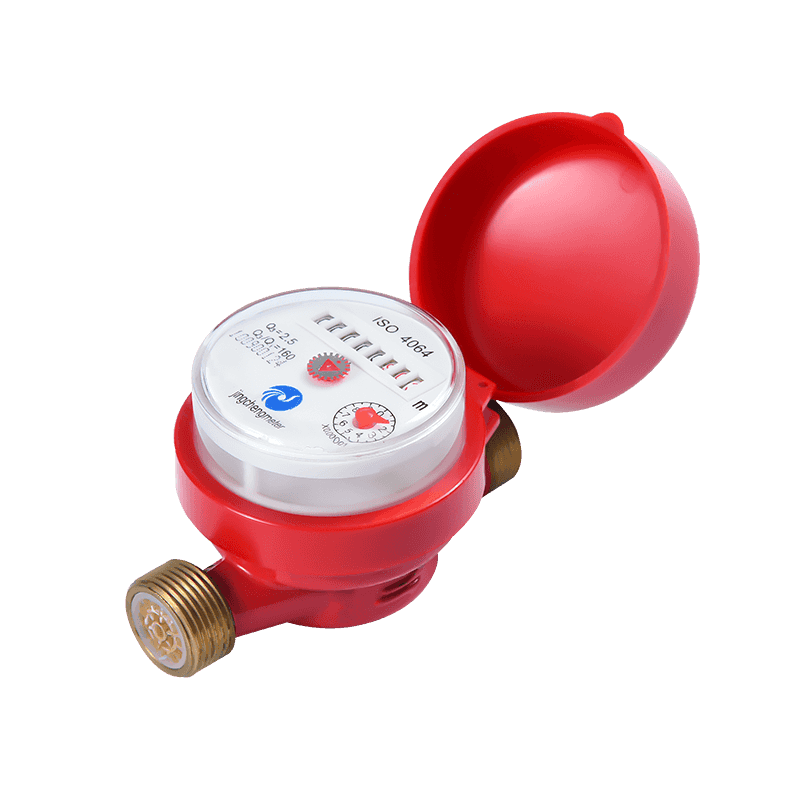
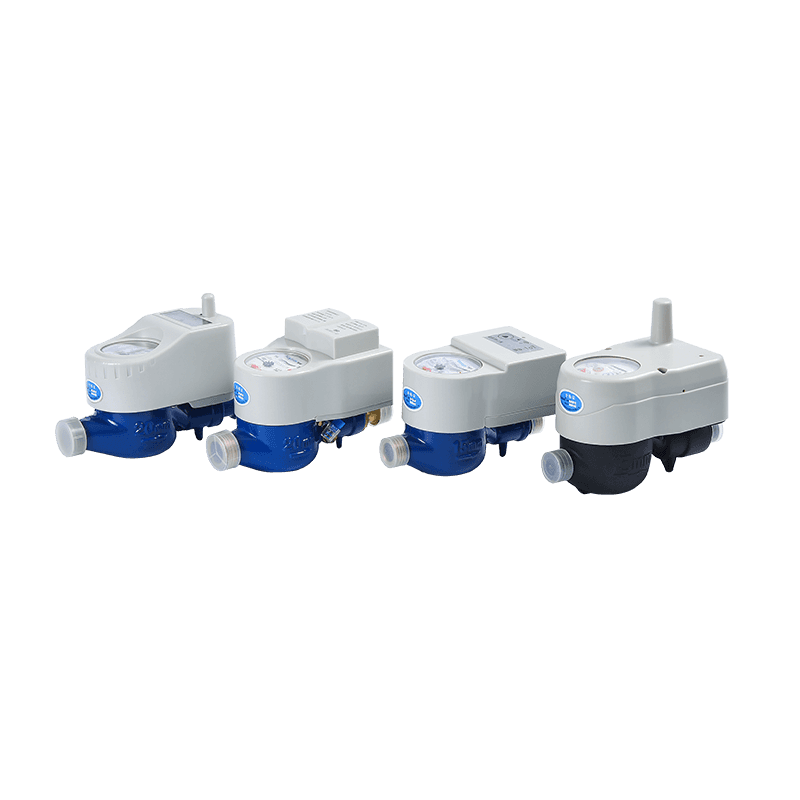 Wireless Remote Wet Type Water Meter with NB-IoT/LoRaWhen a meter fails reference tests at two flow rates, the measuring element is likely damaged. This split-design meter allows easy module replacement, making it a practical option before considering a full swap.View Product →
The decision to repair or swap out a water meter comes down to remaining service life, accuracy class, and replacement cost. A meter that is less than eight years old and only has a clogged strainer is usually worth repairing. Once the register module is worn or the measuring chamber is cracked, total replacement often makes more economic sense.
Bulk water meters installed on supply mains are the most expensive type to excavate and exchange. A careful inspection of bearing play and gearbox wear should be done before scheduling a replacement. For these applications, our engineers usually recommend replacing the meter when the cost of a repair bench test exceeds 30 percent of a new unit price.
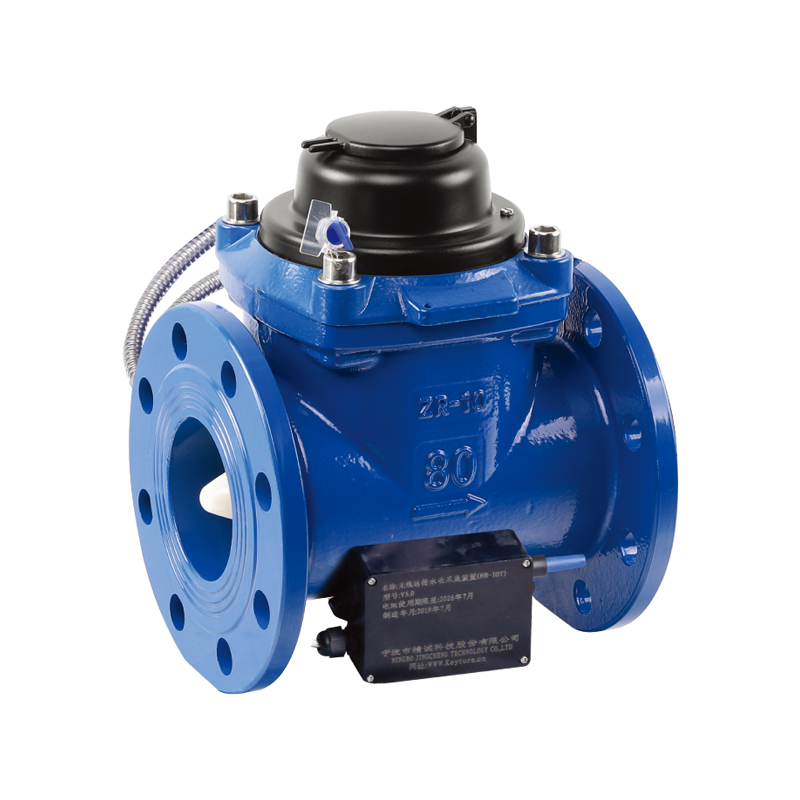
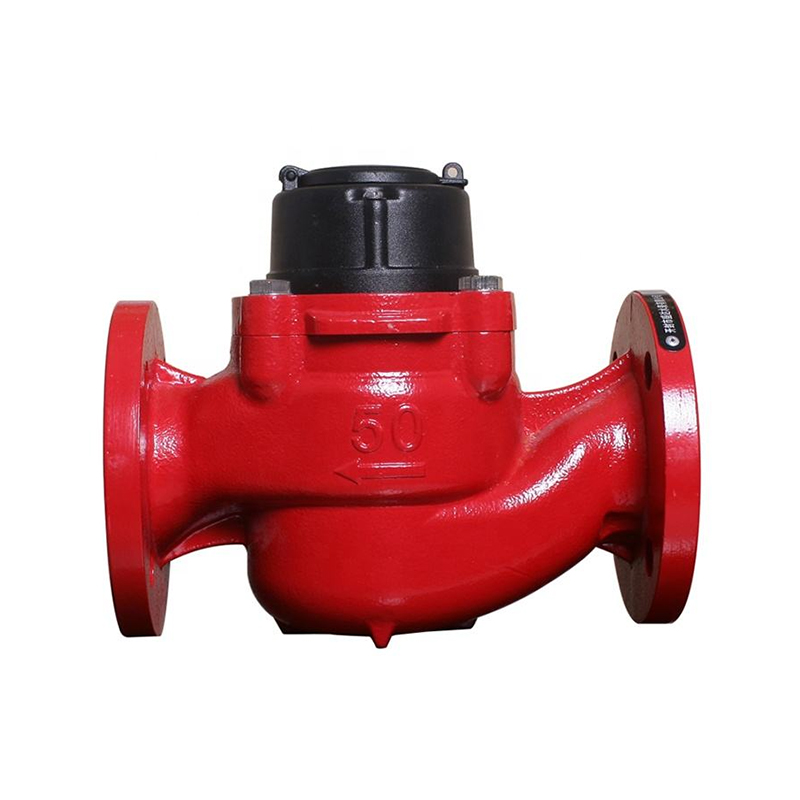 Vertical Flange Woltman Water Meter for Mains and IrrigationFor expensive bulk meters on supply mains, inspecting bearing play and gearbox wear is key. This vertical unit's direct-drive impeller and removable measuring movement simplify maintenance and help avoid costly emergency replacements.View Product →
Preventative maintenance is much cheaper than emergency replacement. Experience across thousands of installed meters shows that the cause distribution below repeats itself on most residential and commercial networks.
This chart is illustrative and based on the return inspection records we see from export projects in Asia, Africa, and Europe. The exact proportions vary with water quality and installation quality, but mechanical wear and scaling are consistently the top two causes.
When replacing a meter after a failure, choose a model with replaceable register and strainer so future maintenance stays cheap and fast.
Do a 60-minute isolation test: close all fittings and valves, note the register reading, then read it again after one hour. If the register moves while no water is being used, there is either a hidden leak or the meter is over-registering. Repeating the test with a 20-litre container at two different tap flow rates tells you whether the measuring accuracy is still within the required tolerance.
Self-rotation is usually caused by air pockets in the pipe, pressure pulses from water hammer, or a leaking check valve downstream. The impeller keeps moving even though no water truly passes through the system. A non-return valve and proper air release help solve this condition.
Guidelines commonly state 6 to 10 years for a cold-water mechanical meter and 4 to 6 years for hot-water or smart meters with batteries. In clean water with stable pressure, some mechanical meters have lasted 12 years, but certification periods are set by local regulations, not by the physical meter alone.
Yes. Continuous pressure above the meter's nominal class, or repeated pressure spikes, can deform the measuring chamber and crack the register gear train. A pressure-reducing valve upstream of the meter protects both the meter and the household plumbing.
Smart meters add electronic failure modes such as battery and antenna faults, but the mechanical measuring element is no less robust. The advantage is that a smart meter shows tamper flags, reverse flow, and day-night consumption data that help diagnose a problem quickly. Our practical view is that reliability depends more on installation and water quality than on the meter type alone.
Water meter problems are easier to manage when you know which symptoms to track and which parts are likely to wear out. A clear diagnosis, backed by a simple flow test and regular checks, lets you save water, reduce billing disputes, and avoid emergency excavation work. If you are unsure about a meter fault, a quick inspection by a qualified technician or a bench test at a meter shop will always give a more accurate answer than guessing.
prevNo next article
nextHow Does a Residential Water Meter Work? A Complete Guide to Home Water Metering


Address: No.168,LinMu Rd.,Zone B, Jiangbei investment Park, Ningbo, Zhejiang,China
Tel: +86-0574-83090480/+86-18892665118
Fax: +86-0574-83021045
Email: [email protected]
Web: https://www.keyturemeter.com/
Quick Links
Product
Mobile terminal
 Wholesale Potable Water Flow Meter Manufacturers