English
 Español
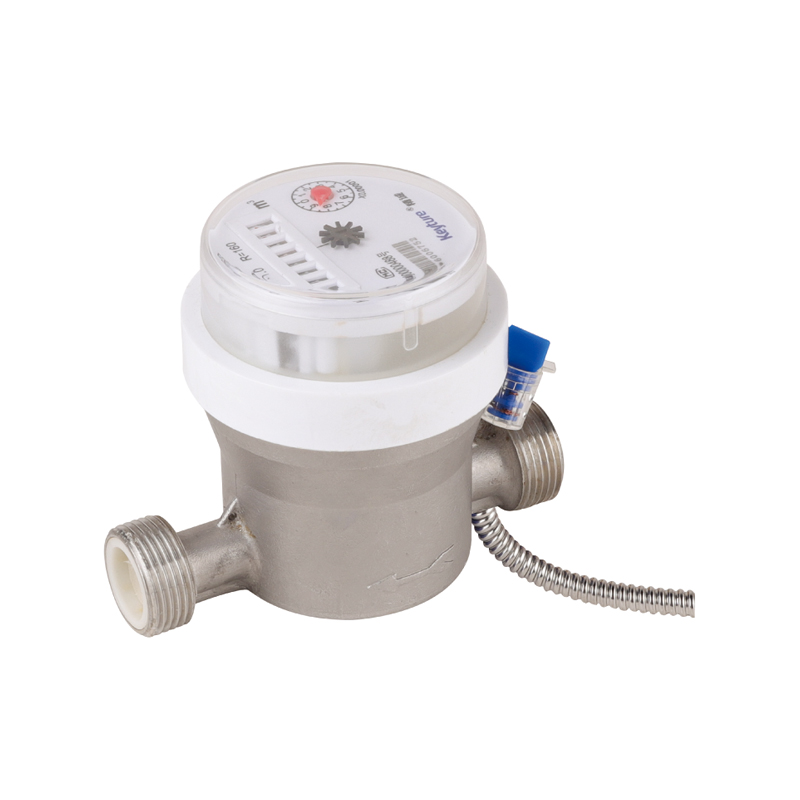


In the rapidly evolving landscape of Smart Water Management, selecting the appropriate metering technology is a critical decision for utility companies and property managers aiming to reduce Non-Revenue Water (NRW) and enhance operational efficiency. Current prepaid water meter solutions primarily branch into three technical paths: Ultrasonic Water Meter, Radio Frequency (RF) Card Water Meter, and Mechanical Water Meter.
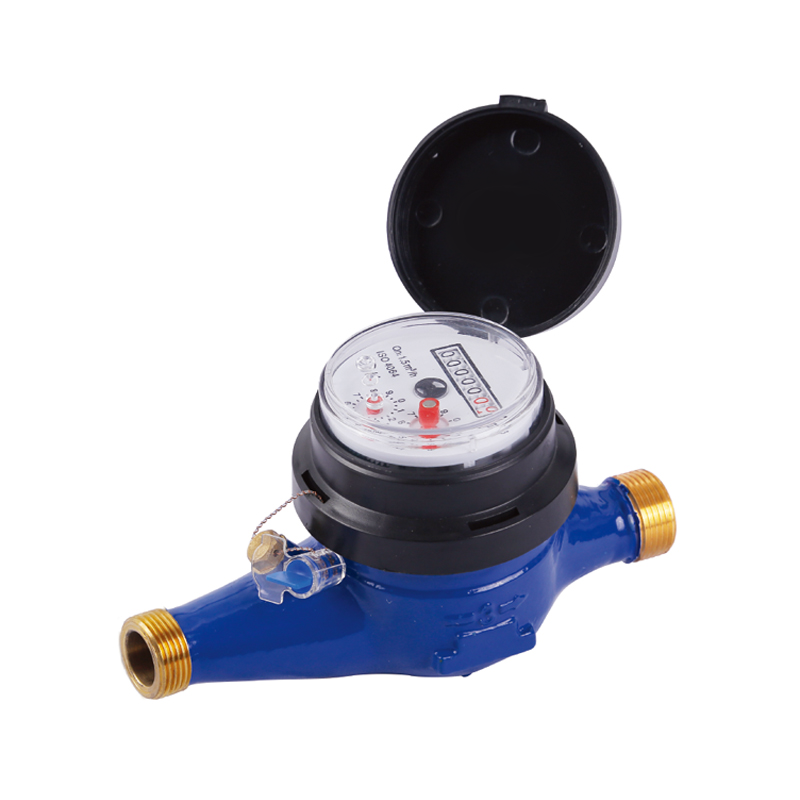
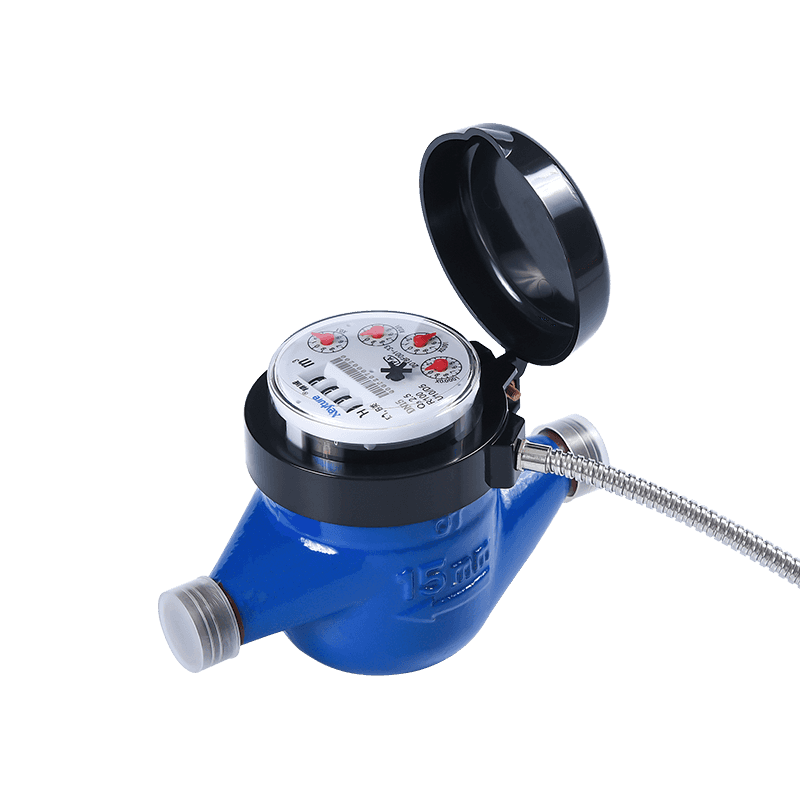
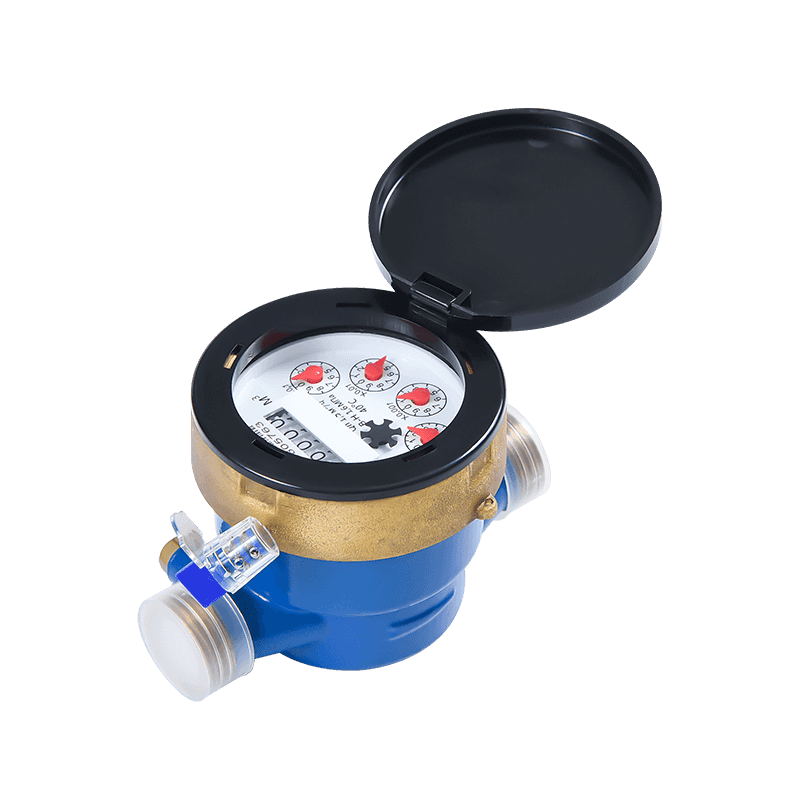
The Mechanical Water Meter utilizes the most established multi-jet or single-jet impeller structure. Its operating principle involves the physical flow of water driving an impeller, which then moves a gear reduction mechanism to trigger the counter.
For prepaid functionality, these meters are typically equipped with an electronic controller and an Electric Ball Valve. While the Initial Cost is low and the technology is highly resistant to electromagnetic interference, it faces significant challenges regarding mechanical wear. Over time, the Accuracy inevitably declines as the internal components degrade. Furthermore, the Starting Flow is relatively high, meaning micro-leaks often go undetected by the physical gears.
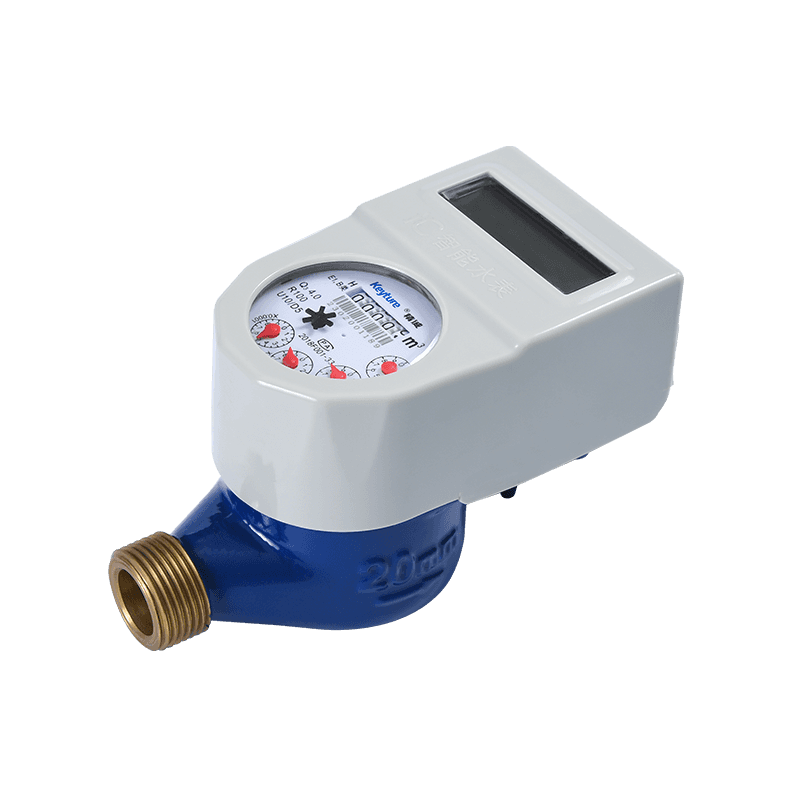
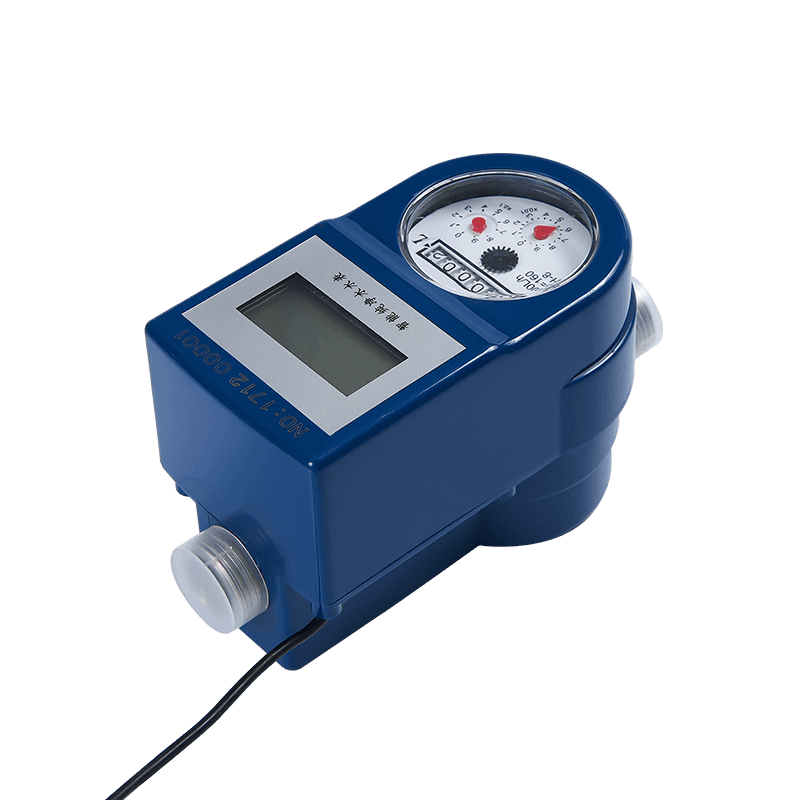
The RF Card Water Meter is an evolution of the mechanical meter, integrating a wireless radio frequency read-write module. This system relies on a physical card—often using Mifare or NFC technology—which the user tops up at a vending point and then taps against the meter to transfer credit and open the valve.
This model effectively eliminates the risk of bad debt and the need for manual meter reading. However, it remains a "semi-online" or "offline" system. Utilities lack real-time visibility into consumption patterns or device health. If Magnetic Interference occurs or the battery fails between card swipes, the management system remains unaware of the fault, leading to delayed maintenance and potential water loss.
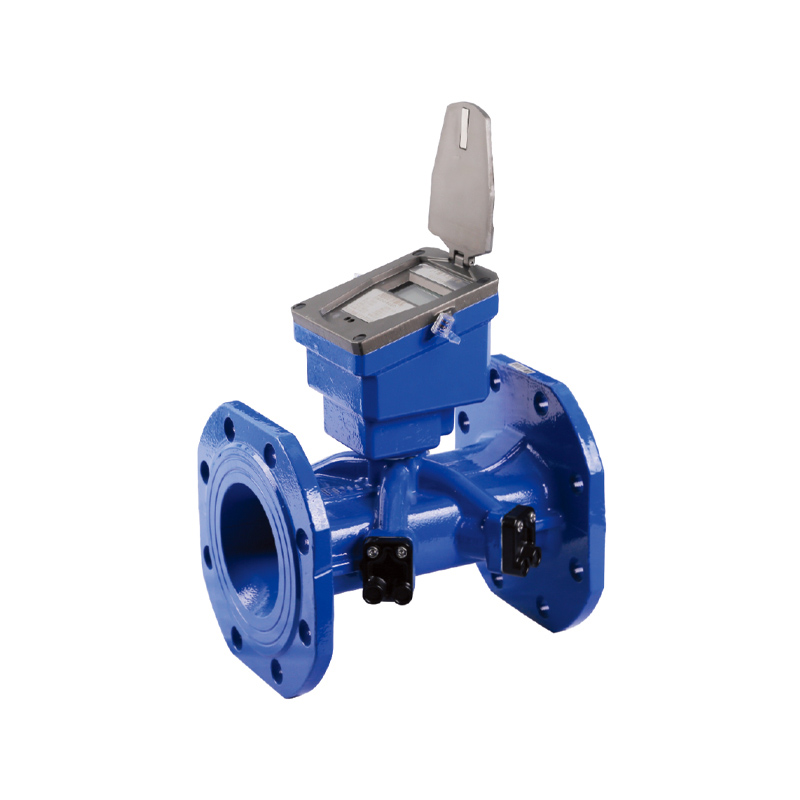
The Ultrasonic Water Meter represents the cutting edge of flow measurement, featuring no moving parts within the flow sensor. It operates based on the Transit-time difference method, where ultrasonic signals are sent upstream and downstream to calculate velocity with extreme precision.
The core advantages of this technology include a high Turndown Ratio (R value), allowing it to detect even the smallest trickles of water. Because the flow path is unobstructed, it results in Zero Pressure Loss, reducing the energy required for pumping across the network. Most importantly, its Stability ensures that accuracy remains constant over a 10+ year lifespan. These meters are natively designed for IoT integration, supporting NB-IoT and LoRaWAN for real-time data transmission and remote Leakage Detection.
| Feature | Mechanical Prepaid | RF Card Meter | Ultrasonic Meter |
| Measurement Principle | Mechanical Impeller | Mechanical + RF Module | Ultrasonic Time-of-flight |
| Starting Flow | High (15-30 L/h) | High (15-25 L/h) | Very Low (2-5 L/h) |
| Pressure Loss | Significant | Significant | Negligible |
| Data Interaction | Offline | Offline/Manual Card | Fully Online (IoT) |
| Anti-Tamper Ability | Low | Medium | High (Electronic Sensors) |
| Maintenance Cost | High | Medium | Low (No moving parts) |
While Mechanical Water Meters and RF Card Water Meters serve specific budgetary or offline needs, the Ultrasonic Water Meter is becoming the industry standard for Smart City projects. Its ability to provide Long Life and High Precision offers a superior Return on Investment (ROI) by minimizing Maintenance Costs and maximizing revenue through precise billing.
prevSmart Water Security: How NB-IoT Prepaid Water Meters Ensure Emergency Supply During Network Outages
nextWhat are the advantages and challenges of using ultrasonic water meters for heat metering


Address: No.168,LinMu Rd.,Zone B, Jiangbei investment Park, Ningbo, Zhejiang,China
Tel: +86-0574-83090480/+86-18892665118
Fax: +86-0574-83021045
Email: [email protected]
Web: https://www.keyturemeter.com/
Quick Links
Product
Mobile terminal
 Wholesale Potable Water Flow Meter Manufacturers