English
 Español
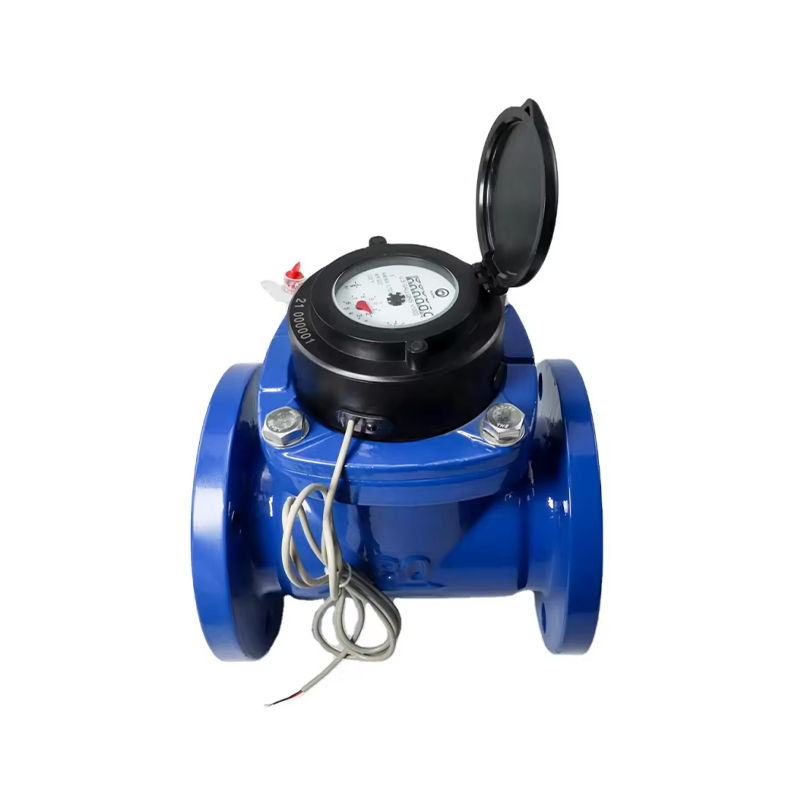


With the increasing importance of energy management, heat measurement has become a crucial aspect of heating systems. Traditional methods of heat measurement typically rely on mechanical water meters combined with temperature sensors. Ultrasonic heater water meters, as a new type of smart water meter, have gained significant popularity due to their unique technological advantages in precise flow measurement and integration with temperature sensors for accurate heat measurement. However, while they offer many benefits in heat measurement applications, there are also challenges that need to be addressed in their practical use.
One of the most significant advantages of ultrasonic heater water meters is their high-precision heat measurement capability. Traditional heat measurement methods rely on a combination of flow meters and temperature sensors, but ultrasonic heater water meters directly measure water flow using ultrasonic technology, combined with temperature sensors to calculate heat in real time. Ultrasonic technology provides highly accurate flow data, even in low-flow conditions, ensuring measurement accuracy. This high-precision measurement is crucial for energy management and optimizing energy use, particularly in complex heating systems. It allows real-time monitoring of users' energy consumption, helping managers optimize resource allocation.
Ultrasonic heater water meters have no mechanical moving parts, which provides them with a longer service life and lower maintenance costs compared to traditional mechanical water meters. Mechanical meters are often prone to inaccuracies due to wear and tear caused by waterborne debris or other factors. Ultrasonic meters, using electronic sensors and digital signal processing, effectively avoid such issues. The absence of moving parts also reduces wear and tear, significantly lowering maintenance frequency. For regions with complex operating environments and poor pipeline conditions, the durability and stability of ultrasonic heater water meters make them especially advantageous.
With the advancement of Internet of Things (IoT) technology, ultrasonic heater water meters now also come equipped with smart and remote monitoring capabilities. Using wireless transmission technology, these meters can upload real-time heat measurement data to cloud platforms or local servers for analysis and monitoring. This smart feature significantly improves data management efficiency and reduces the need for manual meter reading and maintenance. Users can monitor their energy consumption through mobile apps or computer interfaces, enabling precise energy-saving and efficiency management. Furthermore, remote monitoring allows for the timely detection of device faults or anomalies, preventing measurement errors caused by equipment malfunctions.
Although ultrasonic heater water meters offer high precision, their operation relies on the propagation of ultrasonic waves through water, which can be significantly impacted by water quality and environmental conditions. Air bubbles, suspended solids, and impurities in the water can interfere with the ultrasonic wave's path, leading to measurement errors. In industrial water systems or heating networks with high levels of impurities, water quality changes can affect the accuracy of ultrasonic water meters. As a result, in these environments, ultrasonic heater water meters may require additional filtration or water treatment systems to ensure stable operation.
Heat measurement relies not only on water flow but also on accurate temperature readings. Ultrasonic heater water meters need to measure water temperature precisely to calculate the heat energy accurately. However, in some heating systems, significant temperature fluctuations can affect the stability of ultrasonic sensors, especially in systems where water temperature changes drastically. While most ultrasonic water meters are equipped with temperature compensation features, extreme temperature variations may still influence measurement accuracy. Therefore, when using ultrasonic heater water meters, it is crucial to ensure that their temperature sensors can handle a wide range of temperatures, especially in cold climates, to avoid errors caused by temperature changes.
Although ultrasonic heater water meters offer long-term low maintenance and high precision, their initial investment is relatively high compared to traditional mechanical meters. The manufacturing and installation costs of ultrasonic water meters are more expensive. Additionally, ultrasonic water meters need to be integrated with other components in the heating system, such as temperature sensors and data transmission modules, which increases the complexity of installation and commissioning. For smaller heating systems with limited budgets, the cost factor may restrict the adoption of ultrasonic heater water meters.
The installation environment plays a significant role in the measurement accuracy of ultrasonic heater water meters. These meters require a stable pipeline environment to ensure accurate ultrasonic signal transmission. If the pipeline is subject to strong vibrations or turbulent flow, the path of ultrasonic waves may be disturbed, leading to inaccurate measurements. Therefore, when installing ultrasonic heater water meters, it is important to ensure that the pipeline environment meets the technical requirements of the meter. This may require additional adjustments or modifications to the pipeline in some existing heating systems.
prevSmart Water Metering Technology: Ultrasonic vs. RF vs. Mechanical Prepaid Water Meters
nextHow do ultrasonic water meters overcome the impact of water quality variations on measurement accuracy


Address: No.168,LinMu Rd.,Zone B, Jiangbei investment Park, Ningbo, Zhejiang,China
Tel: +86-0574-83090480/+86-18892665118
Fax: +86-0574-83021045
Email: [email protected]
Web: https://www.keyturemeter.com/
Quick Links
Product
Mobile terminal
 Wholesale Potable Water Flow Meter Manufacturers