English
 Español
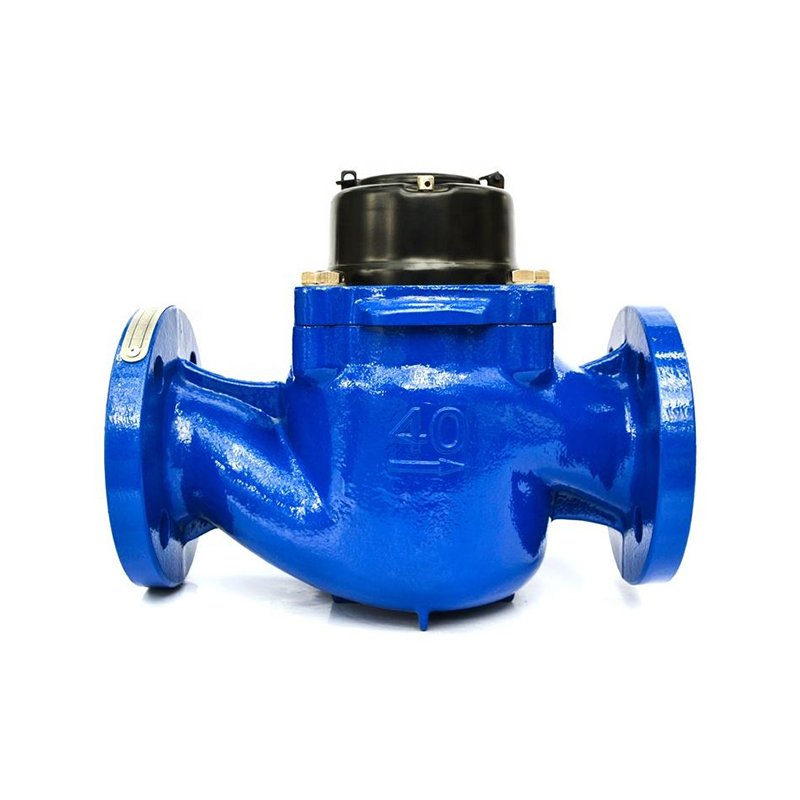


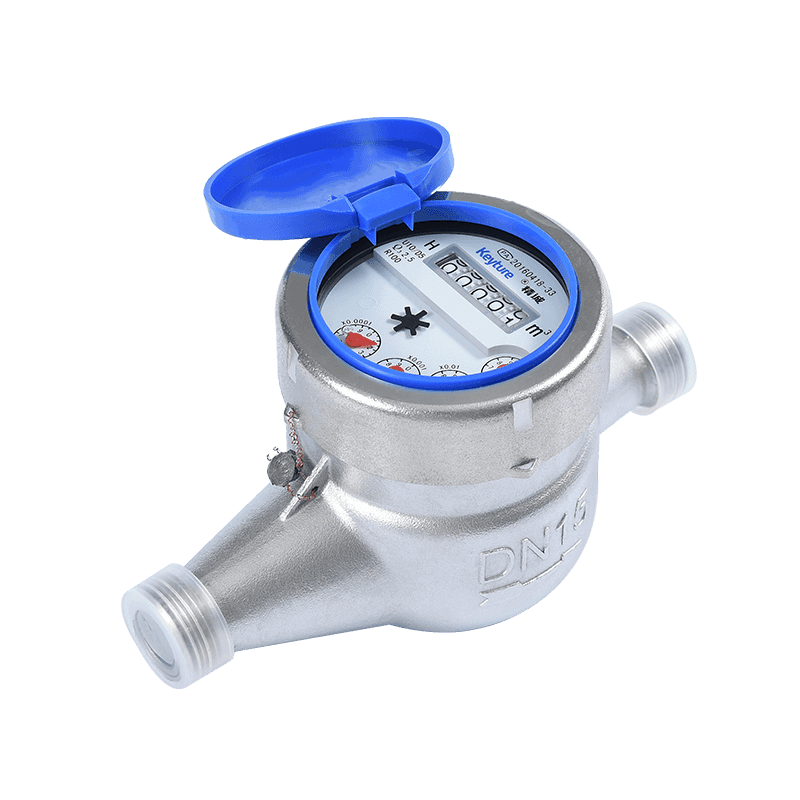
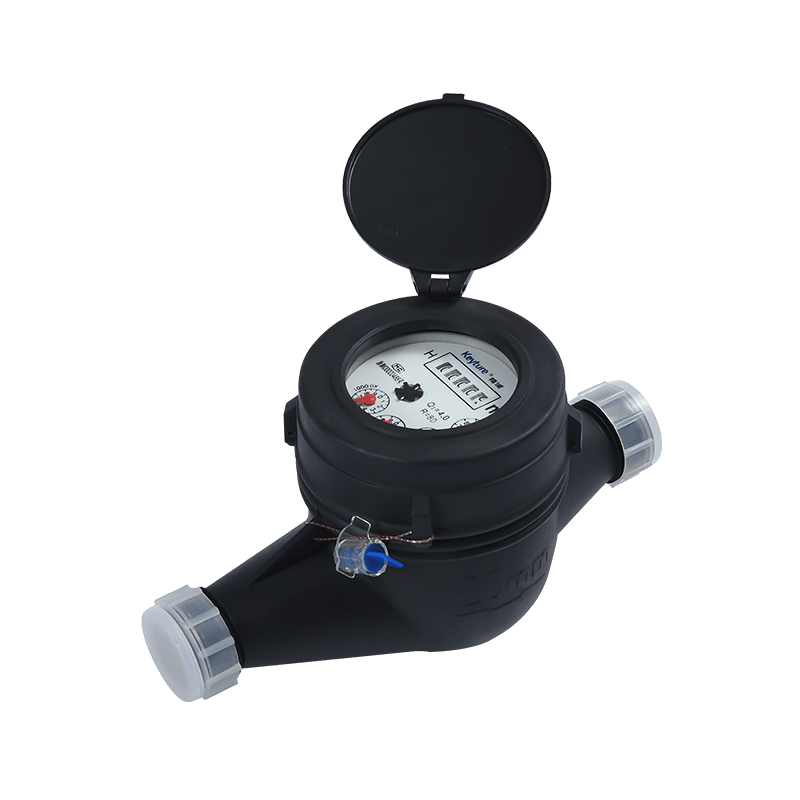
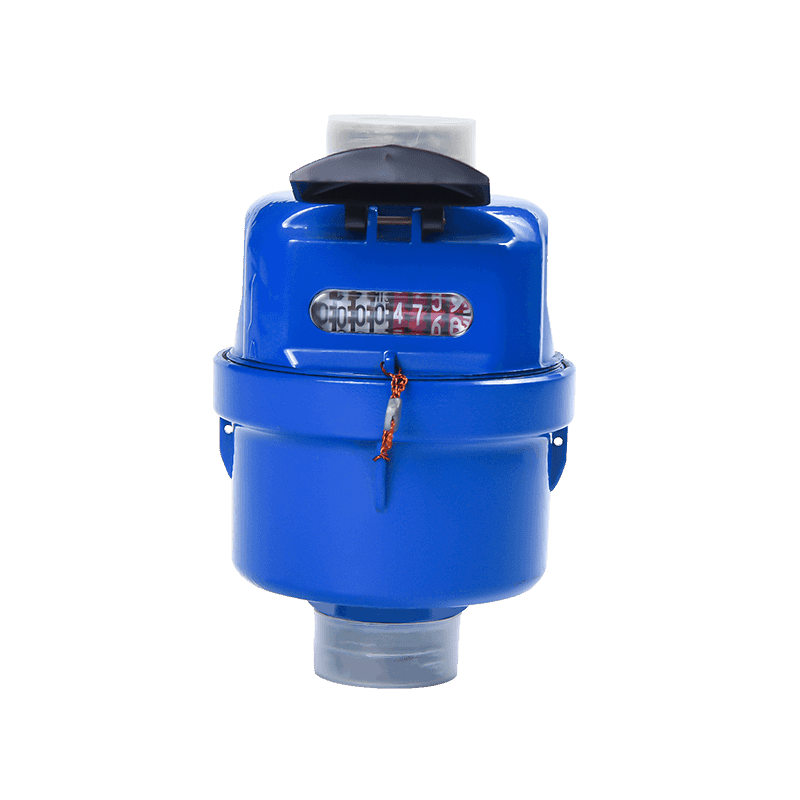
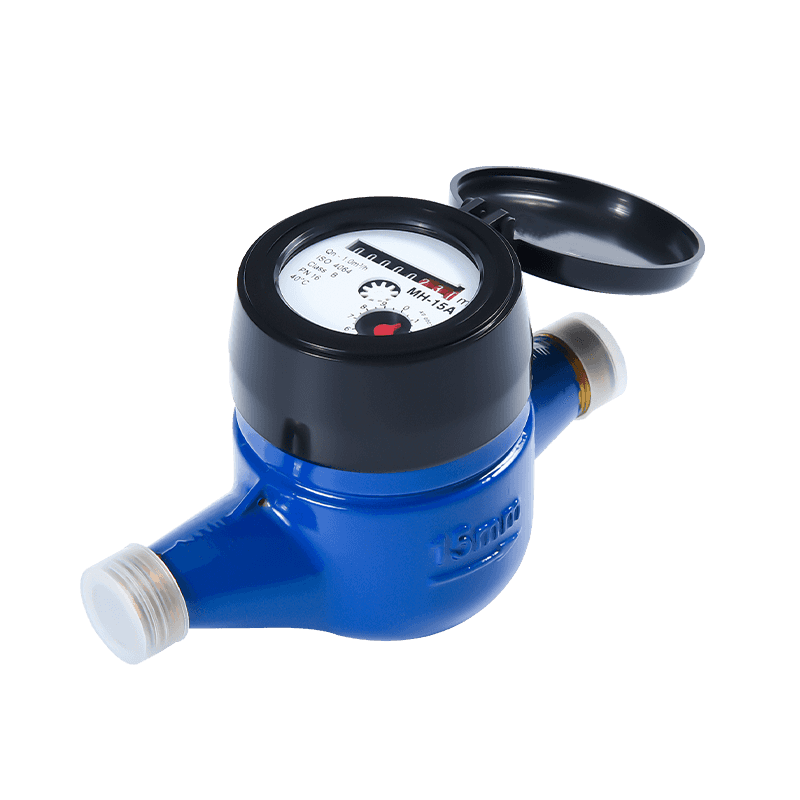
Mechanical water meters are widely used in various water resource metering systems. With their simple structure, strong stability, and low cost, mechanical water meters are commonly found in municipal water supply systems, industrial production, and residential water usage scenarios. In both commercial and residential water metering, although mechanical water meters serve the same function, the specific applications differ due to varying water usage characteristics, demands, and measurement precision.
Commercial water typically refers to the water consumption of enterprises, shops, and large buildings. Due to the large volume of commercial water usage, factors such as the meter's precision, durability, and corrosion resistance are crucial considerations.
Commercial water consumption is generally much higher than residential water usage, which requires mechanical water meters capable of measuring higher flow rates. Large-diameter mechanical water meters (such as DN50, DN100, etc.) are widely used in these scenarios to accurately measure large quantities of water.
The water usage demands in commercial units are more diverse. For example, industrial parks, shopping malls, and hotels often require different types of water meters to measure various sections of water consumption. In these places, mechanical water meters can be categorized into single-flow and multi-flow types to meet the diversified metering needs.
Commercial water usage often involves high-pressure systems, such as large office buildings, hotels, or industrial enterprises. This necessitates that the mechanical water meter have a high-pressure resistance capability. Mechanical water meters with superior pressure resistance can operate stably under high-pressure conditions, ensuring accurate measurements.
In commercial water environments, the water meters are typically used for long periods, making durability an essential factor. High-quality mechanical water meters are often made from materials like cast iron and stainless steel to enhance their corrosion resistance and abrasion resistance, ensuring stable performance even in harsh environments.
Commercial water metering requires high precision, particularly in large-scale water consumption. It is essential to ensure that every drop of water is measured accurately, especially in high-flow scenarios. As such, mechanical water meters with high measurement precision are often chosen to maintain accurate readings even at large flow rates.
In contrast to commercial water, residential water usage generally involves smaller and more stable consumption. While the total water usage in residential areas is smaller, the reliability and accuracy of the water meter remain important factors.
Residential water consumption typically uses small-diameter mechanical water meters, such as DN15, DN20, which are suitable for measuring low-flow domestic water usage. These meters have lower purchase costs while still meeting the water metering needs of households.
The installation environment for residential water meters is usually simpler, often located at the inlet of the household piping system. As a result, the size and weight of the water meter are important considerations. In residential applications, mechanical water meters tend to be smaller and easier to install and remove.
Although residential water usage is smaller, measurement precision remains essential. Even small discrepancies in water metering could lead to significant billing differences for household users. Therefore, mechanical water meters used in residential settings need to offer high measurement precision to ensure accurate billing for each household.
Residential water meters are typically located at the end of the pipeline system, making them susceptible to water quality issues. Mechanical water meters need to have strong pollution resistance capabilities to prevent damage from sediments, minerals, or other contaminants in the water. Additionally, corrosion resistance is a key feature, ensuring the meter can function well over time.
Residential water meters are expected to have low maintenance and repair costs. Compared to commercial meters, residential water meters require less frequent maintenance, typically only requiring regular checks and calibration. To meet this need, mechanical water meters are designed with durable components that minimize the frequency of part replacements.
Commercial water usage has a significantly higher flow rate than residential usage, which leads to notable differences in the diameter and flow rate of the water meters. Commercial water meters typically use larger diameter meters, while residential meters use smaller diameter models.
Commercial water meters require greater durability and pressure resistance to meet the demands of long-term and high-volume measurement. Residential meters, on the other hand, focus on being lightweight, easy to install, and low maintenance.
Although both commercial and residential water meters need to be precise, commercial water meters tend to require higher precision, especially in high-flow conditions, to ensure accurate measurements.
The water quality in commercial and residential settings can differ, with commercial water environments often containing more complex water qualities. As a result, commercial water meters need stronger pollution and corrosion resistance capabilities.
prevHow Do Ultrasonic Water Meters Compare to Traditional Water Meters in Installation and Maintenance Costs
nextIs it Really Worth Getting a Water Meter? 5 Critical Facts You Need to Know


Address: No.168,LinMu Rd.,Zone B, Jiangbei investment Park, Ningbo, Zhejiang,China
Tel: +86-0574-83090480/+86-18892665118
Fax: +86-0574-83021045
Email: [email protected]
Web: https://www.keyturemeter.com/
Quick Links
Product
Mobile terminal
 Wholesale Potable Water Flow Meter Manufacturers