English
 Español
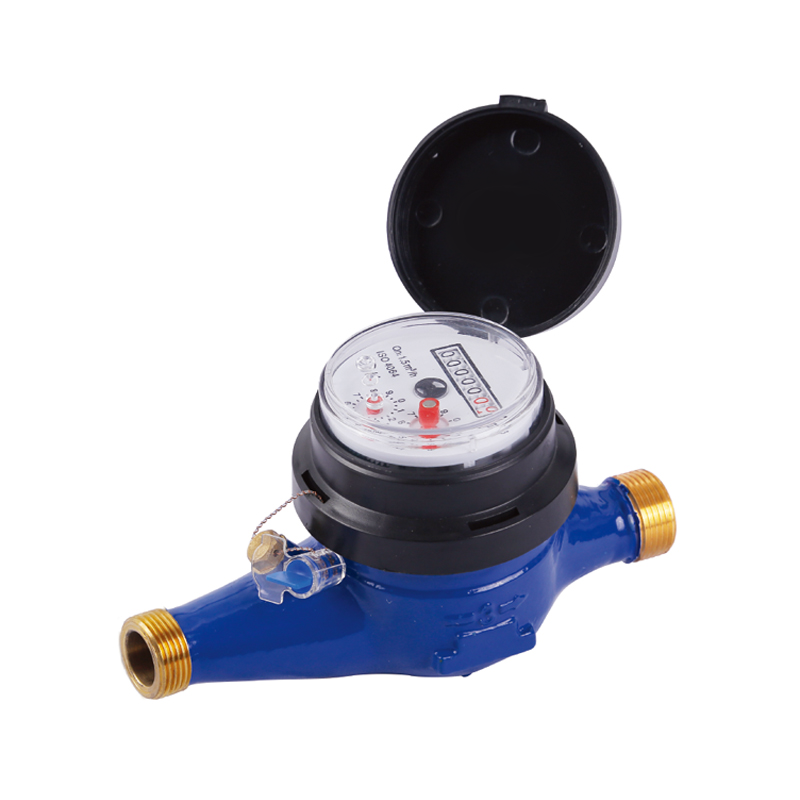


In many regions, household water billing is typically managed in two ways: fixed rates (unmeasured) and metered rates. Many homeowners face the initial question: Is it really worth getting a water meter? While the answer depends on individual circumstances, it is generally affirmative from both a financial and resource management perspective.
Fixed rates are usually based on a property’s "rateable value" or the number of registered occupants. This means even if you are a minimalist water user, you are effectively subsidizing the costs for neighbors with large swimming pools or constant lawn irrigation. By installing a water meter, you switch to a "pay-as-you-go" model. Statistics show that for households with fewer people than bedrooms, switching to metered billing can save between 15% and 40% on annual water costs.
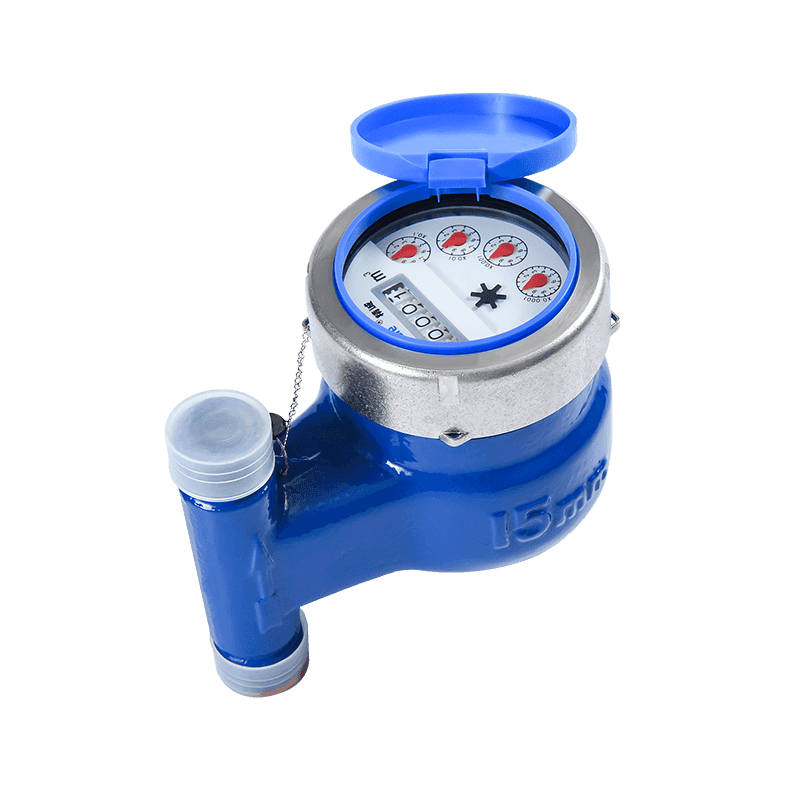
A water meter is more than a billing tool; it is the first line of defense for leak detection. Micro-leaks inside walls or underground pipes are often invisible to the naked eye, but a meter faithfully records this "phantom flow." If the meter dial moves while all taps are closed, it alerts you to repairs that prevent expensive structural damage.
| Dimension | Fixed Rate | Metered Rate |
| Billing Basis | Property value or occupancy | Actual consumption per cubic meter |
| Controllability | Cannot reduce bill via conservation | Savings directly reflected in bill |
| Leak Warning | None until physical damage occurs | Detected via abnormal readings |
| Environmental Impact | Tendency toward over-usage | Promotes conservation awareness |
| Ideal User | Large families, high-volume users | Small households, environmentalists |
When asking Is it really worth getting a water meter?, one must also consider social responsibility. Research indicates that metered households subconsciously reduce unnecessary water waste by 10% to 15%. This shift directly reduces the load on local treatment plants, saving chemicals and electricity.
When you decide to monitor your water usage, you will encounter the technical term: Potable Water Meter. Simply put, this is a flow meter specifically engineered to measure "potable" (safe for human consumption) water.
Not all meters are created equal. A Potable Water Meter differs fundamentally from industrial or irrigation meters in terms of material safety. It must comply with strict health standards, ensuring that as water flows through the body, no lead, nickel, or other harmful chemicals leach into the supply.
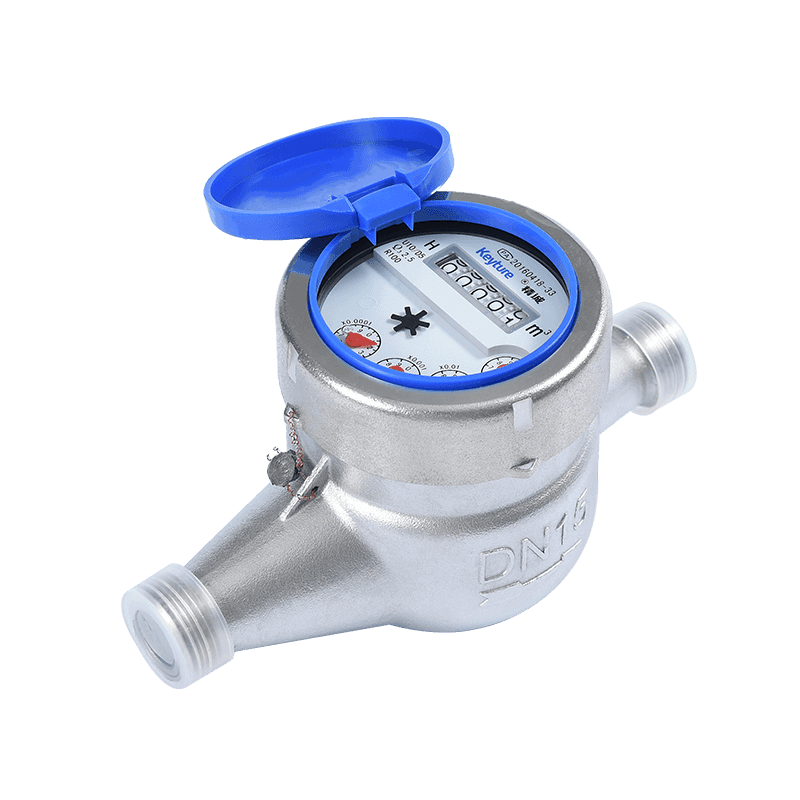
A standard drinking water meter consists of several critical parts: Corrosion-resistant casing (usually lead-free brass, stainless steel, or food-grade polymers), a measurement mechanism made of anti-scaling materials to maintain accuracy over years, and a dry-dial counter which isolates the recording mechanism from the water flow to prevent fogging or contamination.
| Type | Working Principle | Advantages | Disadvantages |
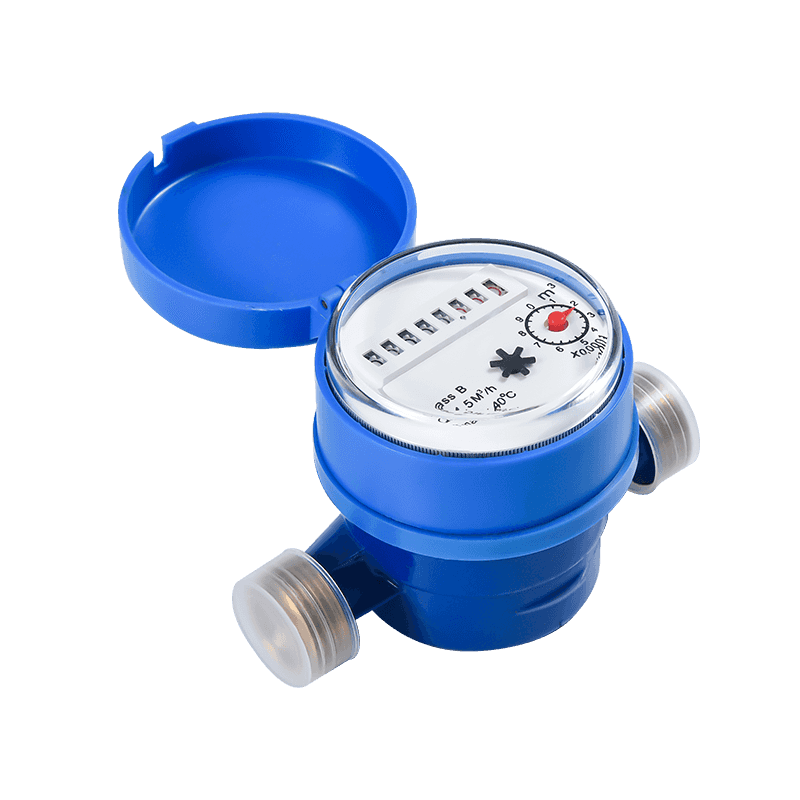
| Velocity (Multi-jet) | Water impacts an internal impeller | Simple, low cost, residential standard | Less sensitive to tiny flows |
| Volumetric | Measures fixed volumes of displacement | High precision, catches drips | Sensitive to grit, prone to wear |
| Ultrasonic | Uses sound waves to calculate speed | No moving parts, long life | Higher cost, requires battery |
Having accurate measurement is one step; the safety of the water is another. Many ask: How can I check if water is safe to drink? Relying solely on municipal reports is often insufficient, as water can face secondary contamination from aging city grids or lead pipes within the home.
A sensory check is the first step: Color and Clarity (pour water into a glass against a white wall to check for rust or cloudiness), Odor (bleach smells indicate high chlorine, while rotten egg smells indicate sulfur or bacteria), and Sediment (checking for sand or scale at the bottom of a glass).
| Parameter | Ideal Standard | Signs of Excess | Risk Source |
| pH Value | 6.5 - 8.5 | Acidity corrodes pipes | Natural geology |
| TDS | Under 300-500 mg/L | Bitter taste, appliance scale | Mineral accumulation |
| Lead | 0 mg/L | Colorless/Odorless | Old lead soldering |
| E. Coli | Not Detectable | Gastrointestinal distress | Fecal contamination |
| Residual Chlorine | 0.2 - 0.5 mg/L | Pungent smell, dry skin | Disinfection process |
DIY Test Strips are suitable for rapid checks of pH and chlorine. Portable Digital Testers (TDS pens) provide digital ion concentration readings. Professional Laboratory Testing is the only foolproof method if you suspect heavy metals like arsenic or lead.
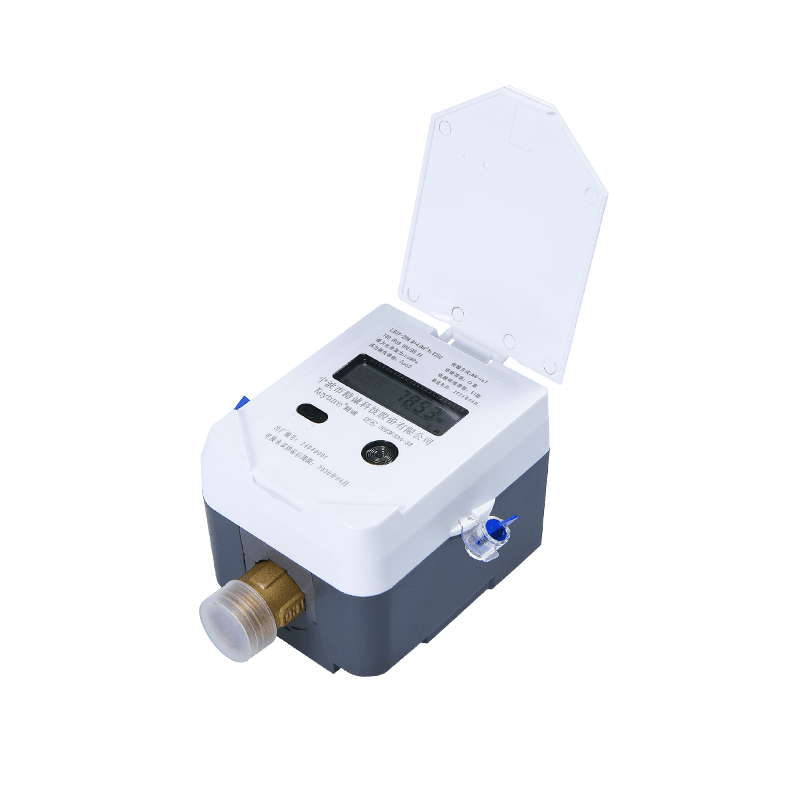
The Drinkable Water Meter represents the evolution from measuring quantity to monitoring quality. These smart devices are typically integrated into the main inlet or under-sink systems.
A Drinkable Water Meter offers Real-time TDS Monitoring, which triggers an alert if mineral content spikes unexpectedly. It also provides Flow-Linked Filter Life tracking, calculating the remaining life of filtration media based on actual volume rather than a simple timer. Advanced models include Automatic Interception, using solenoid valves to shut off water if safety thresholds are exceeded.
| Feature | Potable Water Meter | Drinkable Water Meter |
| Data Dimension | Cumulative volume only | Flow + Real-time quality |
| Transmission | Manual or pulse wireless | WiFi / NB-IoT App sync |
| Safety Attribute | Passive measurement | Active alerts and auto-lock |
Integrating a Potable Water Meter into your home requires strategic placement. It must be installed after the main shut-off valve but before branch pipes. For advanced setups, a Drinkable Water Meter can monitor whole-house TDS and provide flushing reminders after long absences.
| Item | Mechanical Meter | Smart Drinkable Meter |
| Calibration | Check/replace every 5-8 years | Often self-calibrating |
| Battery Life | No power needed | Built-in (6-10 years) |
| Failure Signs | Dial wear, no movement | App offline, low battery alert |
Municipal reports only represent quality at the plant. The "last mile" to your tap—including old community cisterns or roof tanks—is a blind spot that requires independent monitoring.
Heavy rain increases surface runoff, which can change the mineral composition at the treatment source. A spike over 100% warrants a supplementary nitrate test.
The value is also in leak detection. A water meter is the only scientific way to detect silent toilet leaks that can cause structural dampness and mold over time.
No. Standard cold meters are designed for under 30C. Hot water lines require specialized meters rated for 90C to prevent chemical leaching from plastic parts.
No. Smart meters use different frequencies (sub-GHz) and typically only upload data for a few seconds per day, producing radiation far lower than a cell phone.
prevWhy Are Mechanical Water Meters Different in Commercial and Residential Water Metering
nextHow Long Do Ultrasonic Water Meters Last?


Address: No.168,LinMu Rd.,Zone B, Jiangbei investment Park, Ningbo, Zhejiang,China
Tel: +86-0574-83090480/+86-18892665118
Fax: +86-0574-83021045
Email: [email protected]
Web: https://www.keyturemeter.com/
Quick Links
Product
Mobile terminal
 Wholesale Potable Water Flow Meter Manufacturers