English
 Español


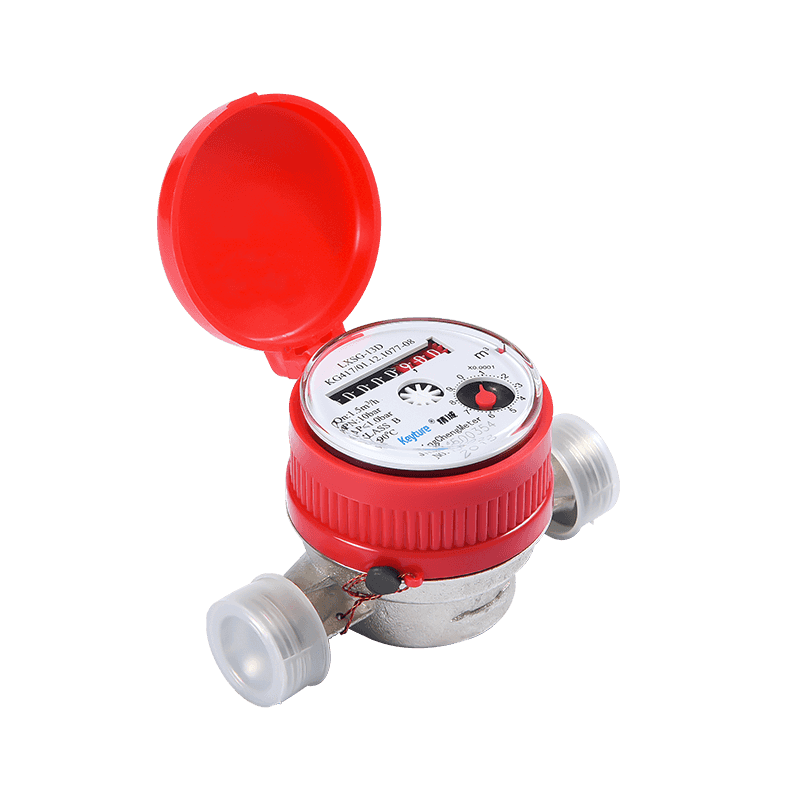
For most single-family houses, the water utility owns and maintains the water meter itself, the meter box, and the meter lid. The homeowner owns and maintains the service line from the meter outlet to the house, plus all indoor plumbing, fixtures, valves, and pressure regulators after that point. The tricky part is not the meter body. The tricky part is the pipe before the meter, the curb stop, the meter pit, and any shared service line that crosses a property boundary.
If you ask five different water departments who pays for a broken meter, you can get five different answers. That is not because the rules are random. It is because ownership is defined by local ordinance, the location of the meter, the service agreement, and the point where public infrastructure ends and private plumbing begins. A meter installed at the curb behaves differently from a meter installed in a basement. A shared meter in a multi-unit building behaves differently from a private submeter in a dormitory or apartment block.
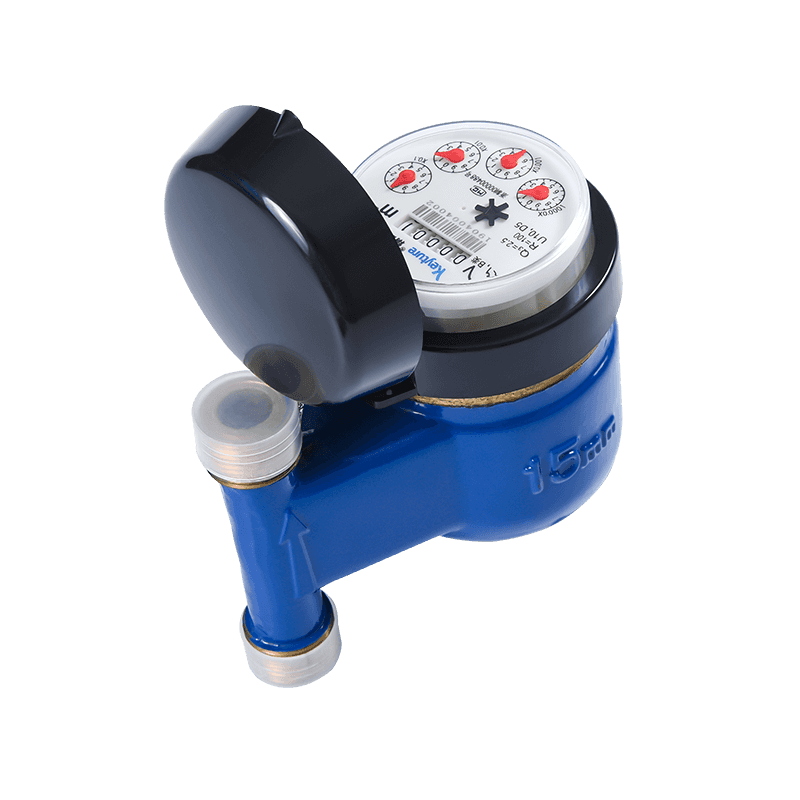
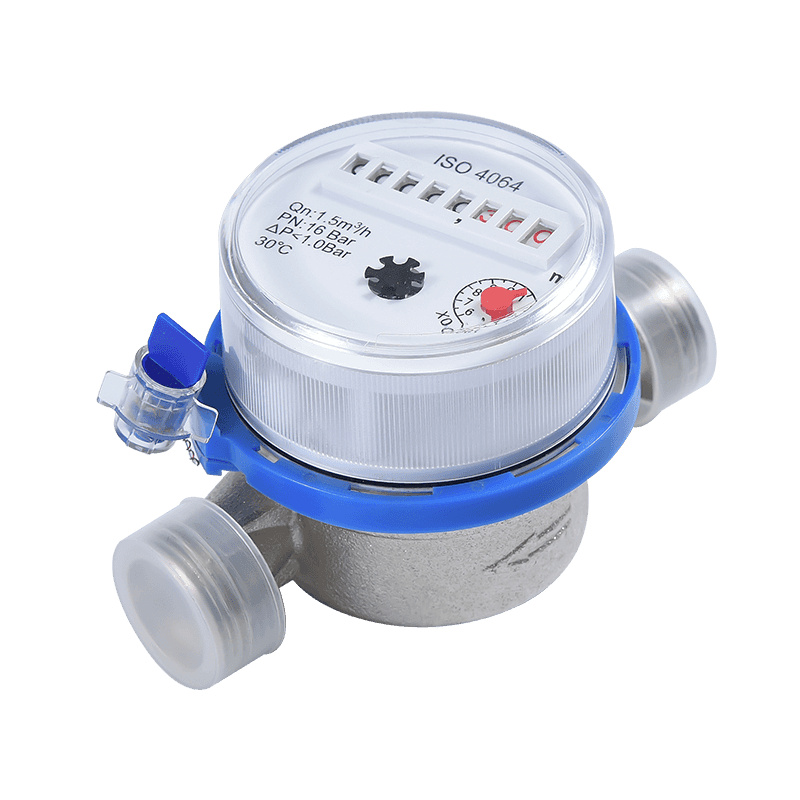
From a water meter manufacturer perspective, this ownership split matters long before a leak happens. It determines who can open the meter, who can replace a register, who pays for a frozen body, and who selects the communication method for remote reading. For household metering, a dry-dial multi-jet meter is often chosen because it keeps the register clear and protects the counter from dirty water. If you need a domestic mechanical meter that matches common household ownership models, the KM0501 domestic multi-jet dry type cold water meter is a practical reference point.
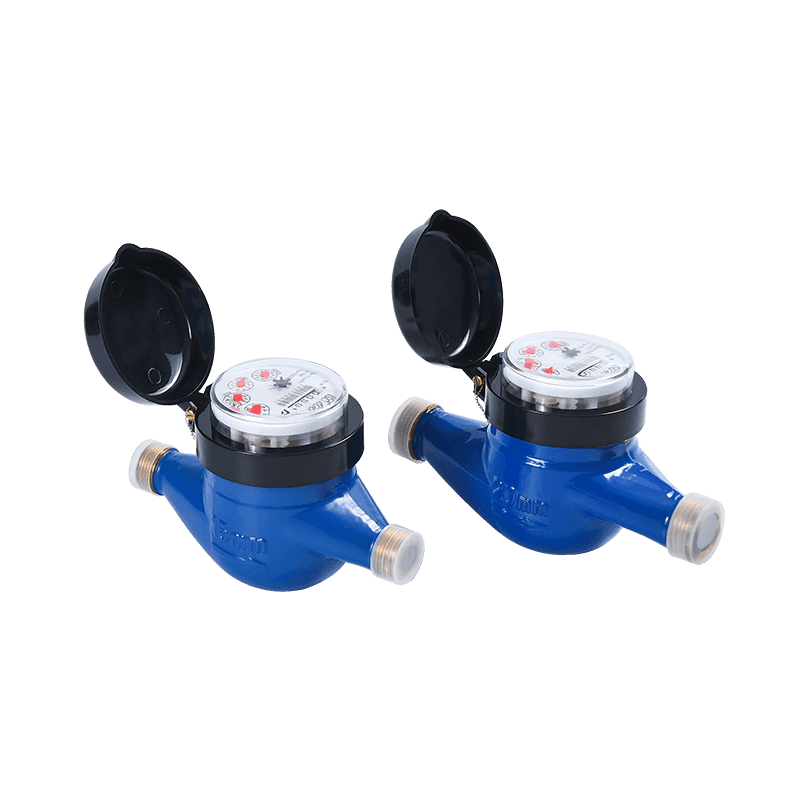 KM0501 Domestic Multi-Jet Dry-Type Cold Water MeterA mechanical dry-dial multi-jet meter for household water boundaries, with clear reading and tamper protection; useful when ownership and serial details matter.View Product →
The practical rule is simple: the meter is a boundary device. It measures the water that passes from the public supply into private use. It also marks a responsibility boundary. When that boundary is unclear, disputes become expensive because both sides may wait for the other to act. The fastest way to avoid that is to photograph the meter, note its serial number, record its location, and read your local water service rules before a problem appears.
Responsibility is rarely a single line. It is a chain of components. Each component has a normal owner, but local rules can shift one or two items. The table below reflects common arrangements in municipal water systems, private communities, and mixed-ownership properties. Use it as a starting point, then confirm with your water authority or property manager.
| Component | Usual owner | Who repairs or replaces | What the homeowner should do |
|---|---|---|---|
| Water meter body and register | Water utility or licensed meter owner | Utility, unless tampering or private submeter rules apply | Do not remove, paint, or open the meter. Report damage. |
| Meter box, pit, and lid | Utility in most curbside installations | Utility for public-side boxes; owner for private indoor boxes | Keep the lid clear of soil, vehicles, and roots. Do not bury it. |
| Curb stop or main valve at the street | Utility or municipal water department | Utility | Call the utility if the valve will not close or is leaking. |
| Service line from main to meter inlet | Utility in many cities; shared or owner in others | Depends on ordinance and property line | Ask for a written responsibility map before excavation. |
| Service line from meter outlet to house | Property owner | Owner or licensed plumber | Repair leaks quickly. This line often causes high bills. |
| Indoor plumbing, fixtures, and pressure regulator | Property owner | Owner or licensed plumber | Maintain freeze protection and check for silent leaks. |
| Submeter inside an apartment or room | Landlord, property manager, or tenant depending on lease | Usually property owner | Read the lease and submeter agreement before repair. |
| Private well meter or borehole meter | Property owner | Owner | Schedule calibration and maintenance privately. |
The most common misunderstanding is the service line. Many homeowners assume the utility owns everything underground. In reality, the utility often owns only the meter and the public main. The pipe from the meter to the house is private. If a tree root cracks that pipe, the water bill can climb for weeks before anyone notices. If the leak is on the utility side, the utility usually repairs it, but the process may still require access to your property.
Another common misunderstanding is the meter box. A curbside meter box may sit on private land but remain utility property. An indoor meter may sit inside a private basement but still be owned by the utility. The location alone does not decide ownership. The legal description in the tariff decides ownership. That is why two houses on the same street can have different answers if one meter is inside and the other is at the curb.
The boundary between public and private responsibility moves with the meter. In cold regions, the meter may sit in a pit near the street so it can be read without entering the house. In older city neighborhoods, the meter may sit in the basement. In apartment buildings, a single master meter may serve the whole building, while private submeters divide the cost among tenants. Each arrangement changes who is responsible for maintenance, calibration, and replacement.
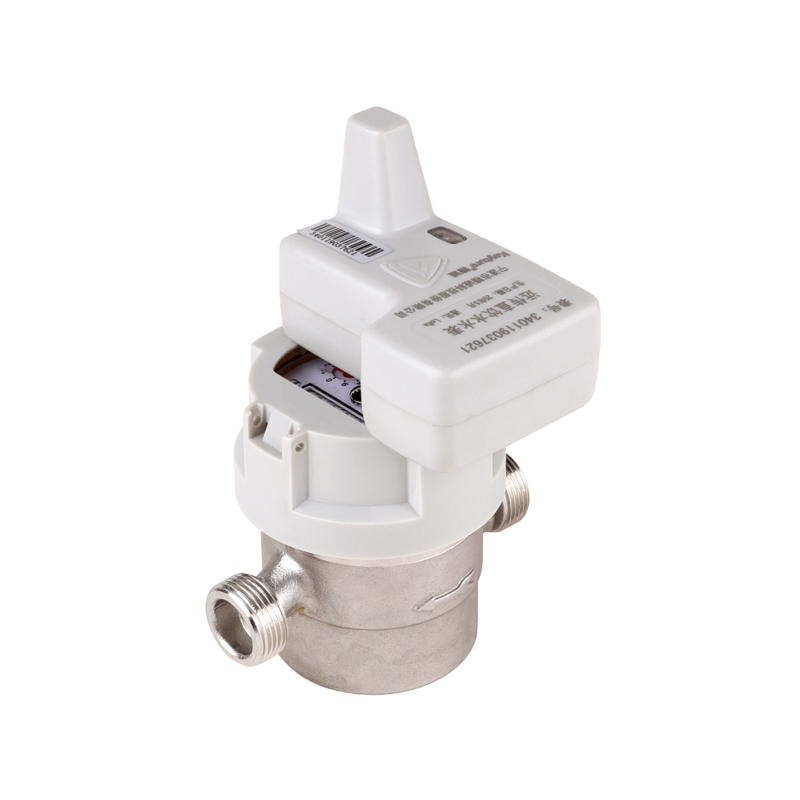
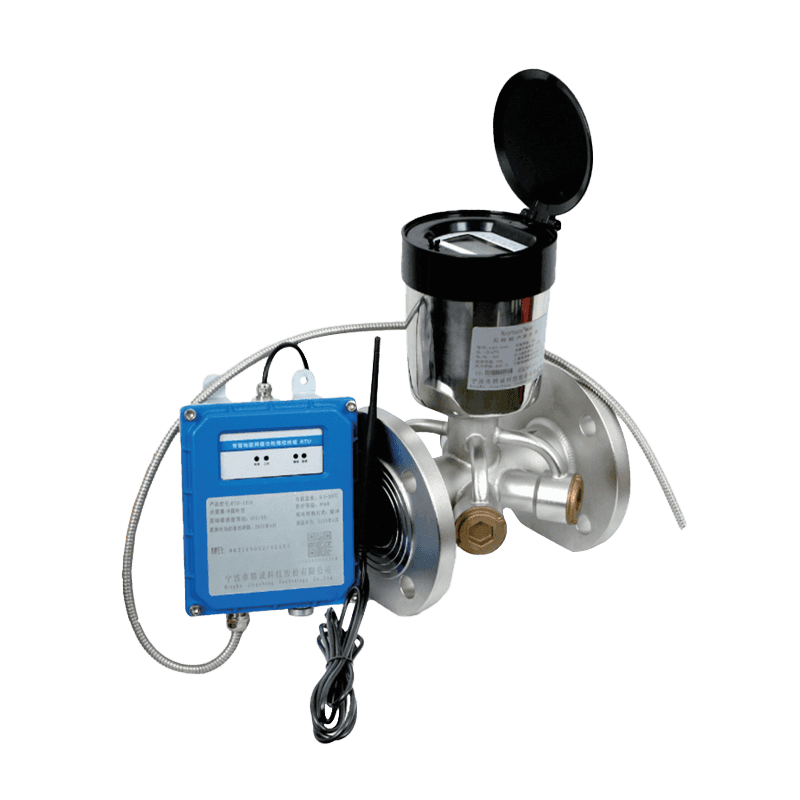
A curbside meter pit is exposed to groundwater, soil movement, frost, and traffic. If the pit fills with water, the utility may need to pump it out before reading or repair. The meter itself may be protected by an IP68-rated housing or a sealed register. For properties where the meter sits in a flooded pit or a wet chamber, a waterproof wireless remote meter can reduce access problems and protect reading accuracy. The KM0116 iron body IP68 waterproof wireless remote water meter is designed for that kind of environment.
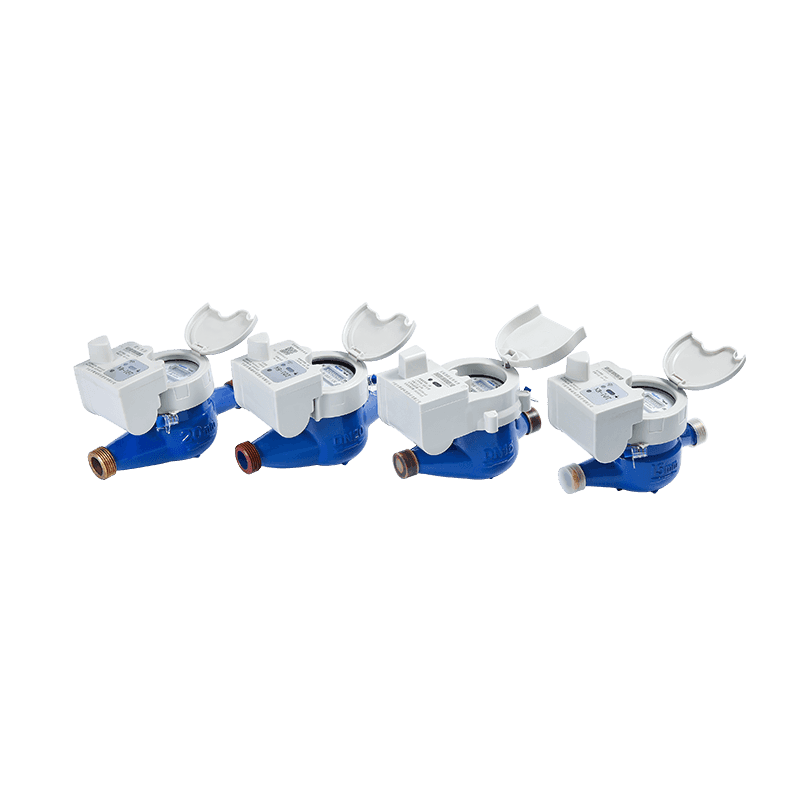 KM0116 Iron Body IP68 Wireless Remote Water MeterSplit-type NB-IoT or LoRa remote meter with IP68 protection and replaceable battery, suited to wet pits where access and reading accuracy are concerns.View Product →
An indoor meter has different risks. It is less likely to be submerged, but more likely to be damaged by freezing, renovation, or accidental impact. If the meter is indoors, the homeowner may be responsible for keeping the room above freezing and for protecting the meter from construction dust. The utility still owns the meter body in most cases, but the homeowner may be charged for repairs caused by neglect.
Shared service lines create the hardest ownership questions. A single line may serve two or more houses before it splits. If the leak is before the split, the cost may be shared, assigned to the utility, or assigned to a homeowners association. If the leak is after the split, each owner usually pays for their own branch. The only reliable answer is the recorded easement, the subdivision agreement, and the water department's written policy.
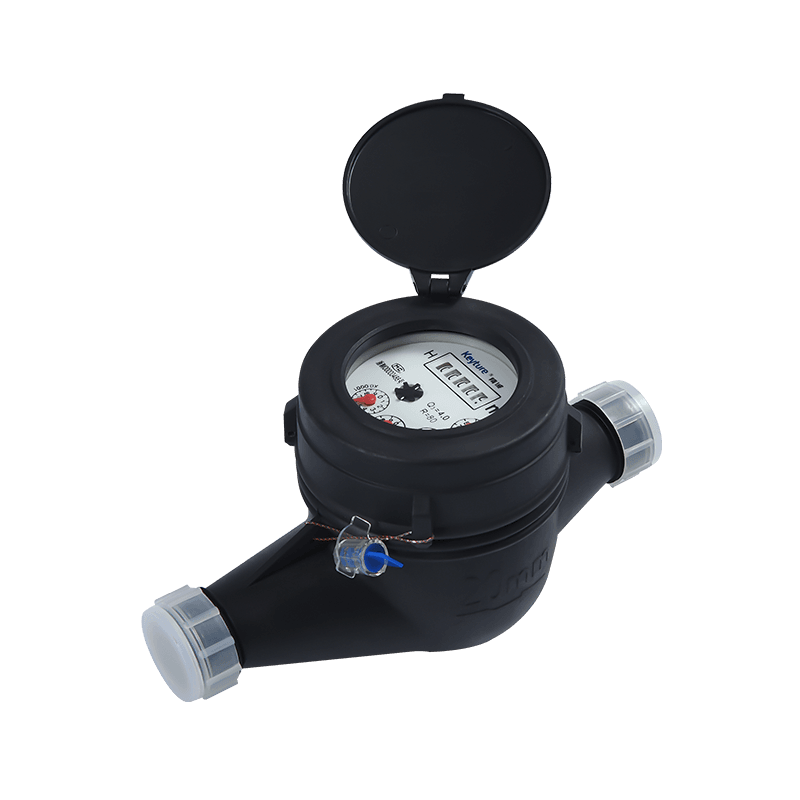
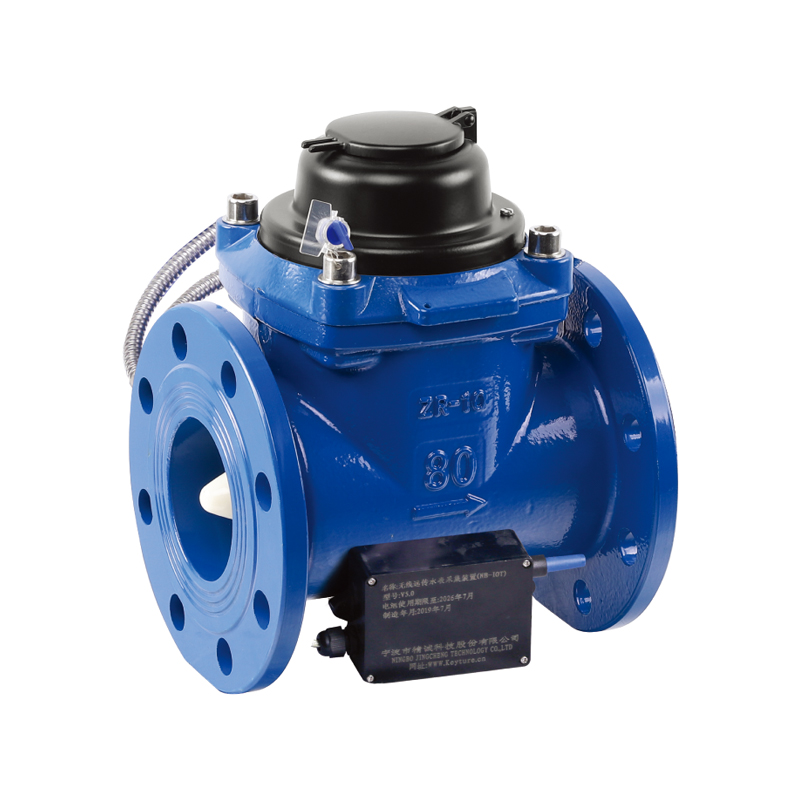
Submetering adds another layer. A master meter measures all water entering a building. Private submeters measure each unit. The utility bills the building owner, and the owner bills tenants. In that model, the utility is not responsible for the submeters. The property owner is. If a submeter fails, the owner must repair or replace it, and the tenant may dispute the bill. For larger properties, a bulk meter with a removable mechanism can simplify maintenance because the measuring element can be serviced without cutting the entire pipeline. The KM0602 horizontal vane removable cast iron body bulk water meter is one example of that maintenance-friendly approach.
 KM0602 Horizontal Vane Removable Cast Iron Bulk Water MeterA Woltman-type bulk meter whose measuring mechanism can be removed for maintenance, helping property owners service submetering systems without cutting the pipeline.View Product →
Property managers should document three things for every meter: the exact location, the meter serial number, and the ownership clause in the service agreement. Without those three details, a midnight leak call can turn into a legal argument while water continues to run.
When water is leaking, the first action depends on the leak location. If water is bubbling around the meter box, running down the street, or rising inside the meter pit, call the water utility first. That area is usually public-side infrastructure. If water is leaking inside the house, under the floor, or between the meter and the house, call a licensed plumber. If the leak is after the meter, the homeowner usually pays. If the leak is before the meter, the utility usually pays, but the homeowner may still need to provide access.
A stuck meter is different from a leak. A stuck meter may stop recording, run backwards, or show a constant flow when no water is being used. If the meter is utility-owned, the utility must test it. In many jurisdictions, the utility will replace a faulty meter at no charge if the fault is normal wear. If the meter was damaged by freezing, hot water backflow, or tampering, the homeowner may be charged. A private submeter is almost always the property owner's responsibility.
Hot water backflow is a common cause of meter damage in houses. If a water heater or boiler pushes hot water back into the cold water line, the meter can deform, leak, or lose accuracy. This is one reason manufacturers use temperature-resistant materials and brass shells in hot-water applications. If your house has a hot-water meter or a combined heating system, check whether the meter is rated for the temperature it actually sees.
Tampering is treated seriously because it affects revenue and safety. Removing a meter, breaking a seal, reversing the meter, or installing a bypass can lead to fines, estimated billing, and replacement charges. Even if the homeowner did not authorize the work, the property owner may be held responsible. If a contractor needs to work near the meter, the utility should be informed before any pipe is cut.
If the meter box is full of water, do not assume the meter is leaking. Groundwater, rain, and broken irrigation lines can fill the box. The meter may be fine. The utility or a plumber should pump the box, check the meter, and inspect the connections. If the meter is in a pit and the area floods often, a waterproof remote reading meter reduces the need to open the pit for every reading cycle.
You do not need to wait for a leak to learn who owns the meter. A short records check can answer most questions. The goal is to create a simple responsibility file for the property. This file is useful when you sell the house, rent the property, or dispute a bill.
For a step-by-step guide to reading the meter and checking for silent flow, the article on how to check your water meter walks through the basic process. Reading the meter is not just a billing task. It is also a diagnostic task. A meter that moves when all fixtures are off tells you there is a leak somewhere in the private system.
When a utility, contractor, or property owner orders meters, the manufacturer usually asks about the ownership model before discussing price. A utility-owned meter needs a different sealing and communication setup than a private submeter. A master meter for a building needs a different flow range than a single-family meter. A meter that will be read by the utility may need utility-specific encoding, while a private meter may only need a local display and pulse output.
Ningbo Jingcheng Technology has manufactured and exported water meters since 2002, with production covering mechanical meters, bulk meters, prepaid meters, drinking water meters, ultrasonic meters, and remote reading meters. The company operates as a water meter manufacturer with in-house production of meter bodies, mechanisms, registers, valves, and fittings. That matters for responsibility discussions because a complete component supply chain makes it easier to replace a register or mechanism without replacing the entire meter. You can read more about the company's manufacturing background on the about page.
Before shipping, a manufacturer normally checks the following:
These details are not only technical. They determine who can repair the meter later. A sealed utility meter may not be opened by a homeowner. A private submeter may have a user-replaceable battery or a separate register. A prepaid meter with a valve may require a service agreement that defines who resets the valve after tamper alarms.
Repair costs fall into four buckets: the meter, the meter box, the service line, and the indoor plumbing. The meter and box are often utility costs. The service line and indoor plumbing are often owner costs. The most expensive surprise is usually the service line because it is underground. A small leak can waste thousands of liters before it appears at the surface. In freezing climates, a burst service line can also damage foundations and driveways.
The chart below shows where household water service problems commonly occur, based on typical service call patterns. It is not a statistical study. It is a planning aid for property owners and managers who need to know where to inspect first.
The percentages overlap because a single event can involve more than one category. A frozen meter may crack the body, damage the box, and leak into the service line. A shared line dispute may involve a submeter that is working correctly but measuring water that no tenant admits to using. The point is not to assign blame. The point is to know which party is likely to pay and which party controls the repair schedule.
Call the water department. The utility usually repairs the main, curb stop, meter, and meter box. The homeowner provides access and may need to move vehicles or clear soil from the lid.
Call a licensed plumber. The homeowner usually pays for the service line after the meter, indoor piping, fixtures, and pressure regulators. Document the leak before repair for insurance claims.
Check the lease and submeter policy. The property owner usually maintains the submeter. If the meter is accurate and sealed, the tenant may still owe the metered amount under the agreement.
Insurance is another variable. Some homeowner policies cover sudden bursts inside the house but exclude underground service lines. Some utilities offer service line protection programs for a monthly fee. Before buying a house or signing a commercial lease, ask whether the service line is covered. A meter manufacturer cannot answer that insurance question, but the meter's installation location and ownership markings can help the insurer identify the boundary.
Most disputes start with unclear facts. A meter with a clear serial number, a sealed register, and a documented installation location is easier to defend than a meter with no records. The table below lists specifications that matter when ownership, calibration, or maintenance is questioned.
| Specification | Why it matters | Typical reference |
|---|---|---|
| ISO 4064 accuracy class | Defines metrological performance and test requirements | Class B, C, or D depending on meter type and market |
| R ratio, such as R160 or R200 | Shows the measuring range and low-flow sensitivity | Higher R ratio supports better leak detection and fairness |
| IP protection rating | Shows resistance to water and dust in pits or wet rooms | IP68 for flooded meter pits and wash-down areas |
| Communication protocol | Determines who can read the meter and how data is transferred | Pulse, RS485 Modbus, M-Bus, LoRaWAN, NB-IoT, RF card |
| Body material | Affects corrosion, drinking water safety, and repair cost | Brass, cast iron, plastic, 304 stainless steel |
| Register type | Affects readability, condensation resistance, and maintenance | Dry dial, wet dial, liquid-sealed, removable register |
| Valve control | Defines remote shutoff and prepayment capability | Ball valve, motorized valve, prepaid valve control |
| Calibration and seal records | Supports billing accuracy and tamper investigations | Factory calibration certificate, utility seal, serial log |
For a household meter, accuracy at low flow is especially important. A dripping pipe or a leaking toilet flapper can waste water continuously. A meter with a low starting flow rate will register that loss, while a less sensitive meter may miss it. That does not mean the meter is wrong. It means the meter is doing its job. The responsibility question then becomes: who owns the leaking pipe? The meter only measures the result.
Communication protocol also affects responsibility. A utility that reads meters by NB-IoT or LoRaWAN owns the data collection system. A property owner who installs a private submeter with pulse output owns the local reading system. If the signal fails, the responsible party is the one who owns the communication infrastructure. That is why it is useful to write the protocol into the service agreement before installation.
Whether you are replacing a single household meter or specifying meters for a multi-unit property, the same questions prevent future disputes. Use this checklist before you buy or approve a meter installation.
For landlords, the most important document is the submeter policy. It should state who reads the meter, who tests it, who repairs it, and how billing errors are corrected. For homeowners, the most important document is the water department's responsibility map. For property managers, both documents should be stored with the meter serial number and the service line diagram.
In most municipal systems, the water utility owns and maintains the meter itself. The homeowner is responsible for the plumbing after the meter, including the service line from the meter outlet to the house and all indoor fixtures. If the meter is privately owned or a submeter, the property owner is usually responsible.
If the leak is in the utility-owned meter, meter box, or public-side service line, the utility usually pays. If the leak is after the meter or in private plumbing, the homeowner usually pays. Local rules can shift the boundary, so confirm the point of delivery in your service agreement.
The line before the meter is often utility responsibility, especially from the main to the meter inlet. However, some cities place the entire service line on the homeowner. The property line, easement, and local ordinance determine the answer.
Usually no, if the meter is utility-owned and sealed. Removing or replacing a utility meter can violate local regulations and lead to fines. A private submeter may be replaceable by the property owner if it meets local plumbing and calibration rules.
If the meter is utility-owned and the damage is from normal weather exposure, the utility may replace it. If the damage is caused by a lack of freeze protection inside a private building, the owner may be charged. The same applies to hot water backflow and physical impact.
If the box is part of the utility installation, the utility usually repairs or replaces the lid. If the box is private, such as an indoor meter cabinet, the property owner handles it. A missing or broken lid is a safety issue because it exposes the meter to damage and creates a trip hazard.
The landlord or property owner usually owns and maintains the submeter. The tenant is responsible for paying the metered bill according to the lease. If the submeter is inaccurate, the owner should test and recalibrate or replace it.
Call the water utility immediately. Do not dig around the meter box or attempt to repair the public-side line. Take photos, note the date and time, and record any communication with the utility. If the leak causes property damage, contact your insurer as well.
Yes. A meter measures all water passing through it, including water lost through leaks in private plumbing. That is why a high bill with no obvious use often points to a leaking toilet, irrigation line, or service line after the meter. The meter is not the cause of the loss. It is the record of it.
Turn off all water inside and outside the house. If the meter still moves, there may be a leak or a faulty meter. If the meter shows flow when the main valve is closed, the meter or valve may need inspection. The utility should test a utility-owned meter. A private submeter can be tested by a qualified service provider.
The utility usually owns the main meter, and the landlord usually owns any private submeters. The lease should state who pays for repairs and how water is billed. In shared buildings, the master meter may be utility-owned while the internal submeters are landlord-owned.
Choose a meter with clear serial marking, a sealed register, and a communication method that matches the responsible party's reading system. For household use, a dry-dial multi-jet meter is common. For flooded pits, an IP68 wireless remote meter reduces access problems. For multi-unit buildings, a bulk meter with a removable mechanism makes maintenance easier.
Take one photo of the meter face, one photo of the pipe connections, and one photo of the meter location. Write down the serial number, the installation date if known, and the name of the water utility or property manager. Then ask the utility one written question: where does your responsibility end and mine begin? Keep the answer with the photos.
That single file can save hours of argument. It also helps when you replace a meter, add a submeter, or plan a service line repair. The meter in your house is not just a billing device. It is the physical boundary between public supply and private plumbing. Once you know where that boundary sits, responsibility becomes much easier to manage.
prevNo next article
nextWhat Runs Your Water Bill Up the Most? A Manufacturer's Troubleshooting Guide


Address: No.168,LinMu Rd.,Zone B, Jiangbei investment Park, Ningbo, Zhejiang,China
Tel: +86-0574-83090480/+86-18892665118
Fax: +86-0574-83021045
Email: [email protected]
Web: https://www.keyturemeter.com/
Quick Links
Product
Mobile terminal
 Wholesale Potable Water Flow Meter Manufacturers