English
 Español


In the field of industrial water management and precision liquid measurement, selecting the appropriate water flow meter is a critical decision that impacts operational efficiency and data accuracy. The industry primarily balances traditional mechanical systems, such as the Mechanic Water Meter, with advanced solid-state technologies like the ultrasonic water meter. Each technology serves specific environmental demands and fluid characteristics.
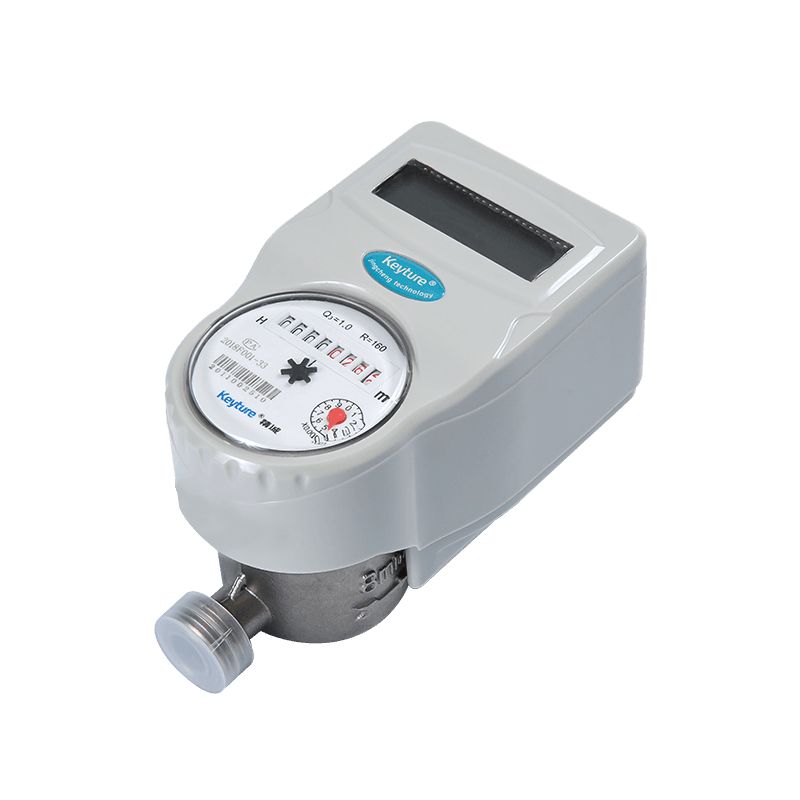
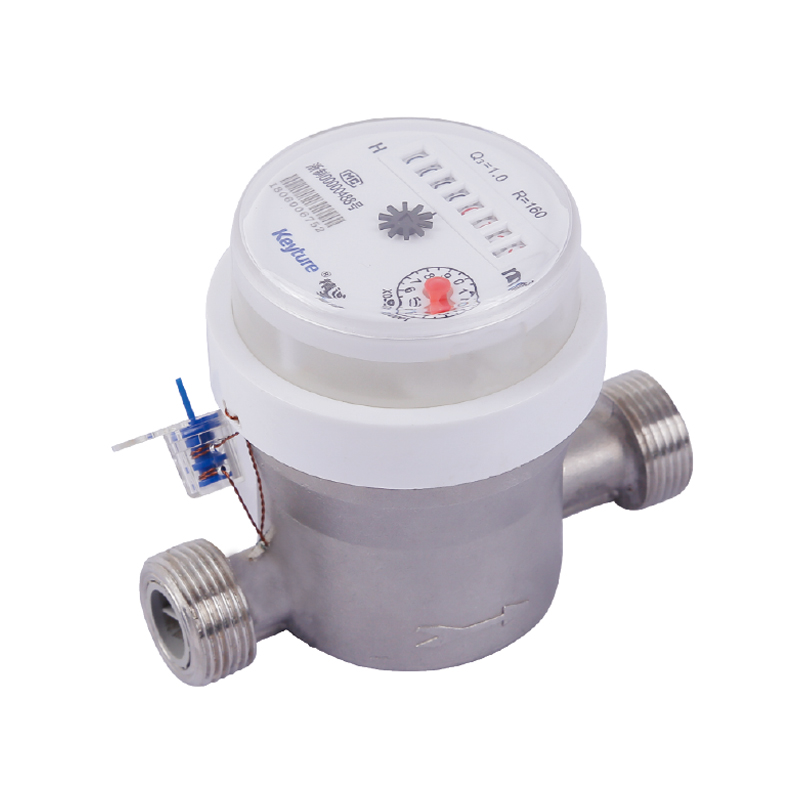
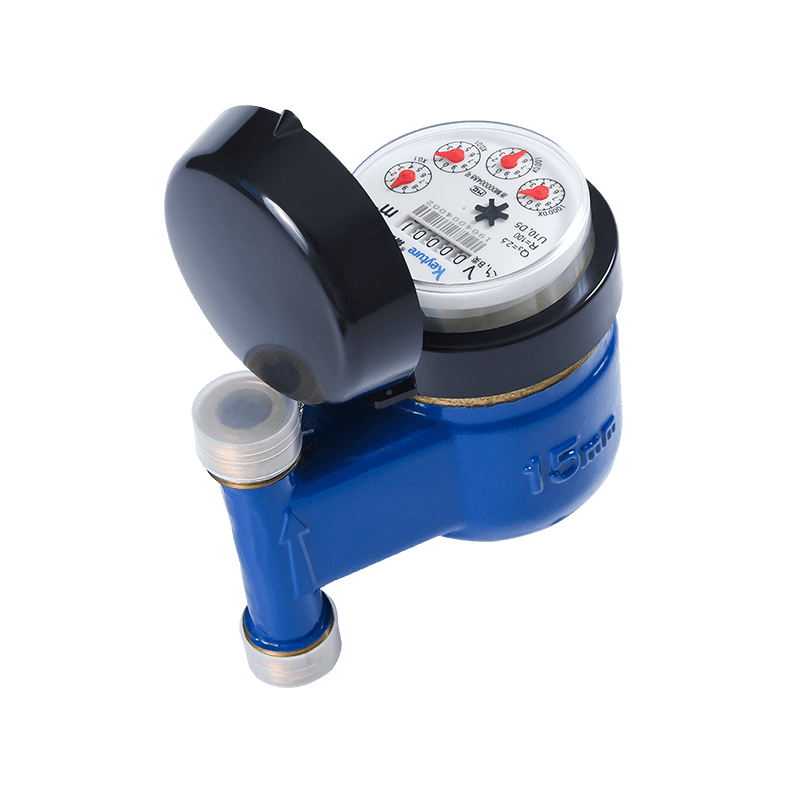
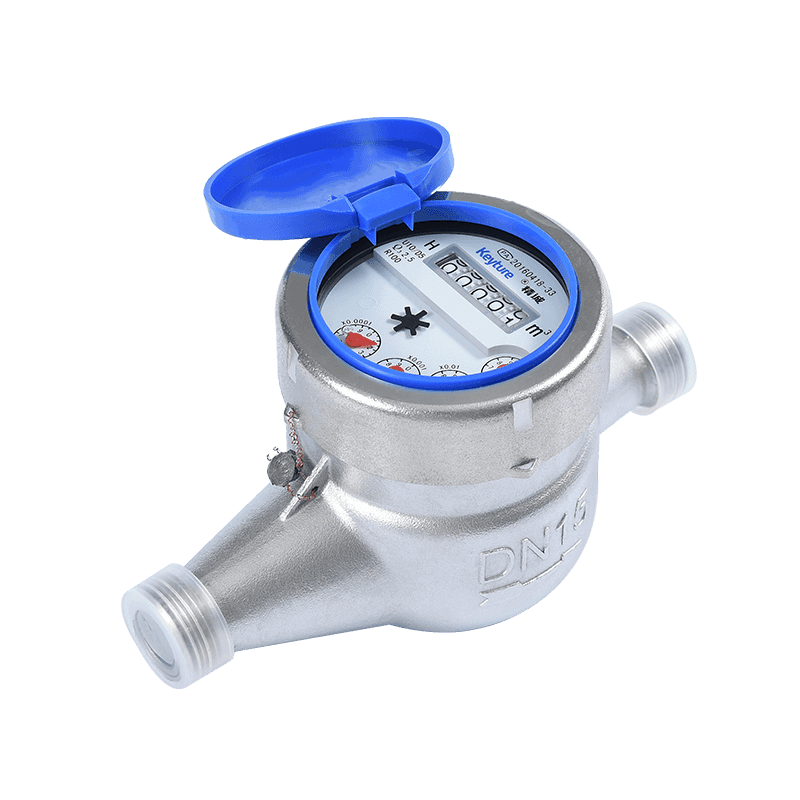
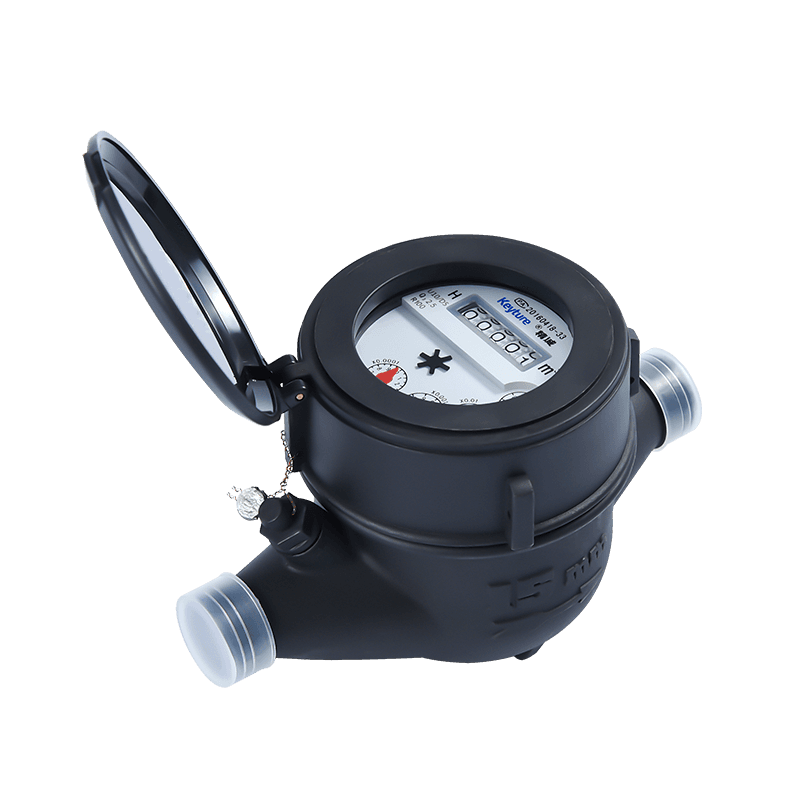
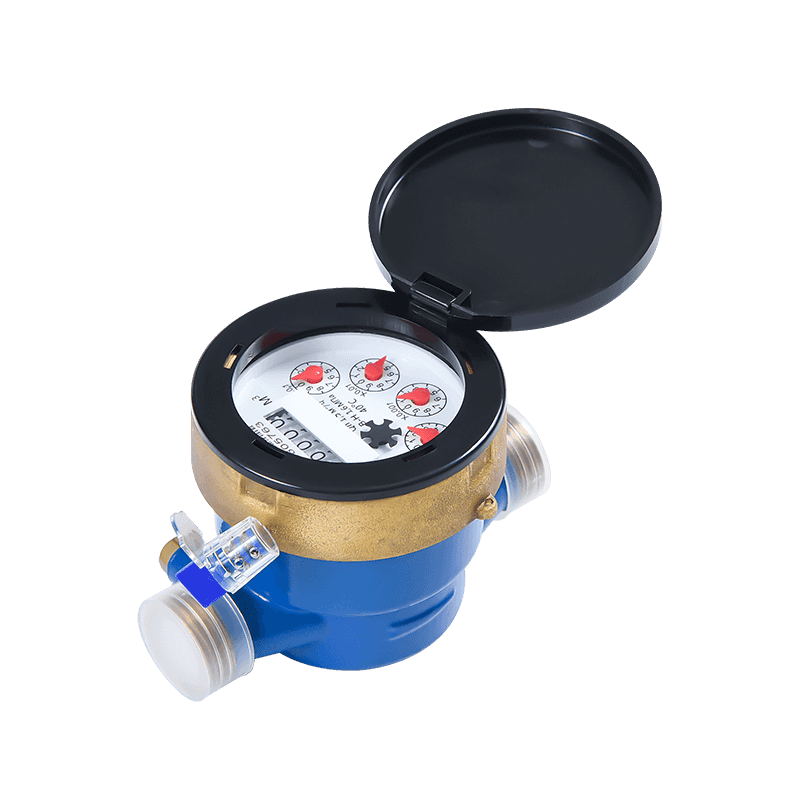
The Mechanic Water Meter remains a standard for many infrastructure projects due to its proven track record and independence from external power sources. These devices operate on a kinetic energy principle where the flowing water physically displaces an internal component, such as a turbine, paddle wheel, or piston. The rotational speed of these components is proportional to the velocity of the water, which is then translated via a gear train into a readable volume on the register.
While effective for stable, clean water applications, the Mechanic Water Meter faces challenges in harsh conditions. The presence of physical moving parts means that friction and mechanical wear over time can lead to a decrease in measurement accuracy. Furthermore, high concentrations of suspended solids in the fluid can cause blockages or damage to the internal rotors, requiring regular manual inspections and maintenance cycles for any water flow meter of this category.
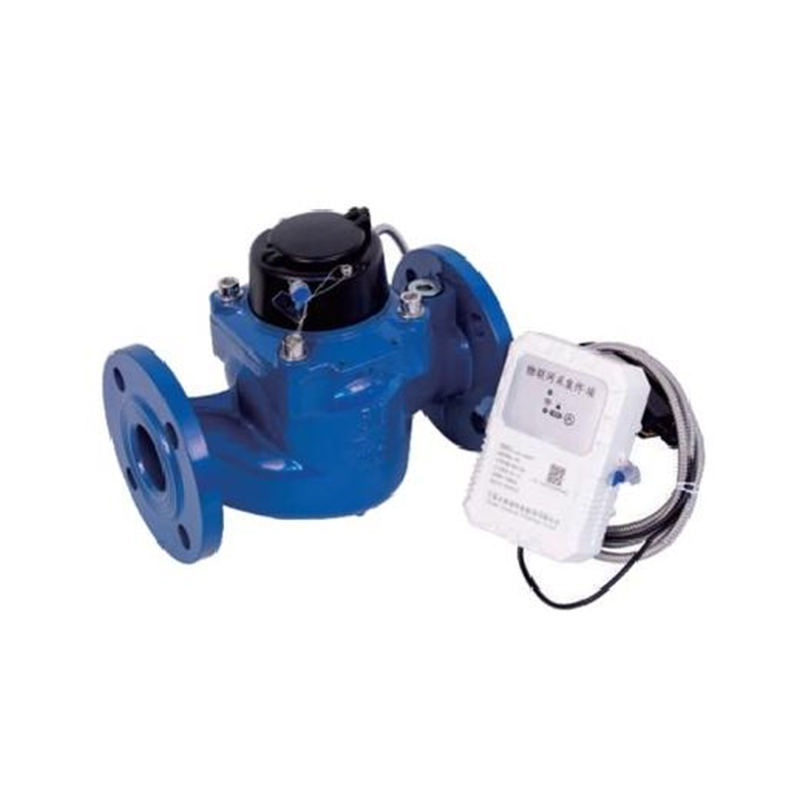
The ultrasonic water meter represents a significant technological shift toward maintenance-free, high-precision measurement. Unlike mechanical variants, an ultrasonic flowmeter uses electronic transducers to send and receive sound waves through the fluid. By measuring the transit time difference between signals sent upstream and downstream, the device calculates the flow rate with extreme precision.
A primary benefit of the ultrasonic flowmeter is its non-invasive design. There are no obstructions or moving parts within the flow path, which eliminates pressure drops and prevents the accumulation of debris. This makes the ultrasonic water meter exceptionally well-suited for systems where energy conservation (minimizing pump head loss) and long-term reliability are paramount.
| Parameter | Mechanic Water Meter | ultrasonic water meter |
| Measurement Method | Mechanical Turbine/Piston | Ultrasonic Transit-time |
| Starting Flow Rate | Higher (Limited by friction) | Extremely Low (Detects leaks) |
| Pressure Loss | Significant | Zero/Negligible |
| Turndown Ratio (R) | Typically 40:1 to 80:1 | Up to 400:1 or higher |
| Wear and Tear | Moving parts wear out | No moving parts |
| Data Connectivity | Pulse output (Optional) | Integrated Digital/Wireless |
| Protection Rating | IP65 typical | IP68 (Submersible) |
In scenarios where water is not contained within a pressurized pipe, such as irrigation canals or plant effluent discharge, the flume water meter is the essential tool. This system utilizes a primary sensing element (the flume) to create a specific flow pattern that correlates liquid level with discharge volume.
Modern flume water meter installations often integrate an ultrasonic flowmeter sensor mounted above the water surface. This sensor measures the level without touching the fluid, avoiding corrosion or fouling. This combination is highly effective for large-scale environmental monitoring where the water flow meter must handle variable flow rates and high debris loads without losing calibration.
When integrating a water flow meter into a professional water network, engineers must account for the required turndown ratio and the sensitivity to low-flow conditions. The ultrasonic water meter excels in identifying "unaccounted for water" because it can register flows that are too slow to move the gears of a Mechanic Water Meter.
Furthermore, the ultrasonic flowmeter provides secondary data such as water temperature and diagnostic alerts for pipe bursts or reverse flow, which are not possible with standard mechanical units. For large diameter industrial pipes, the use of clamp-on ultrasonic flowmeter technology allows for installation without cutting the pipe, offering a cost-effective solution for retrofitting existing facilities without operational downtime.
prevWhy Are Modern Properties Switching to Intelligent Prepaid Water Meter Systems
nextHow Do Ultrasonic Water Meters Adapt to Different Water Quality Environments


Address: No.168,LinMu Rd.,Zone B, Jiangbei investment Park, Ningbo, Zhejiang,China
Tel: +86-0574-83090480/+86-18892665118
Fax: +86-0574-83021045
Email: [email protected]
Web: https://www.keyturemeter.com/
Quick Links
Product
Mobile terminal
 Wholesale Potable Water Flow Meter Manufacturers