English
 Español
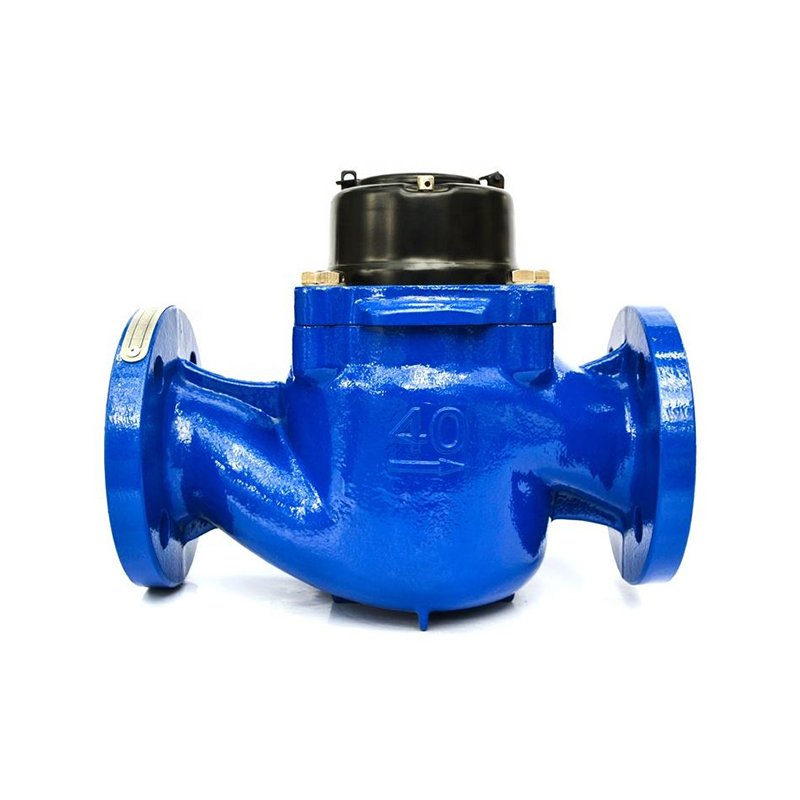


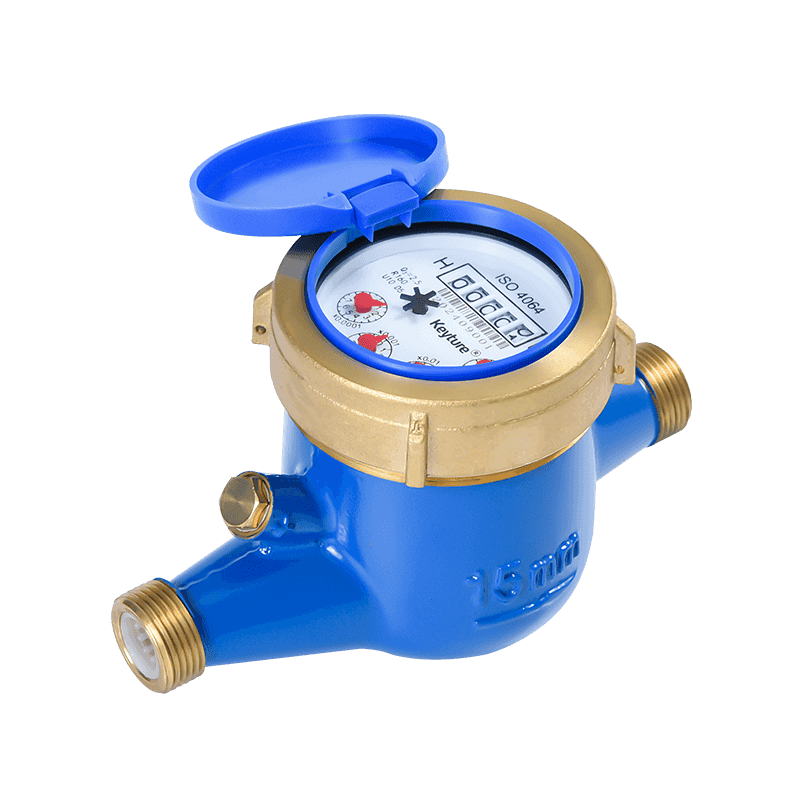
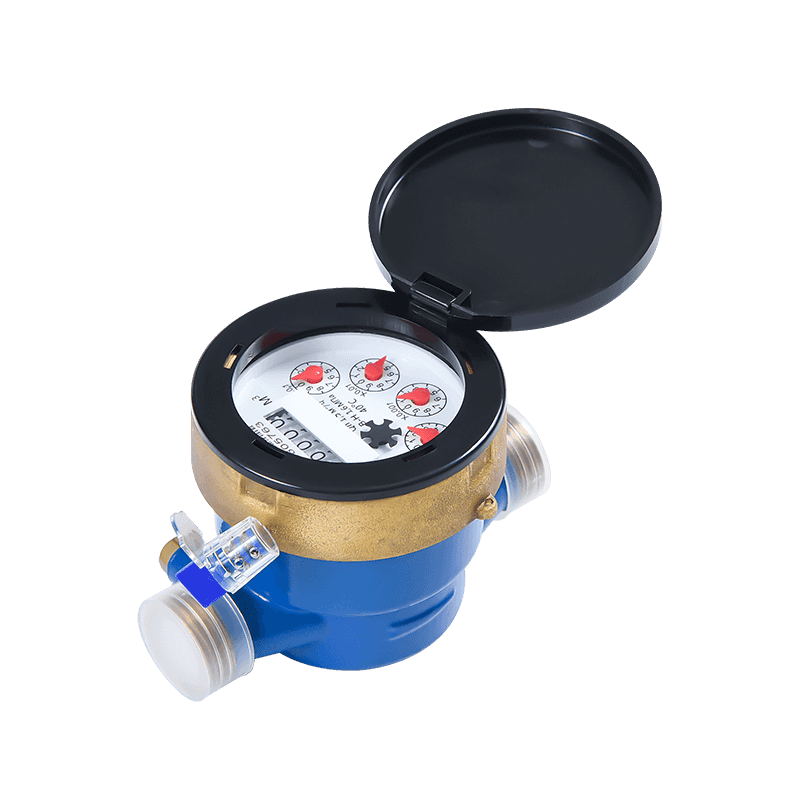
Selecting a reliable drinkable water meter requires more than comparing price lists. Municipal utilities, property developers, and facility operators need calibrated flow accuracy, sanitary-grade materials, and a communication architecture that fits the installation environment. This section expands on manufacturing practices, certification pathways, and field-tested comparisons that help procurement teams evaluate metering equipment before installation.
Every meter body begins as a raw casting or injection-molded shell before machining tolerances are checked against wet-flow reference benches. Factories producing sanitary-grade metering equipment typically run three separate quality gates: dimensional inspection of the flow path, pressure testing of the housing under simulated line pressure, and a final calibration pass on a certified flow rig traceable to national metrology standards. Units intended for potable applications are cleaned and sealed in a dedicated assembly line separate from industrial-grade product lines to avoid cross-contamination with non-food-grade lubricants or sealants.
For an iot v direct drinkable water meter, the calibration process includes an additional step: verifying that the embedded sensor's digital output matches the mechanical or ultrasonic reading within the rated error band across the full flow range, not just at nominal flow. This matters because direct-reading IoT sensors report data straight to the communication module without an intermediate mechanical gear train, so any drift at low-flow conditions shows up immediately in the transmitted dataset.
Below is a side-by-side comparison of the three configurations most frequently requested by water utilities and property developers: the standard direct-reading IoT unit, the valve-controlled IoT unit, and the wired industrial-grade unit.
| Parameter | IoT V Direct Type | IoT Valve Controlled Type | Wired Type |
|---|---|---|---|
| Communication | NB-IoT / LoRa | NB-IoT / 4G Cat.1 | RS485 bus |
| Remote shut-off | No | Yes, motorized valve | Optional, external relay |
| Power source | Lithium battery, 6–8 years | Lithium battery, 6–10 years | External DC supply |
| Reporting interval | Hourly / daily | Hourly / real-time on event | Real-time, second-level |
| Accuracy class | R160–R400 | R160–R400 | R400–R800 |
| Recommended setting | Residential sub-metering | Prepaid water systems | Underground utility rooms |
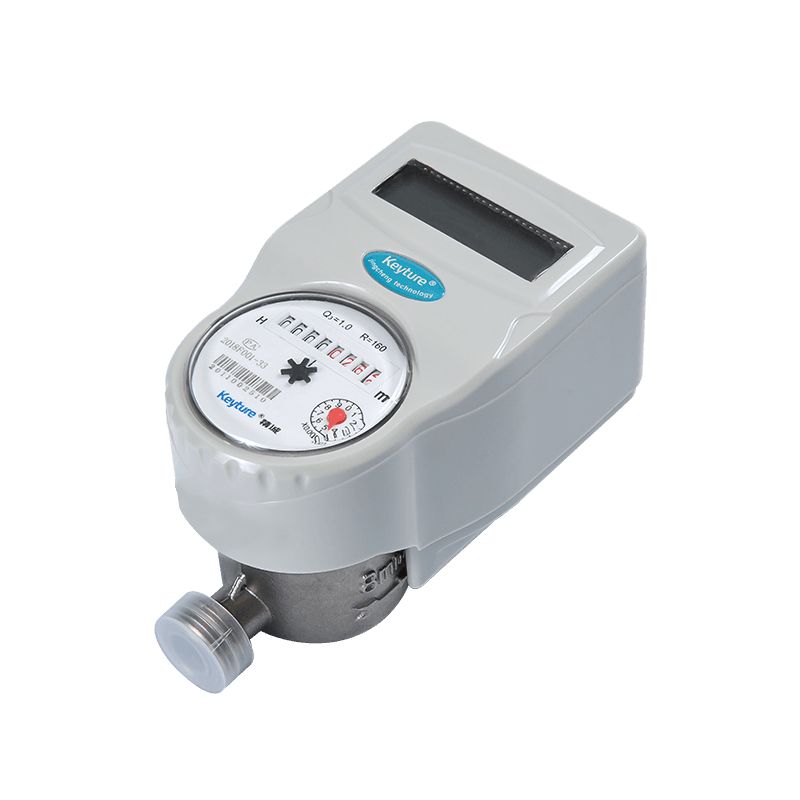
An iot v direct drinkable water meter removes the mechanical gear train that traditional meters rely on for register movement, replacing it with a direct digital sensor read-out. This design reduces moving parts subject to wear, which in turn lowers long-term maintenance visits. Because the sensor communicates flow data directly to the transmission module, utilities can detect a stalled or reversed flow pattern almost immediately, rather than waiting for the next manual meter reading cycle. Property managers overseeing multi-unit buildings frequently request this configuration because it supports per-unit billing without requiring a technician to walk each floor with a handheld reader.
Continuous low-flow signals outside normal usage hours are flagged automatically, helping identify slow leaks before they appear on a water bill.
Backflow events are timestamped and stored locally even if the network connection is temporarily unavailable.
Remaining battery capacity is transmitted alongside flow data so maintenance teams can schedule replacements proactively.
Where remote billing enforcement is required, an iot valve controlled direct drinkable water meter adds a motorized shut-off valve inside the same housing. When a prepaid balance reaches zero, or when tampering is detected, the platform can send a close command and the valve responds within a few seconds. This is particularly relevant in student housing, short-term rental units, and construction-site temporary supply, where administrative teams need supply control without dispatching a plumber. The valve mechanism itself is manufactured from the same sanitary-grade materials as the flow body, since it remains in continuous contact with the water stream.
Field data from prepaid deployments shows that valve response time, measured from command issuance to full closure, typically falls between three and eight seconds depending on valve size and line pressure. Facilities teams should confirm this figure during commissioning, since a slower response time on larger pipe diameters can affect emergency shut-off scenarios.
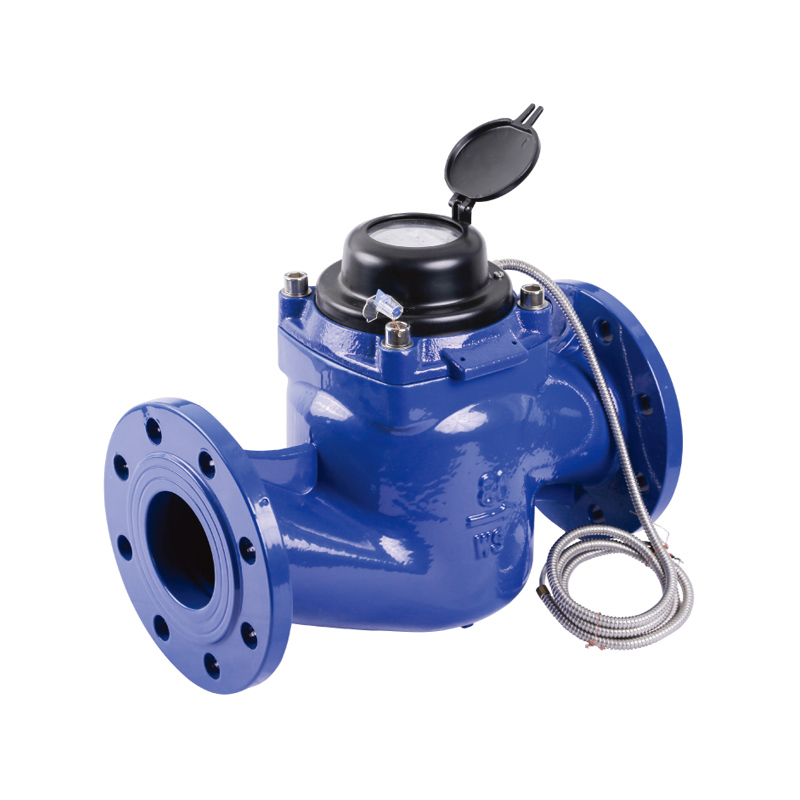
A wired drinkable water meter remains the preferred choice in basements, underground parking structures, or metal-clad utility rooms where wireless signal penetration is unreliable. The RS485 bus architecture supports daisy-chaining multiple meters on a single communication line, reducing the number of gateway devices needed per building. Because wired units draw power externally rather than from an internal battery, they avoid the multi-year battery replacement cycle associated with wireless configurations, which some facility managers prefer for large installations with hundreds of endpoints.
Answering what is a potable water meter starts with the certification, not the mechanism. A potable water meter is any flow-measurement device explicitly certified for direct contact with water intended for human consumption. This distinguishes it from general industrial flow meters, which may use materials suitable for non-potable process water but not approved for prolonged drinking-water contact. Certification bodies commonly referenced include NSF/ANSI 61 in North America and WRAS approval in the United Kingdom, both of which evaluate material leaching under simulated long-term water contact.
Three measurement principles dominate the potable metering category: positive displacement (volumetric), turbine-based, and ultrasonic. Ultrasonic types have gained adoption in recent residential installations because they contain no rotating mechanical parts in the flow path, which reduces the minimum starting flow rate and extends operational lifespan under continuous use.
Total Dissolved Solids, measured in parts per million (ppm), indicate the combined concentration of minerals, salts, and organic matter dissolved in water. Addressing what is a good tds reading for drinking water requires context rather than a single target number, since mineral content also contributes to taste and electrolyte balance.
| TDS Range (ppm) | Water Quality Classification |
|---|---|
| 0 – 50 | Very low mineral content, typical of reverse osmosis output |
| 50 – 150 | Excellent drinking water range |
| 150 – 300 | Good, generally acceptable range |
| 300 – 600 | Fair, higher mineral content but still consumable |
| 600+ | Poor, further treatment generally recommended |
A frequent question from facility operators is are drinking water testers accurate, particularly the handheld TDS pens used for quick field checks. These devices estimate dissolved solids by measuring electrical conductivity, which correlates with ionic concentration but does not directly detect bacteria, heavy metals, or non-ionic organic contaminants. When properly calibrated, conductivity-based testers typically report within a two percent margin of laboratory conductivity measurements, but this figure applies only to dissolved ionic content, not overall water safety.
Does a low TDS reading guarantee safe drinking water?
No. TDS reflects mineral and salt concentration only. Microbiological contamination requires separate laboratory testing.
How often should a handheld tester be calibrated?
Most manufacturers recommend calibration against a reference solution every one to three months, depending on usage frequency.
Can water temperature affect tester accuracy?
Yes. Conductivity readings shift with temperature, so most testers include automatic temperature compensation to correct the output.
Individual apartment units within multi-tenant buildings, supporting accurate per-household billing without shared estimation.
Student housing and short-term rentals where balance-based valve control reduces administrative overhead.
District-level monitoring points that feed consumption data into centralized utility management platforms.
Office buildings and retail complexes requiring department-level water cost allocation.
Beyond standard catalog configurations, metering equipment can be adapted to specific pipe diameters, thread standards, and regional communication protocols. Facilities operating in regions with established NB-IoT infrastructure often standardize on that protocol, while sites in areas without dedicated IoT coverage may request 4G Cat.1 modules or wired RS485 bus configurations instead. Housing color, register display units (cubic meters versus gallons), and enclosure ingress protection ratings can also be configured to match local regulatory requirements or climate conditions, including outdoor pit installations that require IP68-rated sealing.
For procurement teams evaluating a full range of configurations side by side, including the drinkable water meter product line covering direct-reading, valve-controlled, and wired variants, technical documentation and third-party certification records are available for review prior to installation planning.
prevWater Meter Downsides: 7 Honest Drawbacks to Consider
nextWhat Is a Bulk Water Meter and How Does an Ultrasonic Bulk Water Meter Improve Accuracy


Address: No.168,LinMu Rd.,Zone B, Jiangbei investment Park, Ningbo, Zhejiang,China
Tel: +86-0574-83090480/+86-18892665118
Fax: +86-0574-83021045
Email: [email protected]
Web: https://www.keyturemeter.com/
Quick Links
Product
Mobile terminal
 Wholesale Potable Water Flow Meter Manufacturers