English
 Español
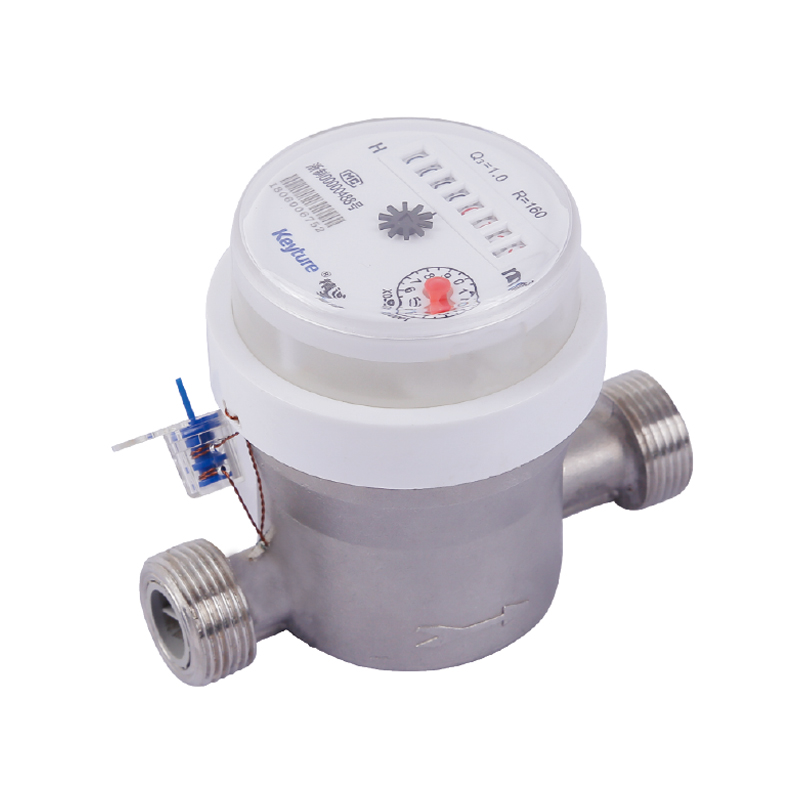


Ultrasonic heater water meters, as a modern type of smart water meter, have gained widespread adoption due to their high accuracy, long lifespan, and low maintenance costs. These meters measure water flow using ultrasonic technology, and their accuracy is influenced by various factors, including changes in water quality. Water quality fluctuations, such as the presence of air bubbles, suspended solids, impurities, or temperature changes, can all impact ultrasonic wave propagation, leading to measurement errors. To ensure accurate readings, ultrasonic heater water meters utilize various technical strategies to mitigate the effects of water quality variations.
Ultrasonic heater water meters work by measuring the time it takes for an ultrasonic pulse to travel through water. In ideal conditions, ultrasonic waves travel at a constant speed in water, but variations in water quality can alter the speed and path of wave propagation, affecting the measurement. The primary factors influencing accuracy are:
Air Bubbles: Air bubbles in water can cause reflection or refraction of ultrasonic waves, leading to errors in measurement.
Suspended Solids and Impurities: These can interfere with the propagation of ultrasonic waves, causing signal attenuation or distortion.
Temperature Changes: Fluctuations in water temperature can affect the water's density, altering the speed of ultrasonic waves.
Irregular Water Flow: In turbulent conditions, uneven water flow can disturb the path of ultrasonic waves, resulting in inaccurate readings.
To address the challenges posed by water quality variations, ultrasonic heater water meters often employ multi-channel signal processing technology. This approach uses multiple ultrasonic sensors and signal channels to simultaneously transmit and receive ultrasonic waves along different paths. Even in the presence of air bubbles or impurities, the water meter can compare the signals from different channels to identify and eliminate errors caused by water quality issues. Multi-channel signal processing significantly improves the stability and accuracy of measurements in complex water quality environments.
Intelligent algorithms play a crucial role in overcoming the impact of water quality on ultrasonic heater water meter accuracy. Advanced data filtering techniques enable the water meter to identify and eliminate noise caused by water quality problems such as air bubbles and suspended solids. For example, the meter can compare measurement data over different time periods and under varying conditions to detect anomalies and automatically correct the readings. These algorithms not only enhance the water meter's resistance to interference but also allow it to adjust its operating parameters without compromising measurement accuracy.
Temperature changes significantly affect the speed of ultrasonic wave propagation. To counter this, modern ultrasonic heater water meters incorporate precise temperature compensation technology. By integrating temperature sensors, the meter can monitor the water temperature in real-time and adjust the ultrasonic wave speed accordingly. This ensures that the meter maintains accurate readings despite fluctuations in temperature.
Temperature compensation is particularly crucial in hot water systems, where temperature fluctuations are common. By continuously adjusting the ultrasonic wave transmission speed, the meter can avoid errors caused by temperature variations, ensuring accurate measurement of hot water flow.
The sensors used in ultrasonic heater water meters are designed for high precision and resistance to interference, ensuring reliable operation in challenging water quality conditions. High-precision sensors accurately capture the changes in ultrasonic waves as they travel through the water, converting them into precise flow data. Additionally, ultrasonic water meters are often equipped with electromagnetic interference (EMI) shielding to protect against disturbances from external electrical sources, further improving measurement reliability.
In environments with significant amounts of foam or impurities in the water, the sensors are optimized to reduce the impact of stray signals, ensuring that ultrasonic waves are received accurately. This capability is particularly important in industrial water quality environments, where such interference is common.
Ultrasonic heater water meters also feature automatic calibration and self-adaptive adjustment functions to cope with varying water quality. During installation and use, the water meter performs multiple calibration cycles to ensure consistent accuracy. Additionally, the meter can adjust its settings based on different water quality factors such as flow rate, temperature, and impurity content, optimizing performance even in changing conditions.
For example, the water meter may automatically identify significant changes in water quality over time and adjust its operating mode to improve measurement accuracy. This intelligent adjustment reduces the need for manual intervention and helps lower maintenance costs.
prevWhat are the advantages and challenges of using ultrasonic water meters for heat metering
nextWhat are the advantages of rotary piston water meters in the low flow rate range


Address: No.168,LinMu Rd.,Zone B, Jiangbei investment Park, Ningbo, Zhejiang,China
Tel: +86-0574-83090480/+86-18892665118
Fax: +86-0574-83021045
Email: [email protected]
Web: https://www.keyturemeter.com/
Quick Links
Product
Mobile terminal
 Wholesale Potable Water Flow Meter Manufacturers