English
 Español
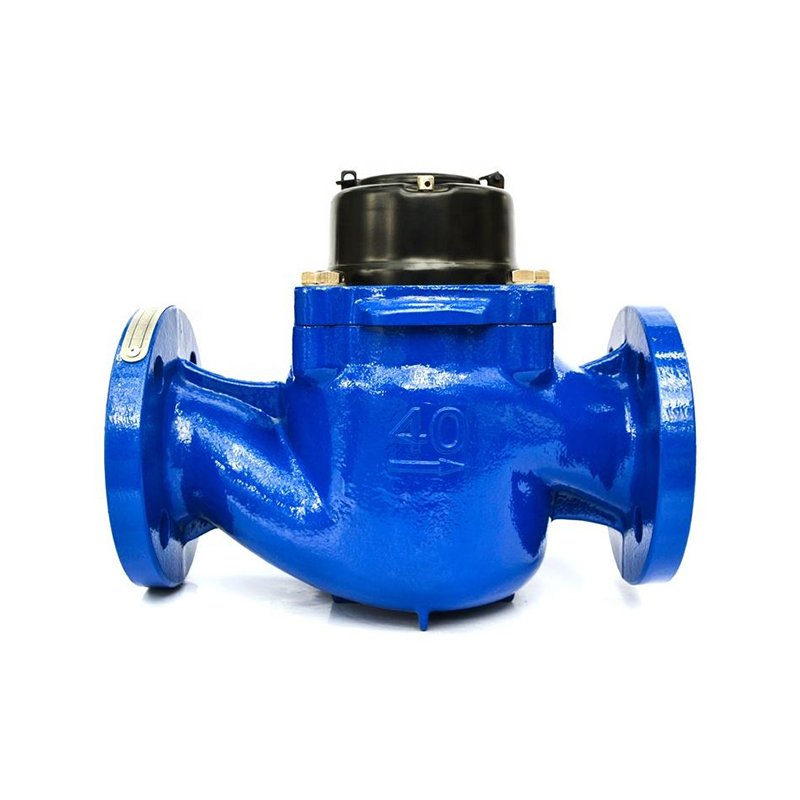


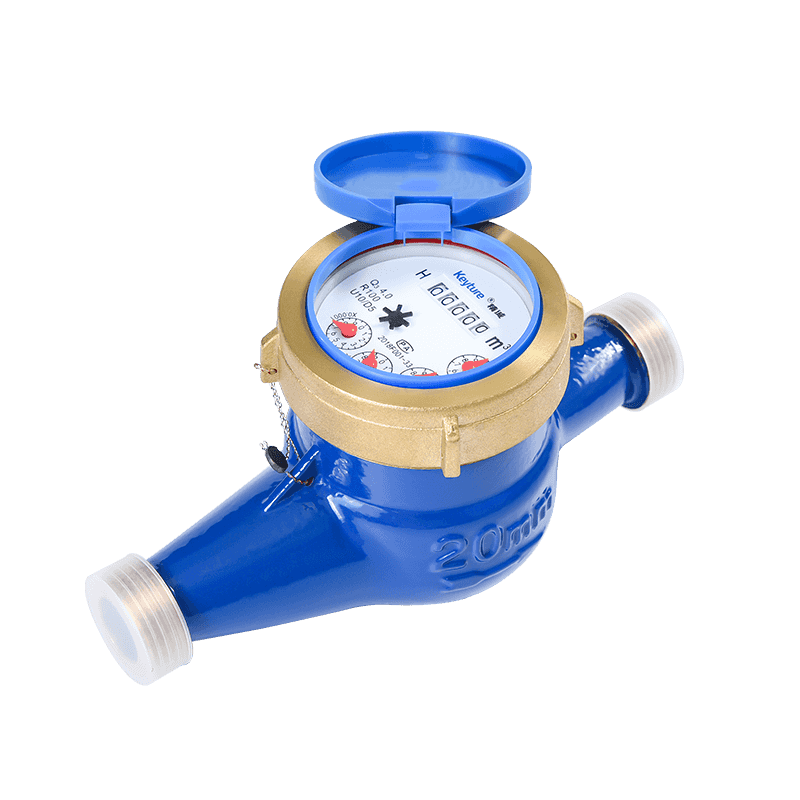
In the water supply industry, the Mechanic Water Meter is widely utilized for its robust design and independence from external power sources. However, during extreme cold weather, the incidence of Inaccuracy and Cracking rises significantly. These issues impact non-revenue water (NRW) management for utilities and increase maintenance costs for end-users.
The primary cause of physical destruction in a Mechanic Water Meter lies in the physical properties of water as it drops below freezing. When water temperature falls below 0°C, it begins to crystallize into ice.
Volume Expansion Effect: Water expands by approximately 9% in volume when transitioning from liquid to solid. In a restricted environment like the Measuring Chamber of a water meter, this expansion creates immense internal pressure.
Material Stress Limits: Most mechanical meters use Brass or Cast Iron for the body. While these metals possess high tensile strength, the pressure generated by ice expansion can exceed 20,000 psi. This force often surpasses the material's elastic limit, leading to structural failure of the meter casing or the counter glass.
Beyond physical damage, low-temperature environments interfere with the Accuracy of a Mechanic Water Meter through several physical pathways.
Modification of Friction Coefficients
The Mechanic Water Meter relies on an Impeller driving a series of Gears. In cold conditions, the viscosity of residual water near the bearings increases. Micro-icing can occur, significantly raising the Starting Flow. This results in the meter failing to register water consumption during low-flow periods because the impeller cannot overcome the added resistance.
Differential Thermal Contraction
Internal components and the meter body are made of materials with different coefficients of thermal expansion. At low temperatures, the Clearance (fitting gap) between the plastic gears and the metal housing narrows. This contraction increases mechanical friction. Furthermore, for dry-dial meters using a Magnetic Drive, extreme cold can affect the magnetic flux density, leading to Decoupling and resulting in under-registration of water usage.
During temperature fluctuations, partial icing may occur within the meter. These ice crystals alter the internal geometry of the Measuring Chamber.
Reduction of Flow Area: According to Bernoulli's principle, as the cross-sectional area of the flow path decreases, the velocity of the fluid increases. This local acceleration causes the Impeller to rotate faster than intended for a given volume of water, leading to "over-reading" where the registered consumption is higher than the actual volume used.
To reduce the failure rate of the Mechanic Water Meter in winter, several technical strategies are employed during manufacturing and installation:
Enhanced Material Resilience
Using ductile iron or specialized alloys with higher fracture toughness helps the meter body withstand temporary pressure spikes without catastrophic Cracking.
Register Protection
Implementing vacuum-sealed or oil-filled Register units prevents moisture ingress and freezing within the counting mechanism, ensuring the digits remain visible and mobile in sub-zero temperatures.
Management of Air Pockets
Reducing the accumulation of Air Pockets within the pipeline is critical, as compressed air can exacerbate the destructive force exerted during the freezing process.
prevIndustrial Flow Measurement Shift: Why Large-diameter Ultrasonic Water Meter is Replacing Mechanic Water Meter
nextSmart Water Security: How NB-IoT Prepaid Water Meters Ensure Emergency Supply During Network Outages


Address: No.168,LinMu Rd.,Zone B, Jiangbei investment Park, Ningbo, Zhejiang,China
Tel: +86-0574-83090480/+86-18892665118
Fax: +86-0574-83021045
Email: [email protected]
Web: https://www.keyturemeter.com/
Quick Links
Product
Mobile terminal
 Wholesale Potable Water Flow Meter Manufacturers