English
 Español
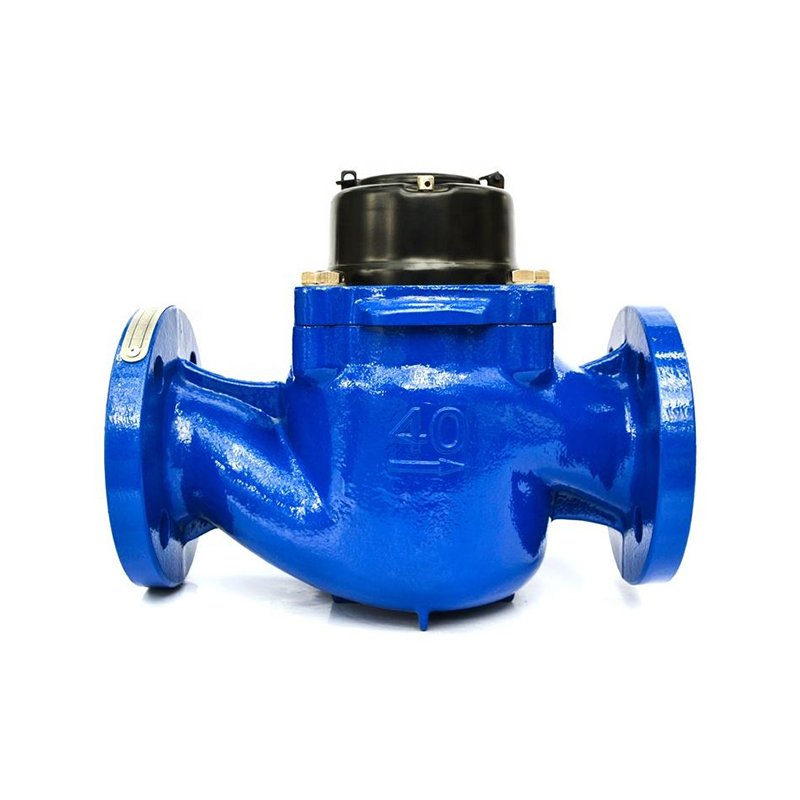


In the sector of industrial water supply and metering, the Large-diameter Mechanic Water Meter has historically held a dominant position. However, with the rising demands of the Industrial Internet of Things (IIoT) and precision water conservation, the Ultrasonic Water Meter is rapidly completing a total market replacement. This trend is driven by fundamental differences in physical structure, long-term performance, and digital capabilities.
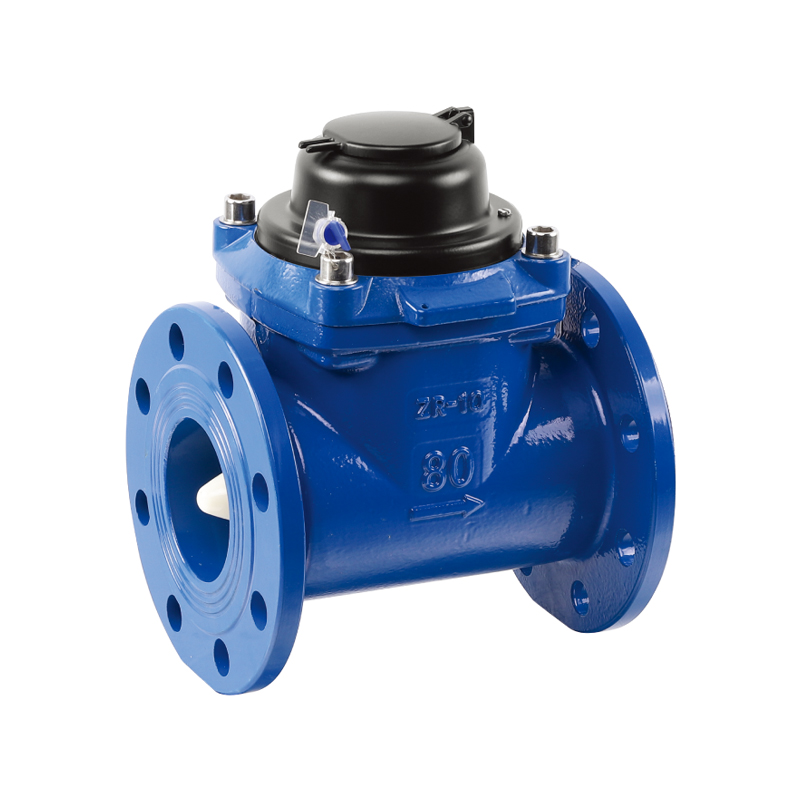
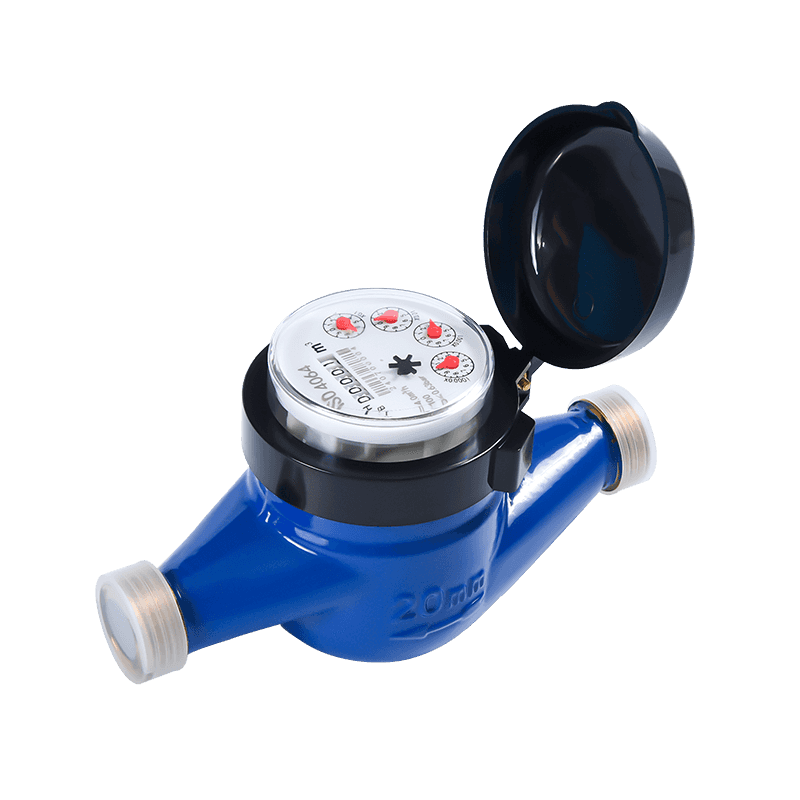
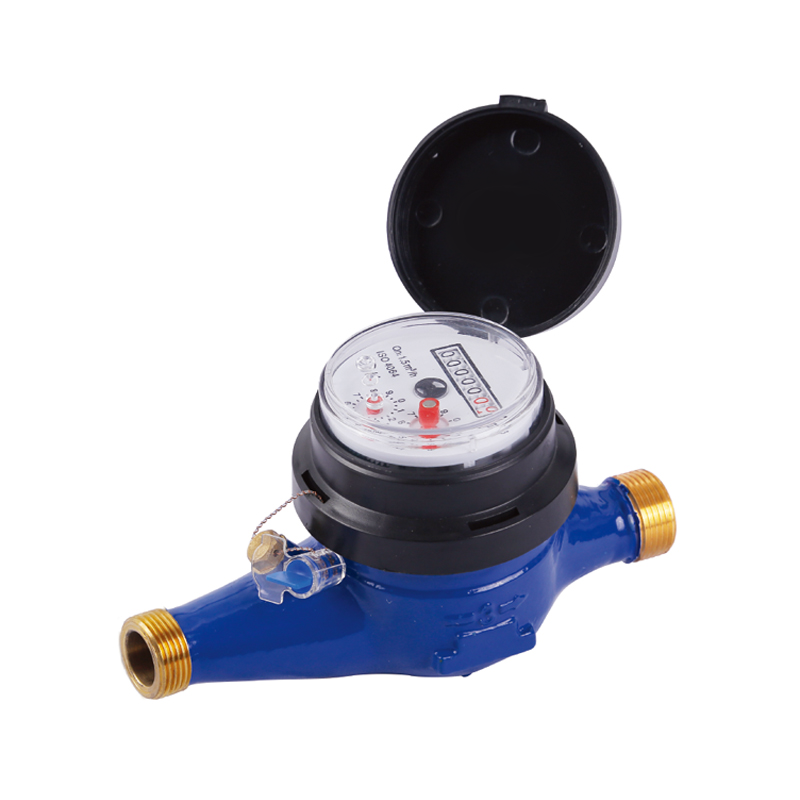
The core functionality of a traditional Large-diameter Mechanic Water Meter depends on the rotation of an Impeller or turbine. In high-pressure, high-velocity industrial environments, these mechanical components face severe operational challenges.
Physical Wear and Accuracy Drift: Bearings and impellers inevitably undergo mechanical wear over time. This wear leads to a continuous rise in the Starting Flow, where the meter fails to register low-flow usage, causing non-revenue water losses to worsen as the device ages.
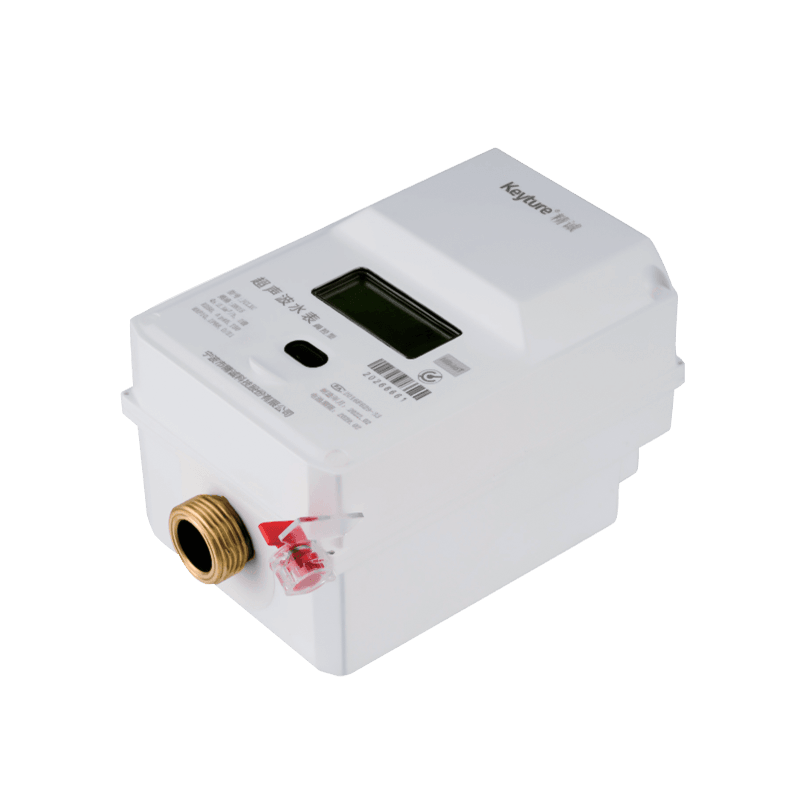
The Ultrasonic Advantage: Utilizing a static path design, an Ultrasonic Water Meter contains no rotating parts. It measures flow using the Transit-time principle, calculating the difference in time it takes for sound waves to travel upstream versus downstream. Because there is no mechanical contact, measurement Accuracy remains exceptionally stable throughout the entire lifecycle, eliminating losses caused by mechanical aging.
For industrial production, pressure loss within large-diameter pipelines directly correlates to the energy costs of water pumps.
Flow Resistance: To drive mechanical internal structures, a Mechanic Water Meter must place obstacles like impellers in the flow path, creating a significant drop in water pressure.
Full-bore Design: The measurement section of an Ultrasonic Water Meter is typically a straight-through pipe. The flow resistance coefficient is nearly identical to that of a standard pipe of the same diameter. This design reduces head loss and lowers the power requirements for pumping stations. The electricity savings over long-term operation often exceed the initial cost of upgrading the meter.
Industrial water usage patterns are complex, ranging from instantaneous high-volume flows during equipment cleaning to minute leakages during maintenance periods.
Leap in Turndown Ratio: Traditional mechanical meters usually offer a Turndown Ratio of R:160 or lower, making it difficult to accurately measure both extremely high and extremely low velocities. An Ultrasonic Water Meter can easily achieve R:400 or even R:800.
Leak Detection: Ultrasonic technology is sensitive enough to detect extremely weak fluid movement. This capability is critical for Leak Detection within industrial park pipe networks, preventing minor leaks from turning into major infrastructure failures.
Industrial raw water or circulating water often contains silt, scale, or debris, which can be fatal to mechanical components.
Anti-scaling and Clog Resistance: Impellers in a Mechanic Water Meter are highly susceptible to entanglement or jamming by debris. Furthermore, scale deposits can change the moment of inertia of the impeller. The non-contact measurement method of the Ultrasonic Water Meter makes it insensitive to impurities, ensuring stable operation even in harsh water conditions.
Anti-magnetic Interference: Mechanical meters, particularly dry-dial types, are vulnerable to external magnetic fields or intentional tampering. Since ultrasonic metering is based on acoustic signals, it is entirely immune to electromagnetic interference.
In the era of Industry 4.0, real-time data acquisition is the primary weakness of the Mechanic Water Meter.
Multi-parameter Measurement: An Ultrasonic Water Meter provides more than just totalized flow. It can monitor Instantaneous Flow, flow velocity, temperature, and even pipeline pressure simultaneously.
Communication Protocol Support: Modern ultrasonic meters natively integrate Modbus RTU, NB-IoT, or M-Bus interfaces. Unlike mechanical meters that require external pulse-output modules, ultrasonic meters provide direct digital data transmission, ensuring no "pulse skipping" and serving as the ideal foundation for smart industrial water management systems.
prevWhy is My Mechanic Water Meter Not Working or Reading Inaccurately
nextMechanism Analysis: Why Mechanic Water Meter Inaccuracy and Cracking Occur in Winter


Address: No.168,LinMu Rd.,Zone B, Jiangbei investment Park, Ningbo, Zhejiang,China
Tel: +86-0574-83090480/+86-18892665118
Fax: +86-0574-83021045
Email: [email protected]
Web: https://www.keyturemeter.com/
Quick Links
Product
Mobile terminal
 Wholesale Potable Water Flow Meter Manufacturers