English
 Español
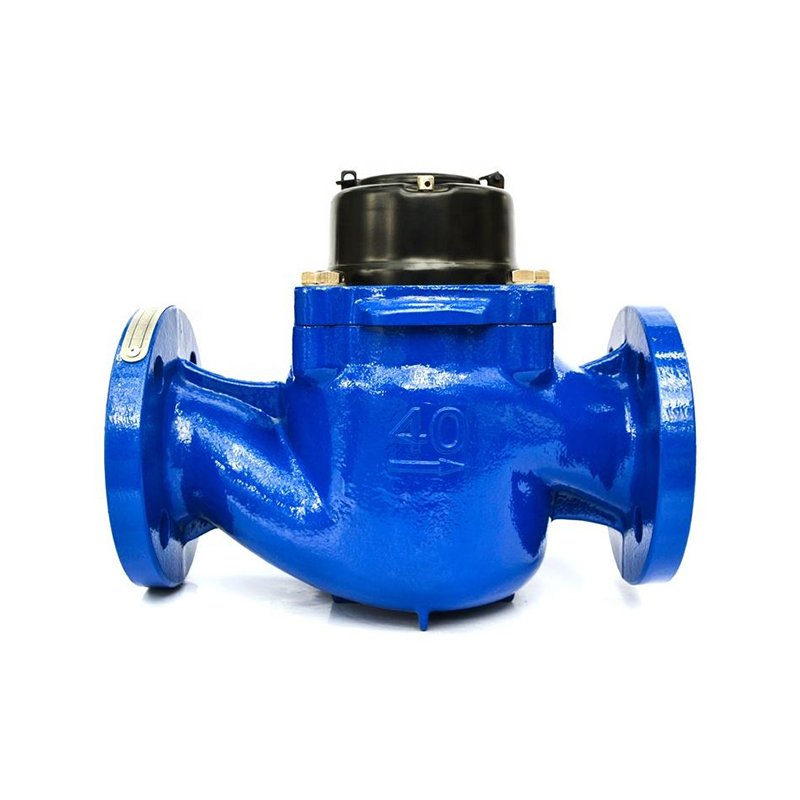


Ultrasonic water meters differ from traditional mechanical water meters in terms of installation costs, primarily due to equipment selection, installation difficulty, and required accessories. Traditional mechanical water meters are simpler to install, requiring only standard connections to the water pipes. On the other hand, ultrasonic water meters are more complex due to their internal technical structure.
First, ultrasonic water meters need to be installed in positions where water flow is stable, ensuring the flow velocity is appropriate to avoid measurement errors caused by uneven flow rates. Additionally, ultrasonic water meters often require additional components such as data transmission modules or wireless communication modules, which add to the installation cost. Moreover, ultrasonic water meters require more precision during installation, often necessitating professional technicians to handle the setup. Therefore, the labor costs for installing ultrasonic water meters tend to be higher compared to traditional water meters.
However, the long-term advantages of ultrasonic water meters are undeniable. With no moving mechanical parts and the ability to avoid issues like corrosion and wear in old pipes, ultrasonic water meters generally experience fewer breakdowns over time. As a result, their maintenance costs are lower in the long run, making them more cost-effective over time.
The maintenance cost of ultrasonic water meters is relatively low, largely due to their working principle, which differs from that of traditional water meters. Traditional mechanical water meters often suffer from wear and tear, corrosion, or the buildup of scale, leading to frequent repairs or replacements. In contrast, ultrasonic water meters do not have any mechanical moving parts, and their operation relies on ultrasonic sensing technology, which is inherently more stable and reliable.
With fewer mechanical components, ultrasonic water meters have a lower failure rate. The primary issues usually occur under extreme environmental conditions, where the ultrasonic sensor or electronic components may experience faults. Additionally, ultrasonic water meters are less affected by factors such as water quality or pressure fluctuations, ensuring their maintenance cycle is longer. This reduces the need for frequent repairs and helps save on maintenance costs compared to traditional meters.
While the initial investment in ultrasonic water meters is higher, their lower maintenance costs result in long-term economic benefits. Ultrasonic water meters typically have a longer lifespan, and their advanced design reduces the need for frequent replacements or repairs. Furthermore, their remote monitoring capabilities allow for real-time issue detection and timely maintenance, reducing downtime and inconvenience.
In terms of long-term use, ultrasonic water meters offer greater economic benefits compared to traditional water meters. Although ultrasonic water meters come with a higher initial purchase and installation cost, their low maintenance requirements and high precision make them more cost-effective in the long run.
Ultrasonic water meters often come equipped with wireless communication systems for remote data monitoring. This enables water utilities to access real-time consumption data, eliminating the need for manual meter readings. As a result, labor costs associated with meter reading are reduced. Additionally, ultrasonic water meters provide highly accurate measurements, preventing errors commonly associated with mechanical meters that are subject to wear and tear, thus reducing the possibility of disputes over water billing and additional costs.
Furthermore, the precision offered by ultrasonic water meters allows water utilities to better manage and allocate water resources, minimizing waste and loss. With real-time monitoring and data analysis, utilities can optimize pipe network layouts and water flow management, leading to increased operational efficiency and reduced operating costs.
prevWhat Are the Different Application Scenarios for Mechanic Water Meter in Residential, Commercial, and Industrial Settings
nextWhy Are Mechanical Water Meters Different in Commercial and Residential Water Metering


Address: No.168,LinMu Rd.,Zone B, Jiangbei investment Park, Ningbo, Zhejiang,China
Tel: +86-0574-83090480/+86-18892665118
Fax: +86-0574-83021045
Email: [email protected]
Web: https://www.keyturemeter.com/
Quick Links
Product
Mobile terminal
 Wholesale Potable Water Flow Meter Manufacturers