English
 Español
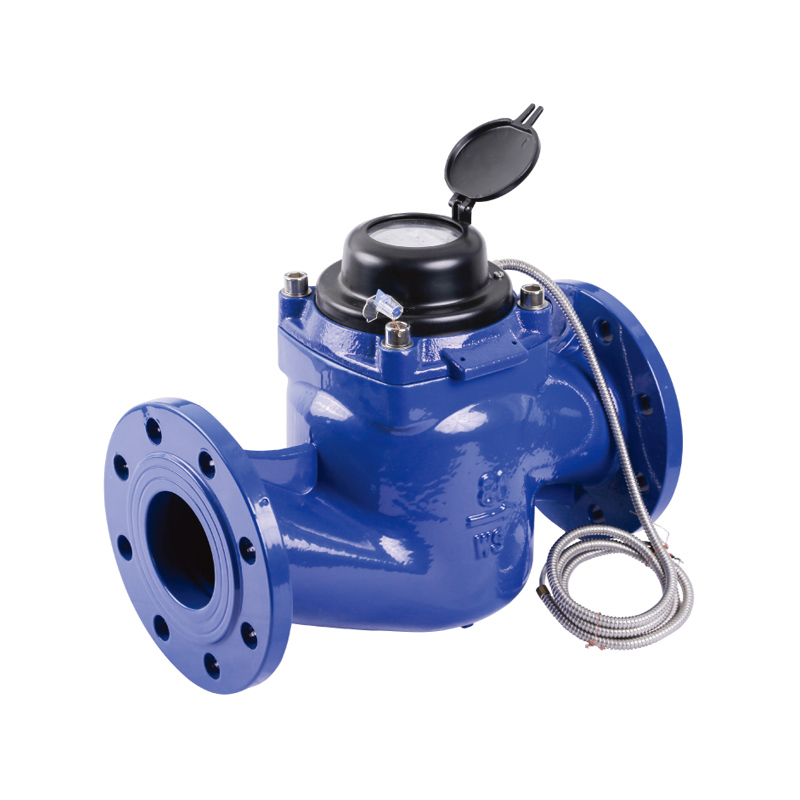


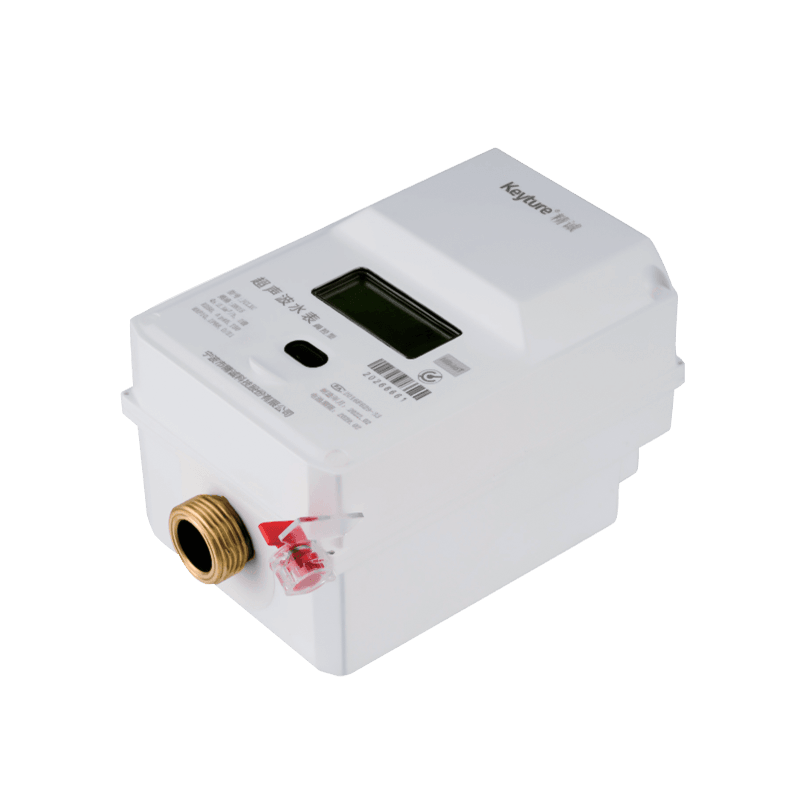
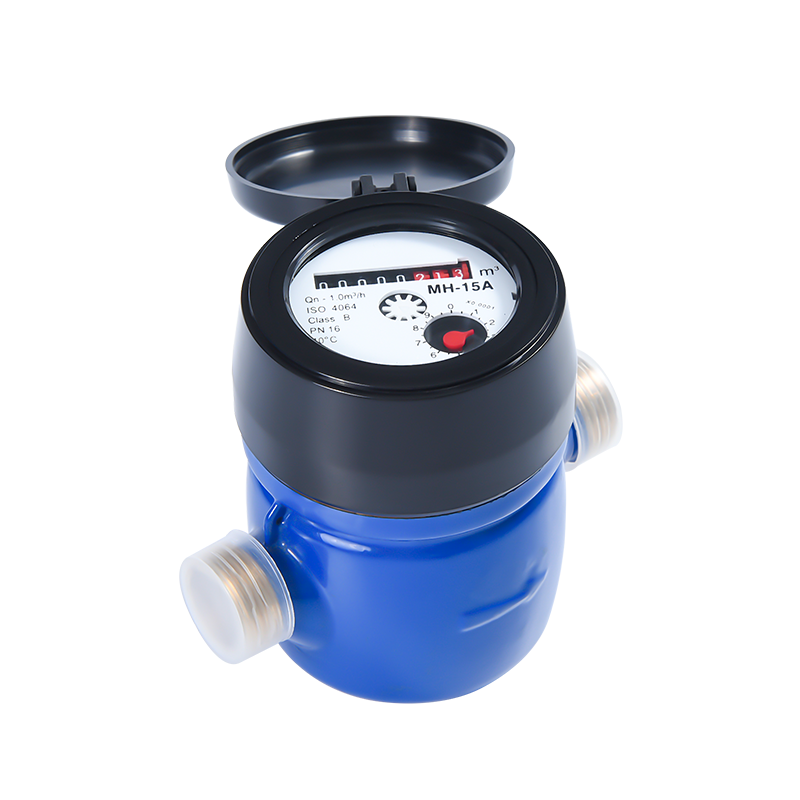
A Heater Water Meter is one of the most demanding pieces of equipment in any hot water distribution network, because it must maintain accurate flow registration while continuously exposed to elevated temperatures, pressure surges, and long operating cycles. As a manufacturer working directly with metering components, we regularly receive technical questions from installers, facility engineers, and plumbing contractors who want to understand why their metering readings shift over time, and whether certain field practices such as taping heating elements directly onto meter housings are safe. This page consolidates practical, factory-level insight into thermal behavior, creep formation, and heat tape usage around metering assemblies.
Every Heater Water Meter installed downstream of a boiler, tankless unit, or recirculating hot water loop performs two functions simultaneously: it records volumetric flow and it survives continuous thermal loading. Unlike a cold water meter, which typically operates in a narrow and stable temperature band, a unit installed on a heated line must tolerate repeated thermal cycling as hot water surges through the chamber during peak demand and cools slightly during idle periods. This constant expansion and contraction places stress on internal gearing, magnetic couplings, and register components.
Flow Registration Accuracy
Internal impellers or positive displacement chambers must maintain dimensional tolerance despite thermal expansion of housing materials, which is why manufacturing tolerance stacks are calculated at elevated reference temperatures rather than ambient conditions.
Housing Material Selection
Bronze, forged brass, and high-temperature composite housings each respond differently to repeated heat exposure, and selecting the correct alloy grade significantly extends service life in continuous hot water applications.
Register and Seal Longevity
The register lens, gasket compound, and internal O-rings are frequently the first components to show measurable degradation, long before the mechanical gear train shows any wear pattern.
Before addressing whether hot water heat causes creep on a water meter, it helps to break down the individual stress mechanisms that act on the meter body during normal operation. These factors rarely occur in isolation; in most real installations, they compound one another, accelerating wear far faster than any single factor would on its own.
Continuous Temperature Exposure
Sustained operating temperatures above 60°C gradually soften polymer components inside the meter body, reducing their ability to hold original dimensional form.
Cyclical Thermal Expansion
Repeated heating and cooling cycles cause micro-movement between metal and polymer interfaces, slowly loosening press-fit tolerances over years of service.
Pressure Fluctuation Under Heat
Hot water systems frequently experience pressure spikes during recovery cycles, and heat combined with pressure loading accelerates fatigue in sealing surfaces.
Chemical Interaction With Hot Water
Elevated temperature increases the rate of mineral deposition and scale buildup, which can indirectly affect the mechanical resistance experienced by rotating components.
The direct answer is yes. Can hot water heat cause creep on water meter internals is one of the most common technical questions raised by facility teams noticing gradual, unexplained increases in recorded consumption. Creep in this context refers to the slow, permanent deformation of polymer or composite materials under sustained thermal and mechanical load, even when the applied stress remains well below the material's short-term yield strength.
In a metering assembly, creep typically manifests in three ways. First, sealing gaskets lose compressive force over time, allowing minor internal bypass that skews flow readings. Second, register gear trains molded from engineering plastics may experience tooth deformation, causing slippage that either under-records or over-records depending on gear geometry. Third, structural components that support the measuring chamber can shift fractions of a millimeter, altering the calibrated flow path and reducing measurement precision.
Molecular Chain Relaxation
Polymer components subjected to constant heat experience gradual relaxation of their molecular chains, which is the root cause of long-term dimensional drift.
Differential Expansion Stress
Metal and plastic parts expand at different rates under heat, generating internal stress concentrations that accelerate localized creep in weaker material zones.
Load Duration Effect
Unlike sudden mechanical failure, creep accumulates with time under load, meaning meters in constant hot water service show measurable drift years before any visible cracking occurs.
From an engineering standpoint, this is precisely why manufacturers rate metering products with a maximum continuous operating temperature rather than a peak momentary rating. A component that briefly tolerates 100°C during a surge event may still be unsuitable for constant 90°C service, because the cumulative creep effect is governed by total thermal exposure time, not by the highest single temperature spike recorded.
| Housing Material | Max Continuous Temp | Creep Resistance Rating | Typical Application |
| Standard Engineering Plastic | 45°C | Low | Cold water distribution only |
| Reinforced Thermoplastic Composite | 75°C | Moderate | Residential hot water lines |
| Forged Brass Alloy | 100°C | High | Commercial hot water systems |
| High-Temperature PPS Composite | 120°C | Very High | Industrial recirculation loops |
| Bronze with Stainless Internals | 135°C | Very High | Steam condensate and process heating |
Internal seal degradation is one of the clearest indicators of creep-driven aging inside a metering assembly. The chart below reflects typical field-measured lifespan reduction percentages, drawn from long-term testing of gasket compounds subjected to sustained operating temperatures.
Estimated reduction in seal service life relative to a 25°C baseline reference, based on sustained operating temperature.
The following curve illustrates how measurement drift accumulates gradually rather than appearing suddenly, reinforcing why creep-related accuracy loss is often missed during routine short-interval inspections.
Representative drift curve showing progressive accuracy deviation in a meter operating continuously above 80°C.
Can you wrap heat tape around a water meter is a question that comes up frequently in cold climate regions where freeze protection is a priority during winter months. From a manufacturing and product safety standpoint, direct application of heat tape onto the meter housing itself is not recommended, and here is the technical reasoning behind that guidance.
Heat tape products generate localized surface temperatures that can exceed the design tolerance of internal register components, even when the surrounding pipe temperature appears moderate. Because a meter housing is not a uniform thermal mass, direct wrapping creates hot spots concentrated near the register and gear train, which is exactly where creep-sensitive polymer parts are located. Wrapping the adjacent supply and discharge piping instead allows freeze protection without subjecting the measuring chamber to unnecessary thermal load.
Step One: Target the Piping, Not the Meter Body
Apply heat tape to the inlet and outlet pipe sections on either side of the meter, leaving a short gap directly over the meter housing itself.
Step Two: Use Self-Regulating Thermostatic Tape
Choose a self-regulating product that automatically reduces output once the pipe surface reaches a safe threshold, avoiding runaway heating near the metering chamber.
Step Three: Add an Insulating Sleeve
Wrap foam or fiberglass insulation over the heat tape and surrounding pipe, which improves freeze protection while reducing the amount of tape length required near the meter.
Step Four: Inspect Seasonally
Check heat tape insulation and wiring integrity before each cold season, since degraded tape can develop localized hot spots that migrate heat closer to the meter body over time.
In vaulted or below-grade installations where ambient ground temperature already provides partial freeze protection, many contractors find that insulating the meter pit itself, combined with pipe-only heat tape, is sufficient without ever needing to apply tape directly to the meter housing.
As a manufacturer, our approach to reducing creep-related failure begins at the material selection stage, long before a Heater Water Meter reaches an installation site. Every housing alloy and internal polymer component undergoes accelerated aging testing under sustained thermal load, simulating years of continuous hot water exposure within a compressed testing window. This allows us to identify which material combinations maintain dimensional stability and which begin showing measurable drift well before field deployment.
Reinforced Gear Train Design
Internal gearing is manufactured from glass-fiber reinforced composites selected specifically for their resistance to tooth deformation under sustained heat and load cycling.
Precision Sealing Systems
Gasket compounds are formulated with fluoroelastomer blends that retain compressive force significantly longer than standard rubber seals under continuous heat exposure.
Thermal Cycling Validation
Finished assemblies are cycled through repeated heating and cooling sequences prior to shipment, ensuring dimensional stability across realistic seasonal operating patterns.
Extended Calibration Margins
Register calibration is set with margin that accounts for expected long-term drift, extending the interval before recalibration becomes necessary in hot water service.
| Installation Environment | Typical Ambient Range | Recommended Meter Grade | Heat Tape Placement |
| Indoor Utility Room | 15°C to 25°C | Standard Hot Water Grade | Not typically required |
| Unheated Basement | 2°C to 15°C | Standard Hot Water Grade | Pipe sections only |
| Outdoor Meter Pit | -10°C to 20°C | High Temperature Composite Grade | Pipe sections with insulated sleeve |
| Industrial Mechanical Room | 20°C to 45°C | Industrial Bronze Grade | Rarely required |
Proper installation practice plays a significant role in minimizing creep-related accuracy loss over the operational life of a Heater Water Meter. Positioning the unit away from direct radiant heat sources, ensuring adequate clearance for airflow around the housing, and avoiding tight enclosure spaces all contribute to reducing sustained thermal load beyond what the water flow itself introduces.
Clearance From Heat Sources
Maintain distance between the meter body and nearby boilers, water heaters, or steam lines to prevent radiant heat from adding to the thermal load already present from hot water flow.
Periodic Accuracy Verification
Schedule flow verification testing at defined intervals to catch gradual drift before it accumulates into a significant billing or process measurement discrepancy.
Enclosure Ventilation
Ensure meter boxes and pits allow some airflow rather than trapping heat, particularly in installations located close to recirculation return lines.
Documentation of Operating Conditions
Record typical operating temperature ranges at the installation site, which helps determine appropriate recalibration or replacement intervals based on actual thermal exposure history.
Selecting the correct Heater Water Meter grade, understanding the mechanisms behind can hot water heat cause creep on water meter internals, and applying heat tape correctly around rather than directly onto the meter body are all interconnected decisions that determine how accurately a system performs over its operational lifetime. Facilities that account for continuous thermal exposure during specification, rather than relying solely on momentary temperature ratings, consistently report fewer accuracy disputes and longer intervals between component replacement. Manufacturing choices around alloy selection, seal compound formulation, and gear train reinforcement directly influence how gracefully a metering assembly ages under sustained heat, making material specification one of the most impactful decisions in any hot water measurement project.
prevWhat Size Thread Does a Residential Smart Water Meter Use and How Does Digital Meter Technology Work
nextHow to Read a Water Meter: Step-by-Step Guide for Homeowners


Address: No.168,LinMu Rd.,Zone B, Jiangbei investment Park, Ningbo, Zhejiang,China
Tel: +86-0574-83090480/+86-18892665118
Fax: +86-0574-83021045
Email: [email protected]
Web: https://www.keyturemeter.com/
Quick Links
Product
Mobile terminal
 Wholesale Potable Water Flow Meter Manufacturers