English
 Español
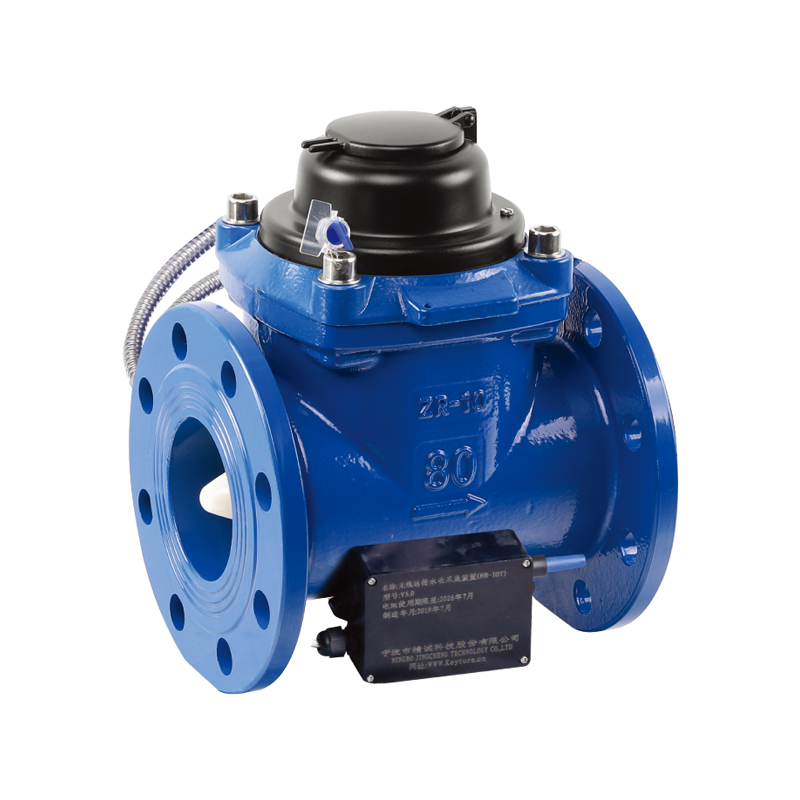


Drinkable water meters play a critical role in accurately measuring water consumption for billing and resource management. After a long period of inactivity, meters may experience mechanical wear, scaling, sensor drift, or pipe-related issues. Conducting comprehensive inspections ensures accurate measurements, reliable operation, and prevents accumulated errors or system failures when meters are put back into service.
The first step is to inspect the water meter’s external condition and structural integrity. Check the meter casing, cover, connections, and seals for damage, aging, or looseness. Physical damage can lead to water leakage, contamination, or mechanical malfunction. Meters exposed to outdoor or humid conditions should also be checked for corrosion or damaged protective coatings. A thorough external inspection provides an initial assessment of whether the meter can continue in service or requires replacement.
Mechanical meters rely on gears, rotors, and impellers for flow measurement. Long periods of inactivity can result in insufficient lubrication, rust, or part seizing. Manual or low-flow tests should be conducted to evaluate the smooth operation of internal moving parts. Any resistance, sticking, or irregular movement may lead to under-registration at low flow rates or delayed readings. Cleaning, lubrication, or replacement of worn components may be necessary to restore normal measurement performance.
Inactive meters are prone to scaling, sediment, or microbial buildup, particularly in areas with hard water. Open the meter for internal inspection or use professional detection methods to assess deposits. Excessive scaling can obstruct water flow or interfere with sensors, causing unstable instantaneous readings. Cleaning or descaling may be required to restore accurate measurement capabilities before reactivation.
Long-term inactivity may cause meter zero-point drift or full-scale measurement errors. Conduct calibration tests across low, medium, and full flow rates. For mechanical meters, verify rotation counts against standard flow measurement equipment. For smart, electromagnetic, or ultrasonic meters, calibrate sensor signals and electronic readings to ensure accuracy across all flow ranges.
Inspect the meter installation and piping for leaks or damage. Long-inactive pipes may have blockages, seal degradation, or loose fittings. Verify check valves, shut-off valves, and air vents to prevent backflow, air bubble interference, or abnormal flow. Proper pipe inspection is essential for reliable meter operation and to prevent errors after reactivation.
Smart or remote-read meters require functional and communication checks after long-term inactivity. Verify data acquisition modules, battery status, wireless signal strength, and data transmission capabilities. Replace batteries if necessary and confirm power stability. Communication issues may lead to missing remote readings or delayed meter data, affecting water management.
Meters being returned to service directly impact drinking water safety. Internal flushing and disinfection should be performed to remove residual contaminants, microorganisms, or chemical deposits. Flushing should use standard water pressure and duration to avoid damaging internal components or sensors. Proper disinfection ensures both water quality and meter longevity.
Document inspection results, including inactivity period, inspection details, cleaning procedures, calibration results, and maintenance recommendations. Regular follow-up inspections can detect anomalies early, preventing error accumulation. Maintenance records provide critical reference for billing verification, water management, and customer service.
prevWhat are the main failure points of a rotary piston water meter
nextWhat types of errors can occur in a potable water meter during long-term use


Address: No.168,LinMu Rd.,Zone B, Jiangbei investment Park, Ningbo, Zhejiang,China
Tel: +86-0574-83090480/+86-18892665118
Fax: +86-0574-83021045
Email: [email protected]
Web: https://www.keyturemeter.com/
Quick Links
Product
Mobile terminal
 Wholesale Potable Water Flow Meter Manufacturers