English
 Español
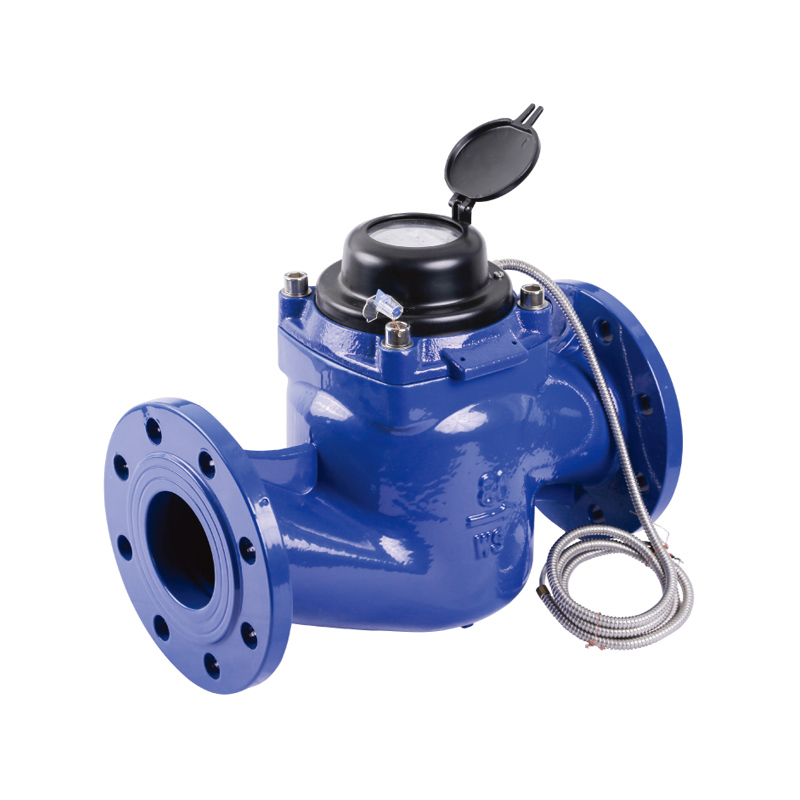


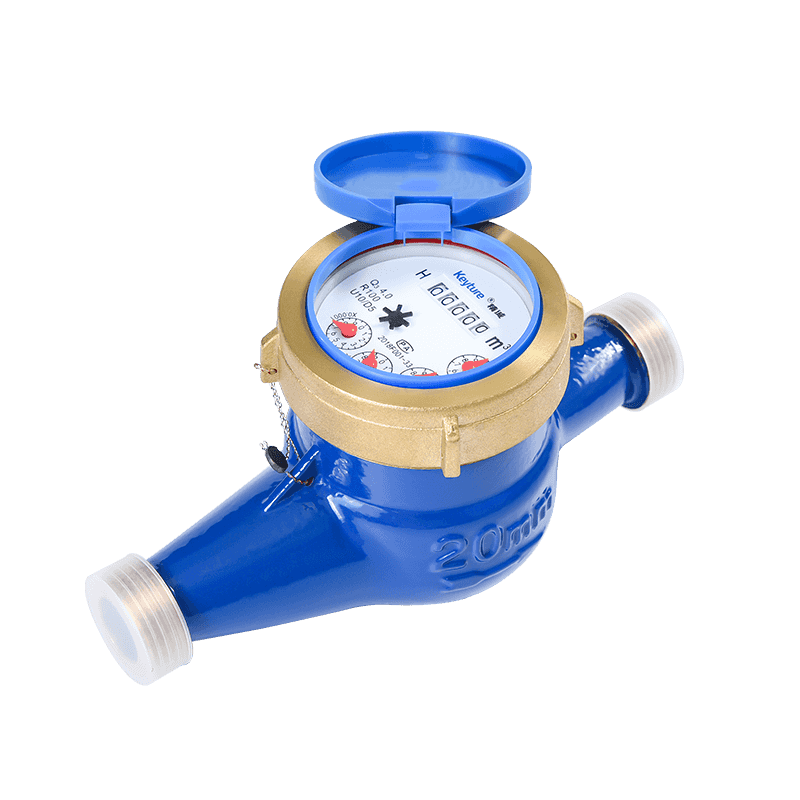
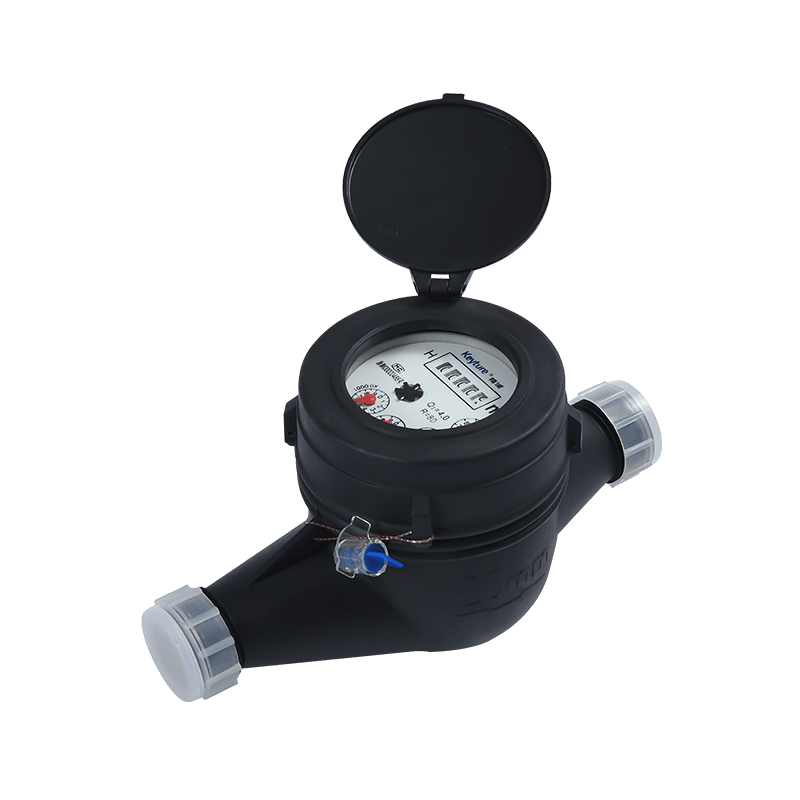
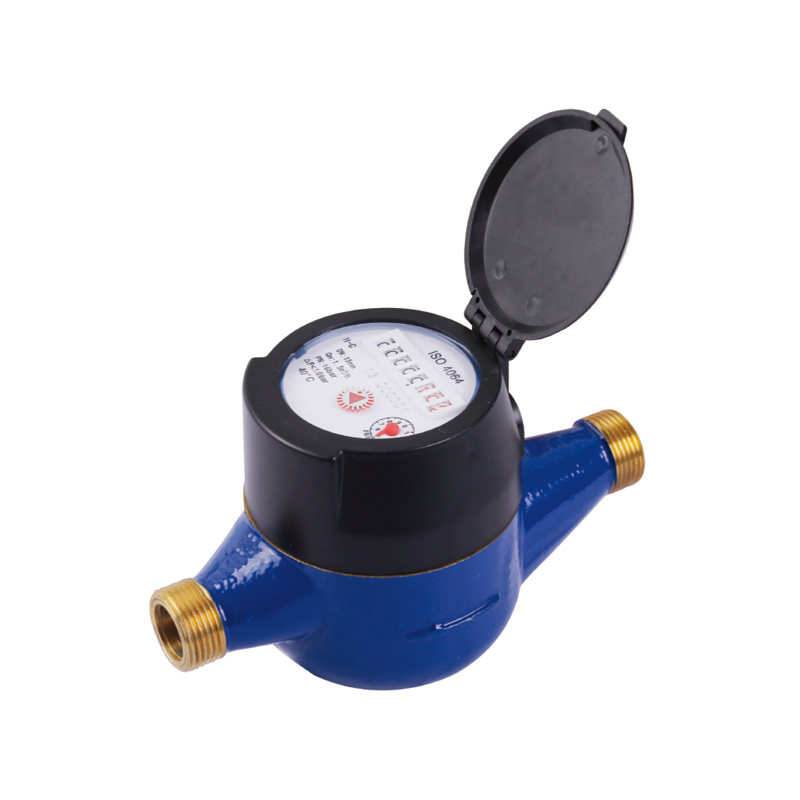
Mechanic Water Meter as traditional mechanical water measurement equipment demonstrates widespread global application through reliability, durability, and low-cost advantages. Compared to smart electronic water meters, Mechanic Water Meter demonstrates independence from external power sources or complex electronic systems establishing ideal usage across various environments. Understanding Mechanic Water Meter characteristics across different application scenarios proves critical for proper selection and usage.
Mechanic Water Meter maintains dominant positions in residential applications. Most household users select Mechanic Water Meter primarily through low initial procurement costs. Standard Mechanic Water Meter pricing typically ranges 100-300 yuan proving acceptable for ordinary families. Mechanic Water Meter installation proves relatively simple requiring no specialized electrical technicians with community maintenance personnel typically capable installation.
Residential applications typically employ Mechanic Water Meter specifications including DN15 or DN20 corresponding 15-millimeter or 20-millimeter pipe diameters. Such specifications completely satisfy general household water requirements including kitchen, bathrooms and other domestic consumption. Mechanic Water Meter precision grades typically B-level demonstrating error ranges within 2 percent proving adequately accurate for household billing requirements.
Residential environment Mechanic Water Meter installation typically requires no special handling. Water meters usually install on household water entry pipes with location selection facilitating convenient meter reading and maintenance. Most circumstances simply require household users periodically reading meter values recording water consumption. Mechanic Water Meter maintenance costs remain extremely low enabling 8-10 plus year operation under normal conditions.
Commercial applications encompass shops, office buildings, restaurants, hotels and various commercial establishments. Such scenarios demonstrate widespread Mechanic Water Meter application. Commercial users primarily select Mechanic Water Meter through superior cost-effectiveness ratios. Though commercial water consumption typically exceeds household levels, Mechanic Water Meter remains economically favorable selection.
Commercial applications typically employ Mechanic Water Meter specifications including DN25, DN32 or DN40 corresponding larger pipe diameter measurements. Such specifications adequately satisfy commercial establishment water requirements including restaurant kitchens, washing areas, restrooms. Commercial establishments maintain higher billing accuracy requirements with Mechanic Water Meter precision sufficiently meeting such demands.
Commercial applications typically involve professional personnel periodically recording Mechanic Water Meter readings generating water cost accounting. Such traditional manual reading methods though relatively inefficient remain acceptable for numerous small commercial users. Certain large commercial applications increasingly adopt remote transmission-capable Mechanic Water Meter improved versions though traditional pure mechanical Mechanic Water Meter remains mainstream selection.
Industrial applications denote manufacturing factories, wastewater treatment facilities, water supply companies and large-scale water consumption scenarios. Industrial environments present distinct Mechanic Water Meter challenges. Industrial applications typically require measuring large water flow quantities requiring large-diameter Mechanic Water Meter usage with specifications potentially reaching DN50, DN65, DN80 or exceeding.
Industrial-use Mechanic Water Meter requires higher precision grades typically A-level or higher with error ranges within 1.5 percent. This reflects industrial water consumption billing involving enormous economic interests requiring both parties ensure measurement accuracy. Certain high-precision Mechanic Water Meter products specifically design for industrial applications.
Industrial environment water quality typically proves inferior potentially containing considerable impurities, sediments and particulates. This requires Mechanic Water Meter possessing robust blockage prevention and corrosion resistance. Meeting such requirements, industrial-use Mechanic Water Meter typically features filtration or sedimentation chambers preventing debris entry into measurement mechanisms.
Industrial water flow and pressure potentially prove considerable imposing higher mechanical strength requirements on Mechanic Water Meter. Industrial-grade Mechanic Water Meter typically employs more durable materials and strengthened designs.
Though Mechanic Water Meter basic operating principles remain identical, distinct differences emerge across three application scenarios. First involves specification differences with residential applications typically using small-diameter meters, commercial applications employing medium-diameter meters, industrial applications utilizing large-diameter meters. Second involves precision requirements differing with industrial applications demanding strictest precision, commercial applications moderately, residential applications requiring relatively lower standards.
Different application scenarios present varying Mechanic Water Meter installation position requirements. Household installation typically positions on household entry piping with relatively fixed locations. Commercial and industrial applications potentially position below-ground, ground-level or interior building locations depending supply system designs. Certain industrial applications specifically design reading chamber installation for convenient meter reading and maintenance.
Different application scenario water quality variations impact Mechanic Water Meter performance. Household water typically represents processed municipal water demonstrating relatively superior quality minimizing Mechanic Water Meter damage. Commercial water though similarly representing municipal water may employ groundwater or alternative sources in certain applications reducing water quality. Industrial water quality demonstrates greatest variance with certain applications employing water potentially containing substantial impurities and corrosive substances.
Cold region conditions potentially subject Mechanic Water Meter to freezing complications. Residential applications typically position Mechanic Water Meter indoors or freeze-protected locations. Commercial and industrial applications potentially require additional freeze prevention such as cold-season water meter insulation or drainage.
Three application scenarios demonstrate reading method differences. Household users typically read Mechanic Water Meter values monthly calculating monthly consumption. Commercial applications potentially require more frequent readings such as weekly or daily readings. Industrial applications typically feature more precise reading equipment or remote transmission systems.
Relevant regulations require periodic Mechanic Water Meter inspection and calibration. Household-use Mechanic Water Meter typically requires six-year inspection cycles though certain regions potentially extend to eight years. Commercial-use Mechanic Water Meter inspection cycles prove similar. Industrial-use Mechanic Water Meter potentially requires more frequent inspection particularly for high-precision equipment.
Mechanic Water Meter demonstrates significant cost-effectiveness across three application types. Residential applications present low procurement costs and minimal maintenance costs establishing mainstream selection. Commercial applications though employing larger Mechanic Water Meter specifications and higher costs remain acceptable relative to commercial user economic capacity. Industrial applications though demanding higher technical requirements and increased pricing remain most economical selection relative to industrial water consumption and billing amounts.
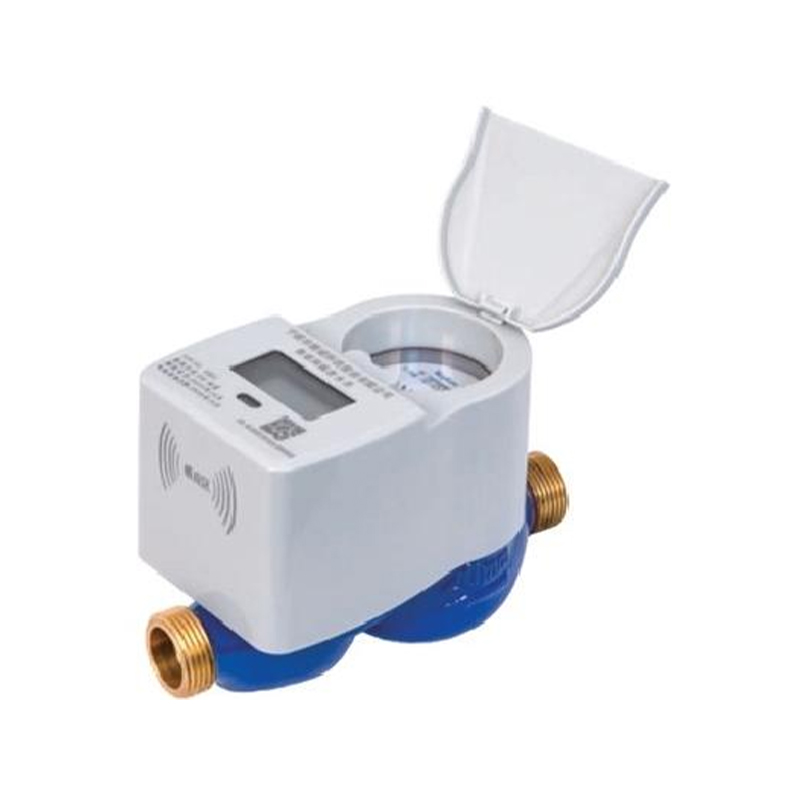
Though smart water meters gradually popularize, Mechanic Water Meter continues foreseeable future usage. Particularly in developing nations and remote regions, cost and infrastructure limitations render Mechanic Water Meter preferred selection. Even developed nations maintain numerous household and small commercial Mechanic Water Meter users.
prevHow Do Ultrasonic Water Meters Contribute to Water Conservation Management
nextHow Do Ultrasonic Water Meters Compare to Traditional Water Meters in Installation and Maintenance Costs


Address: No.168,LinMu Rd.,Zone B, Jiangbei investment Park, Ningbo, Zhejiang,China
Tel: +86-0574-83090480/+86-18892665118
Fax: +86-0574-83021045
Email: [email protected]
Web: https://www.keyturemeter.com/
Quick Links
Product
Mobile terminal
 Wholesale Potable Water Flow Meter Manufacturers