English
 Español


In the context of Smart Water transformation, the water supply industry is undergoing a profound technological shift. Whether the Ultrasonic Water Meter will completely terminate the dominance of the Mechanical Water Meter within the next five years is not just a technical debate, but a commercial logic involving cost structures, pipe network asset management, and long-cycle infrastructure replacement.
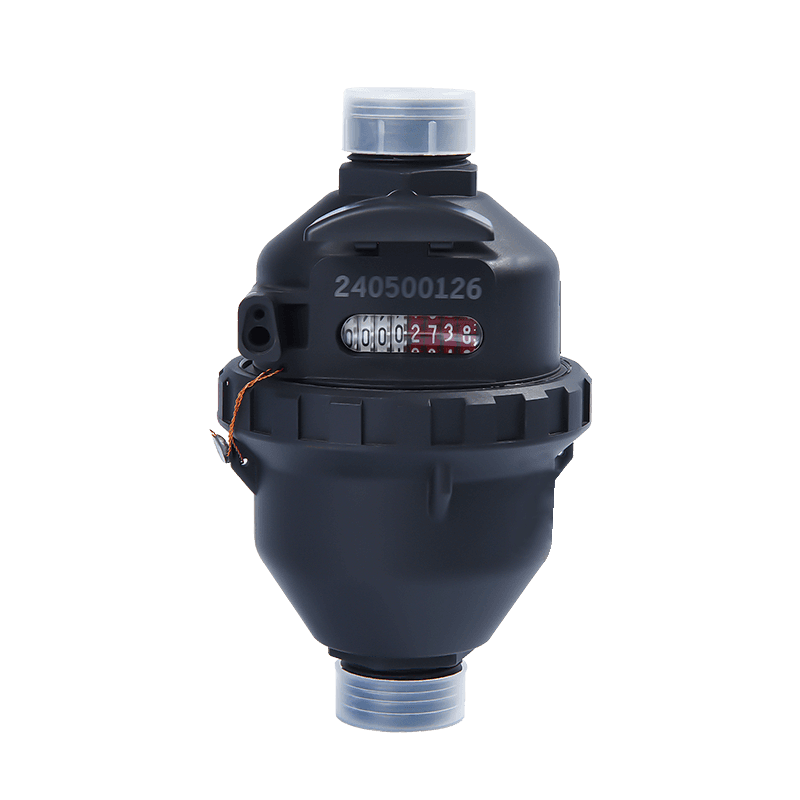
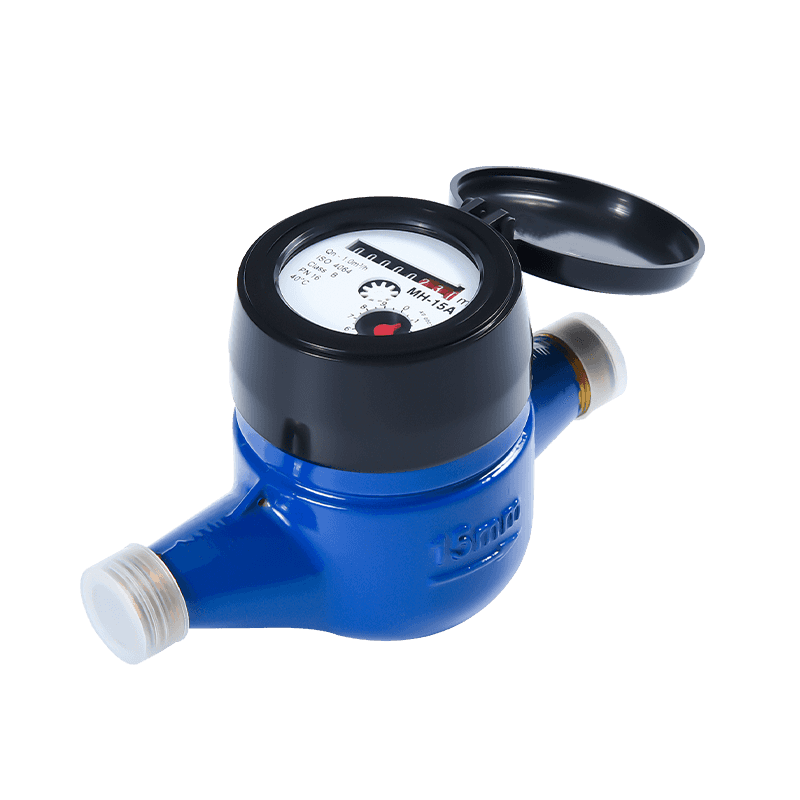
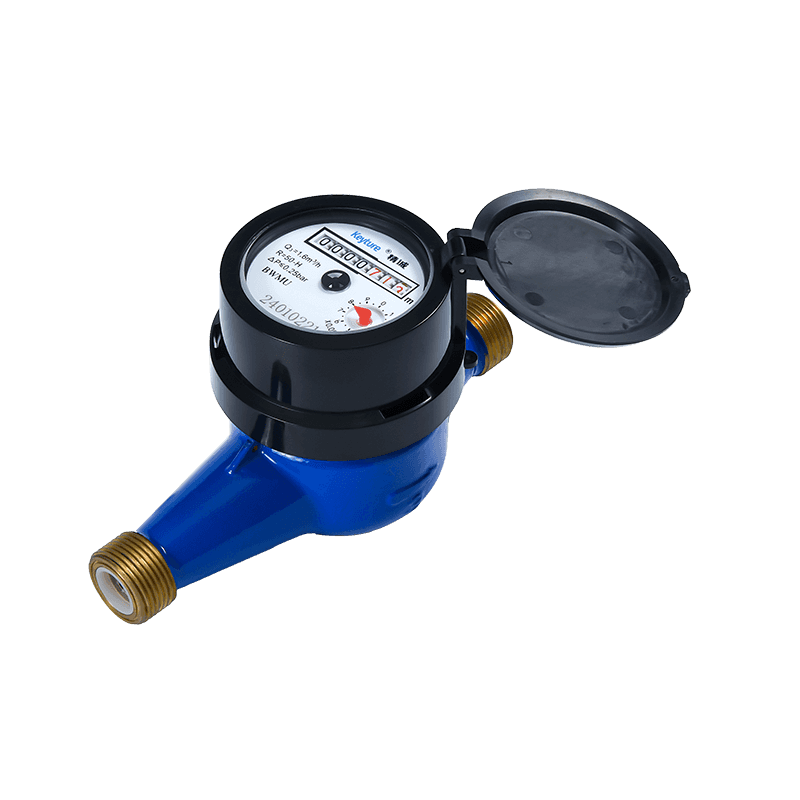
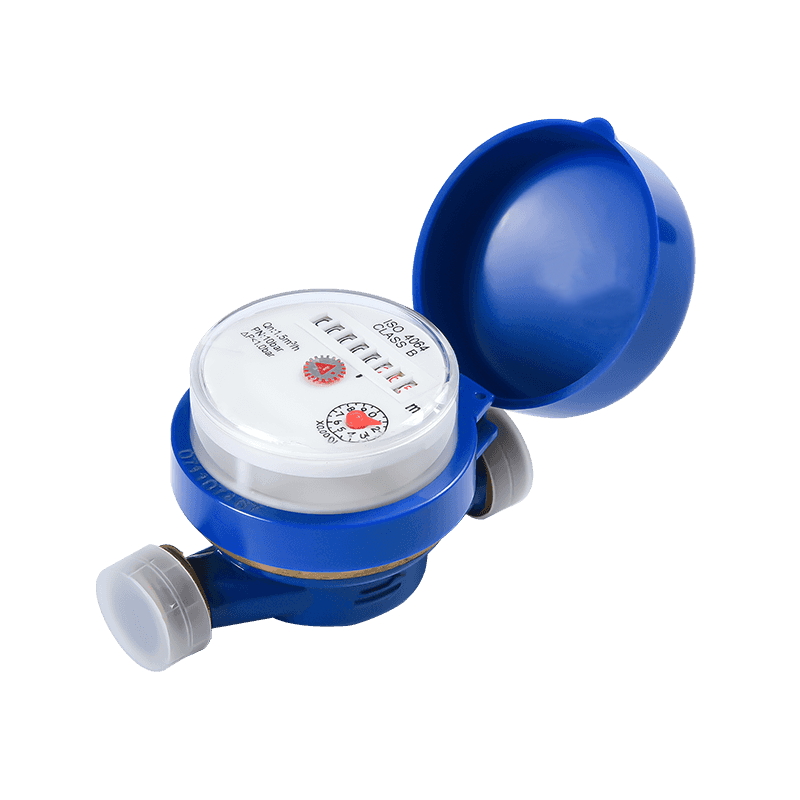
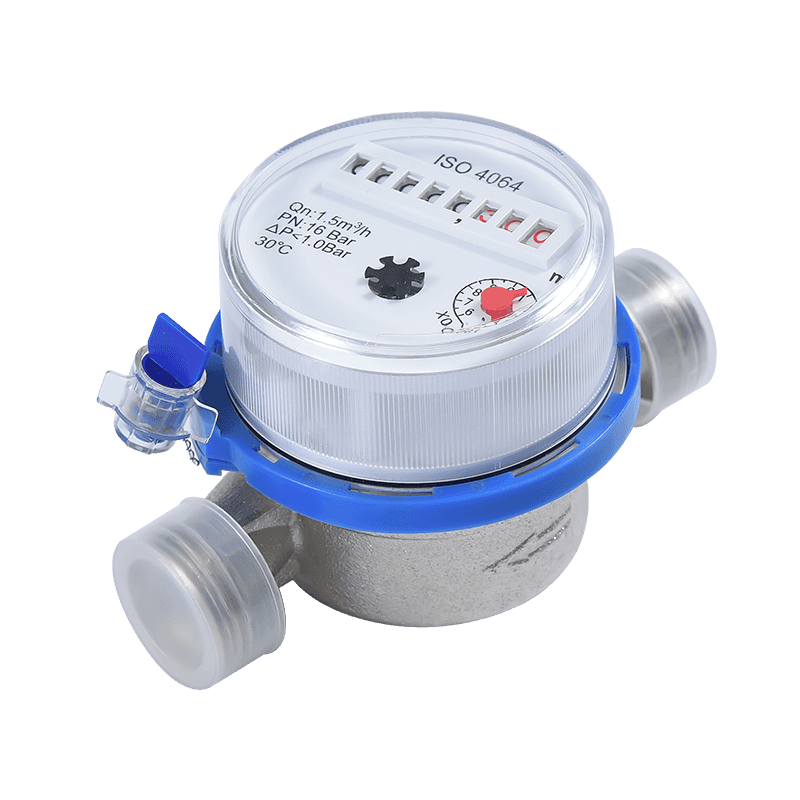
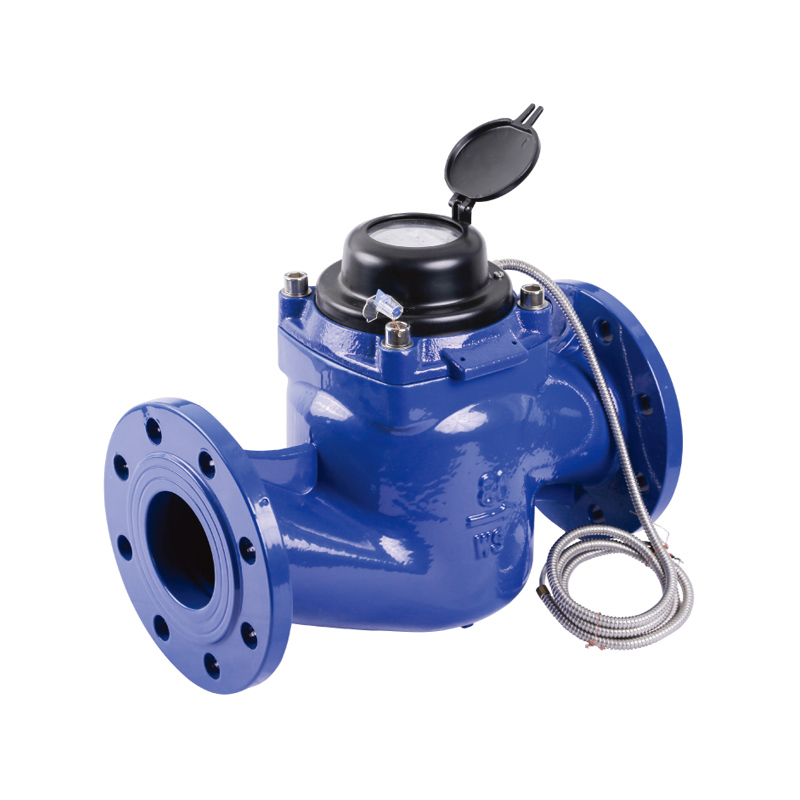
The Mechanical Water Meter relies on water flow to drive an impeller, recording water volume through a gear reduction mechanism. Its core limitation lies in physical wear and a higher Starting Flow Rate. As service years increase, mechanical wear causes measurement errors to gradually expand.
In contrast, the Ultrasonic Water Meter utilizes the Time-of-Flight (ToF) principle, calculating flow velocity by measuring the time difference of ultrasonic signals propagating upstream and downstream in the fluid. This electronic measurement path has no moving parts, fundamentally solving the performance degradation caused by wear.
Measurement Precision and Low Flow Capture
The turndown ratio (R-ratio) of an Ultrasonic Water Meter can typically reach R250 or even R400, far higher than the R80 or R100 of standard mechanical meters. This means it can detect extremely small leaks. For water utilities, this directly increases the proportion of Revenue Water and effectively reduces Non-Revenue Water (NRW).
Digital Transformation and NB-IoT Integration
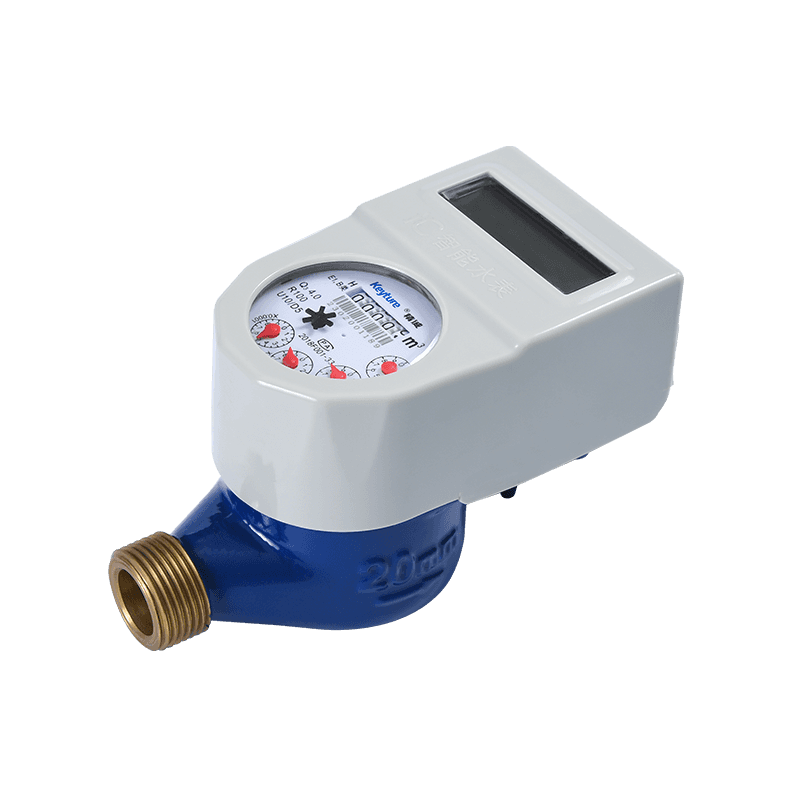
Modern smart cities require water meters to be not just metering units, but IoT terminals. The Ultrasonic Water Meter natively supports electronic signal output, allowing for more efficient integration of NB-IoT, LoRaWAN, or Sigfox remote communication modules. For mechanical meters to achieve digitalization, electronic collection modules (such as pulse or optoelectronic direct reading) must be added, a "patch-style" design that is less stable than a full electronic architecture.
Life Cycle Cost (LCC) Overturn
Although the initial purchase price (CAPEX) of an Ultrasonic Water Meter is higher than that of a mechanical meter, its maintenance-free period of 10-15 years and sustained high-precision measurement allow its Life Cycle Cost to break even with mechanical meters within approximately 5-8 years.
Despite obvious advantages, achieving 100% replacement within five years faces practical challenges:
Initial Investment Budget Pressure
For small to medium-sized water companies or network renovations in developing regions, the higher unit price of the Ultrasonic Water Meter remains a primary obstacle in decision-making. When budgets are limited, mass replacement with mechanical meters remains a more cost-effective choice.
Infrastructure Inertia
Mechanical water meters have an application history of over a hundred years, with an extremely mature supply chain for installation, testing, and maintenance. Physical conditions such as meter box designs and installation spacing in older communities sometimes limit the direct deployment of precision electronic instruments.
Battery Life Anxiety
Electronic water meters are highly dependent on internal lithium batteries. Although mainstream products currently promise a 10-year lifespan, performance fluctuations in extreme climates (such as severe cold) remain a risk factor monitored by maintenance departments.
Within the next five years, we will not see the complete disappearance of mechanical water meters, but rather a structural reversal of market share:
New Projects and Smart Communities
In Tier-1 cities and new residential projects, the penetration rate of the Ultrasonic Water Meter is expected to exceed 80%.
Large-Diameter Industrial Metering
In the Commercial and Industrial (C&I) sectors, due to the requirement for minimal Pressure Loss and high precision, ultrasonic technology will achieve rapid and near-total replacement.
Legacy Replacement
In old city renovations, mechanical meters will still occupy a certain proportion but will transition toward "mechanical meters with communication functions."
prevWhy Is the Electronic Water Meter Replacing Mechanical Meters in Modern Smart Cities
nextMagnetic Interference vs. Modern Electronic Water Meters: Physical Defense and Residual Risks


Address: No.168,LinMu Rd.,Zone B, Jiangbei investment Park, Ningbo, Zhejiang,China
Tel: +86-0574-83090480/+86-18892665118
Fax: +86-0574-83021045
Email: [email protected]
Web: https://www.keyturemeter.com/
Quick Links
Product
Mobile terminal
 Wholesale Potable Water Flow Meter Manufacturers