English
 Español
Mechanical Number Register
Read the digits from left to right. Record the whole-number section first. Different colors or decimal markers may separate billing units from smaller quantities.

Residential and Commercial Water Measurement
A water meter records the amount of water passing through a property supply pipe. It helps homeowners, facility managers and maintenance teams understand water consumption, verify utility readings and identify possible leaks before they cause serious damage.
Many users search for how to read a water meter, where is my water meter located or what does a water meter look like because the instrument may be installed underground, inside a utility room, near an exterior wall or within a dedicated water meter box. The meter design and installation position vary according to the building type, climate, local pipe arrangement and metering system.
Appearance and Components
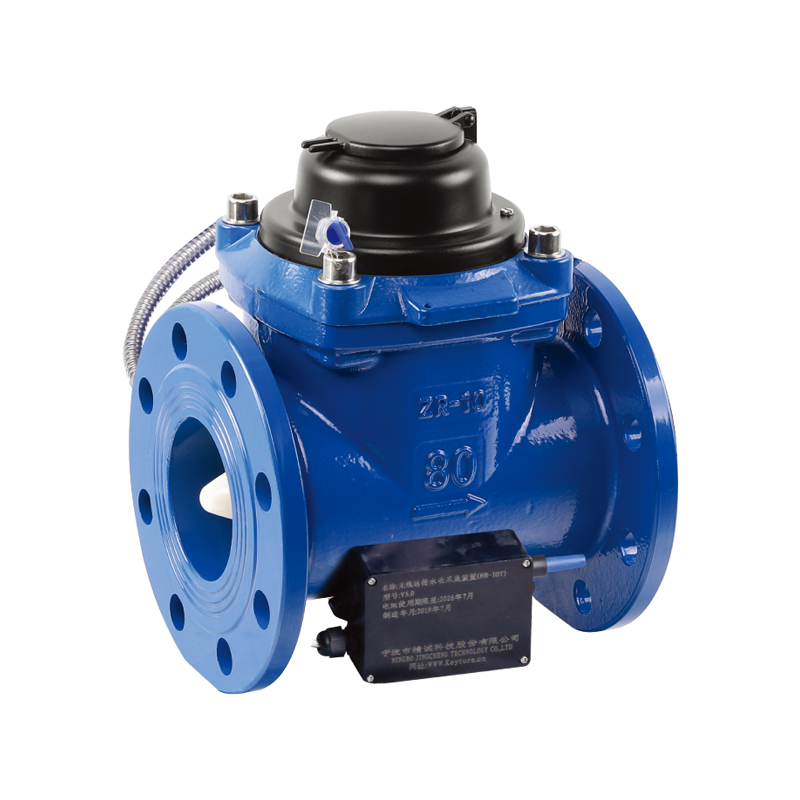
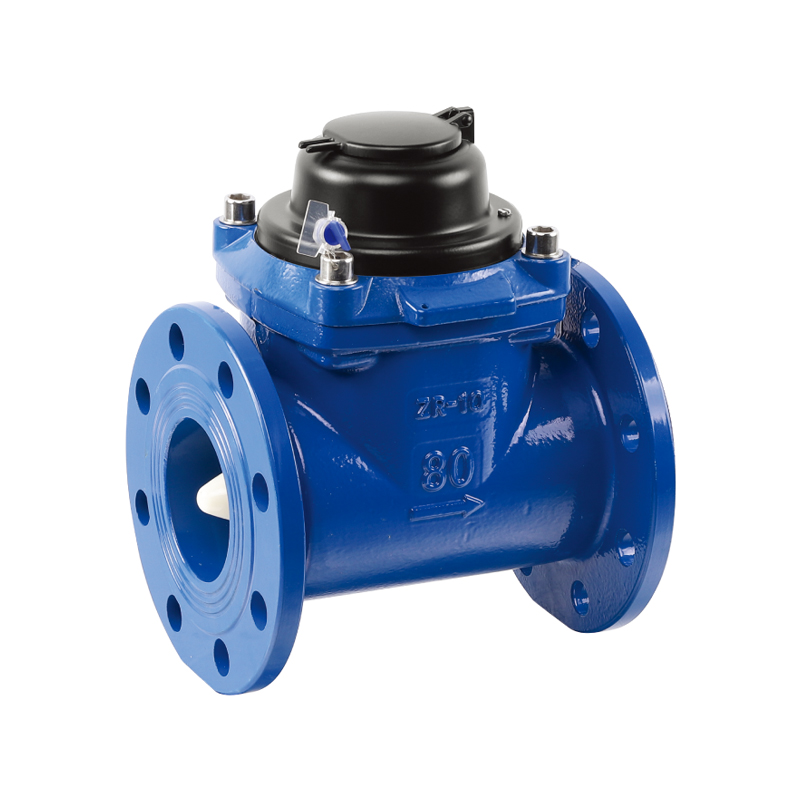
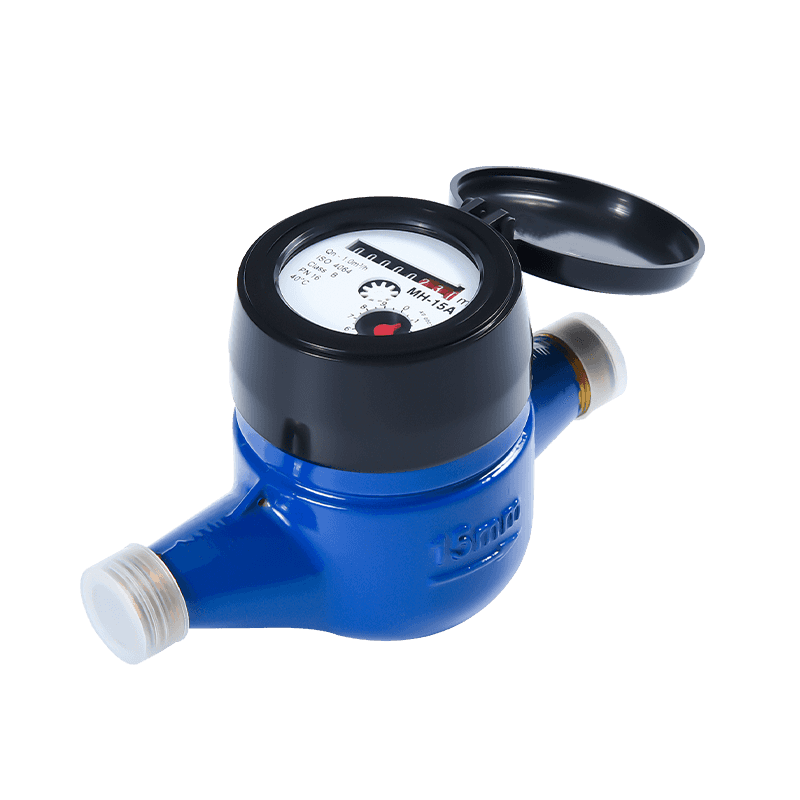
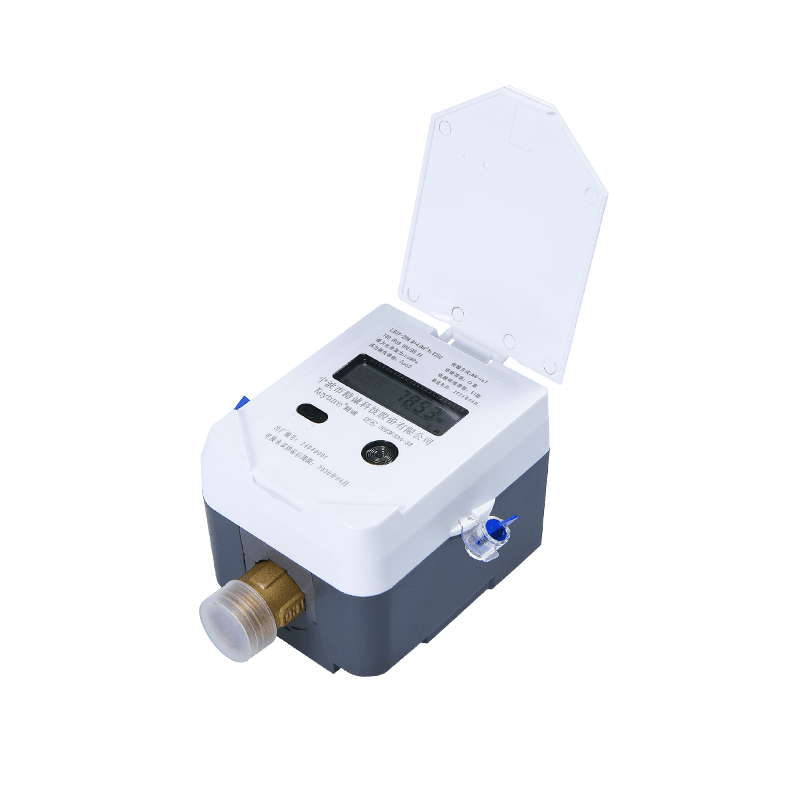
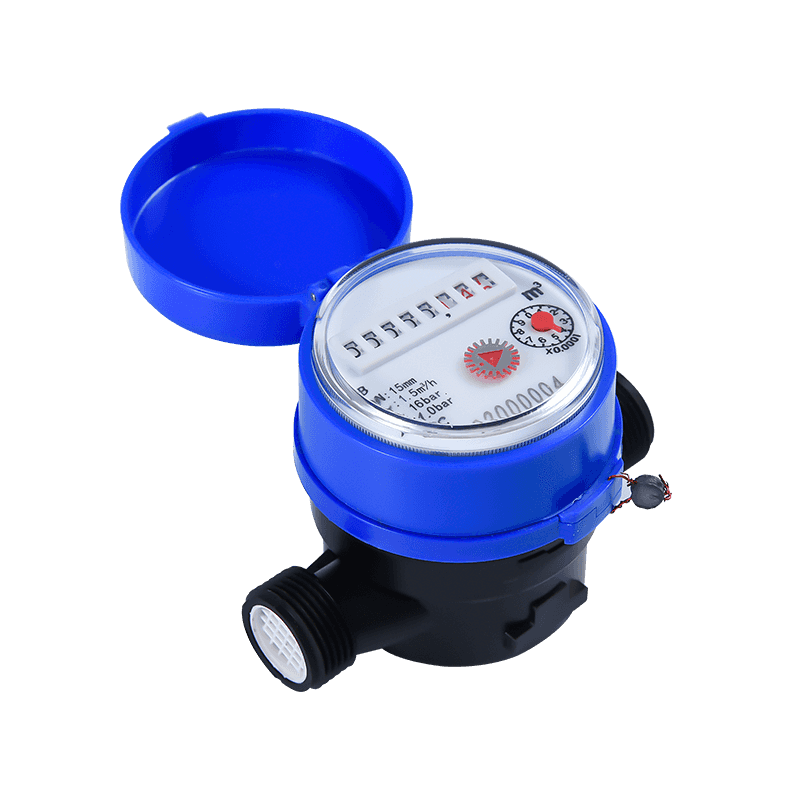
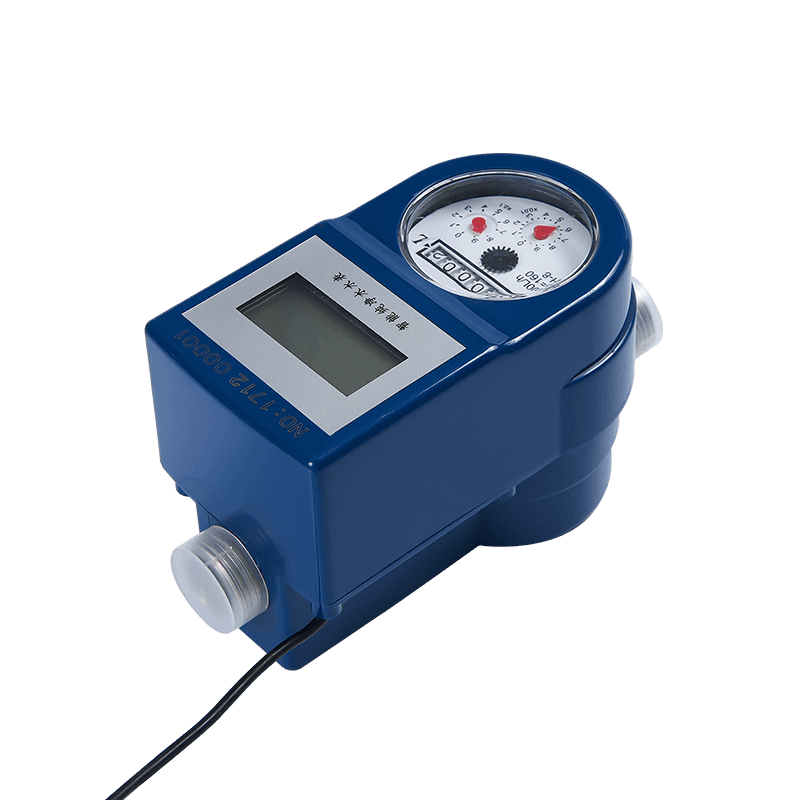
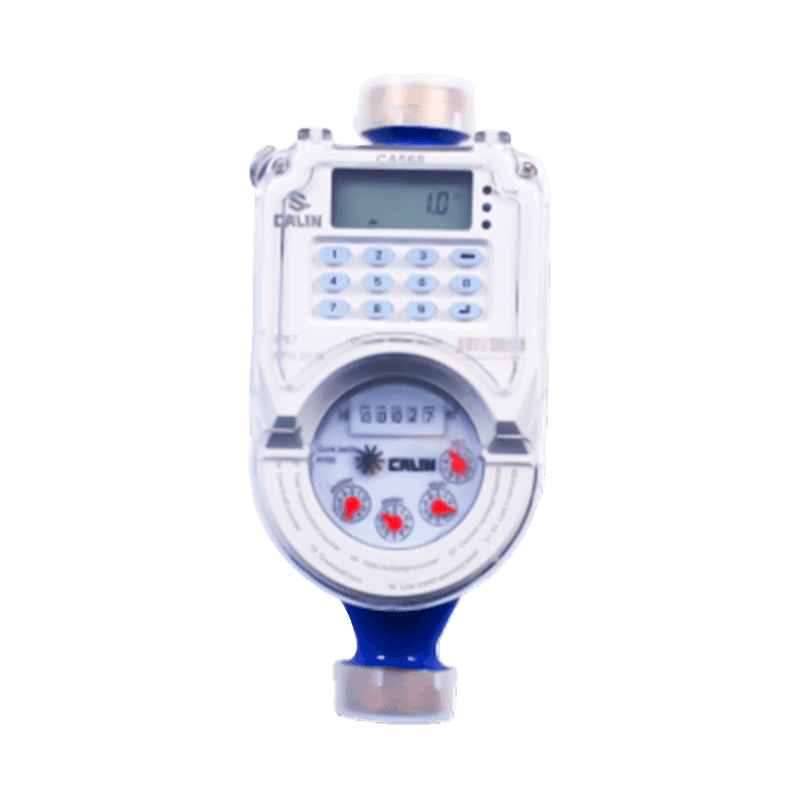
What does a water meter look like depends on the meter type and installation environment. A conventional residential meter often has a round or rectangular body connected directly to the incoming water pipe. The upper section normally contains a mechanical dial, numerical register or digital display.
What does a water meter look like at a house? In many properties, only the display face is immediately visible. The body may be brass, cast metal, stainless steel, engineered plastic or a combination of materials. An external protective cover can hide the display until it is opened for reading.
Example display only. Actual registers, units and body structures vary.
Property Inspection
Where is my water meter located is one of the most common questions when checking consumption or investigating a leak. The meter is normally installed close to the point where the main water supply enters the property.
In many houses, the meter is installed underground between the street water main and the building. It may be placed below a removable metal, concrete or plastic lid.
In colder regions, the meter may be installed indoors to reduce freezing risk. Check the wall where the main supply pipe enters the basement.
Properties without basements may have the meter near a water heater, main shut-off valve, service panel or utility pipe group.
Some buildings use an external meter cabinet or wall-mounted meter assembly near the incoming water connection.
Apartments and multi-unit properties may have several meters installed together in a plant room, service corridor or dedicated cabinet.
Following the main supply pipe from the shut-off valve can often lead directly to the meter or its communication unit.
Finding the Device
Determine which side of the building faces the street or main water supply. The meter is often positioned along the shortest practical route between the main pipe and the property.
Check garden areas, sidewalks, driveways and boundary strips for a small rectangular or round cover marked for water service.
Inside the property, trace the cold-water supply pipe back from the main shut-off valve. The meter is frequently installed close to this valve.
Inspect basements, utility closets, mechanical rooms, garages and protected exterior cabinets where water services are grouped.
In shared buildings, verify the unit number, pipe route or meter identification before closing a valve or recording a reading.
Do not force open a damaged water meter box, enter a flooded chamber or touch exposed electrical wiring. A box may also contain insects, mud, sharp edges or unstable covers.
Protection and Accessibility
A water meter box protects an underground or externally installed meter while keeping it accessible for inspection, reading, replacement and valve operation. It may be manufactured from plastic, composite material, metal or concrete.
The water meter box should be strong enough for its installation position. A box located in a garden has different load requirements from a box installed in a driveway, pavement or vehicle-access area.
Meter Register Guide
How to read a water meter depends on whether the device uses a mechanical dial, odometer-style register, digital screen or remote reading interface. The most important step is to identify the displayed unit before recording the value.
Whole units commonly used for billing or total consumption records.
Decimal units showing smaller volumes of water passing through the meter.
One cubic metre equals 1,000 litres of water.
Read the digits from left to right. Record the whole-number section first. Different colors or decimal markers may separate billing units from smaller quantities.
Read each dial in the direction shown on the meter face. When a pointer falls between two numbers, record the lower completed number unless the meter instructions specify otherwise.
Wake the screen if necessary and cycle through the available pages. The display may show total volume, current flow, reverse flow, battery condition and alarm codes.
Water used during the period = Current meter reading − Previous meter reading
Inspection and Leak Detection
Learning how to check water meter readings can help identify unusual water consumption, continuous flow and possible hidden leaks. A basic test can be completed without dismantling the meter.
Close taps and make sure toilets, washing machines, irrigation equipment, dishwashers and water treatment systems are not actively using water.
Write down all visible digits and decimal positions. Photographing the display can help avoid transcription errors.
A moving low-flow indicator or changing digital flow value may show that water is still passing through the meter.
Avoid water use for a suitable period, then take a second reading. Any unexplained increase should be investigated.
Inspect toilets, taps, irrigation lines, water heaters, underground pipes and outdoor fixtures for signs of leakage.
Similar tests at different times can help determine whether the flow is continuous, intermittent or related to a particular appliance.
Meter and Instrument Differences
Water meter and water flow meter are sometimes used as interchangeable terms, but the required function may differ. A utility water meter normally emphasizes accumulated consumption, while a process water flow meter may prioritize real-time flow rate, control output and system integration.
| Comparison Item | Water Meter | Water Flow Meter |
|---|---|---|
| Primary purpose | Records total water consumption | Measures current flow rate and total volume |
| Typical display | Cumulative volume | Instantaneous flow, velocity and total volume |
| Common use | Residential, commercial and utility metering | Industrial processes, treatment systems and equipment control |
| Output options | Local register or remote reading signal | Pulse, analog, relay and digital communication |
| Selection focus | Accuracy class, total volume and service life | Flow range, process conditions and control integration |
Internal Conditions
Water inside water meter chambers is normal when the meter is connected to an active pressurized supply line. Many mechanical meters are designed so that the measuring mechanism operates directly in the water path.
Water visible beneath a sealed register window does not always mean the meter is leaking. Some meter designs use a wet register, while others separate the display from the water using a sealed transmission system.
Water outside the meter body, around pipe connections or filling the water meter box may indicate a pipe leak, failed connection, drainage issue, groundwater entry or rainwater accumulation.
Practical Considerations
What are the downsides of having a water meter depends on the property, water tariff structure and usage habits. The meter itself provides useful consumption data, but metered service can create several practical concerns.
Properties with high occupancy, large gardens, frequent washing or water-intensive equipment may pay more when billing is based directly on measured use.
A concealed toilet, underground pipe or irrigation leak may continue adding to the meter total until it is identified and repaired.
Underground boxes can become covered by soil, plants, parked vehicles or standing water, making manual readings and maintenance more difficult.
Poorly protected meters and pipes may be damaged in low-temperature environments if insulation and installation depth are inadequate.
An oversized meter may have limited sensitivity at very low flow, while an undersized meter may create excessive pressure loss or operate beyond its intended range.
Deposits, wear, electronic faults, battery condition and communication problems can influence reading reliability over time.
Product Selection
Meter selection should be based on pipe conditions and actual water demand. Selecting only by nominal pipe size may result in poor low-flow sensitivity, excessive pressure loss or an unsuitable communication configuration.
Common User Questions
A meter with suitable low-flow sensitivity may show continuous movement or a changing digital reading when all intended water use has stopped.
Possible causes include a toilet leak, irrigation leak, water treatment cycle, appliance refill, underground pipe leak or an outlet that has not been fully closed.
Some meter models support vertical installation, while others require a specific orientation. The approved mounting position should be confirmed before installation.
Water may come from rain, groundwater, poor drainage, a leaking connection or a damaged service pipe. Continuous refilling should be investigated.
Every inline component creates some resistance. A correctly sized meter should keep pressure loss within the permitted operating range.
Water meters may display cubic metres, cubic feet, litres or gallons according to regional standards and application requirements.
Meter Configuration Support
Pipe size, minimum flow, peak demand, water temperature, pressure rating, connection type and reading method should be confirmed before specifying a meter. Complete operating information supports more reliable measurement and easier installation.
Project Data to Prepare
prevWhat Is a Bulk Water Meter and How Does an Ultrasonic Bulk Water Meter Improve Accuracy
nextHow Does an Ultrasonic Water Meter Work and How Do You Choose the Right One


Address: No.168,LinMu Rd.,Zone B, Jiangbei investment Park, Ningbo, Zhejiang,China
Tel: +86-0574-83090480/+86-18892665118
Fax: +86-0574-83021045
Email: [email protected]
Web: https://www.keyturemeter.com/
Quick Links
Product
Mobile terminal
 Wholesale Potable Water Flow Meter Manufacturers